- Select Language
The F505 Handheld PDA is a compact, high-performan...
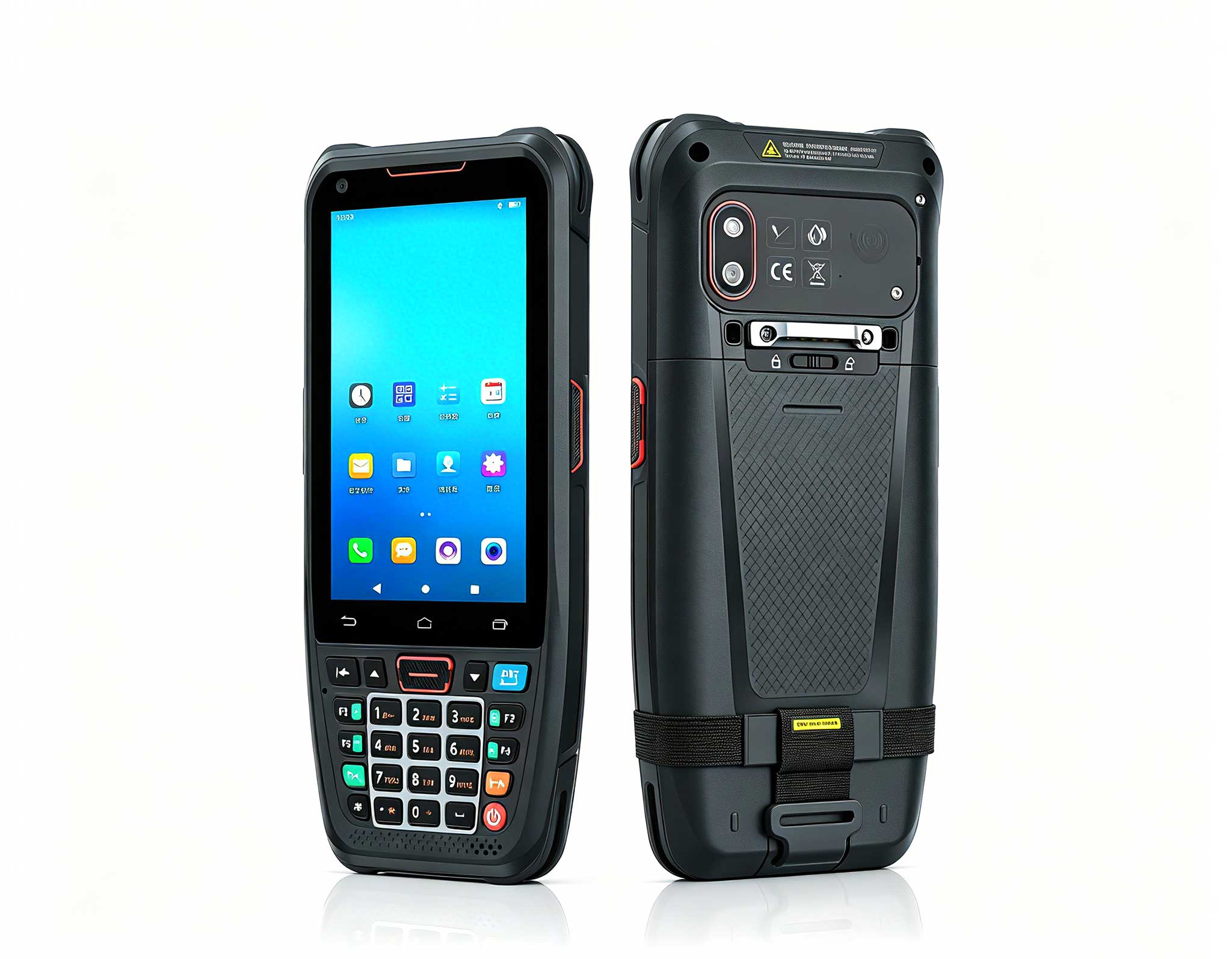
The N40 Android smart PDA features a Cortex-A53 qu...
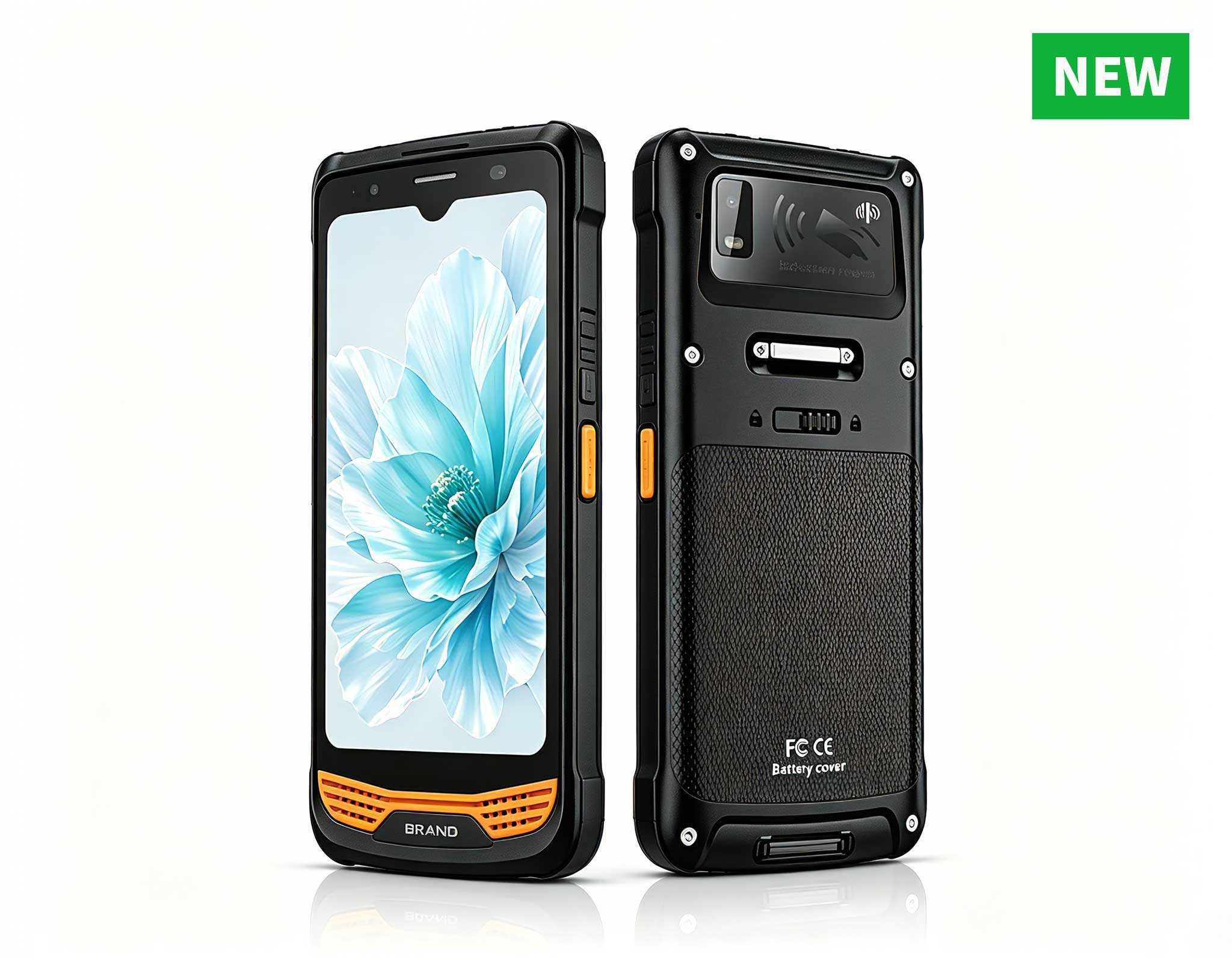
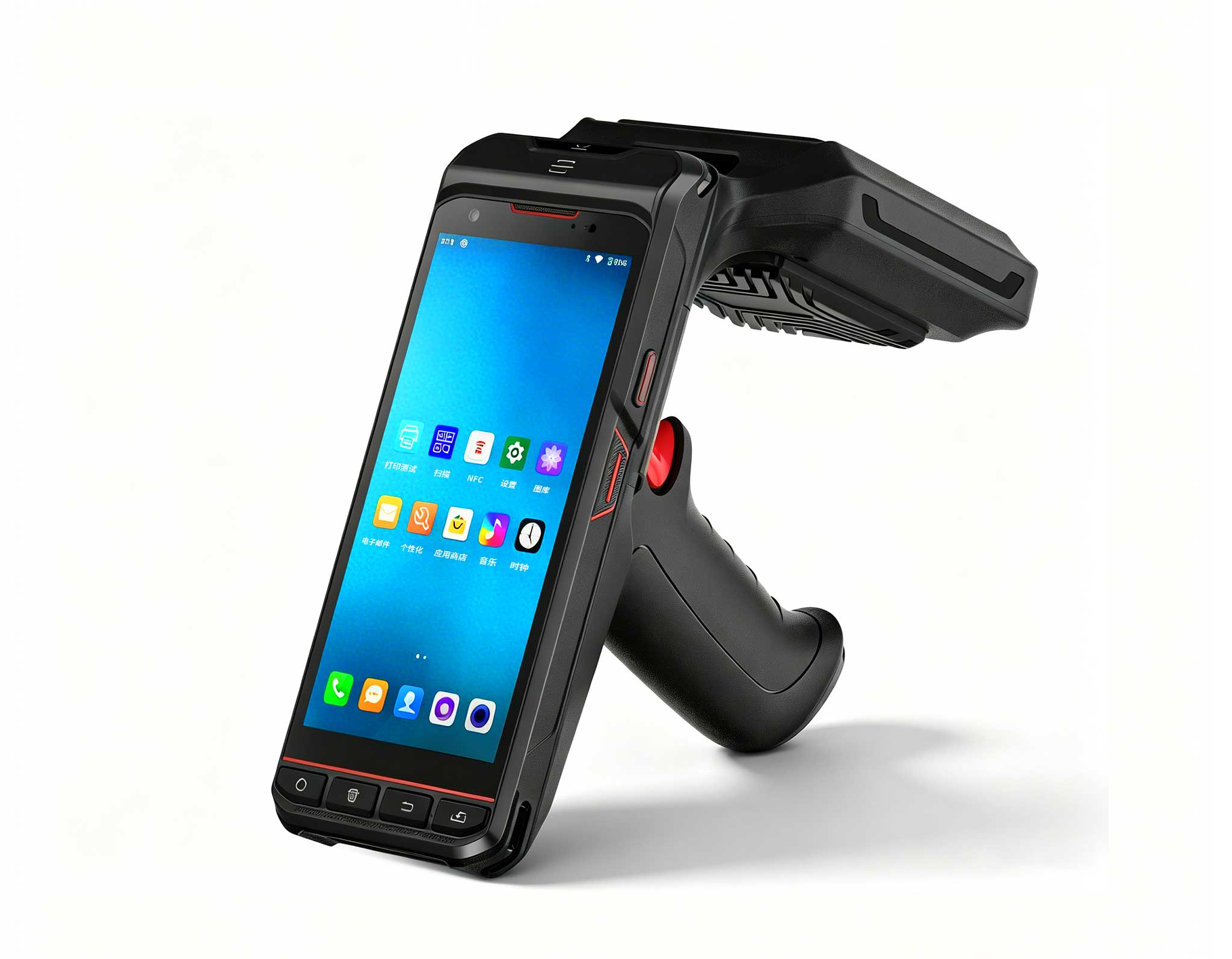
R366-S Thin 5.5-inch Industrial PDA | Qualcomm Oct...
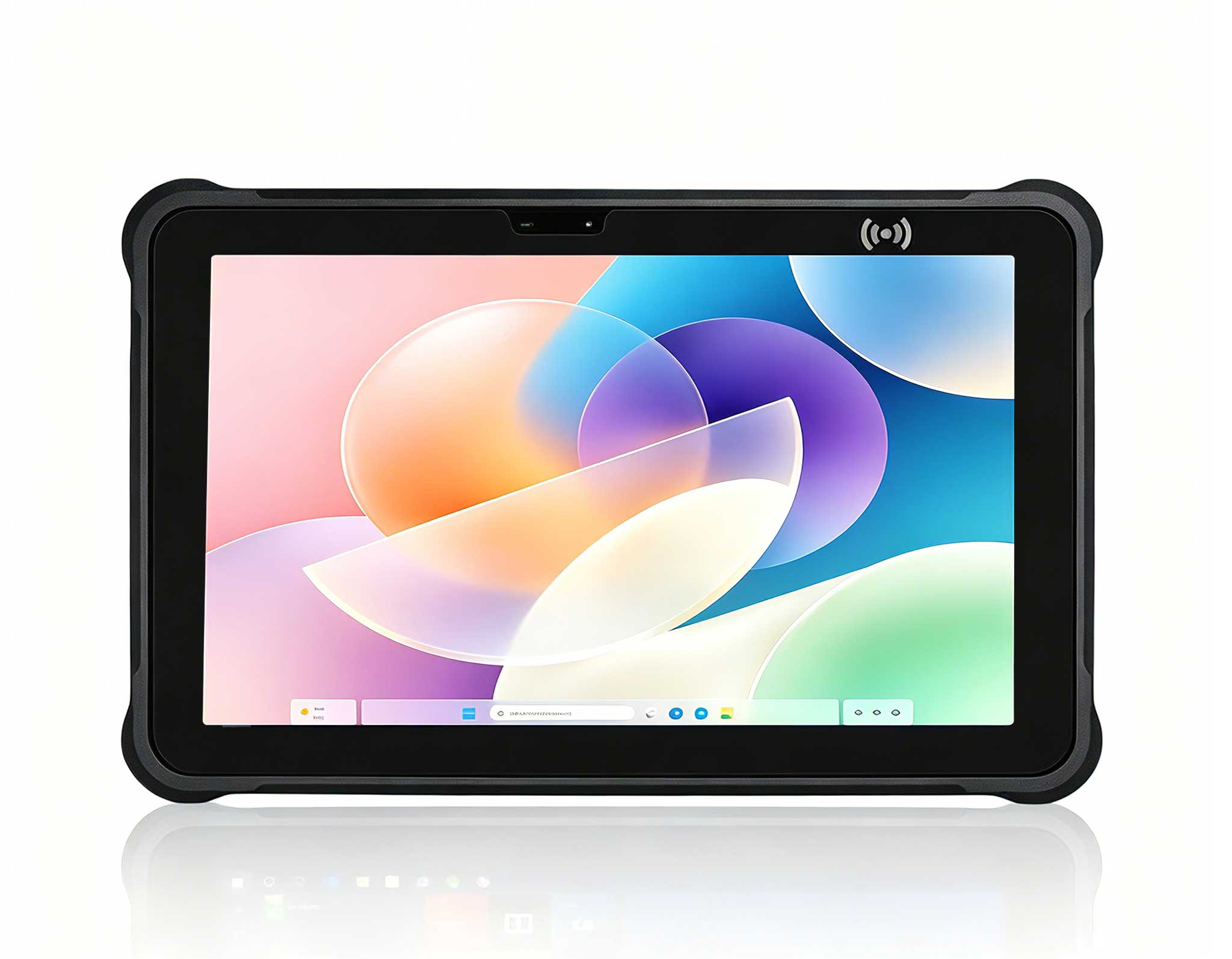
RT80 5G Rugged Tablet | 10.1" FHD 400nit | Un...
The F505 Handheld PDA is a compact, high-performan...
Full SpecificationsModelHotus ST11‑UOSWindows 10 P...
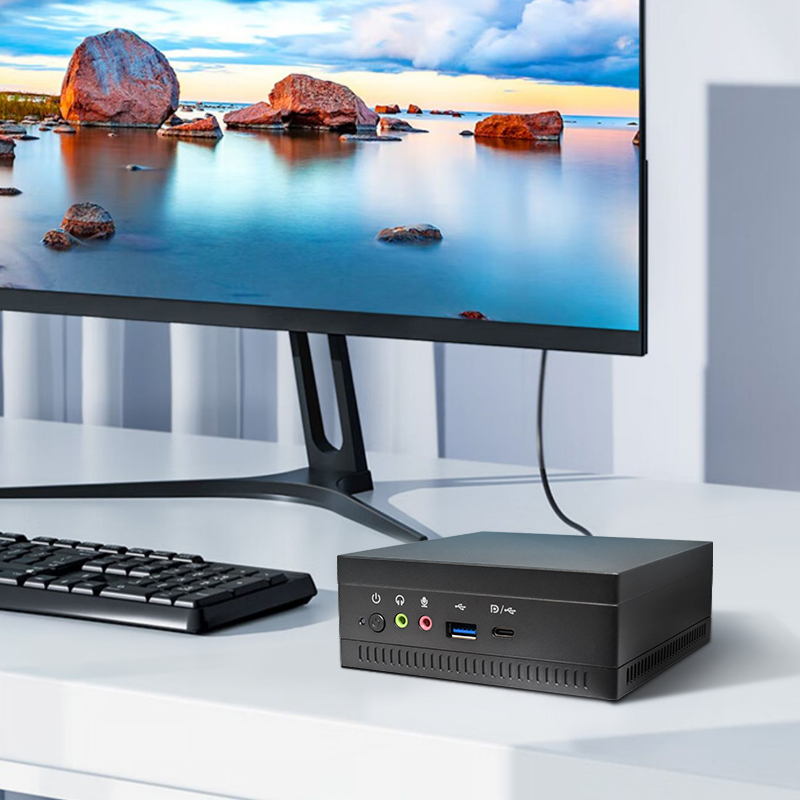
This ultra-compact mini PC offers powerful perform...
The R501 PDA combines a powerful MT6762 Octa-Core ...
The N60 PDA is a cutting-edge device for inventory...
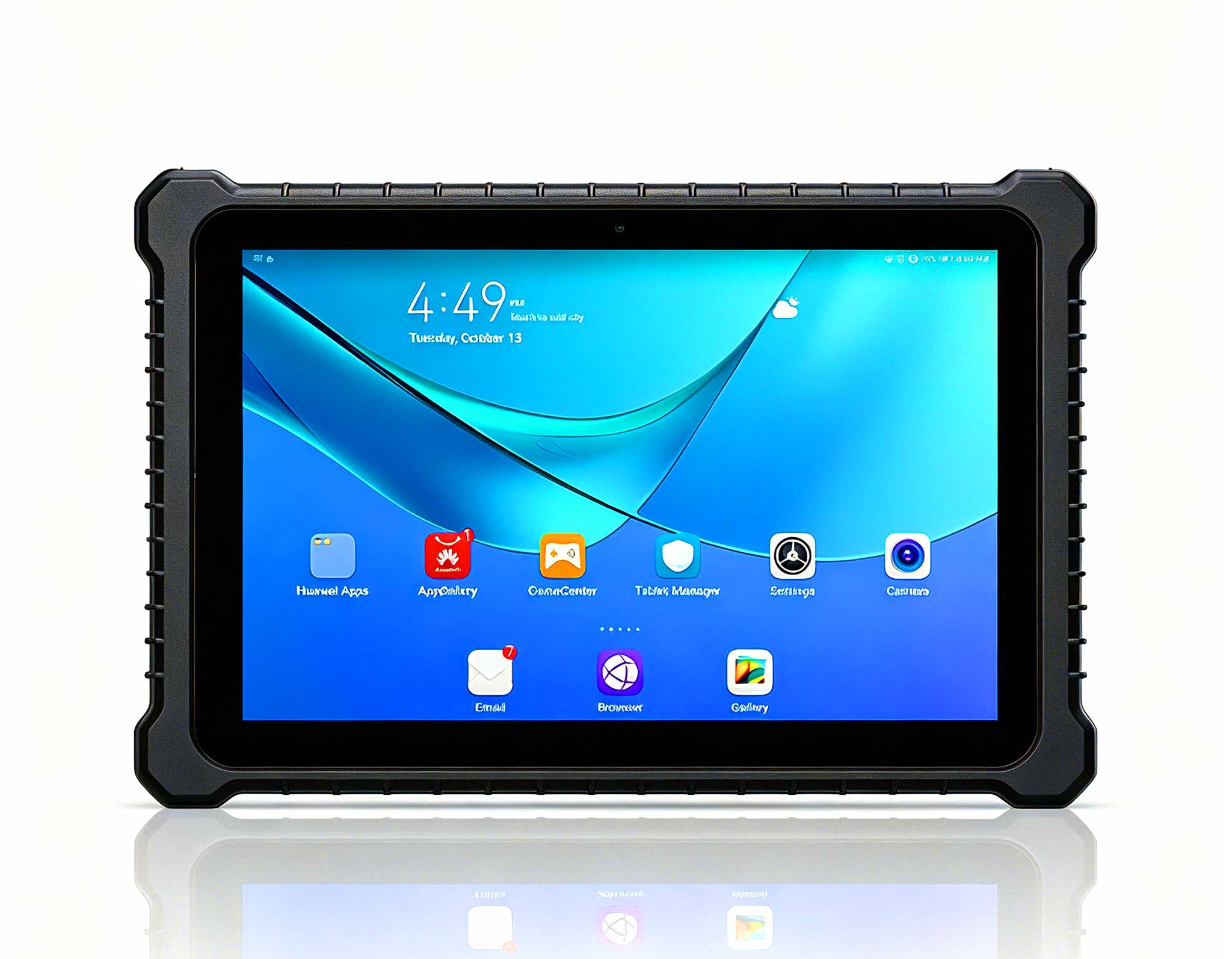
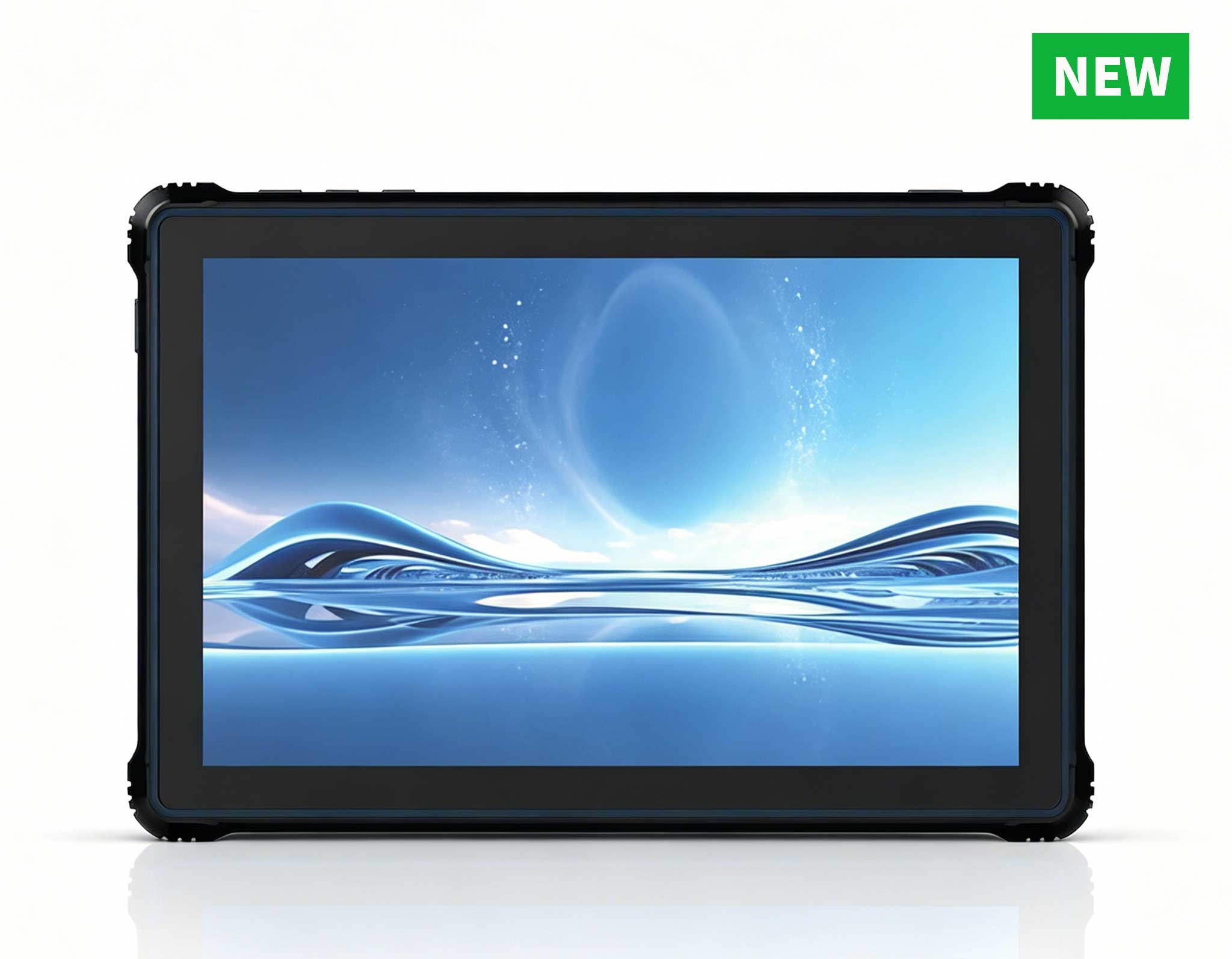
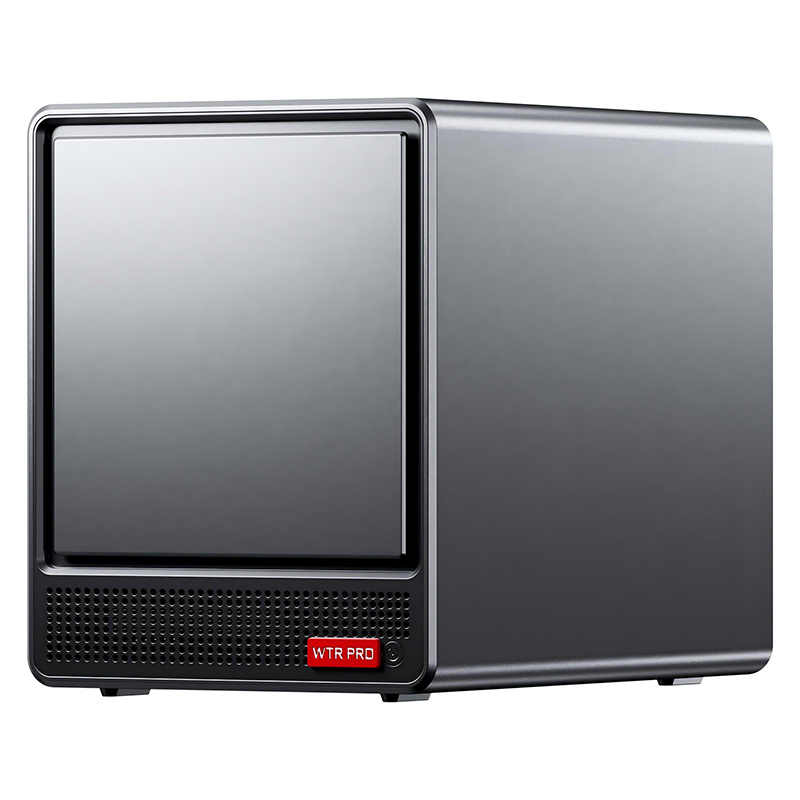
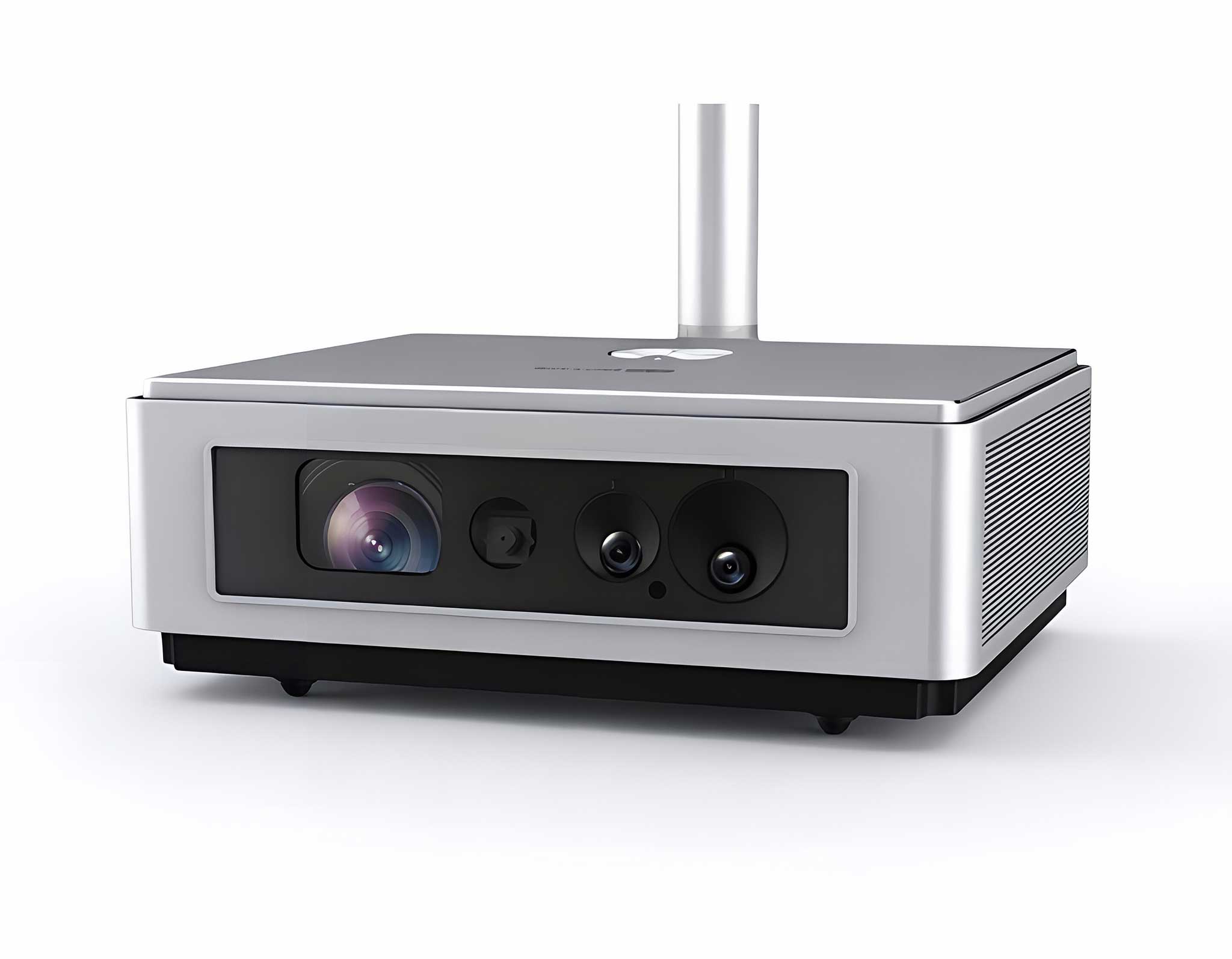
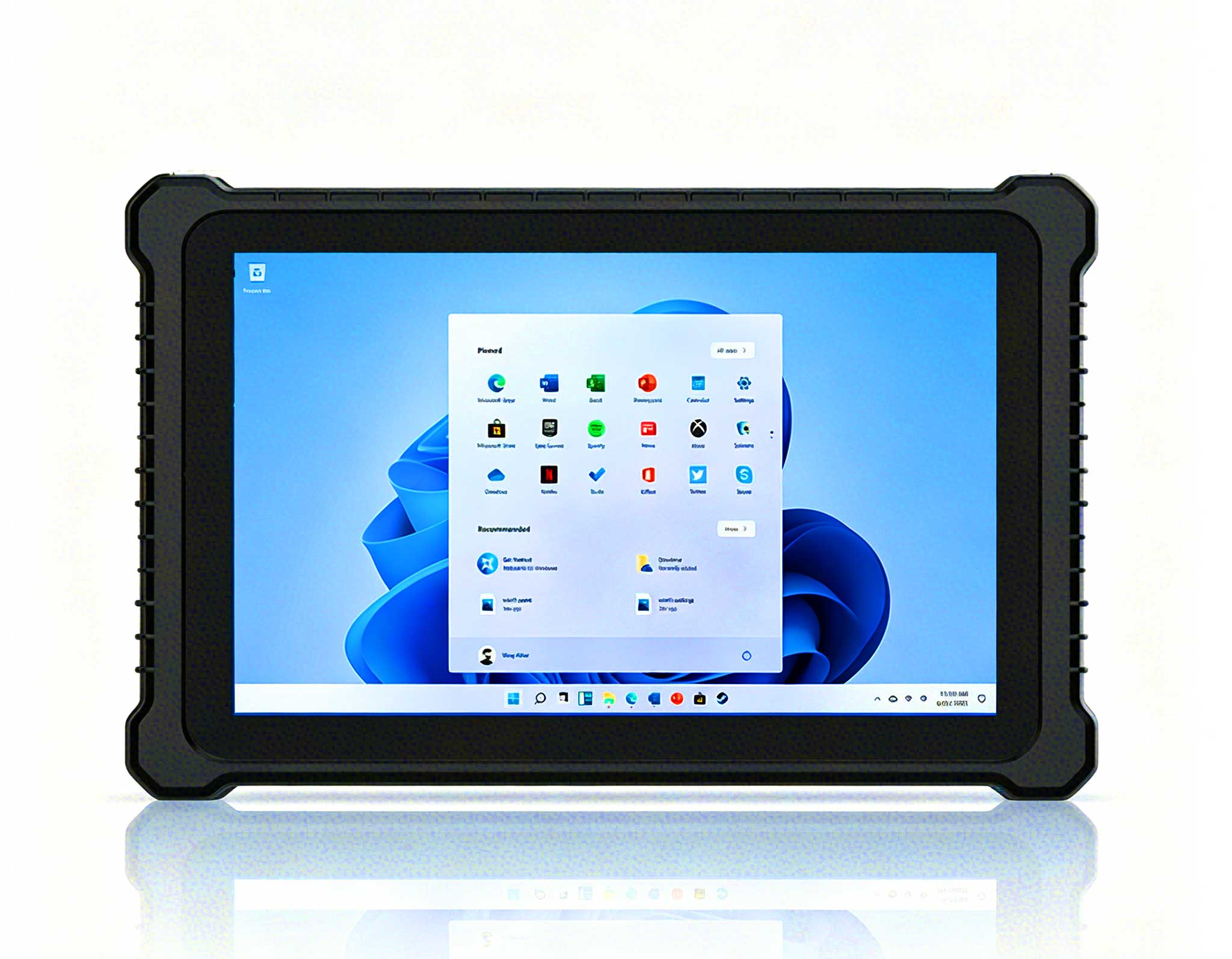
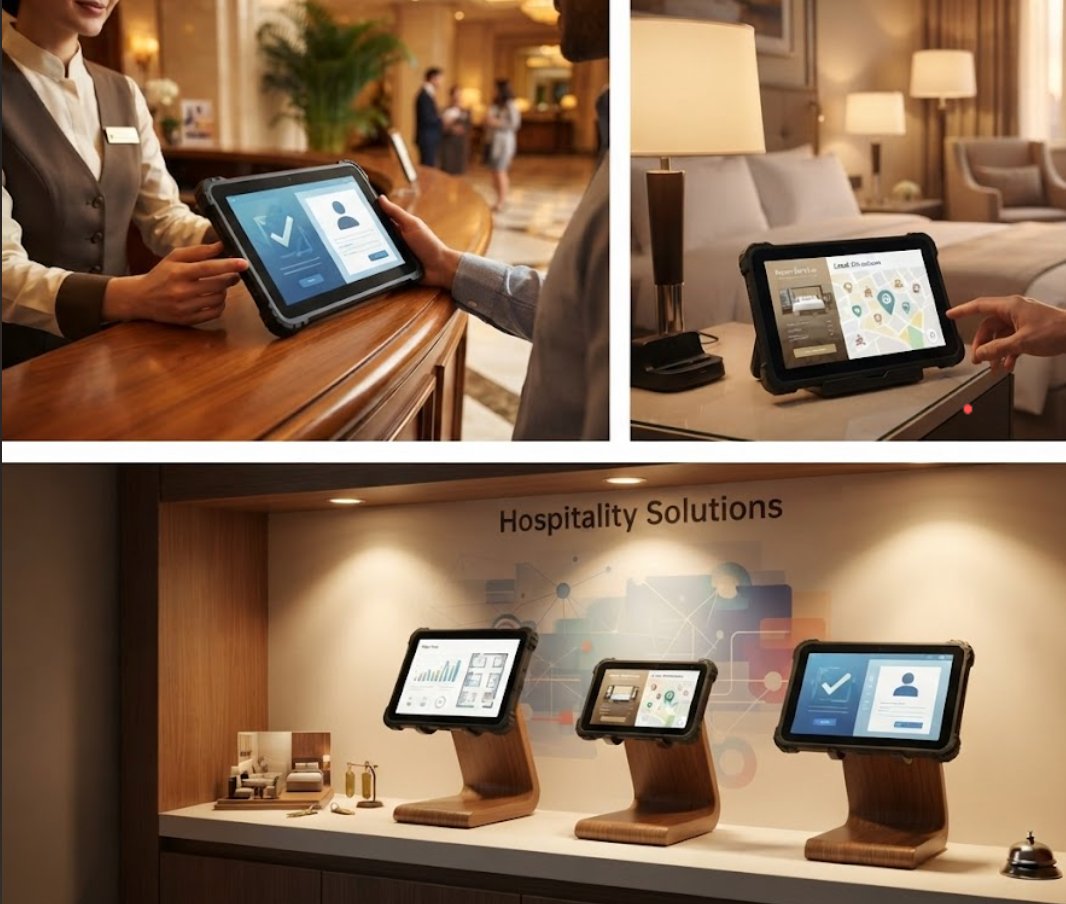
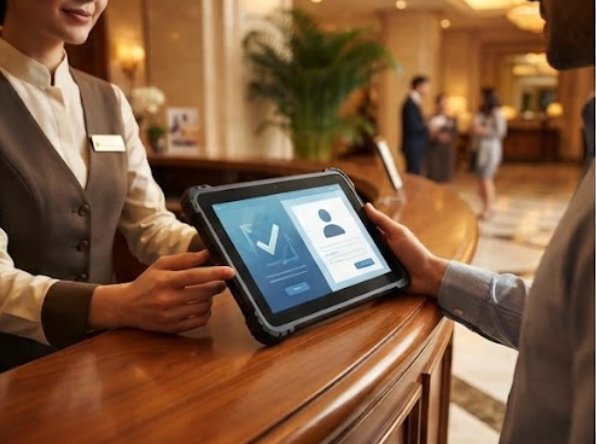
The Hospitality Hotel lobby was a storm of activity. Business travelers urgently checked emails while families argued over luggage. At the center of this controlled chaos stood the front desk, the operational heart of the hotel. While a silent mini PC handled backend transactions, the true transformation was happening on the move. Staff members glided through the crowd, processing check-ins and check-outs in under two minutes using the HTNJ10C Rugged Tablet and the HTNJ08A Rugged Tablet. This scenario is the new standard for high-performance hospitality, proving that when seconds define guest satisfaction, fragile technology has no place.
The hotel's legacy infrastructure was a disaster of fragmented systems. They relied on a mix of stationary terminals and consumer-grade tablets that simply could not handle the 24/7 pressure of a busy luxury hotel. Devices overheated during peak check-in hours, screens cracked from minor drops on marble floors, and batteries died mid-transaction. This created a bottleneck that forced the front desk manager to spend hours on equipment triage rather than guest services. The property needed a true Rugged Tablet solution built for continuous operation, not the occasional coffee shop visit. They needed hardware engineered for the real world.
The decision to deploy the HTNJ10C and HTNJ08A series was driven by a single metric: operational throughput. Consumer tablets are designed for entertainment and light productivity. They fail in commercial environments where spills, drops, and extreme temperatures are daily occurrences. The Hospitality Hotel needed devices that could survive a 6-foot drop onto concrete, resist liquid penetration from spilled drinks, and operate continuously for a 12-hour shift without recharging.
The results were immediate and dramatic. Within the first month, the hotel saw a 99% reduction in device-related service interruptions. The HTNJ10B Rugged Tablet, a companion model, was deployed to housekeeping and maintenance teams, creating a unified ecosystem of durable technology. This integration allowed the hotel to streamline communication between departments. If a room was ready early, the front desk was notified instantly via the rugged device network, allowing them to check in a waiting guest immediately. The total cost of ownership dropped significantly as the hotel stopped buying cheap replacements and expensive screen repairs.
Before the upgrade, the morning routine for the front desk team was a source of anxiety. Every shift began with a 30-minute ritual of checking battery levels, distributing chargers, and testing software compatibility across a fleet of aging, inconsistent devices. It was a morale killer. Staff members dreaded the moment a device would freeze during a long check-in line, forcing them to apologize to a tired guest while they rebooted the system.
The transformation with the HTNJ10C Rugged Tablet for the high-traffic front desk and the HTNJ08A Rugged Tablet for mobile concierge services was profound. Preparation time collapsed to under five minutes. The hot-swappable battery feature meant that a device never had to be taken out of service for charging. Staff simply swapped a depleted battery for a fresh one from the charging dock, ensuring 100% uptime. The hotel's general manager noted that the team could now process a full group check-in of 30 guests faster than they used to reset a single password. This reliability turned the front desk from a point of friction into a competitive advantage.
When hoteliers calculate the return on investment for technology, they often overlook the hidden costs of fragility. The Hospitality Hotel was spending over $2,000 annually on replacement batteries and charging cables for their consumer-grade tablets. The failure rate for these devices was a staggering 30% within the first year, meaning one in three tablets had to be replaced. This created a cycle of reactive spending that drained the IT budget.
The investment in the rugged mini PC solutions and dedicated tablets paid for itself in the first fiscal year. By eliminating device failures and reducing IT support hours to near zero, the hotel unlocked budget for guest experience improvements. The durability of the HTNJ10C and HTNJ08A models extends their usable life to over five years, compared to the one-to-two-year lifespan of standard devices. This long-term asset value is a critical factor in financial planning for any large property. The ability to use the tablets for dual purposes—front desk check-in and guest room service verification—further increased their utility and return.
| Metric | Before Deployment (Consumer Tech) | After Deployment (Rugged Tech) |
|---|---|---|
| Daily Equipment Prep Time | 30+ minutes | < 5 minutes |
| Device Failure Rate (Annual) | ~30% per year | < 1% per year |
| Staff Overtime (Tech Support) | 3 hours/week | 0 hours/week |
| Average Guest Check-in Time | 5-7 minutes | < 2 minutes |
| Total Cost of Ownership (3-Year) | High (Replacements + Labor) | Low (Maintenance-Free) |
This case study is a clear signal to the hospitality industry: technology choices are direct drivers of profitability and brand reputation. Moving away from fragile consumer electronics to dedicated rugged hardware isn't just an IT upgrade; it's a core business strategy. The reliability of the HTNJ10C and HTNJ08A series empowers staff to deliver exceptional, personalized service without the fear of technology failing. In an industry where a two-minute delay can mean the difference between a five-star review and a complaint, investing in robust, field-proven technology is the only logical choice. The transition to these rugged tablets is an investment in efficiency, guest loyalty, and a competitive edge that lasts for years.