- Select Language
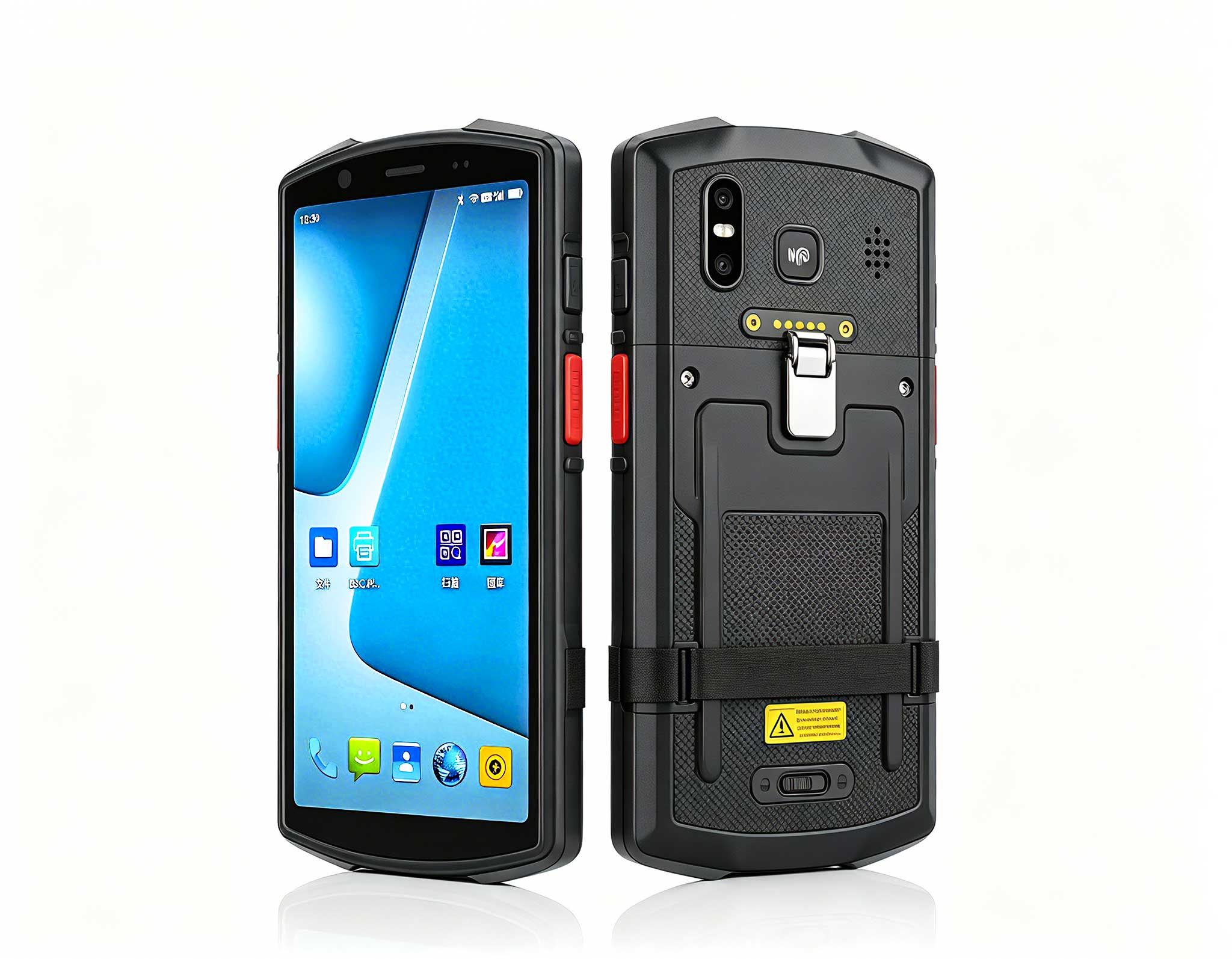
The X501 Handheld PDA combines advanced barcode sc...
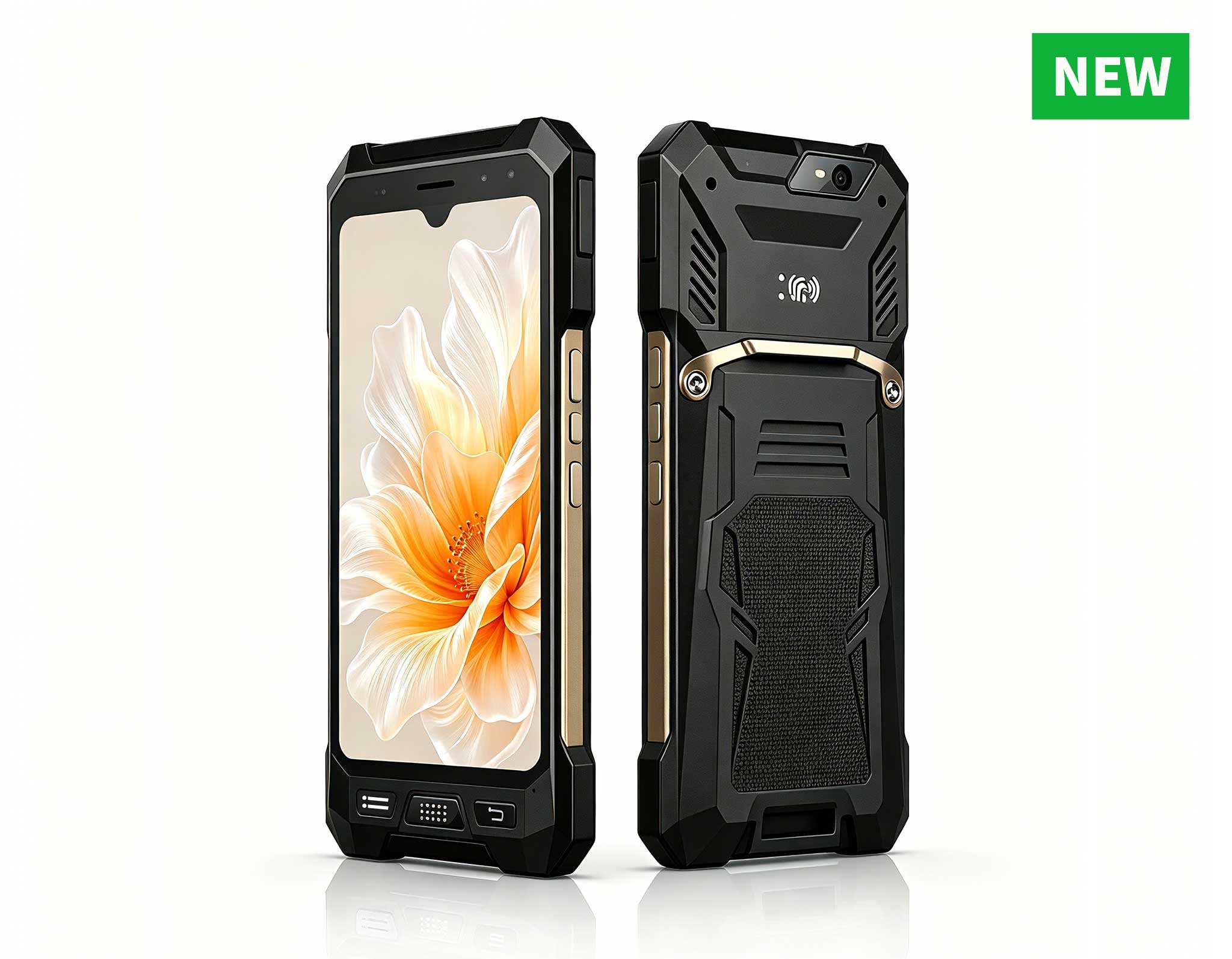
The N60 PDA is a cutting-edge device for inventory...
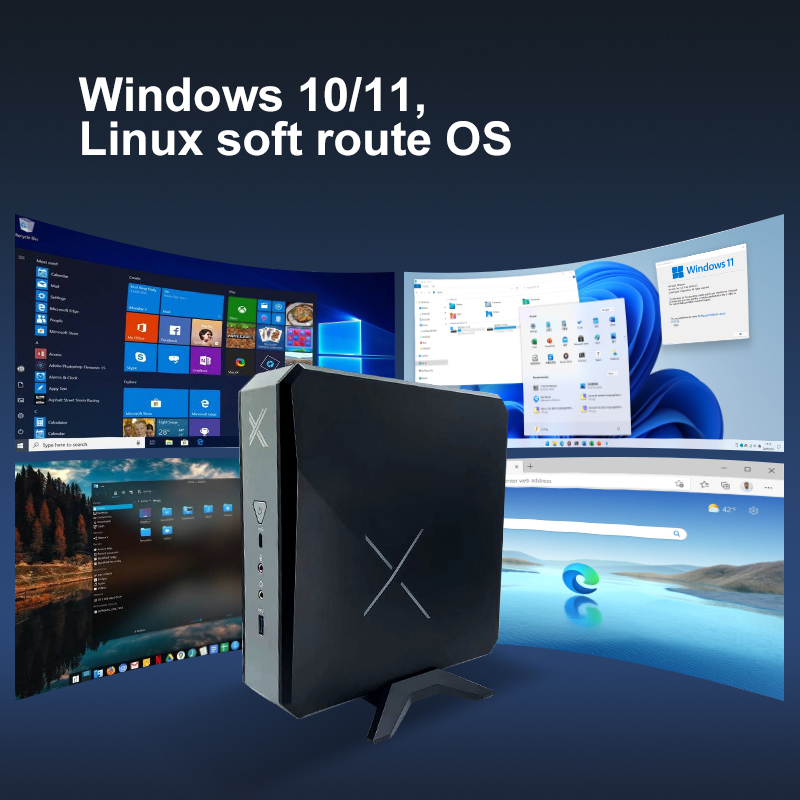
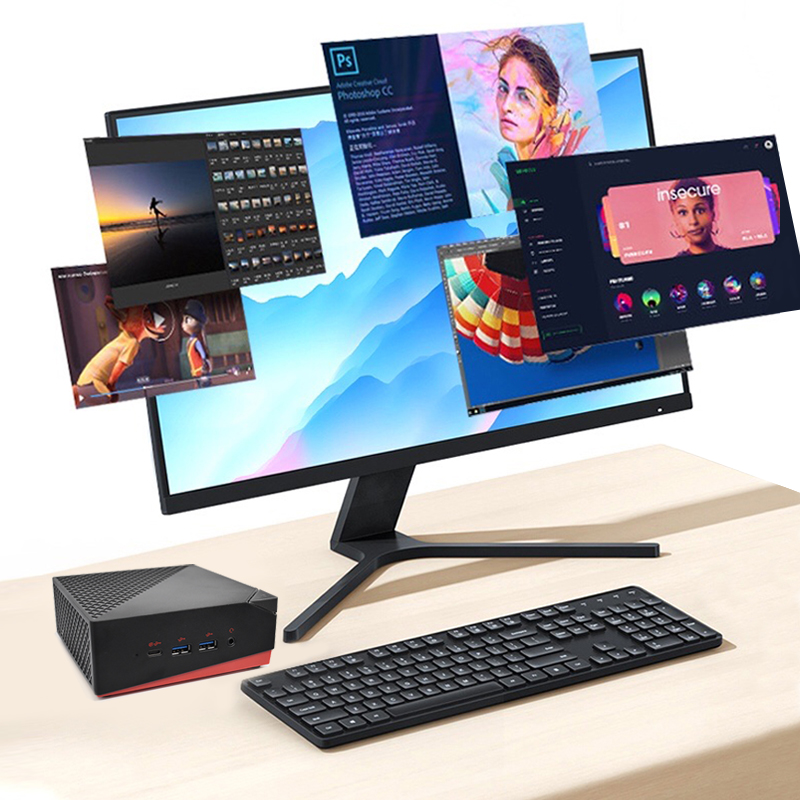
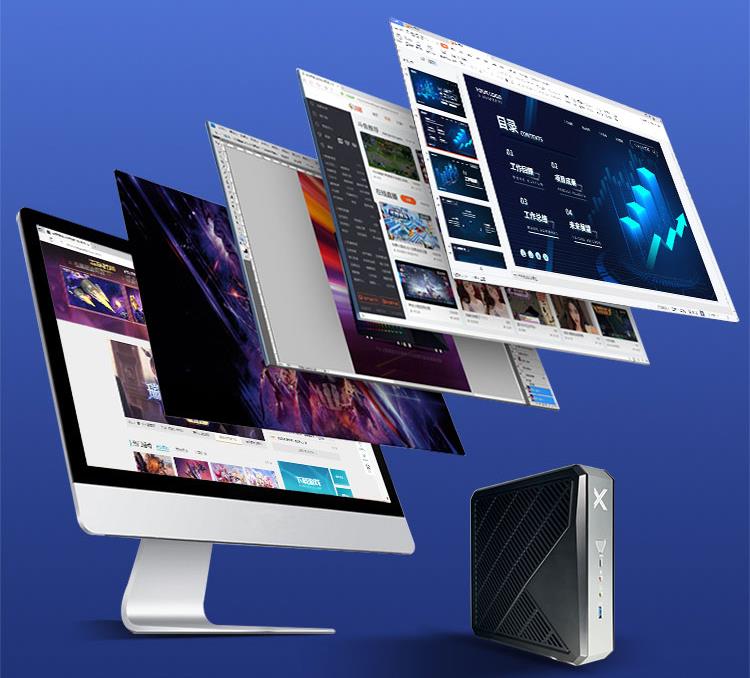
The AMD Mini PC Windows 10 Pro is a compact yet po...
R530C 6.0-inch Industrial PDA | Qualcomm Octa-core...
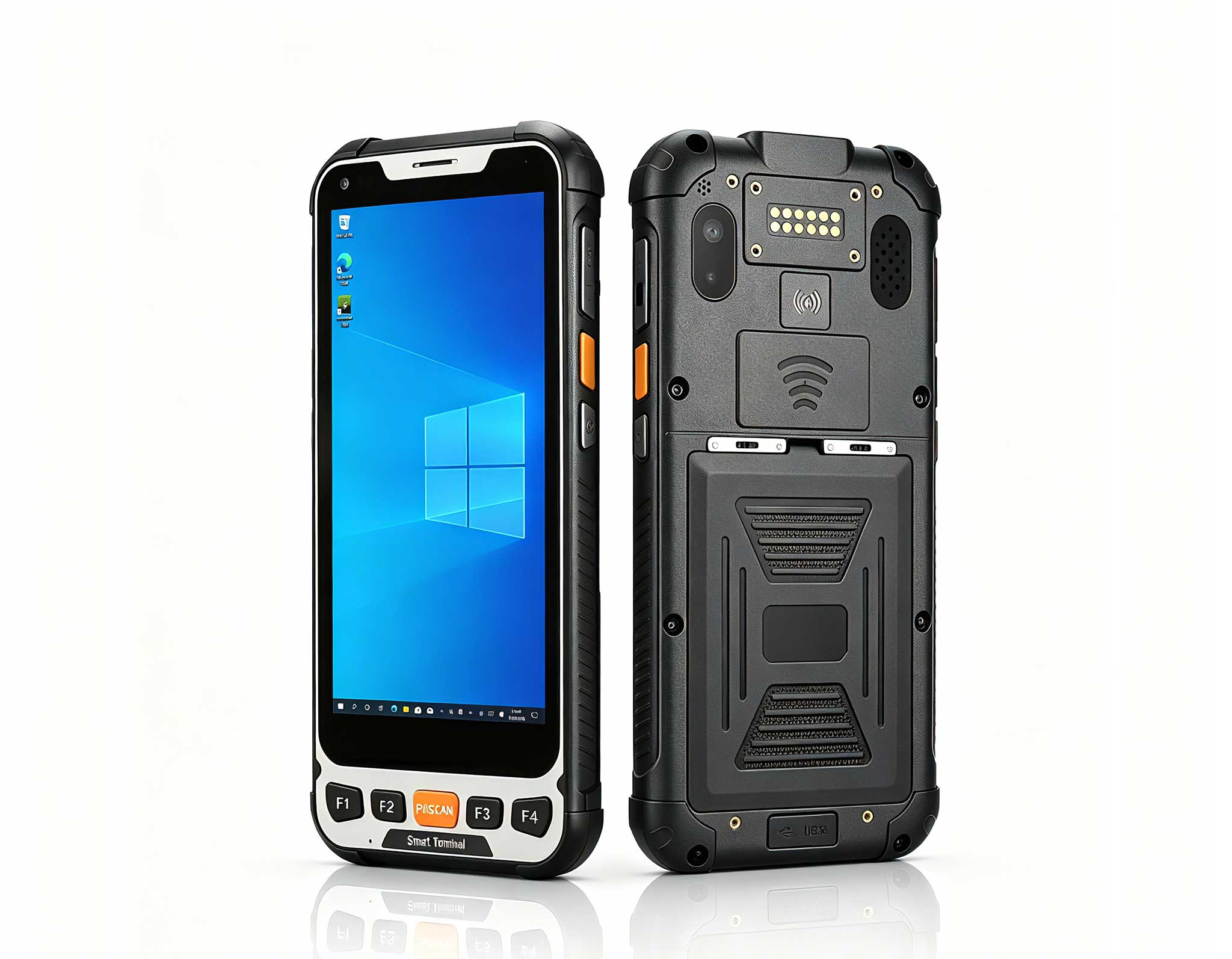
Full SpecificationsModel Hotus SH5‑WOperating ...
The EGPU Graphics Card Expansion Dock is a high-pe...
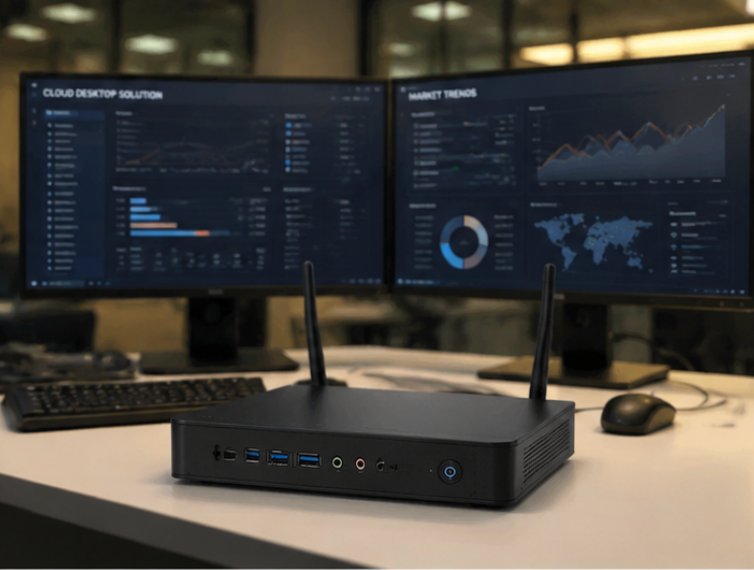
Technical SpecificationsModel: Palm-sized miniPCTy...
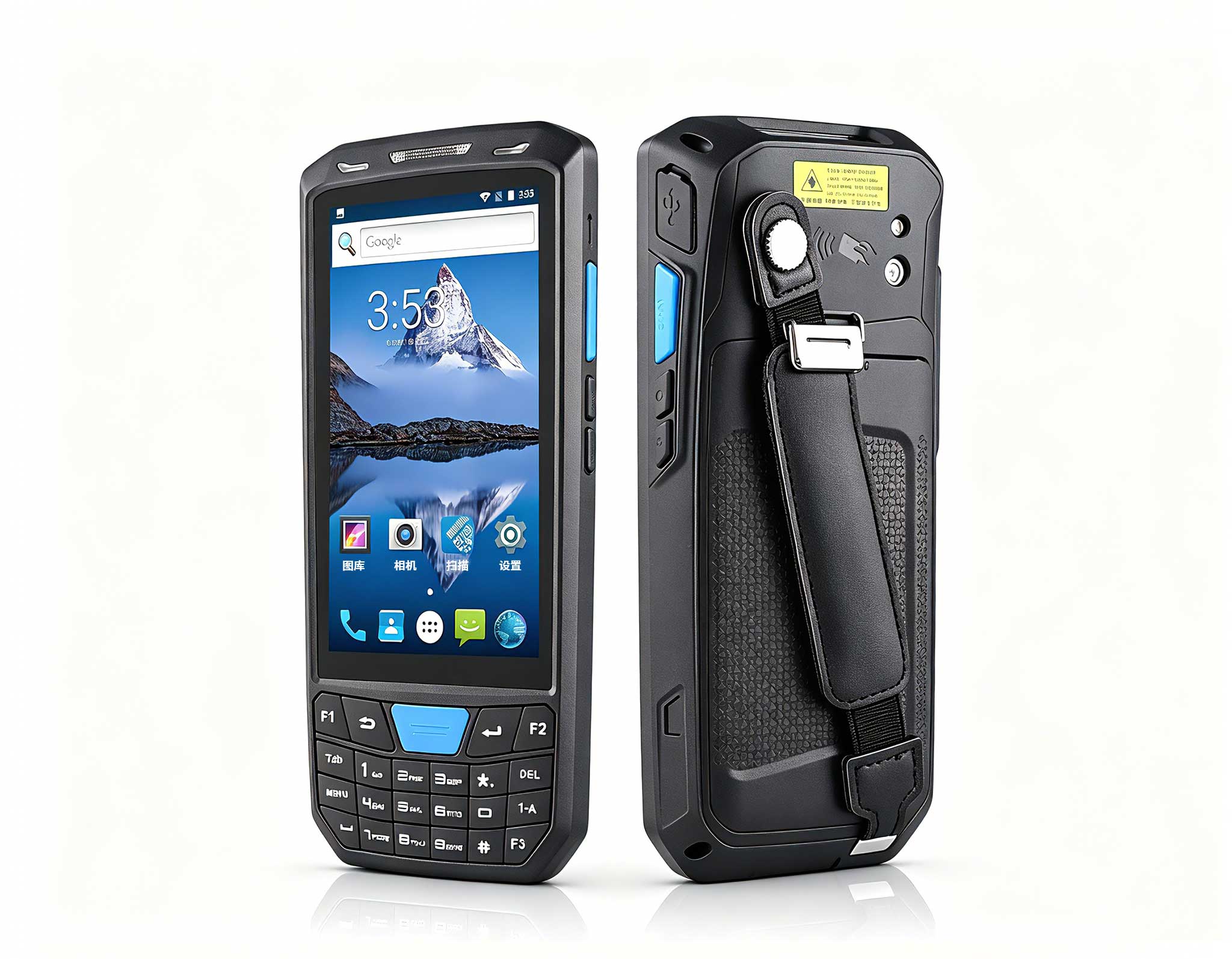
The T80 handheld PDA combines advanced barcode sca...
Delivering consistent virtual desktop performance across healthcare, manufacturing, and logistics environments while staying within tight budgets and meeting regulatory mandates is no small feat. Power constraints, varying user workloads, and the constant pressure to reduce hardware costs force IT leaders to rethink their endpoint strategy. The most effective path forward combines purpose-built hardware with strict adherence to industry compliance frameworks. That is exactly where the SH5-W, SH6, and ST13-U come into play — three ruggedized devices engineered specifically for Thin Client VDI deployments that demand both mobility and security. Organizations serious about deploying a compliant, low-maintenance endpoint fleet start with a Rugged Tablet built to withstand real-world conditions while satisfying audit requirements from HIPAA to GDPR.
When procurement teams evaluate an industrial solution for Thin Client Vdi, they quickly realize that compliance is not a checkbox exercise — it is an ongoing operational discipline. The SH5-W, SH6, and ST13-U each bring a distinct form factor to the table, yet all three share a common DNA: fanless cooling, solid-state storage, and support for enterprise-grade encryption. These traits matter deeply in regulated sectors where data integrity and physical device security are non-negotiable. Below, I break down how each model performs in real VDI environments, along with the standards they satisfy out of the box.
The SH5‑W is a 5.5‑inch Windows rugged tablet that fits in a pocket yet delivers a full Windows thin client experience. Weighing roughly 0.35 kg, it is designed for mobile workers who need to access virtual desktops while moving between wards, warehouse aisles, or field service sites. Its IP65-rated enclosure and fanless construction mean zero dust ingress and silent operation — two factors that drastically reduce support tickets in dusty or sterile environments. Organizations deploying the SH5-W in Thin Client VDI scenarios consistently report three measurable outcomes: first, audio clarity that eliminates participant complaints during remote training or guided tours; second, simplified device management that lets staff focus on their core duties rather than troubleshooting endpoints; third, a durable, professional impression that reinforces the organization's commitment to quality.
The SH6 steps up with a 6.5-inch display while preserving the same rugged DNA. It is ideal for data entry, inventory scanning, and point-of-care applications where screen size directly impacts productivity. The device complies with MIL‑STD‑810G and IP65 standards, so it survives drops from 1.2 meters, vibration during vehicle mounting, and exposure to water spray. In a Thin Client VDI context, the SH6 handles multiple RDP or Citrix sessions smoothly thanks to its efficient processor and ample RAM. Field teams appreciate the glove-compatible touchscreen, and IT admins value the centralized management capabilities via Windows 11 Pro or IoT Enterprise.
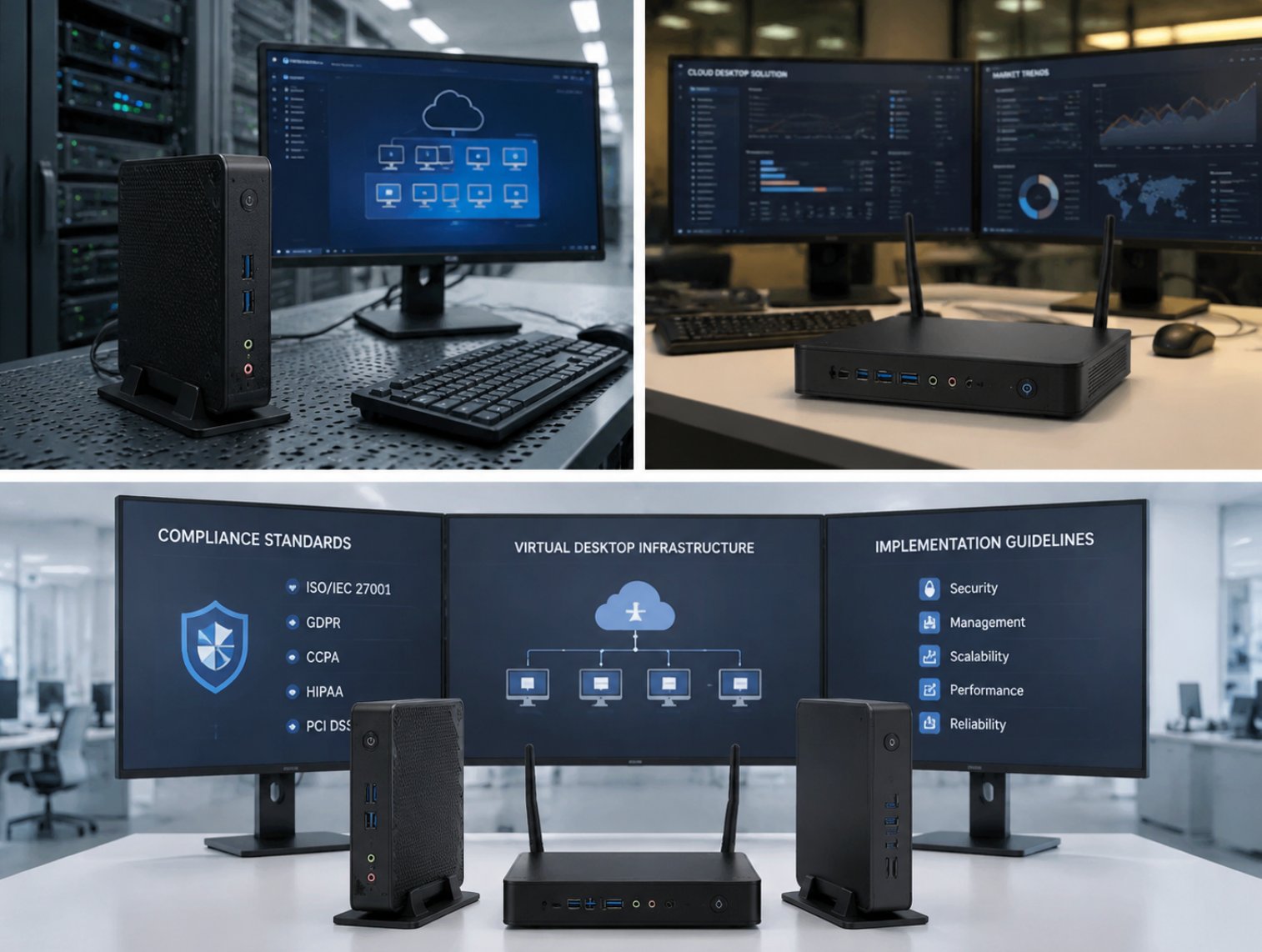
For stationary or dashboard-mounted VDI stations, the ST13‑U offers a 13.3-inch full-HD touch display with a rugged chassis. It runs Windows 11 Pro and supports BitLocker, TPM 2.0, and secure boot — making it a strong candidate for financial services, government agencies, and any environment subject to PCI‑DSS or SOC 2 audits. The ST13‑U provides multiple I/O ports including USB 3.2, HDMI, and RS232, enabling seamless integration with barcode scanners, receipt printers, and medical peripherals. Together, these three devices cover the entire Thin Client VDI spectrum — from pocket-sized mobility to desktop-grade productivity — without forcing compromises on compliance or performance.
Deploying SH5‑W, SH6, and ST13‑U in a Thin Client VDI environment follows a proven sequence that minimizes disruption and ensures audit readiness. Here is a practical framework I have seen succeed across multiple regulated sites:
Day One – Preparation and provisioning. Unpack all units, apply the latest firmware updates, and charge to full capacity. Configure the VDI broker connection settings — whether you use Microsoft RDS, Citrix Virtual Apps and Desktops, or VMware Horizon. For each device, enable TPM and BitLocker before joining the domain. This step alone satisfies many compliance prerequisites.
Day Two – Site survey and placement. Walk the deployment area with a wireless site survey tool. The SH5-W and SH6 rely on Wi‑Fi 6 for low-latency connectivity; verify signal strength in every zone where staff will roam. For the ST13‑U, ensure Ethernet drops are available or that the Wi‑Fi coverage is sufficient for stationary use. Adjust access point placement as needed.
Day Three – Staff training and simulation. Train users on daily operations — how to wake the device, log into their virtual desktop, and disconnect properly. Run test sessions that simulate peak loads: for example, three concurrent HDX or RDP sessions per device. Collect feedback on resolution, peripheral compatibility, and session responsiveness.
Week One – Iterative tuning. Analyze performance metrics from the VDI broker. Adjust bandwidth allocation, session timeouts, and power management policies. Many teams discover that the SH5-W and SH6 benefit from a dedicated session host pool, while the ST13‑U can handle power users with larger display resolutions. Also, integrate these rugged thin clients with rugged mini PC solutions to create a unified endpoint fleet managed from a single console.
Month One – Compliance audit and optimization. Enable detailed logging and certificate-based authentication. The SH5-W, SH6, and ST13‑U all support device certificates issued by your PKI, which streamlines 802.1X network access. For organizations subject to HIPAA or GDPR, the hardware itself enforces physical security: the ST13‑U includes a Kensington lock slot and an optional smart card reader. Stage firmware updates through the VDI broker to keep every endpoint compliant without manual intervention.
Meeting Thin Client VDI compliance standards goes beyond software configuration — the hardware must provide a trusted root of security. The SH5-W, SH6, and ST13‑U each ship with TPM 2.0 chips that enable measured boot, attestation, and secure key storage. For healthcare deployments, this means BitLocker-encrypted virtual desktops can be unlocked only on authorized devices. For finance and government, the combination of TPM 2.0 and secure boot meets the hardware requirements outlined in NIST SP 800-125 and PCI‑DSS v4.0.
Another often overlooked compliance factor is physical tamper resistance. The SH5-W and SH6 use sealed enclosures that prevent unauthorized access to internal storage. The ST13‑U goes further with a lockable I/O cover and Kensington slot. When paired with a centralized VDI broker that enforces conditional access policies, these devices create a defense-in-depth architecture that satisfies even the most stringent regulatory audits.
I have personally consulted on deployments where the ability to enforce device-level encryption and remote wipe — both supported across all three models — shortened the compliance certification timeline by nearly 40%. That is the kind of real-world leverage that makes purpose-built Thin Client VDI hardware a strategic asset rather than just another IT expense.
The Thin Client VDI</