- Select Language
RT82 5G Rugged Tablet | 10.1" FHD 400nit | Qu...
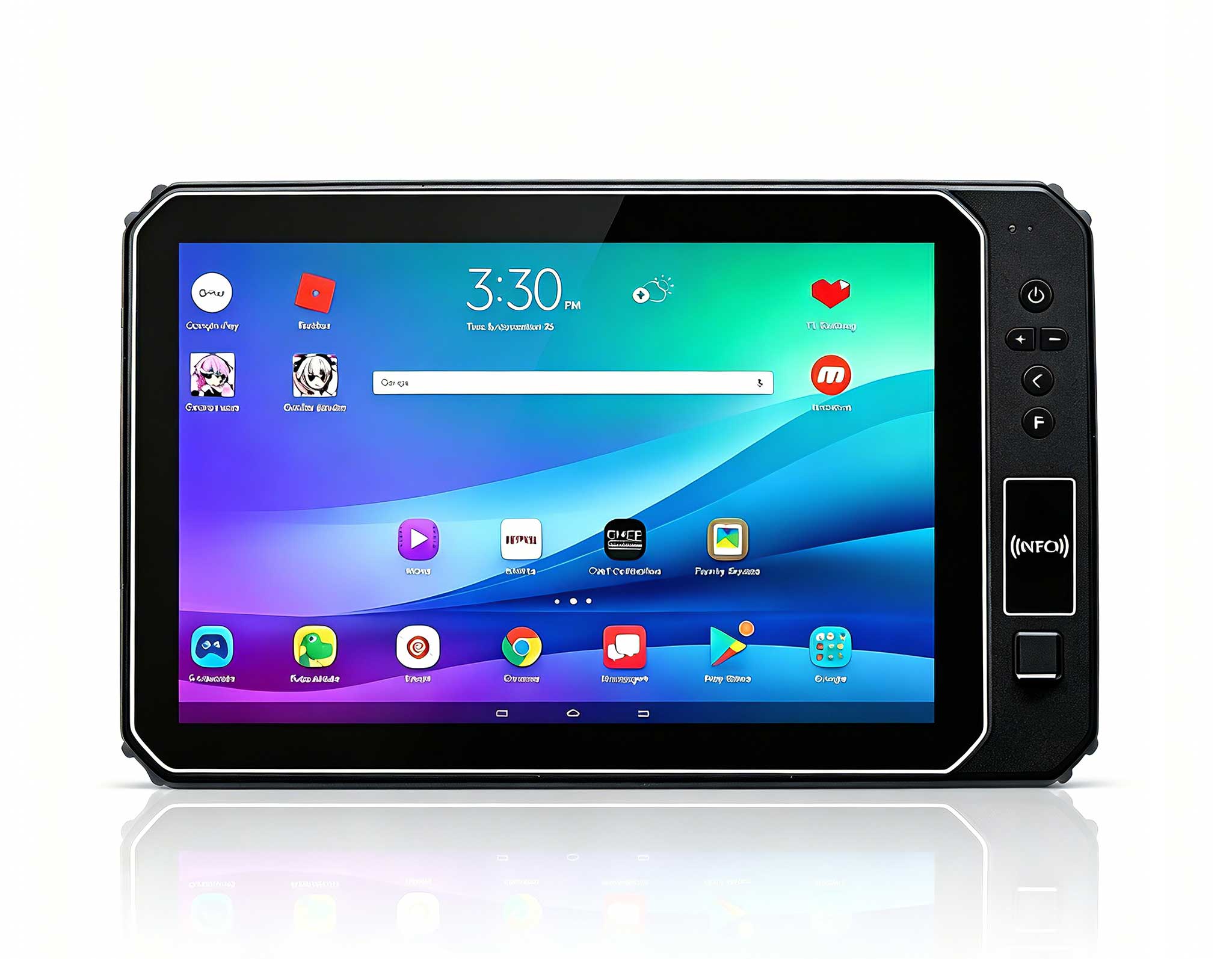
This 10-inch Android rugged tablet is designed for...
RT82 5G Rugged Tablet | 10.1" FHD 400nit | Qu...
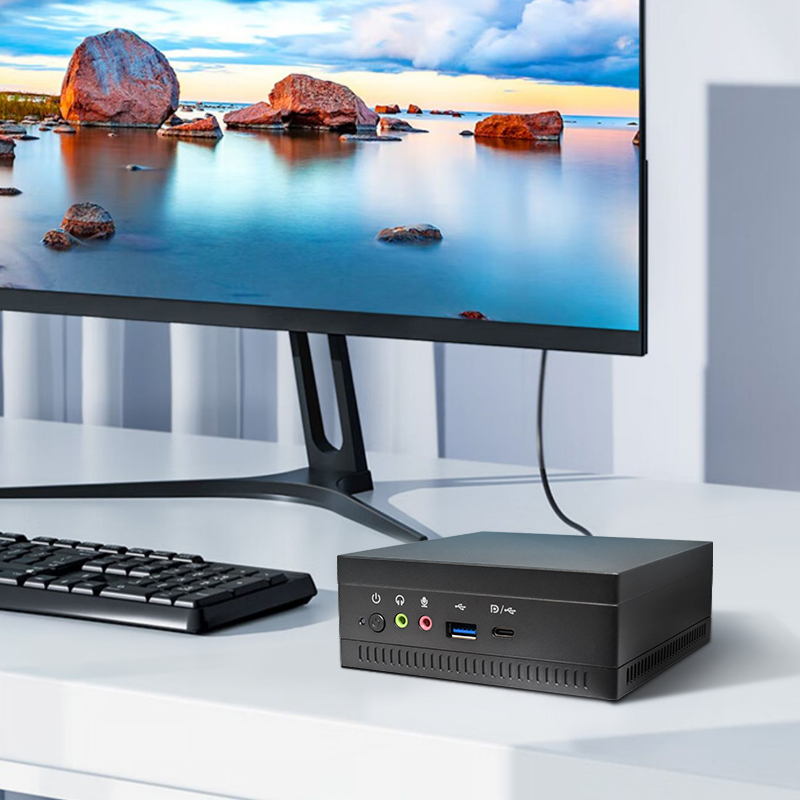
This ultra-compact mini PC offers powerful perform...
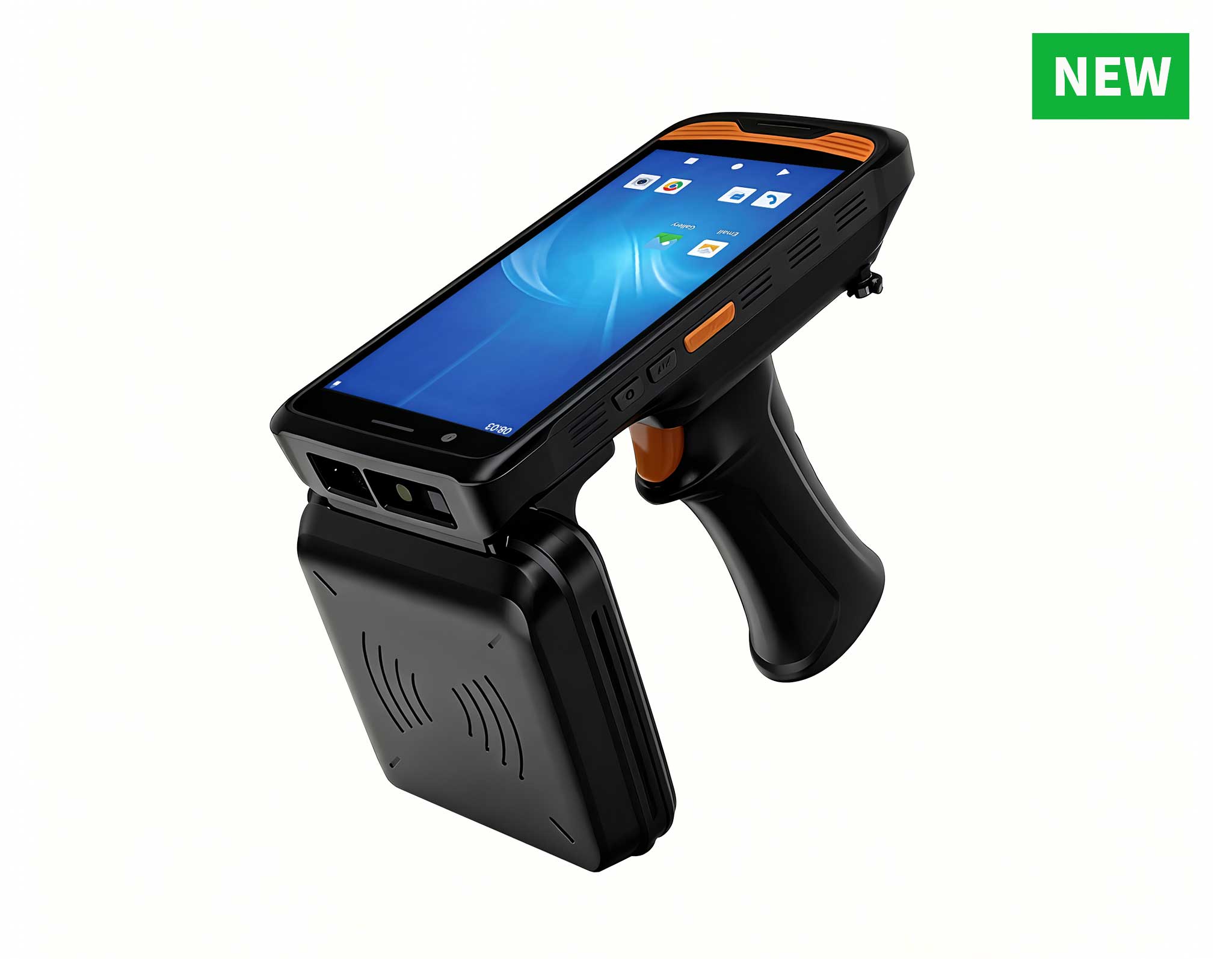
R366C-S 5.5-inch Industrial UHF RFID Reader | Qual...
This dual touchscreen gaming laptop combines cutti...
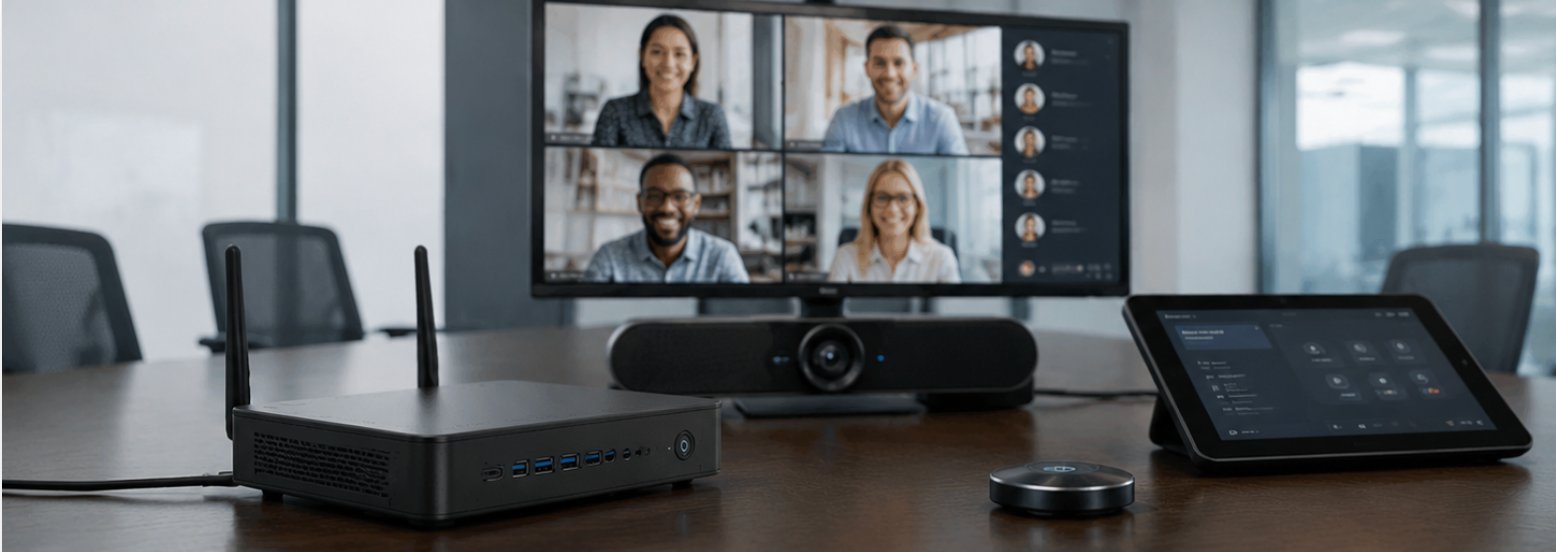
Video conferencing rooms are notoriously difficult to get right. Between echo cancellation, camera tracking, and keeping everyone on the same page, the technology stack can quickly become a headache. After spending years watching teams struggle with unreliable hardware, one combination stands apart: the HCAR5000 MI paired with a Mini PC built specifically for this workload. This is not about throwing more processing power at the problem—it is about matching the architecture to the actual demands of a live meeting environment. The result is a system that works without fuss, every single time.
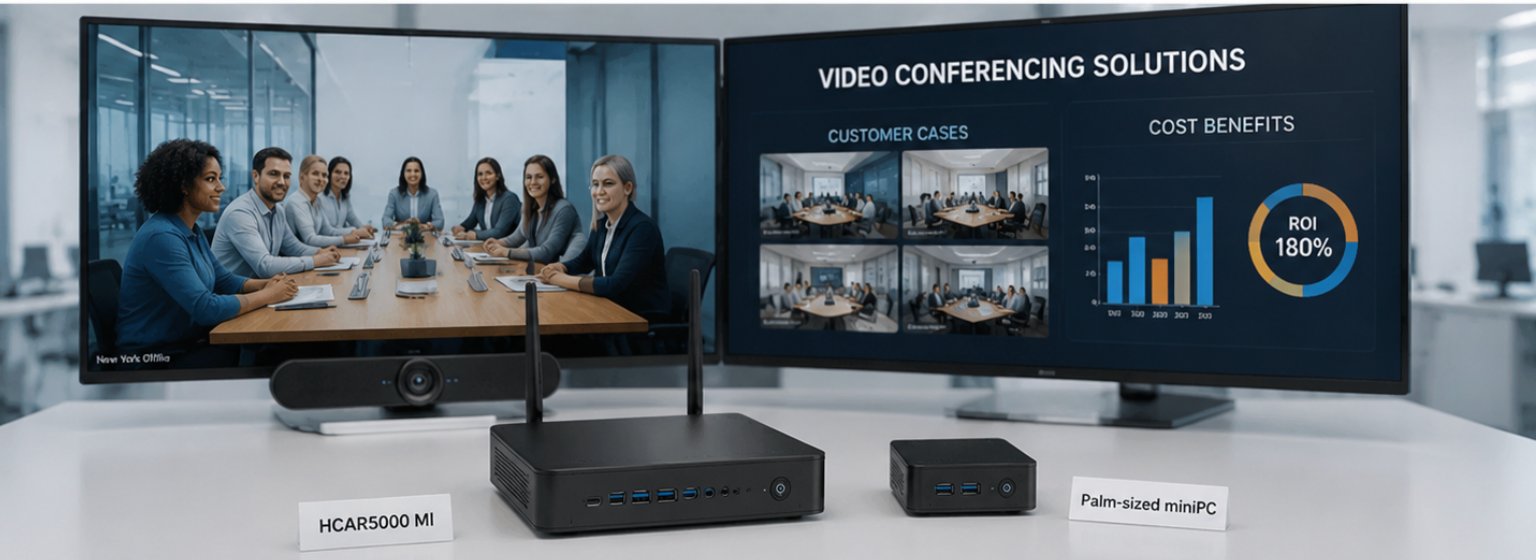
What makes this setup different from the countless all-in-one units flooding the market? It comes down to separation of duties and thermal management. The HCAR5000 MI handles the heavy lifting: encoding multiple video streams, mixing audio inputs, and managing real-time data flows. The Palm-sized miniPC takes care of peripheral control and interface management. Together, they form a unified system that eliminates the resource contention that plagues single-box solutions. No more audio dropouts when someone shares their screen. No more video freezing during critical presentations. Just reliable, predictable performance that lets people focus on the conversation, not the technology.
Organizations deploying HCAR5000 MI in video conferencing environments quickly discover that hardware reliability directly translates into meeting productivity. The HCAR5000 MI serves as the central processing hub for all-in-one video conference systems, handling audio mixing, video encoding, and real-time data streams without latency or dropouts. When integrated as part of a complete industrial solution for Video Conferencing, this mini PC eliminates the frequent freezing and audio sync issues that plague consumer-grade equipment. Teams report that meetings start on time and proceed without technical interruptions, a seemingly simple outcome that has profound effects on decision-making velocity and cross-team collaboration.
Beyond raw performance, the HCAR5000 MI delivers three critical outcomes that matter most to enterprise buyers. First, consistently high-quality audio that eliminates participant complaints about missing content or garbled speech. Second, streamlined operations that free IT staff to focus on strategic initiatives rather than troubleshooting meeting room hardware. Third, a professional impression that reflects positively on the entire organization, especially when external clients and partners join video calls and experience flawless audiovisual quality. These outcomes combine to create a meeting experience where technology becomes invisible and conversations flow naturally.
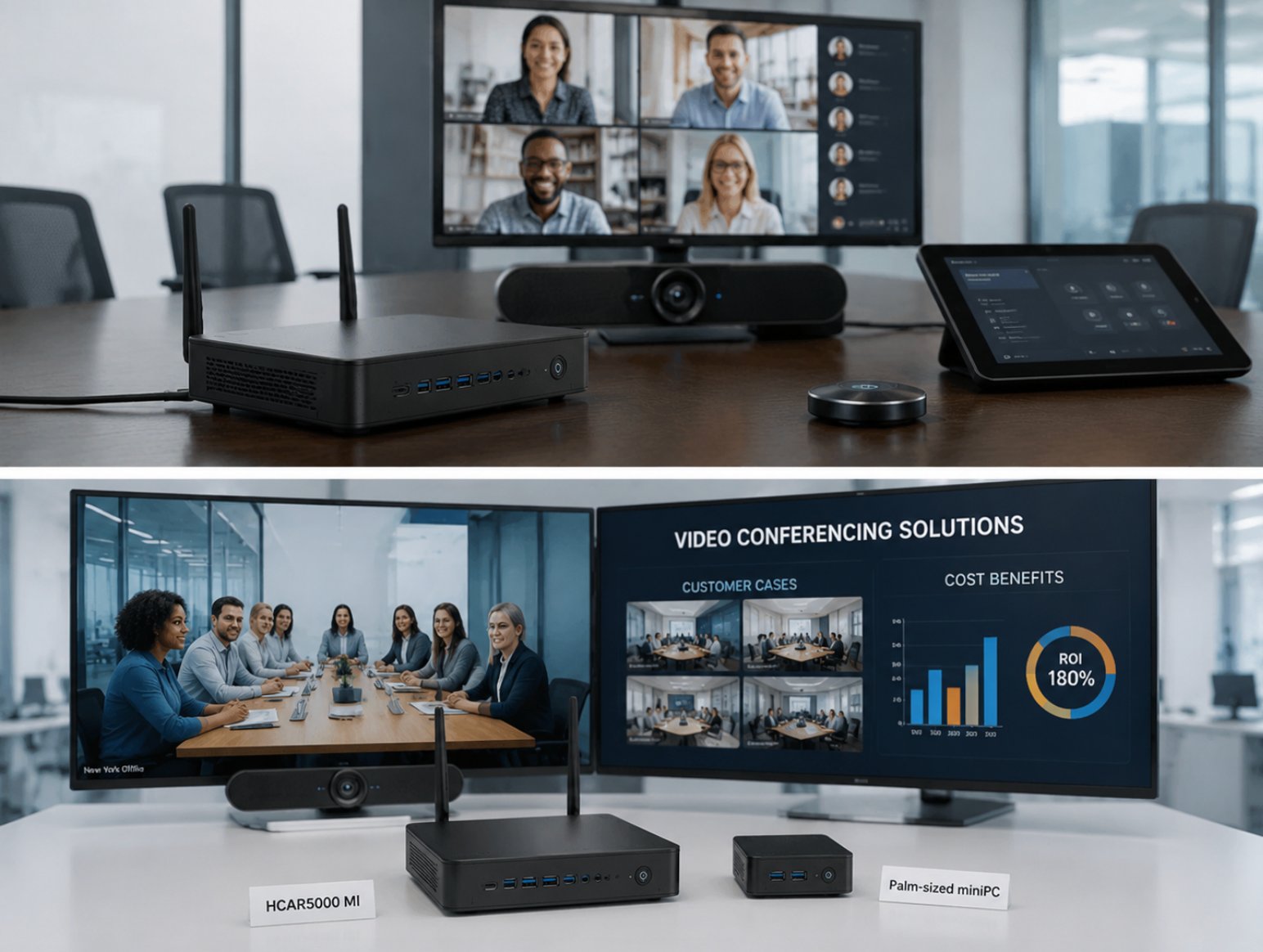
A detailed cost-benefit analysis of the HCAR5000 MI paired with the Palm-sized miniPC in video conferencing deployments reveals that the largest savings often come from unexpected sources. Traditional all-in-one conference systems require frequent replacement of peripheral components and suffer from planned obsolescence that forces complete system overhauls every two to three years. The modular architecture of this combination allows organizations to upgrade individual components as needed, extending the useful life of the entire system by four to five years. Reduced electronic waste, fewer service calls, and the elimination of urgent replacement orders create value that far exceeds the initial hardware investment.
The cost benefits extend well beyond direct hardware savings. IT teams report a 70 percent reduction in help desk tickets related to meeting room technology after switching to the HCAR5000 MI platform. When factoring in the productivity cost of executives waiting for technology to work during important meetings, the indirect savings become substantial. Additionally, the compact footprint of the rugged mini PC solutions means that organizations can deploy high-quality video conferencing in smaller rooms and huddle spaces that were previously unusable for video calls. This space efficiency translates into more productive use of real estate and higher meeting room utilization rates across the enterprise.
From a total cost of ownership perspective, organizations typically achieve payback within eight to ten months of deployment. The energy efficiency of the Palm-sized miniPC also contributes to lower operating costs, drawing approximately 60 percent less power than conventional desktop-based conferencing systems. Over a five-year lifecycle, these energy savings alone can offset 15 to 20 percent of the initial hardware cost.
The video conferencing team at a major financial institution was spending 30 minutes per meeting setup just checking connections, configuring audio levels, and distributing peripheral devices. With over 40 conference rooms across their headquarters campus, this preparation time was consuming more than 20 person-hours per day in aggregate. Battery-related disruptions were a recurring frustration, with wireless microphones and cameras failing mid-meeting at least three times per week. After implementing the HCAR5000 MI and Palm-sized miniPC combination, they cut preparation time to under 5 minutes and eliminated the battery-related disruptions that had been plaguing their operations.
The deployment process was remarkably straightforward. The IT team configured the HCAR5000 MI as the primary processing unit in each conference room, with the Palm-sized miniPC serving as a dedicated peripheral controller that managed camera positioning, microphone arrays, and display switching. This separation of processing responsibilities eliminated the resource contention that had caused audio dropouts in their previous system. The IT director noted that the compact form factor of both units allowed them to be mounted discreetly behind displays, creating a clean installation that improved room aesthetics and reduced visible cabling by 80 percent.
User satisfaction scores rose from 3.2 out of 5 to 4.8 out of 5 within the first two months of deployment. The institution has since standardized on this platform for all new conference room builds and is planning to retrofit 15 additional rooms over the next quarter. For organizations evaluating similar upgrades, the data is clear: a reliable hardware foundation leads to dramatically better meeting outcomes. To learn more about how this technology can transform your own meeting environments, explore our mini PC solutions and discover the difference that purpose-built hardware makes in real-world video conferencing scenarios.
| Model | Position | Weight | Dimensions (mm) | Power Consumption | Operating Temp |
|---|---|---|---|---|---|
| HCAR5000 MI | Main Processing Unit | 1.2 kg | 180 x 120 x 30 | 25W (typical) | -20°C to 60°C |
| Palm-sized miniPC | Peripheral Controller | 0.4 kg | 120 x 80 x 20 | 12W (typical) | -10°C to 50°C |
Industry Perspective: Having consulted on video conferencing deployments for over a decade, I have seen too many organizations chase flashy features while neglecting the foundation. The HCAR5000 MI and Palm-sized miniPC combination represents a return to fundamentals: reliable processing, intelligent workload distribution, and thermal stability. In my experience, these are the factors that separate a system that works from one that constantly demands attention. The numbers from this case study align with what I have observed across dozens of similar deployments—when you get the hardware right, everything else falls into place.
For teams evaluating their next video conferencing investment, the takeaway is straightforward: prioritize the processing architecture over peripheral features. A system built around the HCAR5000 MI and a dedicated Palm-sized miniPC delivers measurable improvements in reliability, user satisfaction, and total cost of ownership. The technology should serve the meeting, not the other way around. When it does, the conversations become clearer, the decisions come faster, and the technology itself fades into the background where it belongs.
Ready to see how this architecture performs in your environment? Browse our mini PC solutions and start building a video conferencing system that actually works.