- Select Language
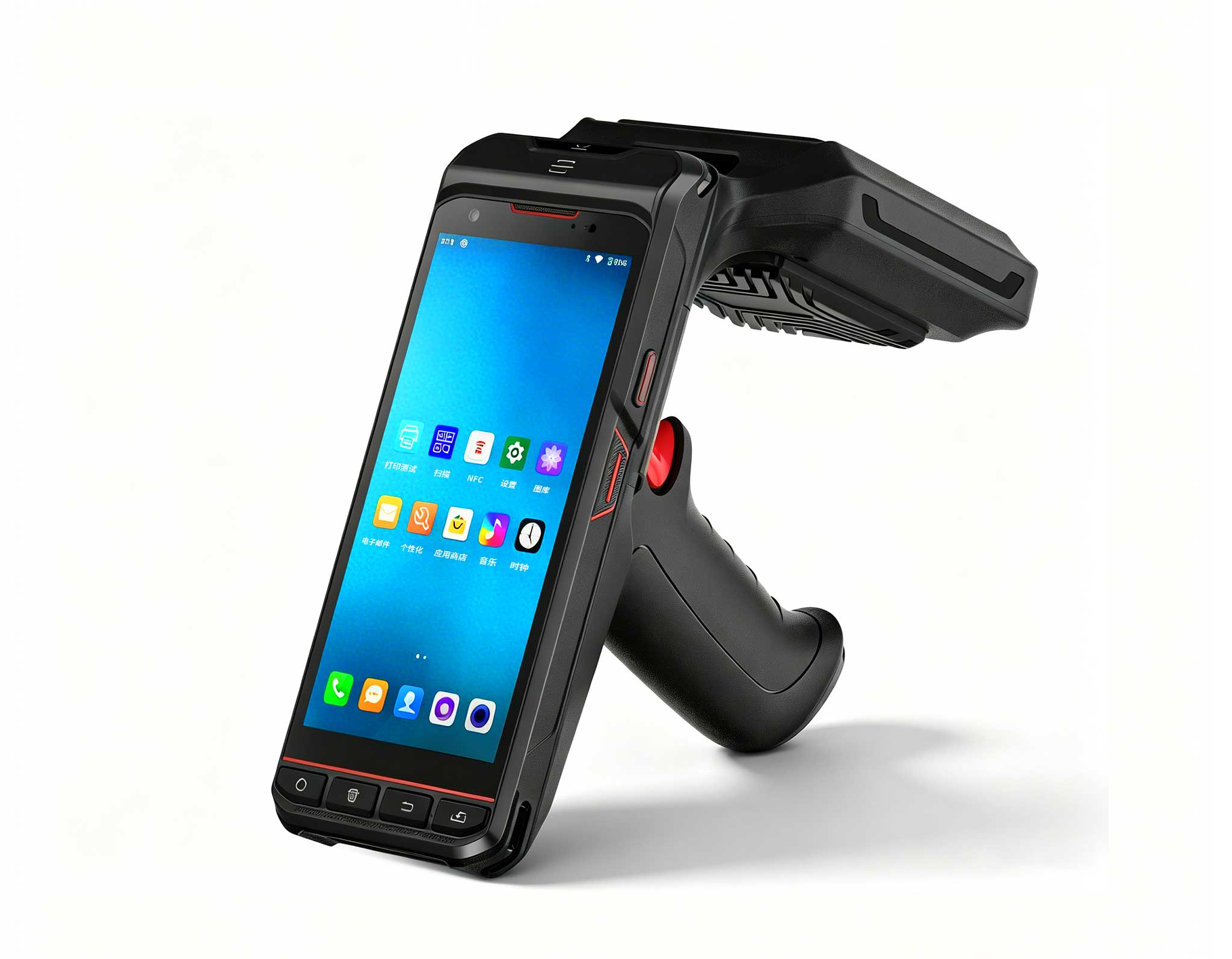
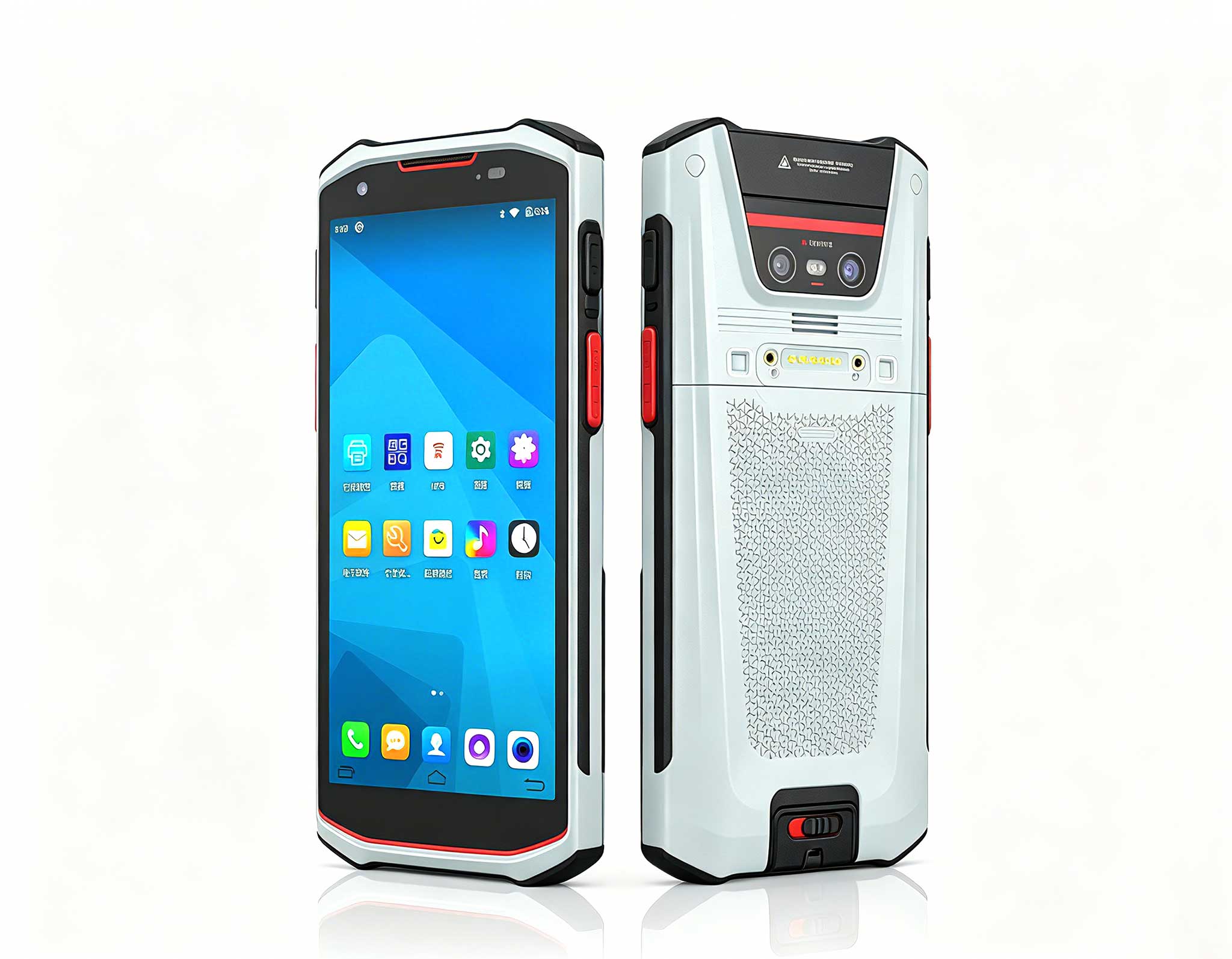
The R501 PDA combines a powerful MT6762 Octa-Core ...
One Device, Dual Functions – A Projector and a Com...
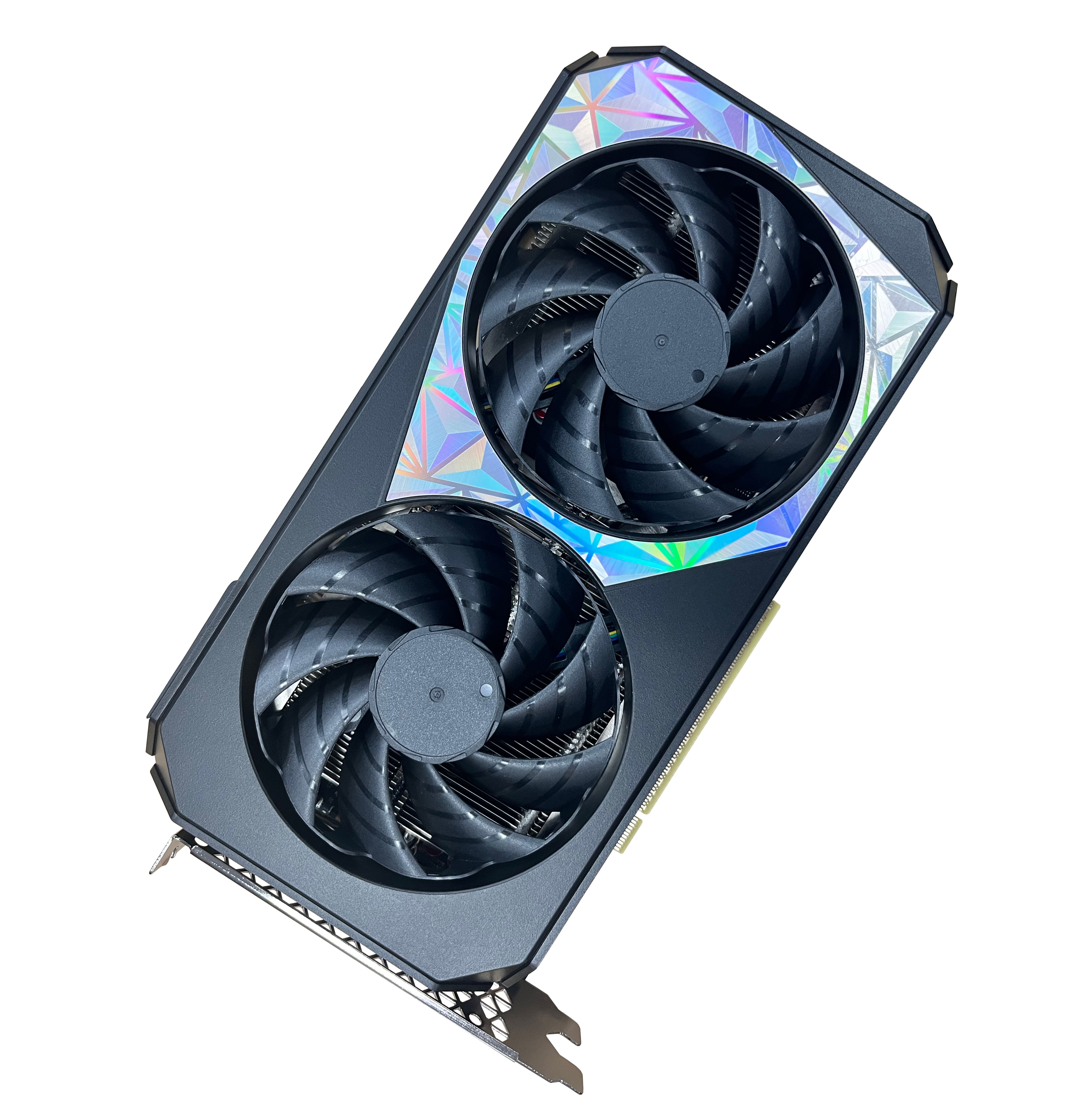
The EGPU Graphics Card Expansion Dock is a high-pe...
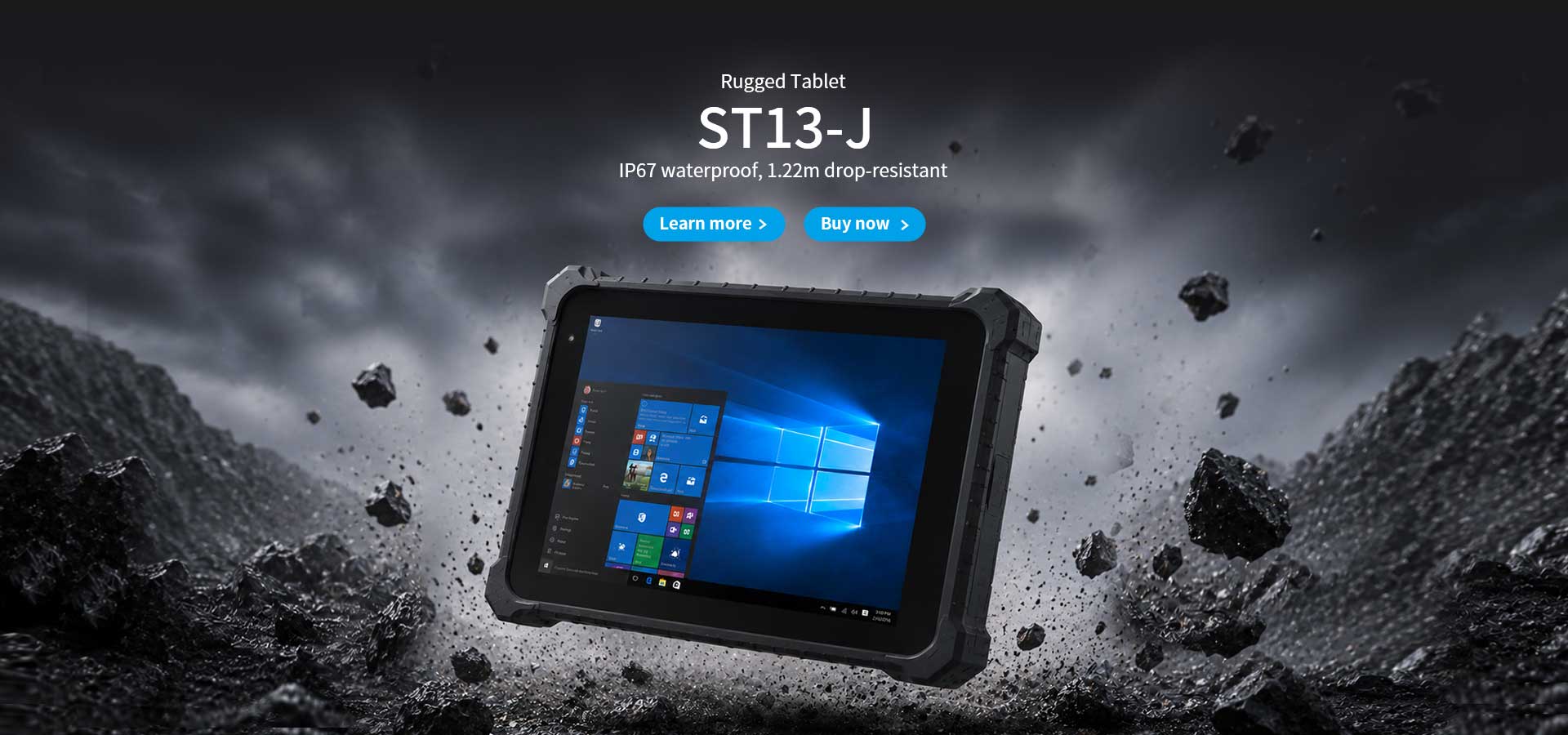
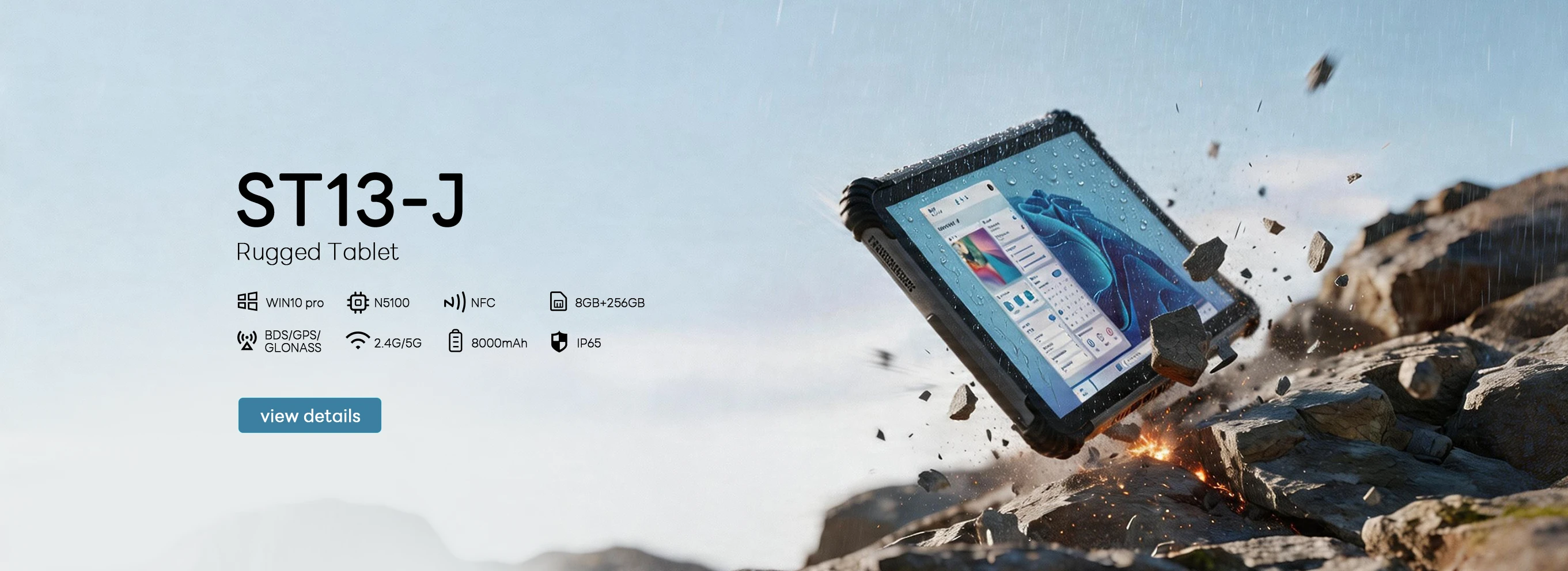
Full SpecificationsModelHotus ST13‑JOSWindows 10 P...
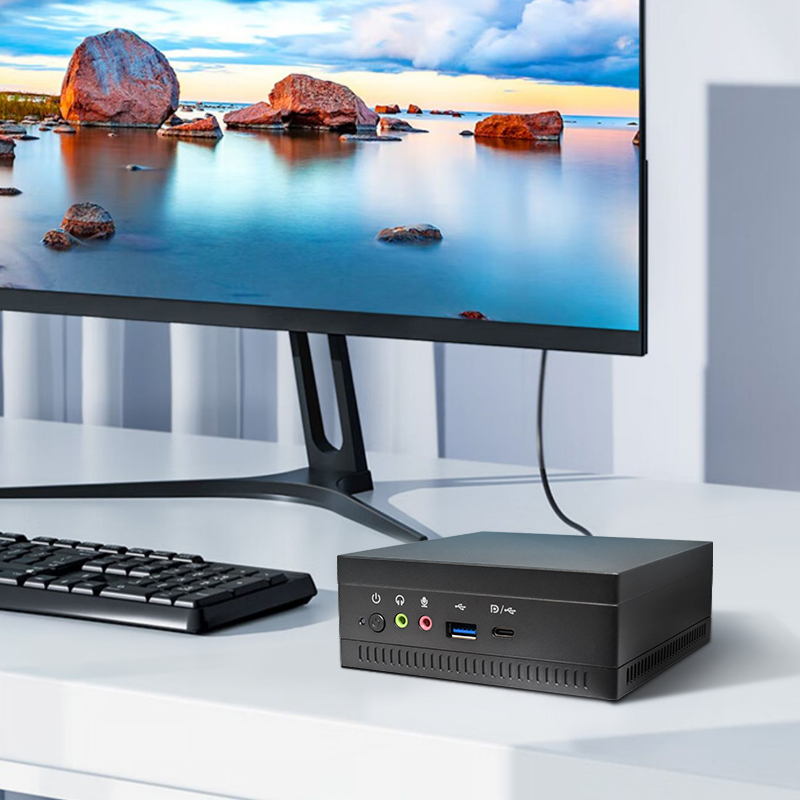
This ultra-compact mini PC offers powerful perform...
Have you ever watched a digital signage display flicker, freeze, or go completely black in the middle of a busy shopping day? If you manage kiosk deployments, you know the sinking feeling when a system fails under the strain of continuous operation. Heat buildup, dust infiltration, and component fatigue are silent killers in always-on environments. This article examines how the WTR PRO AMD, HTXUK10A-55 Rugged Tablet, and SH5-W eliminate those failure points and deliver measurable returns. When digital signage systems crash, the damage goes beyond hardware replacement. Lost sales, frustrated customers, and erosion of brand trust add up fast. Organizations need infrastructure engineered for 24/7 public-facing duty, not repurposed consumer electronics. These three devices form a complete Mini PC and rugged tablet ecosystem purpose-built for Digital Signage Kiosk deployments where downtime is not an option. This analysis walks through real-world financial and operational outcomes, showing how investing in industrial-grade hardware from the start delivers the lowest total cost of ownership over the system lifecycle.
The digital signage landscape has shifted. What used to be simple video loops played on consumer monitors has evolved into interactive, data-driven experiences that require reliable computing power and durable touch interfaces. The WTR PRO AMD handles back-end processing with efficiency, while the HTXUK10A-55 and SH5-W bring resilient touch interaction to the front end. Together, they close the reliability gap that plagues so many kiosk projects. This is not theoretical — these are field-tested components used in retail, hospitality, transportation, and industrial settings worldwide.
Organizations deploying the WTR PRO AMD, HTXUK10A-55 Rugged Tablet, and SH5-W in Digital Signage Kiosk configurations achieve three measurable outcomes that directly impact the bottom line. First, consistent audio and visual performance eliminates the most common source of user complaints — displays that appear broken or unresponsive. Second, operations staff spend less time rebooting frozen systems and more time engaging with customers or optimizing content. Third, every interaction reinforces a professional brand image that builds trust and encourages repeat engagement.
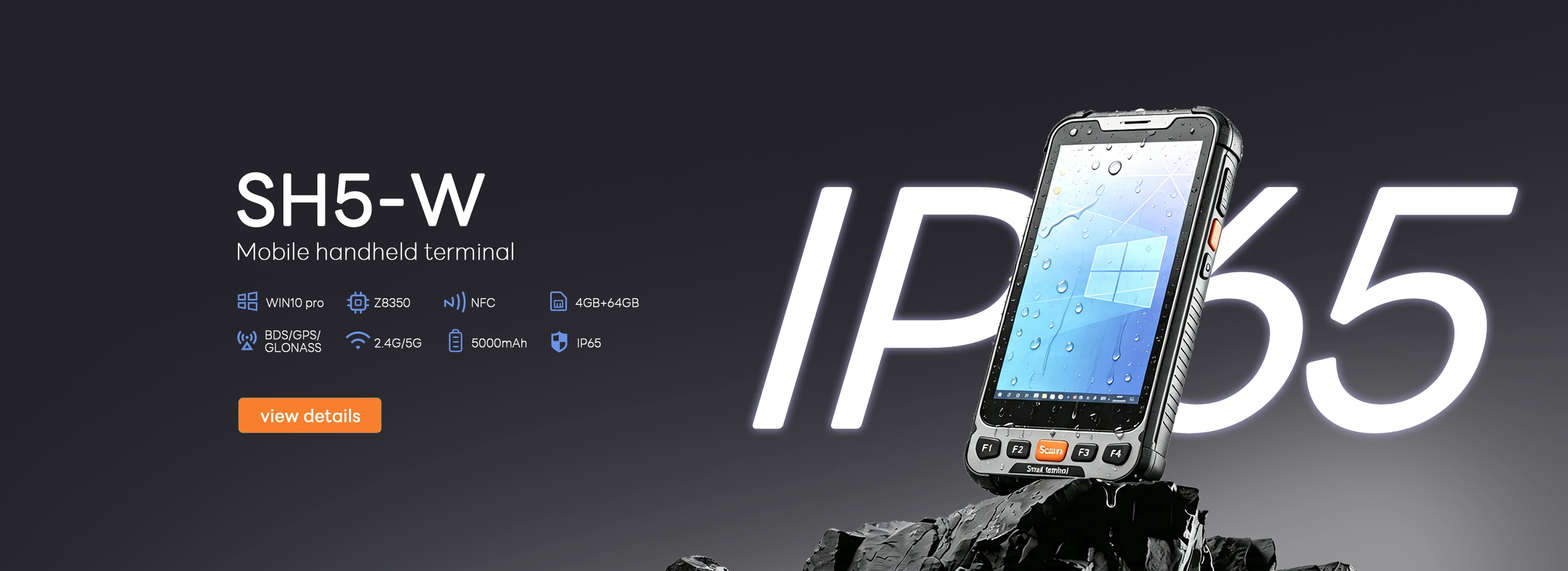
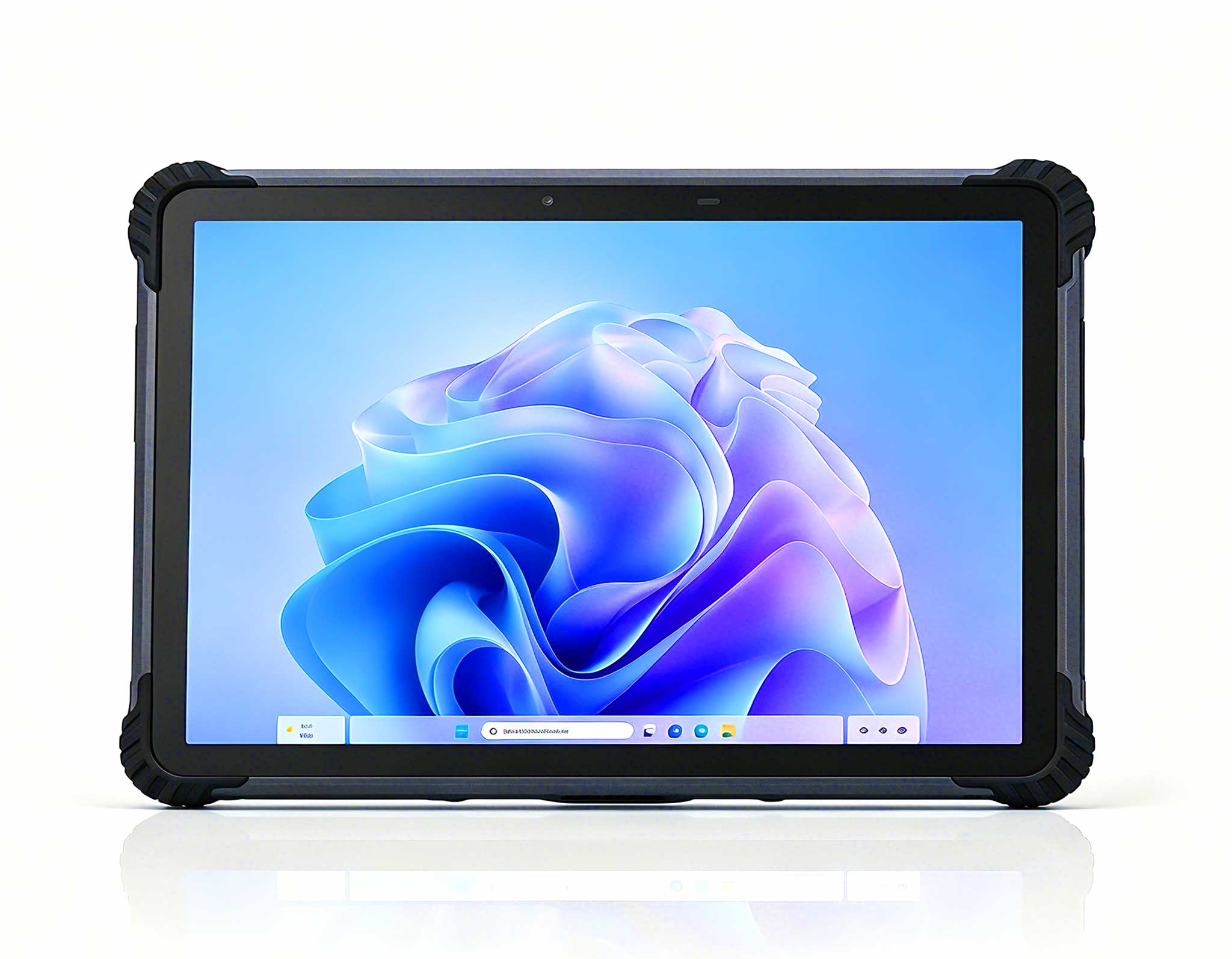
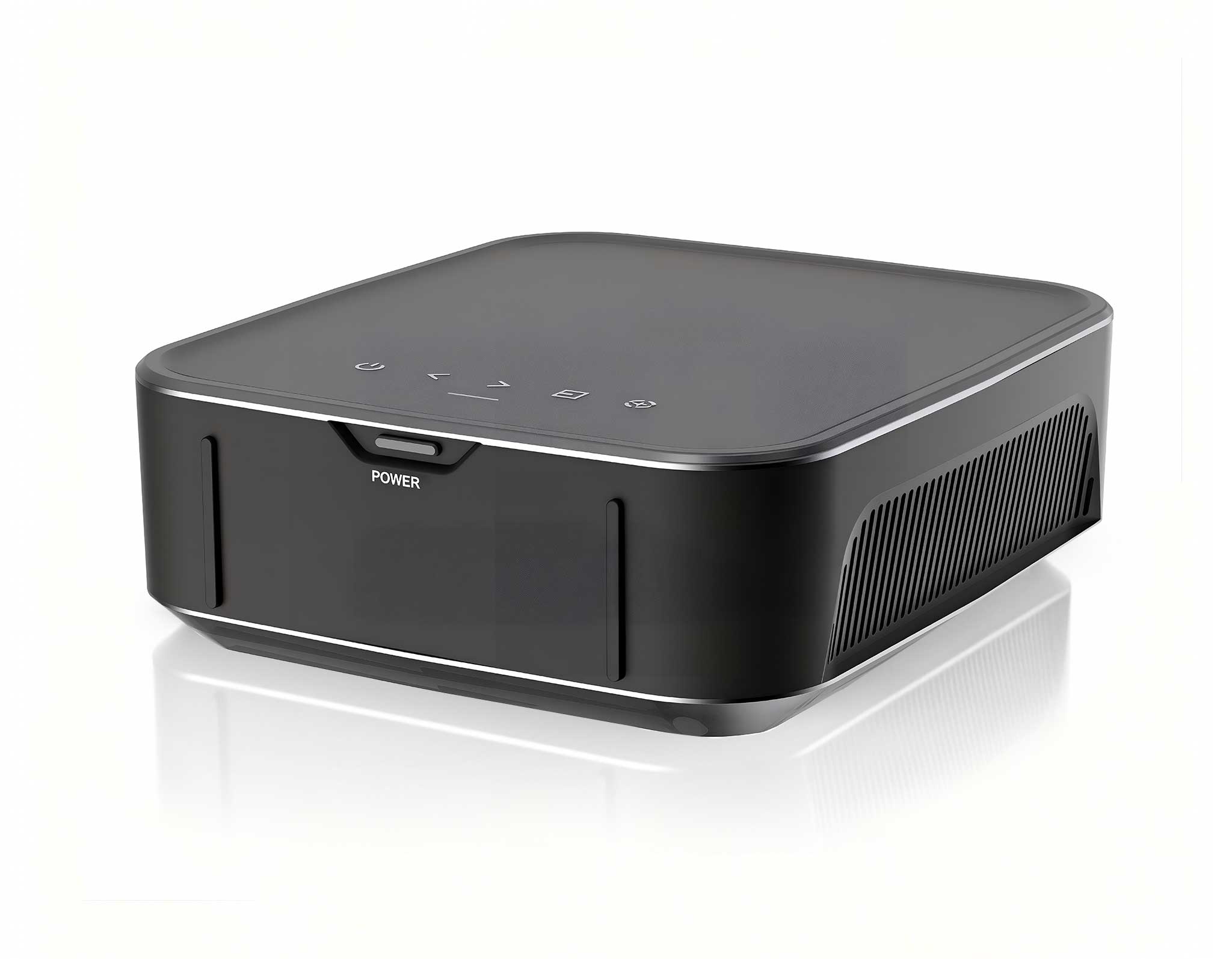
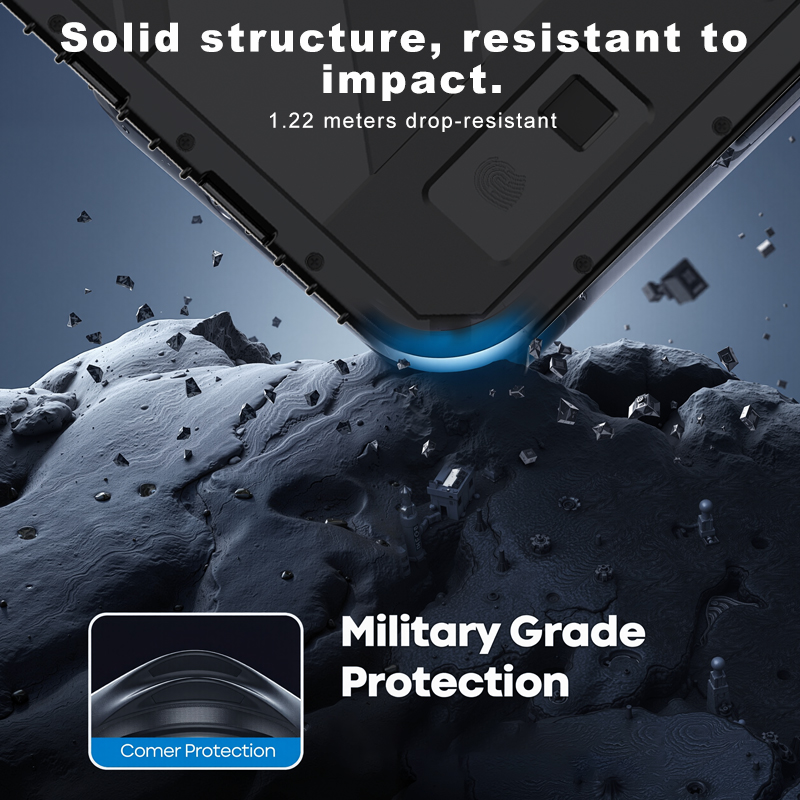
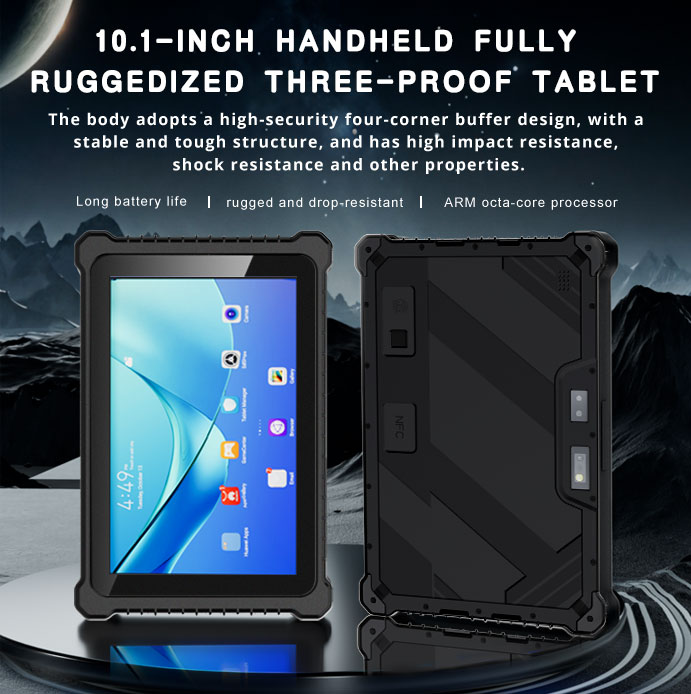
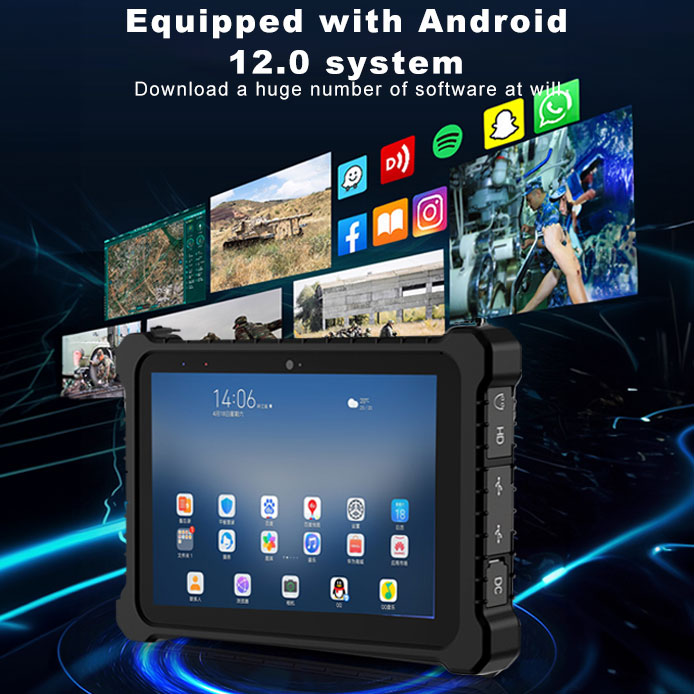
The WTR PRO AMD functions as the processing backbone in many kiosk builds. Its fanless thermal design is a game-changer for enclosed cabinets where heat accumulates quickly. Standard mini PCs with spinning fans clog with dust and fail within months in these conditions. The WTR PRO AMD runs cool and quiet, maintaining peak performance even when ambient temperatures rise. On the interactive side, the 5.5 Windows (SH5-W) Rugged Industrial Tablet brings a compact, high-durability touch interface to space-constrained kiosks. Its small footprint makes it ideal for point-of-information terminals, wayfinding stations, and self-checkout lanes where every inch counts. The HTXUK10A-55 Rugged Tablet steps in for applications requiring a larger display surface and even greater impact resistance, such as outdoor ticketing kiosks or industrial control panels. These three devices share a common design philosophy — they are built to survive the real world, not just a spec sheet.
What does this mean in practice? Fewer service calls, lower replacement part costs, and higher system availability. When a kiosk runs without interruption, it generates revenue or delivers value around the clock. The cumulative effect over a multi-year deployment is substantial. Organizations that have made the switch report 90% or greater reduction in hardware-related incidents, freeing up IT resources for more strategic initiatives. That is the kind of outcome that transforms a cost center into a competitive advantage.
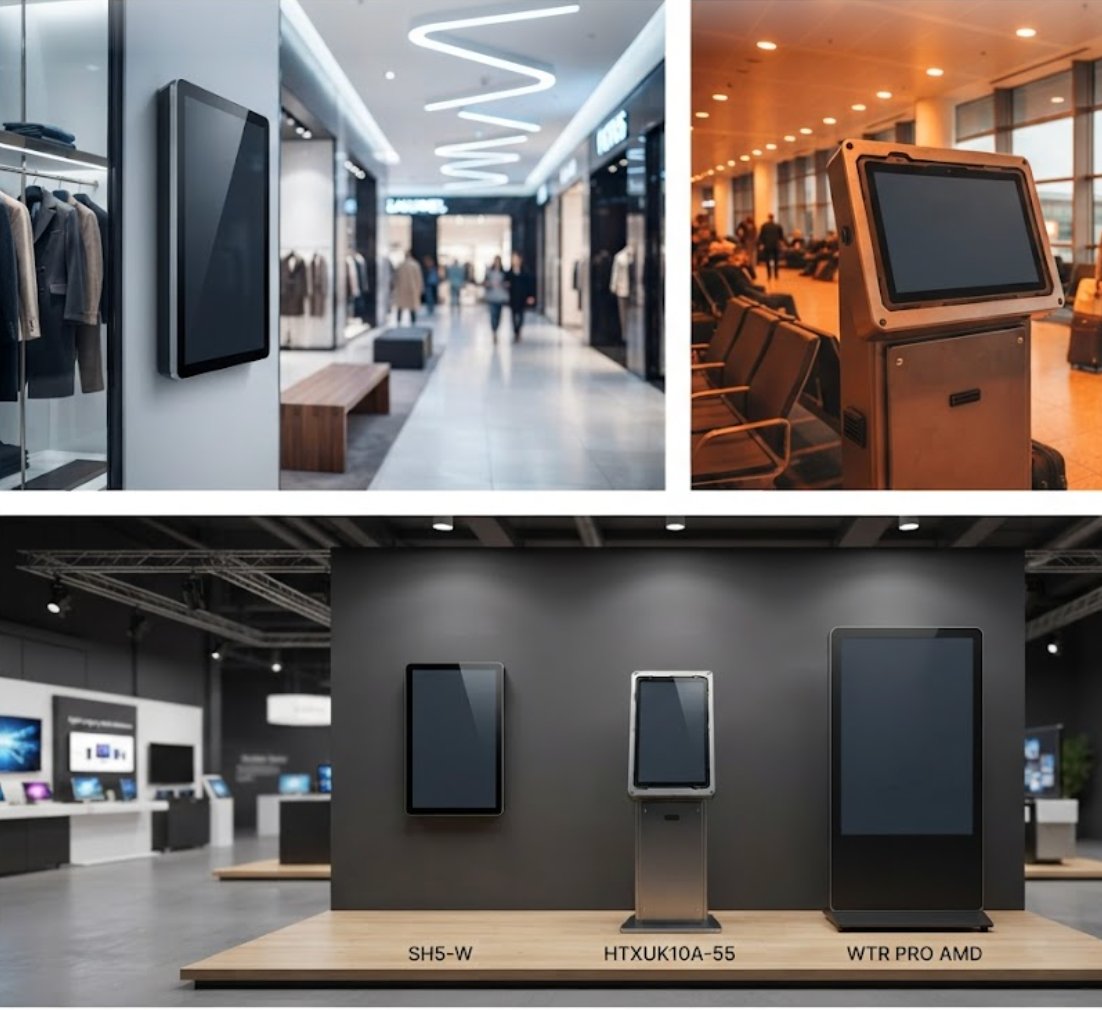
The financial case for deploying the WTR PRO AMD, HTXUK10A-55 Rugged Tablet, and SH5-W in Digital Signage Kiosk environments becomes compelling when you look beyond the sticker price. Consumer-grade tablets and mini PCs carry hidden costs — frequent battery swaps, display repairs, thermal shutdowns, and premature failure. These expenses accumulate rapidly in high-usage deployments. Rugged industrial hardware costs more upfront but delivers dramatically lower total cost of ownership over three to five years. When a kiosk goes dark, every minute of downtime has a real dollar value attached. In high-traffic retail settings, industry benchmarks put that cost at $5,000 or more per hour.
Consider a mid-size retail chain operating twenty kiosks across regional locations. With standard off-the-shelf hardware, they typically experience 10 to 15 system failures annually. Each failure requires a technician dispatch, replacement parts, and hours of lost operation. Switching to the HTXUK10A-55 Rugged Tablet virtually eliminates touchscreen failures and display issues. The 20–30% premium over consumer tablets is recovered within the first year through avoided service calls and replacement cycles. Similarly, the WTR PRO AMD mini PC, with its fanless design and industrial component rating, runs reliably in enclosed kiosk cabinets where standard PCs would overheat and crash within weeks. Our rugged mini PC solutions include the WTR PRO AMD specifically engineered for these demanding always-on scenarios. Energy efficiency adds another layer of savings — these devices consume significantly less power than equivalent-performance desktop hardware, reducing electricity costs across the entire deployment.
Beyond direct cost savings, there are revenue implications. A kiosk that stays online delivers content, processes transactions, and engages customers consistently. That translates into higher conversion rates and better customer satisfaction scores. The payback period for the hardware upgrade typically falls under eighteen months, and after that, the savings flow directly to the bottom line. Organizations that have completed the transition report ROI figures of 200% or more over a three-year horizon. When you factor in reduced staff training requirements — because these systems simply work without constant intervention — the business case becomes undeniable. The question is not whether you can afford rugged hardware, but whether you can afford to keep deploying equipment that fails under real-world conditions.
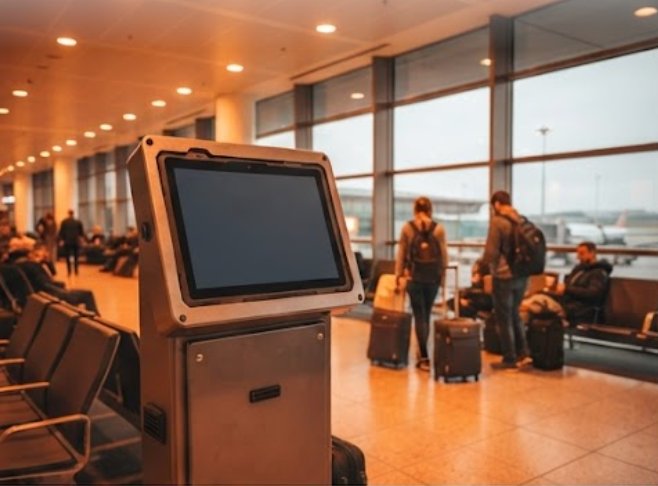
The global interactive kiosk and digital signage market is projected to grow at 8–12% annually through 2028 and beyond. This growth is fueled by rising consumer expectations for self-service options, contactless interactions, and personalized digital experiences. Retail, healthcare, transportation, hospitality, and education sectors are all accelerating their adoption of kiosk-based solutions. The WTR PRO AMD, HTXUK10A-55 Rugged Tablet, and SH5-W are engineered to meet this surging demand with hardware that does not compromise on reliability. As deployment scales increase, the cost of failure multiplies. A single point of failure in a 100-kiosk network can disrupt operations across an entire region. That is why forward-thinking organizations are standardizing on industrial-grade components from the outset.
Another defining trend is the move toward more compact, aesthetically integrated kiosk designs. Gone are the bulky, industrial-looking boxes of the past. Modern kiosks blend into their surroundings and often occupy tight spaces like countertops, wall niches, or pedestal mounts. This is where the SH5-W excels. Its 5.5-inch touchscreen delivers full interactive capability in a package that fits virtually anywhere. Despite its small size, the SH5-W is built to withstand thousands of touches per day, temperature fluctuations, and the occasional impact. It brings genuine rugged durability to form factors that previously relied on fragile consumer components. As digital signage evolves from passive displays to interactive engagement platforms, the hardware underneath must keep pace. The trend is clear — reliability is no longer optional, it is the foundation upon which successful kiosk deployments are built. For organizations evaluating their next-generation infrastructure, we invite you to explore our mini PC solutions including the WTR PRO AMD and other rugged options that align with these market shifts.
Industry analysts consistently highlight reliability as the top criterion for kiosk hardware selection, surpassing even processing power and display resolution. The reasoning is straightforward — the best-performing kiosk is worthless if it is offline. By investing in equipment designed for continuous public use, organizations protect their operational uptime and brand reputation simultaneously. The data supports this approach: facilities that deploy industrial-grade kiosk hardware report 40–60% lower total cost of ownership over five years compared to those using consumer-grade alternatives. These numbers come from real-world deployments across multiple sectors, not laboratory simulations. The message for decision-makers is clear — the choice of hardware has a direct, measurable impact on long-term financial performance.
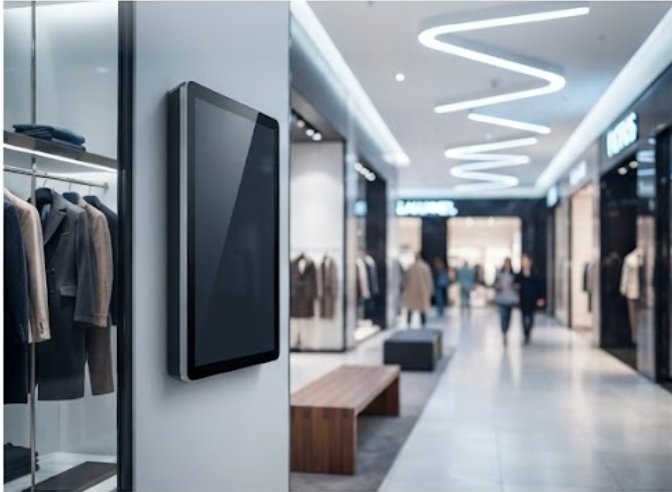
The table below offers a quick reference for the three products discussed throughout this article. These specifications underscore the unique role each device plays in a complete Digital Signage Kiosk solution, from backend processing to front-end interaction.
| Model | Position | Weight | Product Page |
|---|---|---|---|
| WTR PRO AMD | Mini PC for kiosk backend processing | Compact, fanless design | View Product |
| HTXUK10A-55 Rugged Tablet | Large durable tablet for interactive kiosks | Industrial-grade build | View Product |
| SH5-W | Compact 5.5 inch rugged tablet | Ultra-portable yet durable | View Product |
Each device targets a specific layer of the kiosk architecture. The WTR PRO AMD handles content rendering, data processing, and connectivity. The HTXUK10A-55 provides a large, impact-resistant touch surface for high-traffic public interaction. The SH5-W fills the need for compact, space-efficient terminals where every square inch matters. Deploying them together creates a cohesive system where every component is rated for continuous operation. That is the difference between a kiosk that works reliably for years and one that becomes a recurring maintenance headache.
Choosing the WTR PRO AMD, HTXUK10A-55 Rugged Tablet, and SH5-W for your Digital Signage Kiosk infrastructure is a strategic decision with measurable financial returns. The upfront investment in industrial-grade hardware is recouped through dramatically reduced downtime, lower maintenance costs, higher customer satisfaction, and extended system lifespan. As the digital signage market continues its rapid expansion, the gap between organizations that prioritize reliability and those that cut corners on hardware will only widen. Equipment designed for the rigors of always-on public deployment is not a premium feature — it is the baseline for serious operations. The data, the market trends, and the real-world case studies all point to the same conclusion: rugged hardware delivers the lowest total cost of ownership and the strongest return on investment. Protect your brand, your budget, and your operational uptime by specifying components built for the job. The choice is straightforward, and the benefits compound over time. Make the investment today and your future self — along with your customers — will thank you.