- Select Language
Technical SpecificationsModel: Palm-sized miniPCTy...
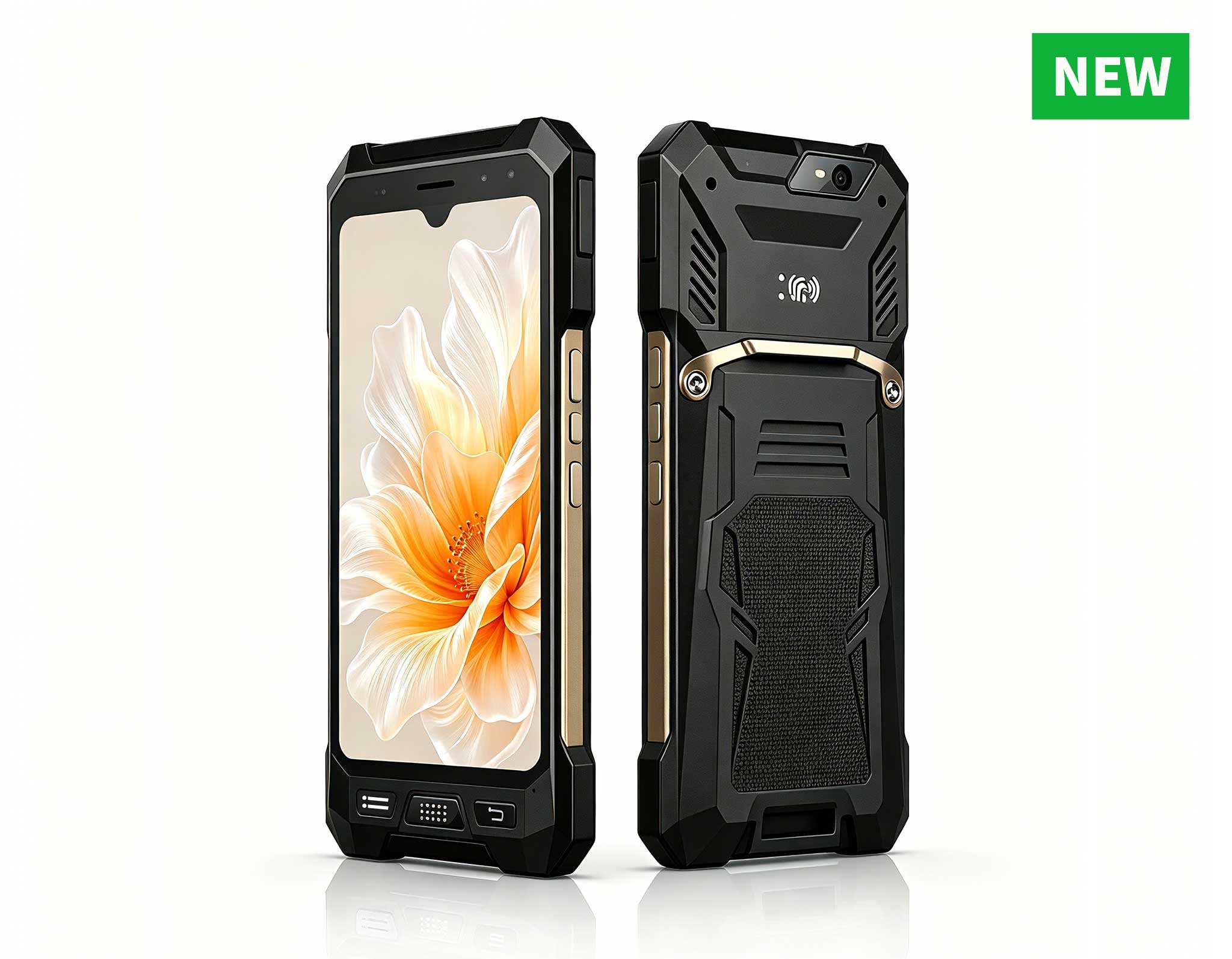
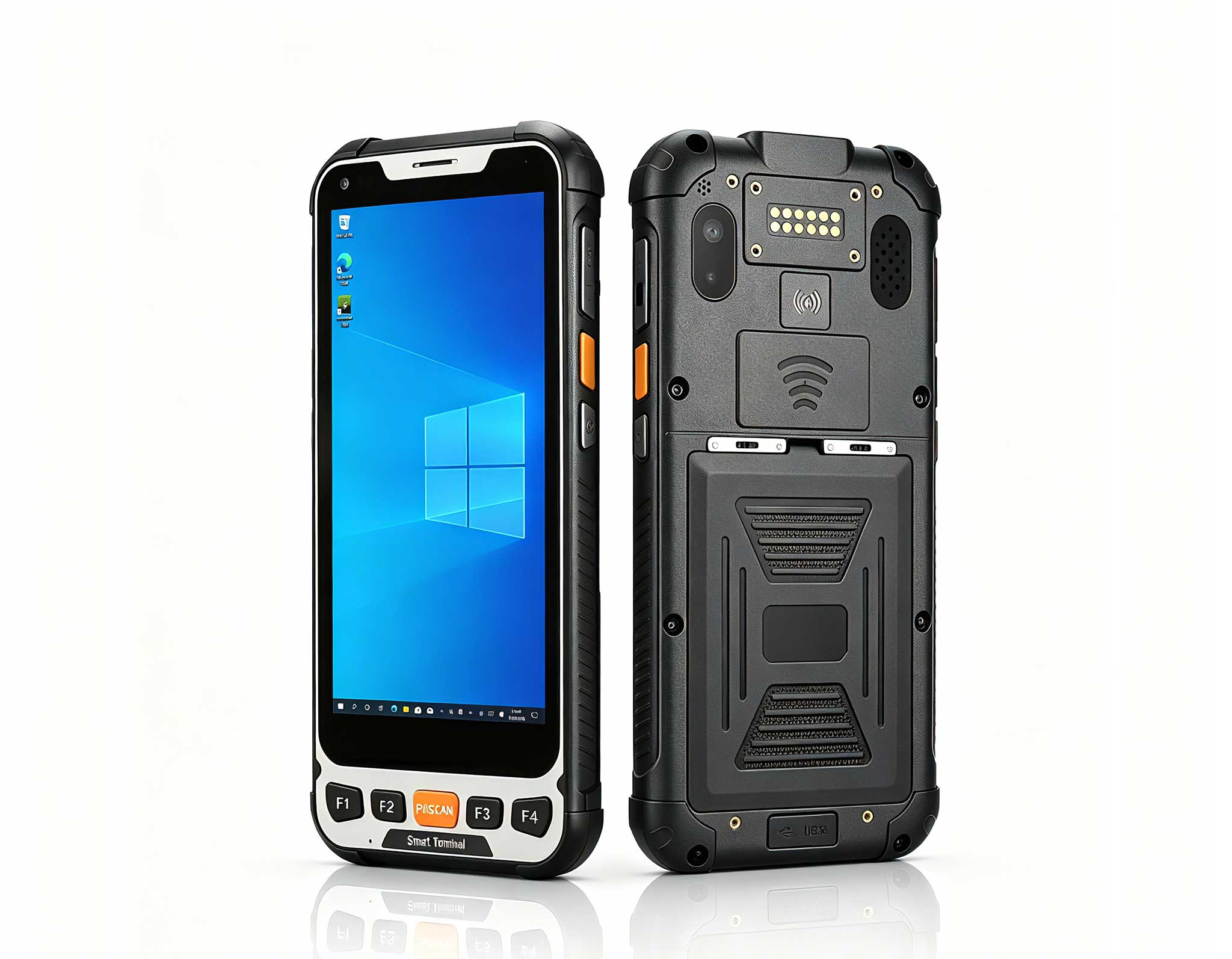
R530C 6.0-inch Industrial PDA | Qualcomm Octa-core...
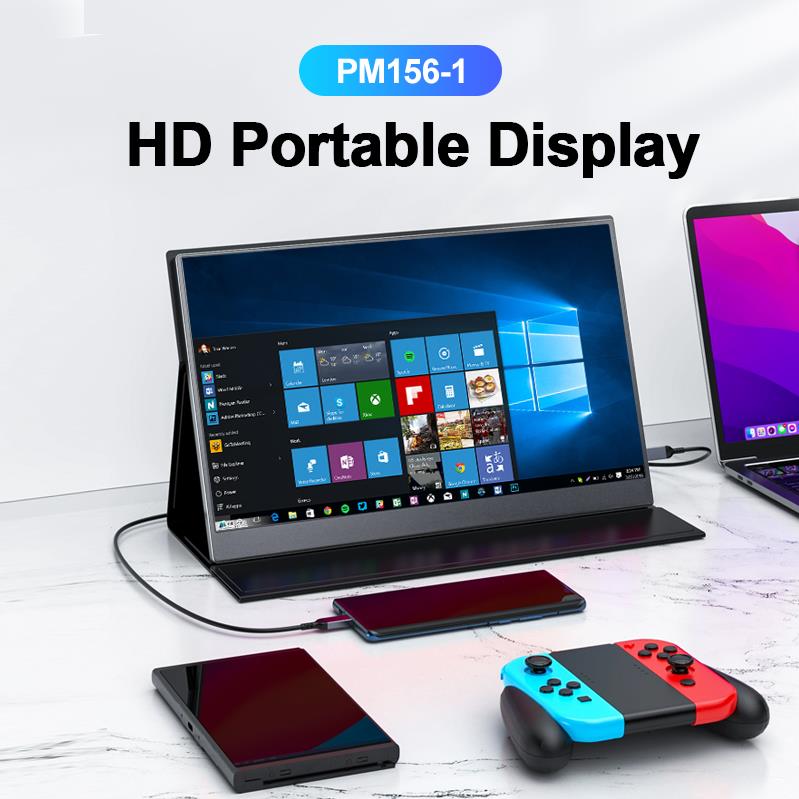
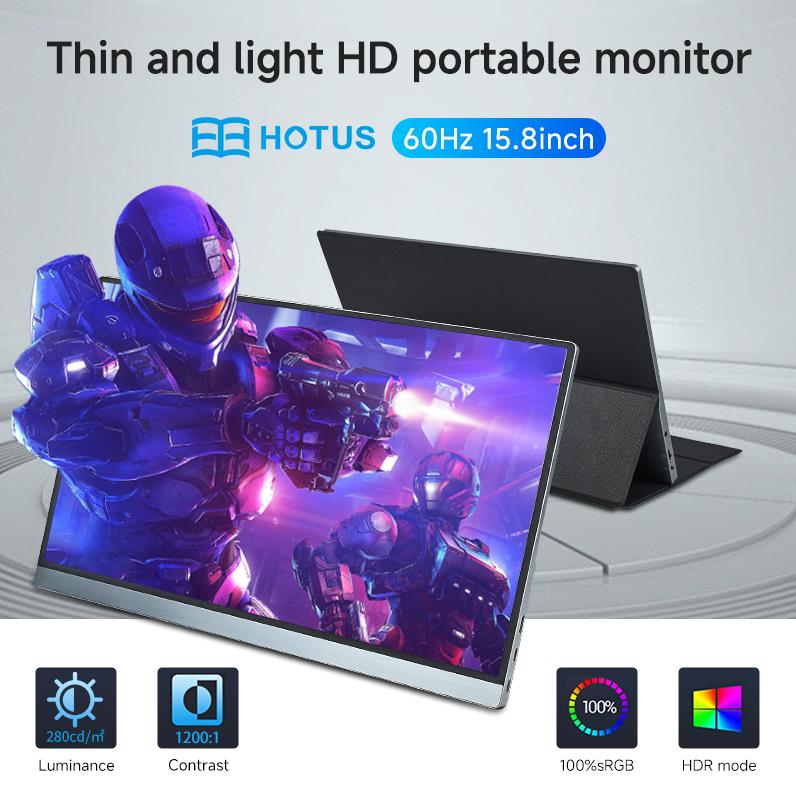
The PM158-1 is a 15.6-inch portable touchscreen mo...
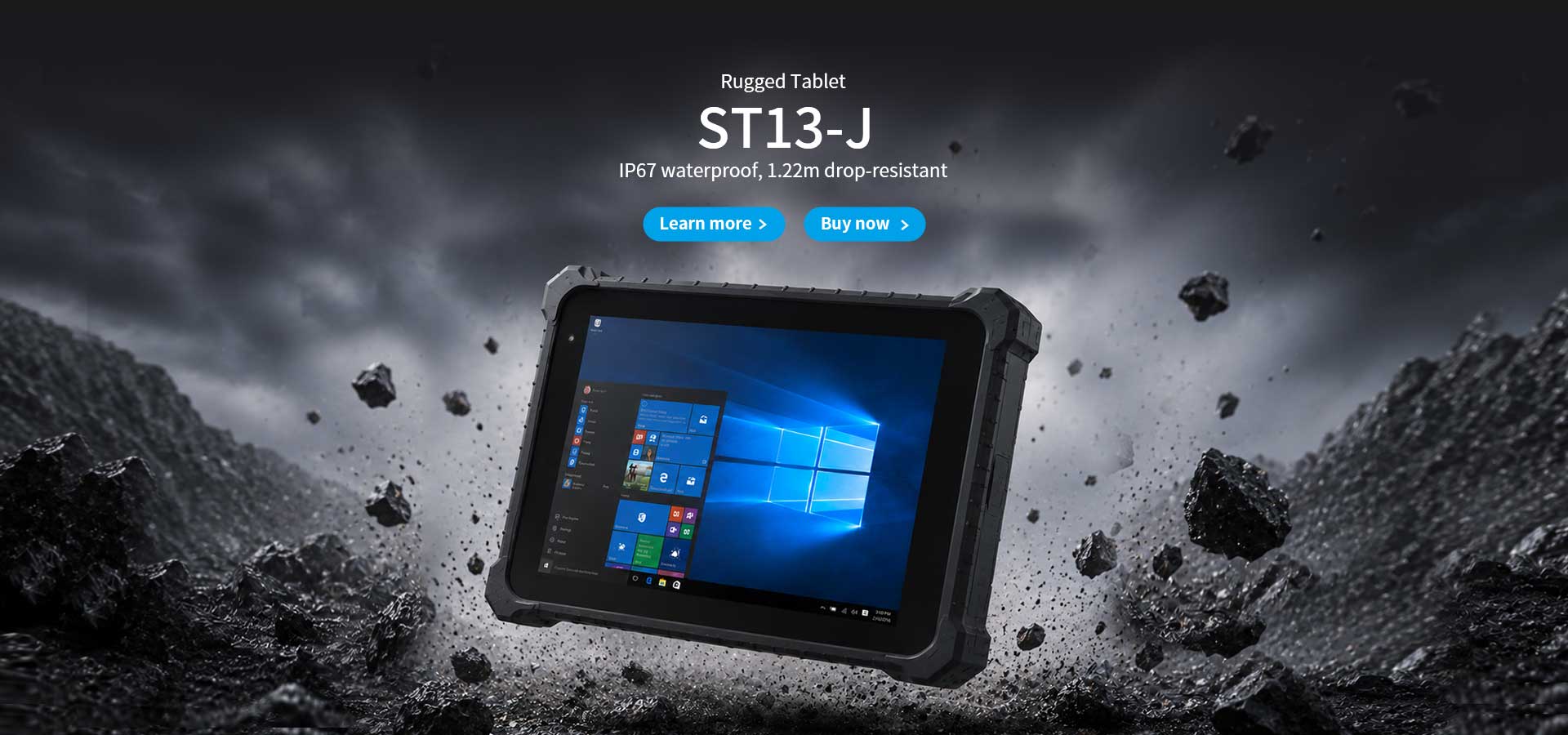
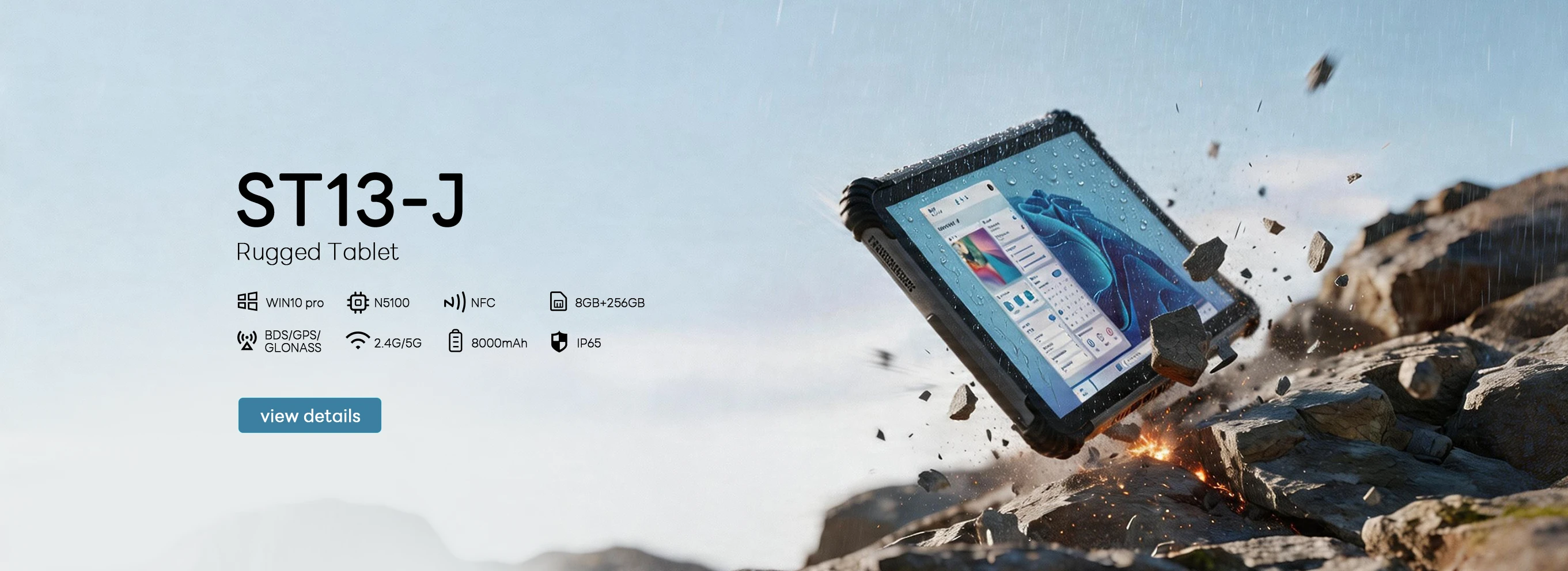
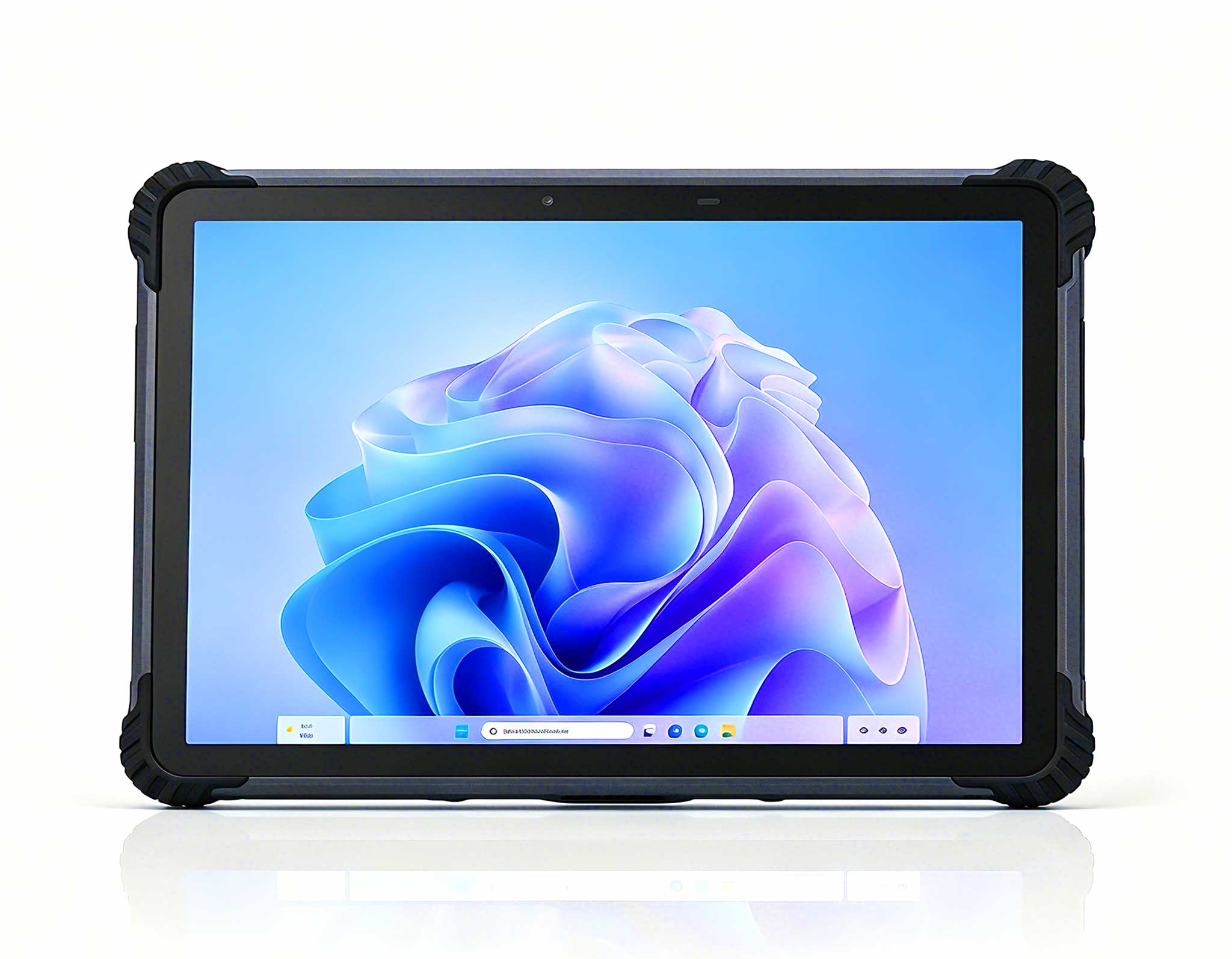
Full SpecificationsModelHotus ST13‑JOSWindows 10 P...
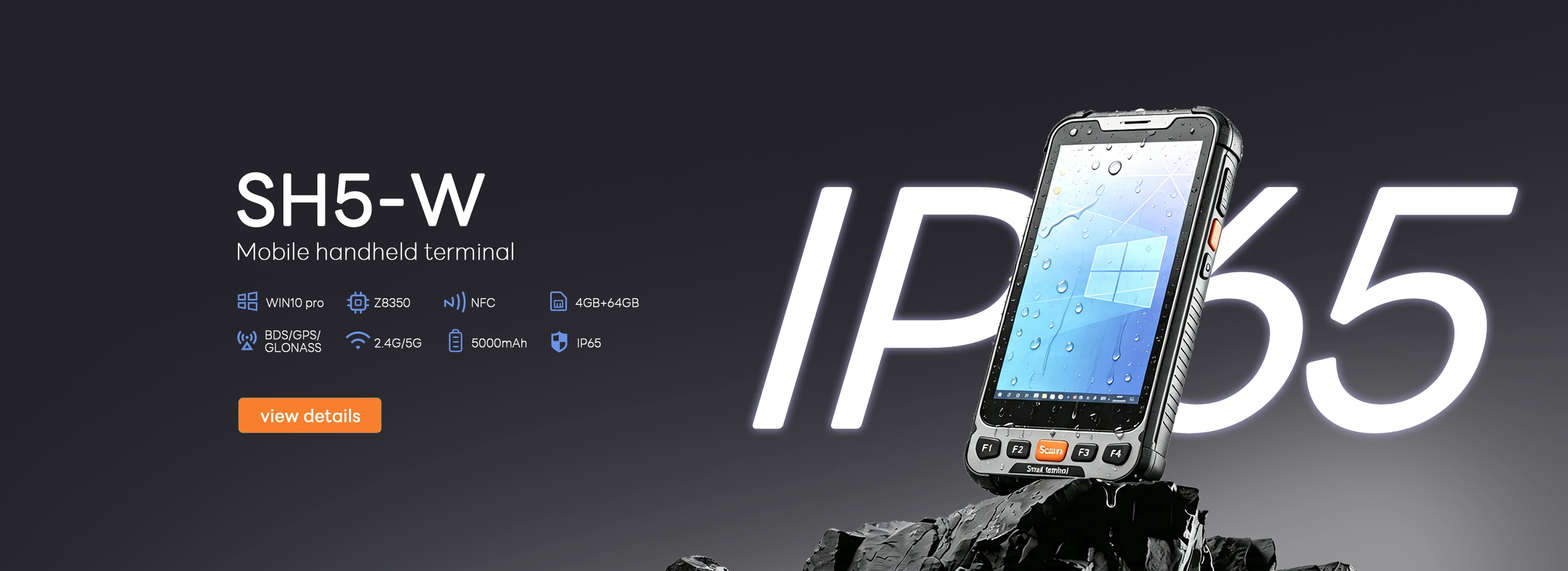
Full SpecificationsModel Hotus SH5‑WOperating ...
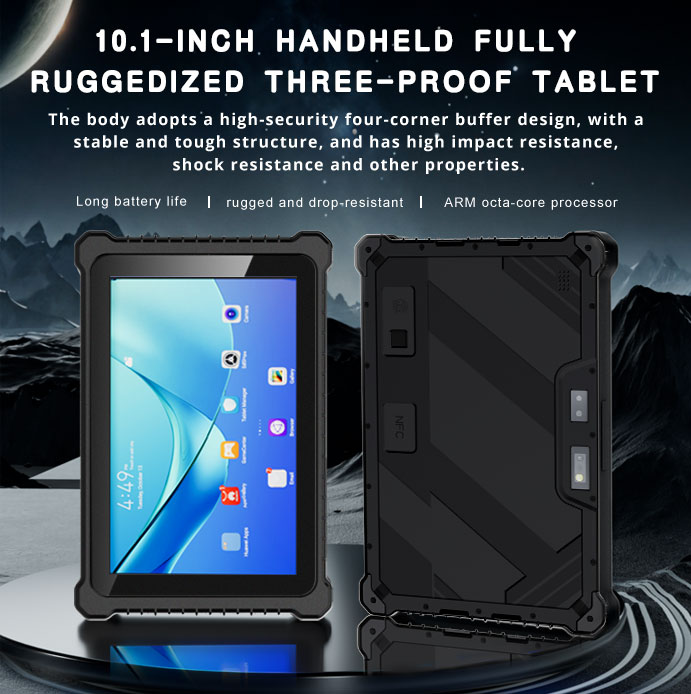
Full SpecificationsModelHotus ST11‑UOSWindows 10 P...
The Mini PC market has exploded over the past few years, driven by the global shift toward remote work, distributed teams, and the digital nomad lifestyle. Walk into any co-working space today, and you will find compact computing boxes tucked behind monitors, powering everything from video editing workflows to 24/7 server tasks. But not all mini PCs are built the same. Some chase raw performance numbers, while others prioritize uptime and durability above all else.
In this head-to-head comparison, we pit two AMD-powered contenders against each other: the GEM 12 MAX, equipped with the latest AMD Ryzen 7 8745HS, and the Hotus HCAR5000 MI, built on the proven AMD Ryzen 5000H series. Both claim to excel in home office and remote work environments, but they cater to fundamentally different users with different priorities.
Which one deserves a spot on your desk? Let's dig into the specs, real-world use cases, and long-term value to find out.
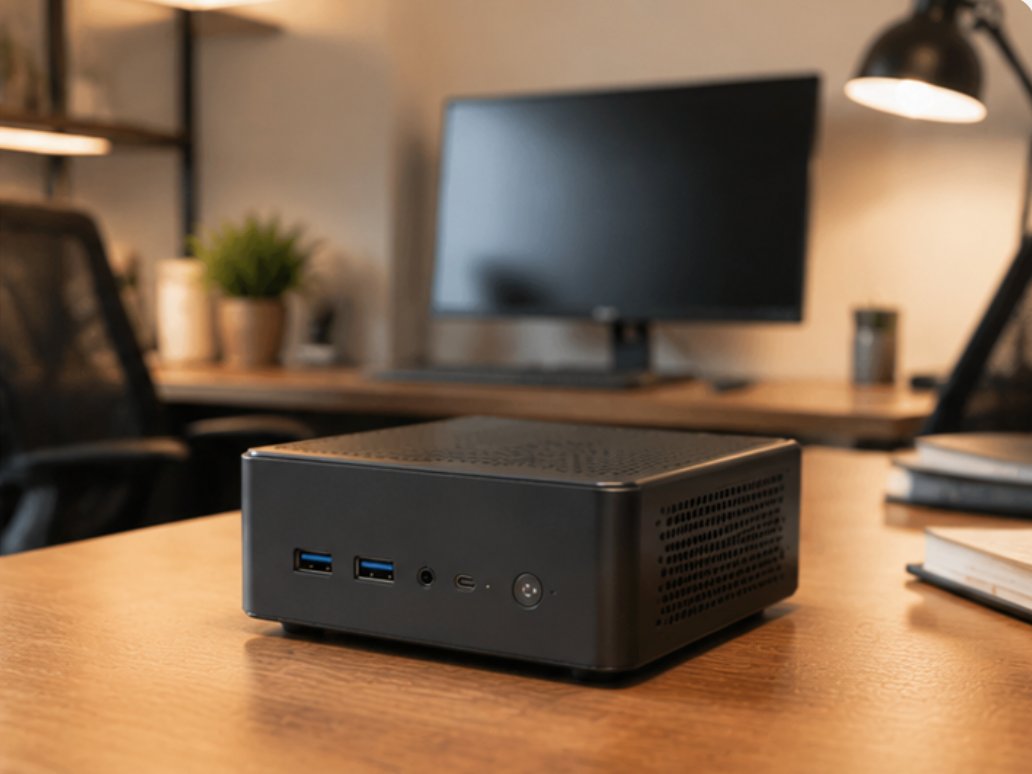
The GEM 12 MAX represents the cutting edge of consumer mini PC design. Powered by the AMD Ryzen 7 8745HS processor, this machine packs 8 cores and 16 threads based on the Zen 4 architecture, with a boost clock reaching up to 5.1 GHz. For graphics, it relies on the integrated Radeon 780M with 12 RDNA 3 compute units, capable of driving four displays at 4K@60Hz with ease. That kind of graphical horsepower was unheard of in a device this size just a couple of years ago.
Key Specifications (GEM 12 MAX):
CPU: AMD Ryzen 7 8745HS (8C/16T, Zen4, 3.8–5.1 GHz)
GPU: Radeon 780M (12 RDNA 3 CU)
Memory: DDR5-5600, 2× SO-DIMM slots
Storage: 2× M.2 2280 NVMe PCIe (up to 8TB total)
Connectivity: OCuLink 64Gbps + dual USB4 + dual 2.5GbE + HDMI + audio jack
Cooling: Dual-fan ultra-quiet design
Dimensions: ~5.12 inches square, 0.5 kg
This machine is clearly built for content creation, data analysis, light gaming, and on-the-go productivity. Its OCuLink port allows external GPU expansion, making it a versatile platform for users who need both portability and occasional graphical horsepower. The dual 2.5GbE ports appeal to network-savvy professionals, while USB4 ensures future-proof connectivity for peripherals and docks.
Strengths:
Latest-generation CPU and GPU architecture (Zen4 + RDNA3)
Excellent multi-display support (4× 4K@60Hz)
Browse our Hotus mini PC lineup.
OCuLink for eGPU expansion — rare in this form factor
Compact and lightweight — ideal for digital nomads
Consumer-friendly price point
Weaknesses:
Consumer-grade cooling optimized for short bursts, not sustained loads
Limited industrial workload validation
Standard warranty and support (typically 1-2 years)
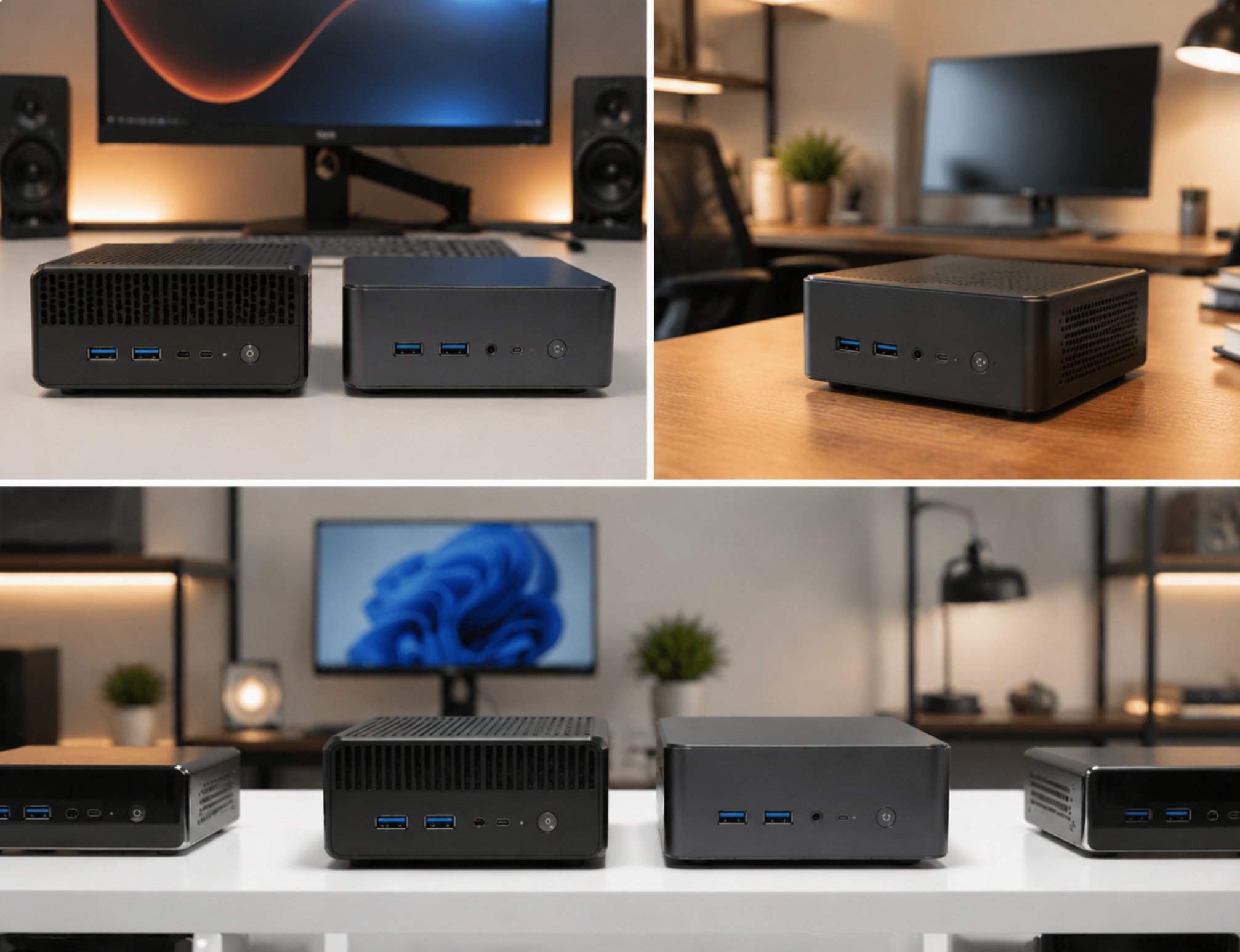
The Hotus HCAR5000 MI takes a fundamentally different approach. Rather than chasing benchmark scores, it prioritizes stability, longevity, and 24/7 operation. Powered by the AMD Ryzen 5000H series processor, this mini PC delivers mature Zen 3 performance with industrial-grade reliability. In many enterprise environments, consistency matters far more than peak clock speed.
Key Specifications (Hotus HCAR5000 MI):
CPU: AMD Ryzen 5000H series (8C/16T, Zen3)
GPU: Integrated Radeon graphics (suitable for office and industrial use)
Memory: Supports large-capacity DDR4/DDR5 (dependent on configuration)
Storage: High-speed SSD with flexible expansion
Conne
See our Hotus AMD mini PC catalog.
ctivity: Multiple USB ports, Gigabit Ethernet, HDMI, dual-display support
Cooling: Industrial-grade thermal design for 24/7 operation
Warranty: Extended enterprise support and rapid replacement service
While the HCAR5000 MI may not match the GEM 12 MAX in raw gaming or rendering performance, it excels where it truly matters: reliability in demanding environments. This mini PC is designed for industrial edge computing, video conferencing systems, digital signage, corporate remote work deployments, and enterprise IT rollouts. It is the kind of machine that IT managers trust to run unattended for months on end.
Strengths:
Industrial-grade cooling for sustained loads without throttling
Proven platform stability (Zen 3 architecture with years of field validation)
Extended warranty and enterprise support
Optimized for 24/7 operation
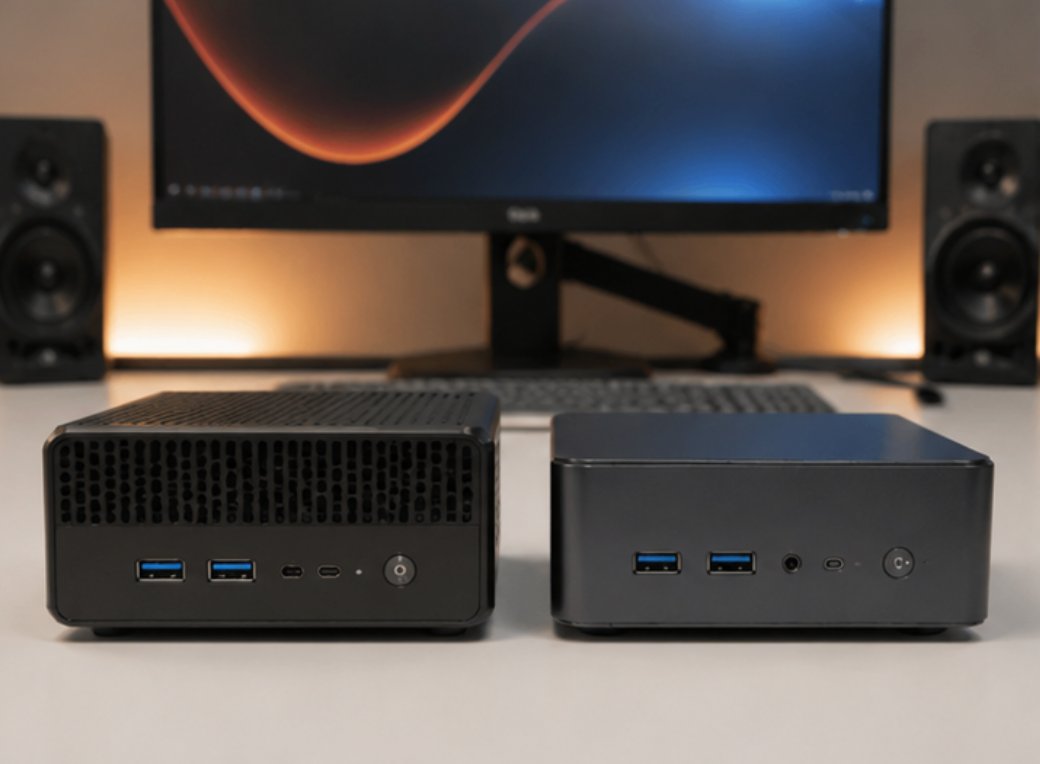
Cost-effective for bulk deployments
Rugged build quality suited for industrial environments
Weaknesses:
Older processor architecture (Zen3 vs Zen4)
No OCuLink or USB4 support
Less GPU horsepower for creative workloads
Slightly larger footprint than ultra-compact rivals
| Feature | GEM 12 MAX | Hotus HCAR5000 MI |
|---|---|---|
| CPU Architecture | AMD Ryzen 7 8745HS (Zen4) | AMD Ryzen 5000H (Zen3) |
| Cores/Threads | 8C / 16T | 8C / 16T |
| Max Clock | Up to 5.1 GHz | Up to 4.5 GHz (typical) |
| GPU | Radeon 780M (12 CU RDNA3) | Integrated Radeon (standard) |
| Memory Support | DDR5-5600, dual-channel | Large-capacity DDR4/DDR5 |
| Storage | 2× M.2 NVMe (up to 8TB) | High-speed SSD + expansion |
| Display Output | 4× 4K@60Hz via USB4/HDMI | Dual display support |
| Special Ports | OCuLink 64Gbps + dual USB4 | Multiple USB, standard HDMI |
| Networking | Dual 2.5GbE | Gigabit Ethernet |
| Cooling | Dual-fan, consumer-grade | Industrial-grade, sustained load |
| Weight | ~0.5 kg (ultra-light) | Heavier, rugged chassis |
| Typical Warranty | 1-2 years | Extended enterprise warranty |
| Target User | Creators, digital nomads, gamers | IT managers, industrial users, remote teams |
| Best For | Content creation, light gaming, data analysis | 24/7 operations, edge computing, corporate deployments |