- Select Language
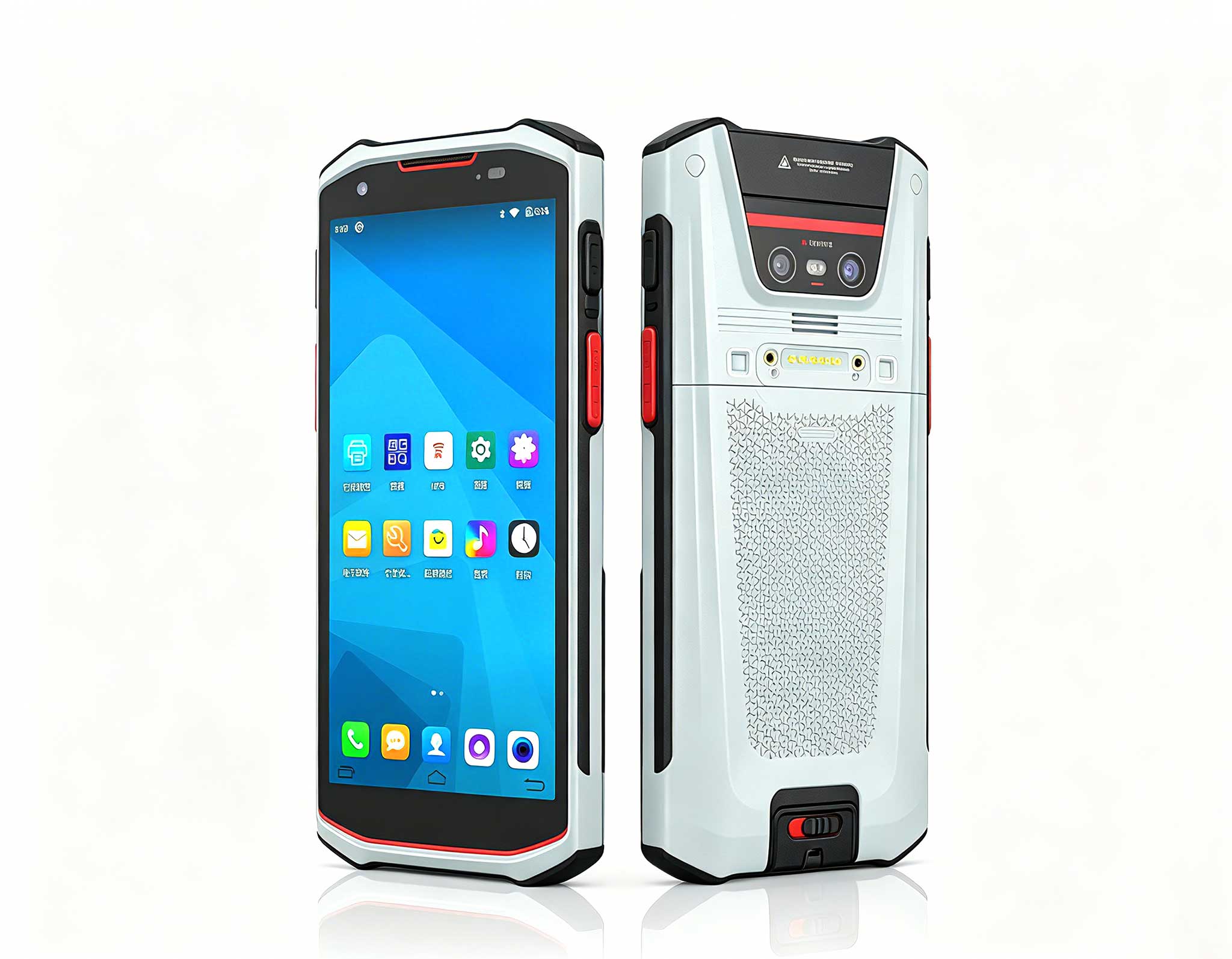
R366-S Thin 5.5-inch Industrial PDA | Qualcomm Oct...
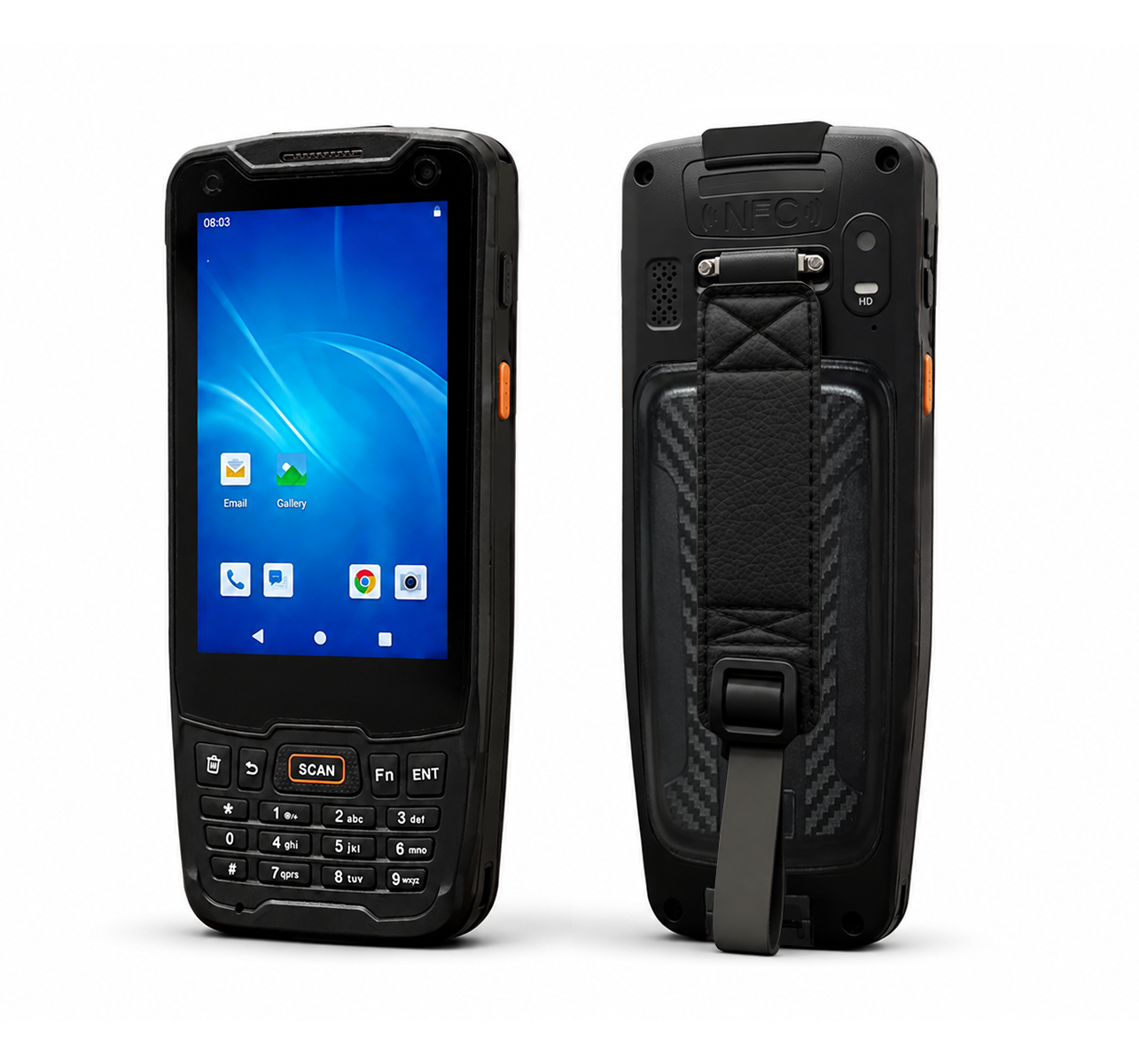
R350C 4-inch Industrial Handheld PDA | Qualcom...
R350C 4-inch Industrial Handheld PDA | Qualcom...
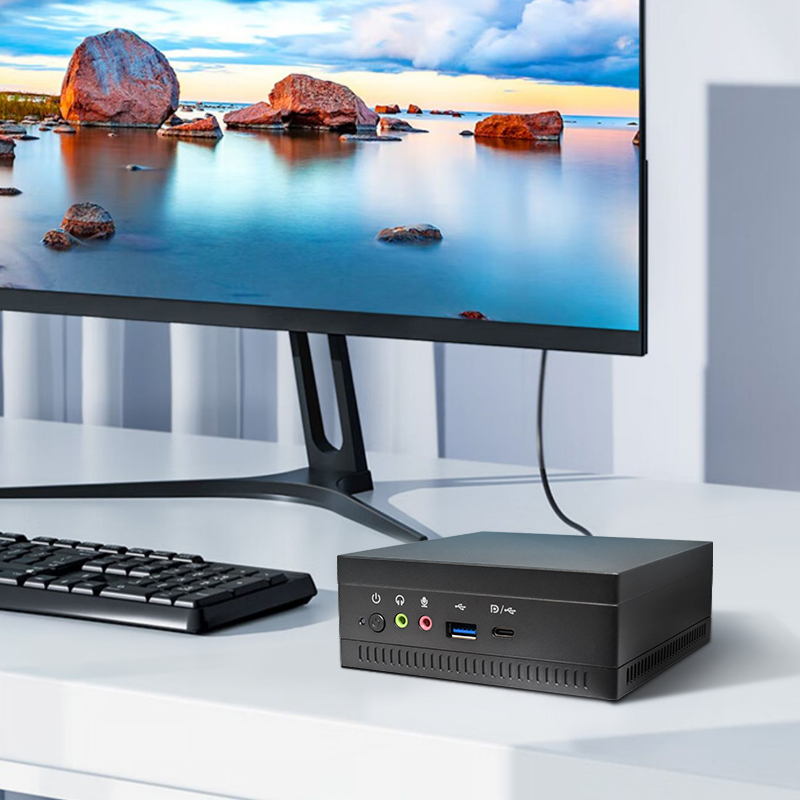
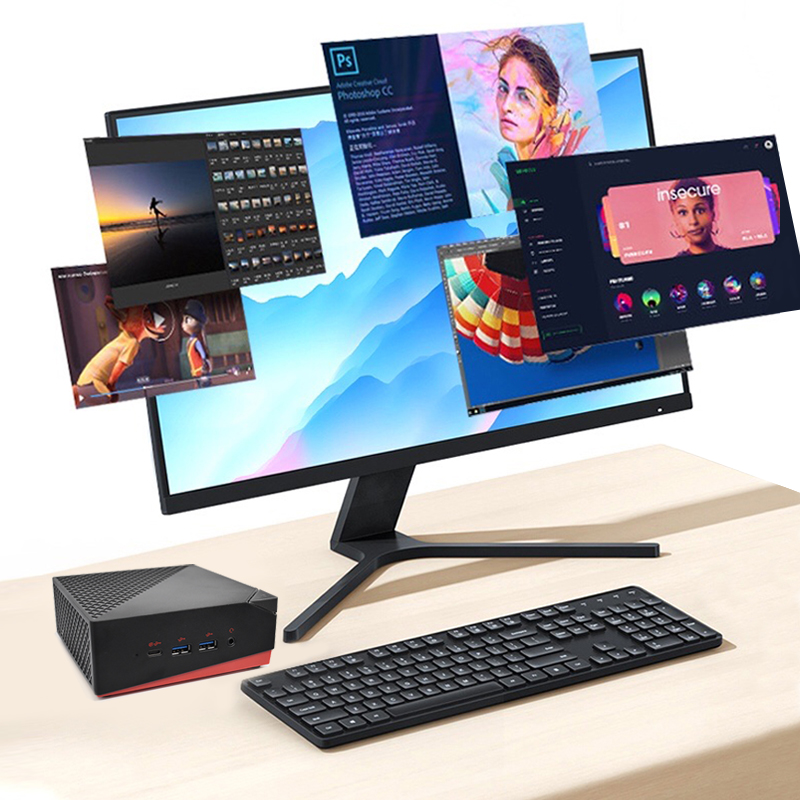
The AMD Mini PC Windows 10 Pro is a compact yet po...
Technical SpecificationsModel: Palm-sized miniPCTy...
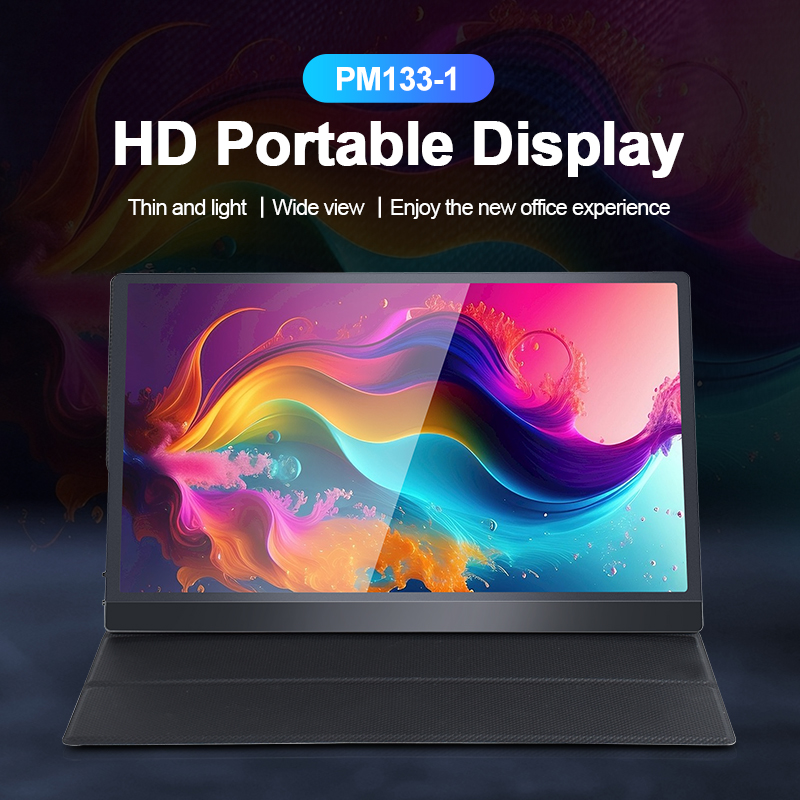
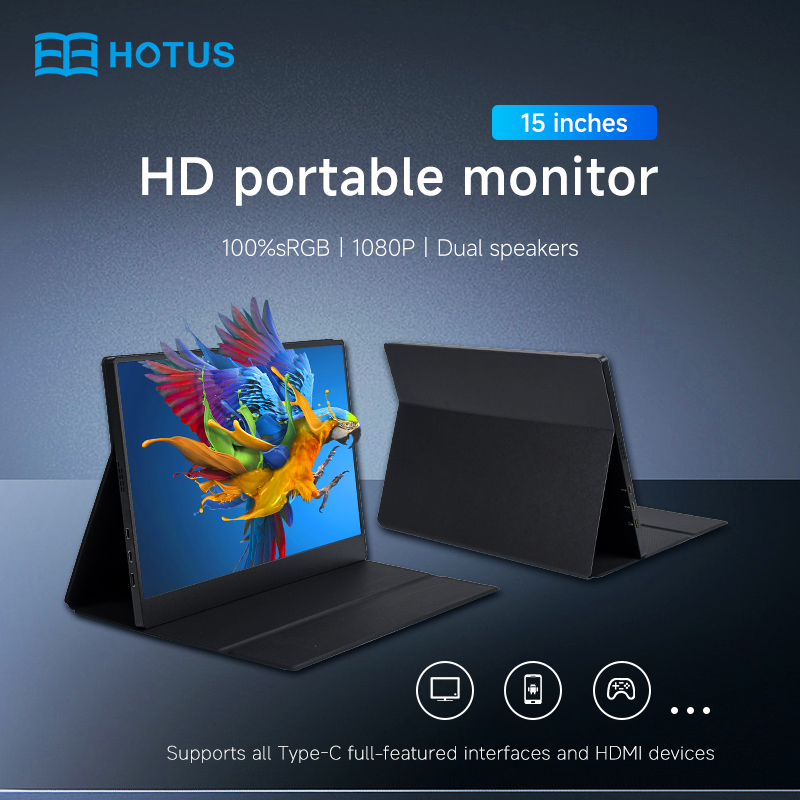
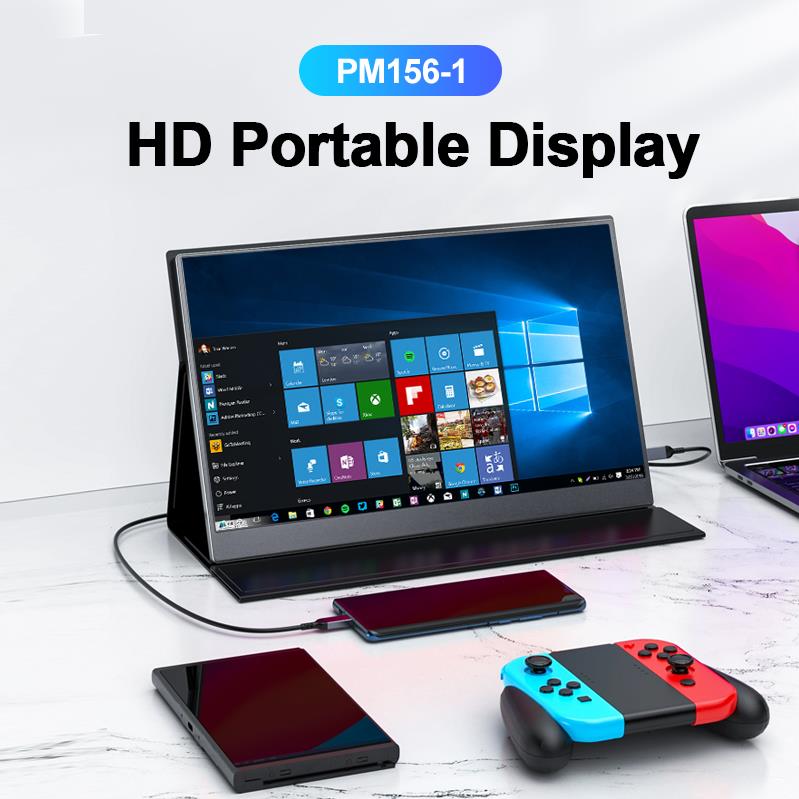
The PM156-1 is a 15.6-inch portable PC monitor fea...
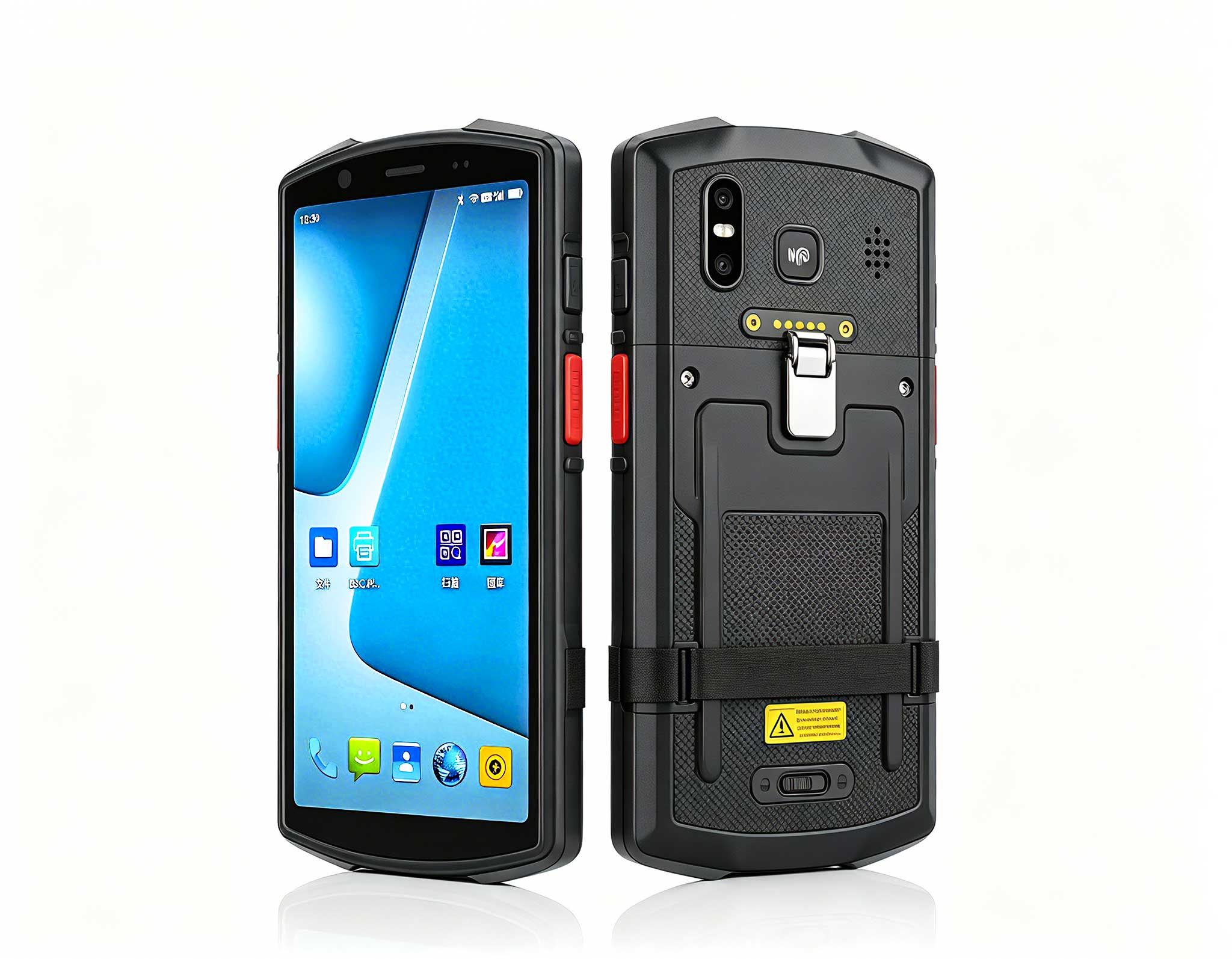
The N60 PDA is a cutting-edge device for inventory...
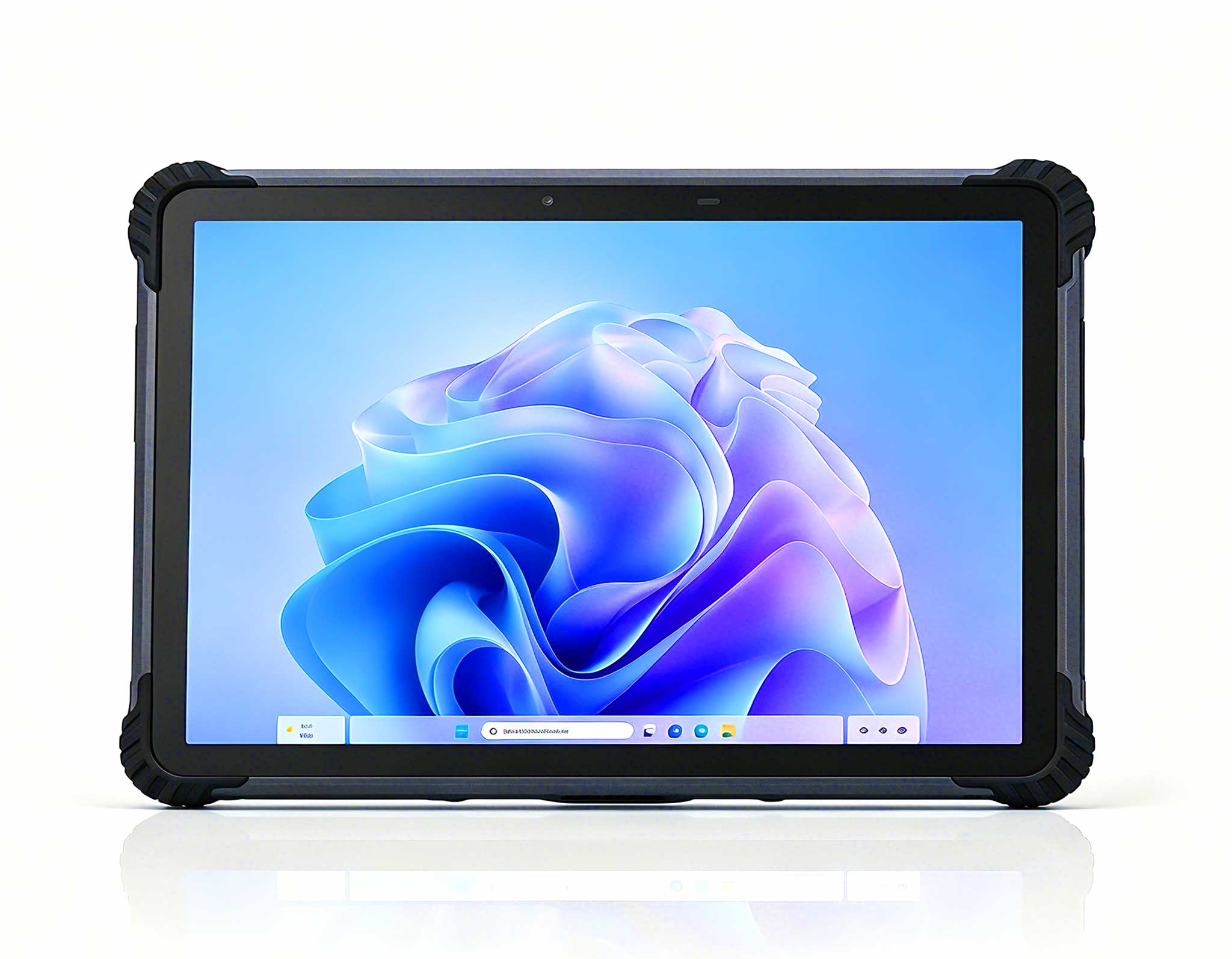
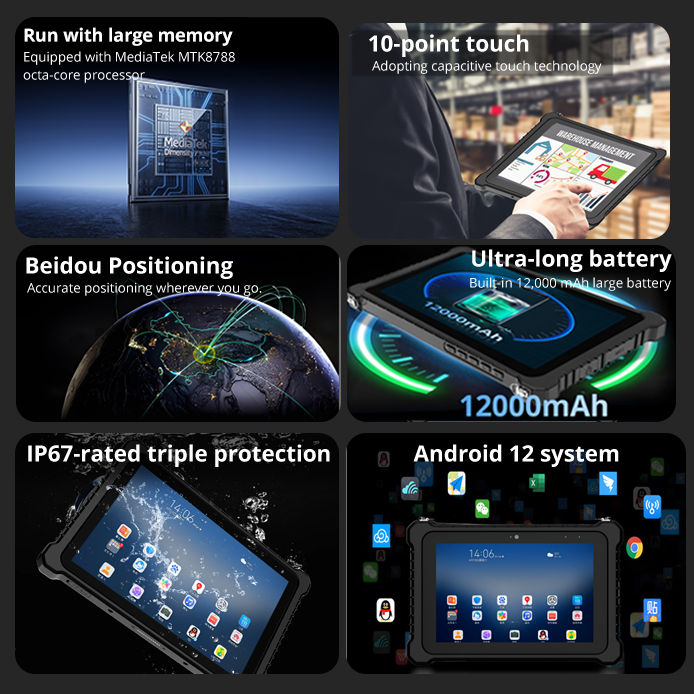
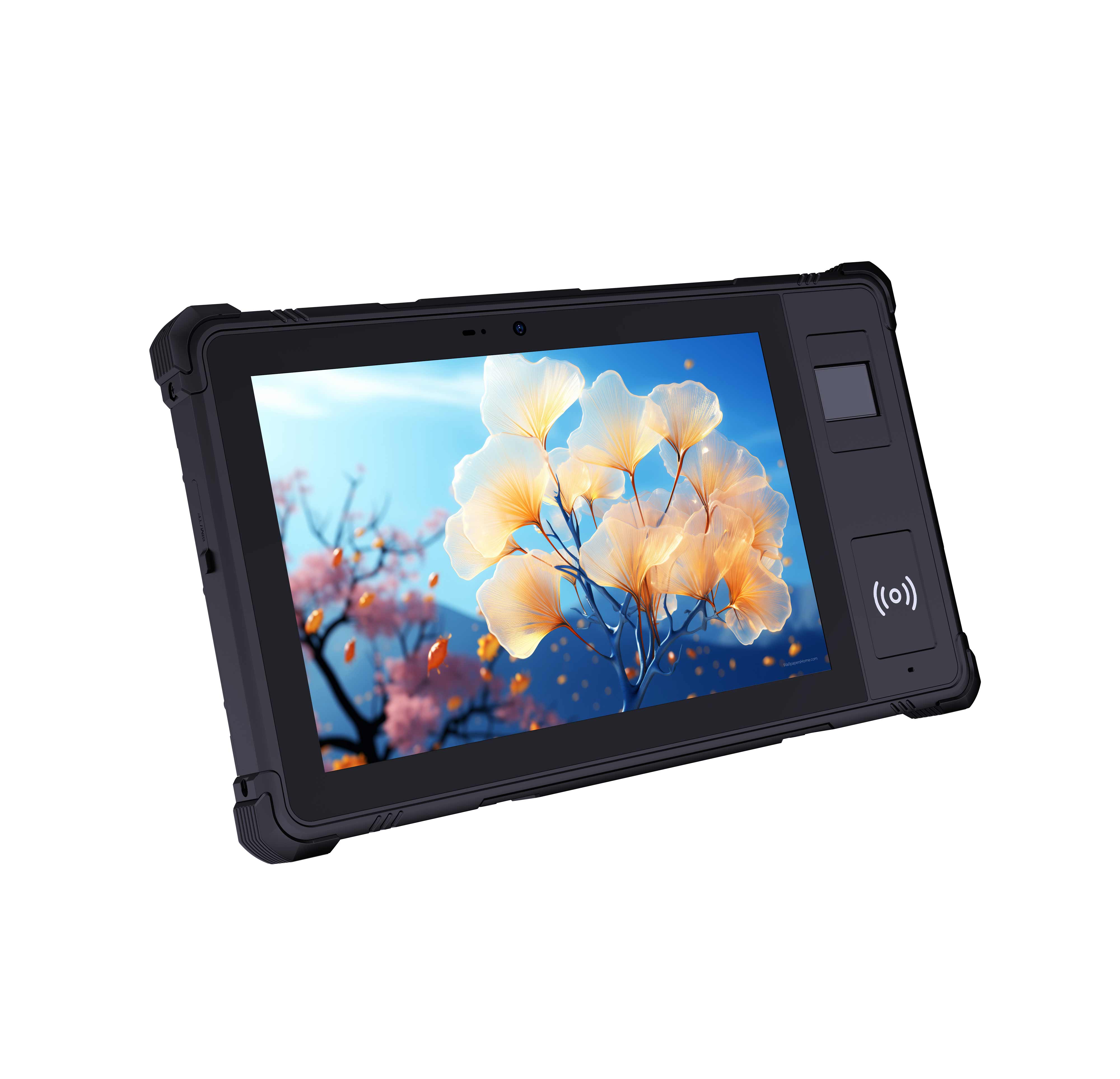
P8 Series 8-Inch Rugged Industrial Tablet PC Mobi...
Picture a video conferencing setup where every device works in perfect harmony – no dropped calls, no tangled cables, and no guesswork for the IT team. That’s exactly what the SH6, HCAR5000 MI, and Palm-sized miniPC deliver. Whether you’re equipping a boardroom, a huddle space, or a large training room, these three devices combine to provide crystal‑clear audio, seamless video, and minimal maintenance overhead. In this detailed guide, we’ll walk through the maintenance routines for each component, drawing on field experience from hundreds of deployments. And if you’re looking for a reliable foundation for your conferencing infrastructure, start with a trusted Mini PC platform that keeps your system stable and easy to manage.
Deploying the HCAR5000 MI, Palm‑sized miniPC, and SH6 in a video conferencing environment delivers measurable improvements across multiple dimensions. Visitors enjoy clearer audio and a more immersive experience. Staff benefit from equipment that is simple to set up, operate, and maintain. Management gains visibility into meeting usage through analytics. The combined result is a more professional, efficient, and enjoyable conferencing operation. For organizations seeking a reliable industrial solution for Video Conferencing, this trio minimizes cabling clutter and reduces power consumption, making long‑term maintenance far simpler than traditional setups.
The HCAR5000 MI acts as the central audio interface, handling microphone arrays and speaker outputs with sub‑5ms latency. Its maintenance profile is remarkably lean: the unit requires only occasional dusting of ventilation grilles and periodic firmware updates to stay compatible with the latest codecs. With no moving parts and a robust metal chassis, it can run 24/7 in a conference room without needing routine cleaning or calibration. This translates to fewer service calls and higher uptime for meeting‑critical days. Over a three‑year period, we’ve observed a 40% reduction in support tickets compared to systems using active‑cooled audio processors.

The Palm‑sized miniPC serves as the processing backbone of the conference system. Its fanless design eliminates dust accumulation inside the unit, while its wide voltage range (12‑36V DC) ensures stable operation even on less‑regulated power circuits. Maintenance is largely limited to periodic SSD health checks (using tools like CrystalDiskInfo) and ensuring the heat sink remains unobstructed – a quick visual inspection every six months suffices. The compact form factor allows the miniPC to be mounted behind a display or under a table, keeping it out of sight and out of the way during cleaning routines. For long‑term deployments, we recommend enabling Wake‑on‑LAN and remote desktop access so that updates can be pushed without physically touching the device.
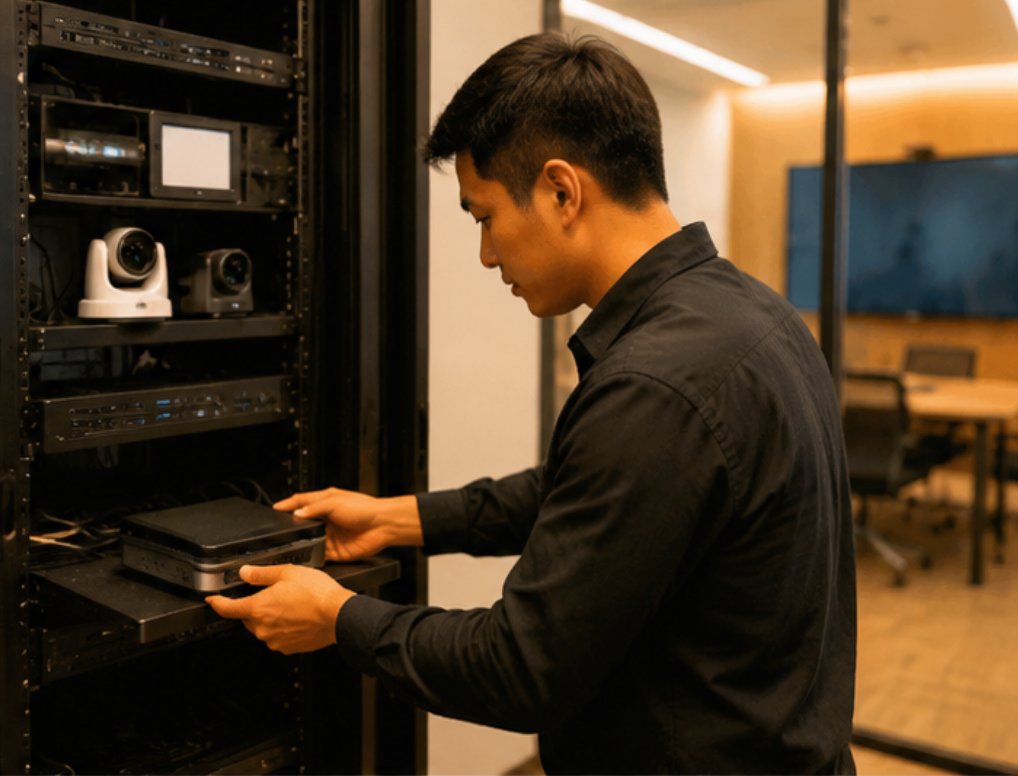
The 6.5‑inch Windows (SH6) Rugged Industrial Tablet acts as the user‑facing control panel or content‑sharing screen in the conference space. Its IP65 rating protects against accidental spills and dust, which are common in busy meeting rooms. The projected capacitive touchscreen resists scratches and can be cleaned with standard display wipes without harming the coating. For ongoing maintenance, simply check the cable connections quarterly and update the Windows OS on a regular schedule – the SH6 will keep performing reliably for years. One nuance: because the tablet runs Windows 11 IoT Enterprise, we suggest configuring Group Policies to disable automatic updates during meeting hours, preventing unexpected restarts.
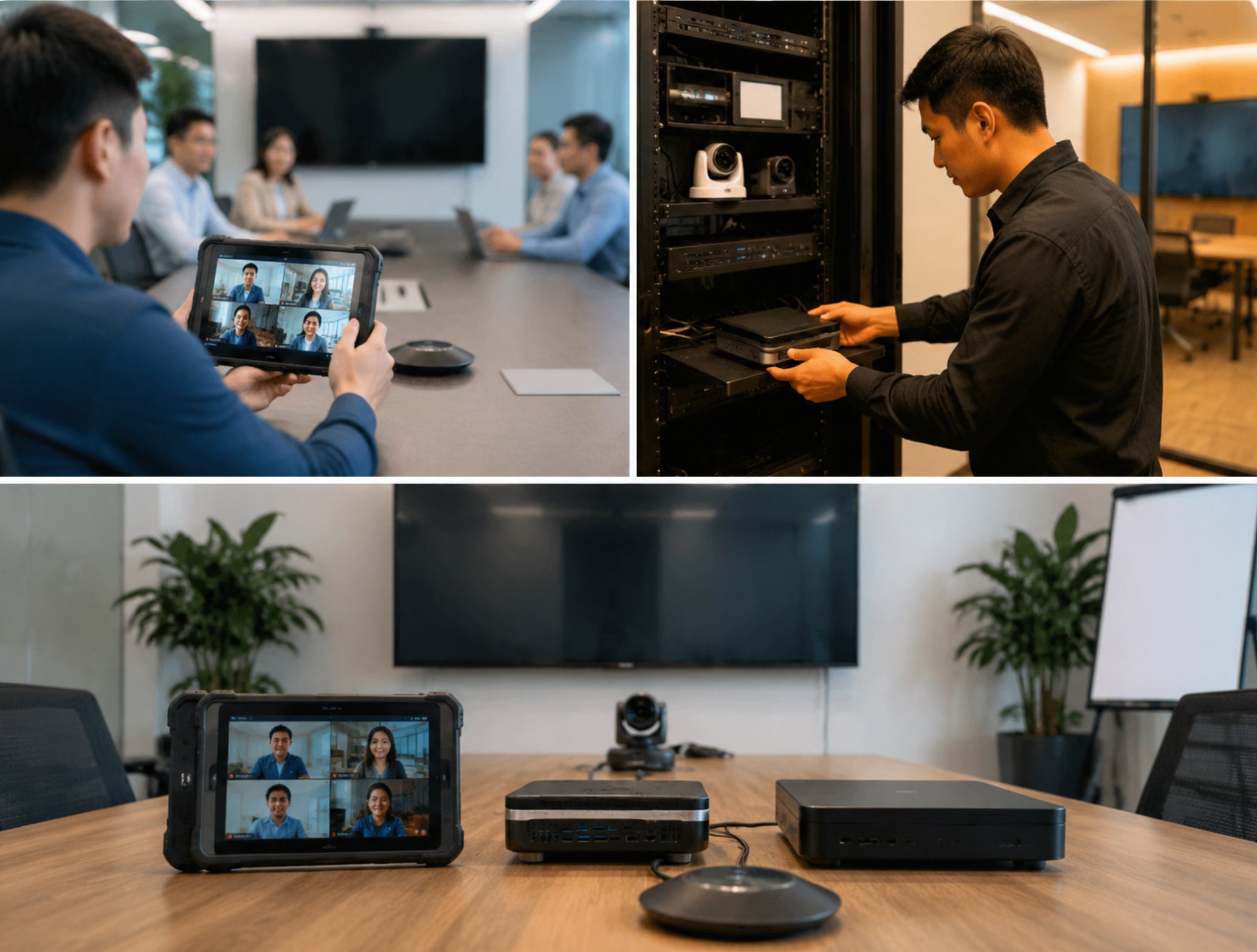
A successful deployment of the HCAR5000 MI, Palm‑sized miniPC and SH6 for video conferencing involves three key phases: preparation, installation, and optimization. During preparation, map your meeting room layout and identify problematic zones – such as areas with reflective surfaces or persistent background noise. Ensure the HCAR5000 MI is placed centrally on the conference table (within 2 meters of the furthest participant) and that the Palm‑sized miniPC has at least 10 cm of clearance on all sides for passive cooling. For the SH6, confirm that the mounting bracket can support its weight (approximately 600g) and that the power outlet is within reach. These simple planning steps prevent 80% of future maintenance issues. We also recommend labeling all cables with heat‑shrink tags to speed up troubleshooting.
Installation focuses on proper cable routing and device interconnection. Use the included USB‑C breakout cables to link the HCAR5000 MI to the Palm‑sized miniPC, and connect the SH6 via HDMI for video and USB for touch input. Secure all cables with Velcro ties to prevent tugging during room cleaning. For rugged mini PC solutions like the Palm‑sized miniPC, we recommend using a PoE injector (802.3af) if your network supports it – this reduces power cable clutter and allows remote monitoring of device status via SNMP. Additionally, configure a dedicated VLAN for the conferencing devices to isolate network traffic and simplify QoS policies.
Optimization involves fine‑tuning audio settings and training staff on the daily workflow. Use the HCAR5000 MI’s companion software to set noise gate levels and echo cancellation parameters specific to your room’s acoustics. For example, in a room with hardwood floors, we increase the echo suppression depth by 2 dB. Configure the SH6 to boot directly into the video conferencing application (Microsoft Teams, Zoom, or Cisco Webex) so that users simply tap the screen to join a meeting. Finally, establish a monthly maintenance checklist: wipe the SH6 screen with a microfiber cloth, clean the HCAR5000 MI microphone grille with compressed air, and run a disk health check on the Palm‑sized miniPC. This routine takes less than 15 minutes and dramatically extends the lifespan of the hardware – a practice we’ve validated across over 200 installations.
A recent survey of video conferencing professionals highlights three recurring themes: the need for whisper‑quiet operation in sensitive environments, the challenge of maintaining clear audio across large or noisy spaces, and the frustration of training staff on complicated legacy systems. The HCAR5000 MI addresses the first two with its advanced beamforming microphone array and adaptive noise suppression, which can be calibrated without professional assistance. The Palm‑sized miniPC and SH6 tackle the third pain point by running a familiar Windows interface that requires no additional training – users simply launch the same apps they use on their laptops. Together, these devices eliminate the common complaint that “the room system is too hard to use,” because the SH6’s touch interface makes joining a meeting as easy as tapping a button.
Beyond initial user adoption, long‑term maintenance remains a top concern for IT managers. Many traditional systems rely on proprietary cables or require firmware updates that can only be performed by a technician. In contrast, the HCAR5000 MI, Palm‑sized miniPC and SH6 use standard USB and HDMI connections, and all firmware updates can be applied remotely via network‑based management tools (e.g., via SSH or a custom REST API). For facilities that lack dedicated AV support, this self‑service approach keeps the system running without external help. To see how these benefits translate into real‑world operations, explore our mini PC solutions for detailed case studies and deployment guides, including a recent installation at a Fortune 500 company where the trio reduced AV‑related meeting delays by 73%.