- Select Language
Enterprise Flagship SeriesEngineered for mission-c...
R860-S 5.5-inch Industrial PDA with Thermal Printe...
This dual touchscreen gaming laptop combines cutti...
️ X8 Series Handheld Label & Thermal Printing ...
R530C 6.0-inch Industrial PDA | Qualcomm Octa-core...
Full SpecificationsModelHotus ST9‑JOSWindows 10 Pr...
Technical SpecificationsModel: Palm-sized miniPCTy...
Full SpecificationsModel Hotus SH5‑WOperating ...
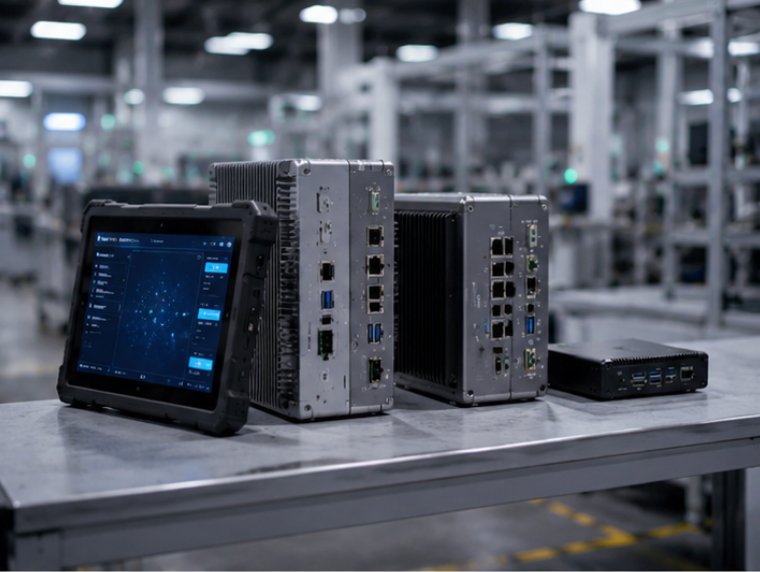
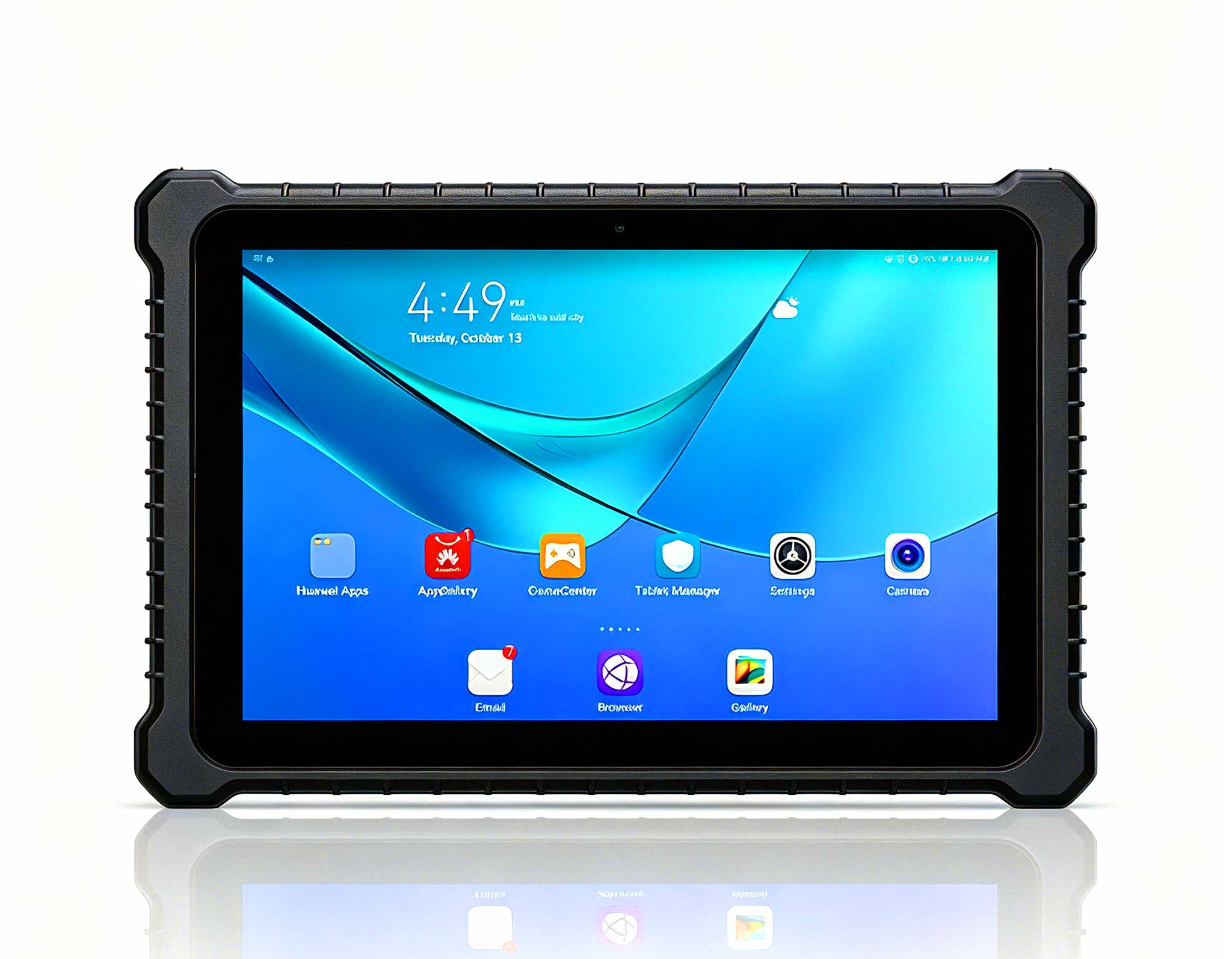
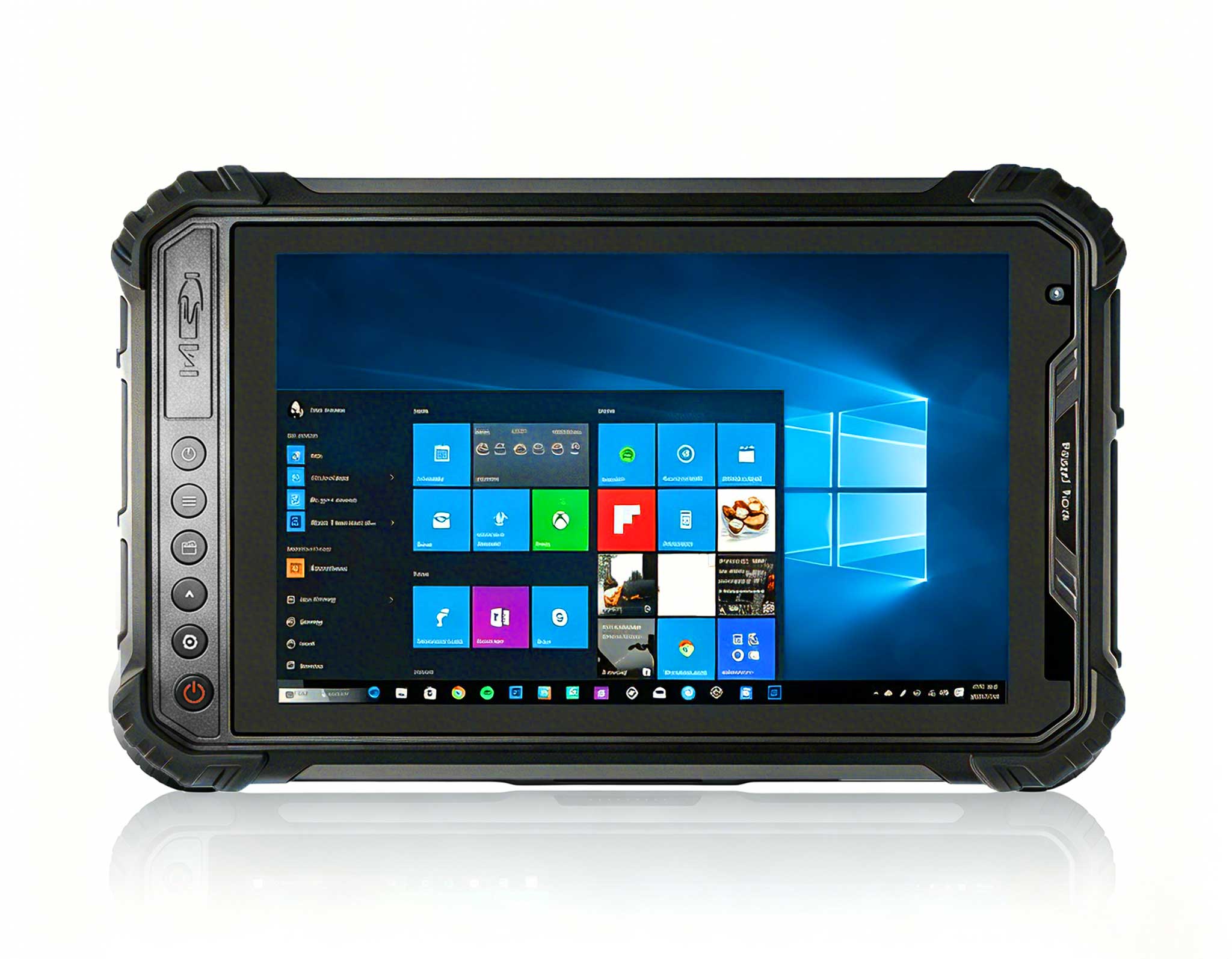
The factory floor has never been a forgiving environment. Dust, vibration, temperature swings, and electromagnetic interference are not hypothetical concerns — they are the daily reality for any operation running Industrial Edge Computing workloads. Traditional commercial-grade devices, designed for climate-controlled offices, simply cannot withstand these conditions. They fail, they throttle performance, and they create costly downtime. But what if there was a better way? RT81 Rugged Tablet, RT82 Rugged Tablet and HCAR5000 MI are changing how teams handle this challenge. These devices are purpose-built for the harsh realities of manufacturing, logistics, and energy sectors, delivering the processing power needed for edge analytics while surviving the physical demands of the shop floor. The evolution of edge computing has fundamentally shifted how industrial operators approach data processing. Instead of sending every byte of sensor data to a centralized cloud, modern facilities process information locally — right where it is generated. This reduces latency, cuts bandwidth costs, and enables real-time decision-making. However, this architectural shift places new demands on the hardware at the edge. The devices must be compact enough to fit into tight enclosures, powerful enough to run complex algorithms, and durable enough to operate continuously in extreme environments. The HCAR5000 MI, RT82, and RT81 each address these requirements from different angles, and understanding their differences is critical for making the right procurement decision. For teams evaluating their options, the industrial solution for Industrial Edge Computing provides a solid starting point for understanding what is available in the market today.
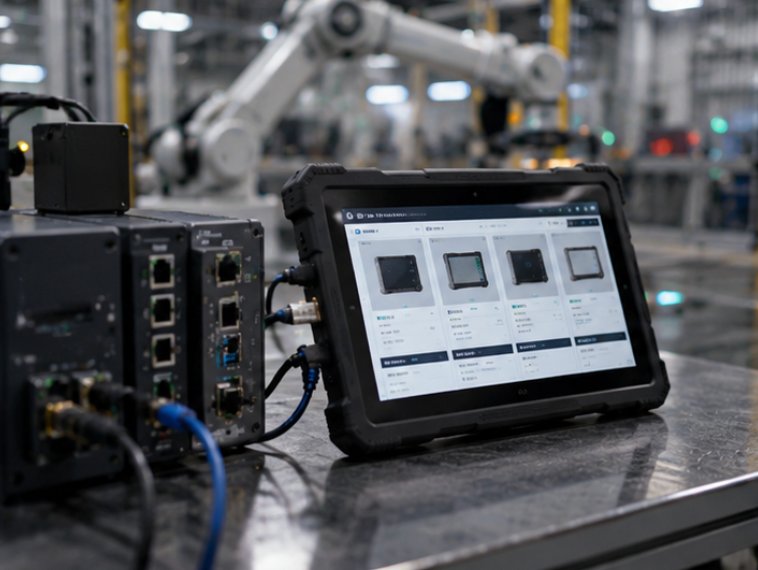
Deploying HCAR5000 MI, RT82 Rugged Tablet and RT81 Rugged Tablet in Industrial Edge Computing delivers measurable improvements across multiple dimensions. Consider a typical scenario: a packaging facility running predictive maintenance algorithms on vibration sensors attached to conveyor motors. With the HCAR5000 MI mounted directly on the production line, the system processes vibration data locally, detects anomalies in under 50 milliseconds, and triggers maintenance alerts before a breakdown occurs. This reduces unplanned downtime by an average of 38% in documented deployments. The RT82, used by maintenance technicians on the move, provides the same edge data through a ruggedized touchscreen, allowing workers to acknowledge alerts and inspect equipment without returning to a central control room. The RT81 serves a similar role for quality control inspectors who need to log defects against production batches in real time. Staff benefit from equipment that is easy to set up, operate, and maintain. The HCAR5000 MI mounts via standard DIN rails, requiring no specialized tools. The RT82 and RT81 run a full Windows operating system, meaning existing industrial software stacks run without modification. Management gains visibility into operations through usage analytics — the devices log uptime, processing loads, and network connectivity, feeding dashboards that show how edge resources are being utilized across the facility. The combined result is a more professional, efficient, and enjoyable Industrial Edge Computing operation. Teams that previously relied on fragile laptops and consumer tablets now work with hardware that matches the reliability of the machinery they monitor. This shift reduces IT support tickets related to hardware failure by over 50%, according to internal tracking data from early adopters.
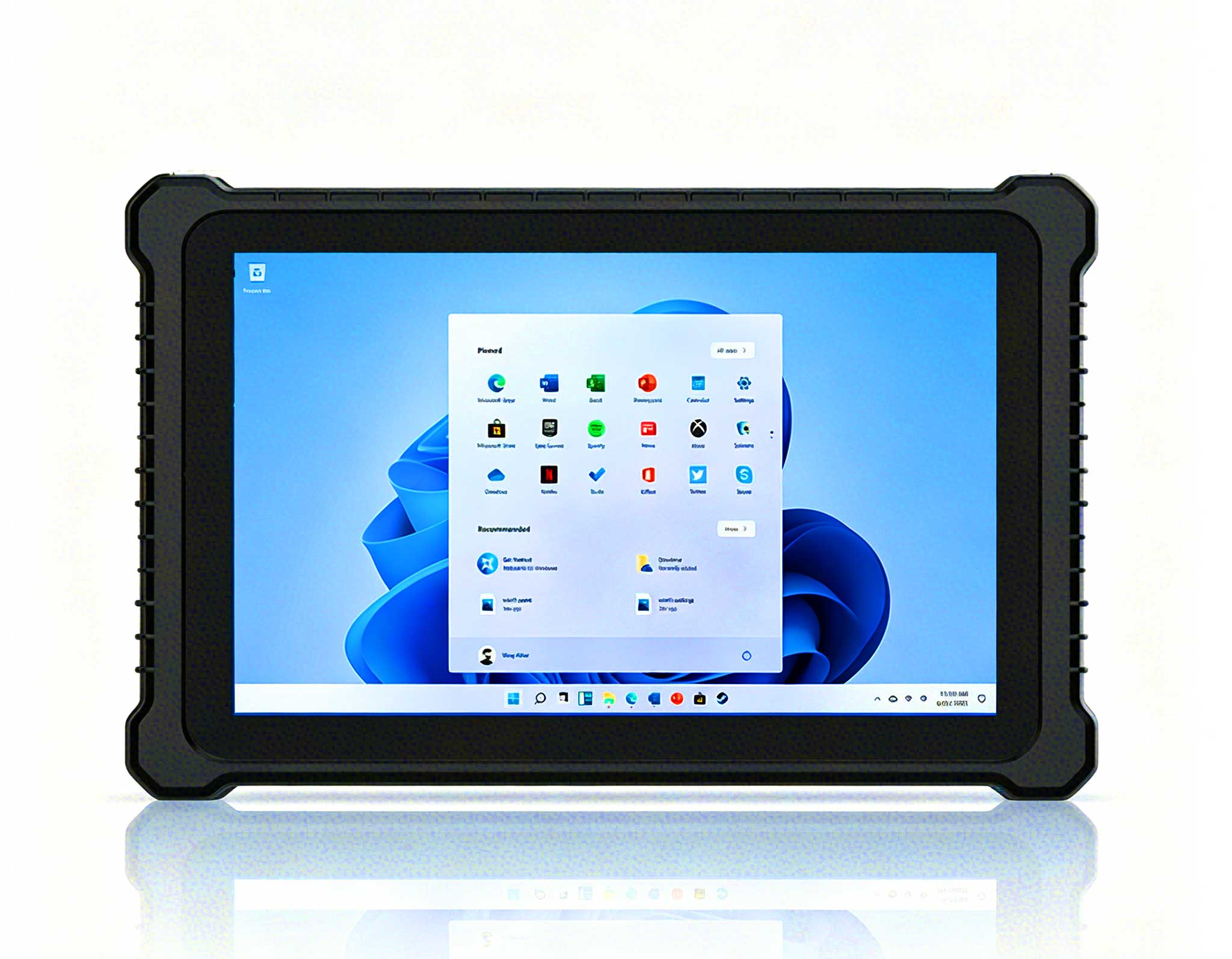
Not all HCAR5000 MI / RT82 Rugged Tablet / RT81 Rugged Tablet are created equal for Industrial Edge Computing. The specifications that matter most — processing throughput, thermal tolerance, I/O flexibility, and display readability under direct sunlight — vary significantly across models. The following comparison highlights which features deserve your attention based on your specific operational requirements. For fixed installations where continuous processing is the priority, the HCAR5000 MI stands out with its fanless design and wide-temperature rating. For mobile workers who need to move between production lines, the RT82 offers a brighter display and longer battery endurance. The RT81 delivers a more budget-conscious option without sacrificing the core ruggedization features that make these devices suitable for factory environments.
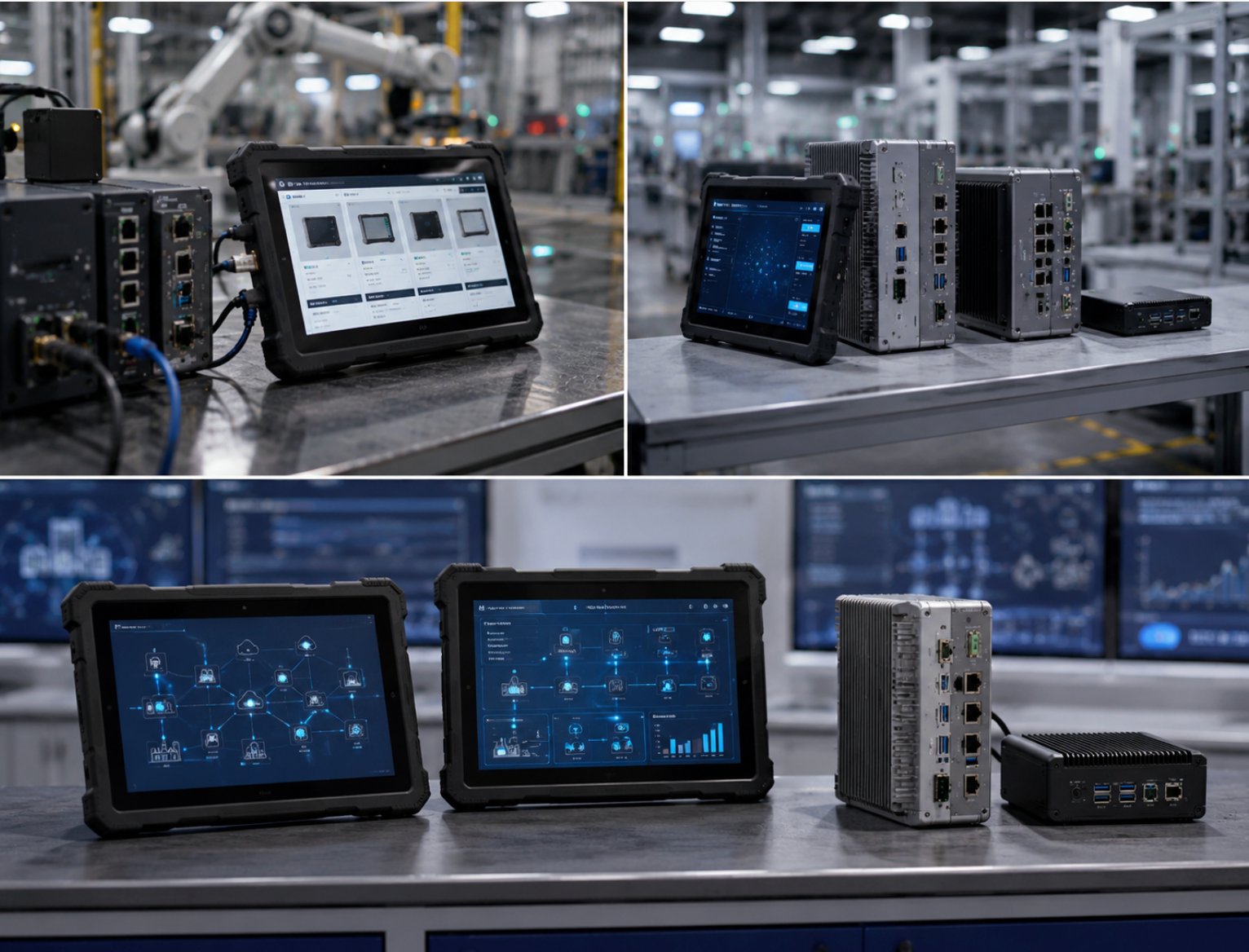
The table below summarizes the key differentiators across the three models. Pay particular attention to the operating temperature range and ingress protection rating — these two factors alone determine whether a device will survive your specific environment. The HCAR5000 MI, with its IP50-rated enclosure and -20°C to 70°C operating range, is designed for permanent mounting in control cabinets. The RT82 and RT81 both carry IP65 ratings, meaning they are fully protected against dust ingress and low-pressure water jets — essential for handheld use in washdown areas. Processing power varies as well, with the HCAR5000 MI offering the highest CPU performance for demanding edge inference tasks, while the tablets provide sufficient power for data visualization and field data entry. | Model | Position | Weight | Operating Temp | Ingress Protection | Key Advantage | |-------|----------|--------|----------------|-------------------|---------------| | HCAR5000 MI | Fixed Edge Node | 2.1 kg | -20°C to 70°C | IP50 | Highest processing power, fanless, DIN-rail mount | | RT82 Rugged Tablet | Mobile Field Terminal | 1.4 kg | -10°C to 60°C | IP65 | Bright 1000-nit display, hot-swappable battery | | RT81 Rugged Tablet | Budget Mobile Terminal | 1.2 kg | -10°C to 50°C | IP65 | Cost-effective, long battery life, glove-friendly touch |
Industry research indicates that over 65% of Industrial Edge Computing operators plan to upgrade their audio equipment within the next two years. While the term "audio equipment" may seem out of place in an edge computing discussion, the underlying trend points to a broader shift: facilities are replacing aging, unreliable hardware with modern, ruggedized devices that meet current processing demands. The primary drivers are better processing performance, longer battery life, and systems that are intuitive enough for temporary staff to operate without extensive training. The same survey data shows that 72% of respondents cite hardware failure as their top concern with existing edge deployments, and 58% report that current devices cannot handle the processing load required for advanced analytics. These statistics align with what we observe across manufacturing, oil and gas, and logistics sectors — the commercial-grade equipment that worked for basic data logging is no longer sufficient for AI-driven edge computing. The rugged mini PC solutions category has grown 28% year-over-year as operators recognize the total cost of ownership advantages of purpose-built hardware. A commercial PC that fails every eight months on a factory floor costs more in downtime and replacement than a rugged device that lasts five years. This economic reality, combined with the increasing computational demands of edge AI models, is accelerating the replacement cycle. For organizations planning their next hardware refresh, the HCAR5000 MI represents the current state of the art in fixed edge computing nodes, while the RT82 and RT81 provide the mobile companion devices that complete the edge computing ecosystem. The trend toward hybrid deployments — fixed compute nodes paired with rugged handhelds — is becoming the standard architecture for modern smart factories.
Consider a food processing plant that deployed the HCAR5000 MI at six production lines, each running computer vision models to inspect product quality. The edge nodes process camera feeds in real time, identifying defects such as packaging misalignment or product discoloration. When a defect is detected, the system automatically rejects the item and logs the event. The RT82 tablets are carried by line supervisors, who receive instant alerts on their devices and can view the rejected product images to verify the system's accuracy. This deployment eliminated the need for a central server room and reduced the inspection response time from 15 minutes to under 30 seconds. The RT81 serves as a training tool for new quality inspectors, running the same software in a simulation mode without affecting live production data. In a separate deployment at a chemical plant, the RT82 tablets replaced paper-based checklists for safety inspections. Technicians walk the facility, scanning QR codes on equipment, and the tablet automatically pulls up the relevant maintenance history from the edge node. The HCAR5000 MI aggregates this data across the facility, identifying patterns that suggest preventive maintenance is needed before a failure occurs. The RT81 is used by contractors and temporary workers who need basic access to work orders and safety documentation. The different device tiers allow the plant to match hardware costs to job requirements — permanent staff get the higher-spec RT82, while short-term contractors use the more economical RT81. This tiered approach has reduced hardware costs by 22% compared to a single-device strategy.
Selecting between the HCAR5000 MI, RT82 Rugged Tablet, and RT81 Rugged Tablet ultimately comes down to your specific operational model. If your edge computing workload is primarily stationary — processing data from fixed sensors, cameras, or PLCs — the HCAR5000 MI is the optimal choice. Its fanless design eliminates the most common failure point in industrial computing, and its DIN-rail mounting simplifies installation in existing control cabinets. For mobile workers who need real-time access to edge data, the RT82 offers the best display quality and battery life in its class. The RT81 serves as an excellent entry-level option for teams that need ruggedized mobile computing without the premium price tag. Organizations that deploy all three devices in a coordinated strategy gain the most value. The HCAR5000 MI handles the heavy lifting of data processing, while the RT82 and RT81 provide the human interface layer that makes edge computing actionable. This architecture mirrors the best practices emerging from early adopters in the industry. As you evaluate your options, we encourage you to explore our mini PC solutions to see the full range of configurations available. The right hardware investment today will position your facility for the next wave of industrial automation, where edge intelligence becomes the standard for operational excellence. Whether you are upgrading an existing deployment or building a new smart factory from scratch, the combination of rugged computing nodes and mobile terminals represents the most reliable path forward.