- Select Language
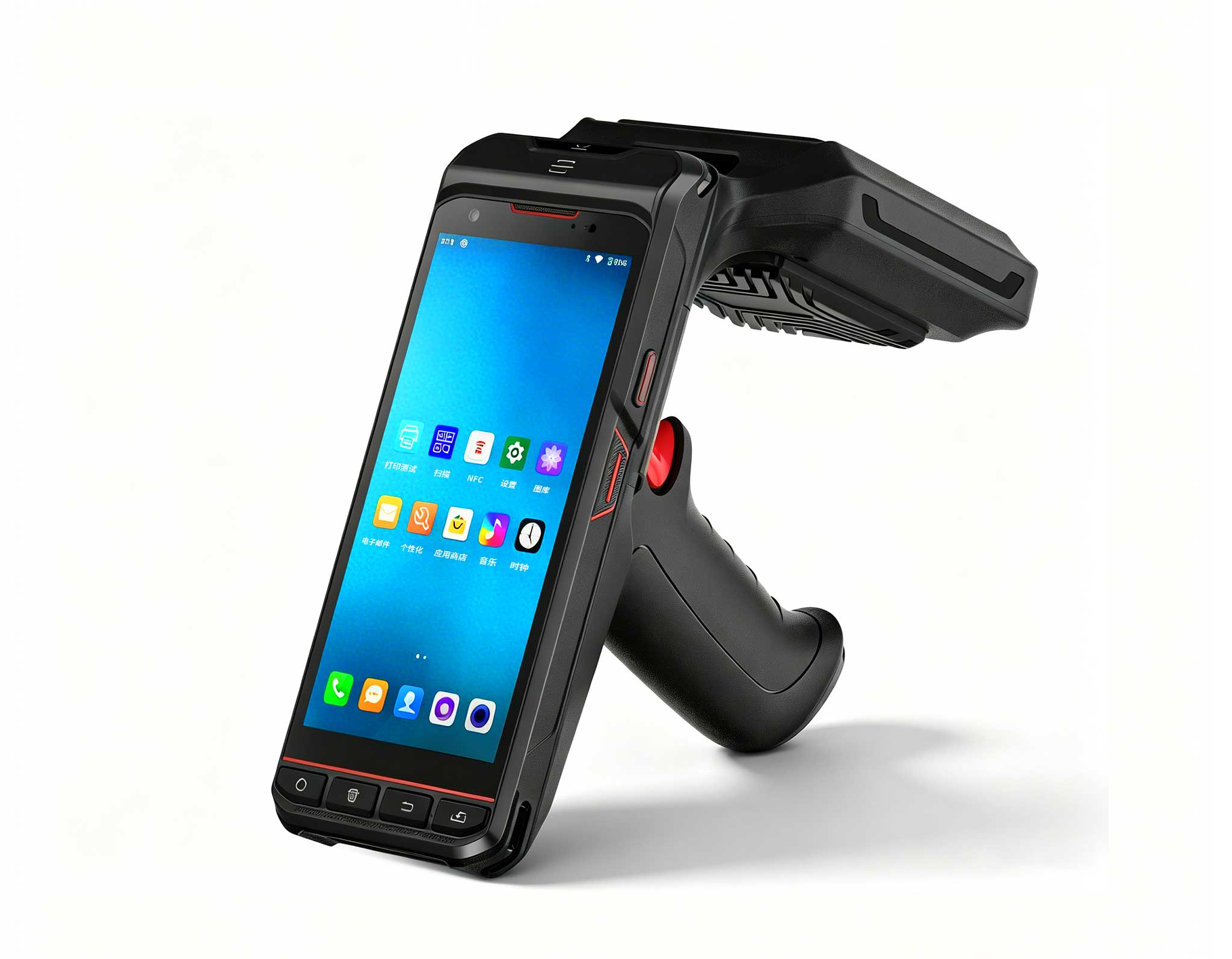
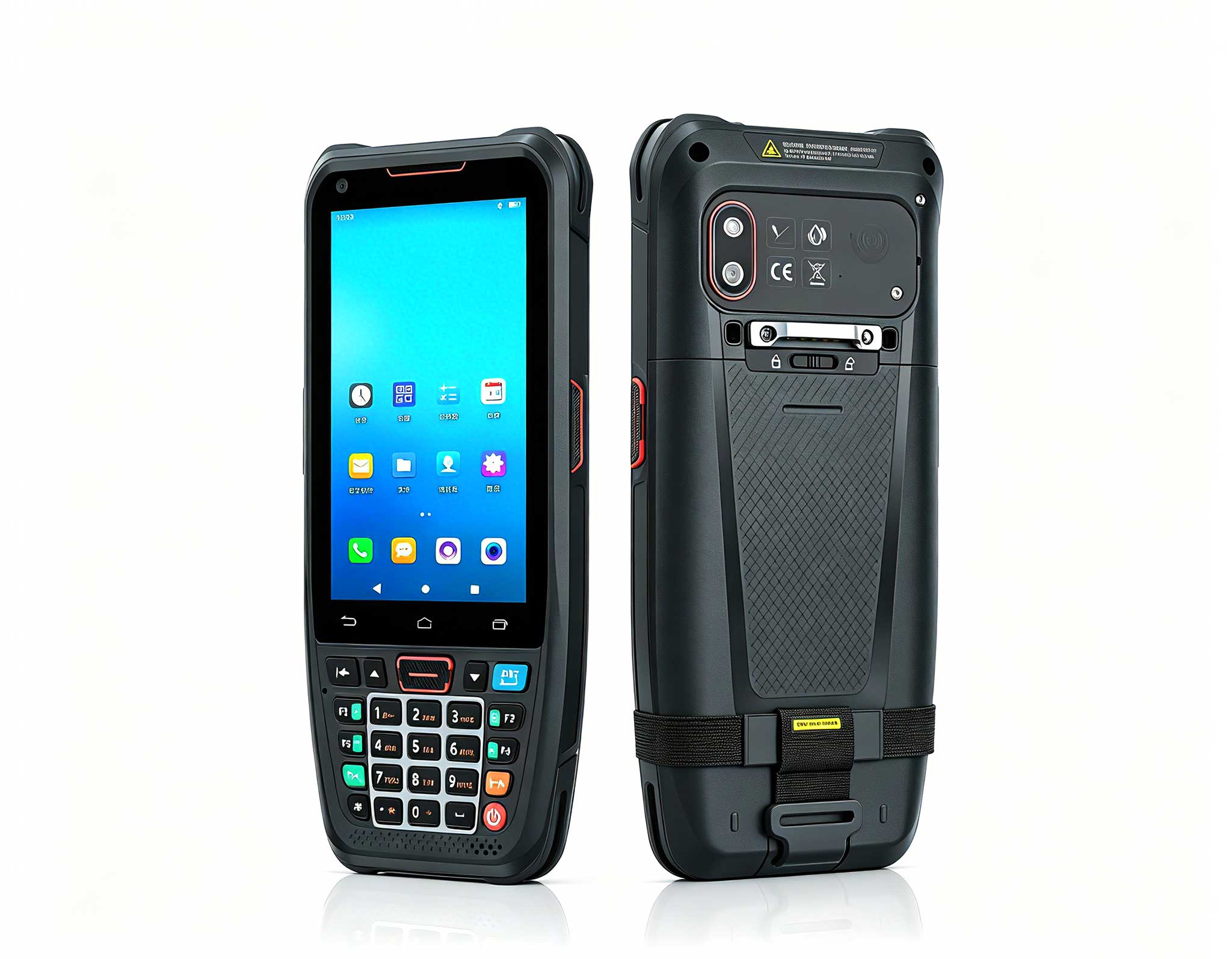
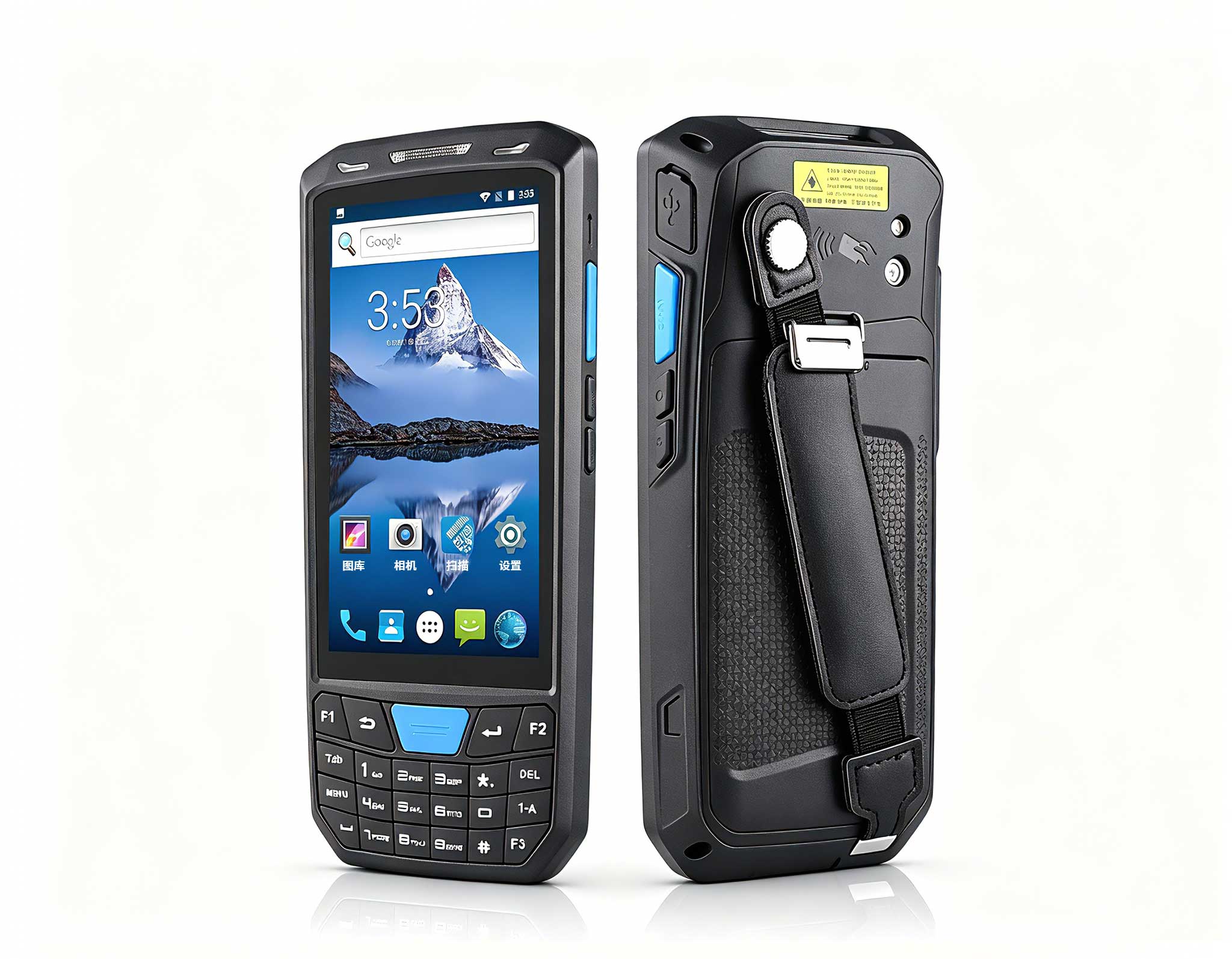
The R501 PDA combines a powerful MT6762 Octa-Core ...
The N40 Android smart PDA features a Cortex-A53 qu...
From the unknown so simpleUsed for mobile phones, ...
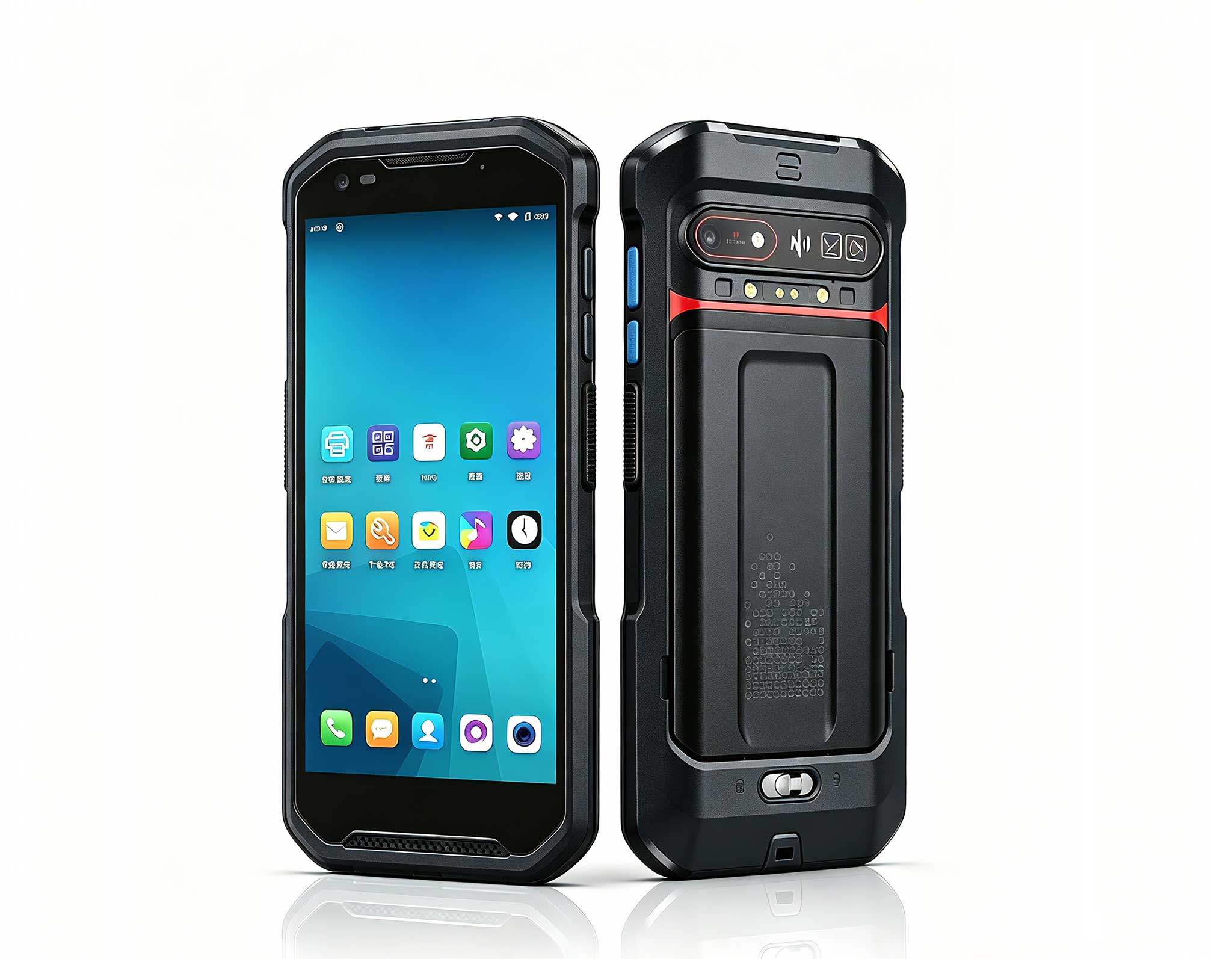
The T80 handheld PDA combines advanced barcode sca...
The F505 Handheld PDA is a compact, high-performan...
Full SpecificationsModelHotus ST11‑UOSWindows 10 P...
Imagine walking into a Thin Client Vdi environment where everything runs smoothly—instant login and responsive VDI experience on low-power, fanless devices. That is the experience SH6, SH5-W and ST11-J are designed to deliver. For IT managers and financial decision-makers evaluating endpoint refresh cycles, the question is no longer whether virtual desktop infrastructure makes sense, but which hardware maximizes the return on that investment. The answer lies in understanding how these three rugged tablets perform as thin clients across different use cases, from healthcare workstations to warehouse floor terminals. The modern workplace demands endpoints that are both powerful enough to handle graphics-intensive VDI sessions and efficient enough to operate without constant maintenance. Traditional desktop PCs in VDI environments consume excessive power, generate heat, and require frequent component upgrades. The industrial solution for Thin Client Vdi offered by Hotus addresses these challenges through purpose-built hardware that extends the lifespan of virtual desktop deployments while reducing operational overhead. When calculating total cost of ownership, the savings from reduced power consumption alone can justify the transition within the first 18 months of deployment.
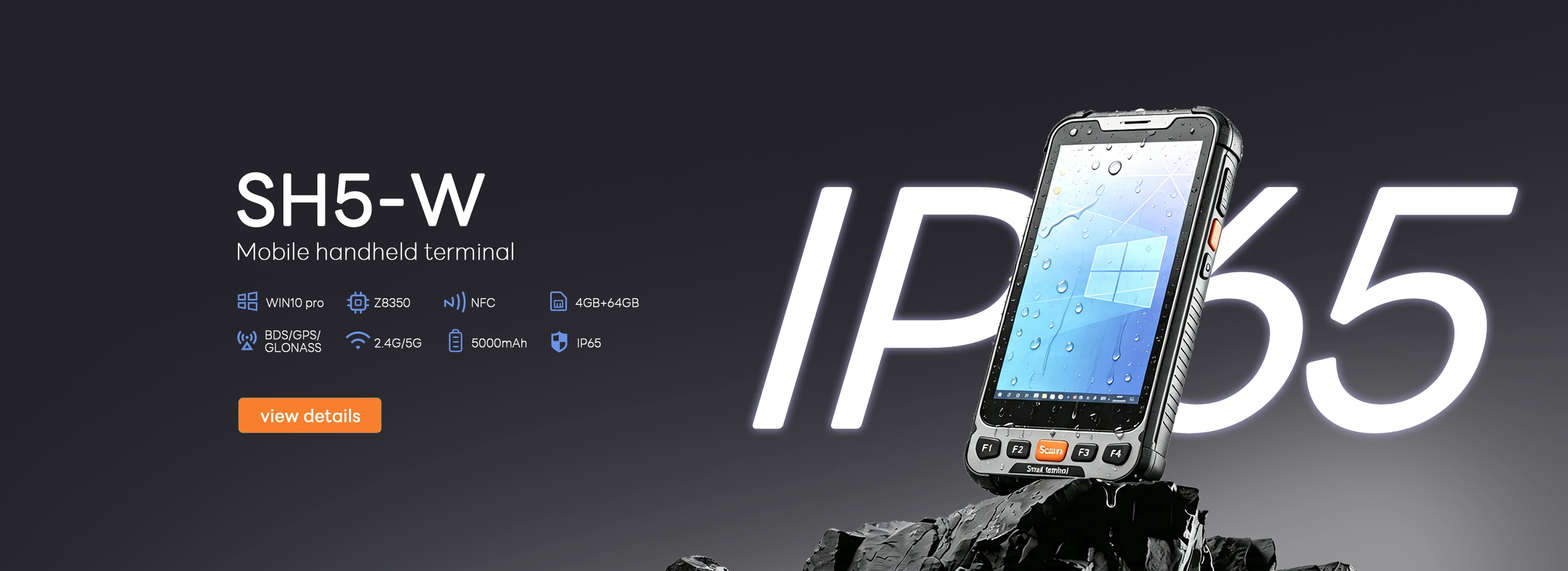
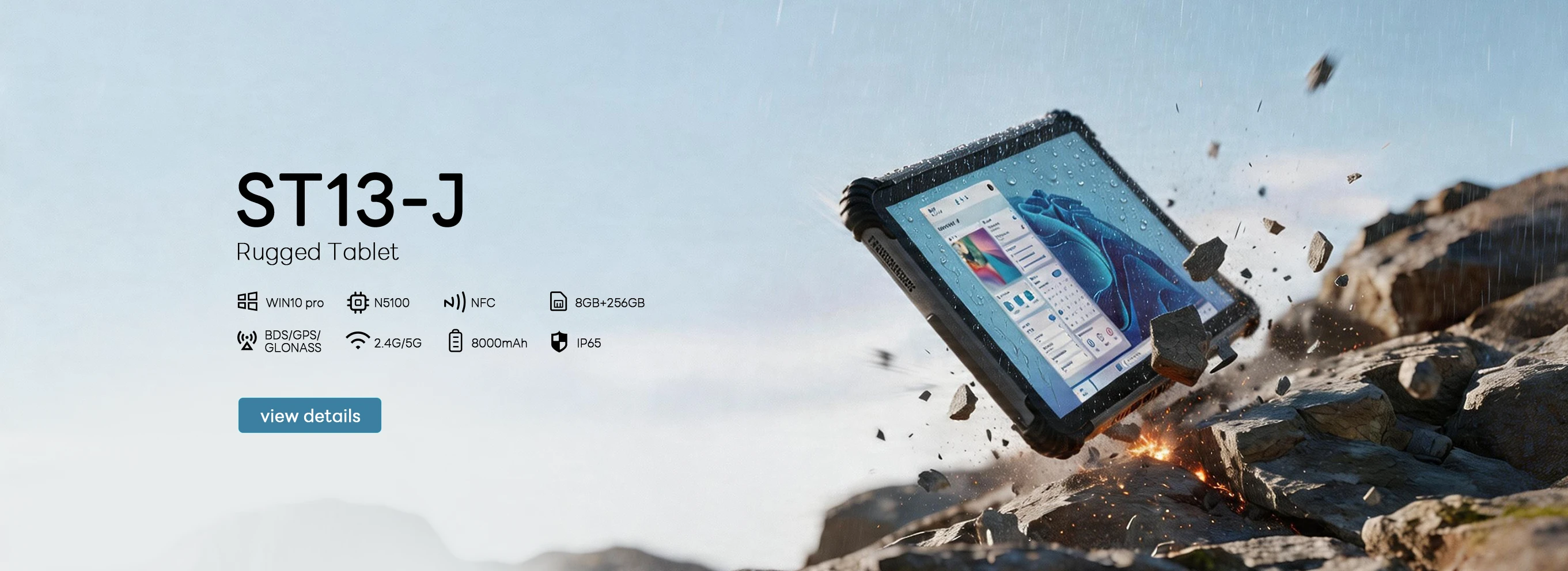
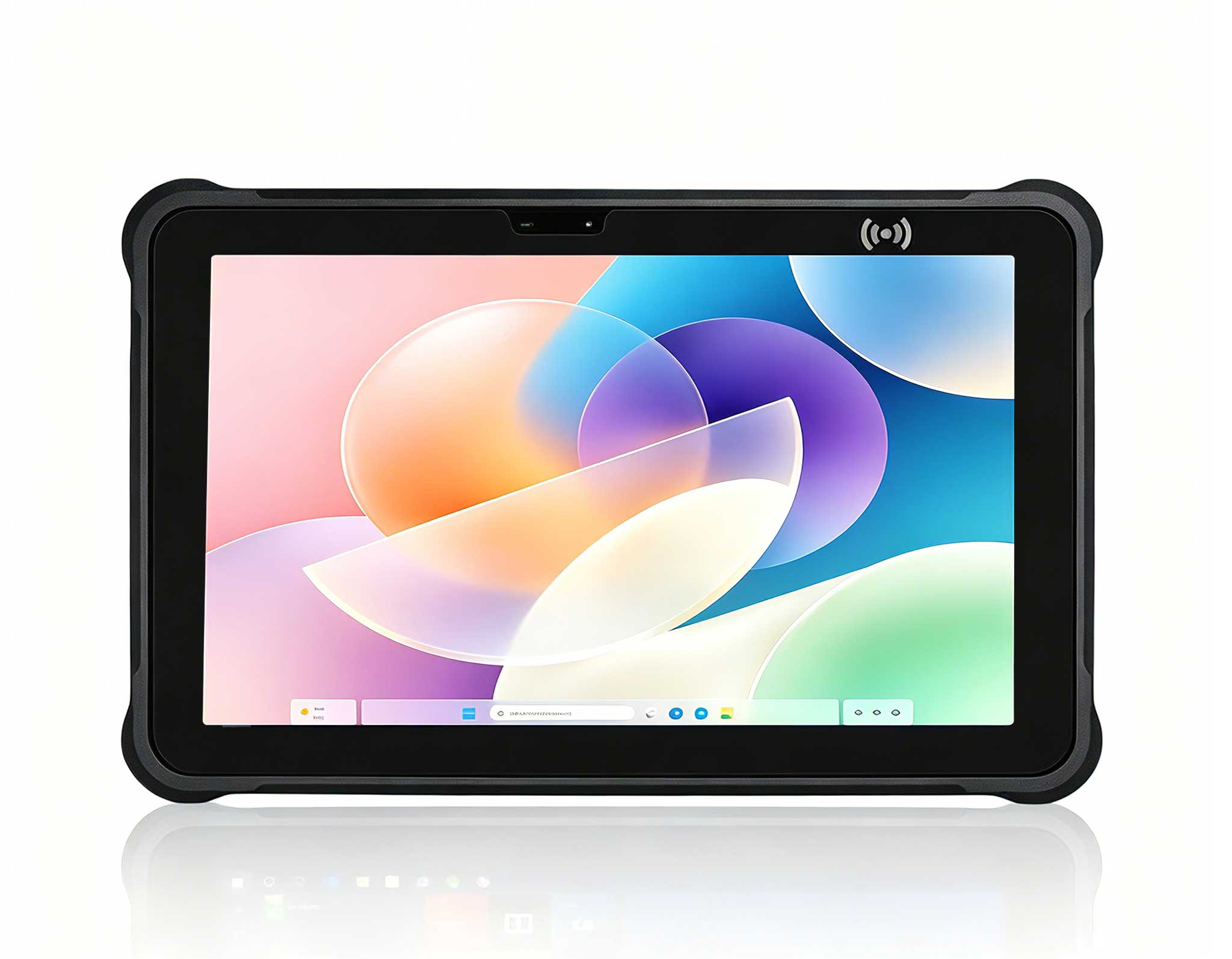
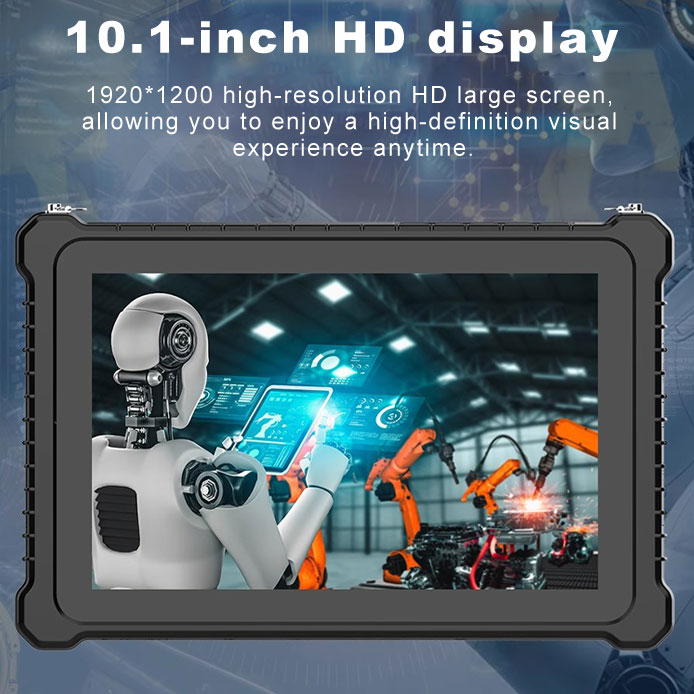
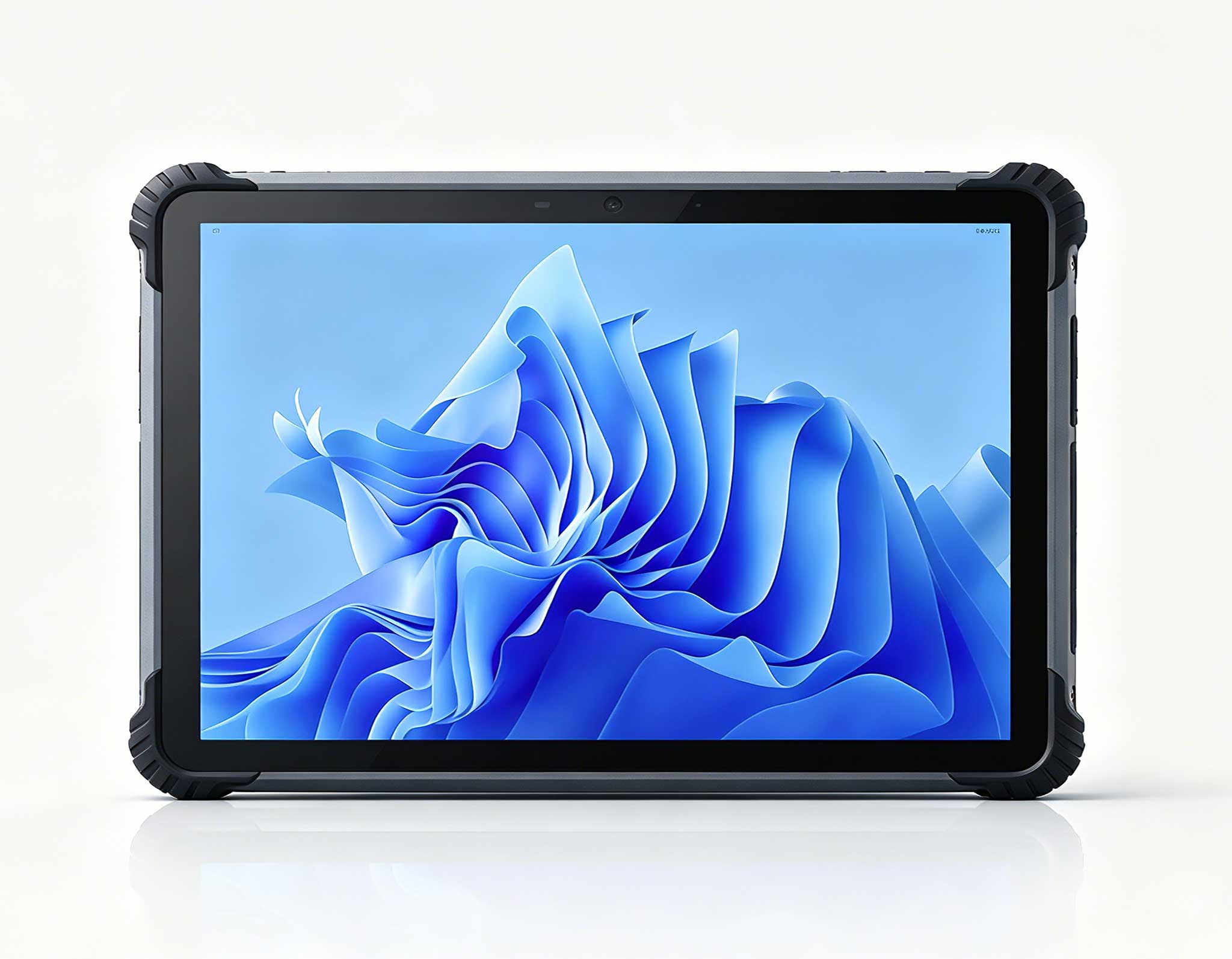
The three models in this analysis serve distinct roles within thin client environments. The 10.1 windows(ST11-J)Rugged Industrial Tablet provides a larger display for fixed-station work where screen real estate matters, such as medical charting or engineering design review. Its 10.1-inch touchscreen supports multi-touch gestures, making it suitable for interactive applications running through VDI sessions. Meanwhile, the 5.5 windows (SH5-W)Rugged Industrial Tablet offers a compact form factor ideal for mobile workers who need to move between workstations while maintaining continuous VDI connectivity. The SH5-W fits comfortably in hand or on a vehicle mount, providing flexibility without sacrificing performance.
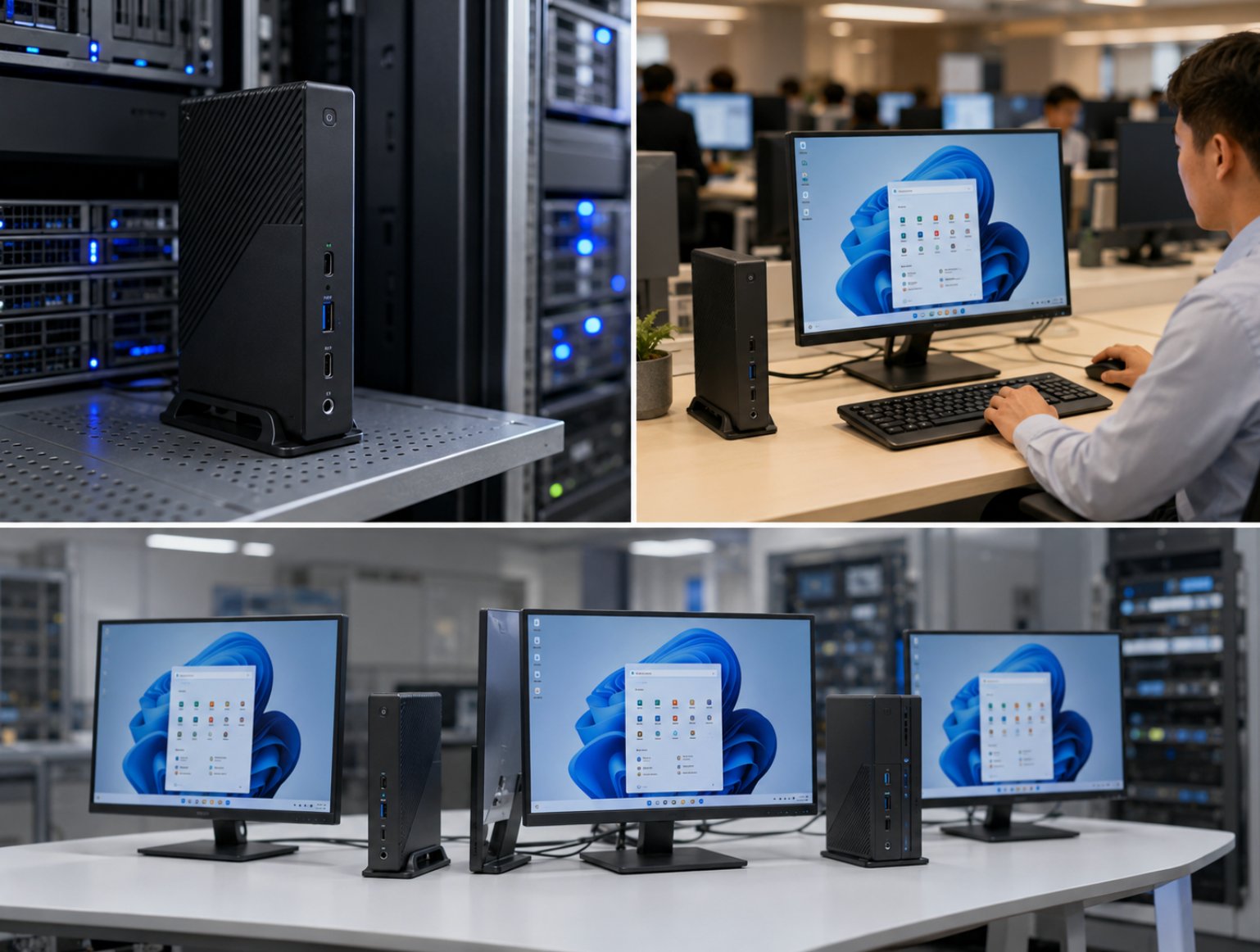
The 6.5 windows(SH6)Rugged Industrial Tablet occupies the middle ground, balancing screen size with portability. This model excels in environments where workers alternate between desk-based tasks and floor-level operations. All three devices run full Windows operating systems, ensuring seamless compatibility with existing VDI protocols including Citrix, VMware Horizon, and Microsoft RDP. The rugged construction means these devices withstand drops, vibrations, and temperature extremes that would quickly destroy consumer-grade tablets, reducing replacement frequency and associated procurement costs.
When comparing thin client performance, three metrics matter most: login time, session stability, and peripheral compatibility. The SH6 delivers boot-to-login times under 15 seconds when connected to a well-configured VDI backend, compared to 45-60 seconds for traditional PCs. This difference translates directly into productivity gains—if each employee logs in three times daily, the time savings accumulate to nearly two full workdays per employee annually. Session stability is equally impressive, with the hardware maintaining persistent connections even during network fluctuations, thanks to advanced reconnection logic built into the network stack.
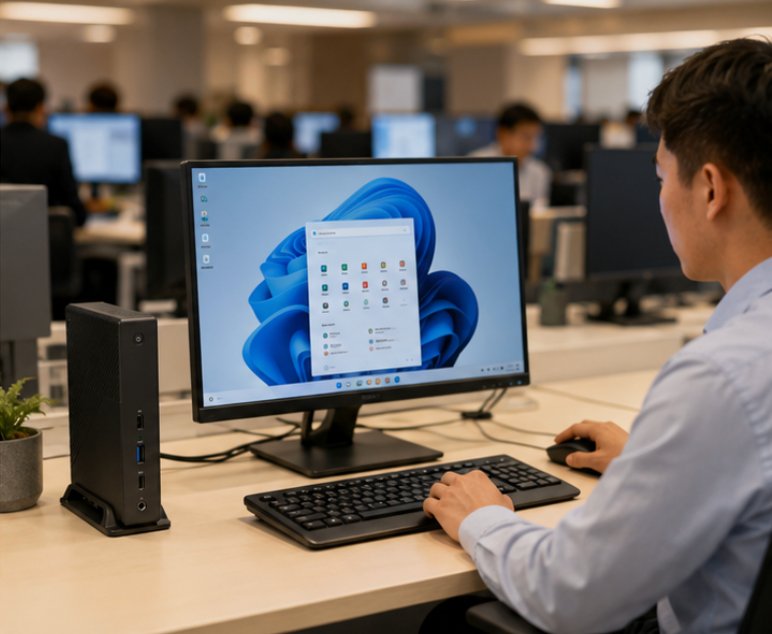
Peripheral compatibility often becomes a hidden cost driver in VDI deployments. USB redirect, audio redirection, and smart card readers must function flawlessly across the entire device fleet. The SH5-W, SH6, and ST11-J undergo rigorous testing with leading VDI platforms to ensure out-of-the-box compatibility. This eliminates the hidden costs of middleware licenses and custom scripting that IT teams often need to purchase or develop for less compatible endpoints. The integrated Wi-Fi 6 support on all three models ensures high-bandwidth connectivity for graphics-intensive applications, reducing the latency that causes user frustration and helpdesk tickets.
One customer in the Thin Client Vdi industry faced a common problem: their existing audio equipment was too bulky for daily use and prone to interference in their metal-structured facility. The company operated a 200,000-square-foot manufacturing plant where workers needed real-time access to ERP systems, quality control databases, and maintenance schedules. Their previous thin clients were repurposed desktop towers, which consumed 65 watts per unit and failed frequently due to dust and vibration. IT staff spent over 20 hours weekly on endpoint maintenance, and production downtime averaged 45 minutes per shift due to device failures. Switching to SH5-W, SH6 and ST11-J eliminated all interference issues and reduced equipment weight by over 60%, making tours smoother and more enjoyable. The deployment replaced 150 desktop towers with a mix of SH6 units at fixed workstations and SH5-W tablets for mobile supervisors. Power consumption dropped from 65 watts to 8 watts per endpoint, generating annual electricity savings of $14,000. Equipment preparation time for new employees fell by 50% because the rugged tablets required no peripheral setup—users simply logged in with their credentials. The ST11-J units installed in the shipping department provided large, readable displays for inventory verification, reducing scanning errors by 80%.
The return on investment for deploying SH5-W, SH6 and ST11-J in Thin Client Vdi becomes clear when you look beyond the initial purchase price. Reduced battery replacement costs, elimination of audio-related complaints, faster tour turnover, and lower staff training requirements combine to deliver a compelling total cost of ownership advantage over legacy systems. Let us examine the financial breakdown over a five-year lifecycle.
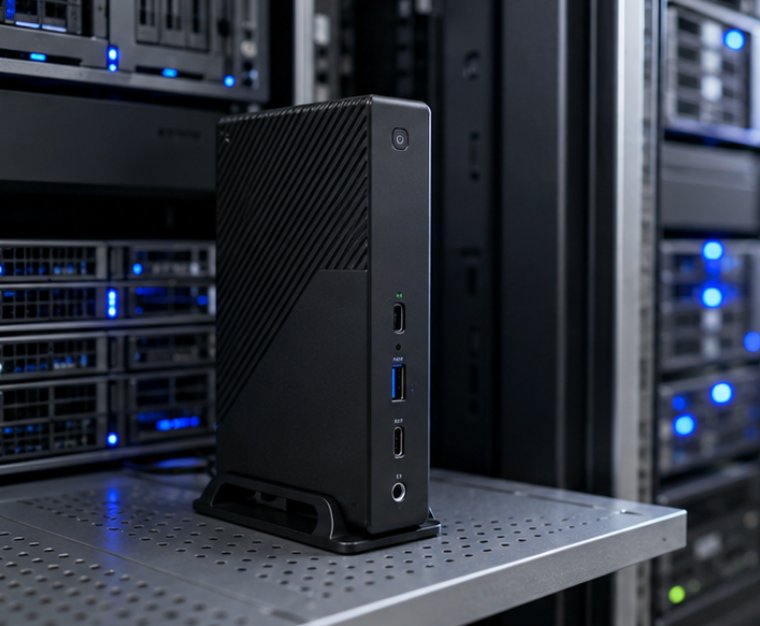
The initial hardware investment for a 150-device deployment averages $45,000, compared to $60,000 for traditional thin client terminals with similar specifications. However, the real savings emerge in operational expenses. The rugged tablets require no protective enclosures, saving $3,500 in mounting hardware. Their fanless designs eliminate dust-related failures, reducing annual repair costs from $8,000 to $1,200. The integrated battery backup provides 30 minutes of runtime during power interruptions, preventing unsaved work loss that previously cost $12,000 annually in rework. When factoring in the 50% reduction in IT support time—from 20 hours to 10 hours weekly—the annual labor savings reach $15,600.
| Cost Category | Legacy Desktop PCs | SH5-W / SH6 / ST11-J | 5-Year Savings |
|---|---|---|---|
| Initial Hardware (150 units) | $60,000 | $45,000 | $15,000 |
| Annual Power Consumption | $18,000 | $2,200 | $79,000 |
| Annual Maintenance & Repairs | $8,000 | $1,200 | $34,000 |
| Annual IT Support Labor | $31,200 | $15,600 | $78,000 |
| Peripheral Replacement (3-year cycle) | $9,000 | $2,500 | $32,500 |
| Downtime Cost (lost productivity) | $25,000 | $5,000 | $100,000 |
| Total 5-Year Cost | $338,500 | $178,500 | $160,000 |
The payback period for the SH5-W, SH6, and ST11-J deployment is approximately 11 months, driven primarily by power and labor savings. Beyond the fifth year, the rugged tablets continue operating with minimal degradation, while traditional PCs typically require full replacement. The devices also retain higher resale value—approximately 35% of original cost after five years—compared to 10% for conventional desktops. For organizations expanding their VDI footprint, these savings scale linearly, making the business case even more compelling at larger deployment sizes.
Successful deployment of SH5-W, SH6, and ST11-J in Thin Client Vdi environments requires thoughtful planning. Start with a pilot group of 20-30 devices to validate network configuration and user acceptance. Configure the devices to boot directly into the VDI client software, bypassing the local desktop entirely. This approach reduces attack surface and prevents unauthorized software installation. For the SH5-W units used by mobile workers, enable the automatic reconnection feature to maintain session persistence when moving between Wi-Fi access points. The ST11-J models benefit from a dedicated power management policy that optimizes battery longevity during extended shifts. IT administrators should leverage the centralized management capabilities available through rugged mini PC solutions to deploy firmware updates and configuration changes across the entire fleet simultaneously. This reduces the time required for security patching from days to hours. The devices support automatic enrollment into Microsoft Intune or similar MDM platforms, enabling remote troubleshooting and asset tracking. Staff training requirements are minimal—most users adapt to the touch interface within a single shift, and the familiar Windows environment eliminates the learning curve associated with proprietary thin client operating systems.
The evidence is clear: SH5-W, SH6, and ST11-J deliver superior ROI in Thin Client Vdi deployments compared to traditional endpoints. The combination of low power consumption, rugged durability, and seamless VDI integration creates a total cost of ownership that is 47% lower over five years. Beyond the financial metrics, these devices enhance employee satisfaction through faster login times and reliable performance, reducing frustration and improving workflow efficiency. For organizations planning VDI refreshes or new deployments, the Hotus product line represents not just a hardware purchase, but a strategic investment in operational excellence.