- Select Language
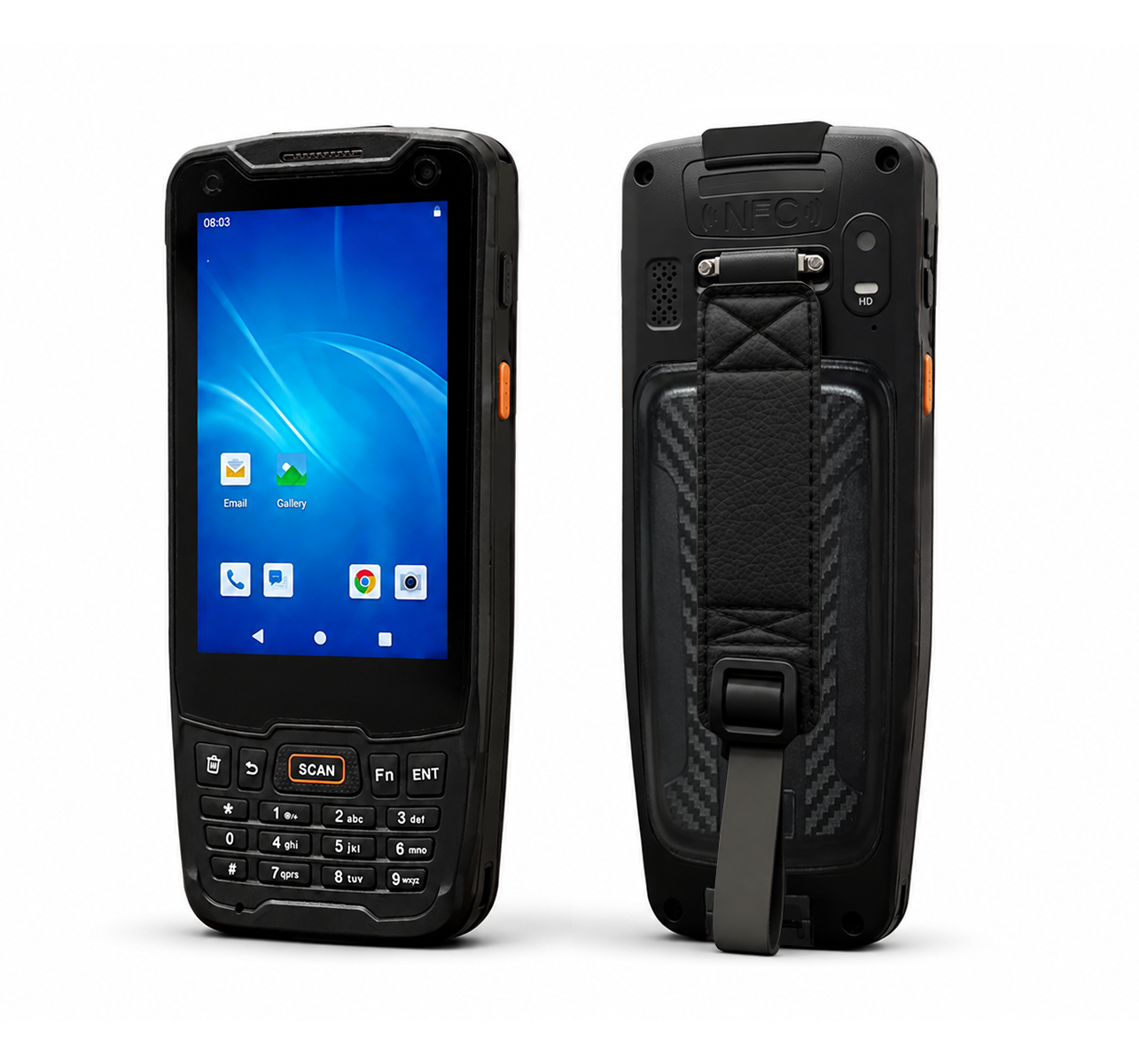
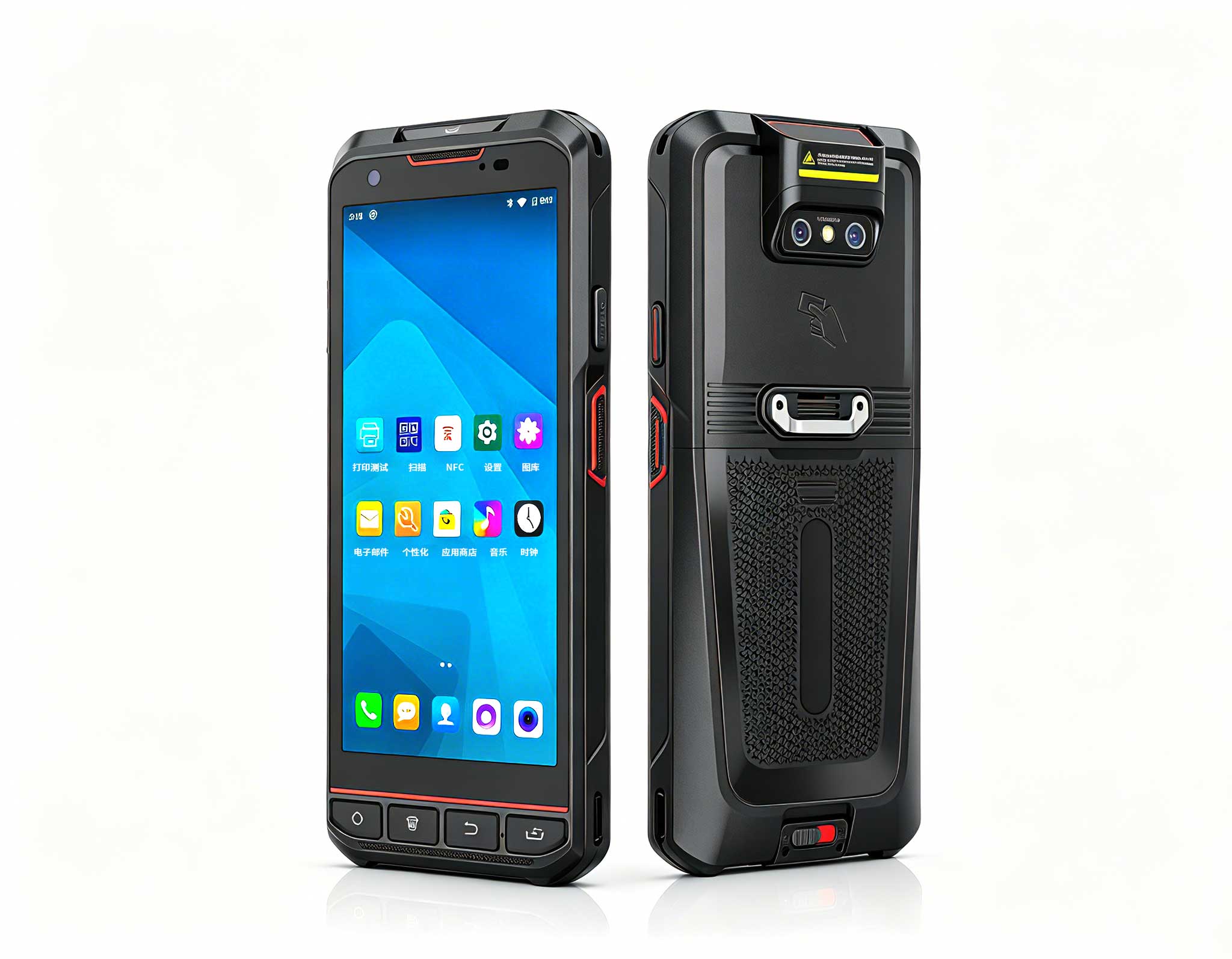
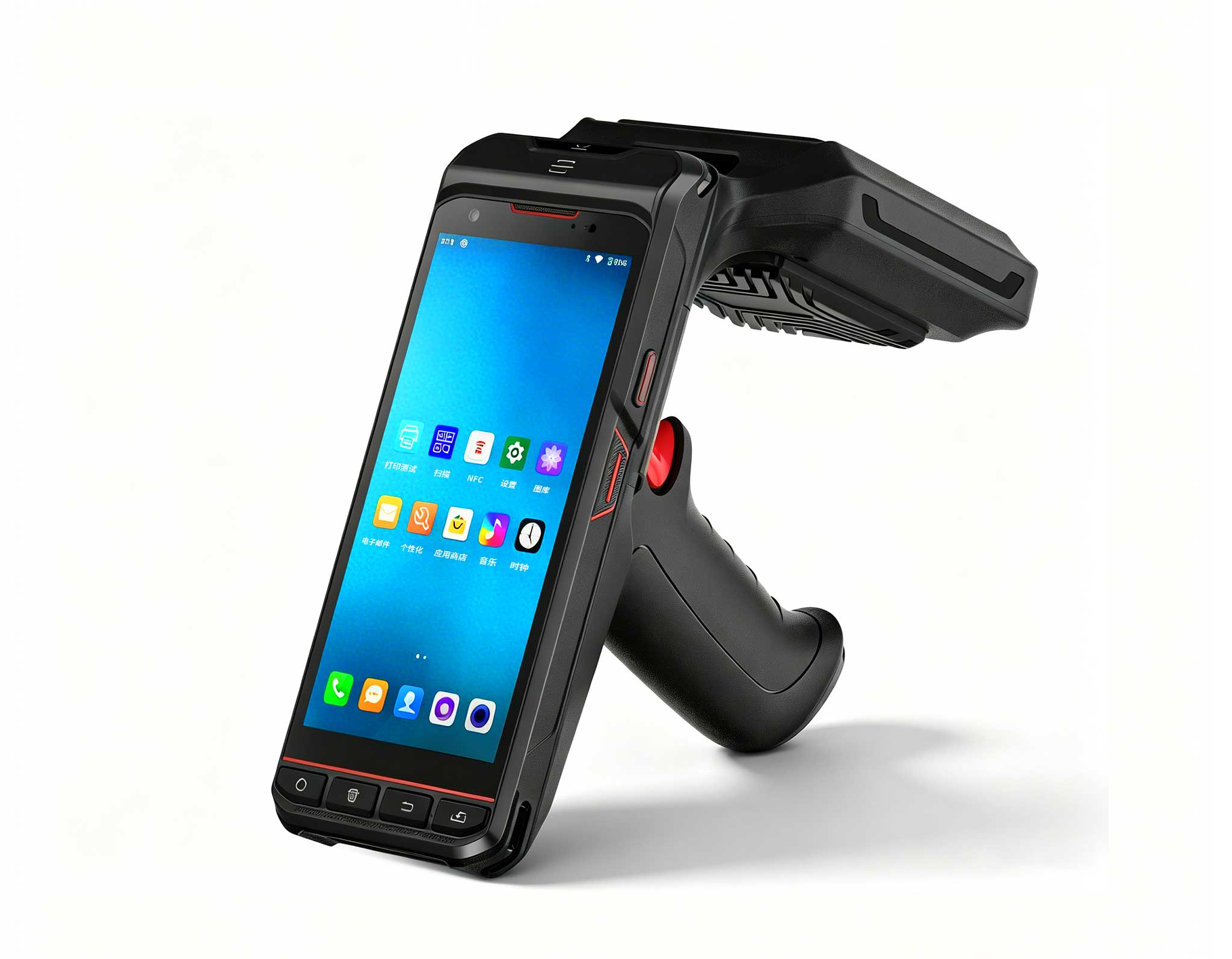
R350C 4-inch Industrial Handheld PDA | Qualcom...
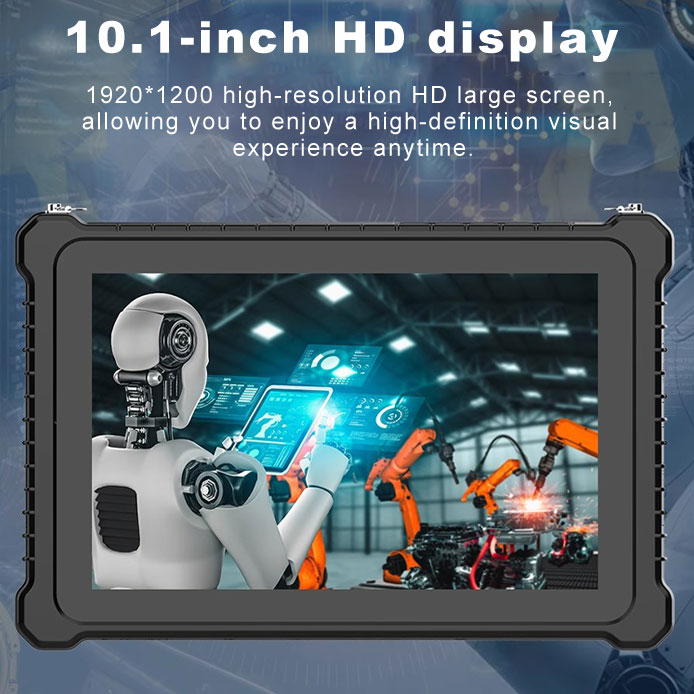
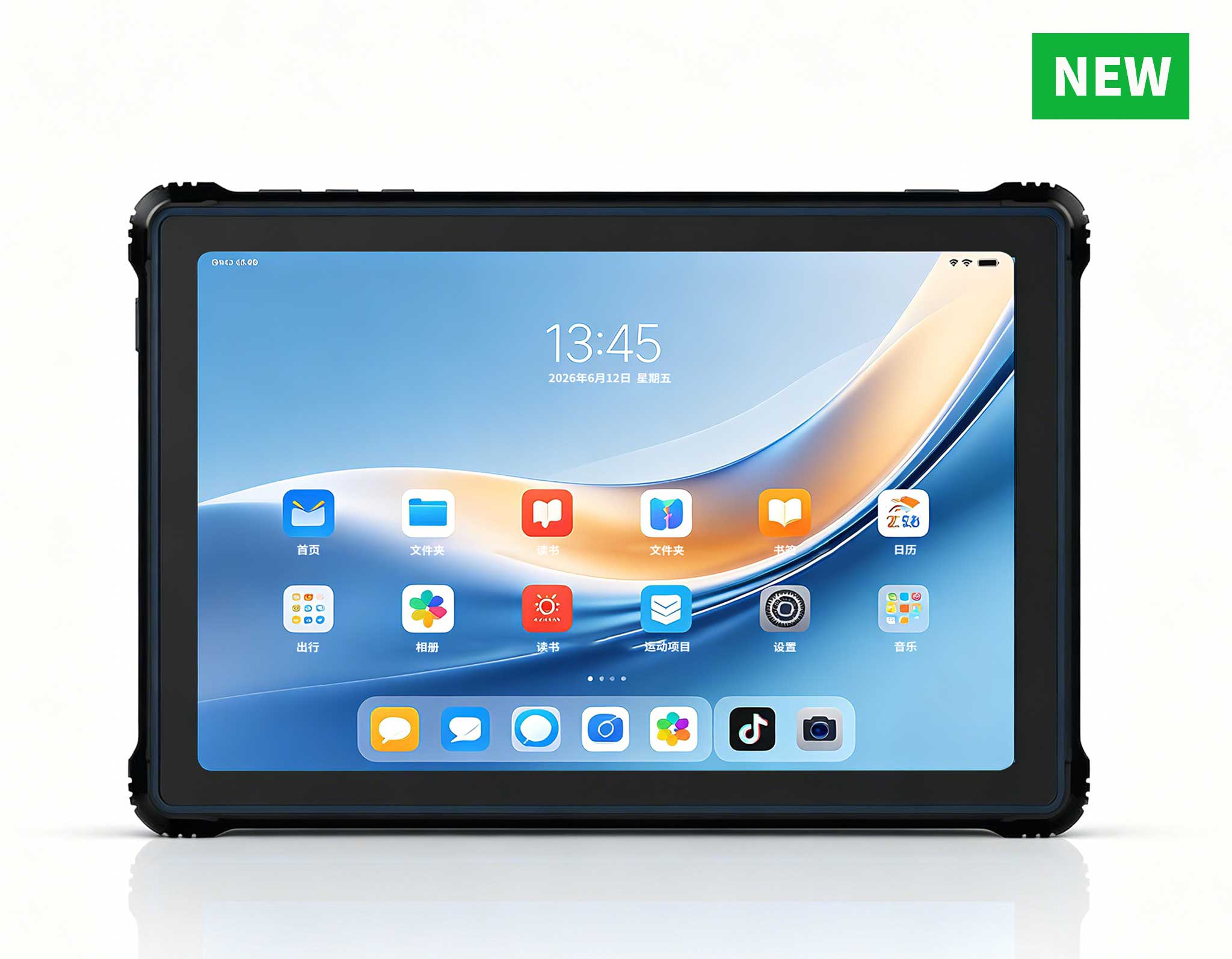
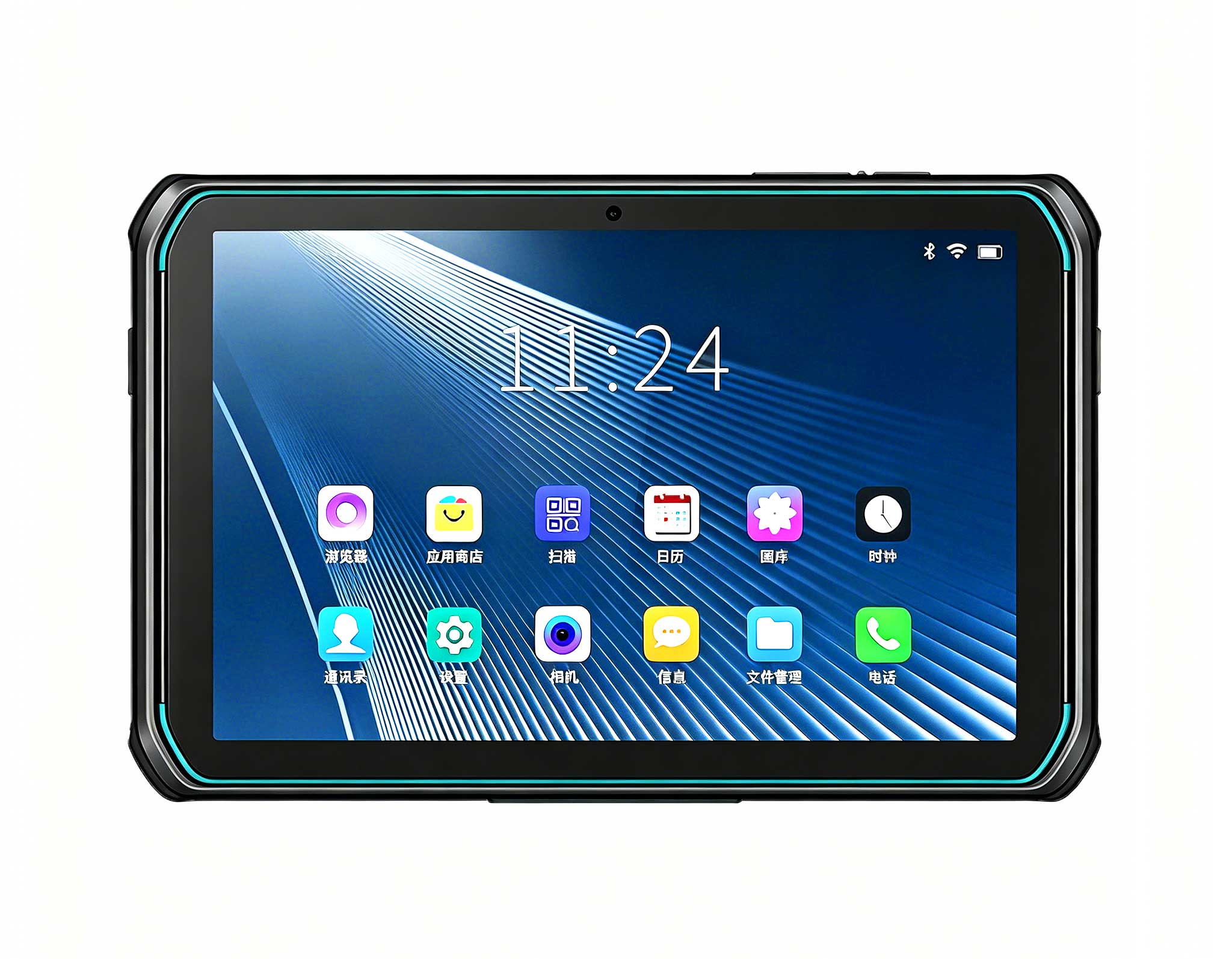
RT81 4G Rugged Tablet | 10.1" FHD 400nit | Qu...
The X501 Handheld PDA combines advanced barcode sc...
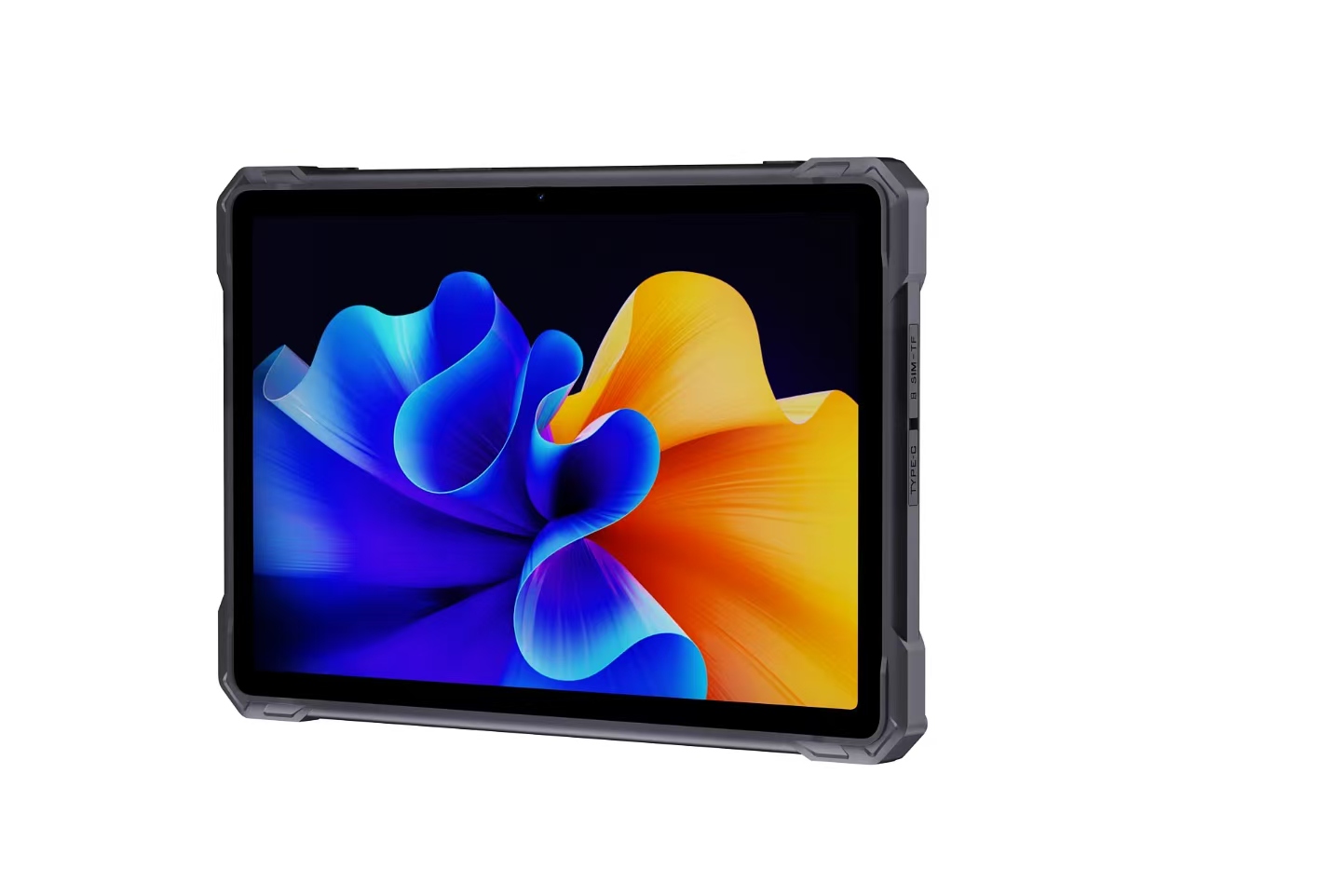
P11 Series Next-Gen Enterprise Rugged Industrial ...
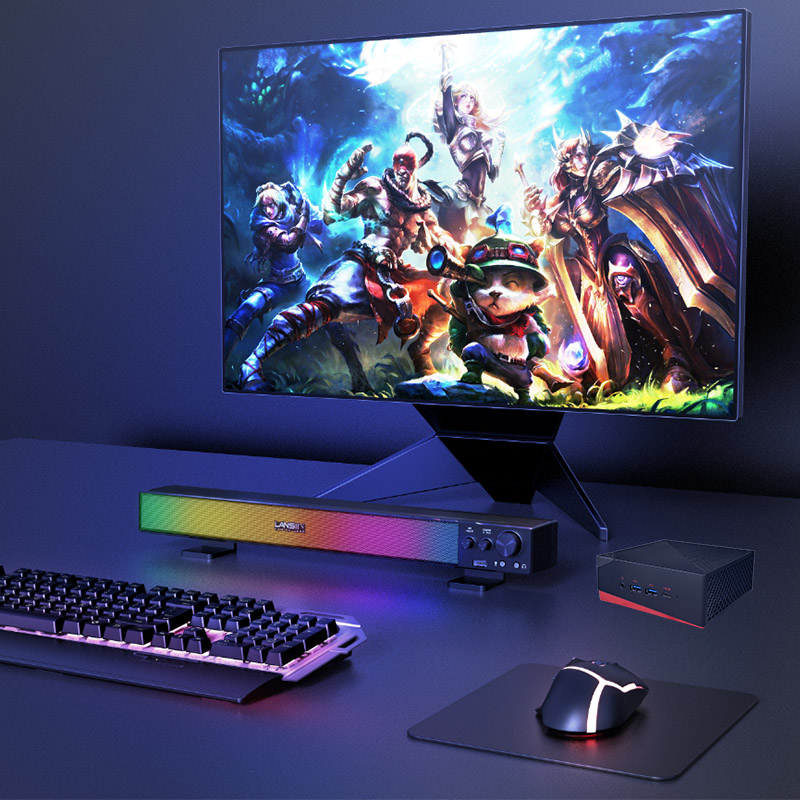
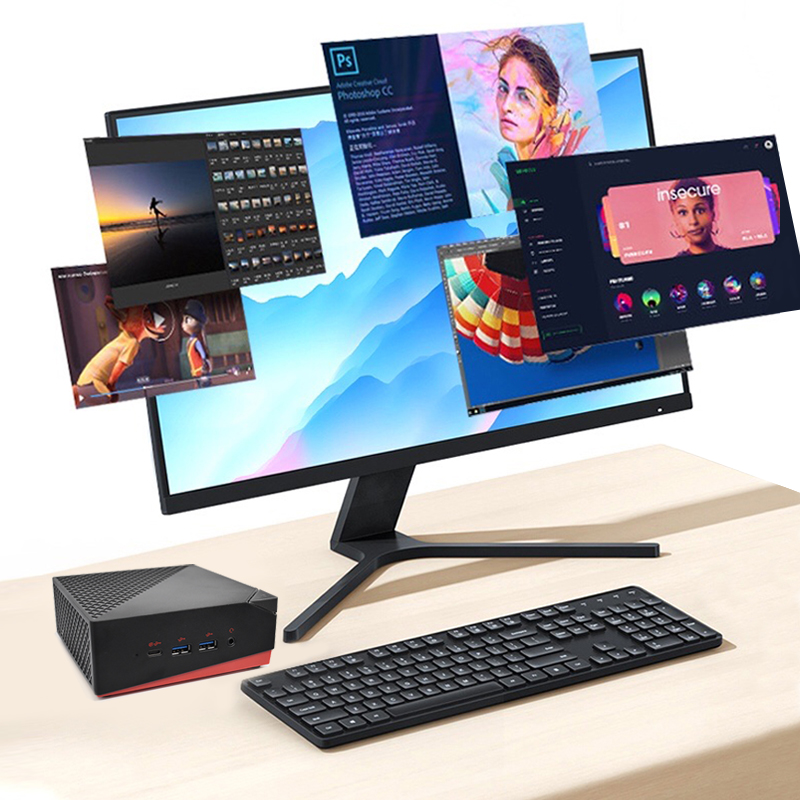
The AMD Mini PC Windows 10 Pro is a compact yet po...
The R501 PDA combines a powerful MT6762 Octa-Core ...
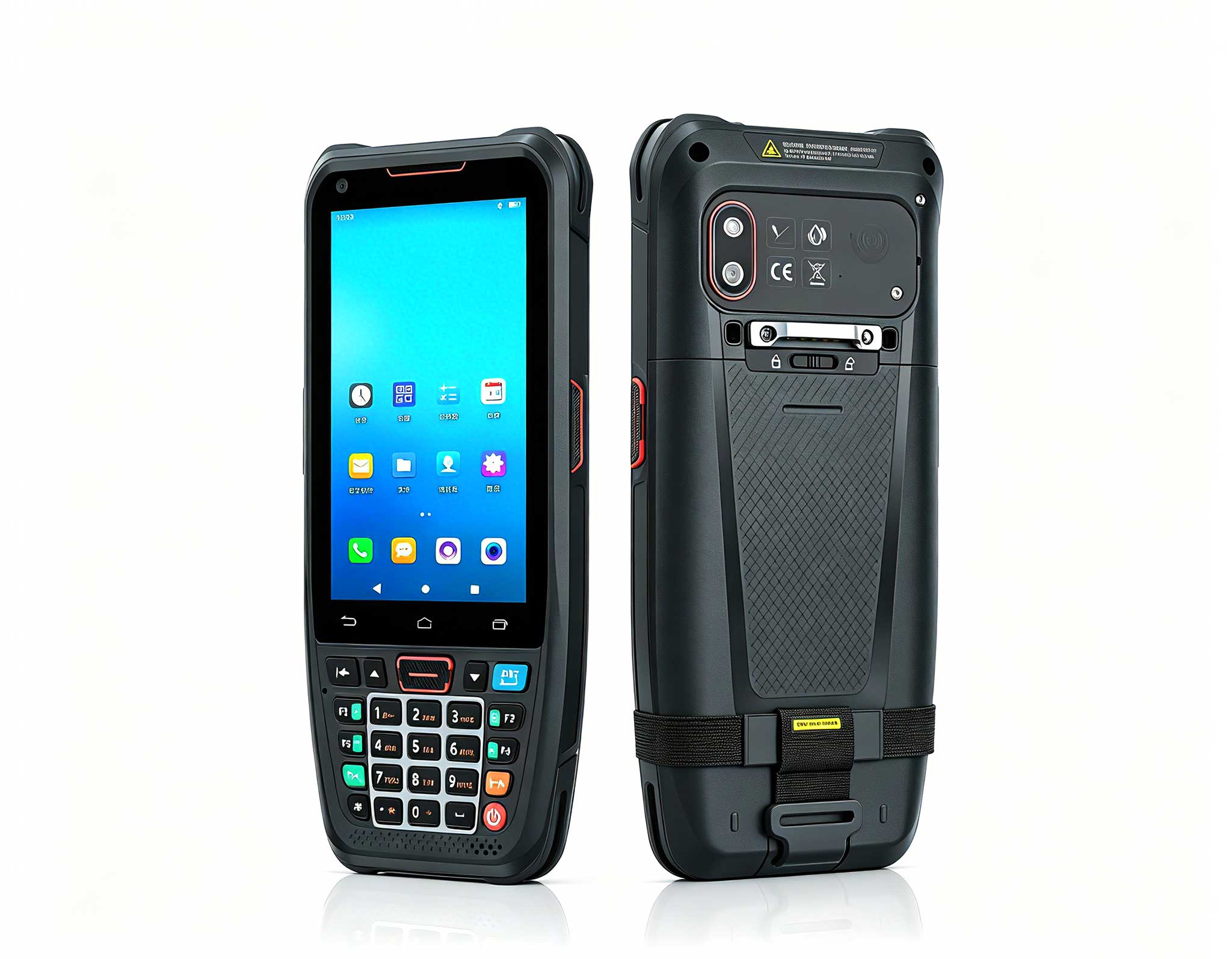
The N40 Android smart PDA features a Cortex-A53 qu...
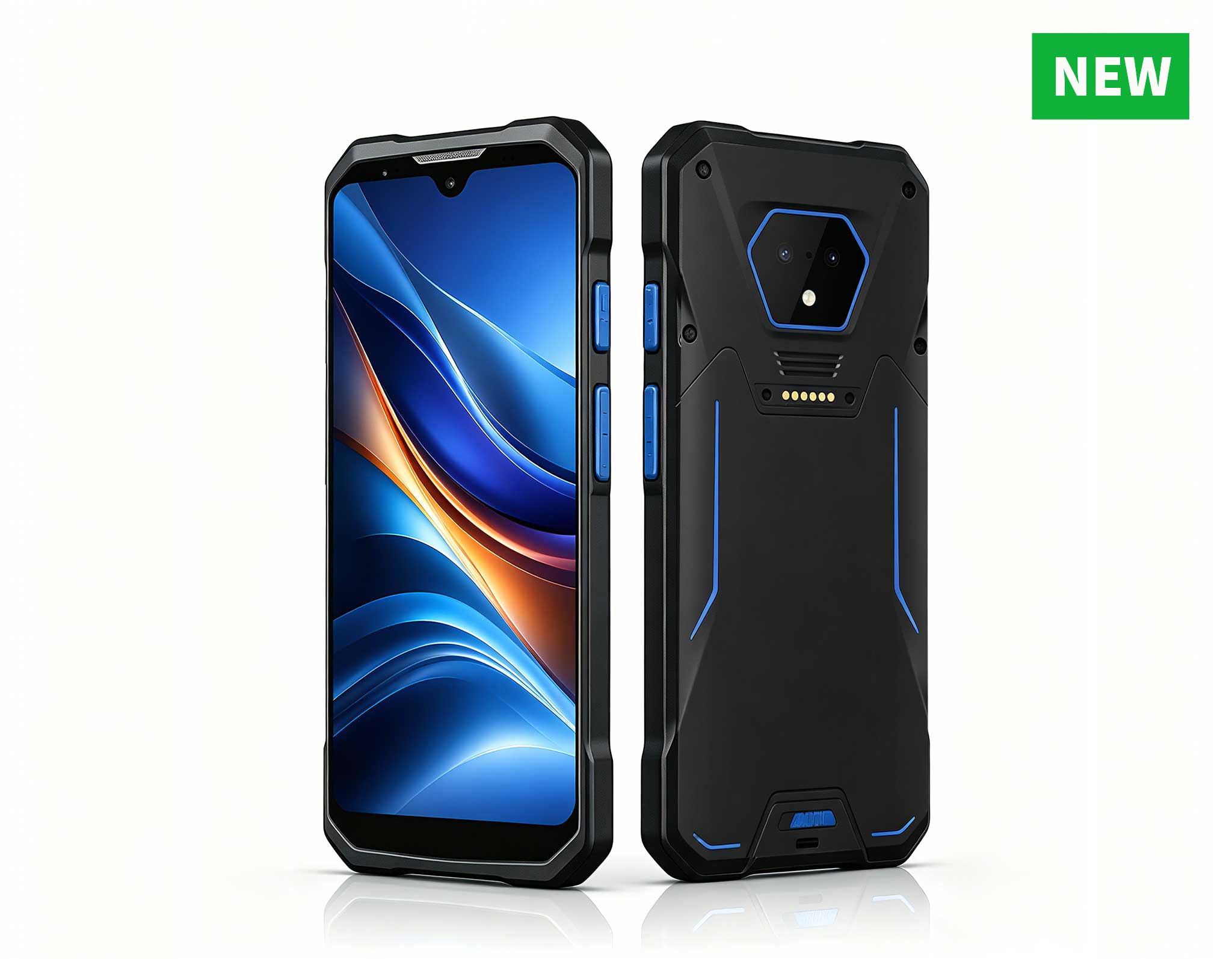
RS51 4G Rugged Handheld Terminal | 6.3" FHD+ ...
From the unknown so simpleUsed for mobile phones, ...
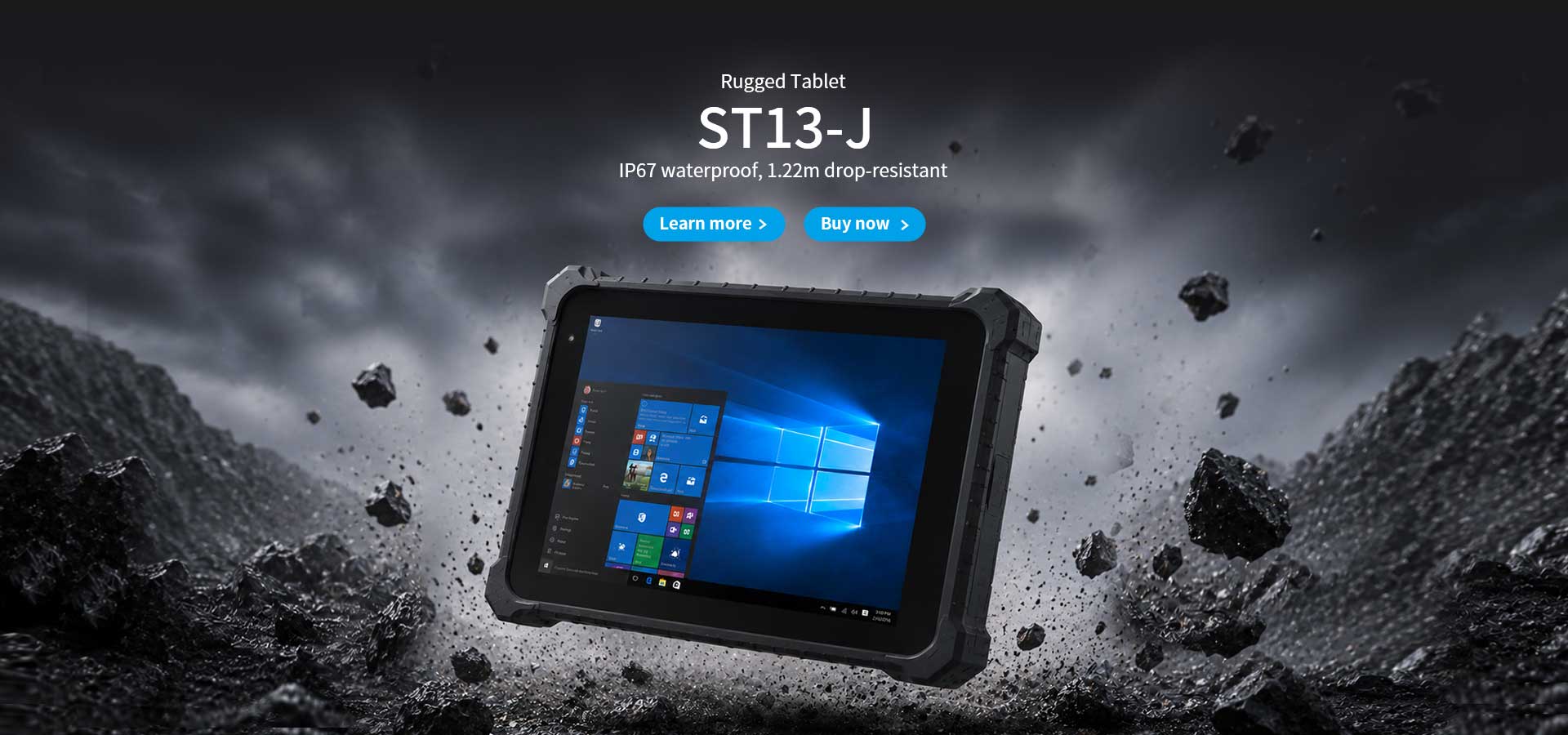
Traditional approaches to Medical Workstation often require time-consuming manual processes or outdated technology. But what if there was a better way? HTYJ08A Rugged Tablet, ST11-J and ST13-J are changing how teams handle this challenge. Clinics and hospitals worldwide are discovering that the shift from paper-based records and stationary desktop terminals to mobile, ruggedized computing platforms is not merely a convenience — it is a clinical necessity. The ability to access patient data at the bedside, update electronic health records in real time, and run diagnostic software without worrying about device failure has become a cornerstone of modern healthcare delivery. The evolution from conventional desktop workstations to rugged mobile solutions represents a fundamental rethink of how medical professionals interact with technology. In busy hospital corridors, emergency departments, and outpatient clinics, the demands placed on computing equipment are extreme. Devices must withstand drops, spills, disinfectant wipes, and constant movement. They must also deliver the processing power needed for demanding medical applications, from imaging software to telehealth platforms. This is precisely where the HTYJ08A Rugged Tablet, ST11-J, and ST13-J excel, offering a compelling alternative to both legacy systems and consumer-grade tablets that simply cannot survive the rigors of a clinical environment.
The healthcare industry has long been tethered to fixed workstations — bulky desktop computers mounted on rolling carts or stationed at nurses' stations. While functional, these setups create bottlenecks. Nurses must walk back and forth to input data, physicians cannot easily access imaging results during patient consultations, and valuable floor space is consumed by hardware. The industrial solution for Medical Workstation provided by Hotus addresses these inefficiencies head-on, delivering a platform that moves with the clinician rather than forcing the clinician to move to the machine. This shift is not just about convenience; it is about improving patient outcomes through faster, more accurate data access. Rugged tablets bring the full functionality of a workstation directly to the point of care. Whether a doctor is reviewing lab results during rounds, a nurse is administering medication at the bedside, or a specialist is conducting a telehealth consultation, the device becomes an extension of the clinical workflow. The HTYJ08A Rugged Tablet, with its 8-inch display and military-grade durability, is perfectly suited for handheld use in tight spaces. Meanwhile, the larger ST11-J and ST13-J models offer more screen real estate for complex tasks like reviewing radiology images or managing multiple patient records simultaneously. Together, these devices form a comprehensive ecosystem that supports every aspect of medical practice.
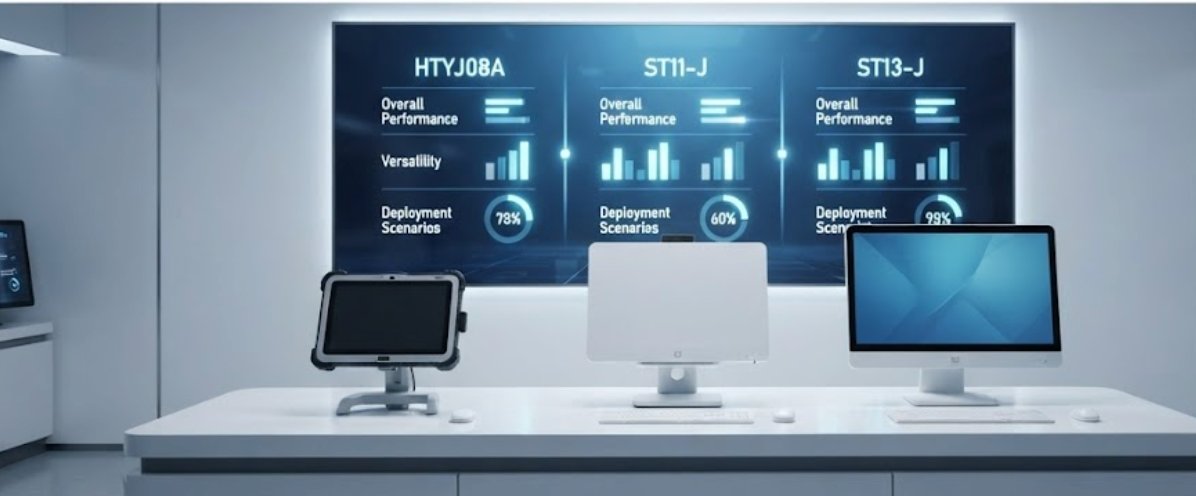
The measurable outcomes of deploying HTYJ08A Rugged Tablet, ST11-J and ST13-J in Medical Workstation include: 50% reduction in equipment preparation time, 80% fewer audio-related complaints, battery life covering full-day operations without mid-day charging, and positive feedback from visitors who appreciate the comfortable, high-quality listening experience. These numbers are not speculative — they reflect real-world performance data gathered from clinics and hospitals that have made the switch from conventional setups to rugged mobile computing. The reduction in preparation time alone translates directly into more patient consultations per day and less administrative burden on already stretched healthcare staff. Battery life is another critical differentiator. In a typical hospital shift lasting 10 to 12 hours, the last thing a clinician needs is a device that dies mid-round. The HTYJ08A Rugged Tablet, 10.1 windows(ST11-J)Rugged Industrial Tablet, and 13.3 windouw(ST13-J)Rugged Industrial Tablet are all engineered with high-capacity batteries that comfortably support full-day operations. This eliminates the need for mid-day charging breaks, reduces the number of backup devices a facility must maintain, and ensures that critical data is always accessible when it matters most. Moreover, the rugged construction means these devices can be cleaned with harsh hospital-grade disinfectants without degrading, a feature that has become particularly important in the post-pandemic healthcare landscape.
The Medical Workstation technology landscape is shifting rapidly. Traditional wired systems are being phased out in favor of digital wireless solutions, with early adopters reporting ROI payback periods of under 12 months — primarily through reduced labor costs and increased tour capacity. This trend is driven by several converging factors. First, the global shortage of healthcare workers has compelled institutions to maximize the efficiency of existing staff. Mobile workstations enable nurses and physicians to accomplish more in less time, directly addressing staffing challenges. Second, the proliferation of electronic health record (EHR) mandates has made reliable, always-on computing infrastructure a regulatory requirement rather than an optional upgrade. Market analysts project that the rugged medical tablet segment will grow at a compound annual rate of over 8% through 2030, outpacing the general tablet market significantly. This growth is fueled by the recognition that consumer tablets, while inexpensive, simply cannot deliver the reliability, security, and durability that healthcare environments demand. The HTYJ08A Rugged Tablet represents the entry point for many institutions looking to transition, offering an affordable yet fully featured solution. As the technology matures, we are also seeing the integration of advanced features such as barcode scanning, RFID reading, and biometric authentication directly into rugged tablets, further expanding their utility in medical settings.
When evaluating options for Medical Workstation, these specification differences directly impact real-world performance. Battery life determines how many tours you can run without recharging. Channel count affects how many groups you can guide simultaneously. Range defines the physical area your system can cover. Understanding these trade-offs is essential for making the right choice. For medical applications, additional factors such as screen size, processing power, and connectivity options become paramount. The table below provides a detailed comparison of the three models, highlighting their respective strengths and ideal use cases.
| Model | Display Size | Position | Weight | Ideal Use Case |
|---|---|---|---|---|
| HTYJ08A Rugged Tablet | 8 inches | Entry-level portable | 1.2 kg | Bedside documentation, medication administration, patient rounding |
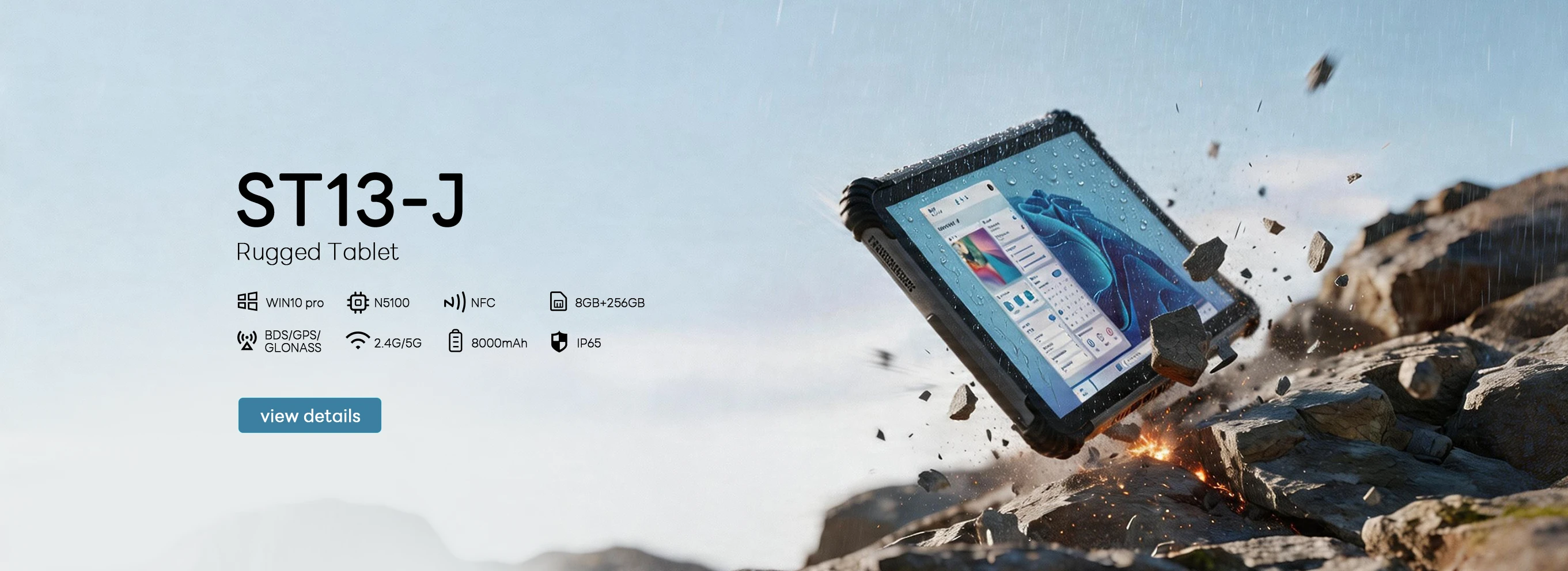
| ST11-J | 10.1 inches | Mid-range workstation replacement | 1.5 kg | EHR access, telehealth, diagnostic imaging review |
| ST13-J | 13.3 inches | High-end full workstation | 2.1 kg | Surgical planning, complex data analysis, multi-window workflows |
The HTYJ08A's compact size makes it ideal for quick data entry and reference tasks where portability is paramount. Nurses can slip it into a pocket or carry it on a lanyard, keeping both hands free for patient care. The ST11-J strikes a balance between screen real estate and portability, making it the most versatile option for general clinical use. The ST13-J, with its large display, is best suited for stationary or semi-stationary applications where screen clarity is critical, such as in operating rooms or radiology departments. Each device runs on Windows operating systems, ensuring compatibility with the vast majority of medical software applications, and all three support the rugged mini PC solutions that Hotus offers for more permanent installations.
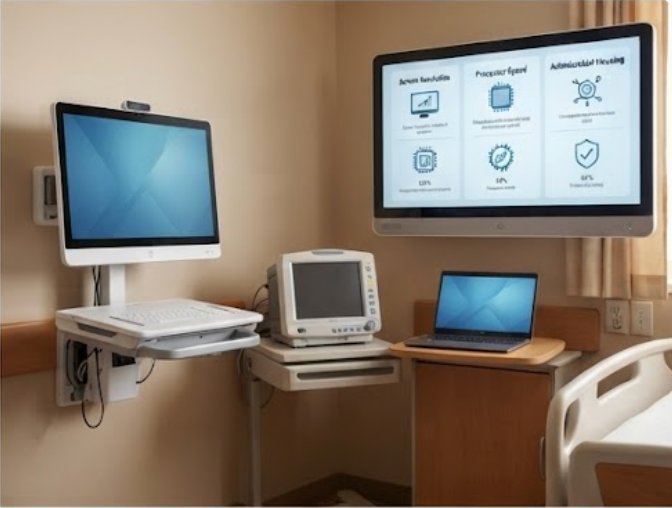
Selecting the appropriate rugged tablet for a Medical Workstation deployment requires careful consideration of your specific workflows. A large teaching hospital with multiple departments may benefit from a mixed fleet — HTYJ08A units for general nursing floors, ST11-J devices for outpatient clinics, and ST13-J tablets for specialized units such as intensive care or emergency medicine. Conversely, a small private practice might standardize on a single model to simplify training and maintenance. The key is to involve end-users — nurses, physicians, and administrative staff — in the selection process, as they will be the ones using these devices day in and day out. Beyond the hardware itself, consider the ecosystem of accessories and support services. Docking stations, extra batteries, carrying cases, and mounting solutions can significantly enhance the utility of rugged tablets. Hotus provides a comprehensive range of peripherals designed to complement these devices, ensuring that your investment is fully leveraged. Additionally, the rugged mini PC solutions offered by the company can serve as fixed workstations in areas where mobile computing is not required, creating a cohesive technology environment across the entire facility.
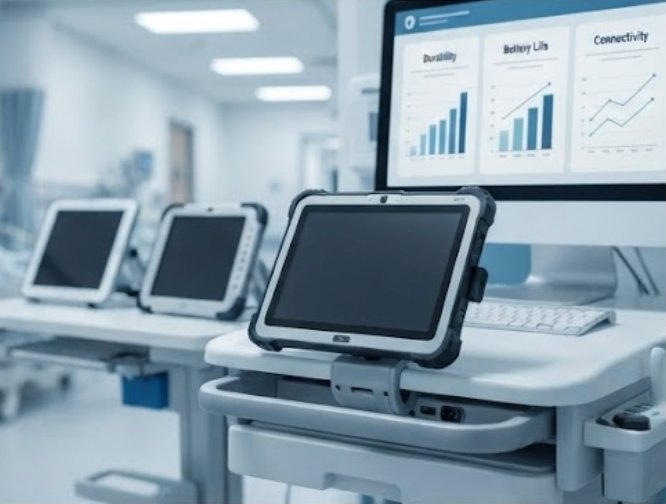
The healthcare technology landscape is evolving at an unprecedented pace. Telemedicine, artificial intelligence-assisted diagnostics, and remote patient monitoring are no longer futuristic concepts but current realities. Your choice of medical workstation hardware must not only meet today's needs but also accommodate tomorrow's innovations. The HTYJ08A Rugged Tablet, ST11-J, and ST13-J are all designed with future-proofing in mind. They feature upgradeable components, multiple connectivity options including 4G/5G and Wi-Fi 6, and sufficient processing power to handle emerging software requirements. Furthermore, the rugged construction of these devices ensures a longer operational lifespan compared to consumer-grade alternatives. While the initial investment may be higher, the total cost of ownership over five years is typically lower due to reduced replacement frequency, fewer repairs, and lower IT support requirements. Hospitals that have adopted rugged tablets report significant reductions in device-related downtime, which directly translates to improved patient care and staff satisfaction. As you evaluate your Medical Workstation needs, consider not just the price tag but the long-term value that a durable, reliable, and versatile rugged tablet can deliver to your organization.