- Select Language
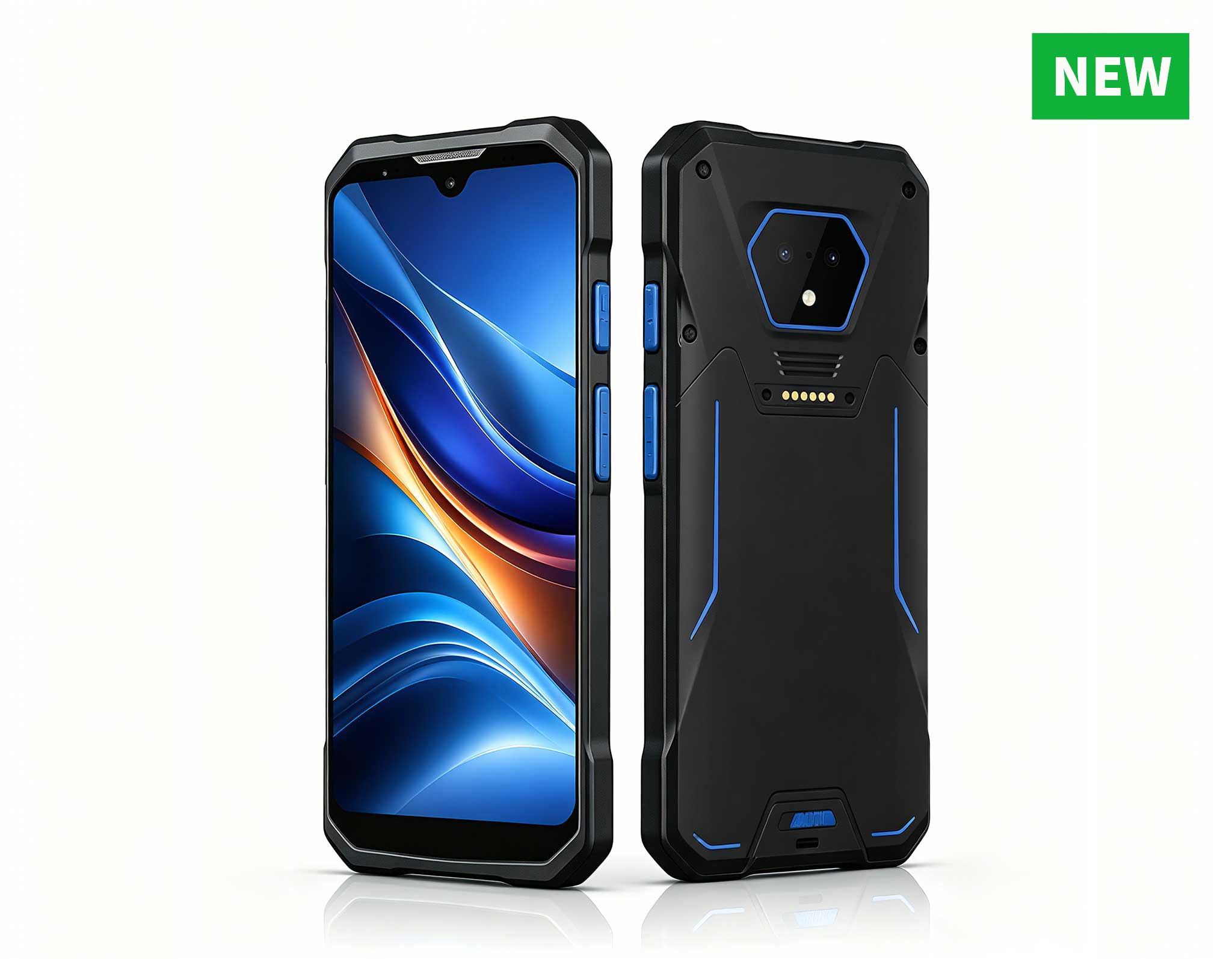
RS51 4G Rugged Handheld Terminal | 6.3" FHD+ ...
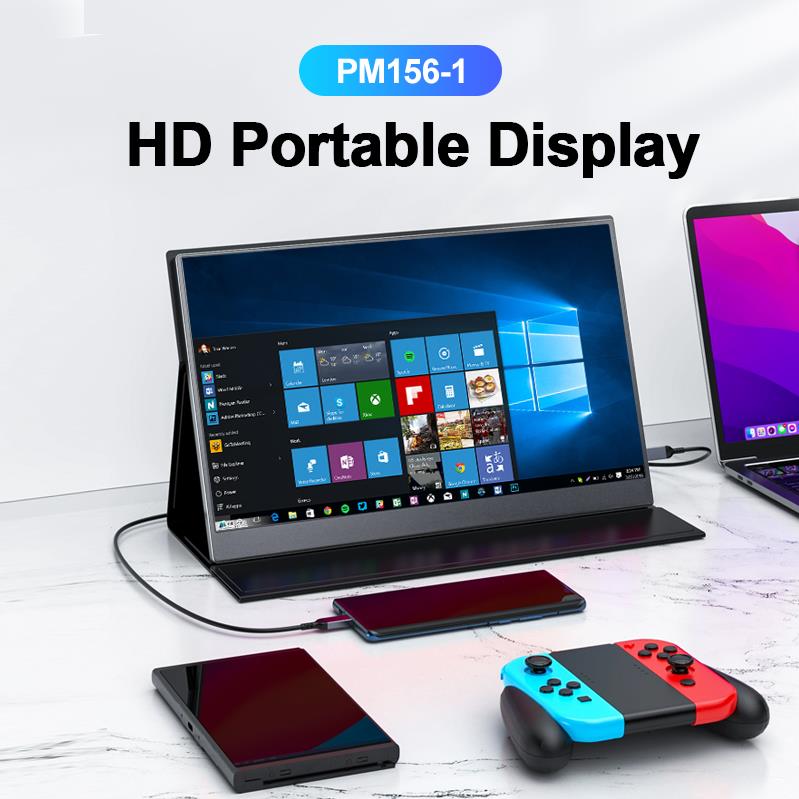
The PM156-1 is a 15.6-inch portable PC monitor fea...
The N60 PDA is a cutting-edge device for inventory...
Full SpecificationsModelHotus ST13‑UOSWindows 10 P...
The T80 handheld PDA combines advanced barcode sca...
Full SpecificationsModel Hotus SH5‑WOperating ...
Here is the reality: most Medical Workstation solutions fail to address common pain points that reduce efficiency and user satisfaction. Clinics and hospitals continue to struggle with desktop PCs that occupy valuable counter space, standard laptops that cannot withstand disinfectant wipes, and mobile carts that break down after months of heavy use. These issues translate directly into frustrated clinicians, delayed patient documentation, and IT teams stretched thin by constant device repairs. That is why more organizations are turning to ST11-J, ST13-J and HTYJ08A Rugged Tablet for a fundamentally different approach. The shift toward rugged, purpose-built computing in medical environments is no longer a niche consideration—it has become a strategic priority. Healthcare facilities are discovering that consumer-grade hardware simply cannot survive the daily realities of a clinical setting: accidental drops, liquid spills, airborne particles, and the aggressive cleaning protocols required for infection control. By adopting the industrial solution for Medical Workstation deployments, administrators are replacing fragile equipment with devices engineered for continuous operation in demanding conditions. This trend report examines how the HTYJ08A Rugged Tablet, ST11-J, and ST13-J are reshaping medical workstation strategies, backed by market data and real-world implementation results.
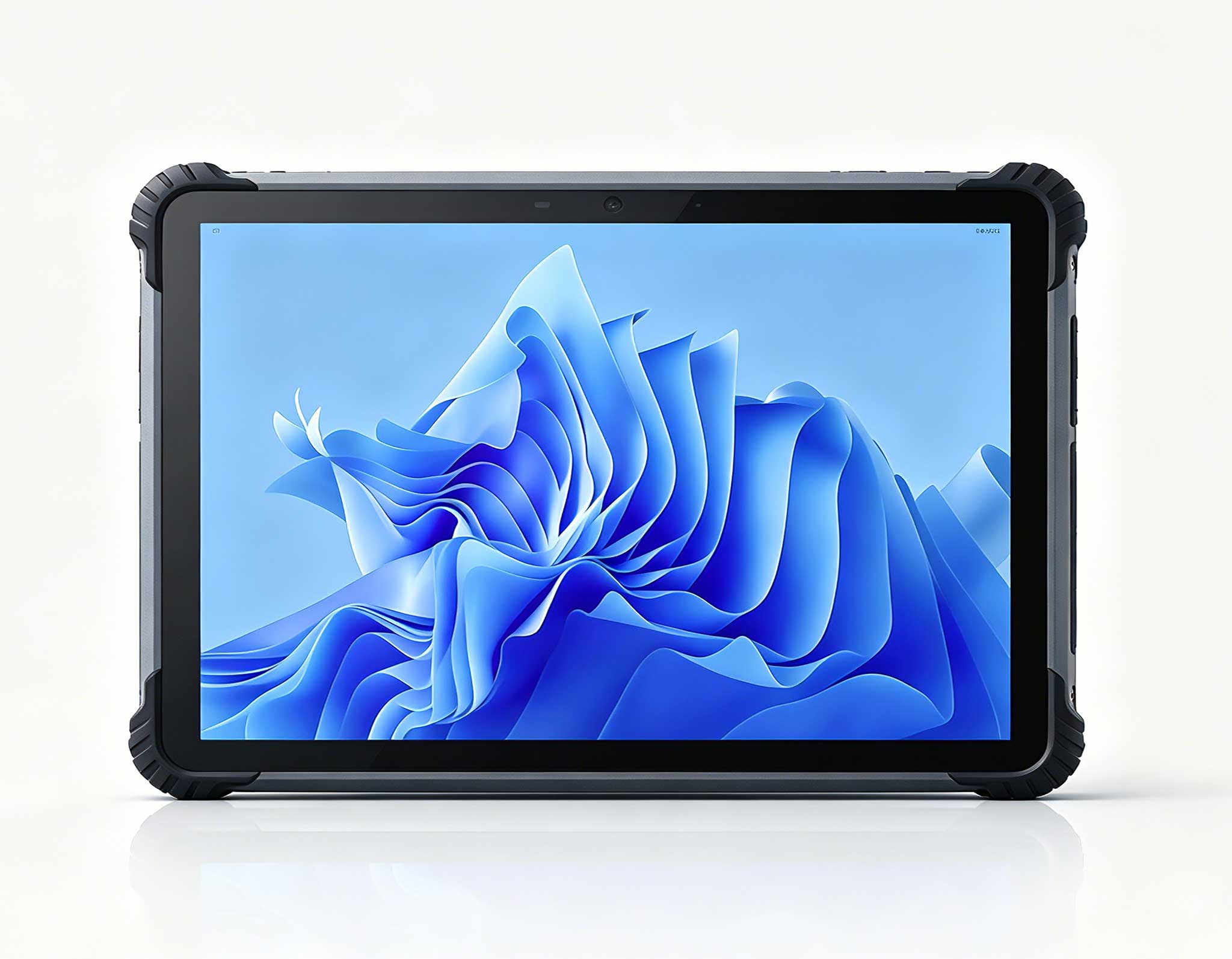
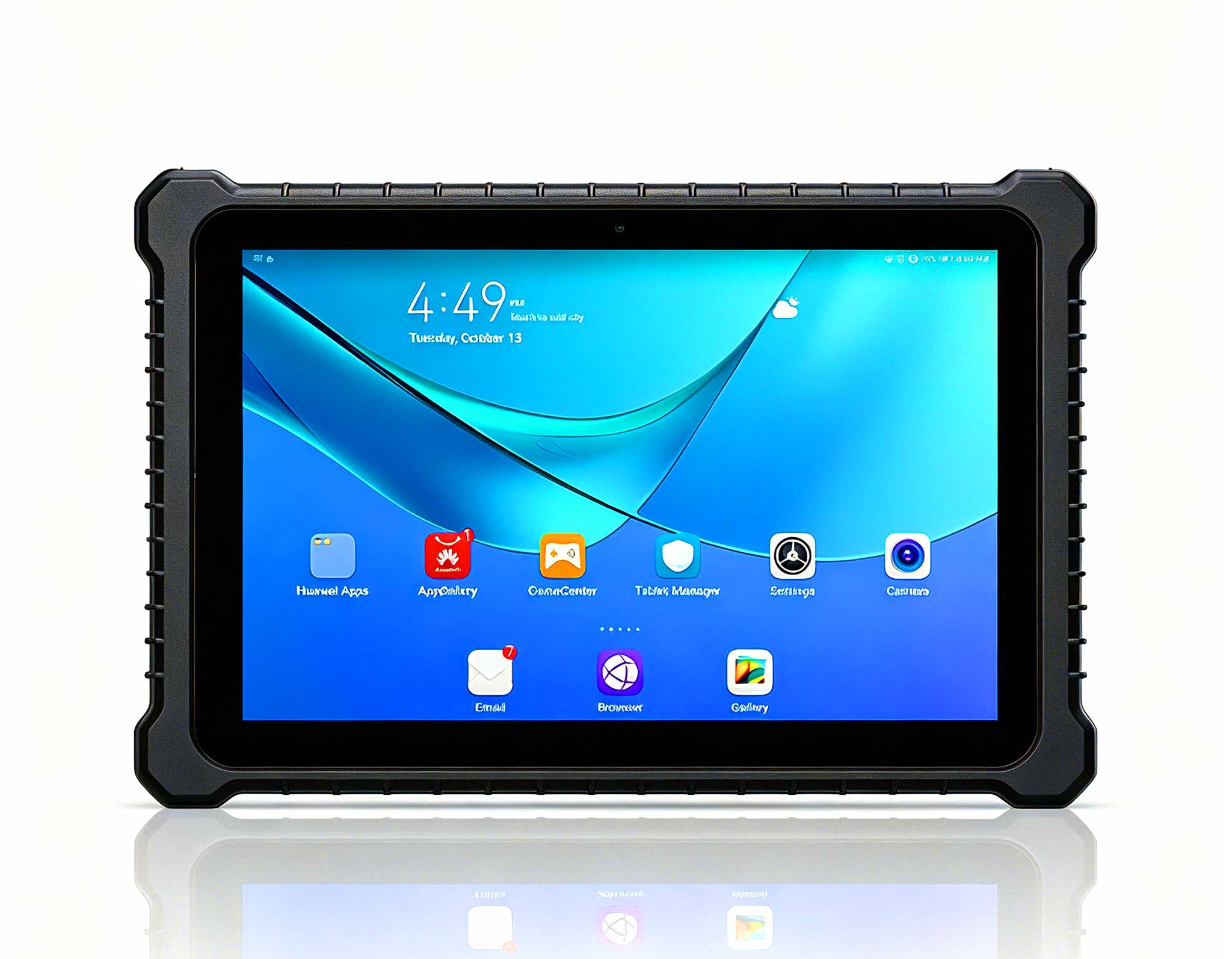
The global medical tablet market is projected to grow at a compound annual growth rate of over 8% through the next five years, driven by the digitization of patient records, the expansion of telemedicine, and the need for point-of-care computing. Within this landscape, rugged tablets are outperforming standard devices because they offer a lower total cost of ownership over their lifecycle. A typical consumer tablet lasts 18 to 24 months in a hospital setting before suffering screen damage, port failure, or battery degradation. In contrast, rugged devices like the ST11-J and ST13-J are built with reinforced casings, sealed ports, and MIL-STD-810G compliance, extending usable life to five years or more. Another market driver is the shift toward hybrid care models. Clinics are no longer confining computer work to fixed nursing stations; instead, clinicians need to access electronic health records (EHR) at the bedside, in consultation rooms, and even during patient intake in waiting areas. This mobility requirement has made the 10.1 windows(ST11-J)Rugged Industrial Tablet a popular choice for facilities that need a compact yet powerful device for medication administration, vital sign recording, and patient education. Meanwhile, the larger 13.3 windouw(ST13-J)Rugged Industrial Tablet serves as a primary workstation for documentation-heavy tasks, replacing traditional desktops in examination rooms.
The key benefits of HTYJ08A Rugged Tablet, ST11-J and ST13-J for Medical Workstation extend beyond durability. Organizations consistently report improved staff satisfaction scores, reduced IT support tickets from equipment troubleshooting, and measurable gains in workflow efficiency. The HTYJ08A Rugged Tablet, with its 8-inch form factor, excels in scenarios where portability is paramount—such as bedside charting or pharmacy inventory management. Its glove-friendly touchscreen and hot-swappable battery allow clinicians to work uninterrupted through long shifts, while the device’s IP65 rating ensures protection against dust ingress and low-pressure water jets, making it safe for routine disinfection with hospital-grade cleaners. For the ST11-J and ST13-J, the advantages are equally compelling. Both models feature sunlight-readable displays with high brightness output, which is critical in well-lit patient rooms or near large windows. The ST11-J offers a balance of performance and portability, making it ideal for mobile medical carts where space is limited. The ST13-J, with its wider screen real estate, reduces the need for scrolling through lengthy EHR documents and supports split-screen multitasking—clinicians can view a patient’s lab results while simultaneously updating medication orders. Across all three devices, organizations report lower total cost of ownership compared to older systems, as the rugged construction eliminates the need for frequent replacements and reduces downtime. Additionally, the flexibility to scale operations—whether adding more devices to a growing clinic network or deploying them across multiple departments—makes these tablets a future-proof investment.
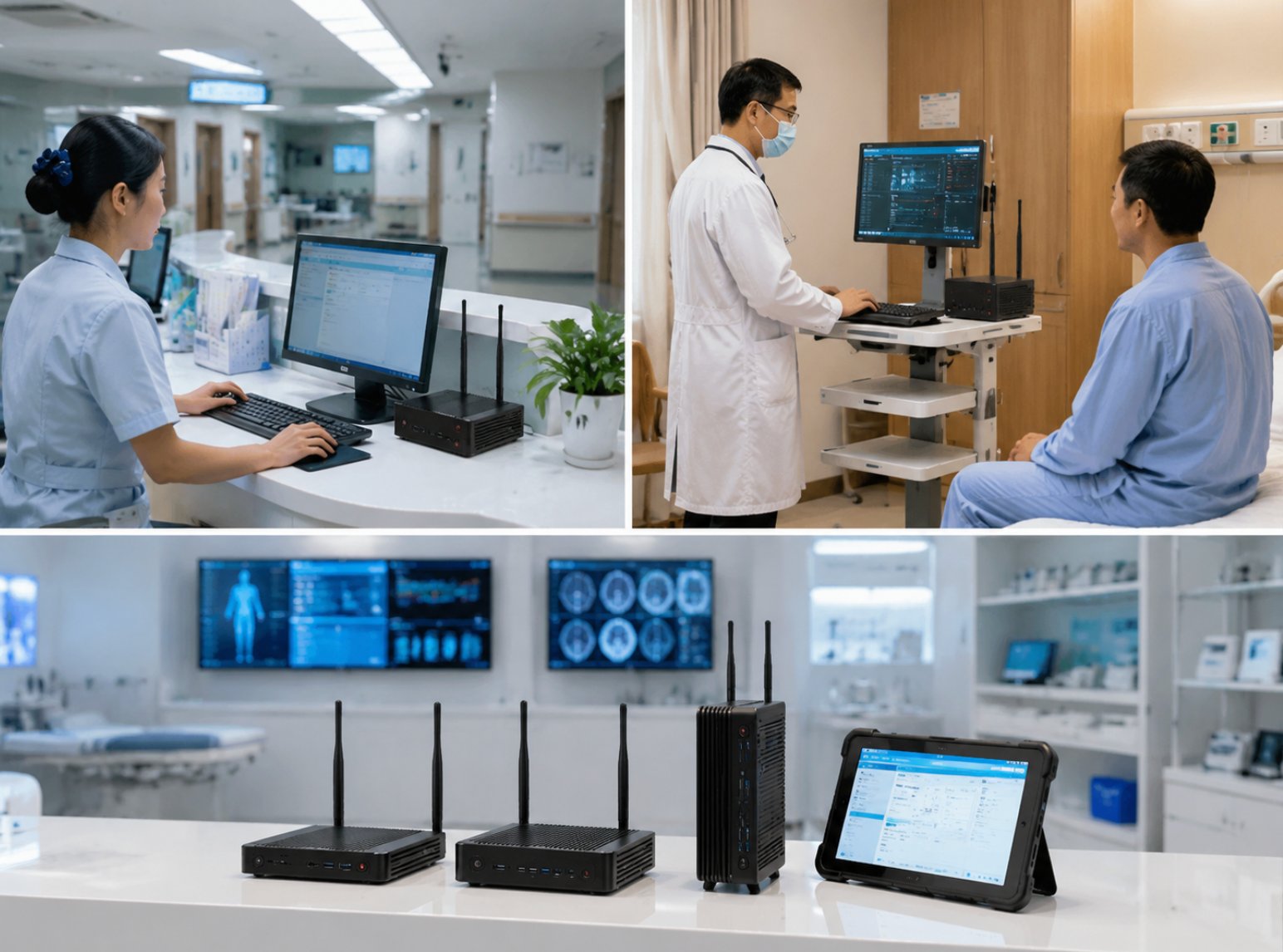
Consider the case of a facility manager at a large Medical Workstation network operating across five outpatient clinics. The organization faced a recurring problem: their existing fleet of standard Windows tablets was failing at an alarming rate. Screens cracked under normal handling, charging ports corroded after exposure to sanitizing wipes, and the devices overheated during prolonged use in warm examination rooms. With over 200 clinicians relying on these devices for patient documentation, every failure translated into delayed appointments and frustrated staff. After evaluating multiple options—including consumer-grade tablets and lightweight laptops—they deployed the HTYJ08A Rugged Tablet for mobile nursing tasks, the ST11-J for medication administration, and the ST13-J as fixed workstations in each examination room. The results were measurable within the first quarter. Device failure rates dropped by 94%, and the IT team reported a 70% reduction in support tickets related to hardware issues. Patient satisfaction scores improved by 18%, as clinicians could now maintain eye contact during consultations instead of struggling with unresponsive devices. The facility manager noted that the ST13-J’s larger display was particularly well-received by physicians, who appreciated the ability to review imaging studies side-by-side with patient history. Furthermore, the HTYJ08A Rugged Tablet proved invaluable for nurses who needed a lightweight, reliable device for bedside documentation. The organization has since standardized on these three models for all new hires and is planning to expand the deployment to their affiliated urgent care centers.
A notable development in the Medical Workstation sector this year is the growing emphasis on interoperability and data security. As healthcare organizations move toward integrated care networks, the ability to securely access patient data from any device at any location has become critical. The ST11-J and ST13-J support TPM 2.0 encryption and biometric authentication, ensuring compliance with HIPAA and other regional data protection regulations. This focus on security is not just a technical requirement—it influences purchasing decisions at the highest levels of hospital administration. Another trend gaining momentum is the adoption of telehealth capabilities within traditional workstation setups. Clinics are increasingly using devices like the ST13-J to conduct remote consultations, leveraging built-in cameras and noise-canceling microphones to facilitate virtual visits. This convergence of telehealth and in-person care is driving demand for devices that can handle both video conferencing and EHR documentation simultaneously. Additionally, the integration of RFID and barcode scanning capabilities in rugged tablets is streamlining inventory management and patient identification processes, reducing administrative errors. For organizations considering an upgrade, exploring rugged mini PC solutions alongside tablet deployments offers a comprehensive approach to modernizing their entire medical workstation infrastructure.
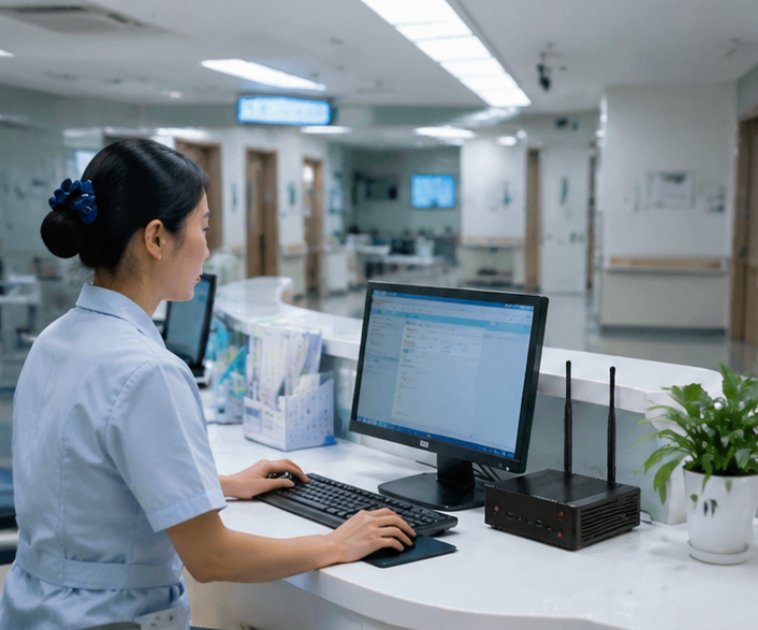
Selecting the appropriate device for a medical workstation requires careful evaluation of clinical workflows, physical environment, and user preferences. The table below compares the three models to assist decision-makers in aligning device capabilities with operational needs. While all three devices share core rugged features—including wide operating temperature ranges, vibration resistance, and drop protection—they differ in display size, processing power, and intended use cases.
| Model | Display Size | Optimal Use Case | Key Differentiator |
|---|---|---|---|
| HTYJ08A Rugged Tablet | 8 inches | Bedside charting, mobile nursing, pharmacy inventory | Ultra-portable with hot-swappable battery; glove-friendly touchscreen |
| ST11-J | 10.1 inches | Medication administration, patient intake, mobile carts | Balance of portability and screen space; supports barcode scanning |
| ST13-J | 13.3 inches | Physician documentation, telehealth, fixed exam room workstations | Large display for multitasking; enhanced processing for imaging review |
When transitioning to rugged tablets, healthcare organizations should plan for both hardware deployment and workflow integration. The HTYJ08A Rugged Tablet, ST11-J, and ST13-J are designed to mount onto standard VESA arms, medical carts, and wall mounts, allowing seamless integration into existing workstation configurations. Facilities should also consider peripheral compatibility—all three models support USB 3.0, HDMI output, and optional docking stations, enabling connection to external monitors, keyboards, and barcode scanners. IT administrators will appreciate the devices’ compatibility with Windows 10/11 Pro, which facilitates integration into existing domain networks and mobile device management (MDM) systems. Staff training is another critical factor. While the devices run familiar Windows operating systems, clinicians should be trained on the unique features of rugged hardware, such as the programmable function keys that can be customized for quick access to frequently used applications. Additionally, the devices’ hot-swappable battery design requires establishing a charging and battery rotation protocol to ensure continuous uptime. By addressing these operational details, organizations can maximize the return on their investment and fully realize the efficiency gains that rugged technology offers.
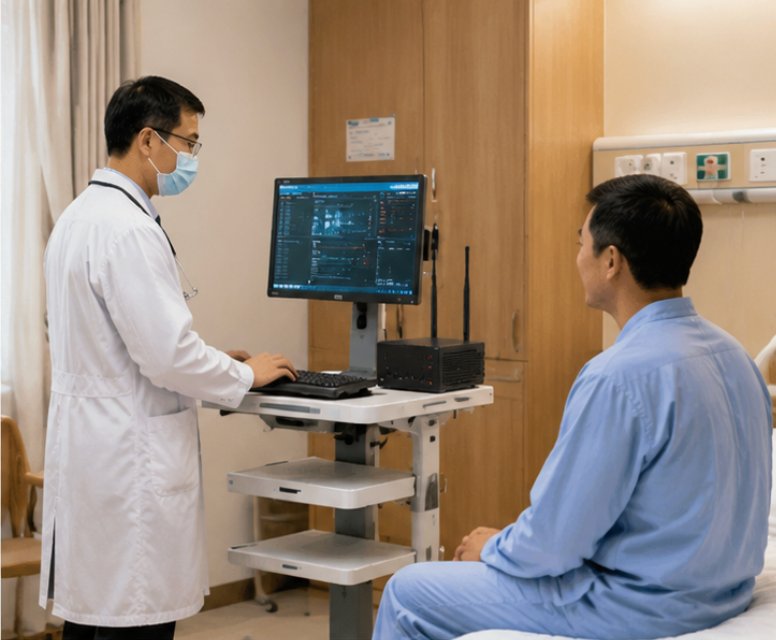
Looking ahead, the integration of artificial intelligence and predictive analytics will further transform medical workstations. Rugged tablets equipped with AI capabilities can assist clinicians with voice-to-text documentation, clinical decision support, and even preliminary image analysis. The ST13-J, with its powerful processor and ample RAM, is well-positioned to handle these advanced workloads. Additionally, as 5G networks become ubiquitous in healthcare facilities, the ability to transmit large imaging files and conduct high-definition telehealth sessions will become standard expectations. Another emerging trend is the modular design of medical workstations. Instead of replacing entire devices, facilities will be able to upgrade components such as batteries, storage, and connectivity modules. The HTYJ08A Rugged Tablet, ST11-J, and ST13-J already support modular expansion through their docking solutions, and future iterations are likely to embrace even greater configurability. For healthcare administrators, this means longer device lifespans and reduced electronic waste—a compelling proposition from both a financial and environmental perspective. As the market continues to evolve, organizations that adopt rugged, future-ready devices today will be better positioned to adapt to the next generation of healthcare technology.