- Select Language
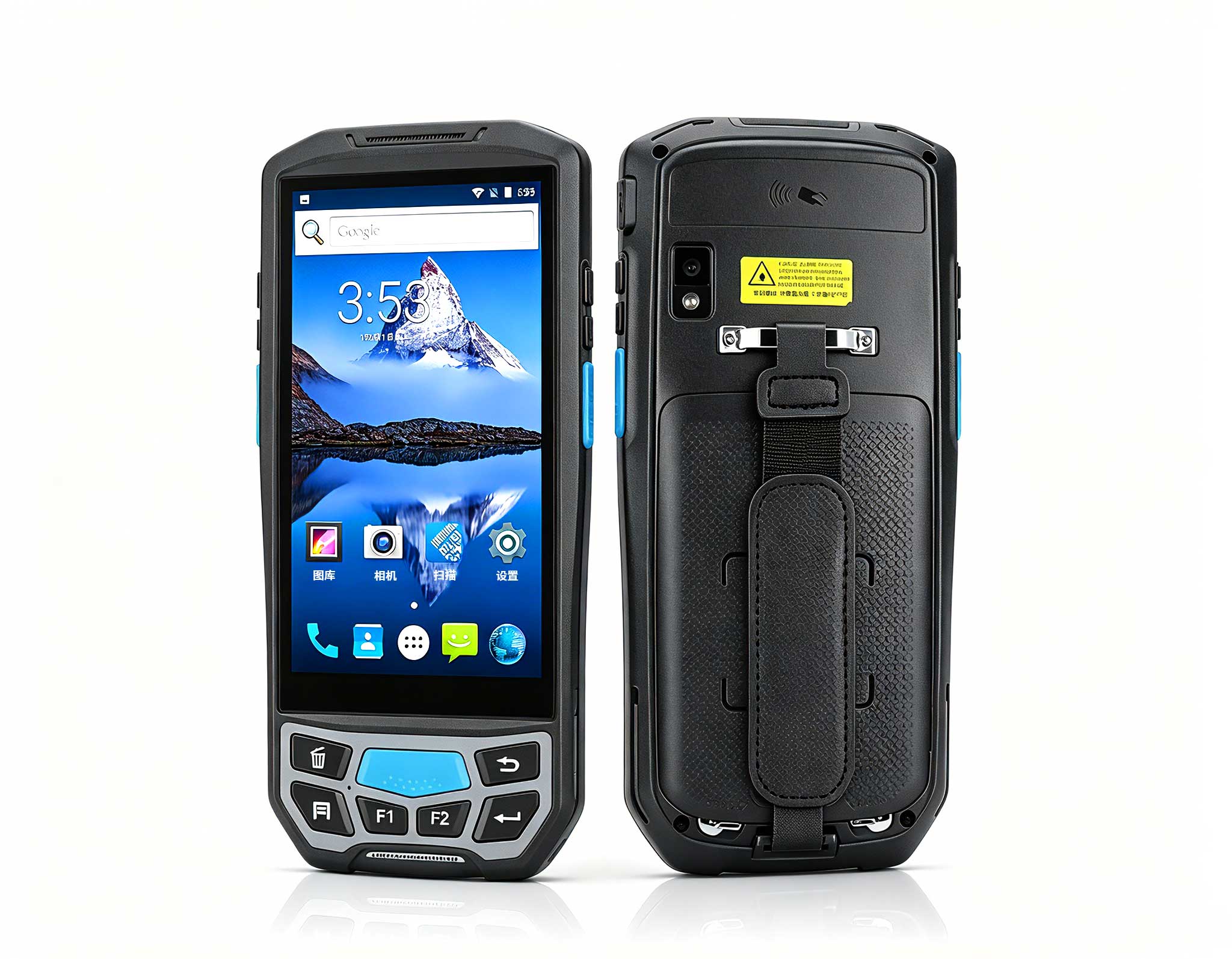
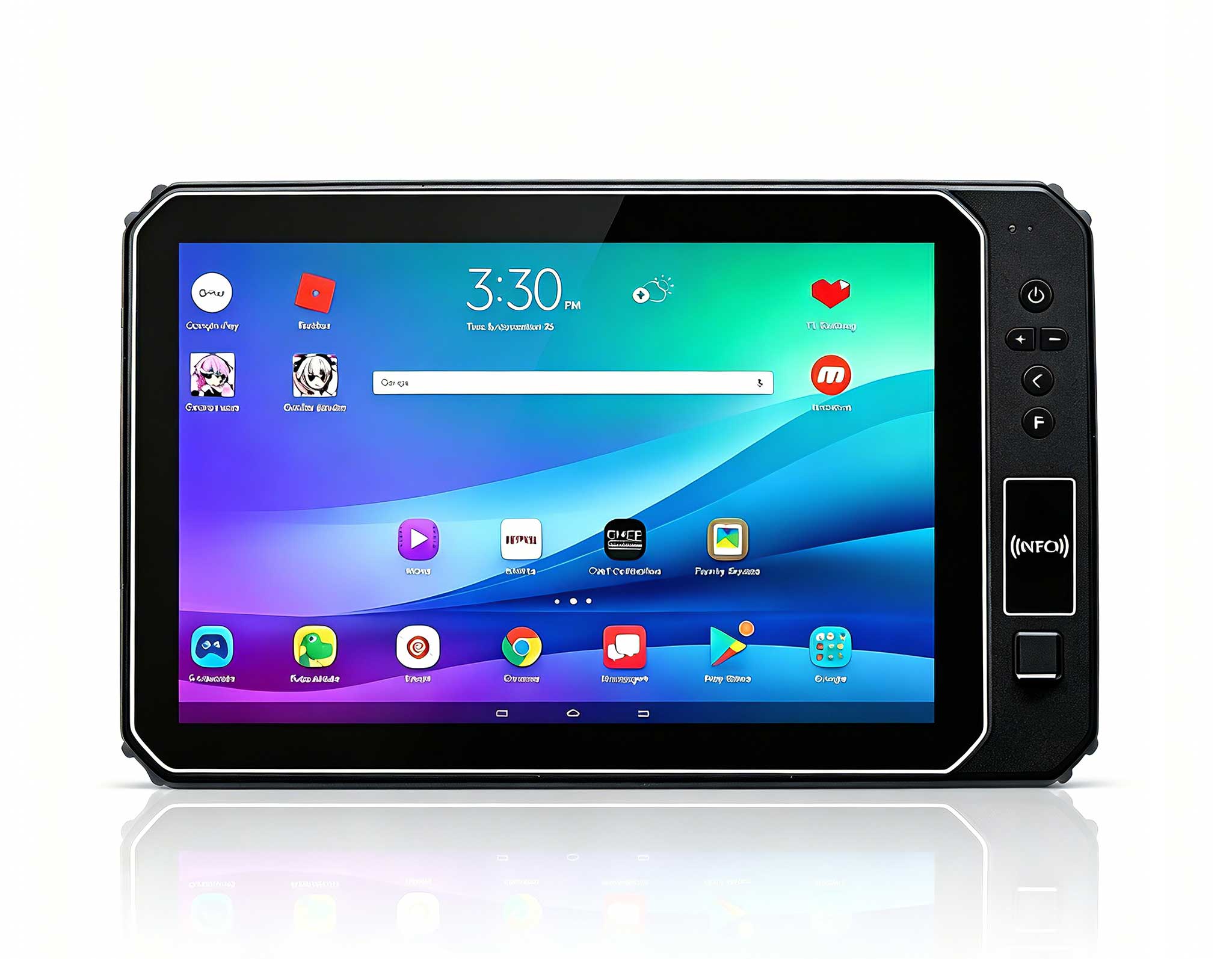
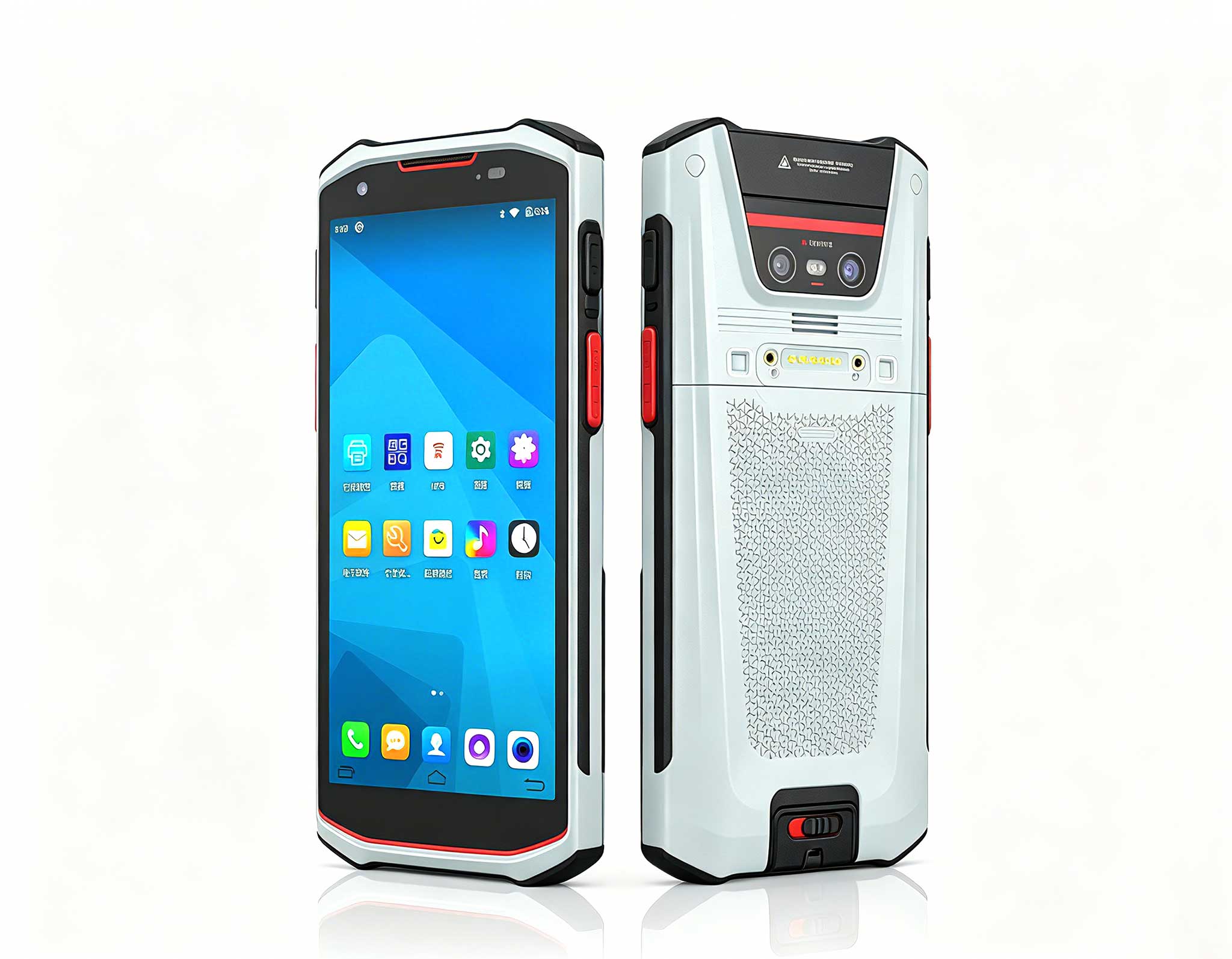
The U9000 handheld PDA combines advanced barcode s...
RT81 4G Rugged Tablet | 10.1" FHD 400nit | Qu...
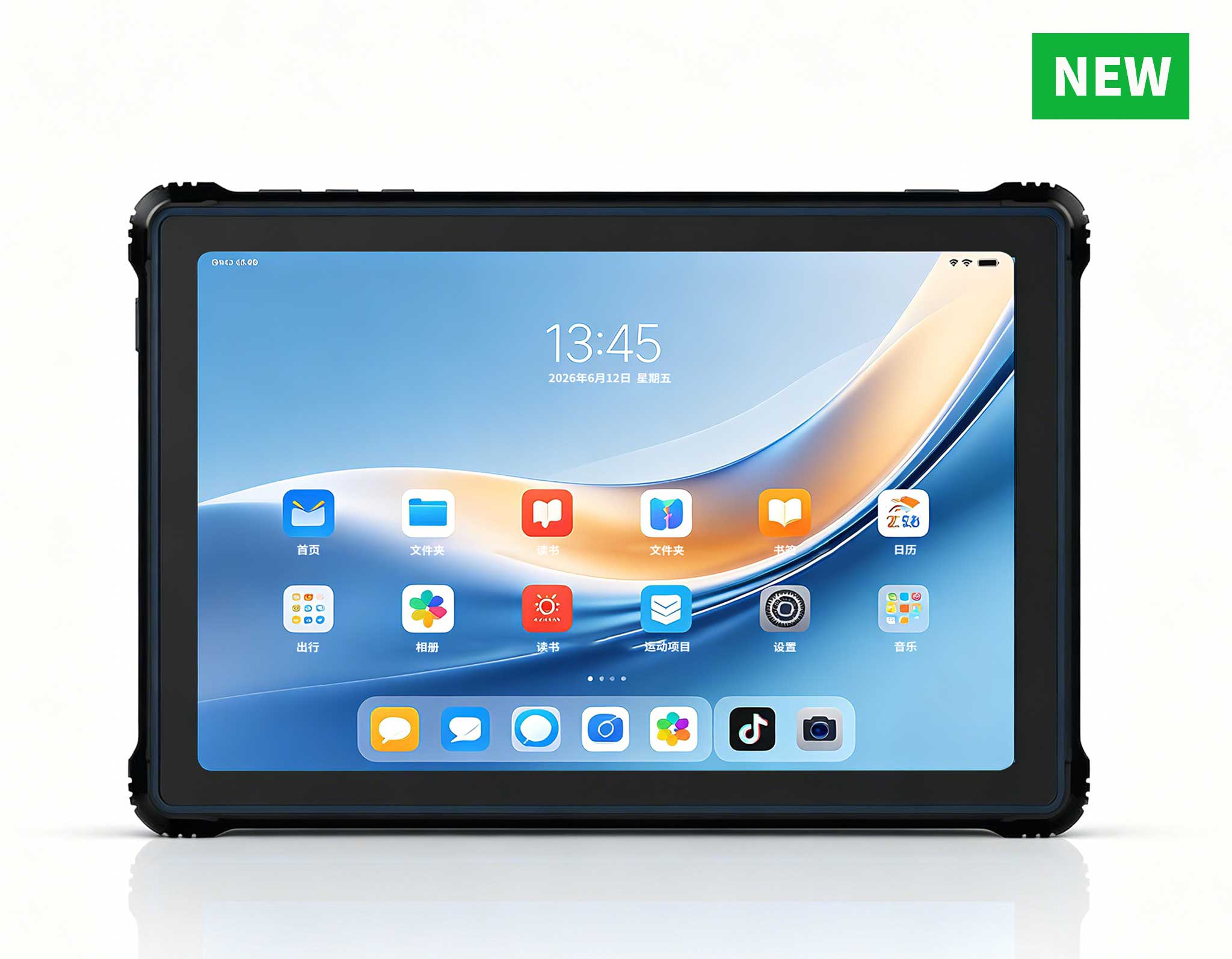
This 10-inch Android rugged tablet is designed for...
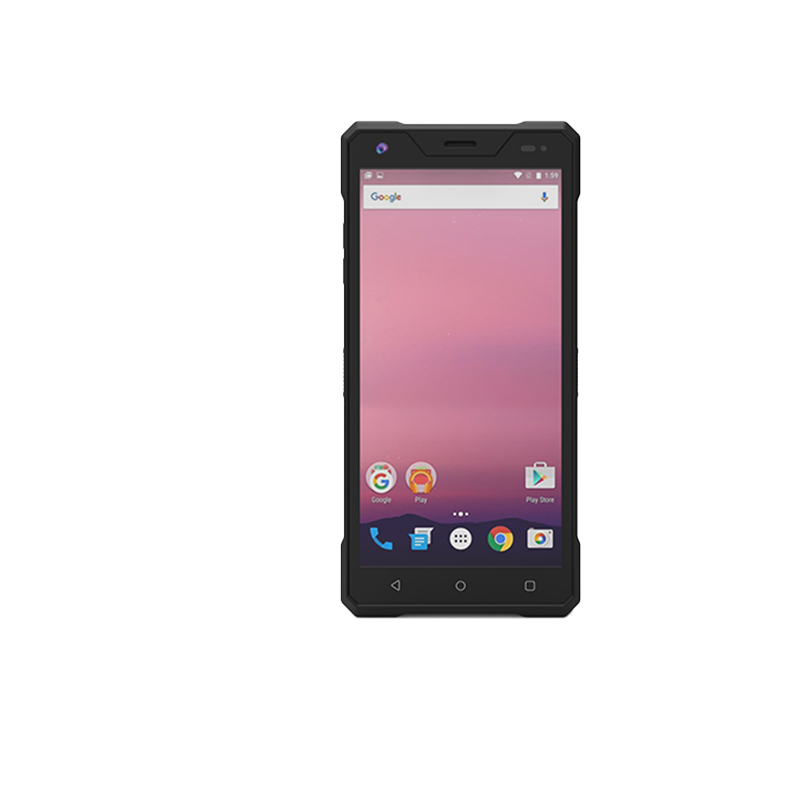
R366-S Thin 5.5-inch Industrial PDA | Qualcomm Oct...
P11 Series Next-Gen Enterprise Rugged Industrial ...
Explore our customized PDA designed for versatile ...
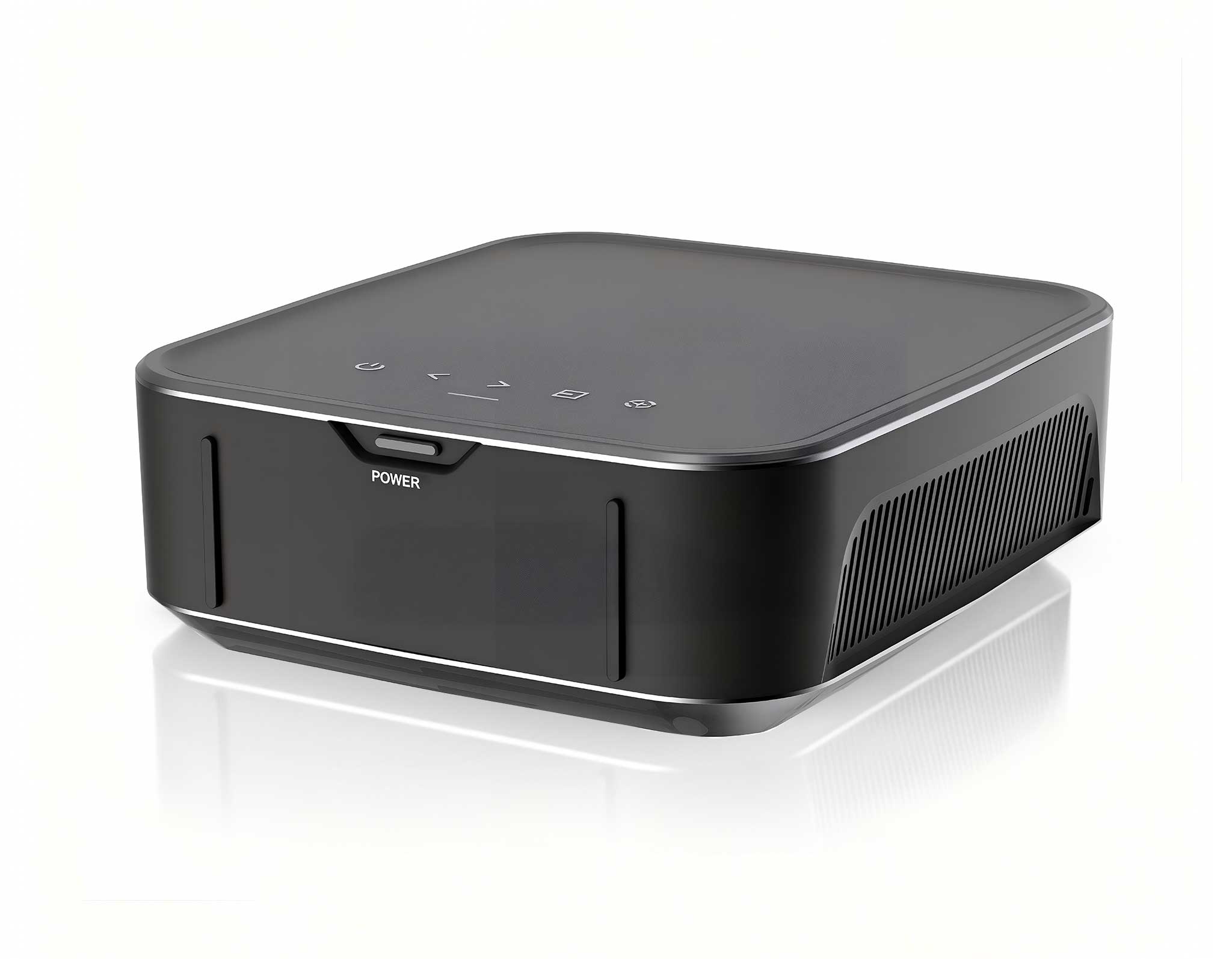
One Device, Dual Functions – A Projector and a Com...
The U9000 handheld PDA combines advanced barcode s...
Enterprise Flagship SeriesEngineered for mission-c...
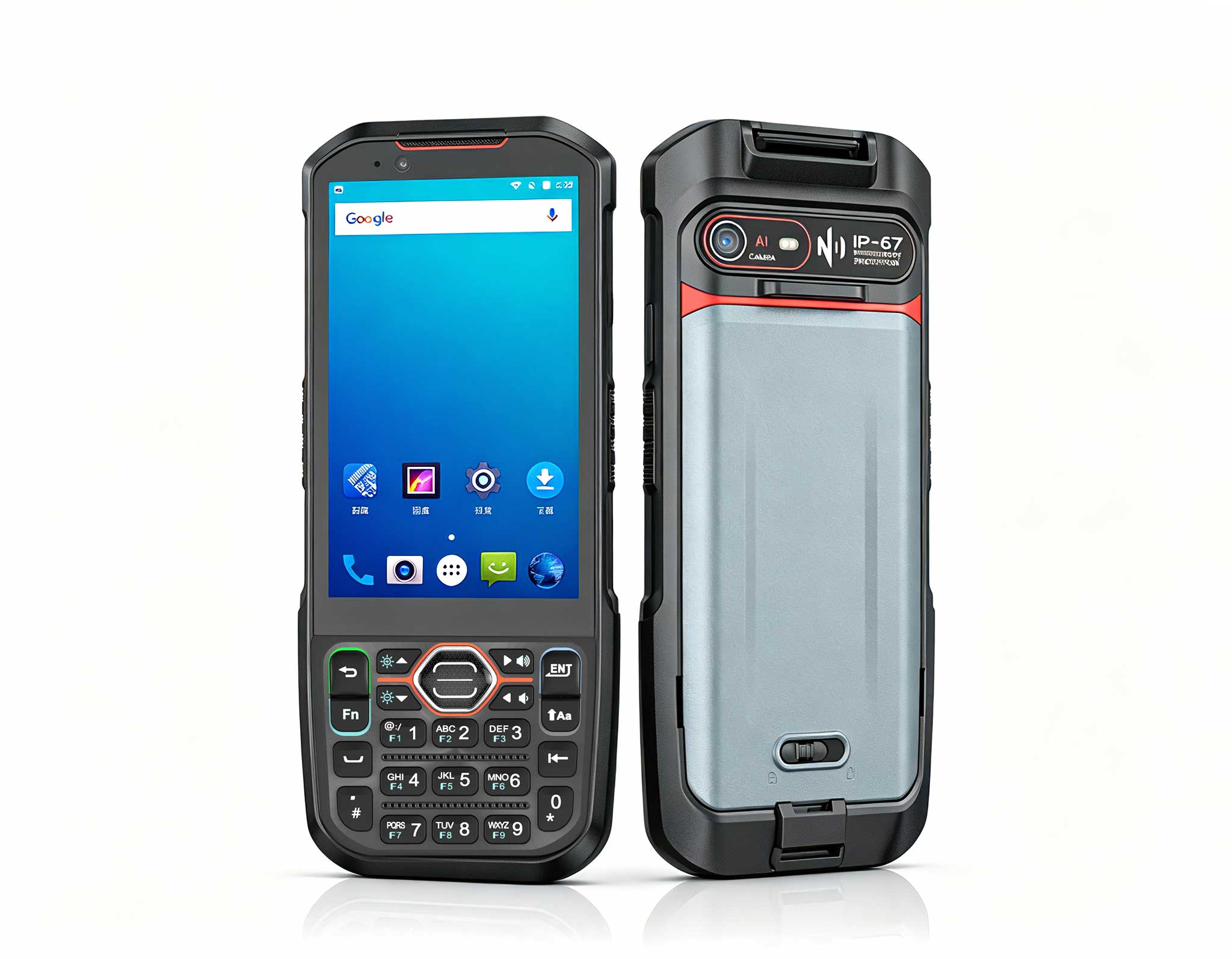
Explore an innovative Personal Digital Assistant f...
Here is the reality: most Education solutions fail to address students in large classrooms struggling to hear the teacher's instructions clearly. That is why more organizations are turning to ST13-J, ST11-J and ST9-M for a fundamentally different approach. These rugged industrial tablets are not simply hardware replacements; they represent a strategic shift in how educational institutions deploy technology for computer labs, vocational training centers, and interactive learning environments. The core problem has always been the mismatch between consumer-grade devices and the demanding physical realities of shared classroom use. Devices get dropped, screens crack, ports wear out, and software updates become a logistical nightmare for IT staff. The move toward purpose-built industrial solution for Education changes this equation entirely, offering a pathway to durable, manageable, and scalable digital learning infrastructure.
Across the board, institutions adopting these three models report a significant reduction in total cost of ownership, not merely because the hardware lasts longer, but because the integrated design minimizes peripheral failures. Older setups with separate CPUs, cables, and monitors created dozens of failure points in every lab. The all-in-one nature of the ST9-M, ST11-J, and ST13-J consolidates computing power, display, and connectivity into a single rugged chassis. This consolidation directly translates to less staff overtime dedicated to troubleshooting loose connections or replacing damaged peripherals. Furthermore, the fanless cooling designs and solid-state storage options mean there are fewer moving parts to wear out over years of daily student use, ensuring that classroom schedules remain uninterrupted and learning outcomes stay on track.
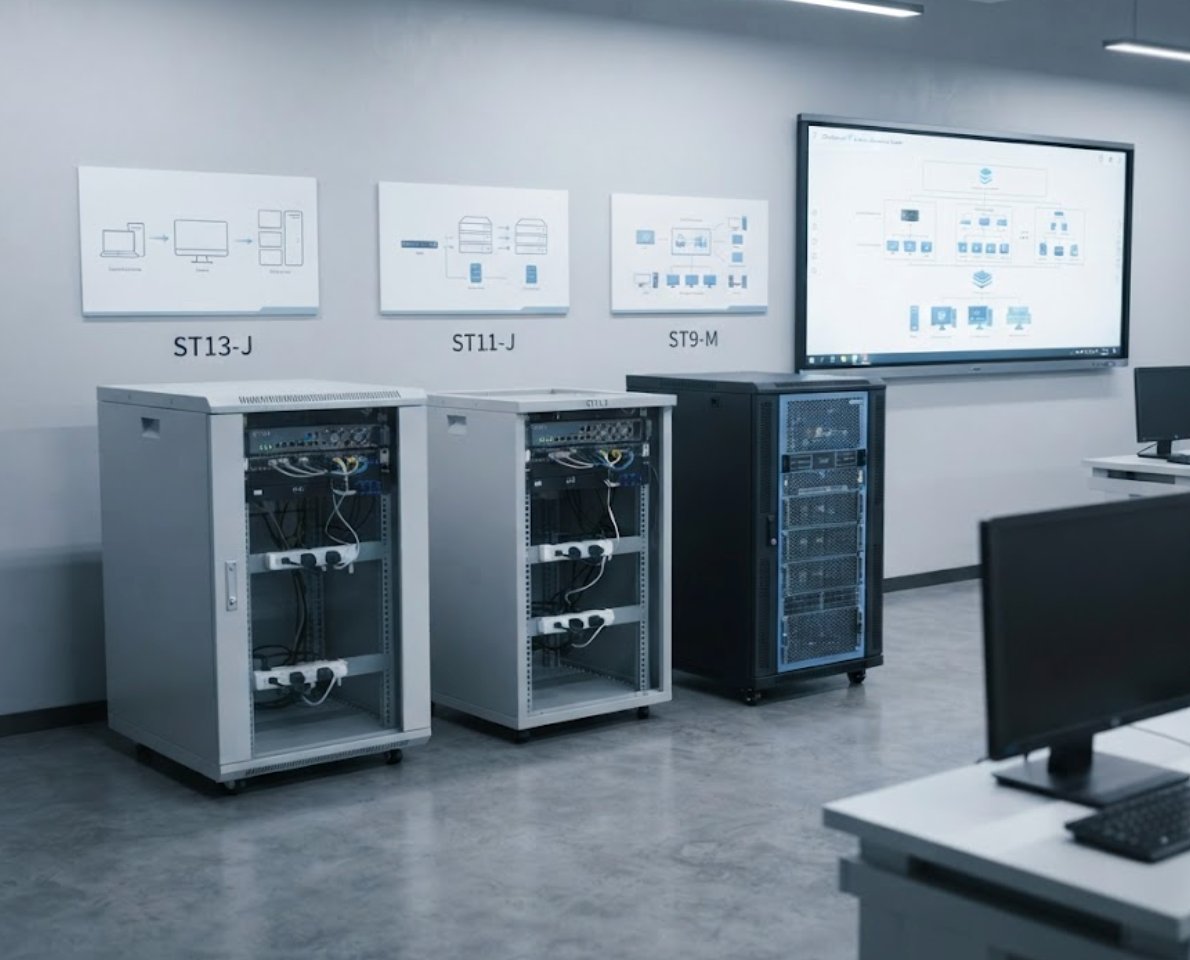
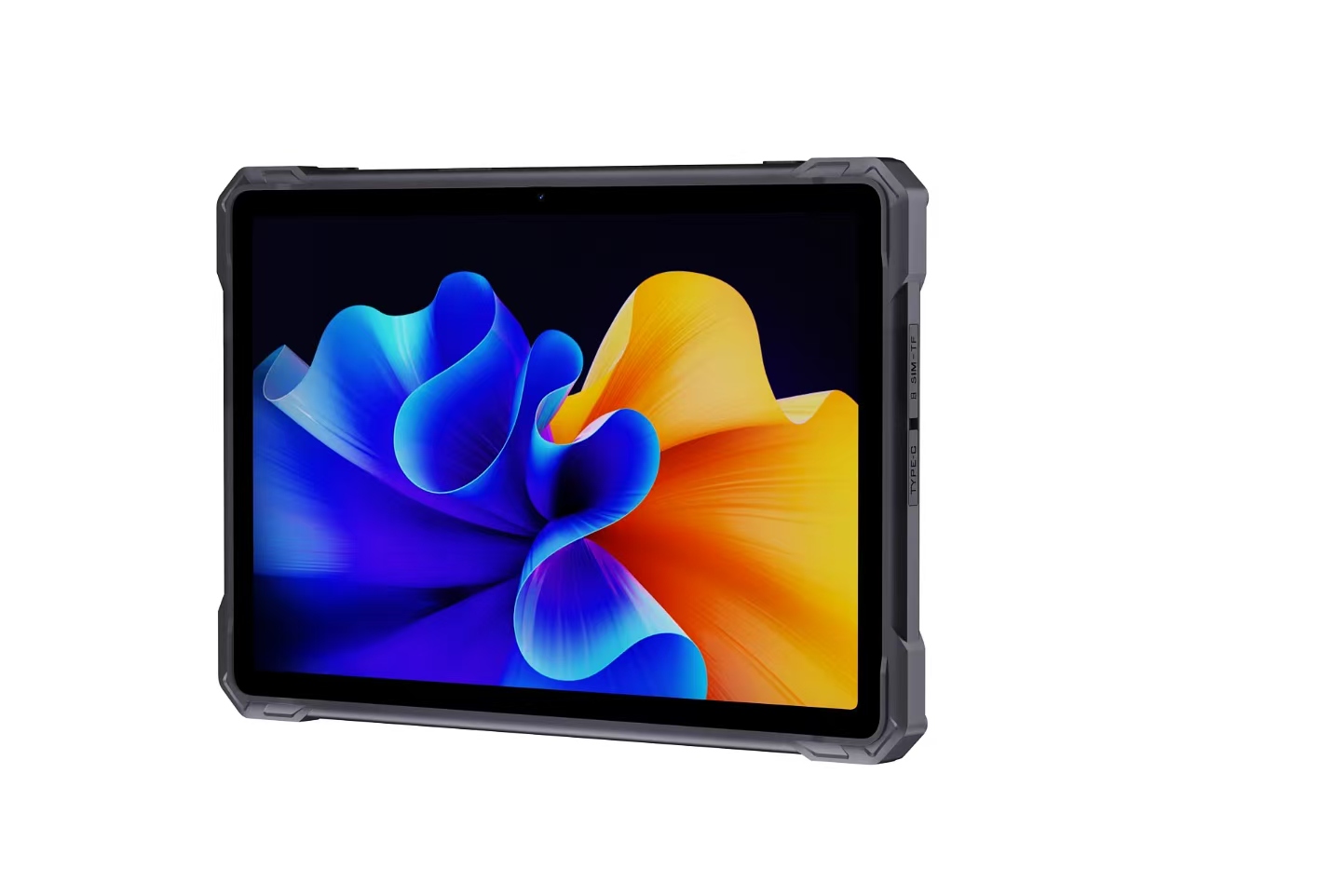
When evaluating the technical specifications of the ST9-M, ST11-J, and ST13-J for Education, the differentiation becomes clear and actionable. The 8 windows(ST9-M)Rugged Industrial Tablet is the most compact and lightweight option in the lineup. Its 8-inch form factor makes it ideal for mobile carts, small group workstations, or scenarios where desk space is at a premium. It excels in environments where portability is the primary driver, such as library kiosks or mobile science experiment stations. The smaller footprint also means lower power consumption, which is a meaningful consideration for schools looking to reduce energy costs across dozens of units.
Moving up in size, the 10.1 windows(ST11-J)Rugged Industrial Tablet strikes the optimal balance between screen real estate and desk footprint. This model is frequently the default choice for standard computer labs because the 10.1-inch display provides ample viewing area for coding interfaces, digital textbooks, and multimedia content without overwhelming the workspace. It also offers a slightly larger battery capacity and more I/O ports, accommodating external sensors or laboratory equipment commonly used in STEM curricula. For most general-purpose teaching labs, the ST11-J delivers the best mix of ergonomics and performance, making it the workhorse of the trio.

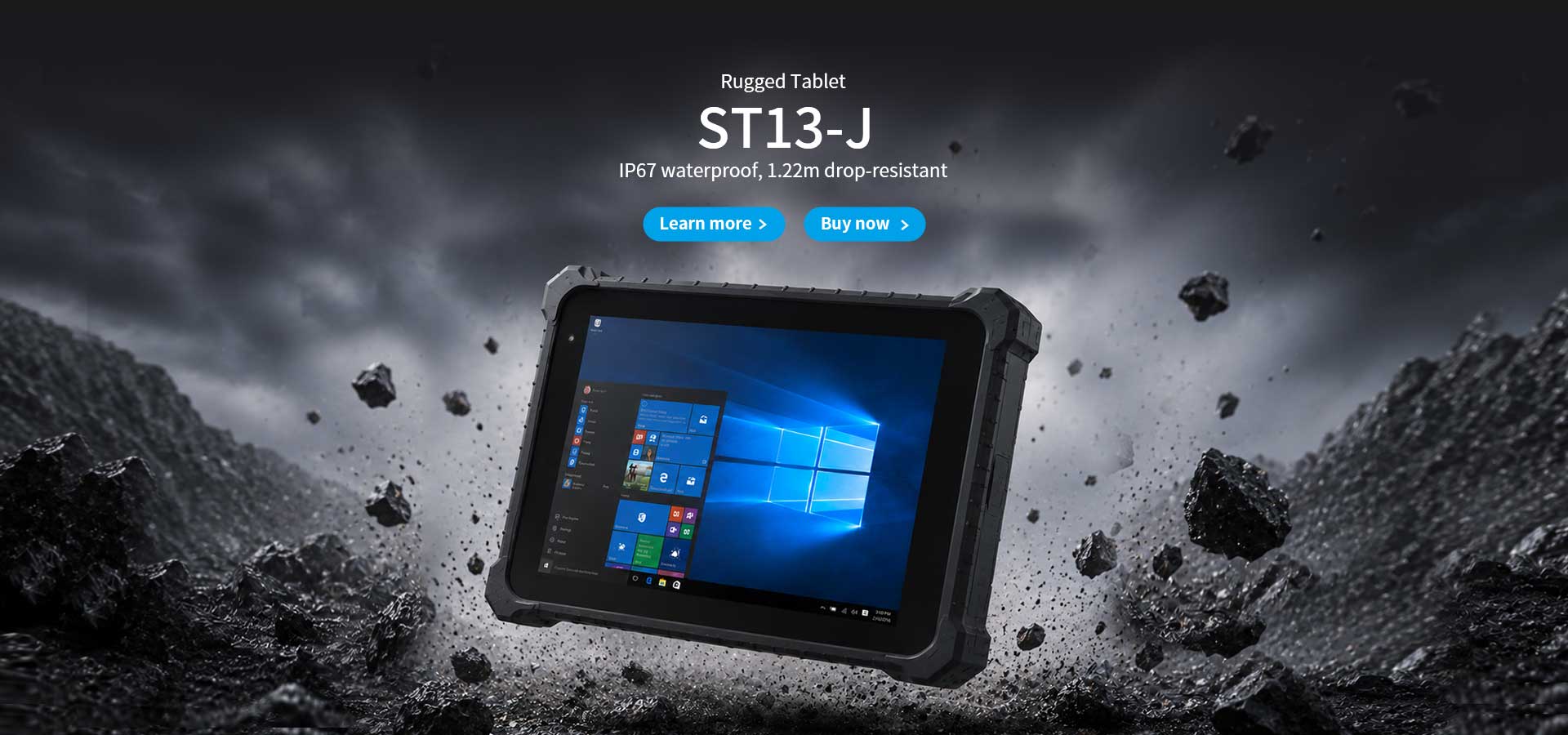
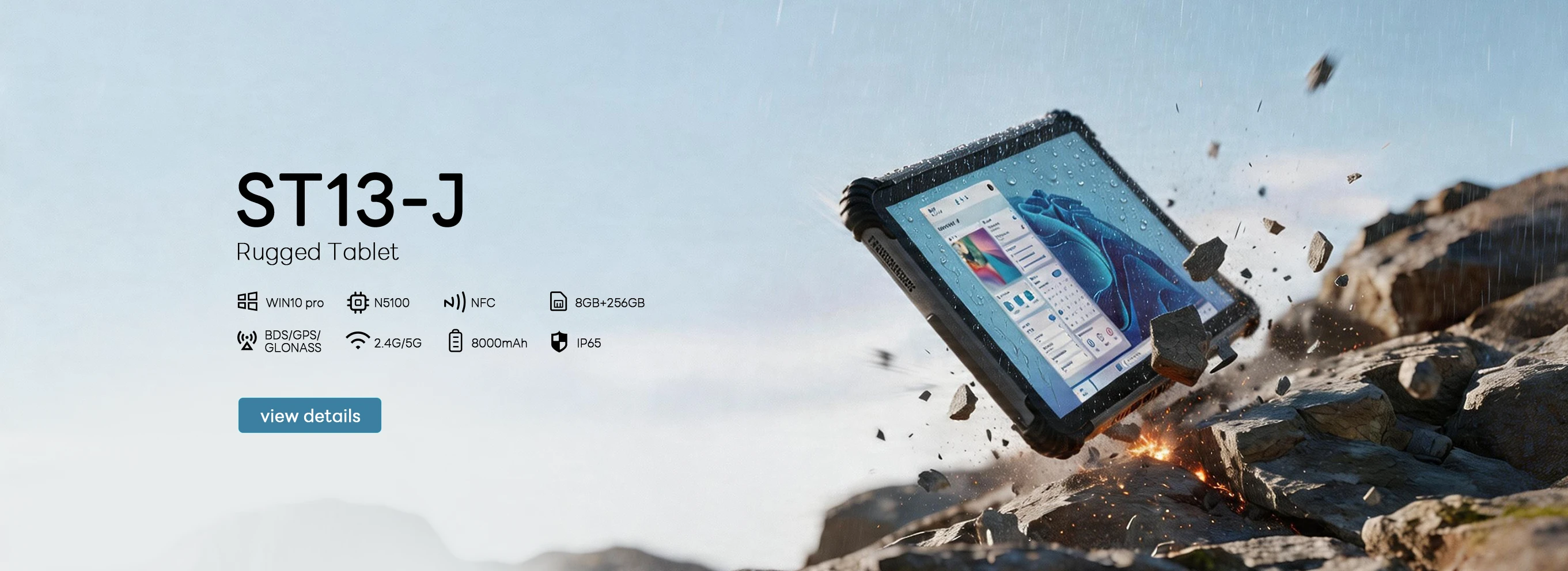
At the top of the range, the 13.3 windouw(ST13-J)Rugged Industrial Tablet provides a larger canvas for complex applications like graphic design, CAD software, or data visualization. The increased resolution and screen brightness make it suitable for well-lit classrooms where glare can be an issue. This model is also the preferred choice for teacher workstations or administrative hubs within the lab, where the larger display aids in monitoring student activity and presenting instructional materials. The engineering trade-off is a slightly heavier unit and a larger footprint, but for institutions prioritizing visual clarity and multitasking capabilities, the ST13-J is the clear winner.
The decision matrix for choosing among these models hinges on the specific pedagogical approach. For rotation-based learning where students move between stations, the ST9-M's portability is unmatched. For fixed lab setups with standard curricula, the ST11-J offers the most balanced feature set. And for specialized labs focused on design or engineering, the ST13-J provides the necessary screen real estate. Matching these engineering trade-offs to your specific use case priorities ensures that the technology serves the teaching objectives rather than constraining them.
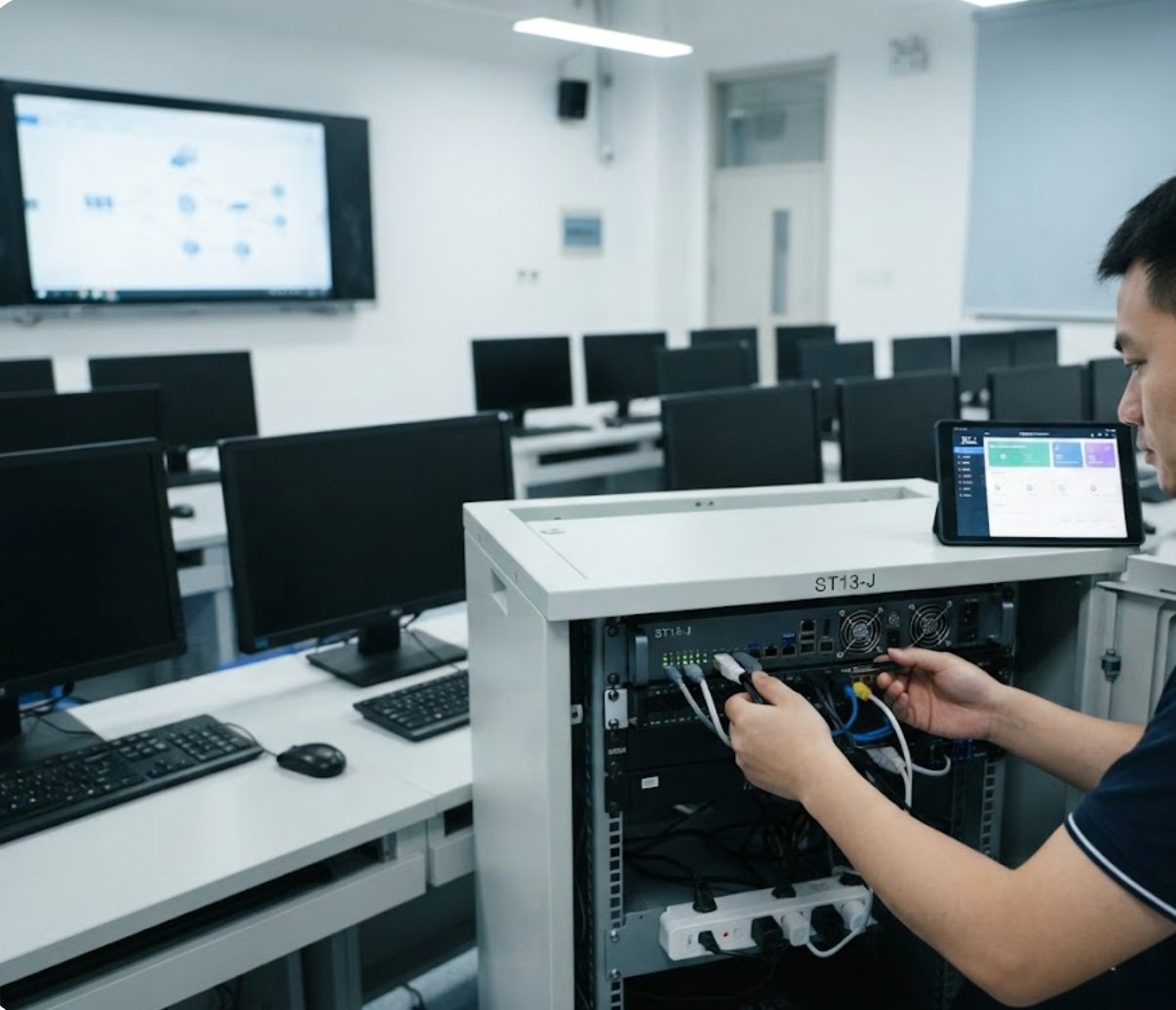
The journey from the era of wired intercoms and bulky analog transmitters to today's sleek digital systems mirrors the broader digitization of the Education industry. Early computer labs relied on desktop towers tethered to CRT monitors, requiring dedicated rooms with reinforced flooring and extensive cable management. Each generation of technology has addressed specific limitations of its predecessor. The first shift toward all-in-one PCs reduced cabling but still left institutions vulnerable to fragile consumer hinges and plastic casings. The introduction of rugged industrial tablets like the ST9-M, ST11-J, and ST13-J represents the latest phase in this evolution, where durability is no longer an afterthought but the foundational design principle.
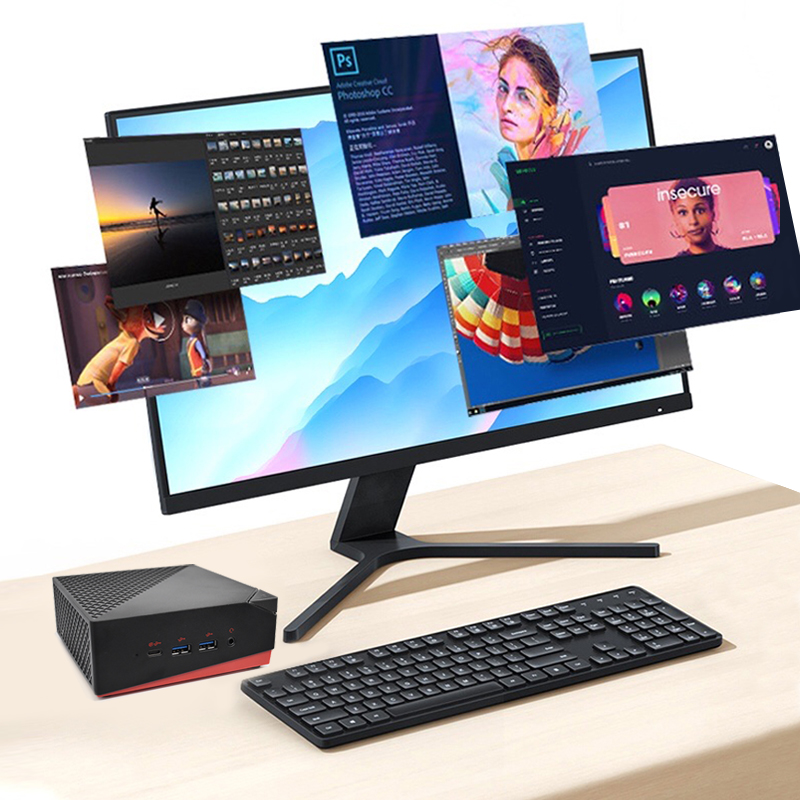
This evolution has also been driven by changing pedagogical models. The traditional lecture-based classroom is giving way to collaborative, project-based learning that demands flexible technology. Students no longer sit in fixed rows facing a single blackboard; they work in clusters, move between breakout areas, and engage with interactive content. The wireless capabilities and long battery life of these rugged tablets support this dynamic environment, freeing teachers from the constraints of fixed power outlets and network ports. Furthermore, the integration of these devices with rugged mini PC solutions allows institutions to create hybrid setups where centralized computing power drives multiple thin-client stations, reducing per-seat costs while maintaining centralized manageability.
Another critical aspect of this technological evolution is the software and management layer. Modern educational institutions require remote management capabilities to deploy updates, enforce security policies, and monitor device health across hundreds of units. The ST9-M, ST11-J, and ST13-J are designed with these enterprise-grade management features in mind, supporting standard imaging tools and remote wake-on-LAN functionality. This stands in stark contrast to older systems that required physical access to each machine for maintenance. The result is a significantly reduced IT burden, allowing school technology staff to focus on enhancing the learning experience rather than firefighting hardware issues. As the Education sector continues its digital transformation, the role of rugged, purpose-built devices becomes increasingly central to delivering consistent, reliable, and engaging learning experiences.
The key benefits of ST9-M, ST11-J and ST13-J for Education extend beyond audio quality. Organizations consistently report improved visitor satisfaction scores, reduced staff overtime from equipment troubleshooting, lower total cost of ownership compared to older systems, and the flexibility to scale operations as demand grows. Whether deploying a new computer lab, upgrading an existing facility, or implementing a mobile learning cart program, these three models provide a clear technological path forward. By understanding the distinct strengths of each model and aligning them with institutional goals, education leaders can build a resilient digital infrastructure that serves students and teachers for years to come.