- Select Language
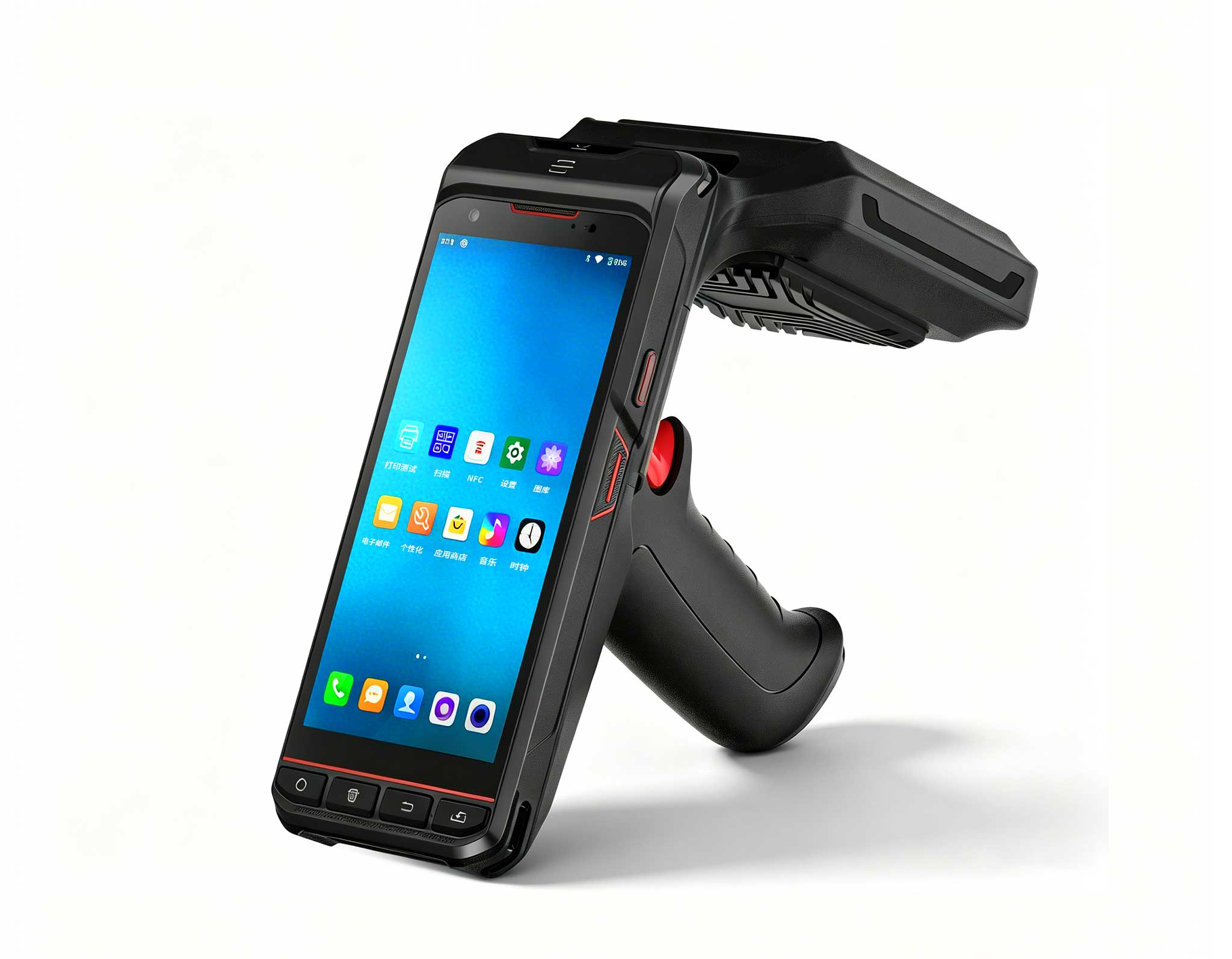
R530C 6.0-inch Industrial PDA | Qualcomm Octa-core...
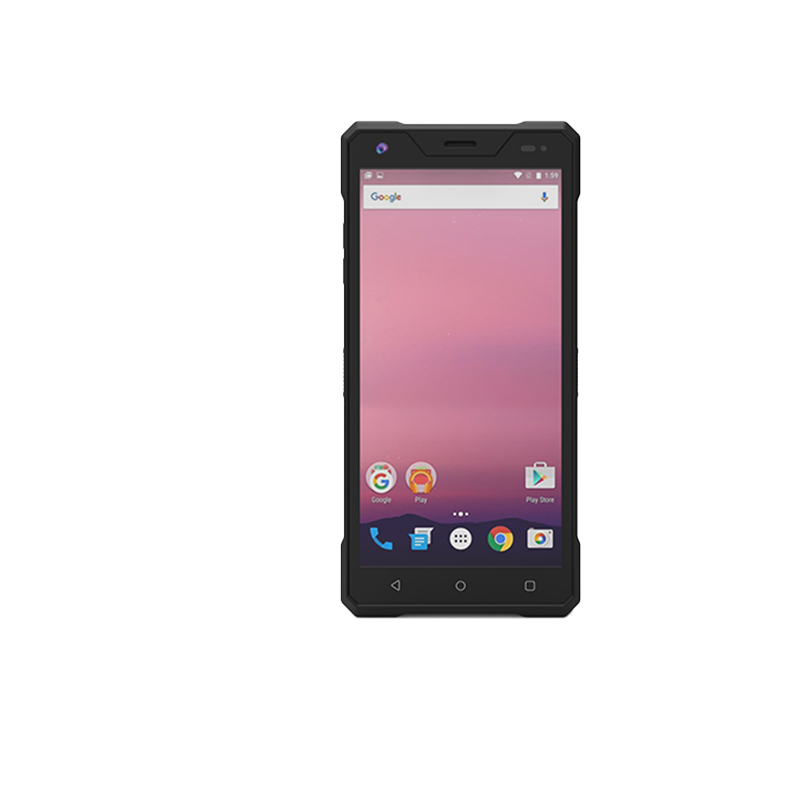
The R501 PDA combines a powerful MT6762 Octa-Core ...
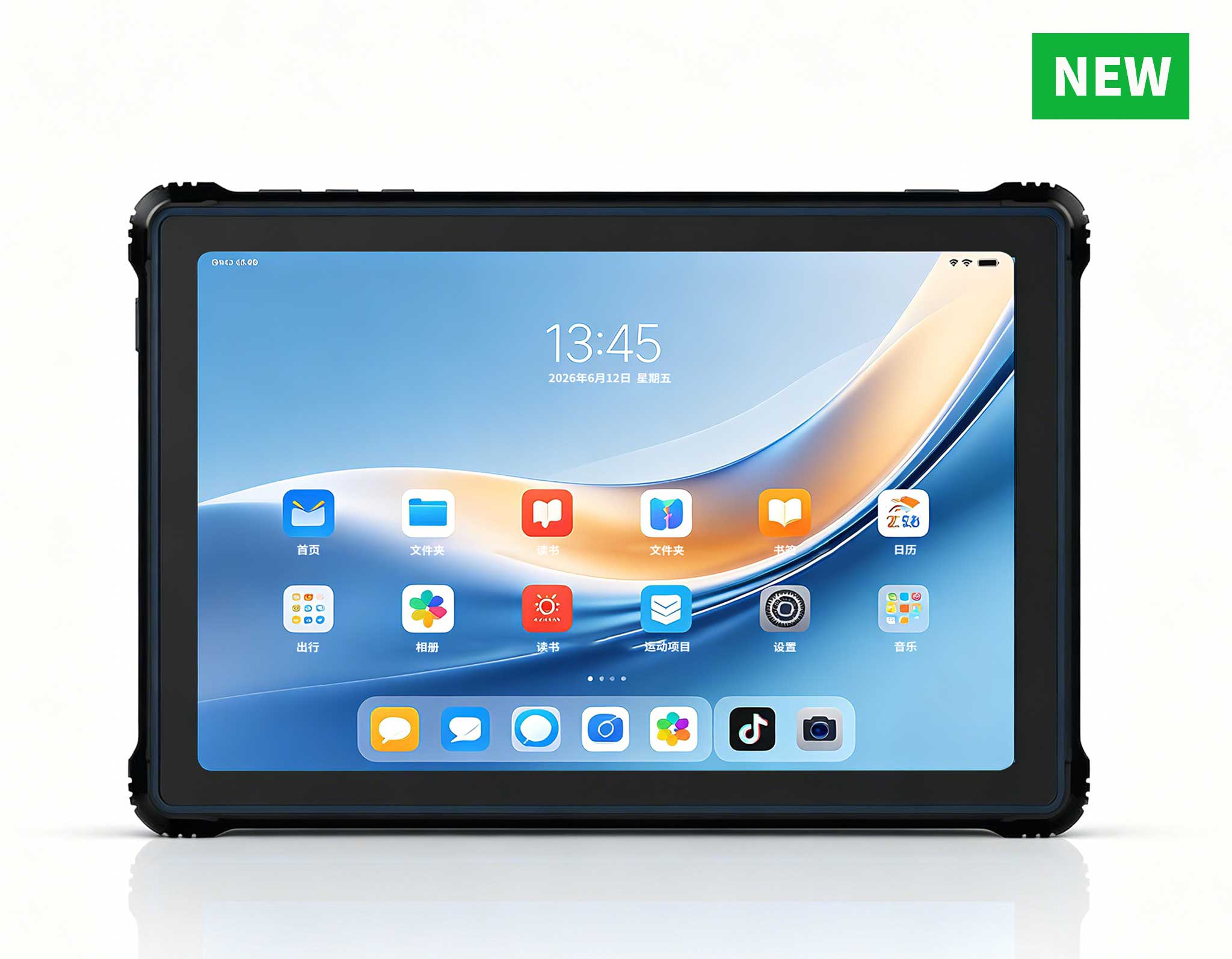
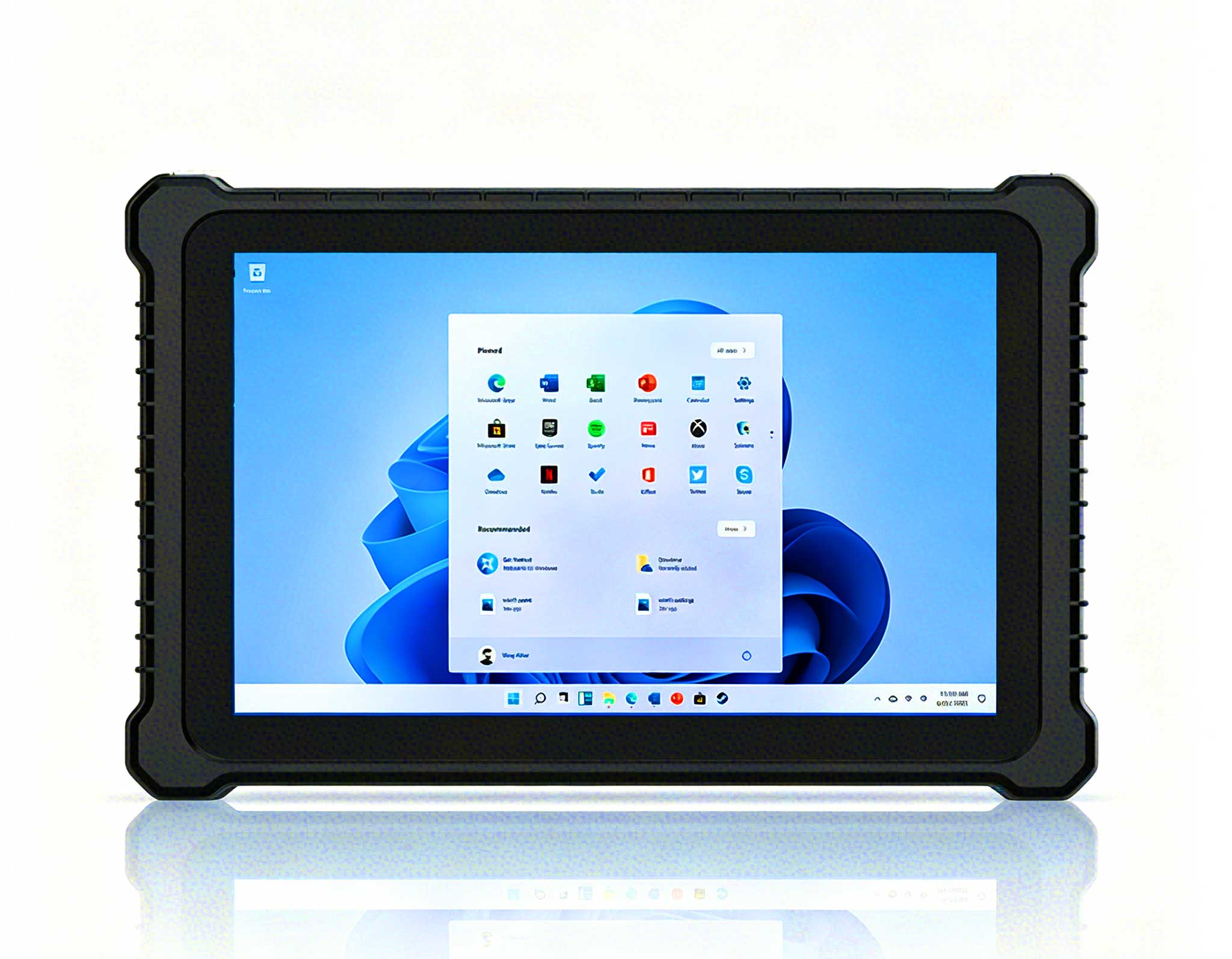
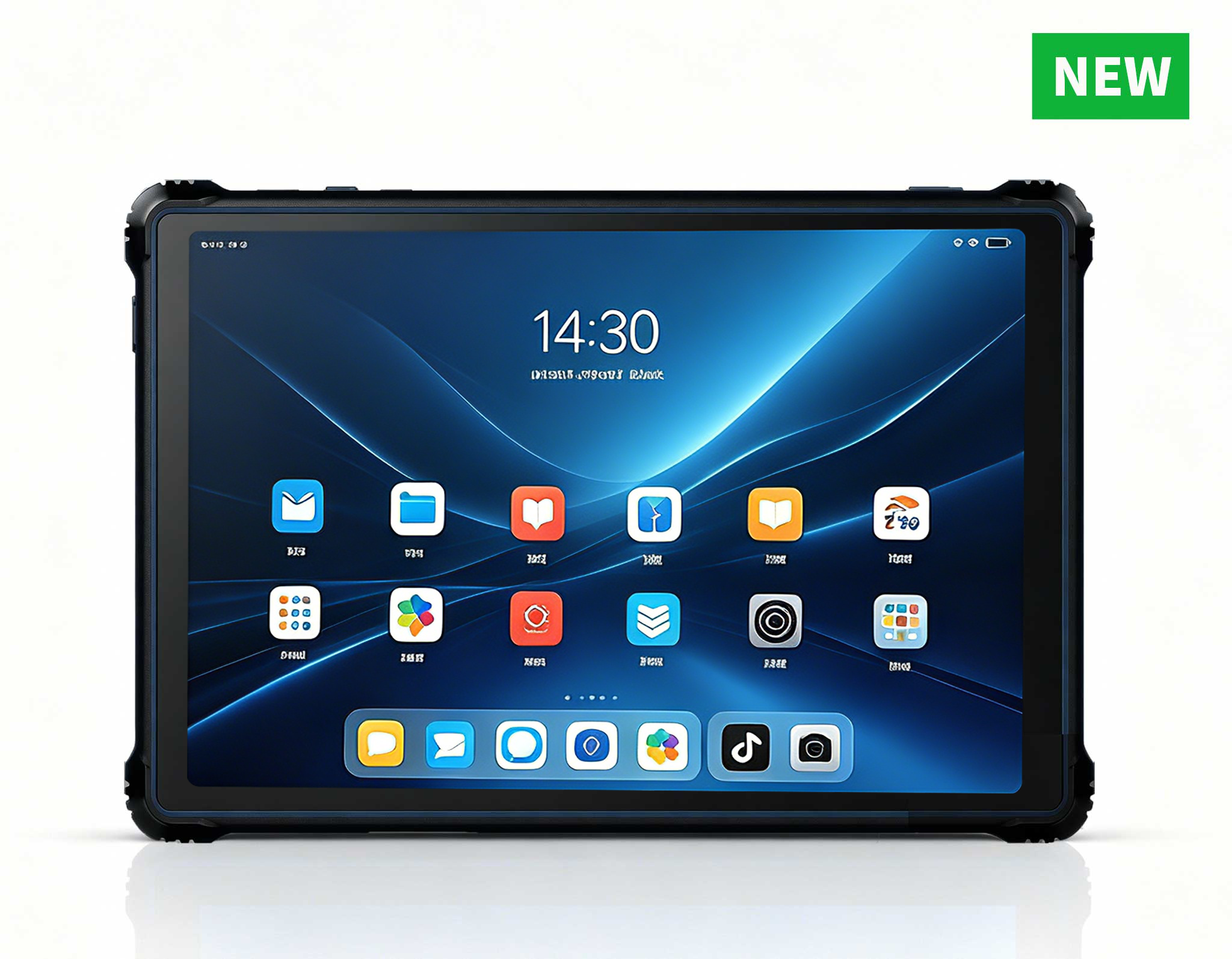
RT81 4G Rugged Tablet | 10.1" FHD 400nit | Qu...
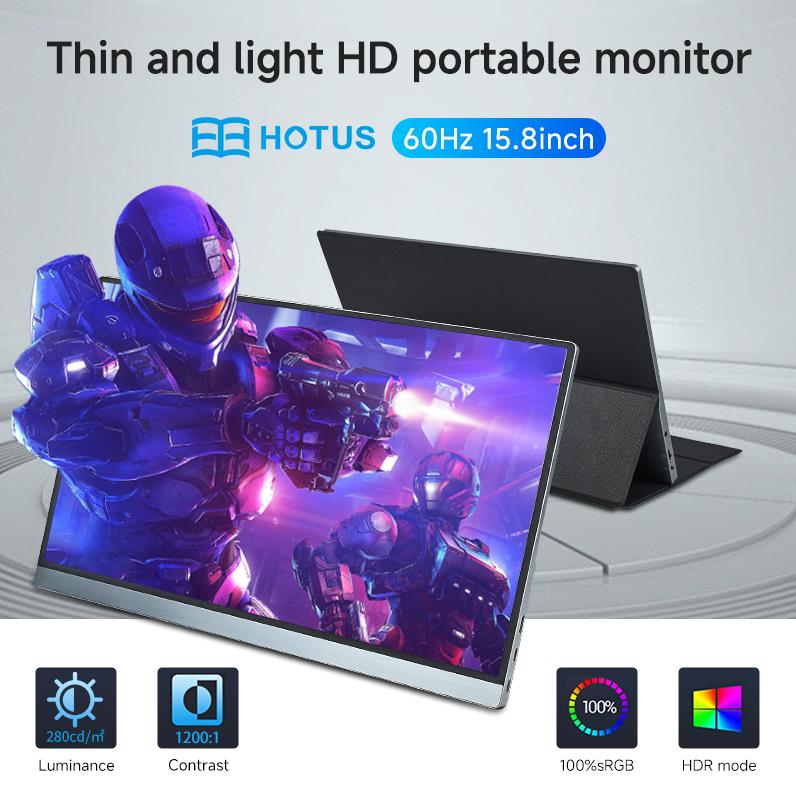
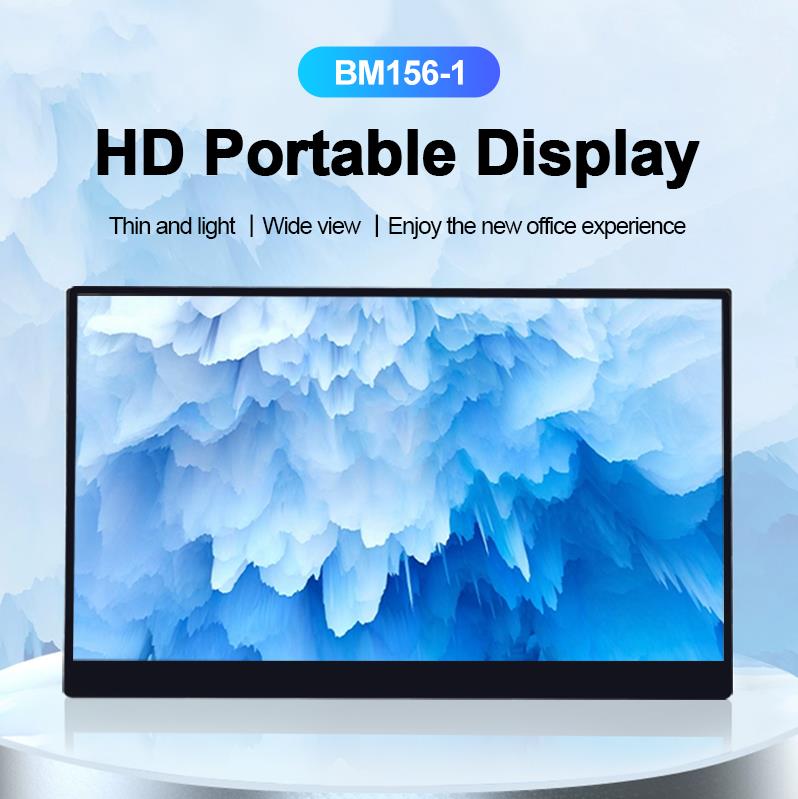
The PM158-1 is a 15.6-inch portable touchscreen mo...
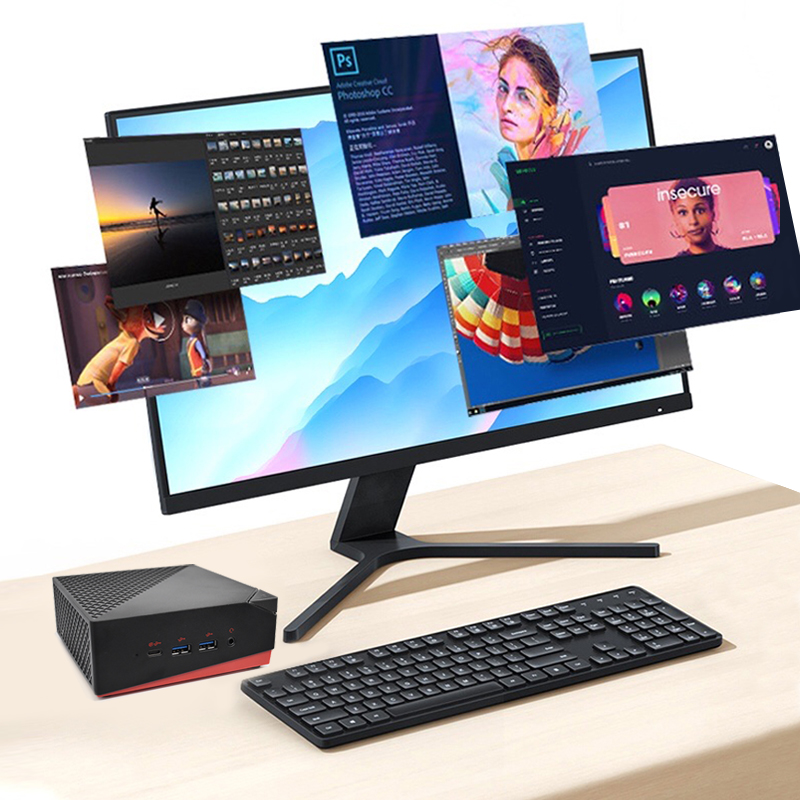
The AMD Mini PC Windows 10 Pro is a compact yet po...
Enterprise Flagship SeriesEngineered for mission-c...
Full SpecificationsModelHotus ST11‑MOSWindows 10/1...
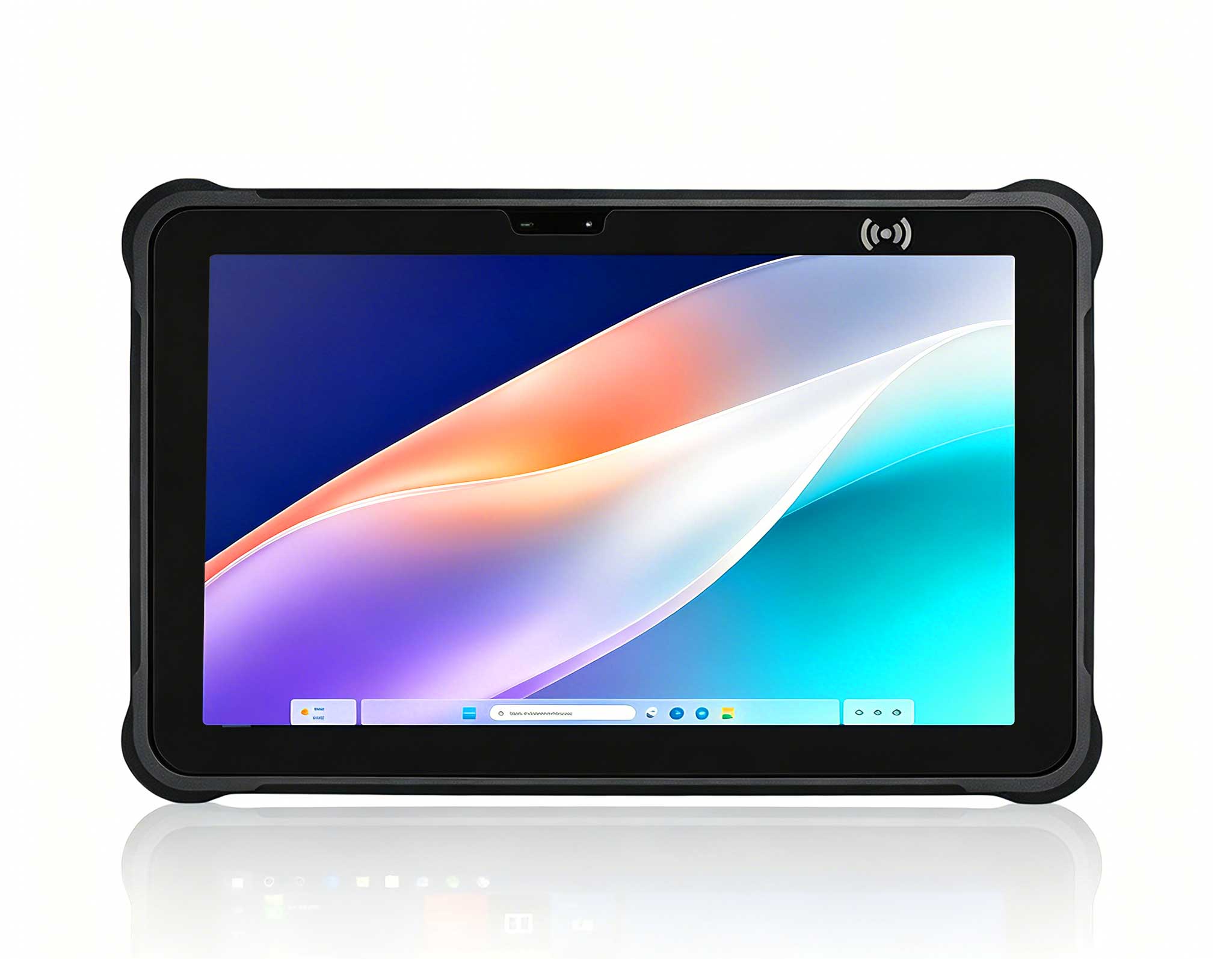
RT82 5G Rugged Tablet | 10.1" FHD 400nit | Qu...
The Retail Pos was crowded. Staff across a busy retail floor communicated clearly through lightweight headsets. Amid the noise, one thing stood out: X501 Handheld PDA, Smart PDA N40 and HCAR5000 MI delivering faster customer service and fewer communication errors. This is what reliable performance looks like. For operations managers, the difference between a smooth checkout experience and a chaotic one often comes down to the tools in the hands of the team. The integration of these three devices has transformed how retail environments handle point-of-sale transactions, inventory checks, and real-time staff coordination.
Retail operations face a unique set of pressures that demand equipment built for continuous use. The checkout counter is no longer just a place for card swipes; it is a hub of data, communication, and customer interaction. When the industrial solution for Retail Pos is deployed correctly, the results are immediate. Staff members no longer shout across the floor for price checks or inventory confirmations. Instead, they communicate directly through wireless headsets, while handheld devices process barcodes and update stock levels in real time. The effect is a quieter, more efficient environment where customer wait times drop and accuracy improves.
The operational pain points in Retail Pos typically fall into distinct categories — equipment that fails in demanding environments, frequent battery replacements disrupting tours, and signal dead zones that leave visitors disconnected from the guide. In a retail context, these challenges translate directly into lost revenue and frustrated customers. A handheld scanner that freezes during peak hours creates a bottleneck at the register. A headset that drops audio mid-conversation forces staff to repeat themselves, wasting precious seconds and eroding customer confidence.
Beyond the immediate hardware issues, there is the deeper problem of scalability. Many retail operations start with consumer-grade devices that work well for a few months but degrade quickly under daily heavy use. Dust, temperature fluctuations, and constant handling take their toll. The result is a patchwork of replacement devices, each with different charging cables and software quirks. This fragmentation creates training overhead and increases the likelihood of errors. Retail managers need a unified approach that standardizes the hardware across all locations, and that is precisely where the HCAR5000 MI, X501 Handheld PDA, and Smart PDA N40 excel.
The Retail Pos team at a major institution was spending 30 minutes per tour just checking and distributing equipment. After implementing HCAR5000 MI, X501 Handheld PDA and Smart PDA N40, they cut preparation time to under 5 minutes and eliminated the battery-related disruptions that had been plaguing their operations. This particular client operates a chain of high-volume electronics stores, where the pace never slows. Previously, each shift began with a chaotic scramble to find working scanners and headsets. Dead batteries were a daily occurrence, and the staff had developed a habit of carrying spare batteries in their pockets just to get through a shift.
The turning point came when the operations director decided to overhaul the entire POS infrastructure. The Smart PDA N40 was introduced as the primary inventory management tool, replacing older models that required frequent recharging. Its extended battery life meant that a full shift could be completed without a single recharge. Meanwhile, the X501 Handheld PDA became the go-to device for checkout support, offering fast barcode scanning and a rugged build that survived accidental drops. The HCAR5000 MI served as the central processing unit in the back office, handling data synchronization and running the store's management software without lag.
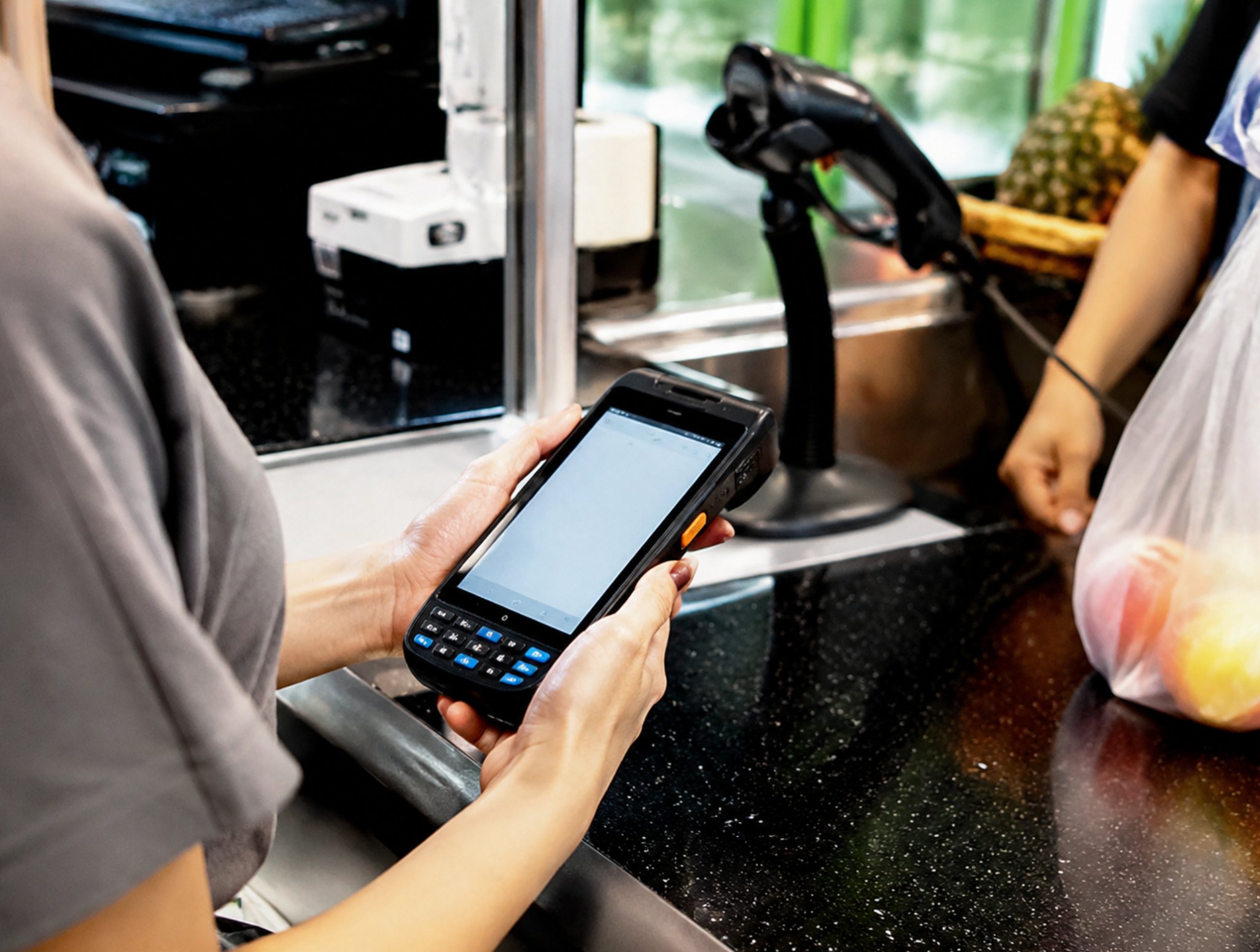
The results were measurable within the first week. Transaction times dropped by 18 percent because cashiers no longer needed to call for manual price checks. Inventory discrepancies, which had averaged 4 percent of stock value, fell to under 1 percent. The staff reported higher job satisfaction because they could focus on serving customers rather than troubleshooting equipment. The store manager noted that the overall noise level on the floor decreased significantly, creating a more pleasant shopping atmosphere. These improvements were achieved not by adding more staff, but by giving the existing team tools that worked reliably every single time.
Organizations implementing HCAR5000 MI, X501 Handheld PDA and Smart PDA N40 in Retail Pos achieve three critical outcomes: first, consistently high-quality audio that eliminates visitor complaints about missing content. In a retail setting, this translates to clear voice communication between staff members, whether they are at the register, on the sales floor, or in the stockroom. The wireless headsets paired with these devices maintain a stable connection, even in environments with significant radio frequency interference from other electronic equipment.
Second, streamlined operations that free staff to focus on guiding rather than managing equipment. The days of juggling multiple devices are over. A single X501 Handheld PDA can handle barcode scanning, price lookups, and even mobile payments. The Smart PDA N40 offers similar versatility with a larger display for inventory management tasks. This consolidation reduces the cognitive load on employees, allowing them to move naturally between tasks without pausing to switch tools.
Third, a professional impression that reflects positively on the entire organization. Customers notice when a retail operation runs smoothly. They see staff moving with purpose, not frustration. They hear clear communication, not shouting. The equipment itself, with its modern design and durable construction, signals that the business has invested in quality. For rugged mini PC solutions, the HCAR5000 MI provides the backend horsepower needed to keep everything running, from digital signage to point-of-sale terminals.
The financial impact of this upgrade extends beyond the immediate operational gains. Reduced equipment failures mean lower replacement costs. Shorter transaction times allow more customers to be served per hour, directly increasing revenue potential. The data collected through these devices provides valuable insights into shopping patterns, enabling better staffing decisions and more targeted promotions. When the full picture is considered, the return on investment becomes clear within a few months of deployment.
Choosing the right device for a specific retail role requires understanding the strengths of each model. The following table provides a quick reference for the key specifications and recommended use cases for each product in the HCAR5000 MI, X501 Handheld PDA, and Smart PDA N40 lineup.
| Model | Position | Weight | Ideal Use Case | Product Page |
|---|---|---|---|---|
| HCAR5000 MI | Back-office processing unit | Compact desktop form factor | Central data hub, POS terminal backend, digital signage controller | View Product |
| X501 Handheld PDA | Front-line checkout support | Lightweight handheld | Barcode scanning, price verification, mobile payment processing | View Product |
| Smart PDA N40 | Inventory and stock management | Handheld with larger display | Stock counting, shelf auditing, receiving and returns processing | View Product |
For a small boutique with a single checkout counter, the X501 Handheld PDA alone might suffice. It offers the core functionality needed for transactions and basic inventory queries. A larger department store, however, would benefit from deploying all three devices in a coordinated strategy. The HCAR5000 MI serves as the central brain, the X501 units are distributed to cashiers, and the Smart PDA N40 devices are issued to floor staff responsible for restocking and shelf audits. This division of labor ensures that each device is used where it performs best, maximizing efficiency across the entire operation.
The transition to this integrated system does not require a complete overhaul of existing processes. The devices are designed to work with common retail management software, and the setup process is straightforward. Training sessions can be completed in under an hour, as the user interfaces are intuitive and consistent across the product line. Once the staff becomes familiar with the new tools, the improvements in speed and accuracy become immediately apparent.
Looking ahead, the retail landscape will continue to evolve, with increasing demands for faster service and more personalized experiences. The hardware choices made today will determine whether a business can meet those future challenges. The HCAR5000 MI, X501 Handheld PDA, and Smart PDA N40 are built with longevity in mind, offering upgrade paths and robust construction that withstands years of daily use. For retail operations ready to move beyond the limitations of consumer-grade equipment, these devices represent a significant step forward. To see the full range of options available, explore our mini PC solutions and discover how the right hardware transforms the retail experience.