- Select Language
Enterprise Flagship SeriesEngineered for mission-c...
RT80 5G Rugged Tablet | 10.1" FHD 400nit | Un...
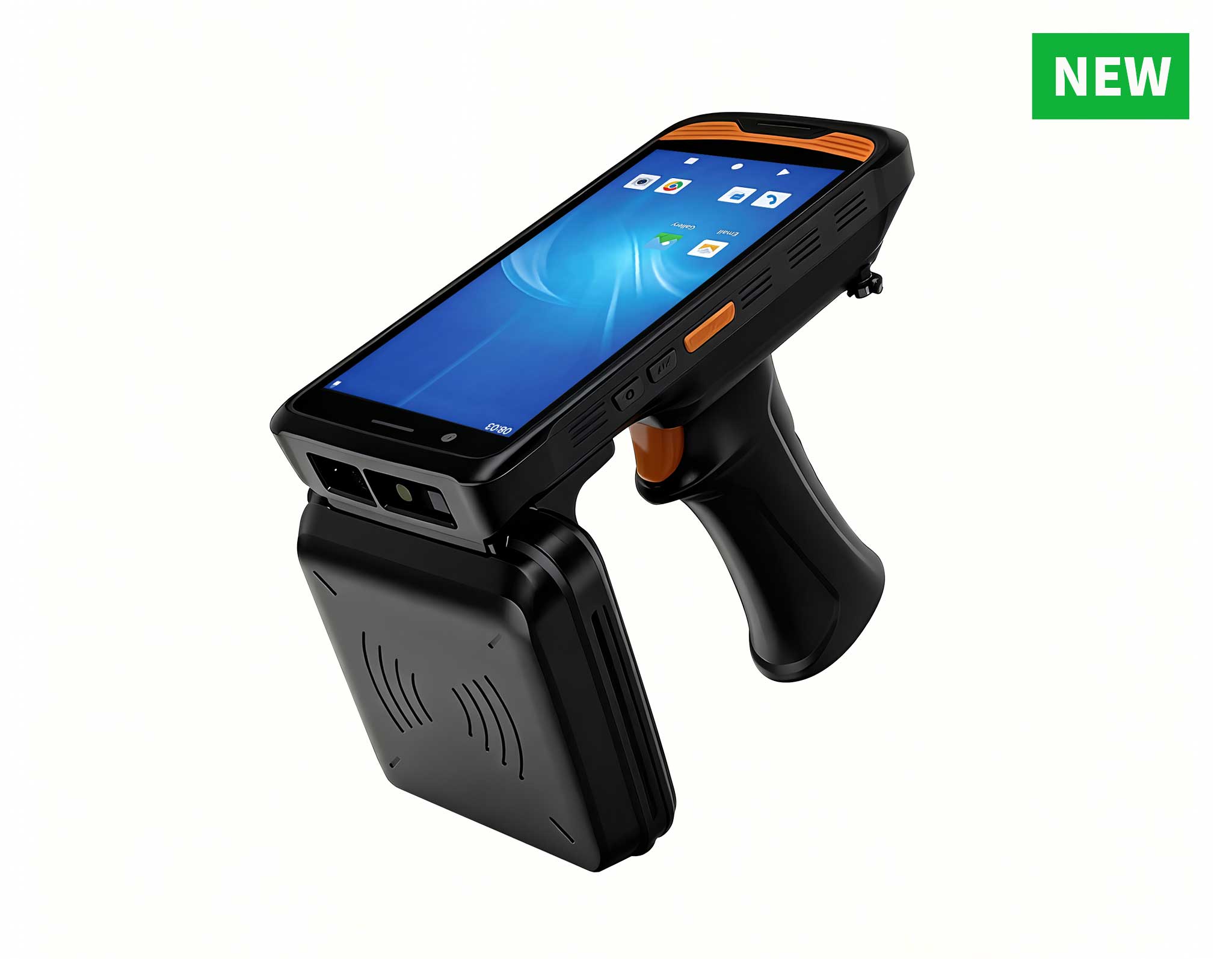
R366C-S 5.5-inch Industrial UHF RFID Reader | Qual...
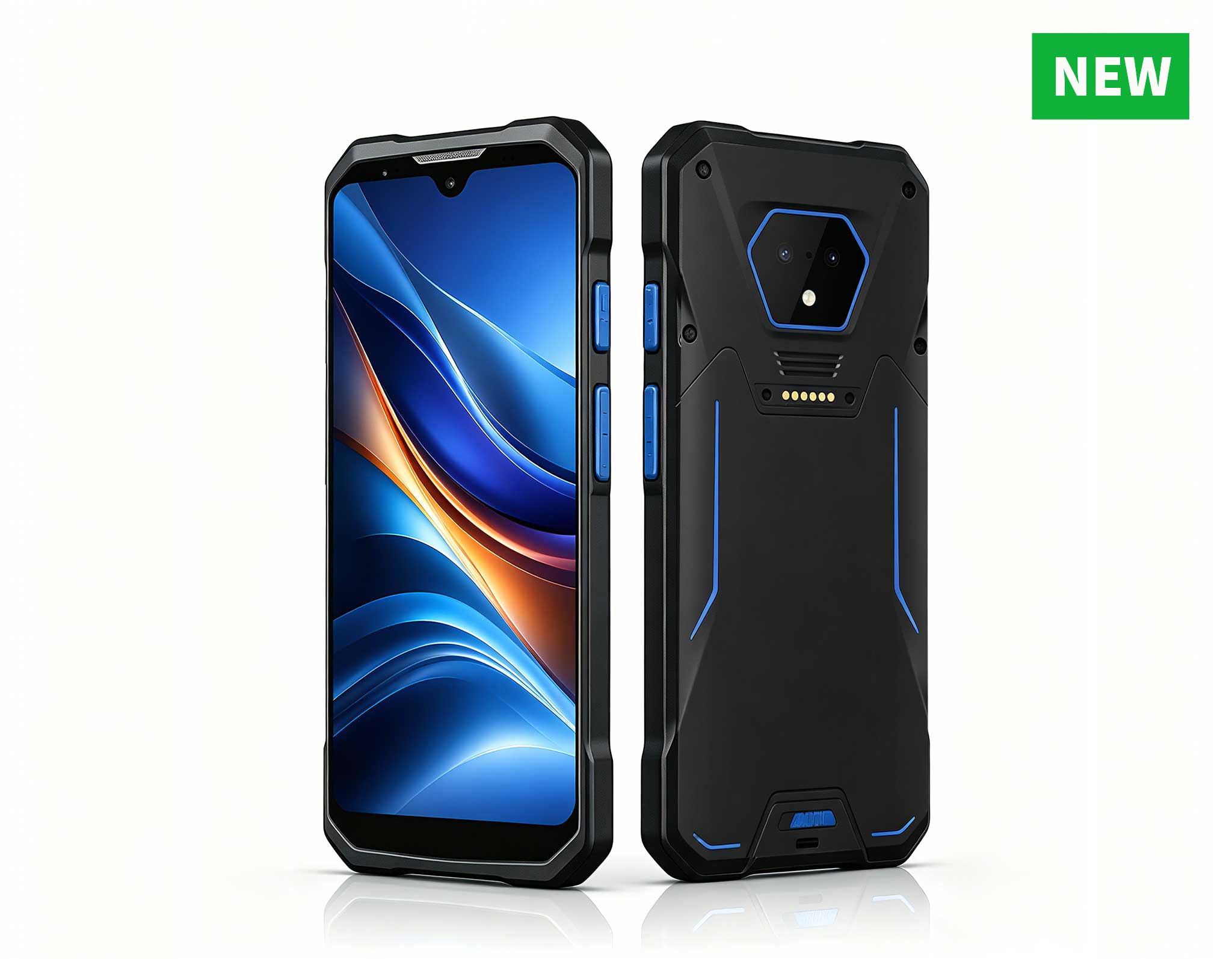
RS51 4G Rugged Handheld Terminal | 6.3" FHD+ ...
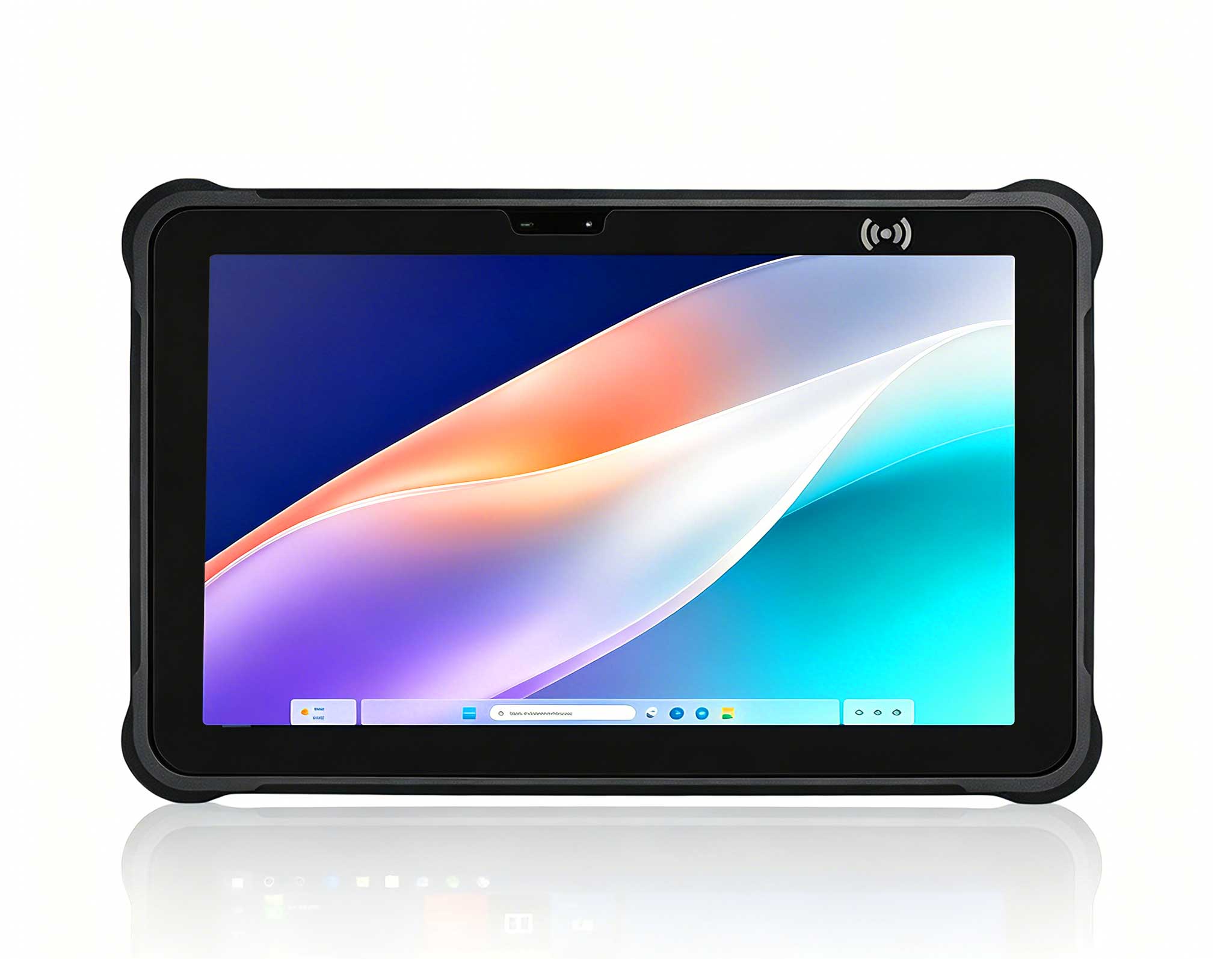
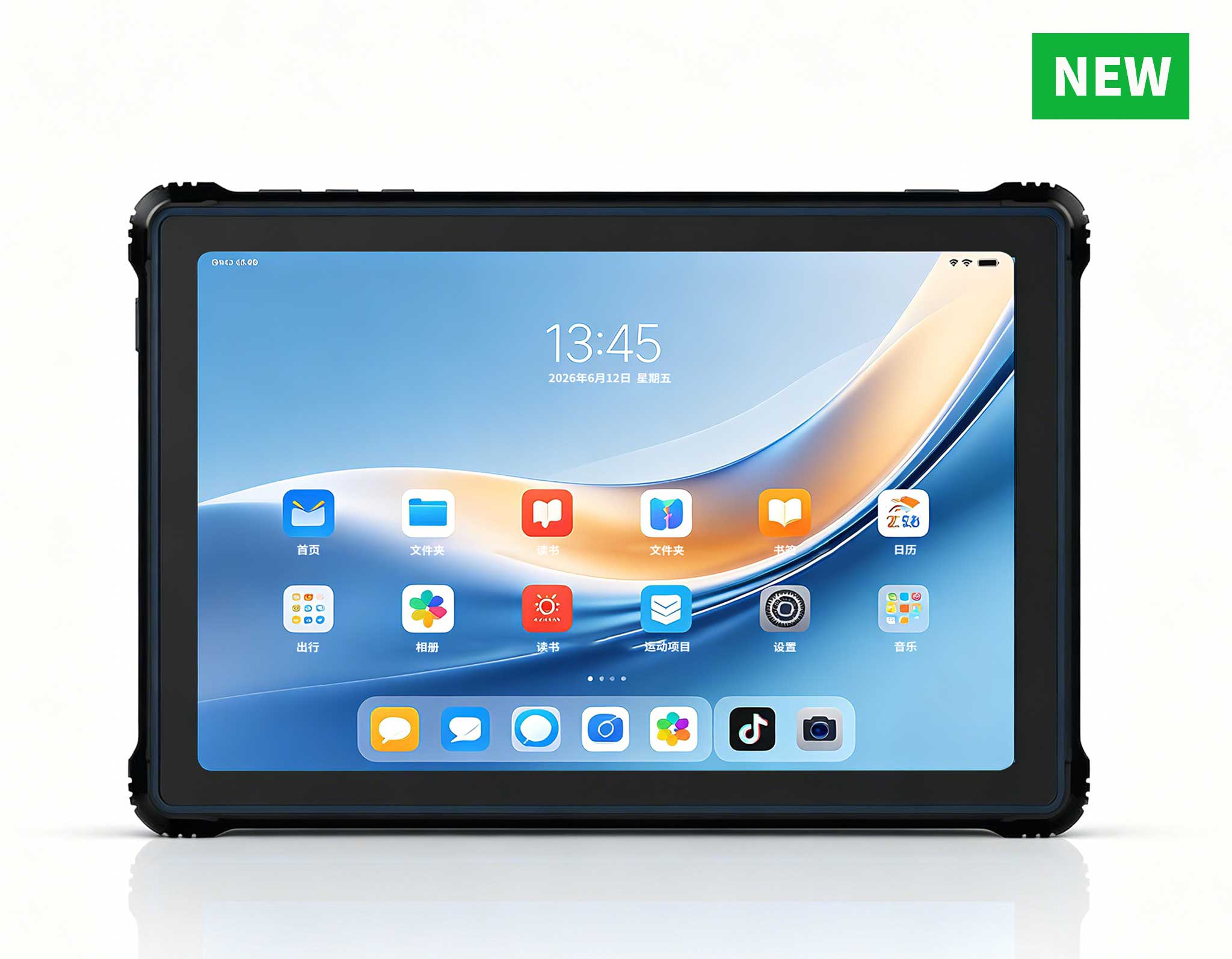
RT81 4G Rugged Tablet | 10.1" FHD 400nit | Qu...
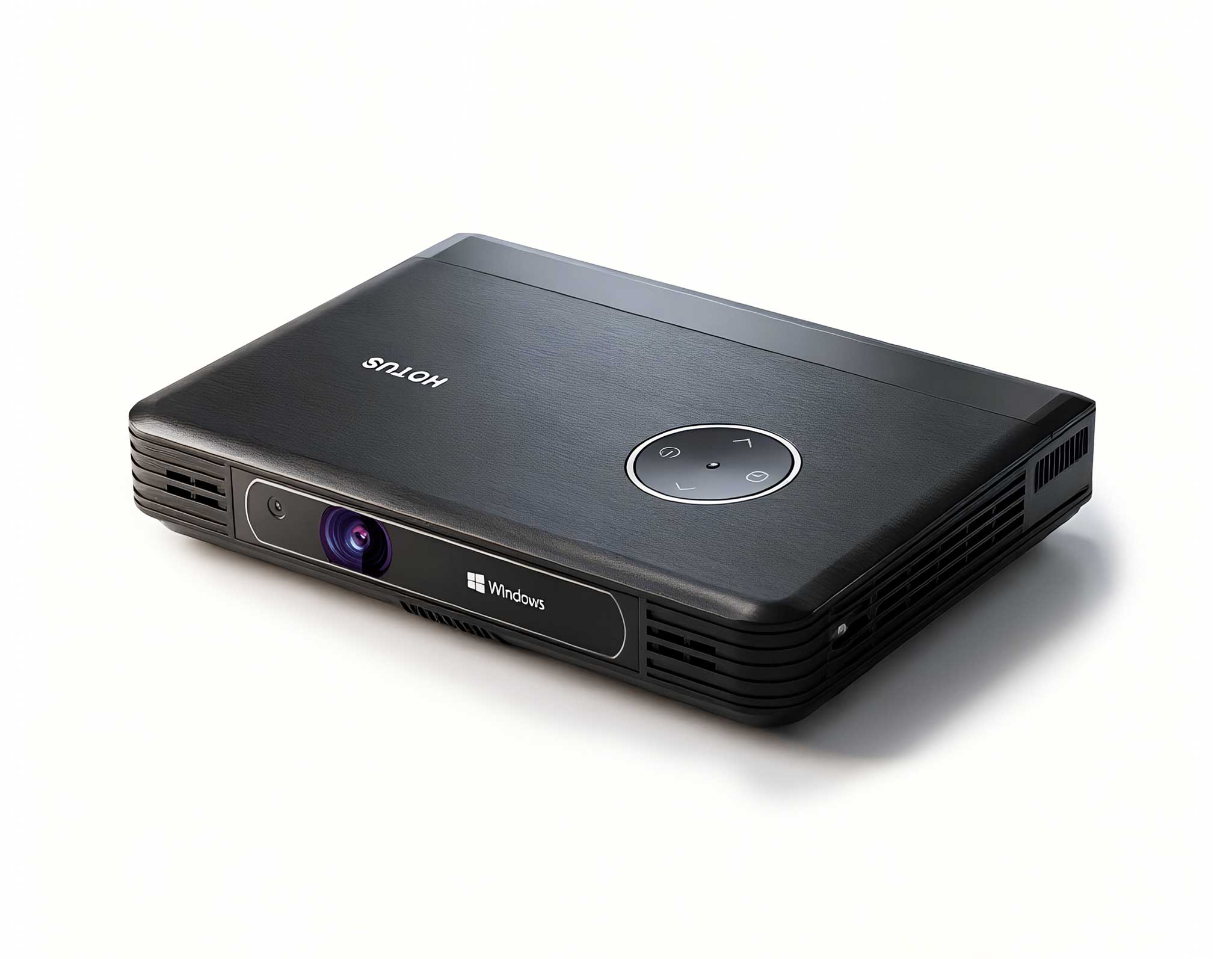
One Device, Dual Functions – A Projector and a Com...
Explore our customized PDA designed for versatile ...
I have spent the better part of a decade watching industrial IoT projects move from pilot phases to full-scale deployments. The one constant in every successful rollout, from predictive maintenance in automotive plants to real-time quality control in food processing, is the hardware at the edge. You can have the most sophisticated cloud analytics platform in the world, but it is useless if the data collection point—the rugged tablet or the edge gateway—fails on day three because of dust, vibration, or a sudden temperature spike. In my experience, the edge is not just a technical layer; it is the operational foundation. This is why I advise clients to stop treating hardware as a commodity and start viewing it as the critical bridge between physical assets and digital intelligence. For teams running decentralized IoT architectures, the choice of computing device determines uptime, data fidelity, and ultimately, the return on investment. That is why we have built a portfolio that addresses the full spectrum of industrial edge requirements, and I want to show you how three specific units solve real problems we have encountered with our customers.
When we talk about industrial edge computing, we are often talking about a paradox. The data center is clean, cool, and controlled. The factory floor is none of those things. It is loud, hot, dusty, and often wet. Standard commercial tablets and PCs simply do not survive there. We have seen customers go through three generations of consumer-grade hardware in a single year before they finally admit they need purpose-built tools. The shift toward dedicated industrial edge computing solutions is not about preference; it is about the physics of the environment. These devices must handle thermal stress, electromagnetic interference, and physical shocks while maintaining stable connectivity. They must also be deployable in spaces where a standard tower server simply cannot fit. The devices I discuss below are not just ruggedized versions of consumer tech; they are architecturally different, designed from the ground up for the unique demands of the IoT edge.
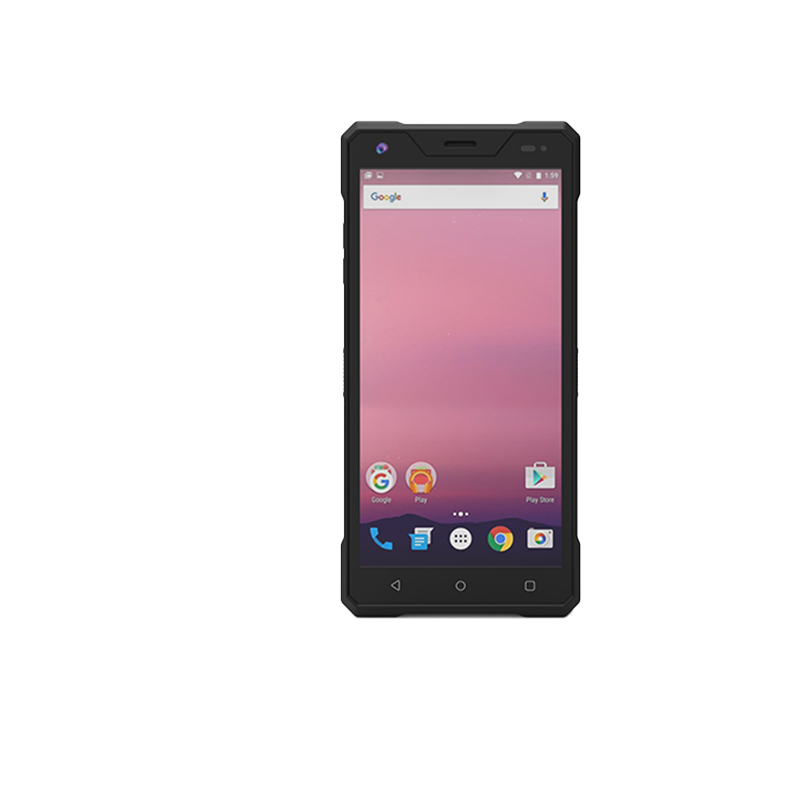
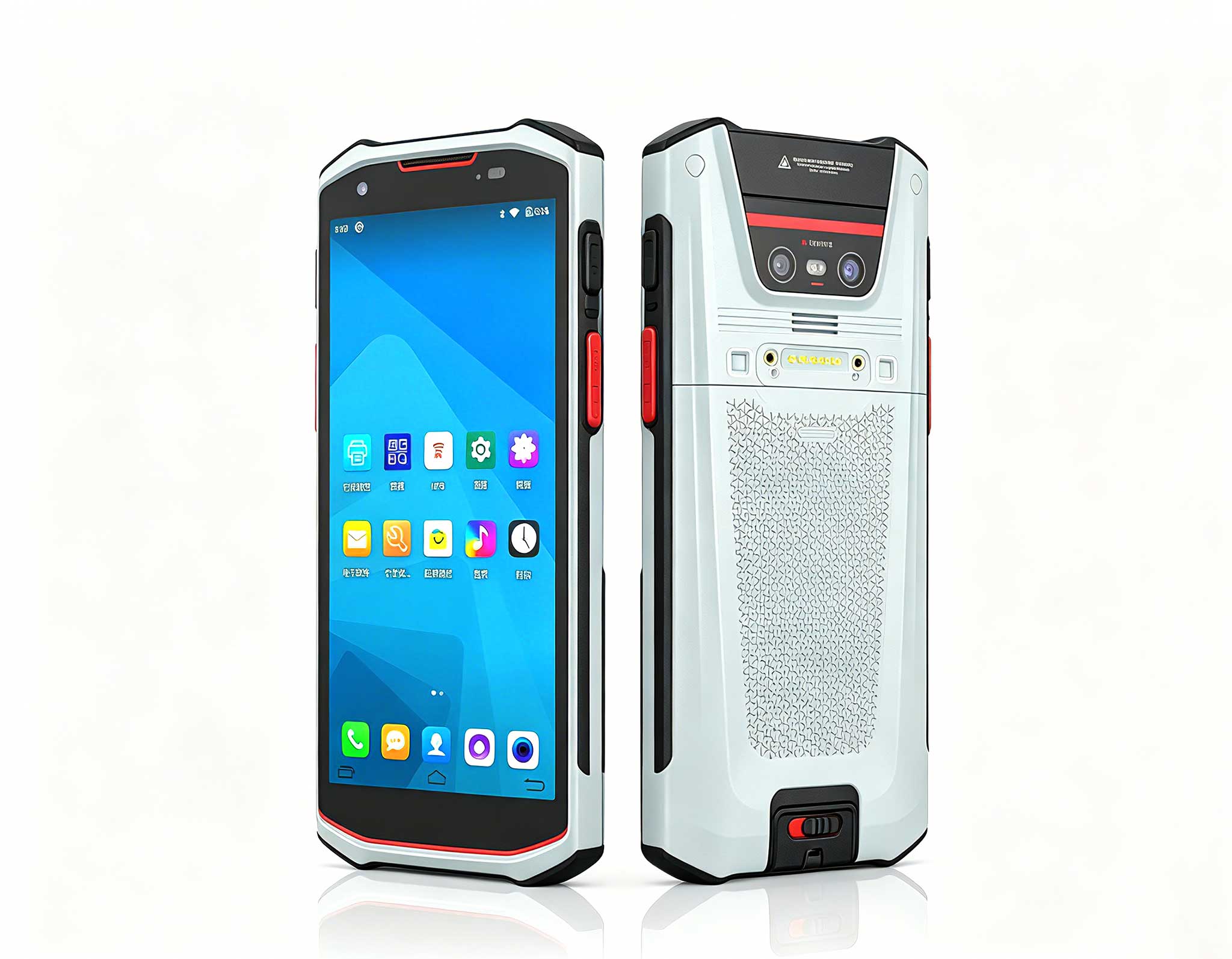
Our first customer story involves a regional utility company managing a sprawling network of solar farms and substations. Their technicians were previously carrying clipboards, paper checklists, and a separate digital camera to document equipment conditions. The workflow was slow, error-prone, and created a significant lag between field observations and central system updates. They deployed the HTQ10A Android Rugged Tablet to replace this entire analog toolkit. The HTQ10A is my go-to recommendation for mobile field workers because it balances durability with portability. It does not feel like a brick strapped to your arm; it is lightweight enough for a full shift of use. In the field, technicians use it to scan barcodes on transformers, pull up real-time sensor data via the IoT dashboard, and log maintenance actions directly into the ERP system. The Android operating system is critical here because it allows the utility company to deploy custom APKs without significant re-engineering. The result was a 40% reduction in data entry errors and a two-hour daily time saving per technician. The visual clarity of the display, even in direct sunlight, ensures that the operator can read schematics without squinting, which is a non-negotiable requirement for safety-critical tasks.
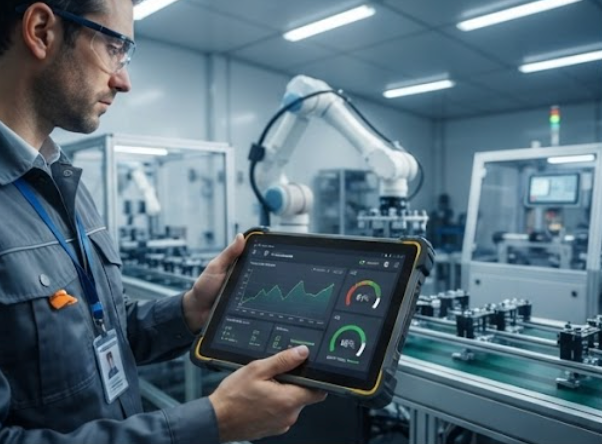
Beyond the utility sector, I have seen the HTQ10A excel in logistics hubs and warehouse management. Its ability to handle multiple communication protocols, including Wi-Fi 6 and Bluetooth 5.2, means it can talk to a wide array of IoT sensors simultaneously. The IP65 rating is sufficient for the splashes and dust clouds common in these environments. The key differentiator, however, is the battery life. A full day of continuous scanning and data transmission on a single charge is not a luxury; it is a requirement. The HTQ10A achieves this without requiring a bulky external battery pack. For operations managers, this translates to less downtime and fewer charging stations cluttering the facility. It is the tool that keeps the human element connected to the digital nervous system of the factory.
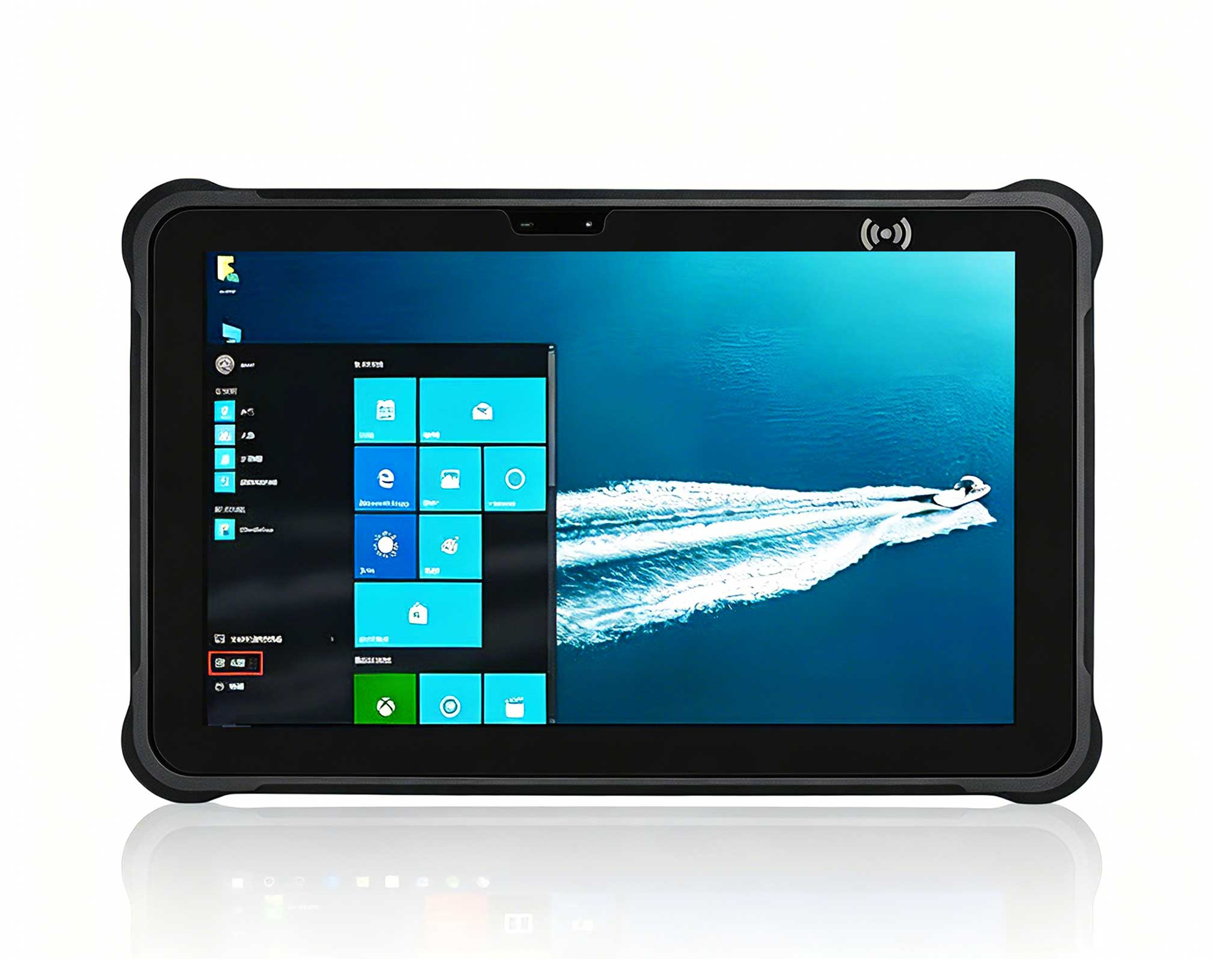
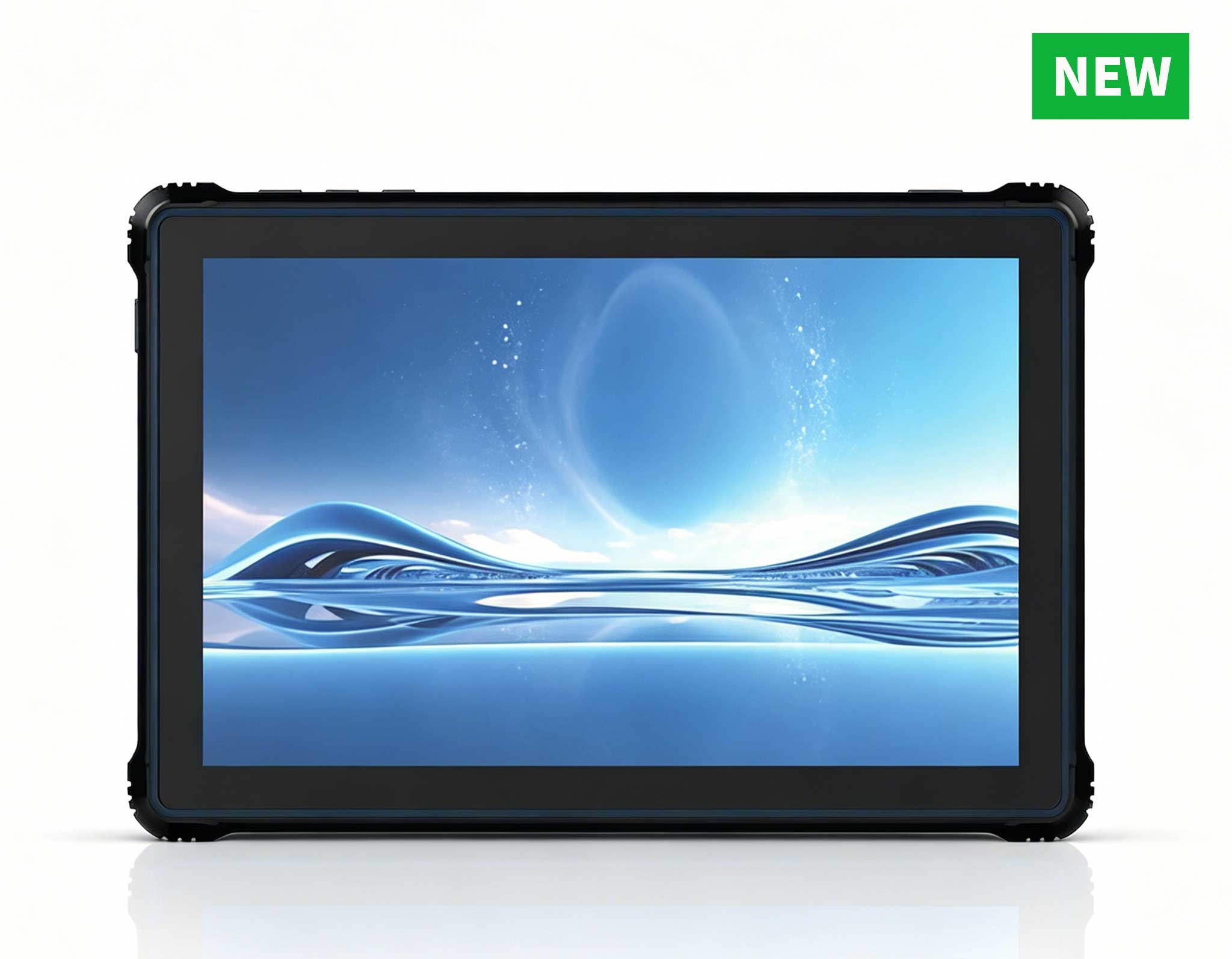
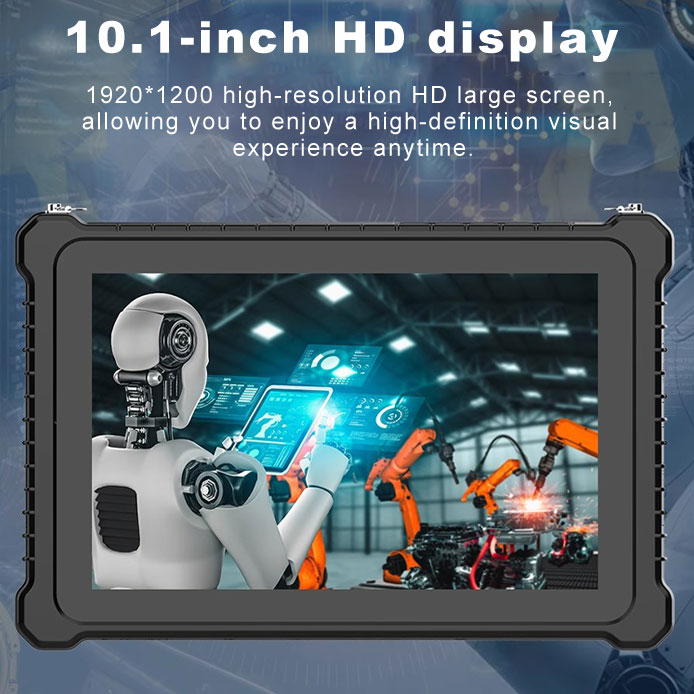
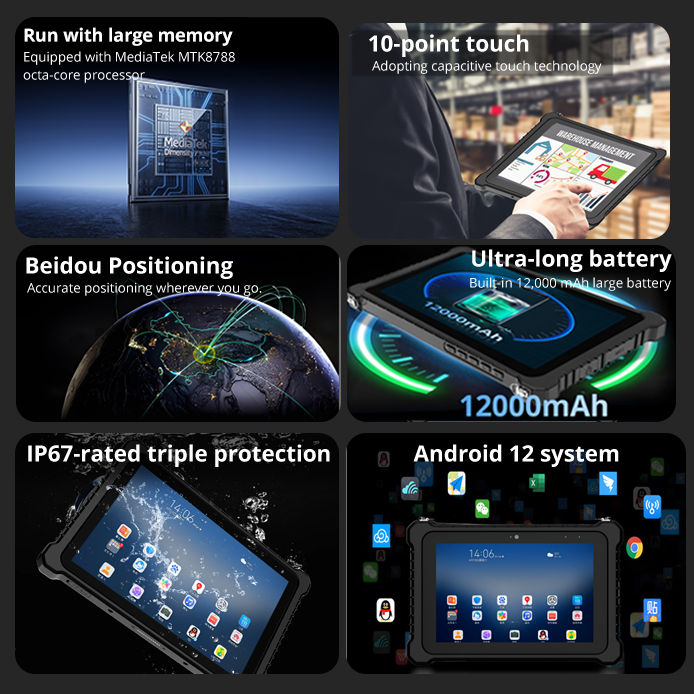
While the HTQ10A covers the mobile workforce, the RT81 Rugged Tablet addresses a different, often more challenging scenario: remote and outdoor IoT asset management. One of our clients in the oil and gas sector operates pipeline monitoring stations spread across hundreds of miles of open terrain. These sites lack reliable local Wi-Fi and are subject to extreme weather conditions. The RT81, with its integrated 4G LTE module, is the perfect fit. It does not rely on a local network infrastructure; it connects directly to the cellular grid, ensuring that engineers can access SCADA data and video feeds from the most isolated locations. The Qualcomm SM6225 Octa-core processor is a workhorse, capable of running complex diagnostic software while simultaneously streaming telemetry data. The 10.1-inch FHD display with 400 nits of brightness is readable even under the harsh glare of a desert sun, which is a crucial detail that is often overlooked in spec sheets.
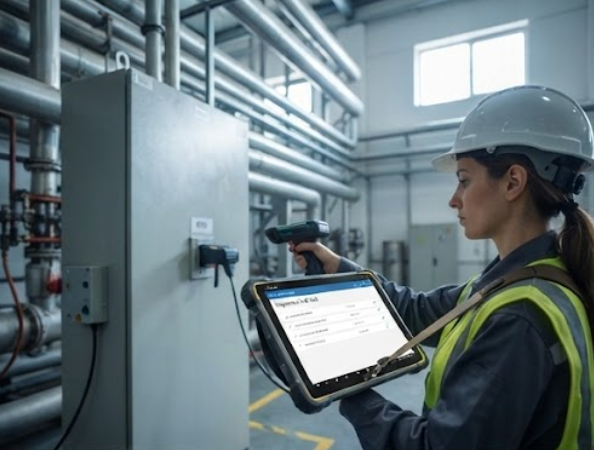
The RT81 is not just about connectivity; it is about compute power at the edge. In scenarios where a technician needs to perform on-site data analysis—such as vibration analysis on a pump or thermal imaging of a switchgear—the RT81 has the processing headroom to handle it locally. This reduces the need to send raw data back to the cloud for processing, which is a huge cost saver in bandwidth-constrained environments. In our tests, the RT81 maintained stable performance in temperatures ranging from -20°C to 60°C, making it reliable for Arctic pipelines and Middle Eastern drilling sites alike. If your operation involves field service engineers who need to make high-stakes decisions on-site, the RT81 is the tool I recommend. It is the difference between waiting for a report and making a decision on the spot.
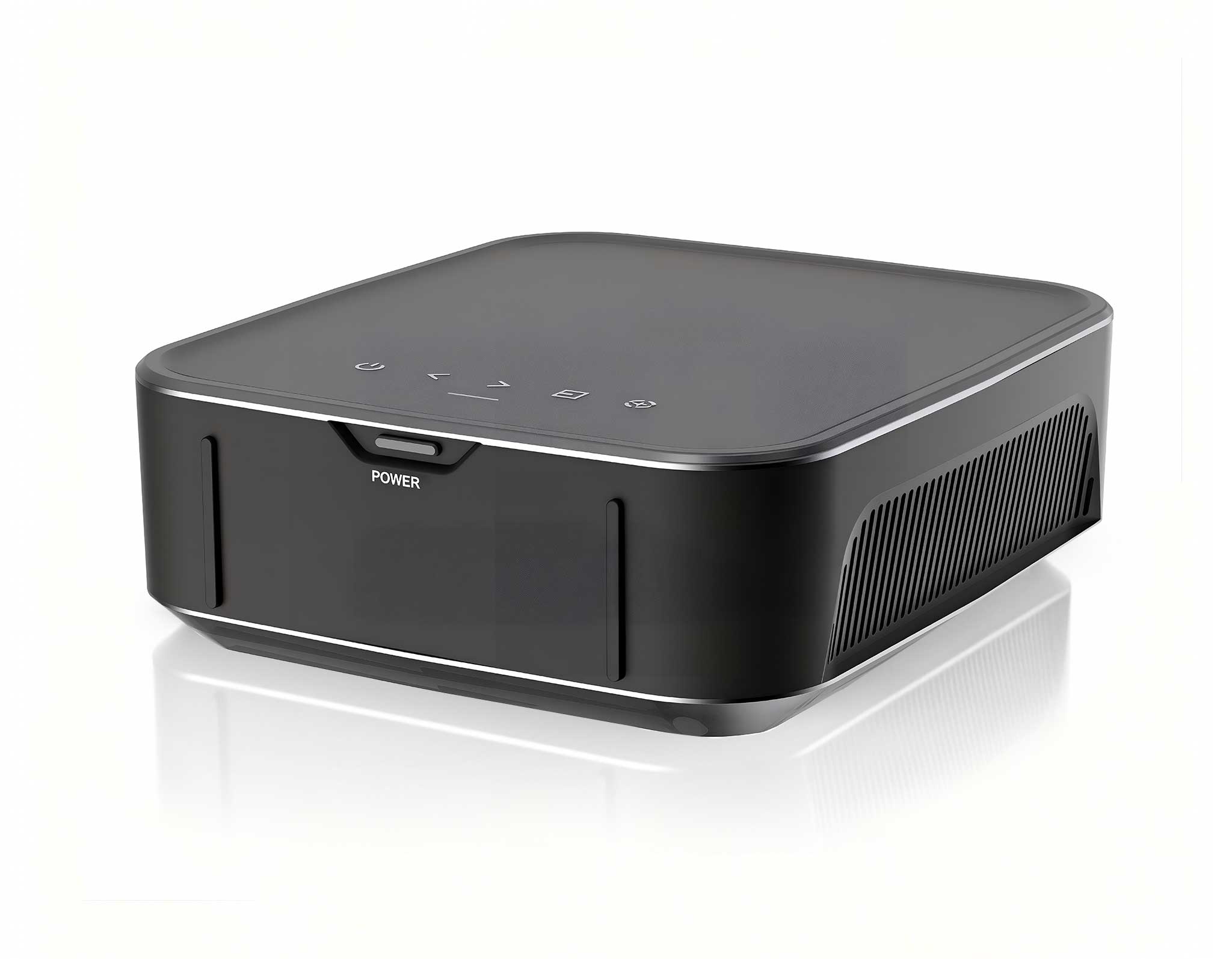
The third piece of the puzzle is the Palm-sized miniPC. This device is the unsung hero of industrial IoT. While tablets are the face of the operation, the miniPC is the brain that sits inside the control cabinet, quietly aggregating data from PLCs, sensors, and cameras. We recently helped a mid-sized manufacturer retrofit their legacy assembly line with modern IoT capabilities. They did not want to replace their expensive, functioning machinery, but they needed to extract data from it. The solution was to install a Palm-sized miniPC next to each machine to act as a local gateway. The miniPC runs a lightweight Linux container that collects Modbus and OPC-UA data, processes it, and forwards the relevant metrics to the central cloud. Its compact size means it can mount virtually anywhere—behind a panel, under a conveyor belt, or inside an electrical enclosure.
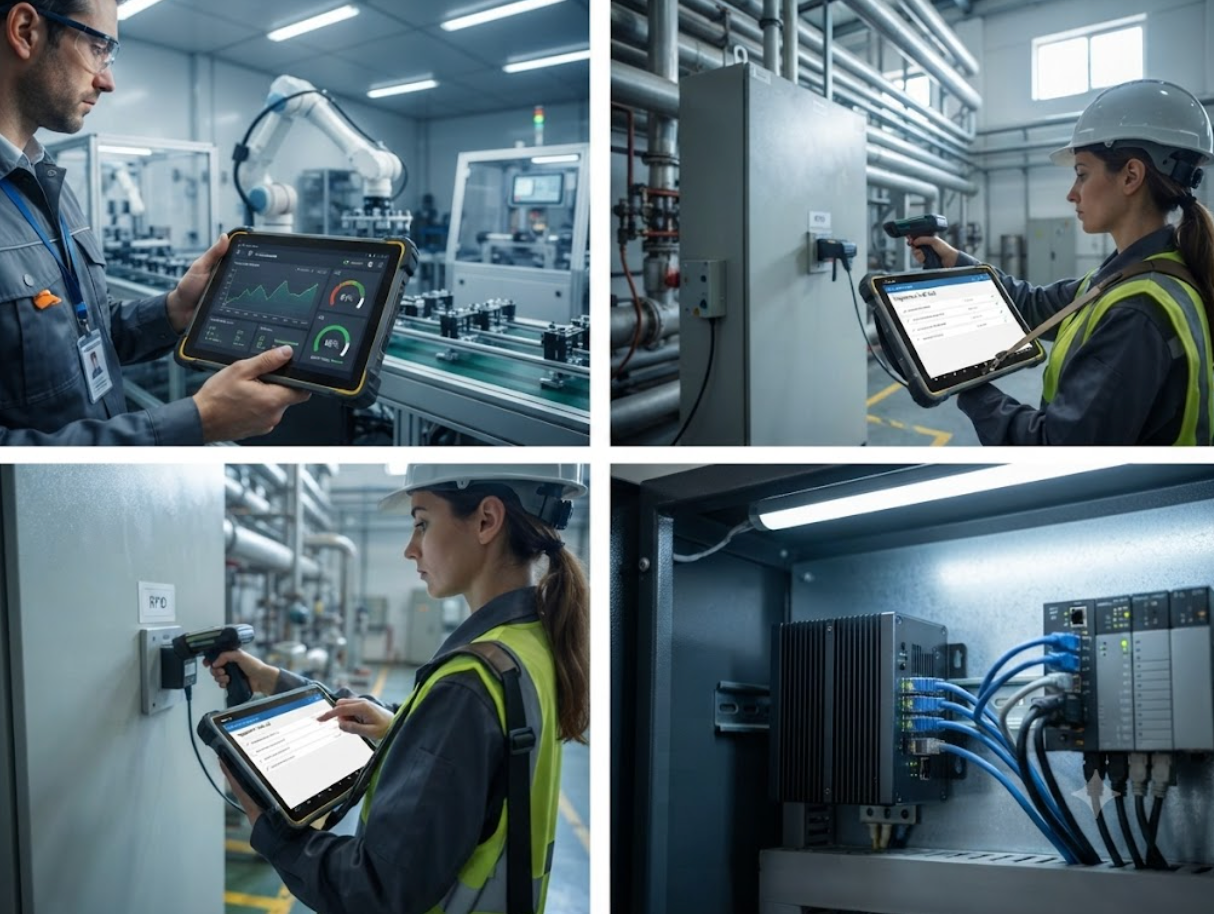
What impresses me most about the Palm-sized miniPC is its thermal efficiency. In a sealed cabinet with no active cooling, a standard PC would overheat within minutes. The miniPC is engineered for fanless operation, dissipating heat through its aluminum chassis. This makes it virtually maintenance-free and silent. It is the perfect choice for edge nodes that need to run 24/7 for years without intervention. For customers looking to scale their IoT deployment across dozens of machines, the low power consumption of the miniPC is a significant operational cost saver. It is not just a computer; it is an infrastructure component designed for permanence. For those interested in understanding the full range of capabilities, I suggest you explore our mini PC solutions to see how we integrate these gateways into larger architectures.
To help you visualize the differences, I have compiled a comparison table based on the key metrics that matter for industrial deployment decisions.
| Specification | HTQ10A Android Rugged Tablet | RT81 Rugged Tablet | Palm-sized miniPC |
|---|---|---|---|
| Primary Role | Mobile Field Data Entry | Remote 4G Diagnostics | Fixed Edge Gateway |
| Processor | Mid-range Industrial Octa-core | Qualcomm SM6225 Octa-core | Efficient x86/ARM Low-Power |
| Connectivity | Wi-Fi 6, Bluetooth 5.2 | 4G LTE, Wi-Fi, Bluetooth | Gigabit Ethernet, Wi-Fi, 4G optional |
| Display | Sunlight Readable, High-res | 10.1" FHD 400nit | N/A (Headless) |
| Operating System | Android | Android 13 | Linux / Windows |
| Protection Rating | IP65 | IP67 | IP40 (Cabinet Mounted) |
| Mounting/Form Factor | Handheld | Handheld with Strap | VESA / DIN Rail |
| Best Use Case | Warehouse & Inspection | Field Service & Utility | Machine Data Aggregation |
Selecting the right device is not about picking the most expensive or the most powerful option. It is about matching the hardware to the workflow. Here are my key considerations based on client feedback. First, determine the data flow. If the device is the primary data source for a human operator who moves around, you need a tablet. If the device is a stationary data aggregator, you need a miniPC. Second, assess the environmental risk. Is the device exposed to rain or heavy dust? If yes, prioritize an IP67 rating like the RT81. If it lives inside a climate-controlled cabinet, the IP40 rating of the miniPC is perfectly adequate. Third, consider the connectivity infrastructure. If your facility has robust Wi-Fi, the HTQ10A is a cost-effective choice. If your operations are in remote areas without local networks, the RT81’s 4G capability is non-negotiable. Finally, think about the total cost of ownership. The Palm-sized miniPC has no moving parts and consumes minimal power, making it the cheapest to run over a five-year lifecycle, despite the initial investment.
I also advise customers to think about the future. Can the device handle software updates? Is the processor powerful enough for the next generation of AI-driven analytics at the edge? The RT81, with its modern Qualcomm chipset, is future-proof for applications like on-device machine learning for defect detection. The HTQ10A is perfect for current Android-based workflows. The miniPC, depending on the configuration, can be scaled with additional RAM or storage. The goal is to avoid a hardware refresh cycle every two years. By investing in the right tier of ruggedness and performance now, you save significant capital expenditure later.
The industrial edge is not a theoretical concept; it is a practical reality that demands reliable tools. Our customers have proven that with the right hardware, the transition to a data-driven operation is seamless. Whether you are equipping a mobile maintenance crew with the HTQ10A, sending engineers into the field with the RT81, or retrofitting your factory floor with intelligent gateways using the Palm-sized miniPC, the key is to start with a clear understanding of your operational bottlenecks. I encourage you to explore our mini PC solutions to see the full ecosystem we have built for industrial IoT. For more insights on deployment strategies, do not hesitate to reach out to our engineering team. We do not just sell hardware; we help you build the digital backbone for your factory of the future.