- Select Language
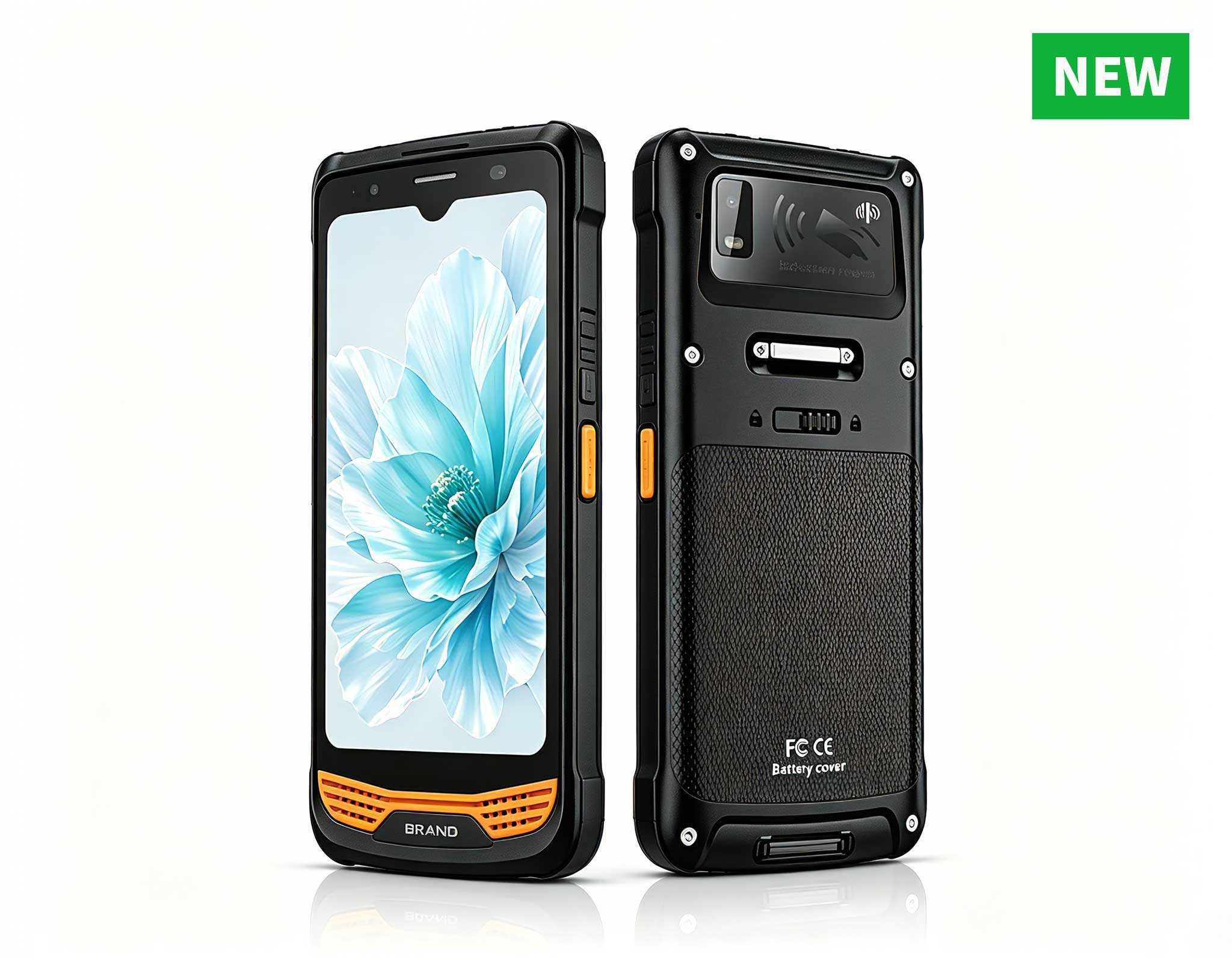
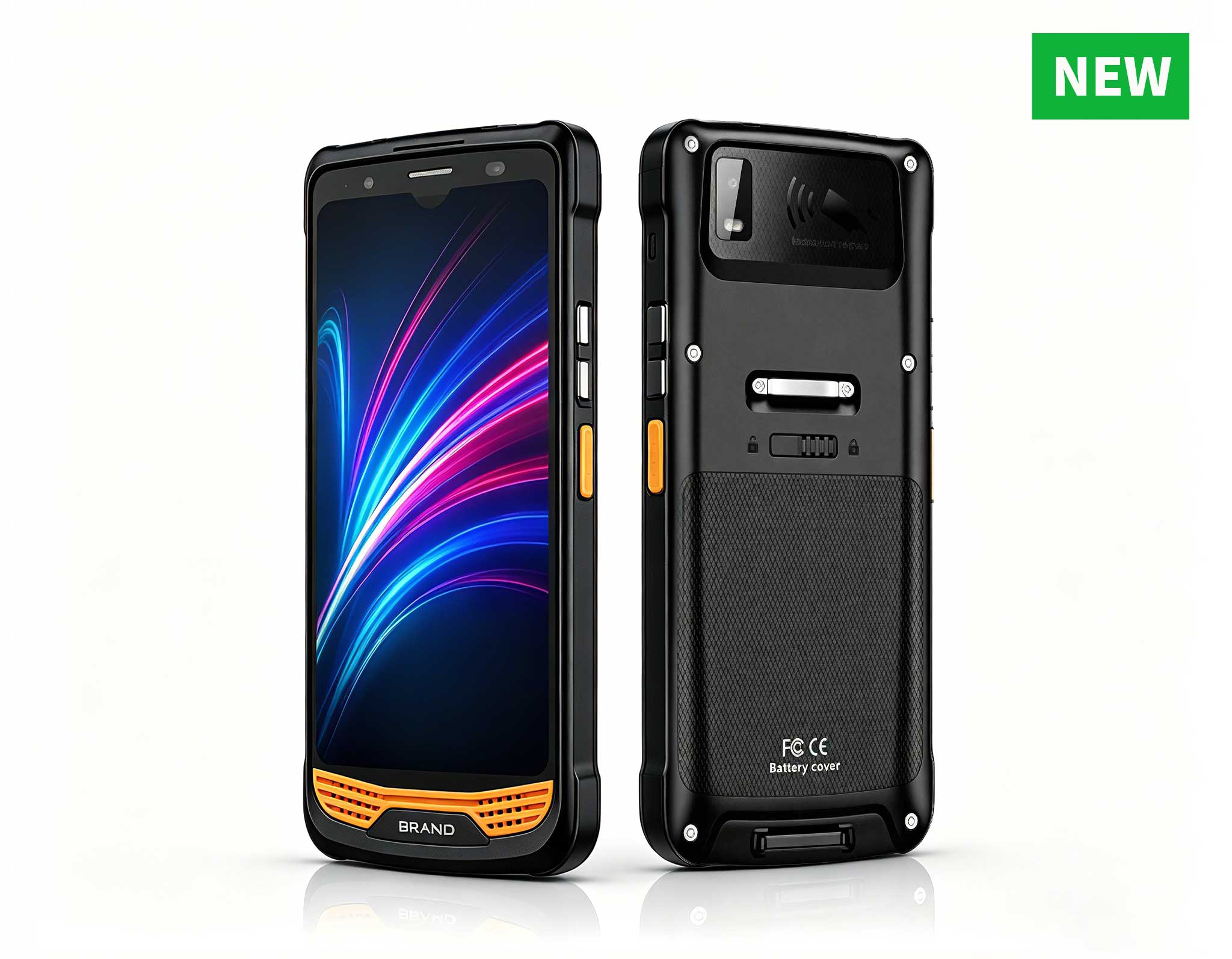
R366-S Thin 5.5-inch Industrial PDA | Qualcomm Oct...
R366-S 5.5-inch Industrial PDA | Qualcomm Octa-cor...
The F505 Handheld PDA is a compact, high-performan...
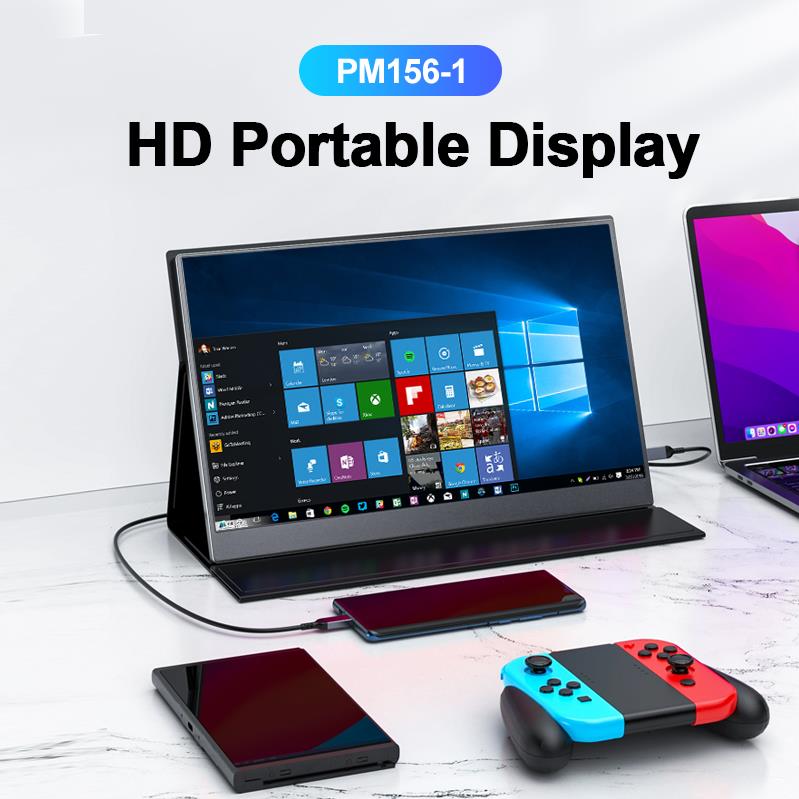
The PM156-1 is a 15.6-inch portable PC monitor fea...
Explore our customized PDA designed for versatile ...
Technical SpecificationsModel: Palm-sized miniPCTy...
Explore an innovative Personal Digital Assistant f...
Full SpecificationsModelHotus ST11‑UOSWindows 10 P...
A performance claim for a home-office machine is usually made on a bench that nobody owns. The figure comes from a scripted load run in a controlled room, and it arrives on a product page beside a photograph of a desk. Between that number and the desk sit a power source, a screen, a network, and a person who moves the device from one room to another during the day. Most of the disappointment that gets reported is not a slow device. It is a test that was never runnable on the device in the first place.
The three units here show the problem clearly, because they are not the same kind of object. One is a palm-sized handheld meant to be held through a shift. One is a tablet that spends most of its day in a dock. One is a small desktop that never leaves the socket. Before any two figures are compared, the useful question is which measurement each chassis can even produce. For the home-office builds these units sit in, the sensible place to start is the compact desktop line rather than a spec table.
A valid test has to be shippable on the device it measures. A handheld with a 5000mAh pack and a small quad-core chip will finish a scripted sustained-load run by thermally limiting itself, which tells you nothing about how it behaves in a stockroom aisle. A desk machine with wall power and a twelve-core ceiling will run the identical script without noticing it. Running one plan across both produces two numbers that cannot be compared, and a purchase decision made on the gap between them.
The split is not a matter of one device being faster. It follows from what each chassis is allowed to do. A handheld is built for one-handed use with a pack sized to a shift, so its ceiling is set by heat and by grams. A docked tablet trades carried hours for a larger panel and more memory, and its ceiling is set by the dock and the mains. A desktop has no ceiling worth measuring because power is not scarce; its questions are ports, storage, and how long it can sit under load. Treating those as three points on one line is the quiet error that a single plan commits.
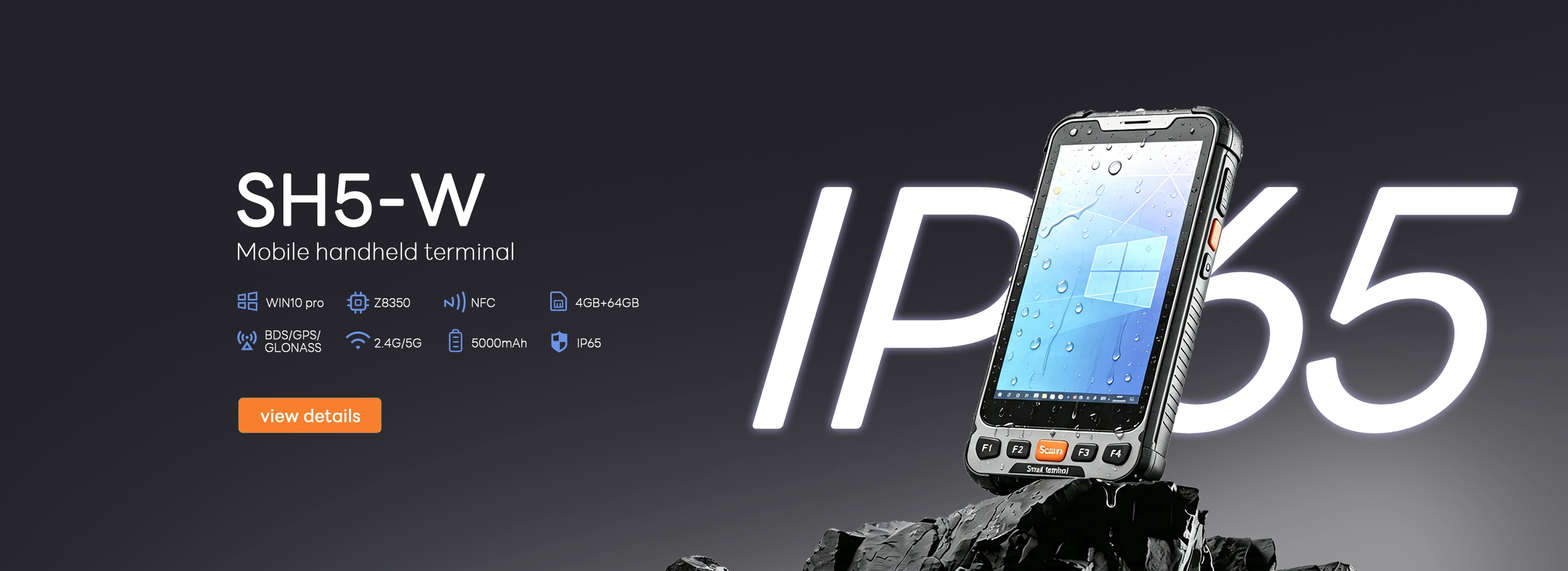
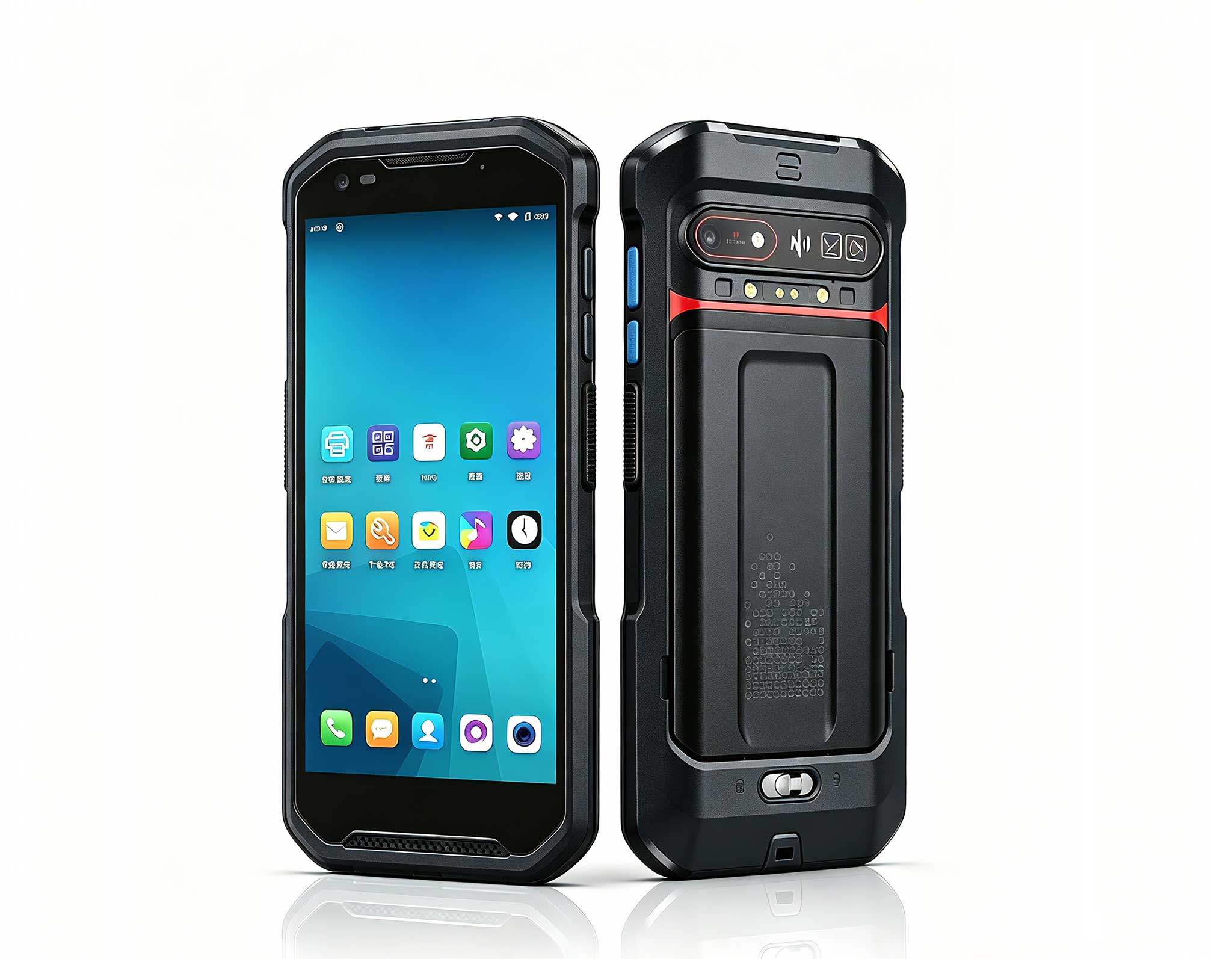
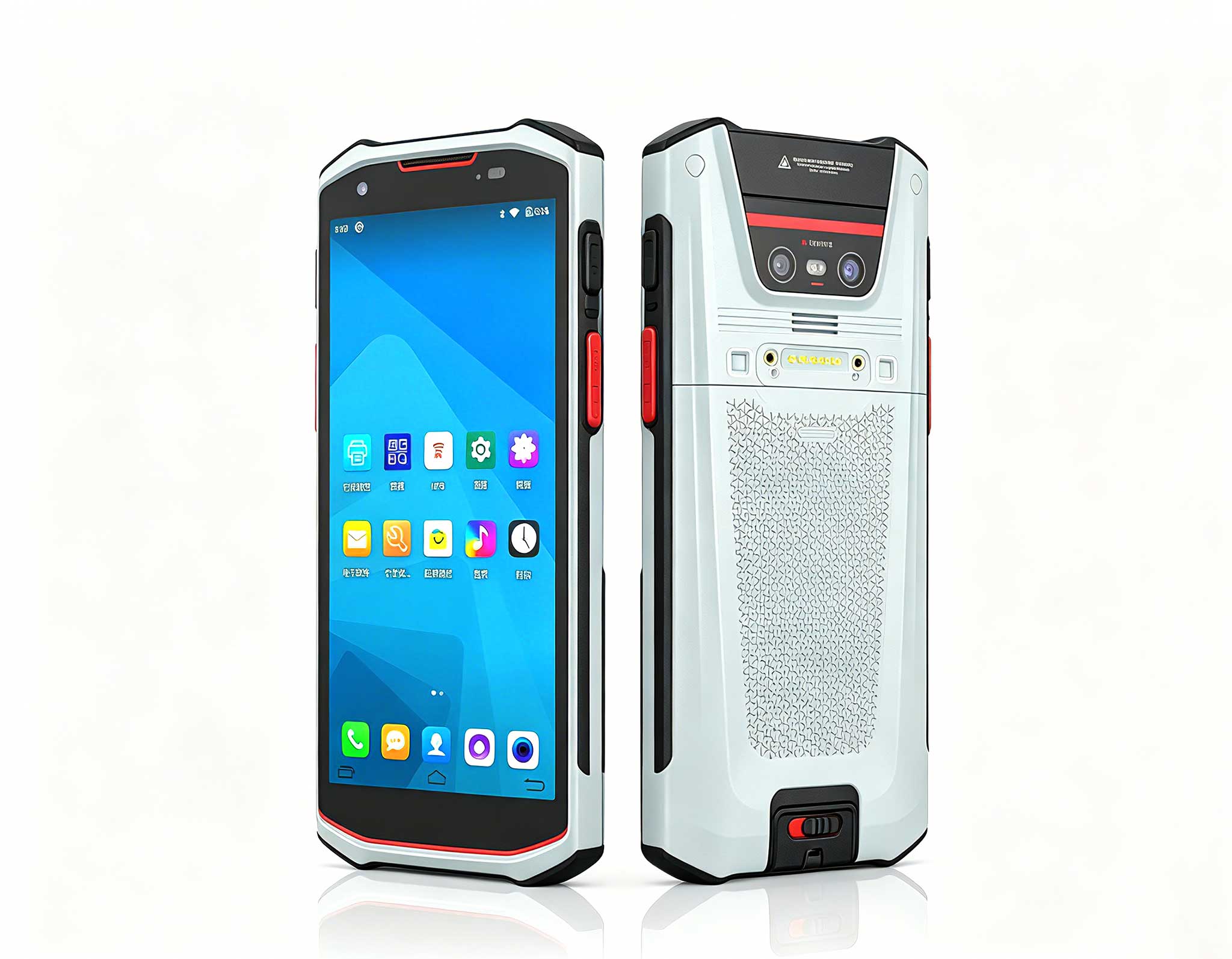
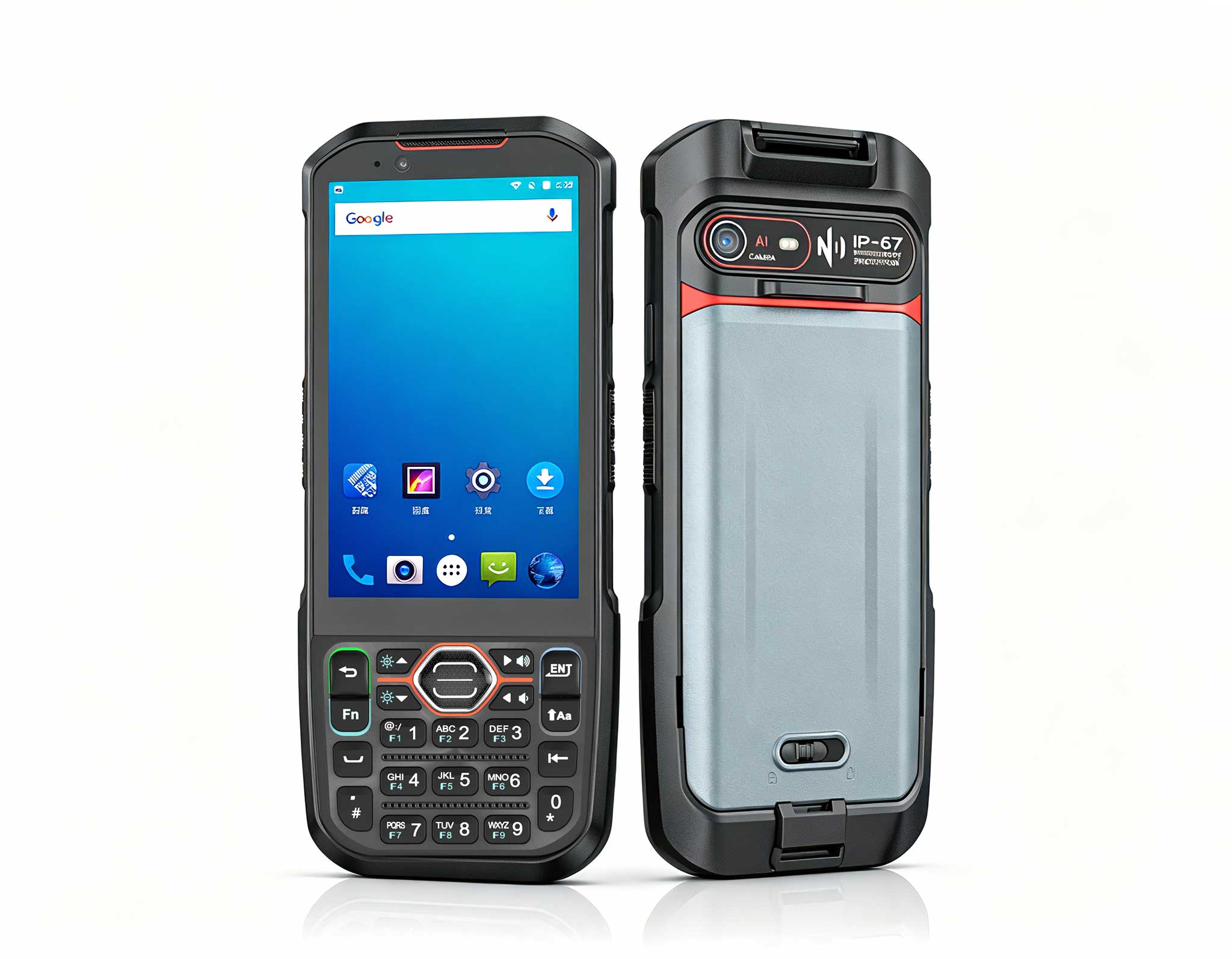
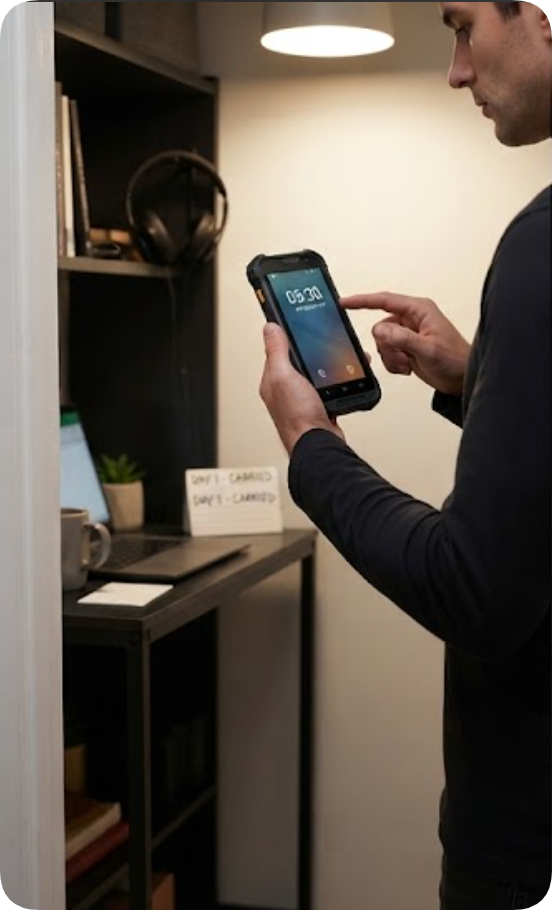
The handheld case is narrow on purpose. The SH5-W carries a 5.5-inch IPS panel at 1080 by 1920 with 400 nits of brightness, an Intel Z8350 quad core with 4GB of memory and 64GB of storage, and a 5000mAh pack at 3.8 volts rated to up to 5.5 hours of work. The readings that predict a real shift are hours of use before the pack runs down, whether a gloved or wet hand registers on the five-point capacitive layer, and how the unit holds up across its -20 to 55 Celsius operating window. Sustained compute load is not one of them.
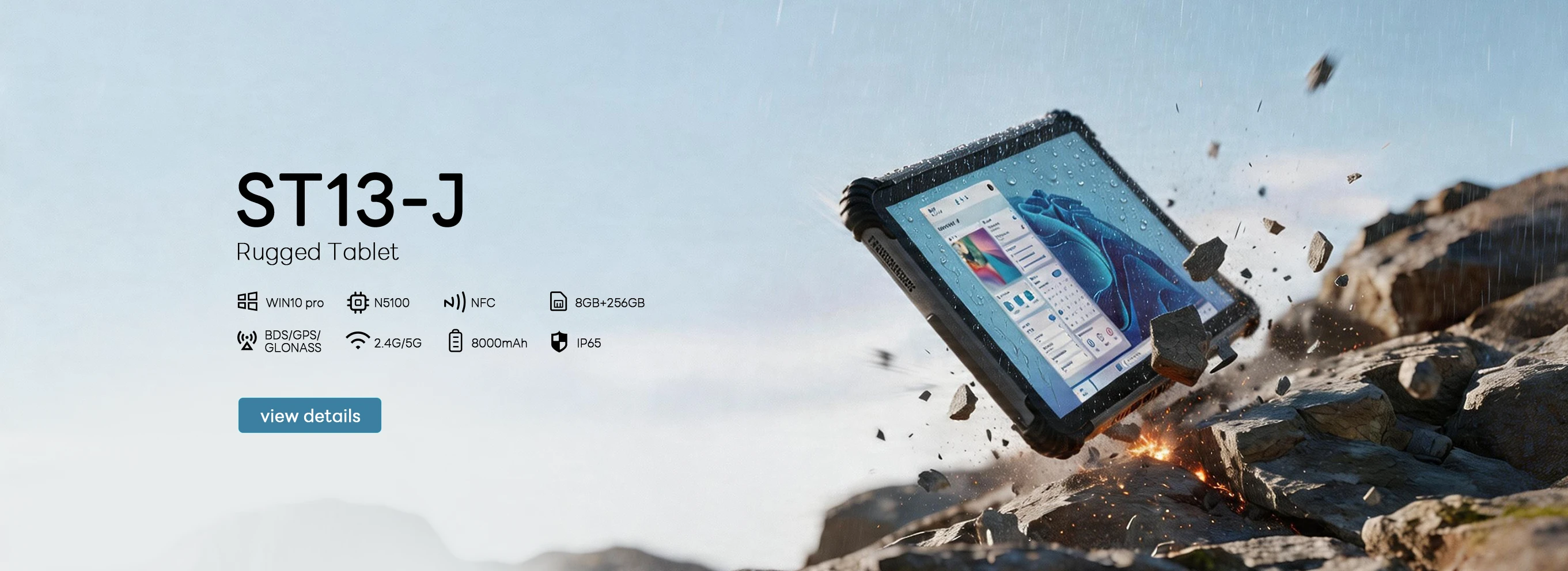
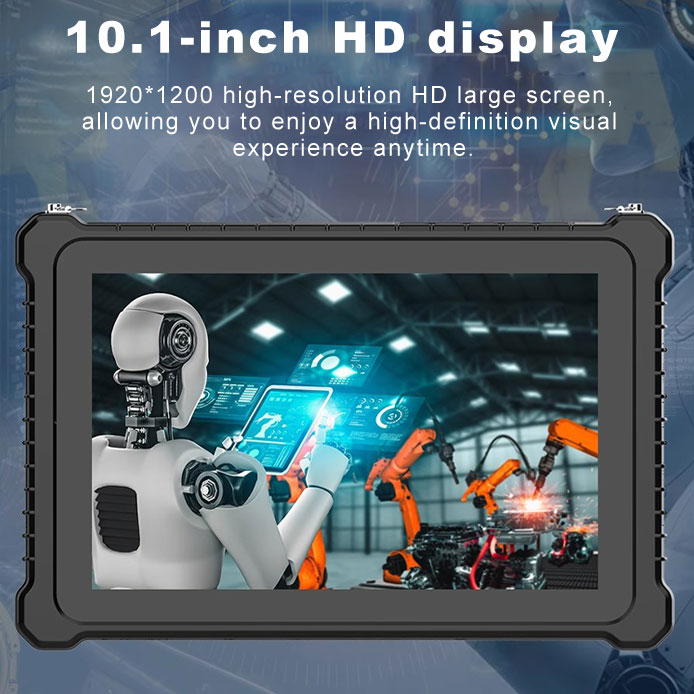
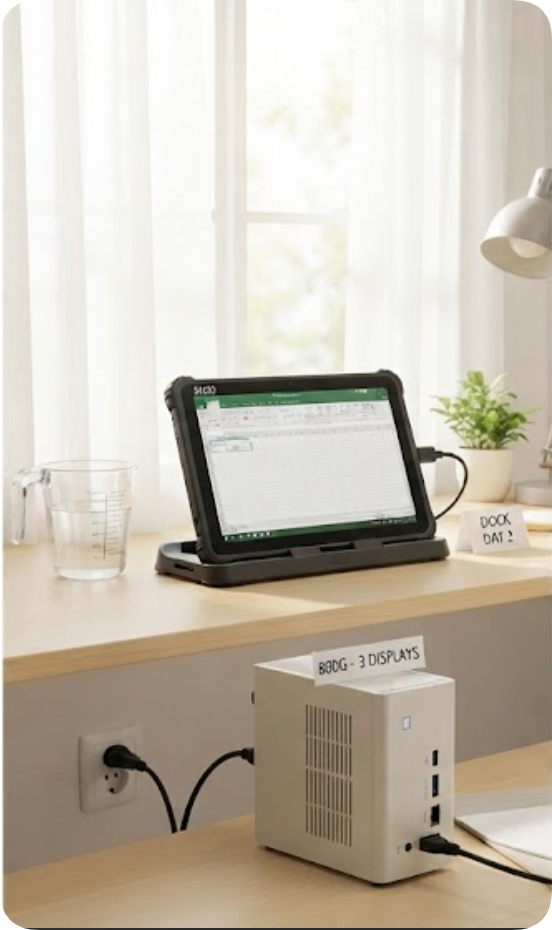
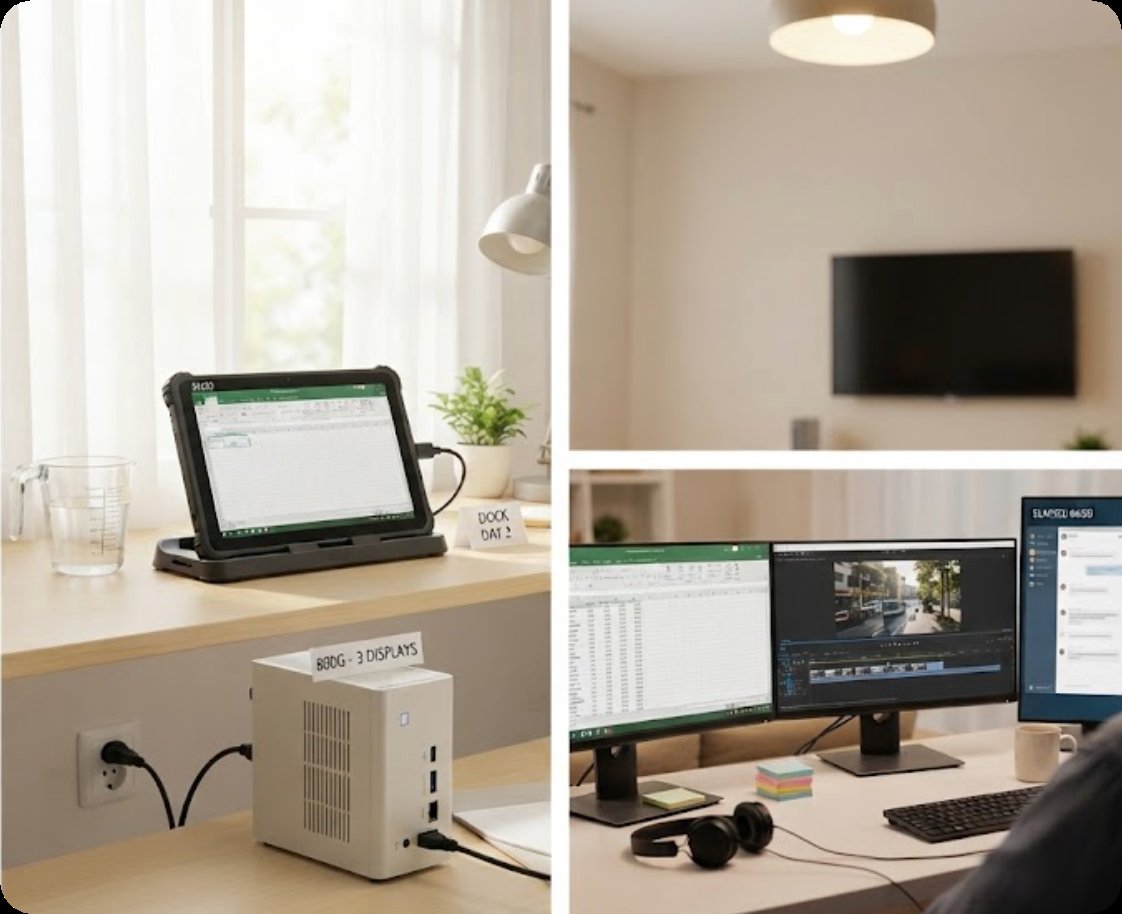
The tablet sits between the two extremes. The ST11-J has a 10.1-inch IPS panel at 1200 by 1920 with 420 nits typical and a 1000-nit option, a Celeron N5100 quad core, 8GB of memory with a 256GB drive, and a 6000mAh pack at 7.6 volts rated to roughly 8H30. Because it lives in a dock for most of the day, the readings that matter are one shift on a single charge, legibility beside a bright window, and whether the docked connection survives continuous use. Endurance in the hand is not a relevant figure here.
The desktop inverts the problem. The Palm-sized miniPC draws from a DC jack, so endurance is not a measurement at all; what can be measured is sustained load. It runs a 12th Gen Core processor up to twelve cores and sixteen threads, dual-channel memory up to 64GB, and two NVMe slots beside two 2.5-inch storage bays. Its 800g case drives three displays through two HDMI 2.1 ports and a Type-C output. The test that belongs here is a long multi-display session, not a battery count.
| What the test yields | SH5-W | ST11-J | Palm-sized miniPC |
|---|---|---|---|
| Power source | 5000mAh pack at 3.8V | 6000mAh pack at 7.6V | Mains through a DC jack |
| Time on that source | up to 5.5 hours | around 8H30 | not applicable |
| Compute fitted | Z8350 quad core, 4GB | N5100 quad core, 8GB | 12th Gen Core, to 64GB |
| Panel the test is read on | 5.5in IPS, 400 nits | 10.1in IPS, 420 nits | none, output to monitors |
| Mass carried during the test | 350±20g | 1150±50g | 800g, left on the desk |
| Reading that means nothing here | sustained load | handheld endurance | battery endurance |
The final row is the one worth keeping. Every device has a figure that its chassis makes meaningless, and quoting that figure anyway is how a comparison table stops being useful. A handheld does not have a sustained-load story, a docked tablet does not have a carried-endurance story, and a mains-powered desktop has no battery story at all. Leaving those three cells out of the summary is more honest than filling them with an estimate.
Two devices tested in different rooms are not comparable, and in a home office the rooms differ more than in an office building. Ambient light decides whether a 400-nit panel is readable in the afternoon, and the same panel may be comfortable at breakfast. The network side shifts too: the handheld works over Wi-Fi 5 and a 4G module, the tablet over 802.11ac, the desktop over Wi-Fi 6. A transfer timed on one of them in a house with three other people on the connection is a reading about the house.
Temperature and placement finish the job. A handheld left on a radiator shelf and a desktop wedged into a closed cabinet are both being measured, but neither is being measured as intended. The same unit retested a week later in the same spot will usually repeat; the same unit retested in a different room often will not. That is not inconsistency in the hardware, it is the room entering the result.
A useful log entry is longer than a number. It records the date, the room, the ambient condition, what the device was actually doing, and for how long. The point is not bureaucracy; it is that a figure without its conditions cannot be compared to anything, including the same figure taken from the same device six months later. Once the conditions are written down, a disappointing result can be traced to a cause rather than repeated as an opinion.
The entries that carry the most weight are the dull ones. How long the unit ran before it needed charging. How long a second copy of the same folder took on the storage that will actually hold the work. How many displays stayed active through a full working day. These are repeatable, they respond to real changes, and they are the three that a second person can verify without owning the same test rig. Recording the conditions beside each reading also makes an honest comparison possible later, when a newer unit is offered on a claim that sounds stronger and has to be checked against something real rather than against a memory of how the old one felt.
If only a short list survives, make it this one. Run the battery to the point where the device has to be charged, not to the point where the meter looks impressive. Time a second copy of a real work folder, because the first copy is absorbed by cache on almost any machine. And keep every display that will be bought active at once for an hour, since the failure mode of a small desktop is rarely raw speed and often a port that cannot hold the last monitor.
Those three results divide the three units cleanly and without arguing about architecture. A handheld will win on carried hours, the tablet on a docked shift, the desktop on displays and storage. Our rugged mobile computing solutions are specified for exactly these deployments, and product comparisons and competitor analysis cover the adjacent models if the three here do not fit the desk. Bringing your own load, and your own room, is what makes the number mean something.