- Select Language
Explore an innovative Personal Digital Assistant f...
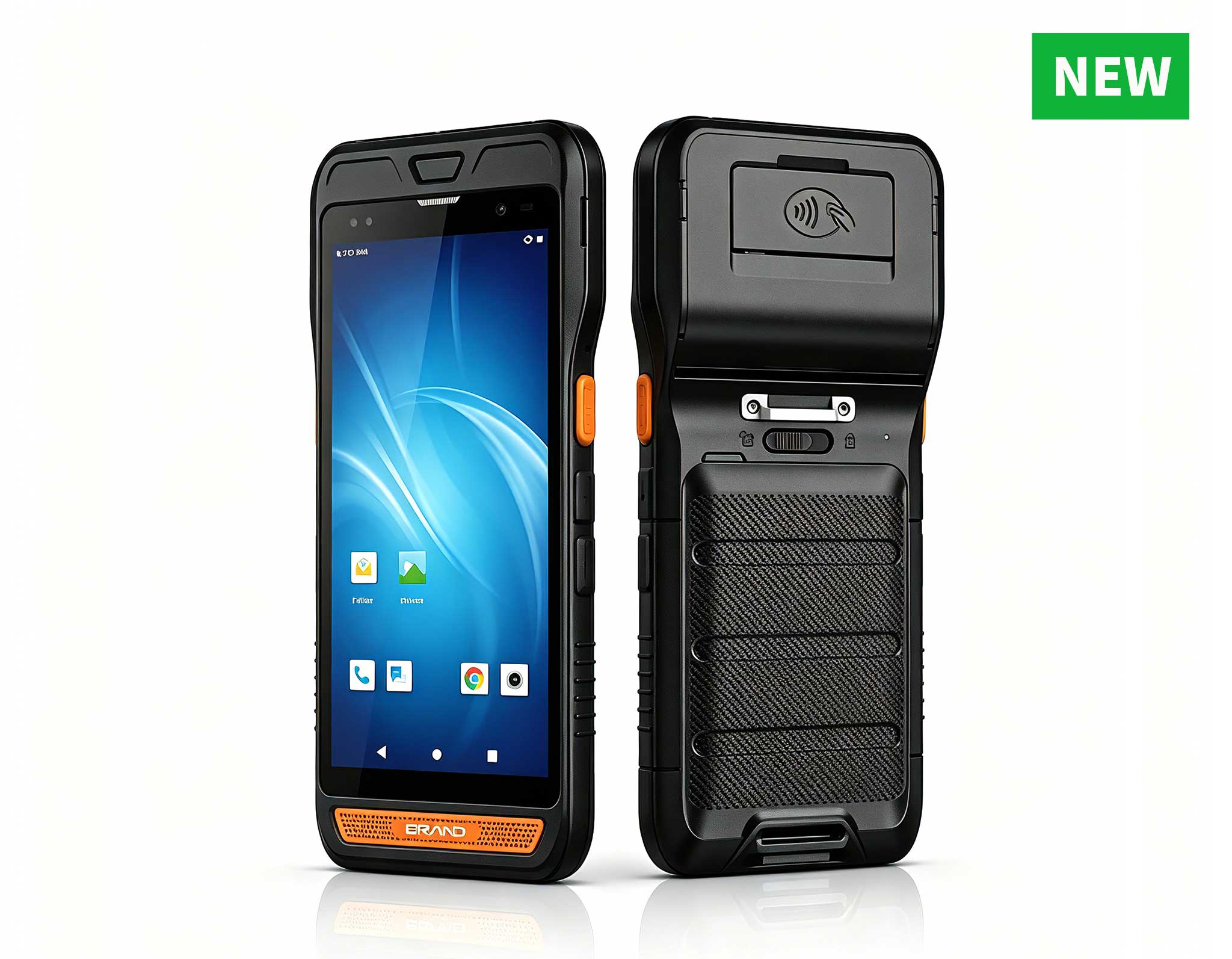
R350C 4-inch Industrial Handheld PDA | Qualcom...
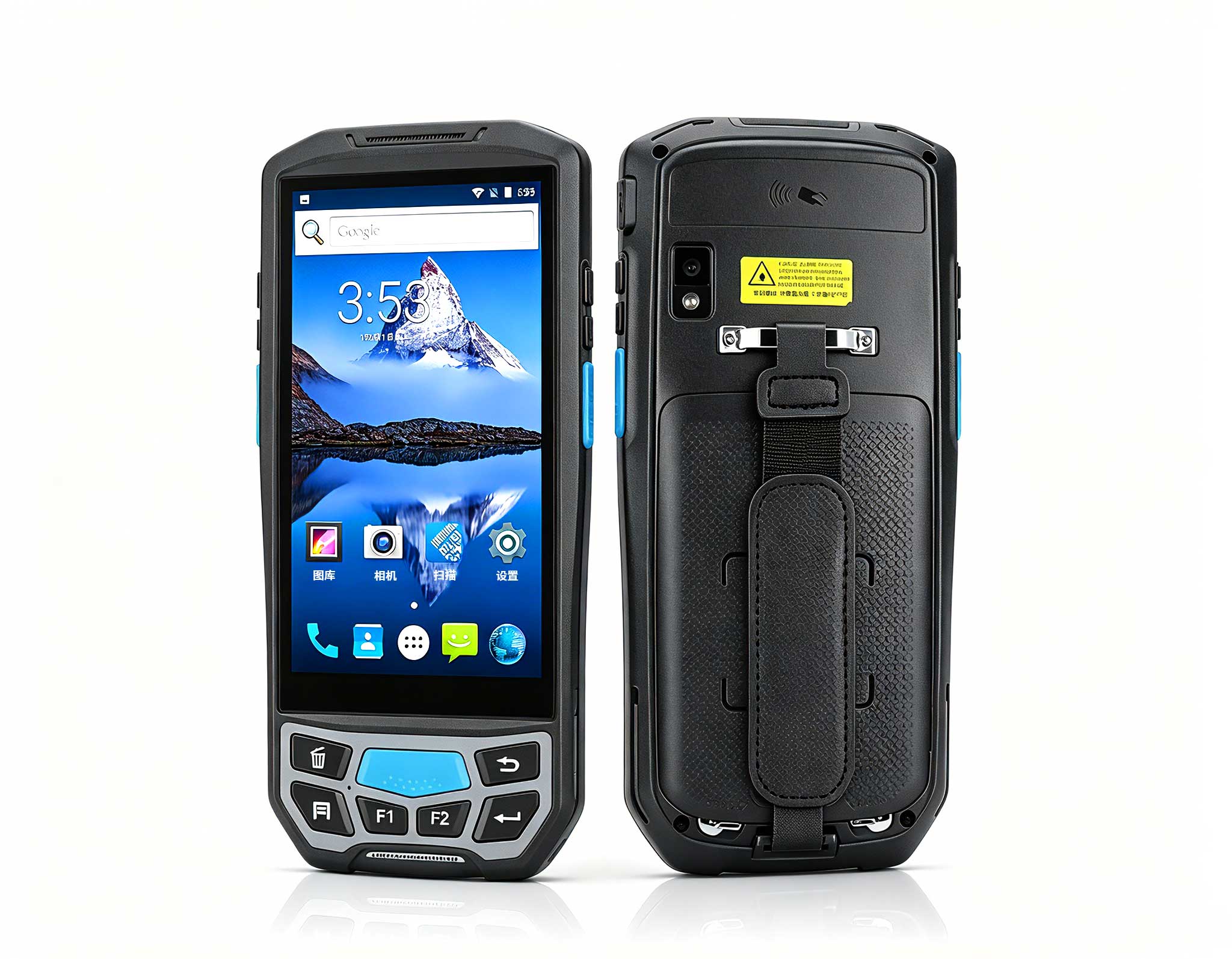
R366-S 5.5-inch Industrial PDA | Qualcomm Octa-cor...
R860-S 5.5-inch Industrial PDA with Thermal Printe...
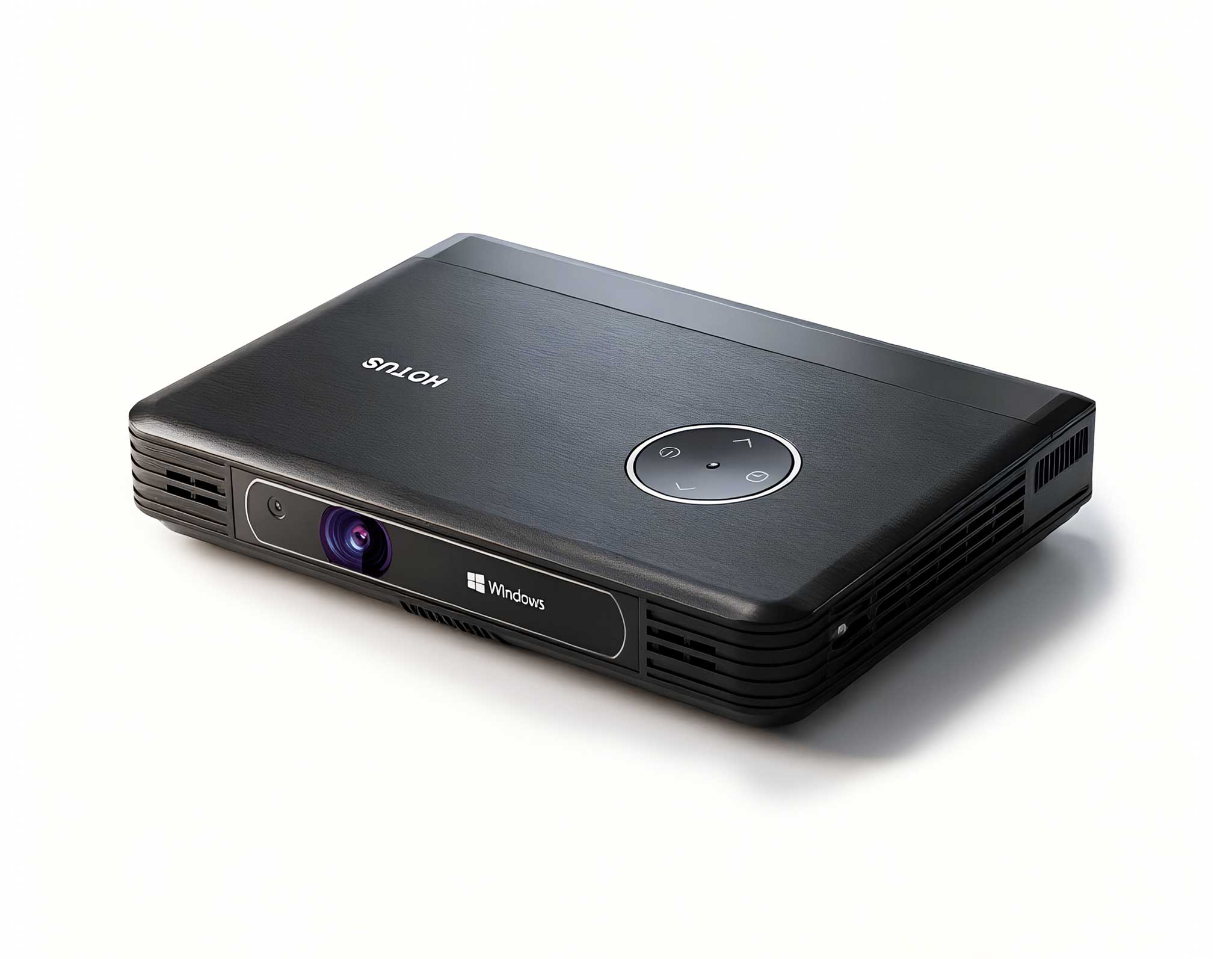
Full SpecificationsModelHotus ST13‑UOSWindows 10 P...
Explore an innovative Personal Digital Assistant f...
The U9000 handheld PDA combines advanced barcode s...
R860-S 5.5-inch Industrial PDA with Thermal Printe...
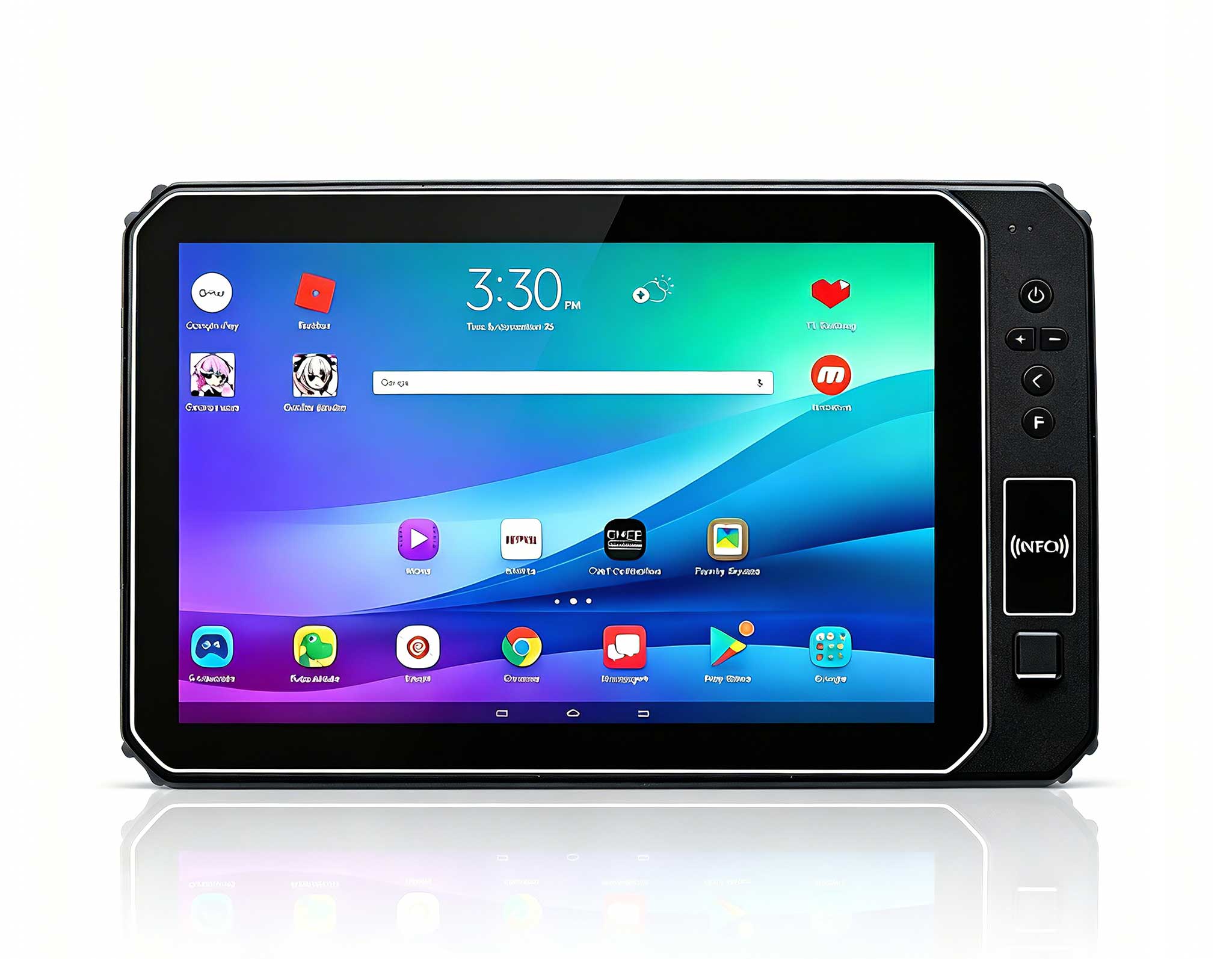
This 10-inch Android rugged tablet is designed for...
A maintenance schedule for field service equipment is usually written against a calendar: a monthly wipe-down, a quarterly check, an annual service. That calendar was borrowed from office equipment, where the unit sits on a desk and wears out by running. A terminal that travels in a van does not wear out that way. Its wear comes from being loaded and unloaded at every job, from the temperature swing between a cold cab and a hot site, and from how many times its pack has been cycled. None of those three appears on any calendar.
Three units cover most of this work: two handheld terminals and one tablet. RS50 and RS51 share a shell, a display size and the same charging contacts, but differ in radio, memory and cost. RT82 is a 10.1-inch tablet that usually stays in a cradle. The maintenance consequence of that split is not written on a specification sheet, and it is not the same for the three units.
There are two clocks inside a service van and they rarely agree. The first belongs to the dispatcher: it counts weeks and it decides when a check is due. The second belongs to the equipment itself, and it counts something else entirely — how many times the unit was lifted out of its slot, how many shifts it ran through, how many charging cycles the pack has taken. A unit on a quiet route can reach its annual date with almost no accumulated load. A unit on a busy urban route can pass the same mark in a third of the time. Servicing both on one date means one of them is early and the other is late. A fleet that keeps its dates and ignores the counter will retire a lightly used terminal early while running a heavily used one past the point where its pack should already have been pulled.
Open the accessory list of any of these units and a pattern appears. Wrist strap, protective film, battery pack, charging contacts. None of them carries the same coverage as the sealed shell, because all four are designed to be consumed. They wear at a rate set by how hard the unit is worked, not by how long it has been owned. Treating them as scheduled items is what makes a date-based plan fail: the consumable half of the device is the half that actually decides when it leaves the van. Field maintenance work runs on exactly this split, which is why the field maintenance workflow reads duty cycles instead of dates.
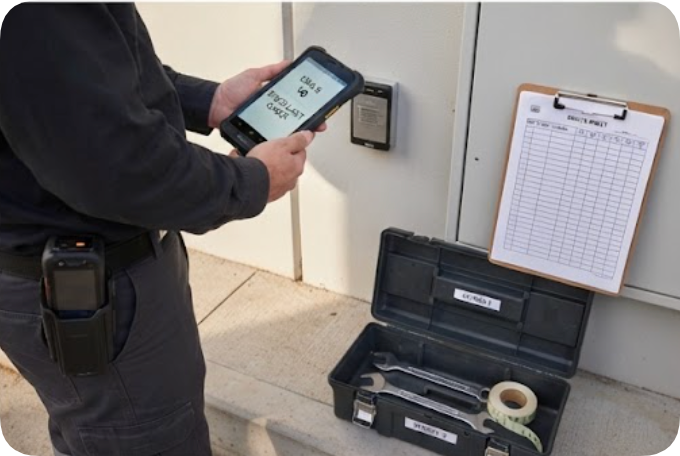
A better counter is the call itself. Every job adds one load, one unload, a temperature swing and a partial discharge. A unit that runs eight short calls a day accumulates that load several times faster than one assigned to a single long job. The rated operating range of minus ten to fifty degrees describes the unit while it is switched on, not while it sits in a parked vehicle, where the interior can move well outside that band on a summer afternoon. Two terminals of the same model and the same age can sit thousands of cycles apart without either one being faulty. The counter does not have to be electronic to be useful: a line on the route sheet, filled in by the engineer at the end of a shift, separates the two cases just as well as any logger.
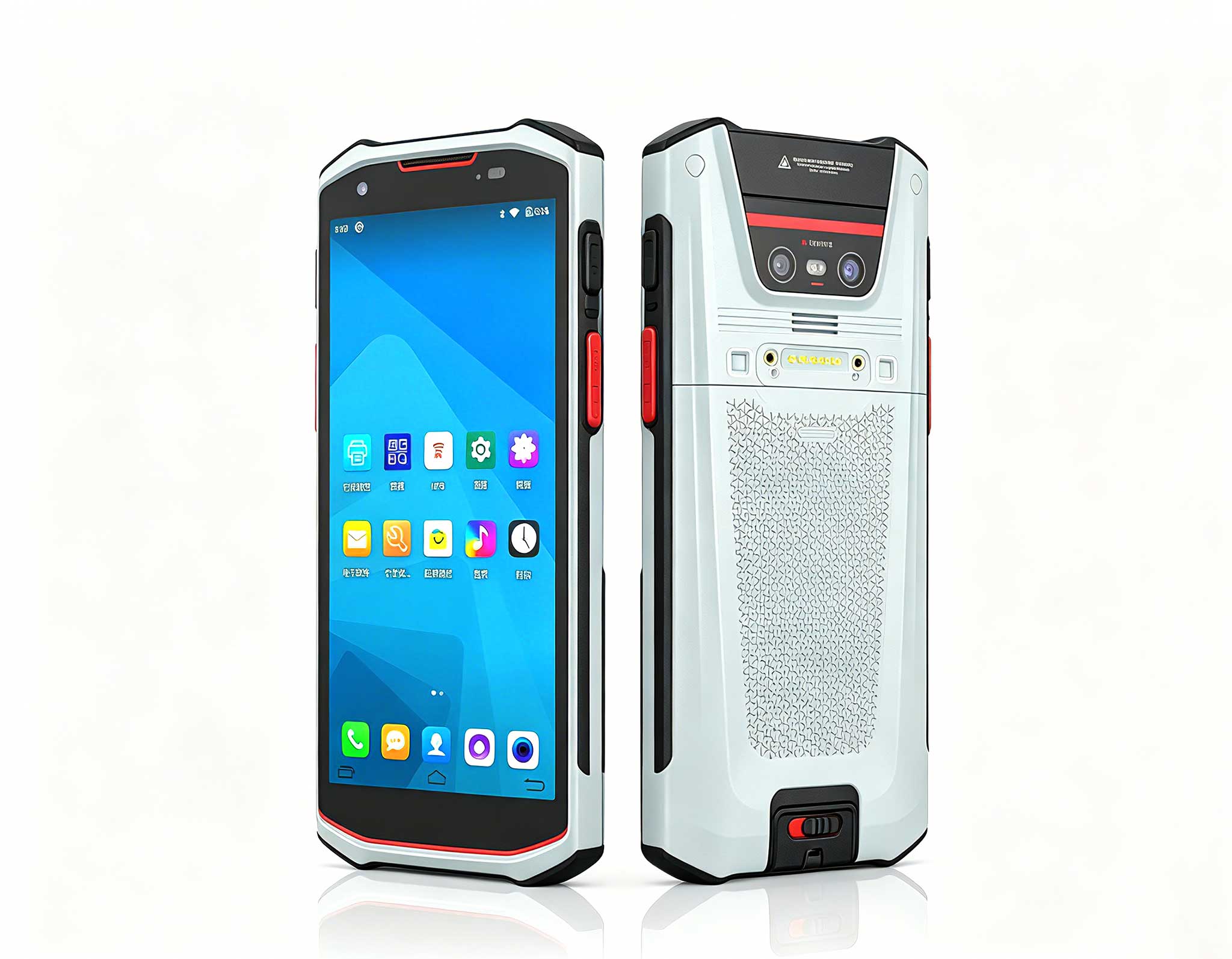
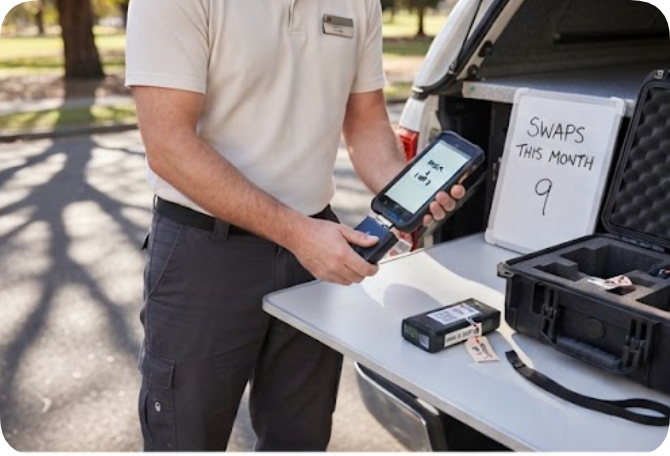
The RS50 carries a pack that can be swapped without shutting the terminal down. That one design decision moves the ageing away from the unit and onto a part an engineer can replace in a minute. The body keeps its sealing, IP67, and its one-point-two-metre drop tolerance, while the pack absorbs the charge cycles that would otherwise bring the end of service forward. Underneath it the rest of the specification stays fixed: a 6.3-inch FHD+ panel at 1080×2340 with five-point G+F+F touch, 8GB of memory and 128GB of storage, an octa-core 2.7GHz processor with an 8T NPU, 5G, and two SCAN keys on the side. The maintenance question turns into a stocking question: how many spare packs travel with the van.
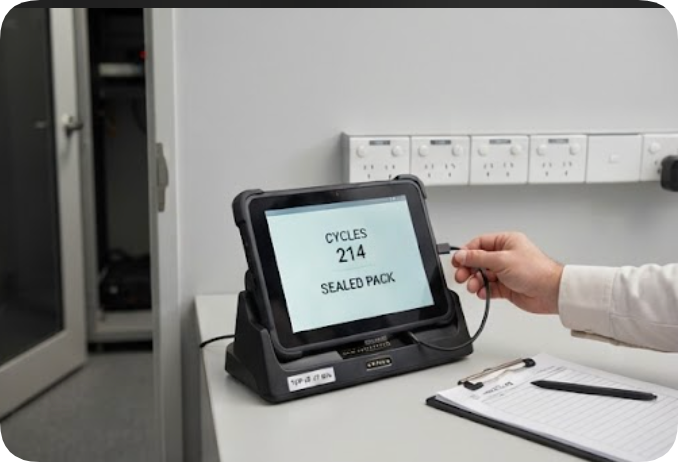
The RT82 takes the opposite approach. Its sealed pack cannot be swapped, so every charge cycle it accepts is a cycle the whole tablet accepts. Nothing is consumed separately, and the power source and the unit retire on the same day. That changes what maintenance means here: instead of stocking packs, the work is to reduce cycles. Holding a partial charge through long idle periods and topping up in the vehicle rather than running the pack flat both stretch the interval. The rest of the RT82 is a 10.1-inch FHD panel at 1200×1920 and 400 nits with ten-point G+G touch, 8GB and 128GB, 5G alongside Wi-Fi 6E, and a twelve-pin Pogo connector for its cradle.
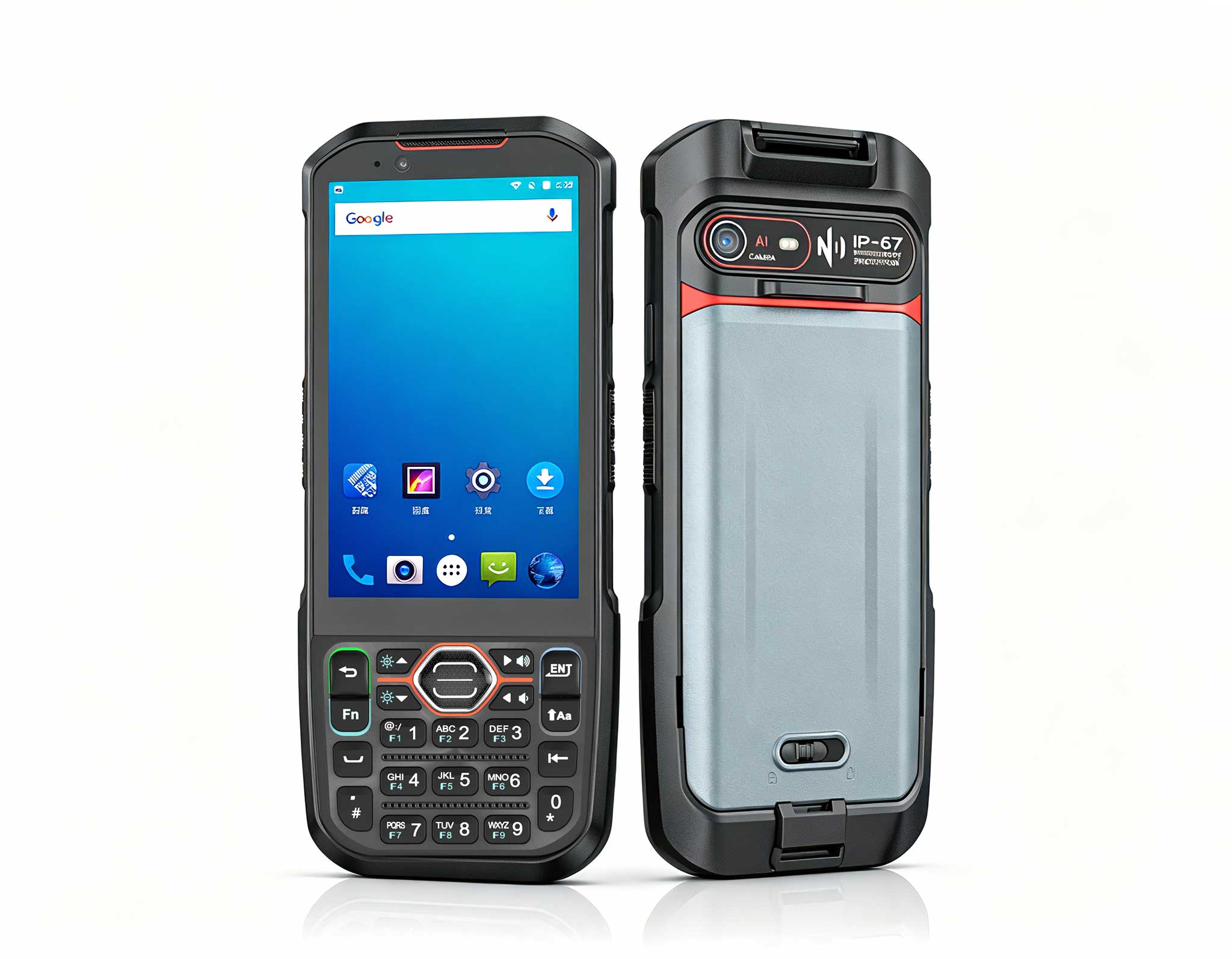
The RS51 is the cheaper member of the pair and it reads that way on paper: 4GB of memory, 64GB of storage, an eleven-nanometre 2.4GHz processor, 4G rather than 5G. What it does not have is a cheaper routine. It uses the same detachable 5000mAh pack and the same two-pin contacts as the RS50, so the consumable half behaves identically and the spare list does not change. It even adds a function key the RS50 does not carry, and pairs the same 6.3-inch panel with a 16MP rear camera. A fleet that runs both should not split its spares by price, because the parts that wear are the same parts.
| Specification | RS50 | RS51 | RT82 |
|---|---|---|---|
| Form factor | Handheld terminal | Handheld terminal | Rugged tablet |
| Display | 6.3in IPS FHD+ 1080×2340, 5-point G+F+F | 6.3in IPS FHD+ 1080×2340, same touch layer | 10.1in IPS FHD 1200×1920, 400 nits, 10-point G+G |
| Processor | Octa-core 2.7GHz with 8T NPU | Octa-core 2.4GHz, 11nm | Octa-core 2.9GHz with 6T NPU |
| Memory and storage | 8GB + 128GB | 4GB + 64GB | 8GB + 128GB |
| Battery handling | Detachable pack, hot-swap | 5000mAh pack, detachable | 10000mAh pack, sealed in body |
| Charging contacts | 2-pin Pogo | 2-pin Pogo | 12-pin Pogo |
| Cellular | 5G SA and NSA | 4G LTE | 5G SA and NSA |
| Wireless | 802.11ac, Bluetooth 5.0 | 802.11ac, Bluetooth 5.1 | Wi-Fi 6E tri-band, Bluetooth 5.2 |
| Weight | Under 500g | Under 500g in the same body | Under 650g |
| Protection | IP67 sealing, 1.2m drop | IP67 rated, 1.2m drop test | IP67, drop tested at 1.2m |
The table shows the split that matters here. Two of the three accept a spare pack and run their cradle current through a pair of pins. The third seals its pack into the body and needs twelve pins to do the same job.
The contacts are the least inspected part on any of the three. Two pins on each handheld, twelve on the tablet, all of them mating and unmating every time a unit returns to its cradle. Dust that never troubles a sealed housing will sit on a contact face and raise resistance, and the symptom usually shows up later as a pack that will not take a full charge. A wipe at every pack change costs seconds, and doing it at the same moment removes the need to schedule it as a separate task. The units carry IP67 sealing and a drop rating, and both cover the housing rather than the mating face. Hotus publishes the same sealing figure across the range, which is precisely why the contact face is the item a schedule tends to forget.
Most dispatch boards carry four columns: job, site, engineer, time window. None of them records what the assigned equipment has been through. Adding a fifth — the number of calls a unit has run since its last check — costs nothing and turns a date into a duty counter. A unit that passes the threshold comes in for a pack check; a unit that does not stays on the road. The reasoning behind those thresholds is the same one used in the comparison notes, where three units are read against the same route rather than against the same date. That is also the difference between a schedule that is easy to write and one that matches the equipment it was written for.