- Select Language
R366-S 5.5-inch Industrial PDA | Qualcomm Octa-cor...
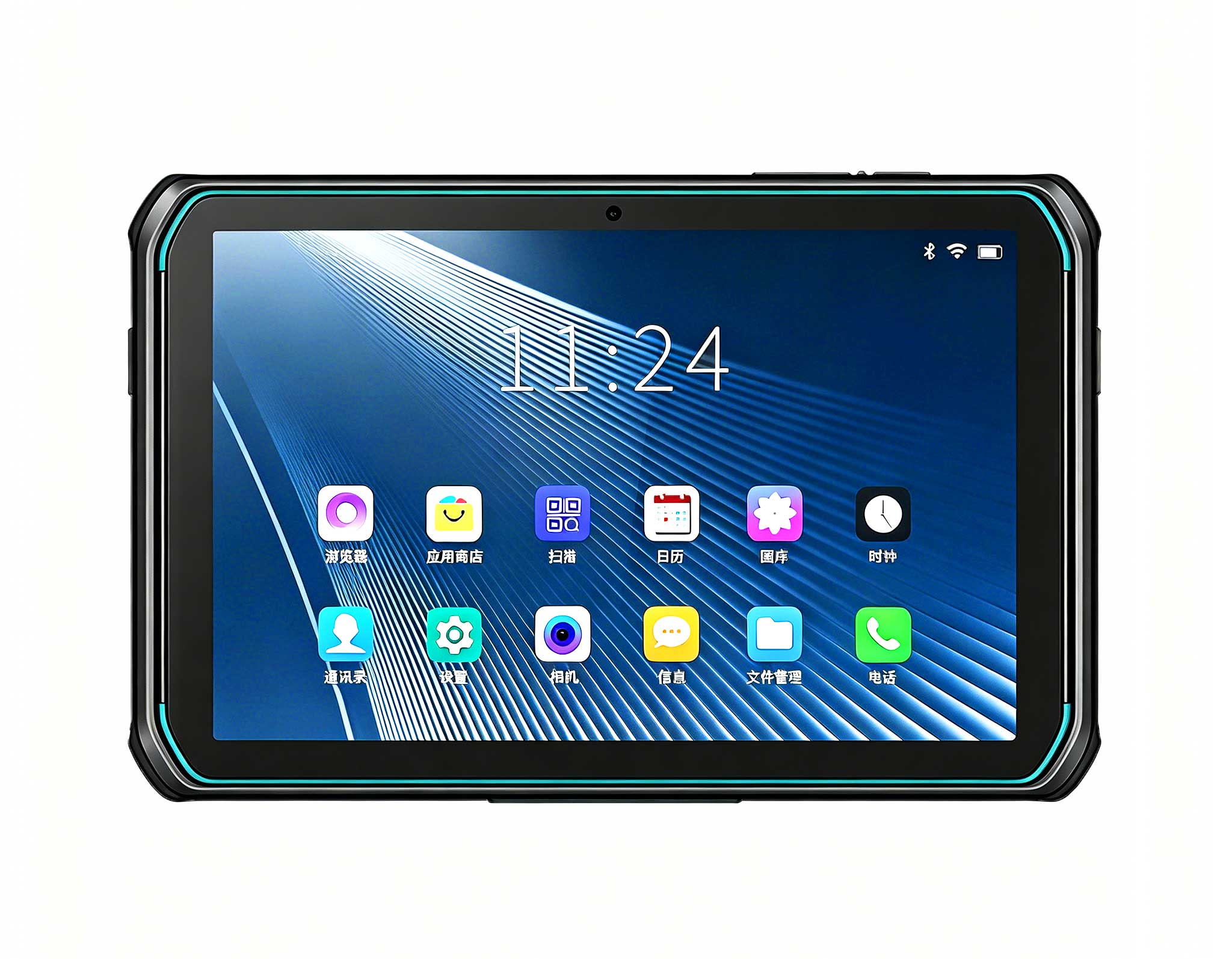
RT80 5G Rugged Tablet | 10.1" FHD 400nit | Un...
The T80 handheld PDA combines advanced barcode sca...
The U9000 handheld PDA combines advanced barcode s...
Full SpecificationsModelHotus ST13‑JOSWindows 10 P...
The EGPU Graphics Card Expansion Dock is a high-pe...
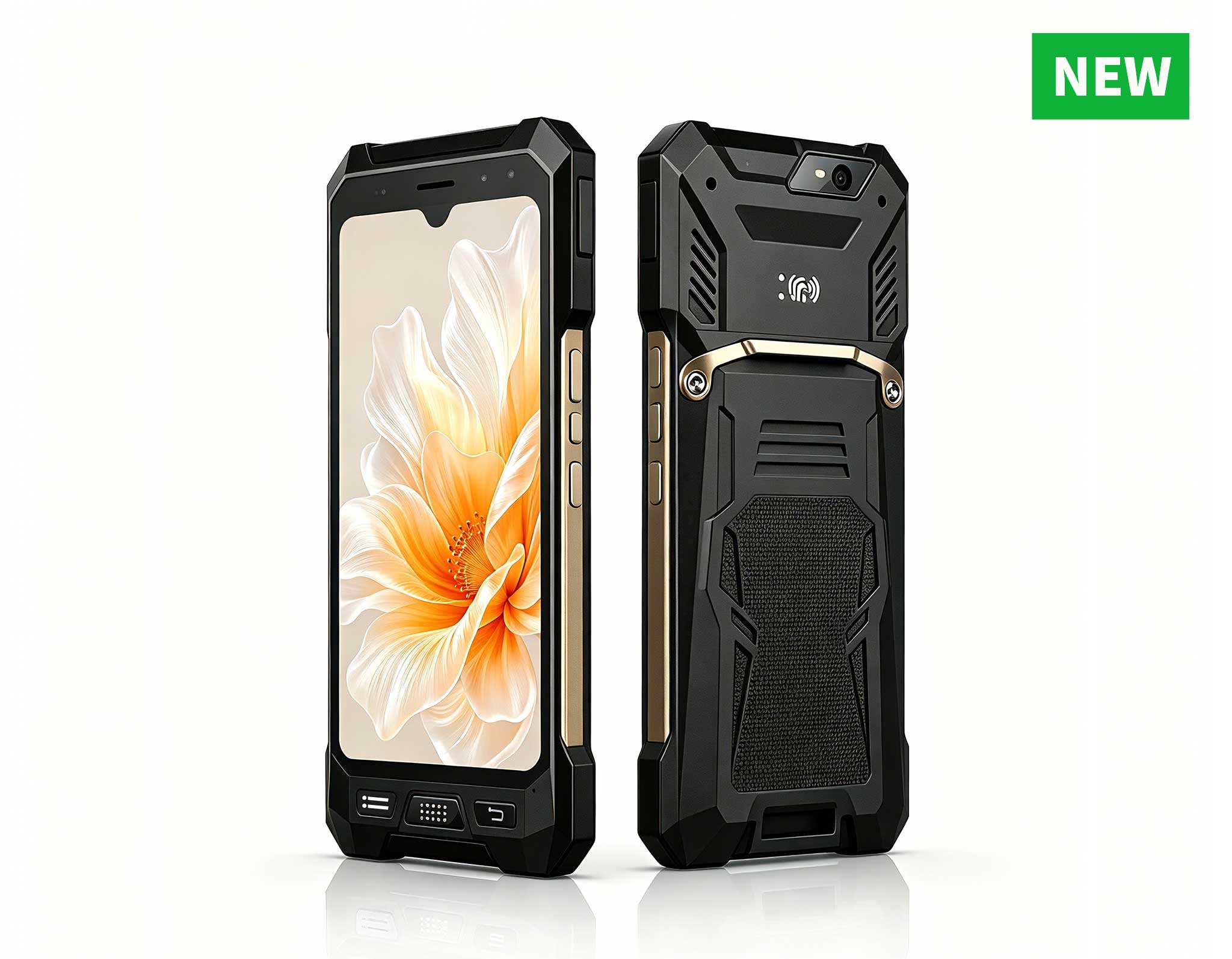
R530C 6.0-inch Industrial PDA | Qualcomm Octa-core...
Every warehouse that ships finished goods runs the same quiet sequence: someone gathers the items, someone checks them, and someone releases the carton to the carrier. Orders do not fail at random. They fail at one of the three stops along that sequence, and each stop punishes a different kind of understaffing. A crew that puts its fastest scanner at the bench and its most careful checker on the forklift lane has sorted people by speed instead of by what each position actually asks of them.
The packing and order verification floor is where handheld data terminals earn their keep, which is why the industrial PDA line divides so naturally across these roles. Three Hotus devices illustrate the split well, because each was built for a different point in the flow: one roams the rack, one sits at the checker's bench, and one owns the door. Matching the person to the stop is a staffing decision first and a hardware decision second, but the two cannot be separated, because the device that is right for one stop is wrong for the other two.
The temptation in a small operation is to hire one versatile operator and hand them the same terminal all day. The problem is that the three stops run on different clocks. Gathering works in long sweeps across aisles, checking works in short bursts at a fixed table, and releasing works in waves that follow the carrier pickup schedule. A person can cover two of these in a pinch, but never all three, because the release wave always arrives while a gathering sweep is half finished. Cross-covering also means the same terminal has to read a pallet tag at arm's length and a tiny carton label at the bench, and no single scan engine does both gracefully. Staffing the flow properly starts with admitting that the stops are different jobs, then giving each job the device whose trade-offs fit it. There is also a fatigue cost that schedules ignore: the sweep, the bench and the door load three different sets of muscles and three different kinds of attention, so an operator rotated across all of them in one shift makes counting errors in the afternoon that no terminal can audit out. Two people covering three stops with the shift split by stop, not by aisle, holds up far better than one person holding the whole line.
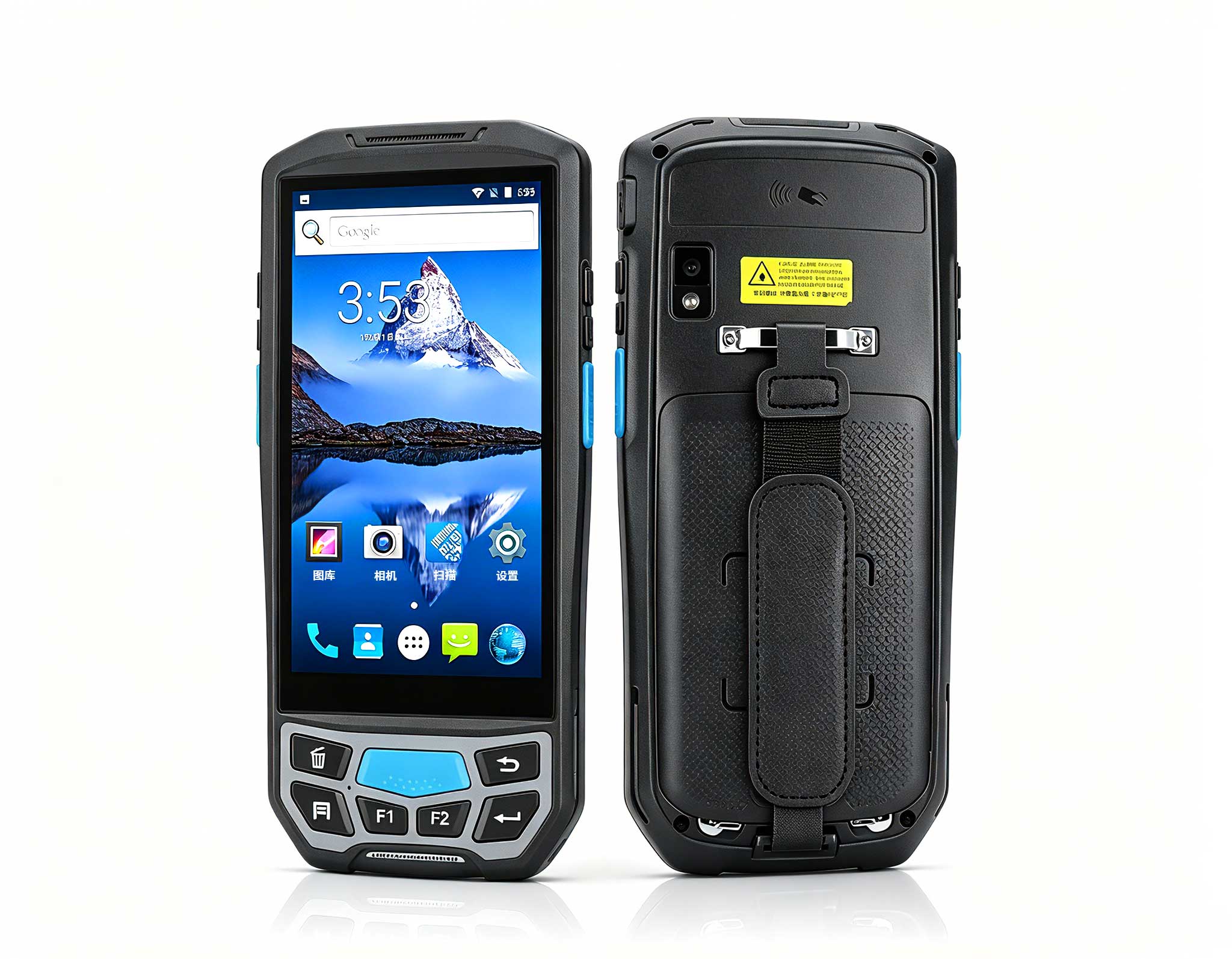
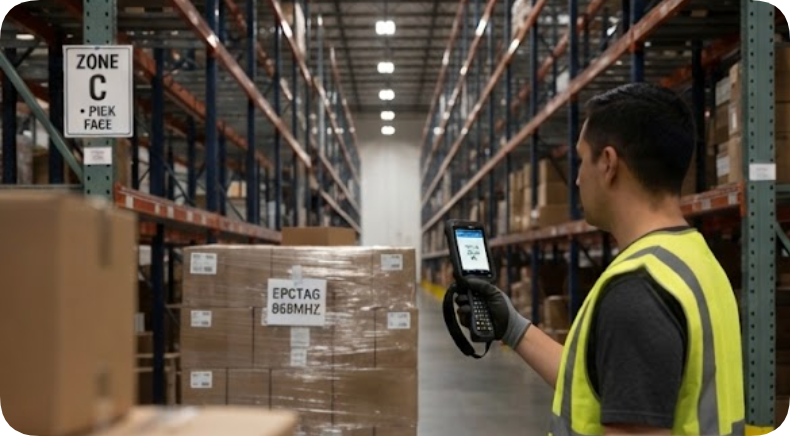
The gathering stop rewards reach and stamina, and it is where the U9000 Handheld PDA fits best. Its optional UHF RFID module reads 840 to 960MHz tags at beyond 1.5m under the EPCglobal Class1 Gen2 protocol, so a picker can confirm a full tote without touching every carton. The removable 4800mAh battery runs over twelve hours and recharges in under four, which covers a long shift plus the overtime wave. Dual-band Wi-Fi and 2G through 5G cellular keep the WMS session alive across dock and yard. The trade-offs are honest ones: the 5.0in IPS panel sits at 720x1280 under Gorilla Glass, fine for menus and short forms but not a document reader, and the page publishes no IP rating, so this unit belongs indoors or under a roof. The operator who thrives here walks several kilometres a shift and wants every tote counted in one pass.
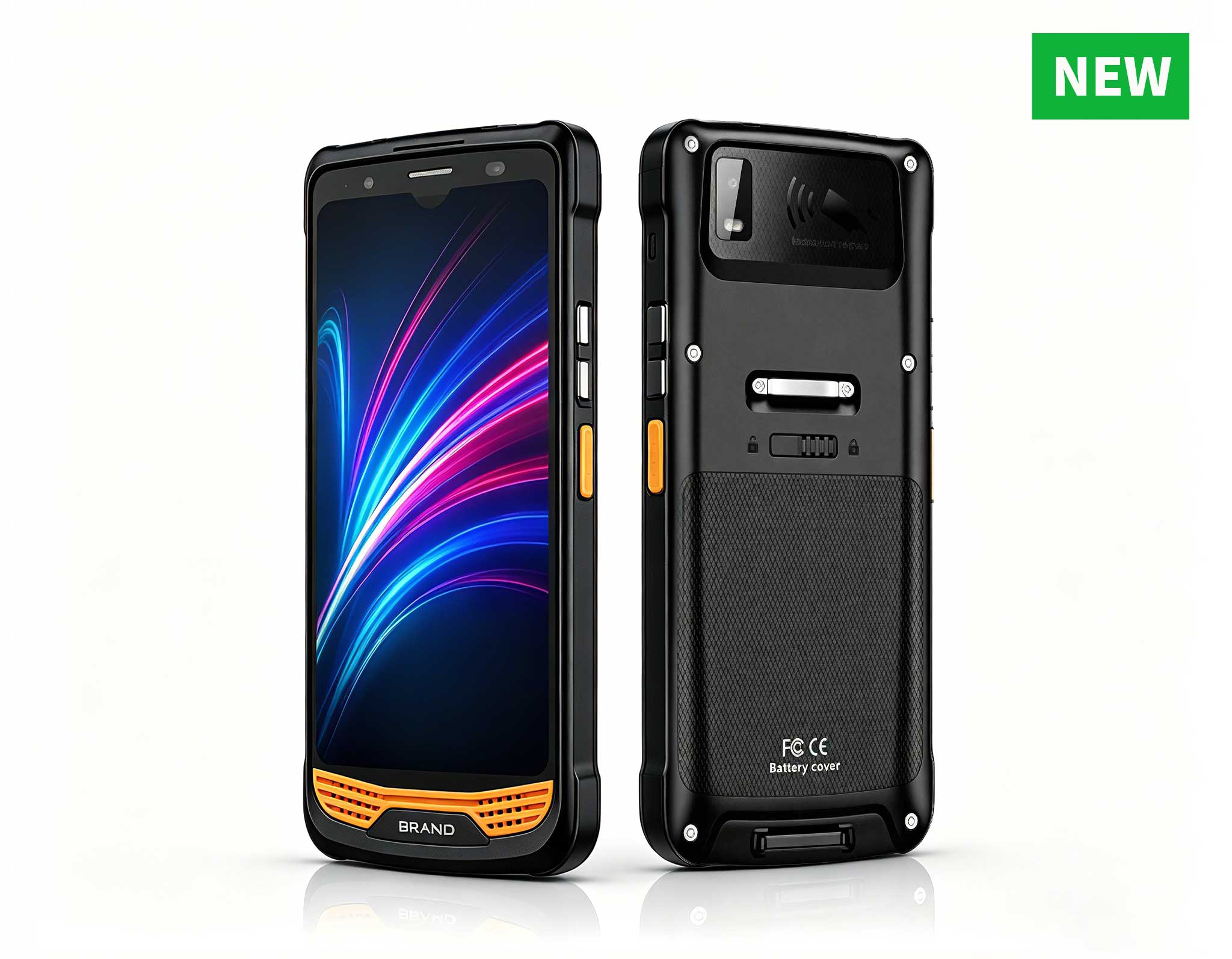
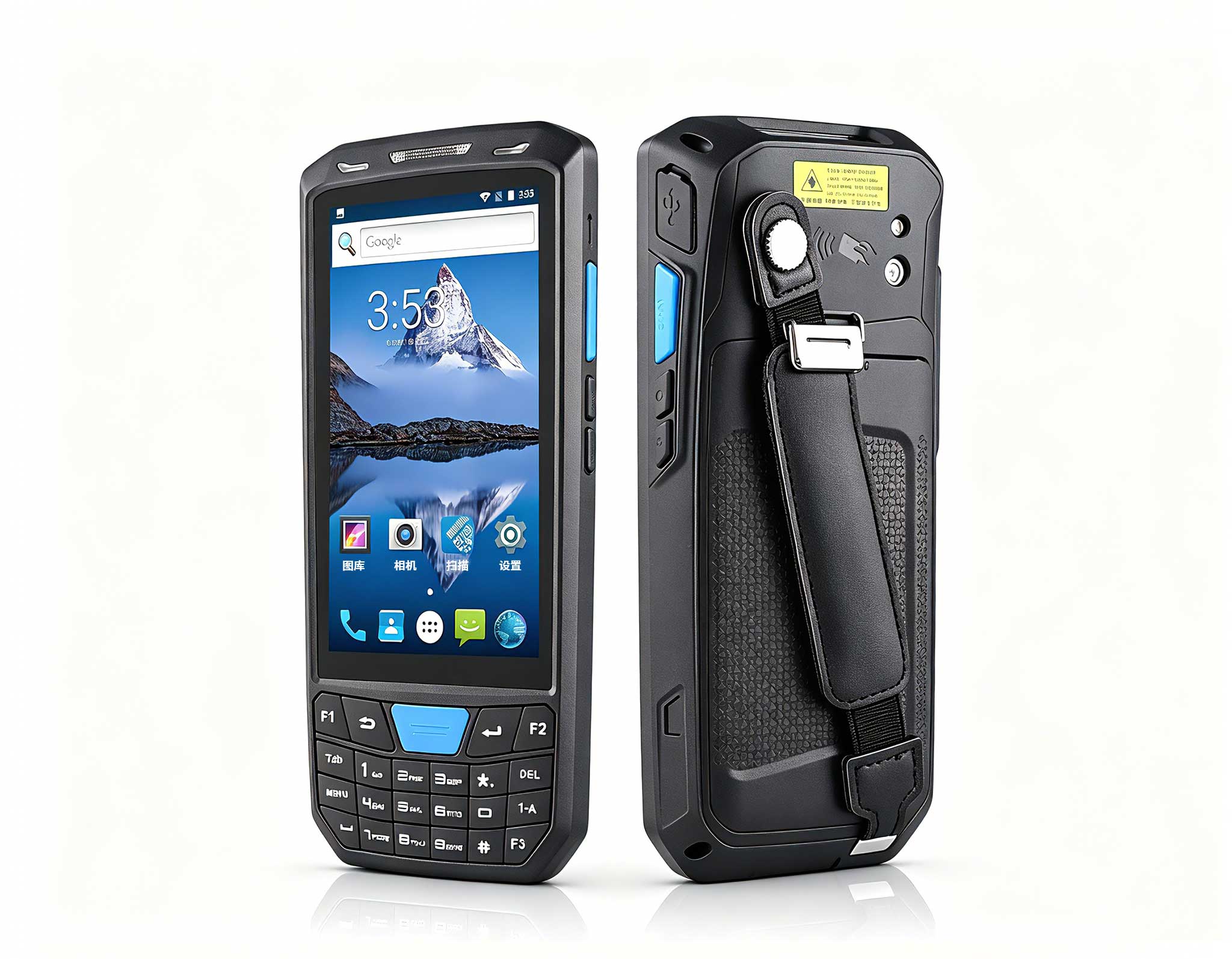
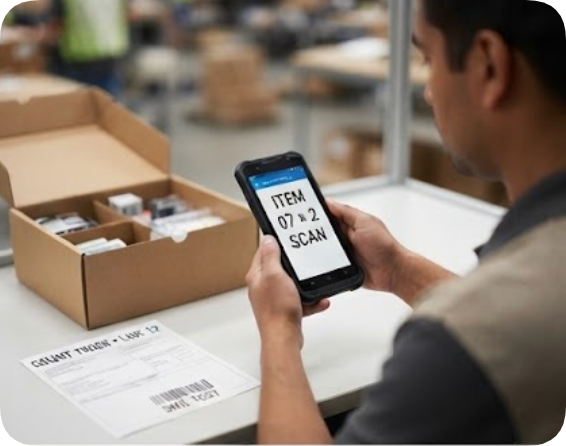
The verification bench rewards precision and patience, and the R366-S was shaped for exactly this posture. At under 300g and 17.6mm thick, it survives a full shift of being picked up, turned over and set back down, several hundred times a day. Two dedicated SCAN buttons sit where a checker's fingers already rest, and the optional 2D imager resolves codes down to 3mil, small enough for the condensed labels suppliers print on component boxes. The 4600mAh battery detaches and hot-swaps, so the count never pauses for a charger. On the payments side, dual PSAM slots handle secure card verification when an order is collected on the spot. Dual SIM slots keep the checking app online through carrier dead zones in the middle of the building. The screen is a 5.5in IPS panel at 720x1440, adequate for line-item lists, and the device runs Android 13 on a Qualcomm octa-core platform that keeps the checking app responsive while the scanner module works.
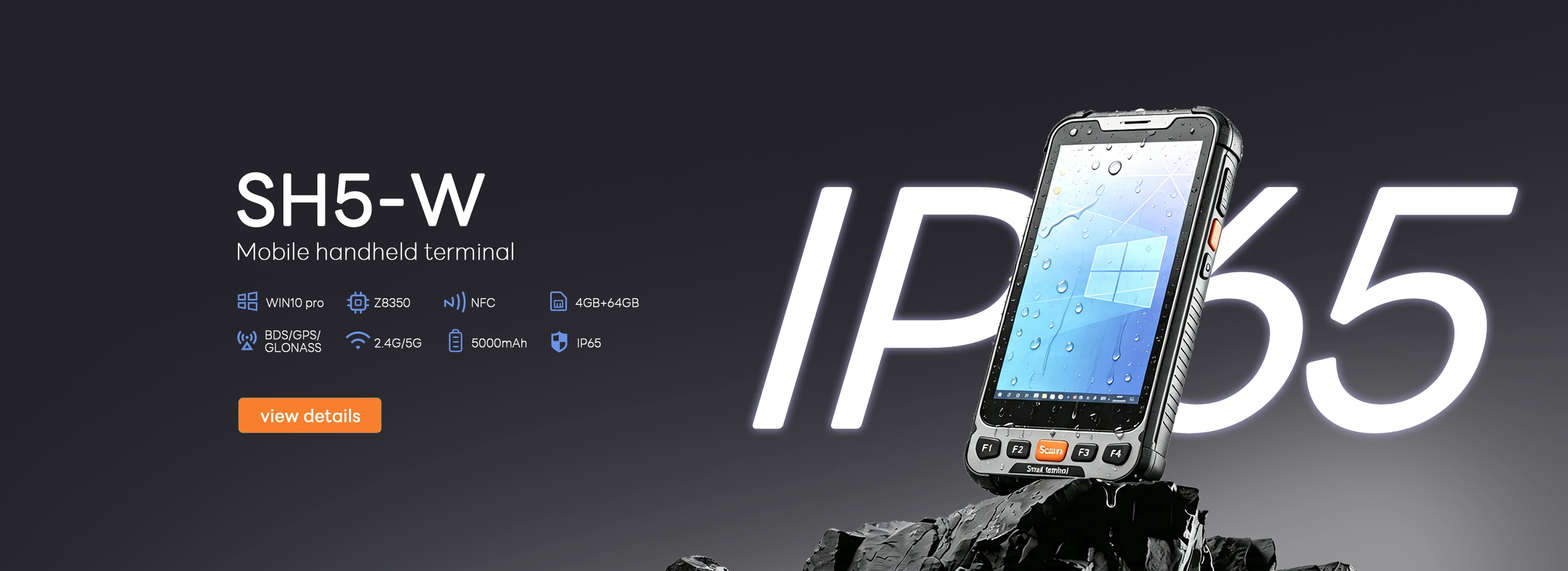
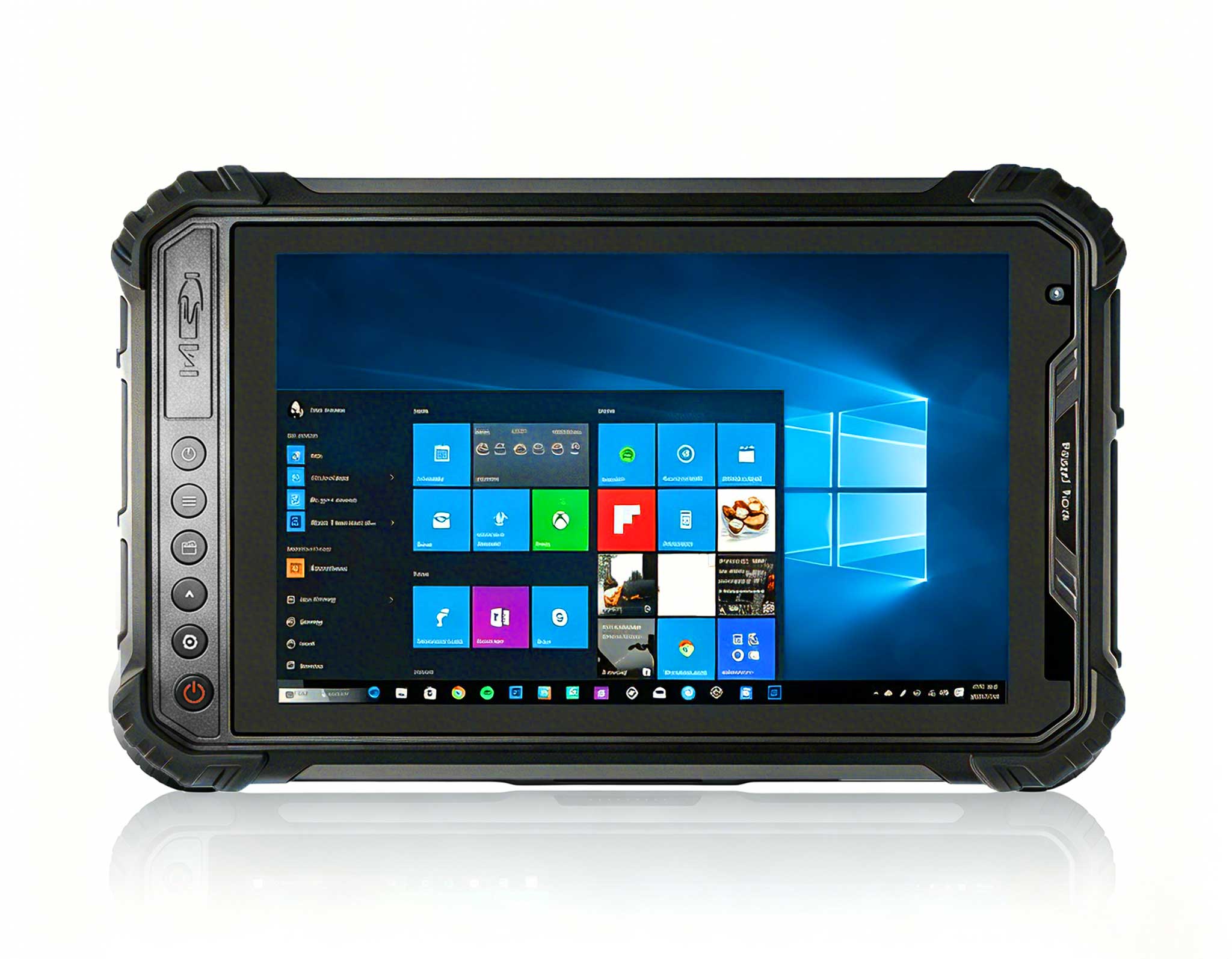
The release stop is a conversation between two systems, the carrier's and yours, and the SH5-W speaks both. Running Windows 10 Pro on an Intel quad-core platform, it opens the same desktop dispatch software the office uses, without a mobile wrapper that hides menu options. Its 5.5in panel reaches 400 nits, which keeps line items legible on a bright loading apron where a standard screen washes out. The 5000mAh battery is honestly rated at up to 5.5 hours, so release windows longer than a shift need the dock cradle nearby, a fair exchange for a device that also carries an IP65 rating with 1.2m drop resistance. NFC reads Mifare badges when drivers check in, and the optional UHF module lets the door operator sweep a sealed pallet straight onto the manifest. The 5-point capacitive touch layer keeps gloved signatures working in cold dock air, and front and rear cameras capture a carton's condition the moment custody changes hands, which settles most damage disputes before they start. This is the one seat where a full desktop OS is not a luxury but the job itself.
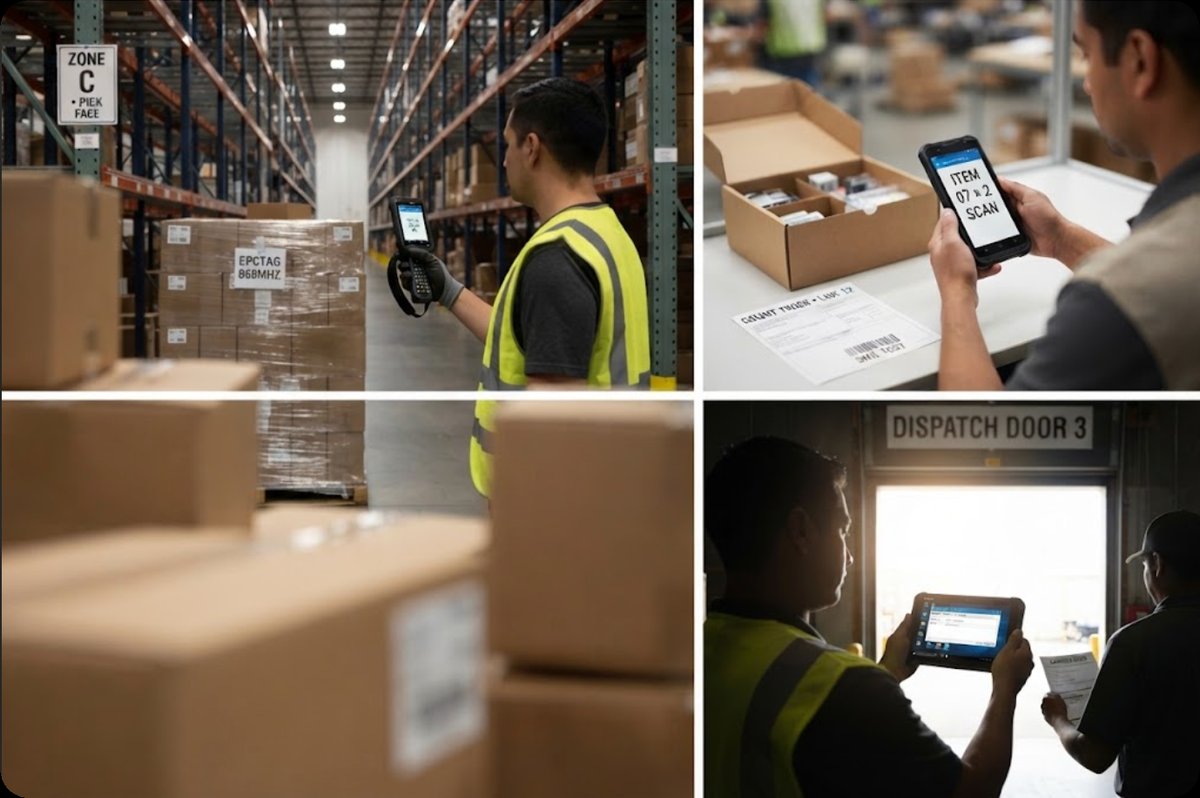
Set side by side, the three terminals make the role split visible on paper rather than in prose:
| Spec | U9000 Handheld PDA | R366-S | SH5-W |
|---|---|---|---|
| Display | 5.0in IPS, 720x1280, Gorilla Glass | 5.5in IPS, 720x1440 | 5.5in IPS, 1080x1920, 400 nits |
| System | Android 9.0 | Android 13 | Windows 10 Pro |
| Battery | 4800mAh removable, 12h plus | 4600mAh 3.8V, hot-swap | 5000mAh 3.8V, up to 5.5h |
| Dimensions | 178 x 78 x 24mm | 170 x 79 x 17.6mm | 180 x 87 x 20mm |
| Data capture | 1D/2D scanners; NFC; LF and UHF RFID optional | 2D imager at 3mil; NFC and dual PSAM optional | 1D/2D scanner; NFC with Mifare; UHF RFID optional |
| Network | 2G to 5G; dual-band Wi-Fi | 4G LTE; dual-band Wi-Fi; Bluetooth 5.0 | 4G LTE; Wi-Fi 5; Bluetooth 4.2 |
Two columns deliberately stayed off the table. Weight appears on only two of the three pages: the R366-S comes in under 300g and the SH5-W at 350 plus or minus 20g, while the U9000 page gives dimensions but no mass, so quoting two figures next to a blank would invite a false comparison. Protection splits the same way. The SH5-W is the only unit with a published rating, IP65 with a 1.2m drop figure; the U9000 page describes a durable build and Gorilla Glass without certifying a number; and the R366-S lists an operating range of minus 10 to 50 degrees Celsius instead. Read together, the pattern is clear: the door unit is the one engineered and documented for weather, which is exactly where the release stop sits.
Once the three stops are staffed honestly, the assignment almost writes itself. The picker who covers the most distance gets the longest runtime and the widest read envelope, which is the U9000's day. The checker who handles every carton twice gets the lightest body and the finest scan resolution, which is the R366-S. The releaser who talks to two operating systems at once gets the handheld that runs the desktop stack on a sunlit apron, which is the SH5-W. None of these three units is the best device in the abstract; each is the best device at one stop, and the floor runs smoothly precisely because the exchange between them is the handoff of a carton, not the lending of a terminal.
Before fixing next week's rota, three questions settle most disputes. How many totes can one RFID sweep close per aisle, and does that number match the pick rate the shift is being held to? How many cartons per hour can a checker actually recount at 3mil resolution before errors climb, not the theoretical rate the bench allows? And how long is the carrier window, measured honestly, against the 5.5 hours the door unit can run untethered? The answers assign the devices by themselves. An order makes three stops before it ships, and a floor that staffs those stops as three different jobs, with a terminal chosen for each, catches the error where it happens instead of at the customer's door.