- Select Language
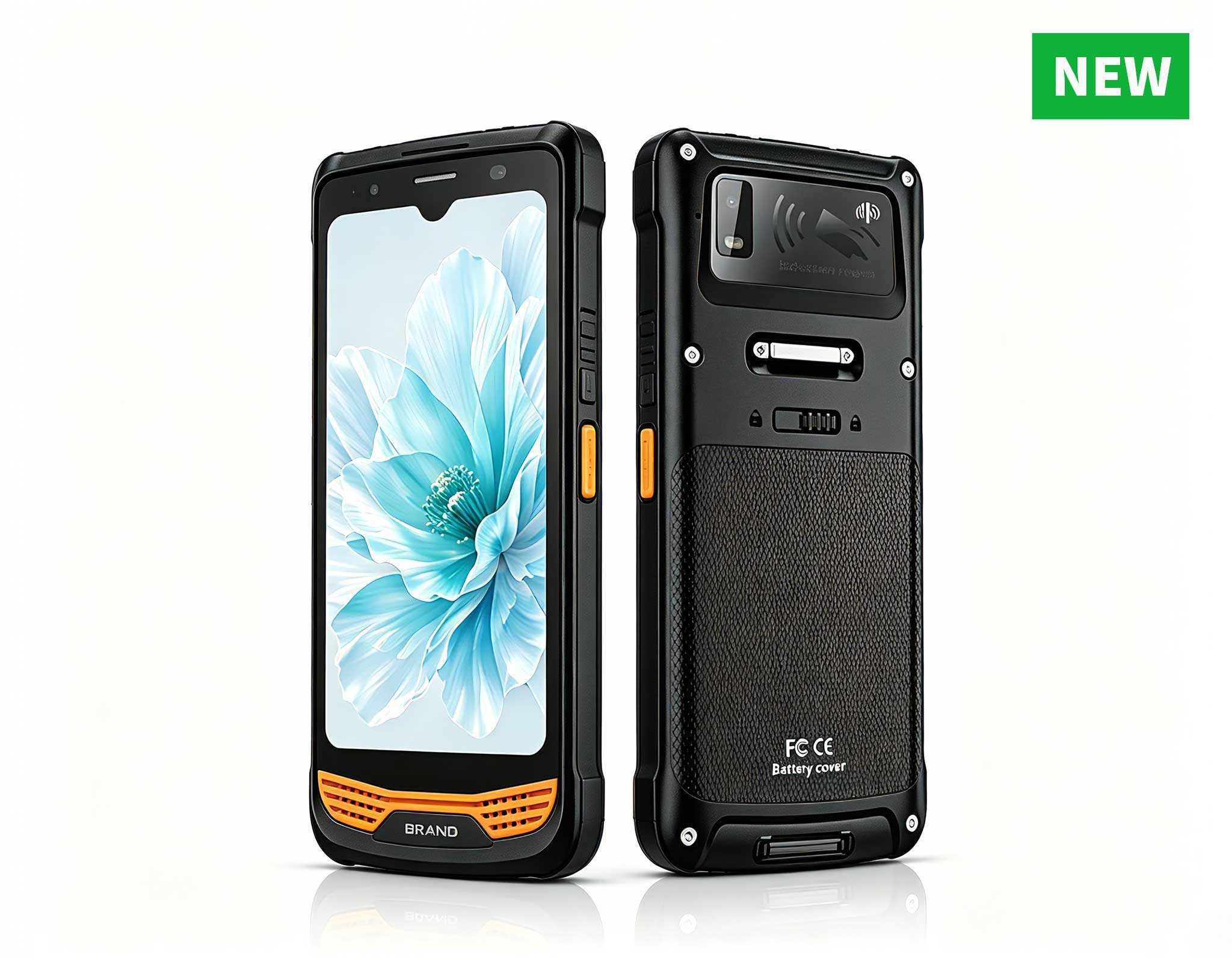
The F505 Handheld PDA is a compact, high-performan...
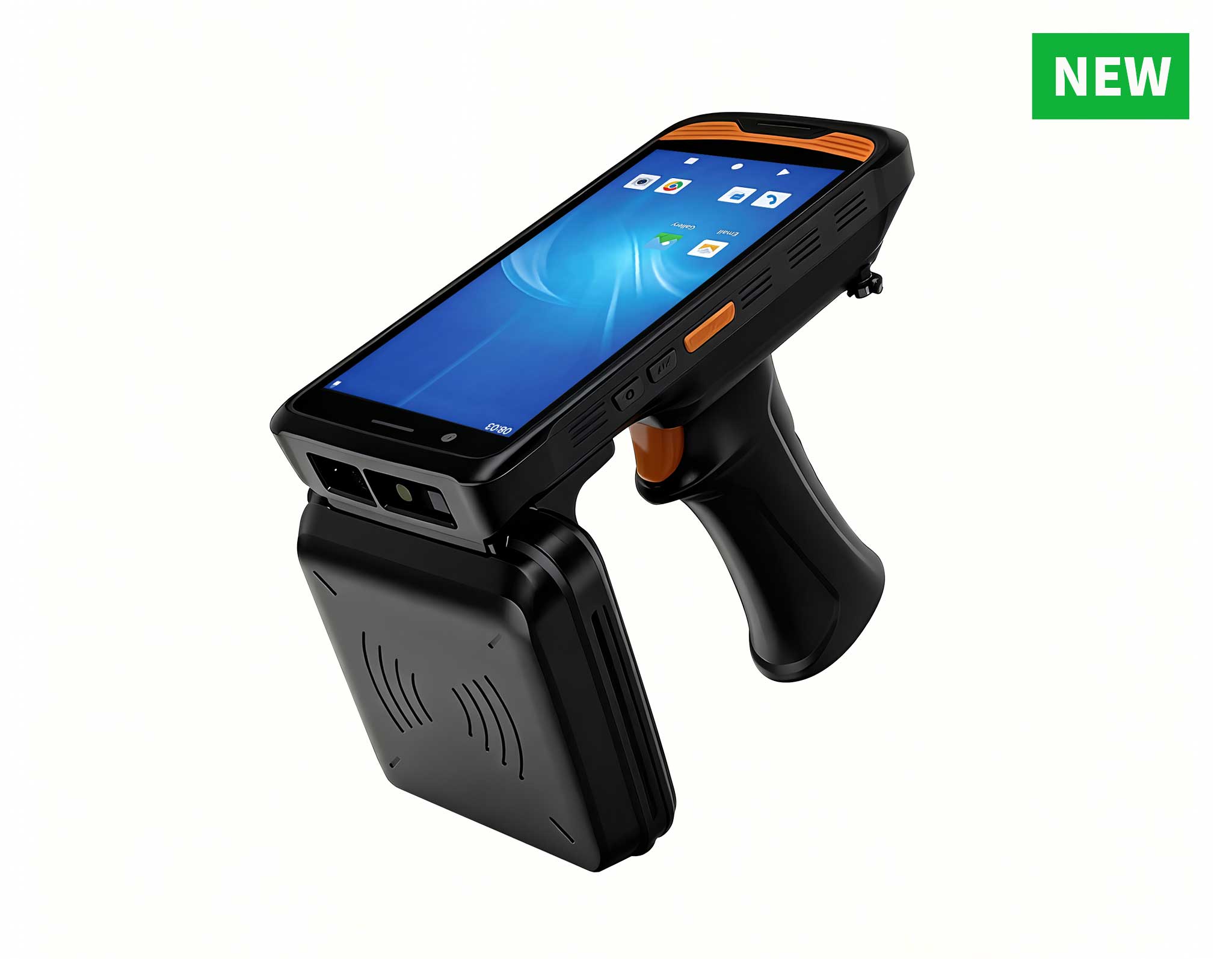
R366C-S 5.5-inch Industrial UHF RFID Reader | Qual...
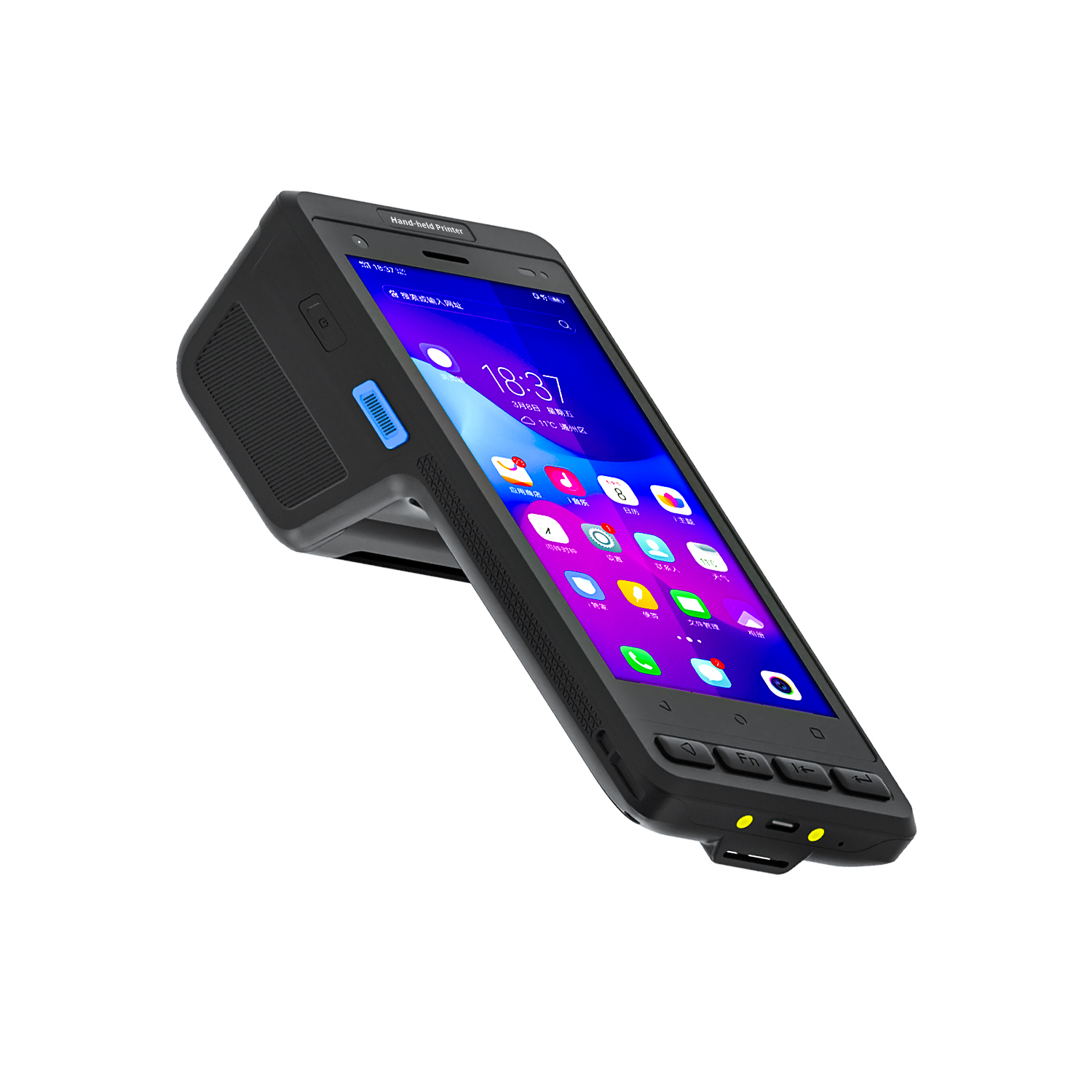
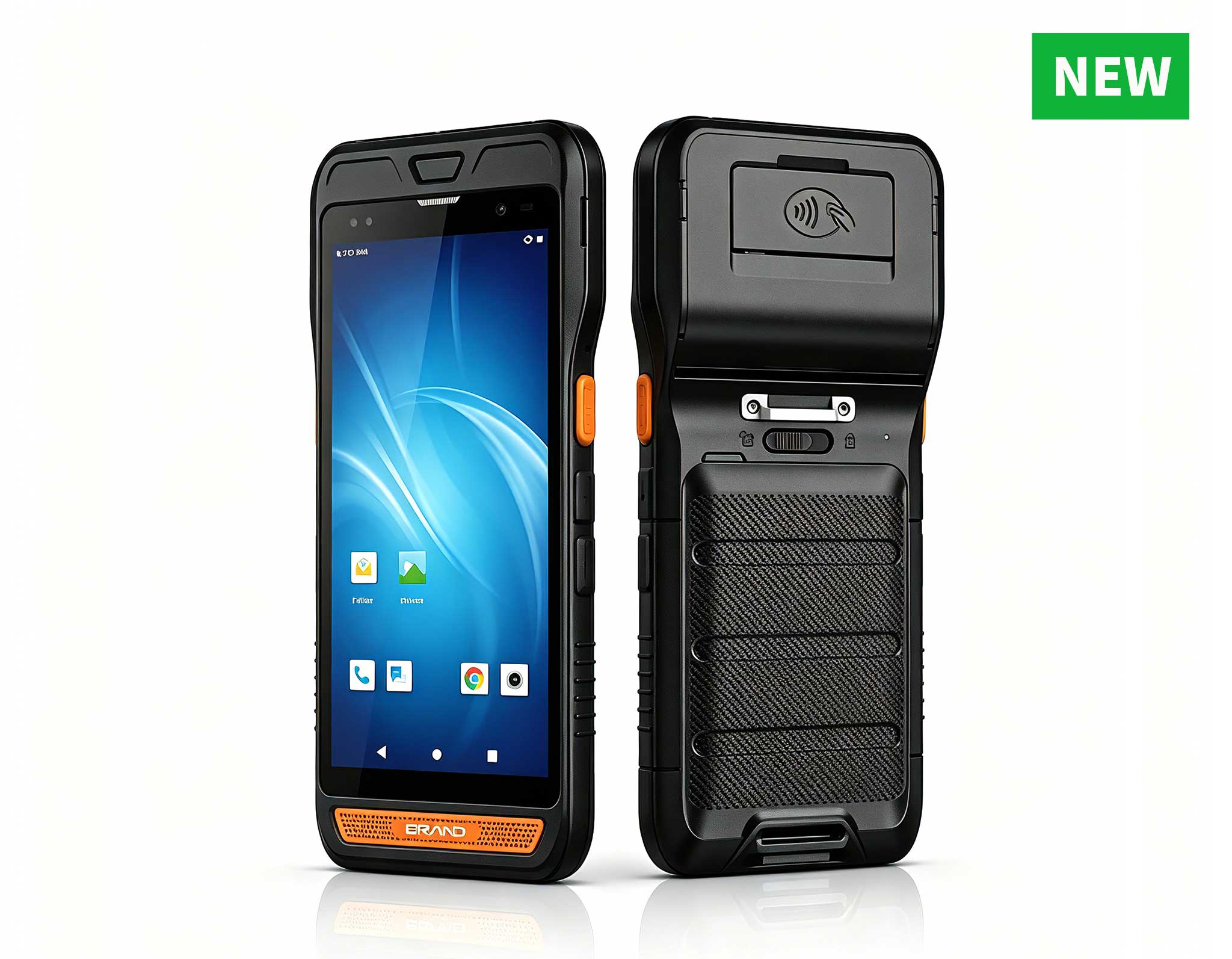
R860-S 5.5-inch Industrial PDA with Thermal Printe...
Full SpecificationsModel Hotus SH5‑WOperating ...
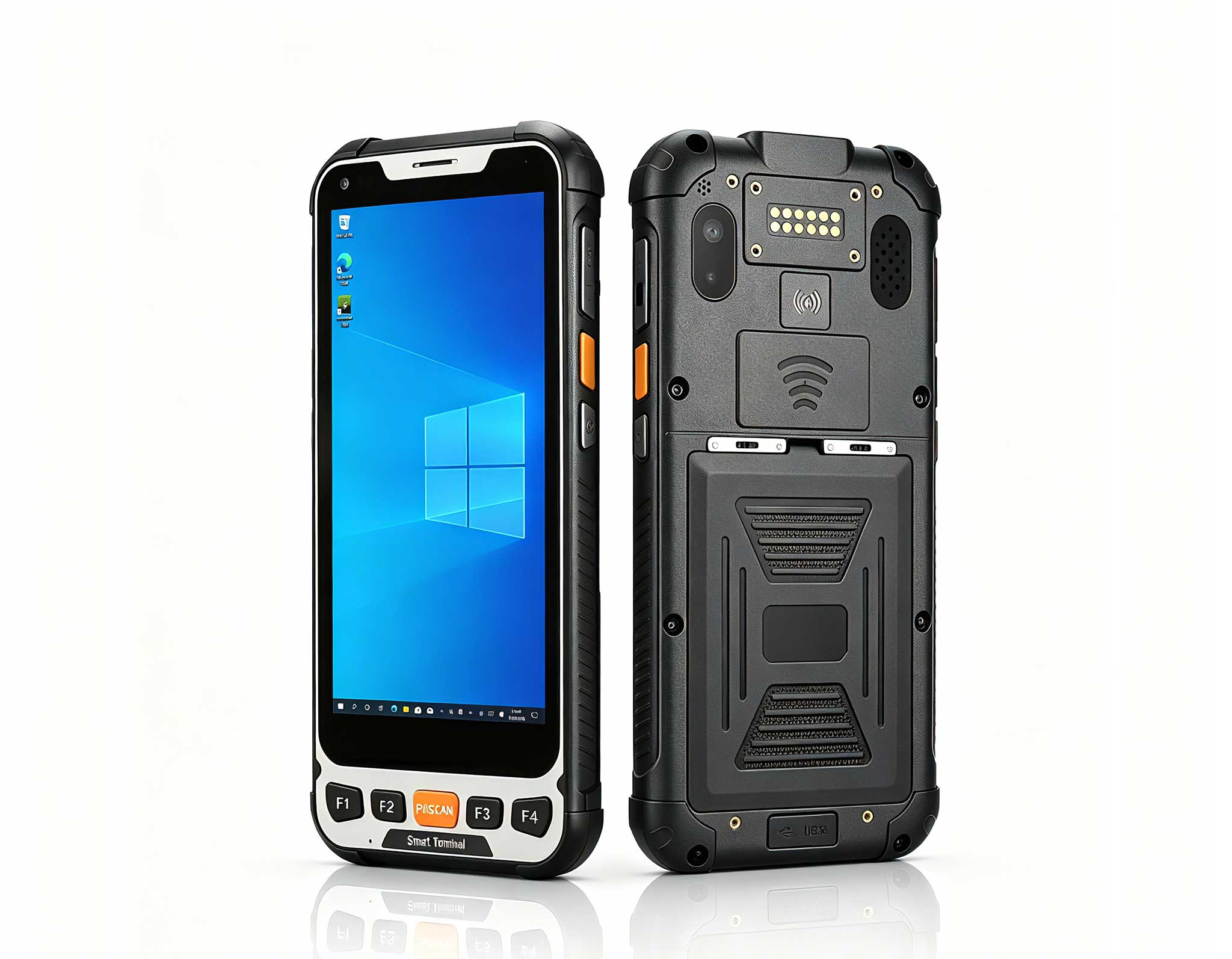
R366-S Thin 5.5-inch Industrial PDA | Qualcomm Oct...
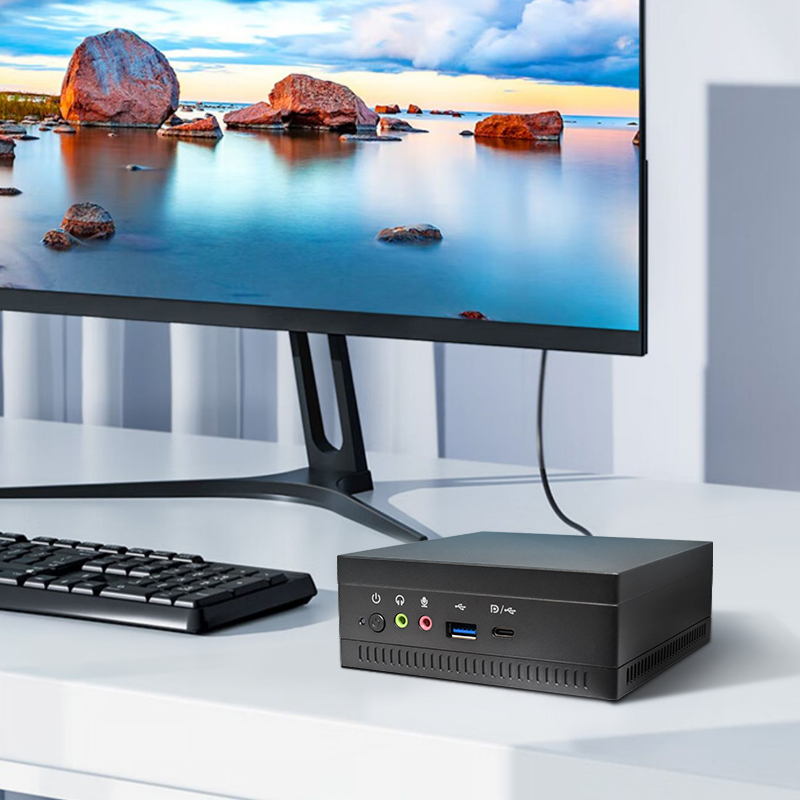
This ultra-compact mini PC offers powerful perform...
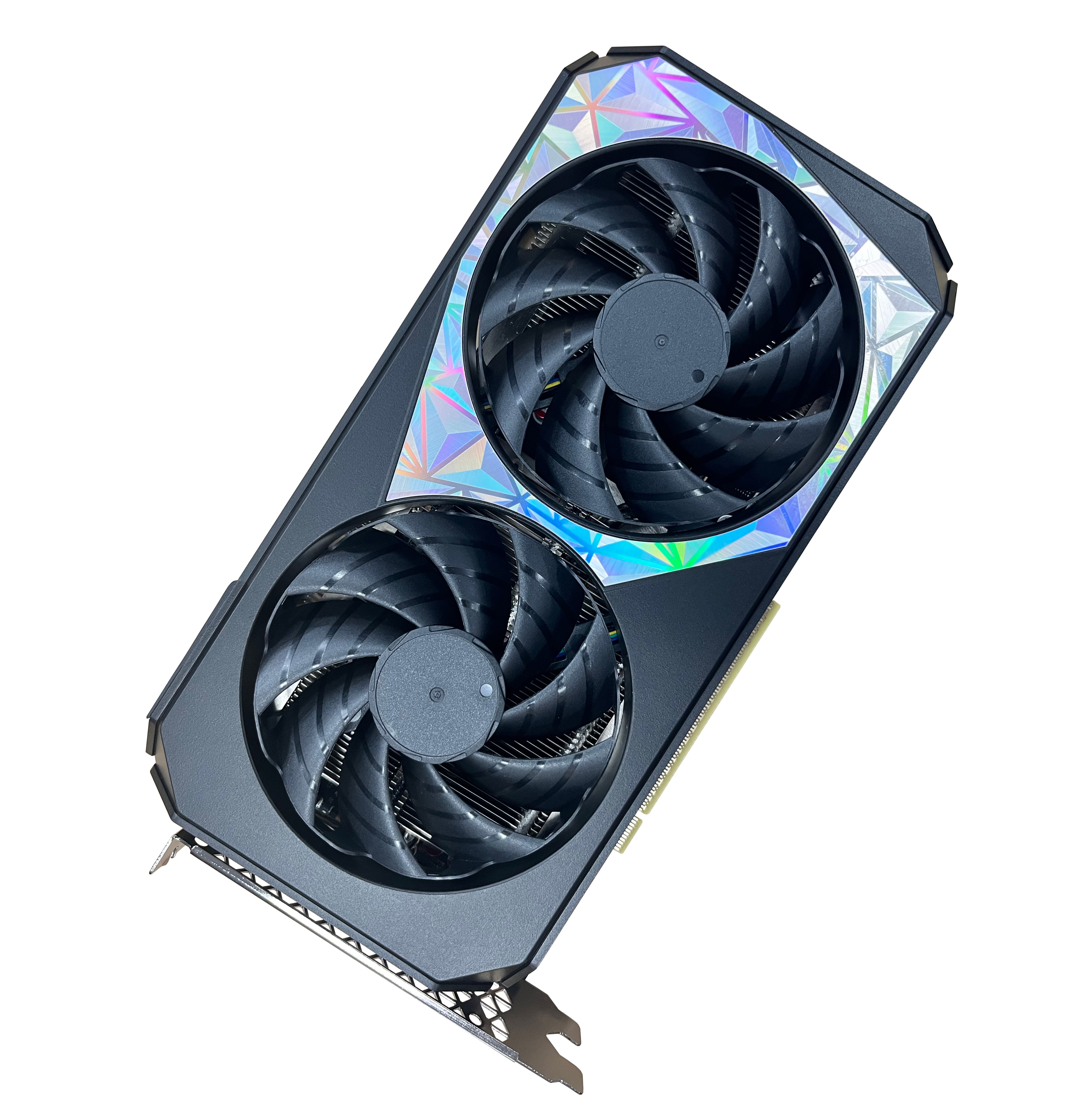
The EGPU Graphics Card Expansion Dock is a high-pe...
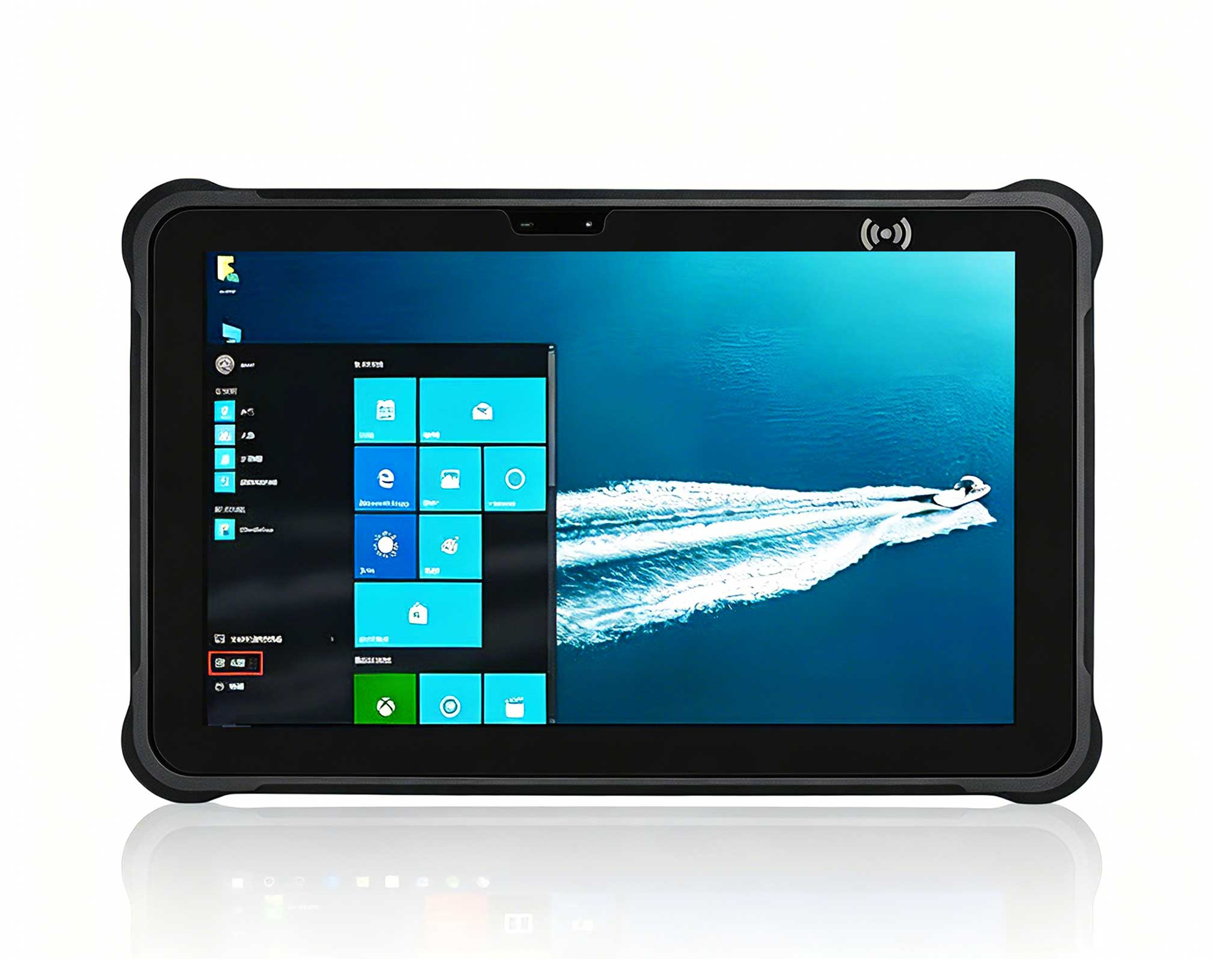
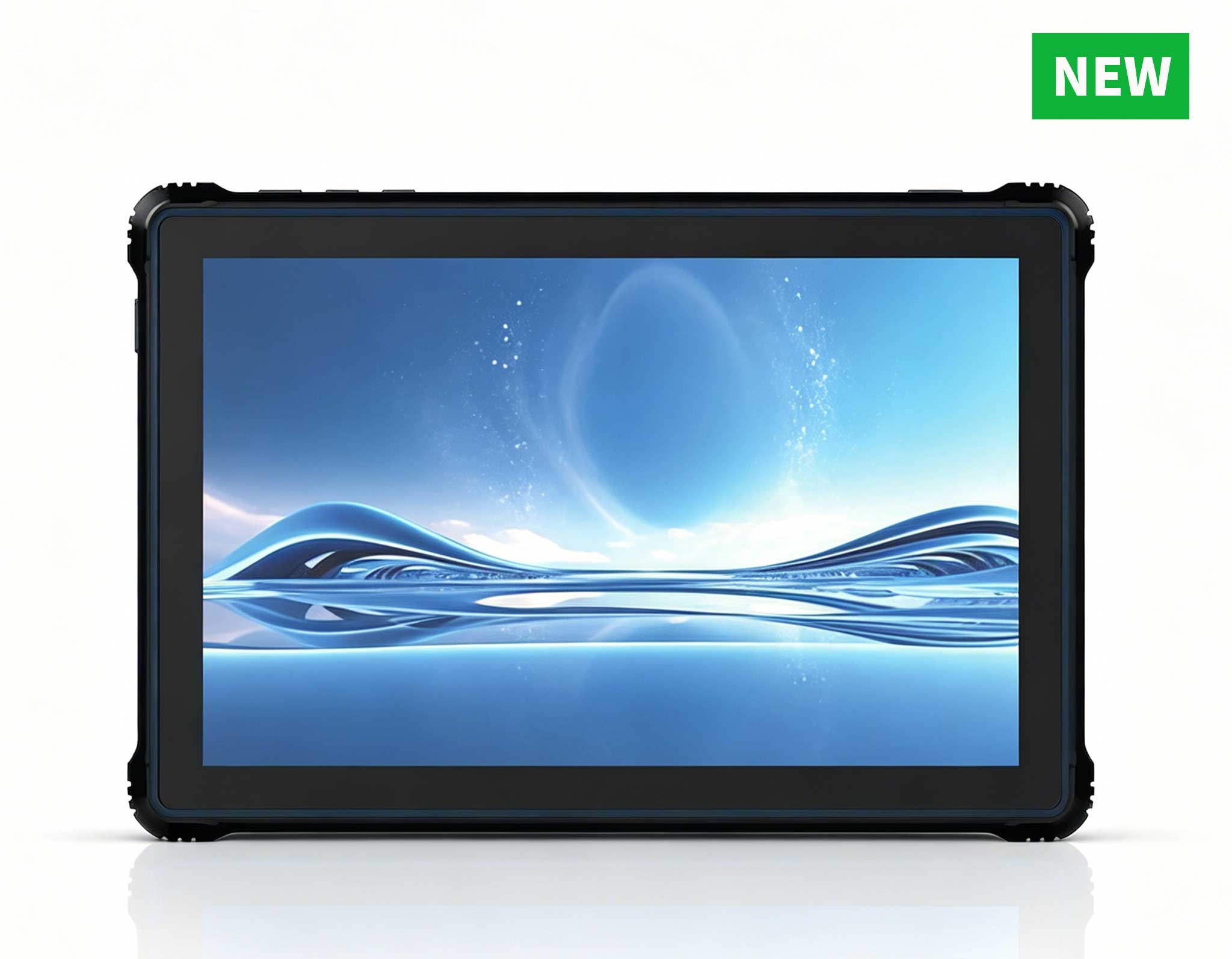
RT80 5G Rugged Tablet | 10.1" FHD 400nit | Un...
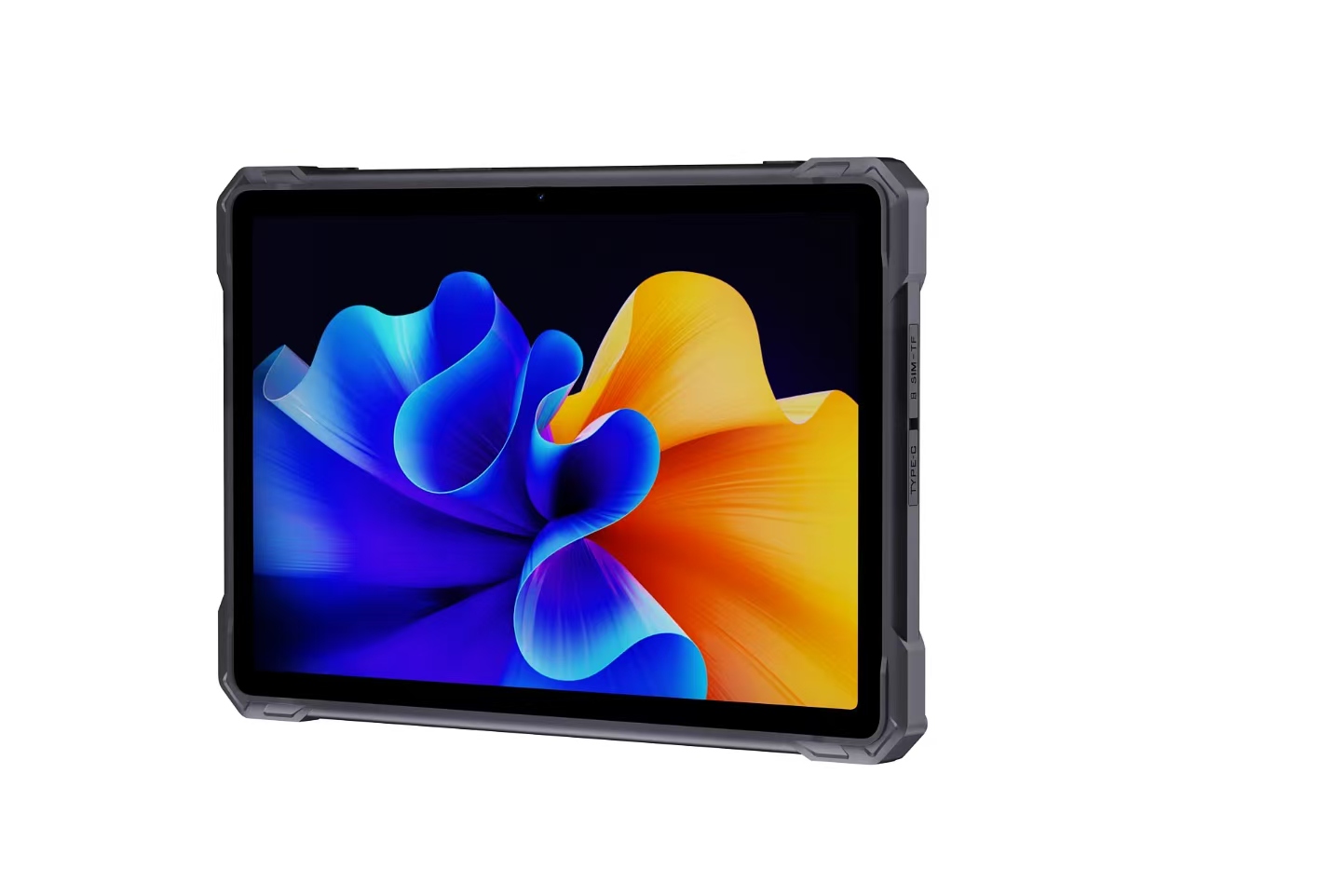
P11 Series Next-Gen Enterprise Rugged Industrial ...
A quality line does not argue about a fault. It documents it. When a inspector flags a scratch on a housing or a solder bridge under a connector, the record that travels upstream is a set of images, and the difference between a smooth disposition and a returned report is usually whether the photographer followed a fixed sequence. Plants that skip the sequence lose hours to re-shoots: the reviewer sees a close crop of the flaw but no evidence of which unit it belongs to, and the whole capture has to happen again on a line that has already moved on.
This article walks through the five frames that make a defect record survive review, using three tablets that cover three points in the flow. The RT81 works the end-of-line bench, where the first wide picture gets taken. The HTYJ10A handles incoming checks at the warehouse door, where nameplates decide what the record attaches to. The ST11-J sits with the returns desk, where a customer unit comes back and the old record has to be matched to a new set of evidence. Each stop demands the same discipline with different hardware, and each device earns its place with a different set of published specifications.
Reviewers reject records for predictable reasons. A picture taken at arm's length without locking focus turns a hairline crack into a grey smear. An image of the flaw alone, with no surrounding context, cannot prove which panel or which batch it came from. A record missing the unit identifier forces the reviewer to open three systems and guess. And a submission uploaded over a congested shop network sometimes arrives compressed into uselessness, which is why the device that takes the picture matters as much as the procedure. Bright screens, reliable radios and autofocus optics are not luxuries on a quality bench; they are the difference between one capture and three. The five frames below turn those failure modes into a sequence that any inspector can follow without judgment calls.
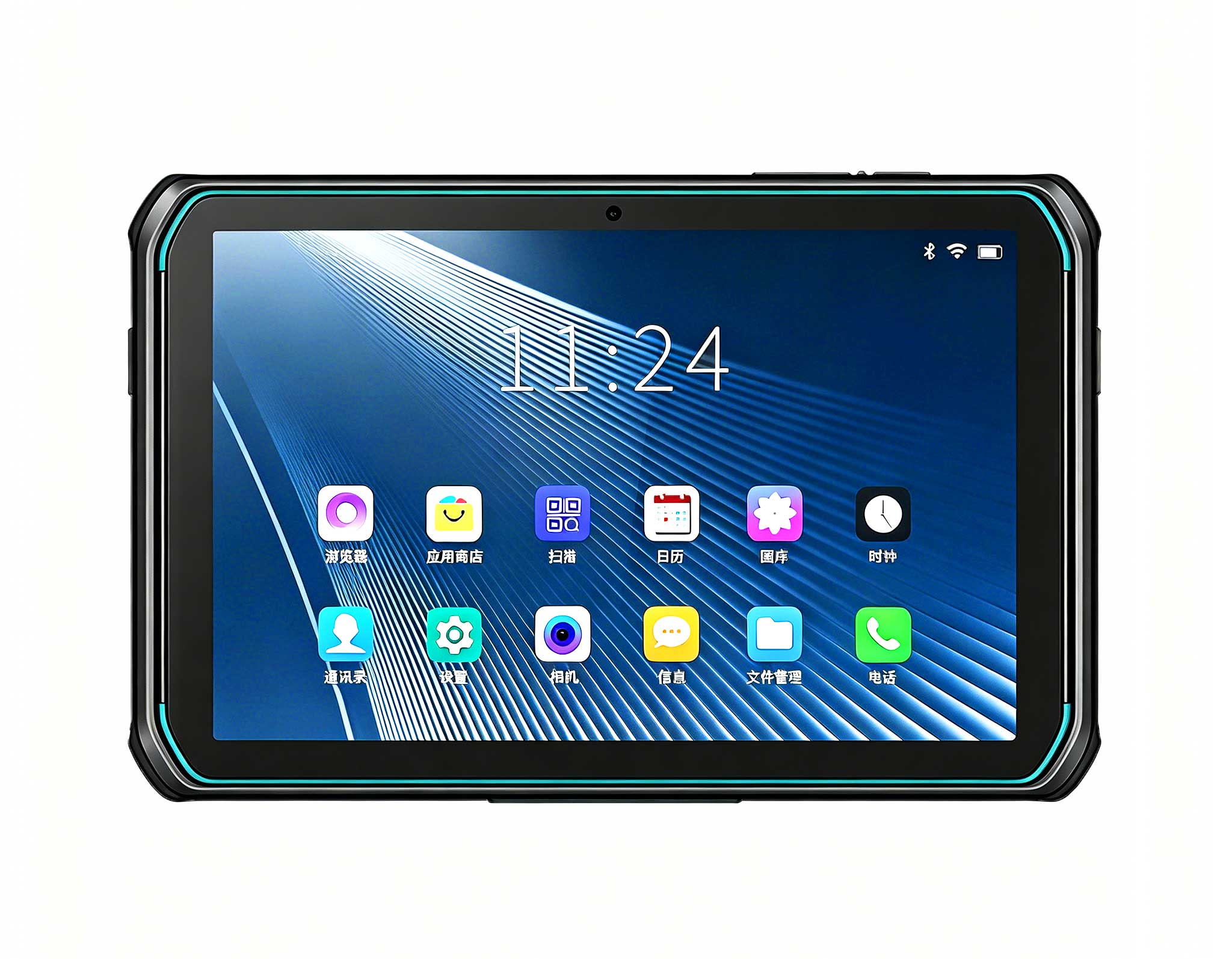
The first mandatory picture is the establishing frame: the whole station in view, the unit in its fixture, and the fault's location on the assembly identifiable before anyone zooms in. Reviewers use this picture to answer the question "where on the line did this happen", and without it every later image floats free of context. On a busy end-of-line bench the device that takes this frame gets handled with gloves, passed across the bench, and expected to survive a drop onto steel. The RT81 fits this post: its 10.1-inch FHD panel at 400 nits stays readable under inspection lighting, and the IP67-sealed body shrugs off the drops and dust that come with a shared bench device. If the line runs a second capture station out at the dock, the same unit syncs the record over 4G without waiting for shop Wi-Fi.
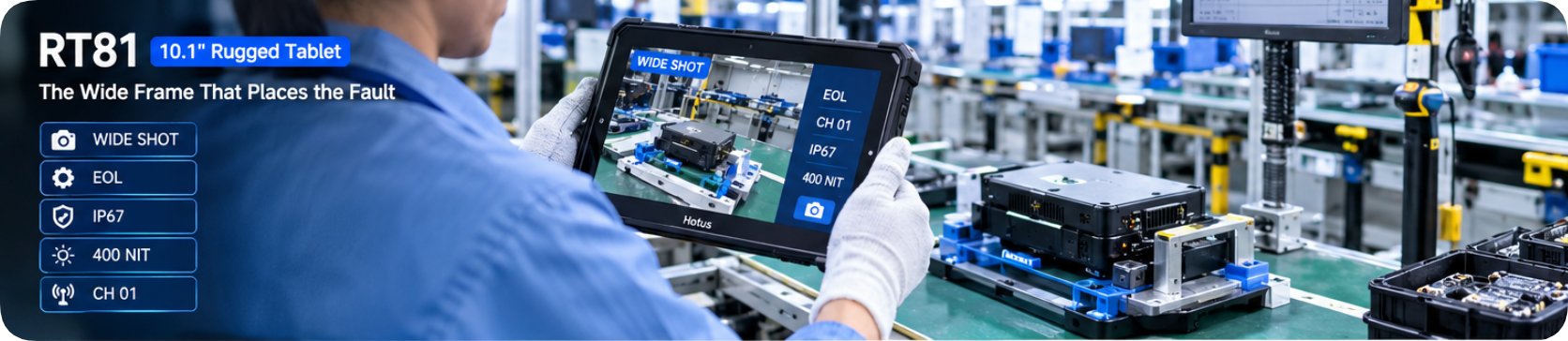
The second frame is the evidence itself: close enough that the reviewer can measure the flaw against the features around it. Autofocus matters here, because a bench device that hunts for focus wastes the inspector's patience, and a screen that renders the captured image at full resolution lets the photographer confirm the shot before the unit leaves the fixture. Ten-point capacitive touch matters just as much, because gloves stay on. Shoot the flaw from two angles when the surface is curved, since a single viewpoint hides depth on glossy housings. A re-shoot at this stage costs minutes; a re-shoot discovered at the desk costs the whole shift's paperwork.
The third frame captures the unit's identity: the nameplate, the model marking, and any serial or date codes printed on the body. This is the frame that binds every other image to a physical device, and it is the one most often skipped when the line is behind schedule. Reviewers treat a record without it as unfinished, because a flaw file that cannot name its unit cannot be closed either. Incoming inspection depends on it most. At the warehouse door, where pallets arrive and samples get pulled, the photographer works fast under mixed lighting, and a dim screen turns the step into guesswork. The HTYJ10A carries this post with a 560-nit panel, the brightest of the three, so the nameplate reads on the screen before the record moves on. Its IP67 body and 1.22m drop rating survive the door traffic, and the optional scanner module lets the same device pull the barcode instead of transcribing it.
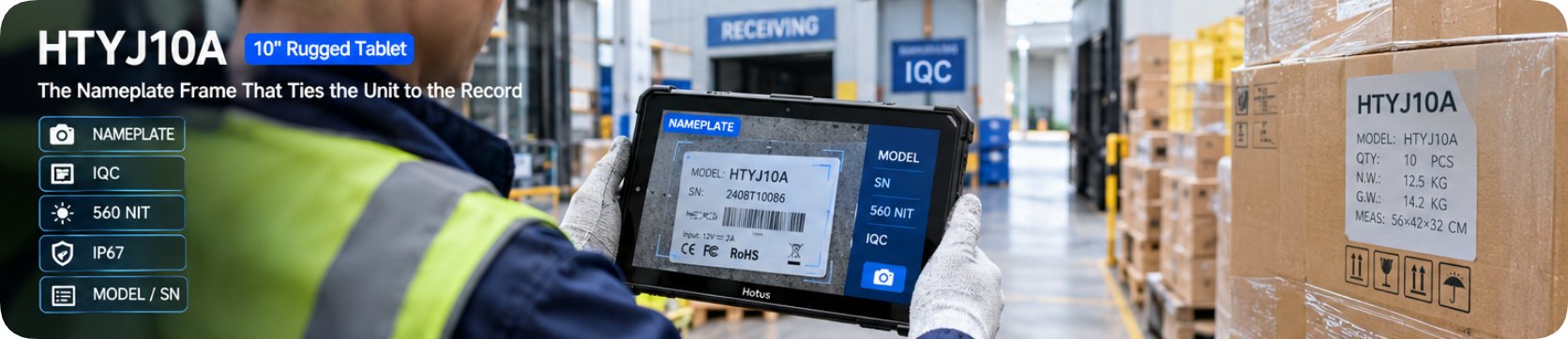
The fourth frame documents what ships: the carton label, the packing slip, and the batch marking that links the physical unit to the lot record. When a customer return arrives months later, this is the frame that proves which carton the unit left in, and it settles disputes about packaging damage before they start. The returns desk runs this capture beside a window or under mixed office light, often while talking the customer through the process, so the device needs a screen that stays legible at an angle and a body light enough to hold one-handed.
The published sheets show why the three units slot into different posts rather than competing for one.
| Model | Display | Touch layer | Battery | Sealing |
|---|---|---|---|---|
| RT81 | 10.1in FHD, 400 nits | 10-point G+G capacitive | 10000mAh at 3.8V | IP67 (dust and water), 1.2m drop |
| HTYJ10A | 10in LCD, 560 nits | 10-point capacitive, 7H glass | 3500mAh, 7.6V rail | IP67 waterproof body, 1.22m drop |
| ST11-J | 10.1in IPS, 420–450 nits | 10-point, stylus and wet-hand | 6000mAh, 7.6V cell | IP65 plus MIL-STD-810G |
Sizes and weights follow the same pattern of different jobs. The RT81 lists 252×170×14.6mm at under 650g, the ST11-J gives 268.9×176.8×18mm at 1150±50g, and the HTYJ10A publishes 284×190×25mm but quotes only a gross figure of 2.1KG with the carton included. The three numbers are not the same measurement, so the table leaves weight out rather than invite a false comparison. Battery capacity differs by design as well: a device expected to hold a full shift on the bench carries more, while one that lives near a dock cradle does not need to. Read the columns as three answers to three different shift plans rather than one ranking from top to bottom.
None of the three hides its trade-offs. The RT81 publishes an operating range of -10°C to 50°C and a 10000mAh cell, but its battery is fixed inside the body, so a bench that runs double shifts plans around charging windows rather than swaps. The HTYJ10A's 3500mAh cell is the smallest of the three, which suits a door post near its charging dock but asks for discipline on a long warehouse pull. The ST11-J seals to IP65 rather than IP67 and publishes no drop height alongside its MIL-STD-810G listing, which is honest about a desk-and-vehicle life rather than a forklift one, and it remains the only one of the three whose sheet confirms a stylus and wet-hand input for gloved signature work. The ST11-J also carries the widest storage ladder of the three, from 128GB to 512GB, which matters when the returns desk keeps months of records locally.
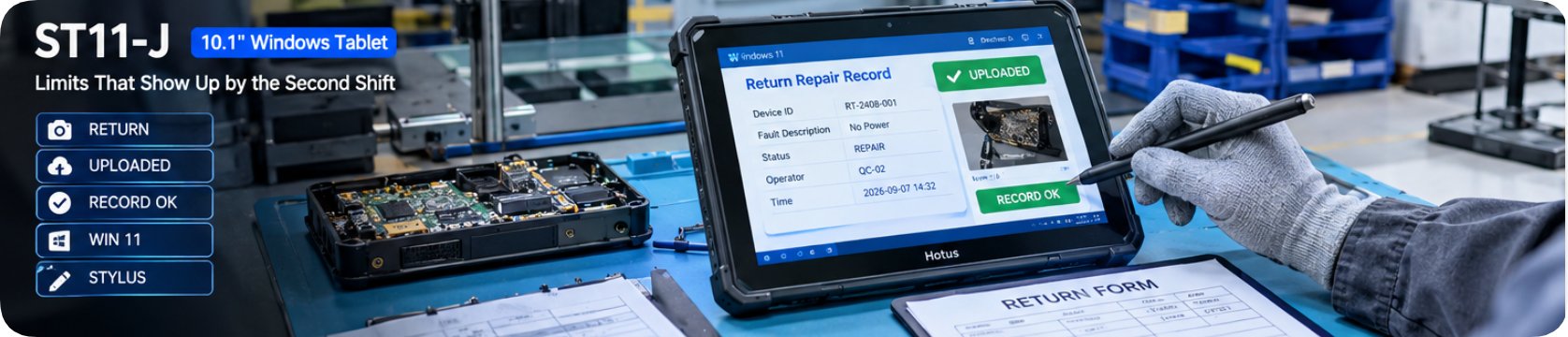
The five frames fit on one laminated page: the wide establishing view, the close view of the flaw, the nameplate, the carton label, and the record confirmation screen after submission. Rotate the page into every shift briefing and the rejection rate at review drops for a simple reason: the photographer stops making judgment calls and starts completing a checklist. Matching the hardware to the post removes the remaining excuses. A bright sealed tablet at the door, a large-battery unit on the line, and a stylus-capable machine at the returns desk each take the same page and produce the same record. Teams that want to compare the full rugged line before assigning devices can start from the rugged tablet family page, browse the full product catalogue for the wider portfolio, or read past deployment comparisons in the company news section before drafting a purchase list.