- Select Language
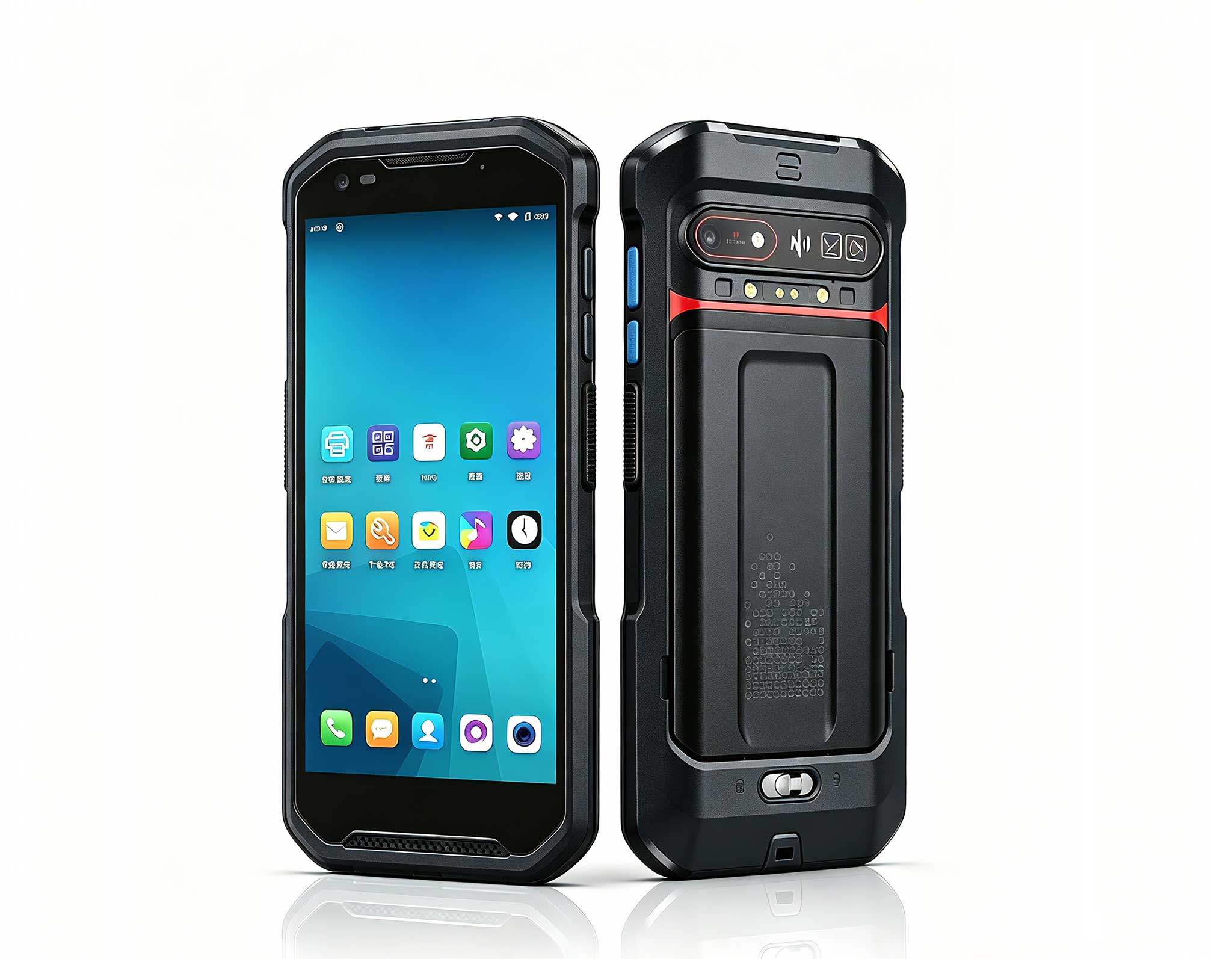
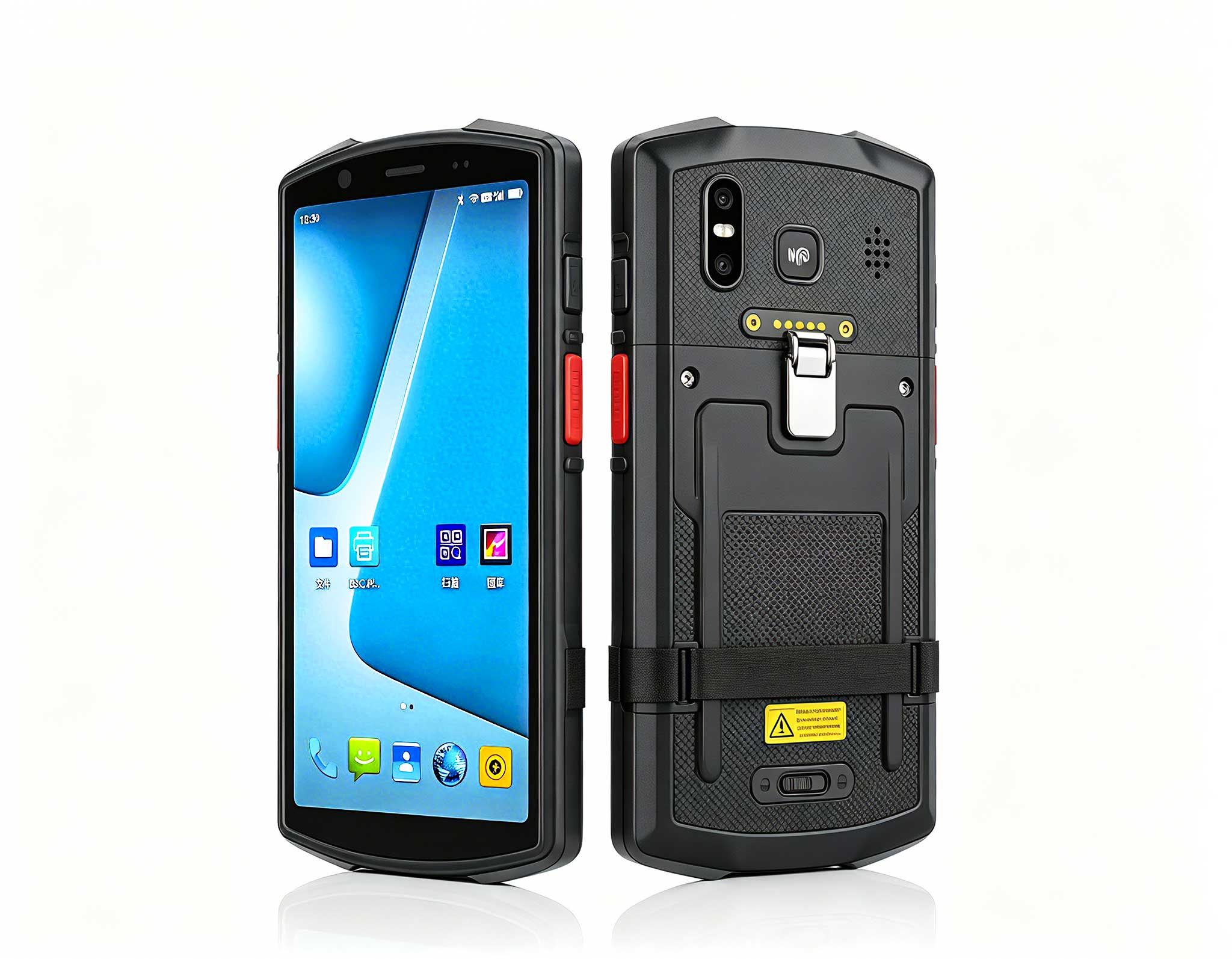
The F505 Handheld PDA is a compact, high-performan...
Explore our customized PDA designed for versatile ...
Technical SpecificationsModel: Palm-sized miniPCTy...
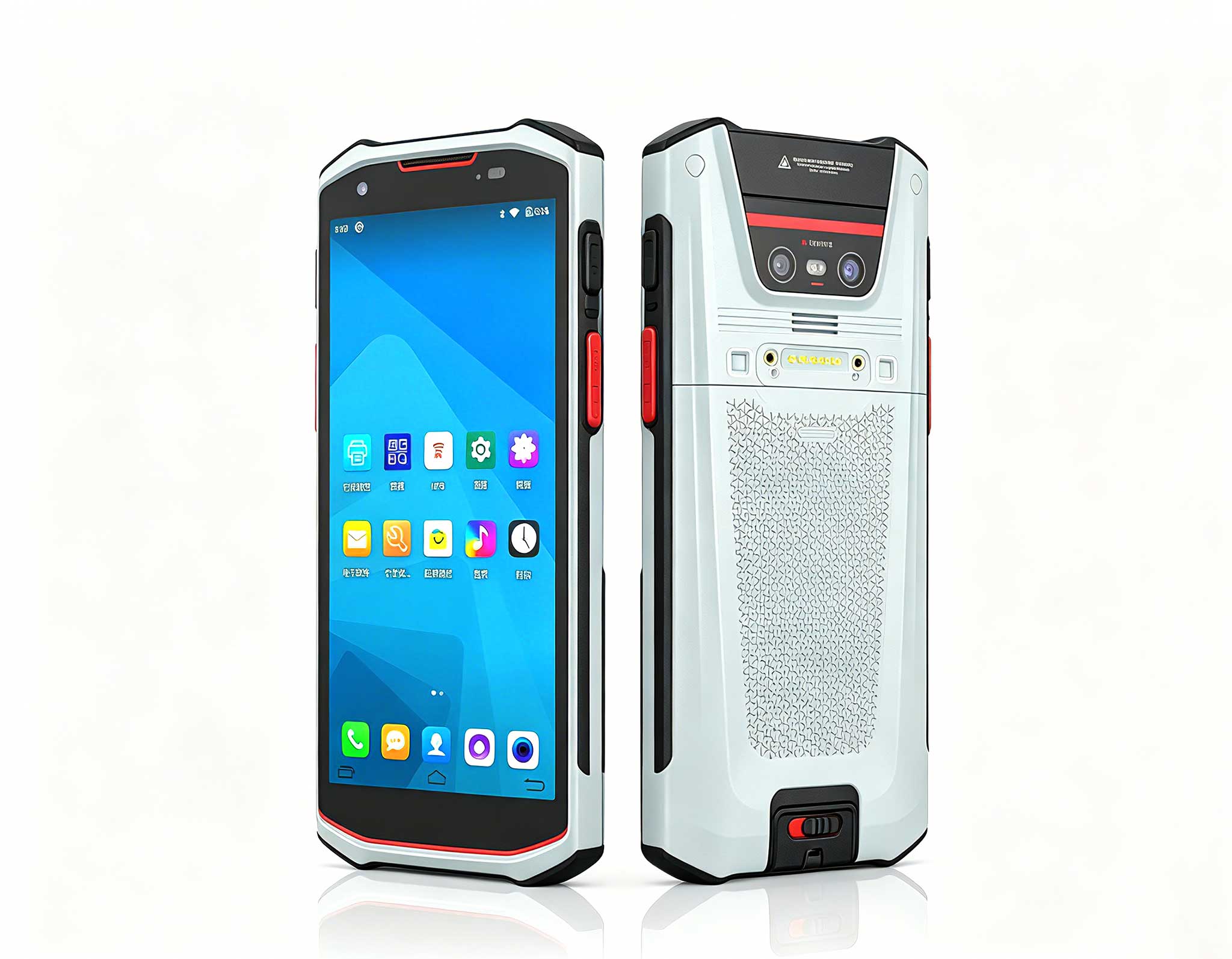
The N60 PDA is a cutting-edge device for inventory...
Most case stories begin with an install. This one begins later — after the courier receipt is signed, after the export file is closed, and after the buyer has lived with the hardware long enough to have an opinion. What came back this month was not a support ticket but a trail of feedback: four five-star order reviews from three continents, one chat message that needed no translation, and two photographs of the rooms where the equipment now runs. Read together, they describe something a spec sheet never can — what ownership actually feels like once the box is recycled.
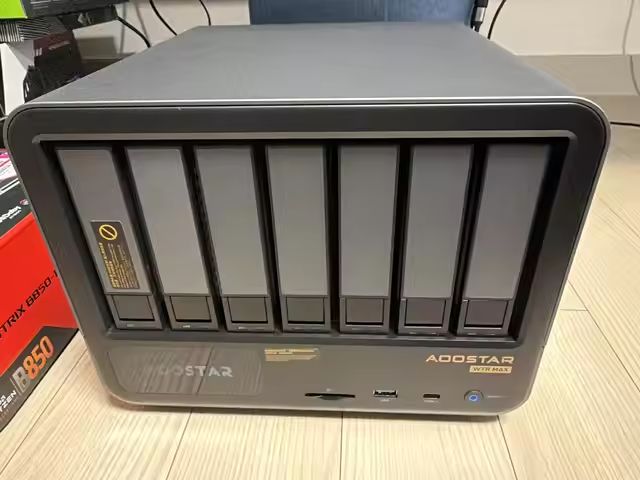
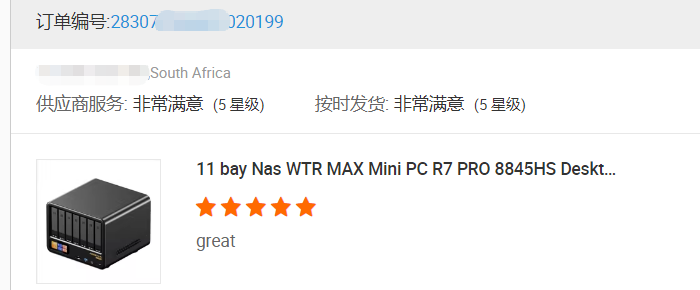
Storage hardware earns trust differently from a tablet or a handheld scanner. A rugged device proves itself on the first shift; a storage chassis proves itself over months of writes, rebuilds, and midnight expansions. Nobody benchmarks a NAS after a week — they wait for the first drive to drop out of the array, watch the volume rebuild without losing a byte, and only then decide what they think of the vendor. That is why the order page for the 11-bay WTR MAX storage server, built on the Ryzen 7 8845HS platform, sat quietly after dispatch. The buyer in South Africa received the shipment on schedule, racked it, and went to work. Weeks passed with no messages in either direction, which for this category is usually a good sign. Then the review appeared: five stars, and a single word — "great." Not a paragraph, not a list of features. For a storage product, brevity like that usually means nothing broke.
Feedback arrived from other directions too. A buyer in South Korea ordered the same 11-bay storage configuration and left five stars with the line "This product is the product I wanted." In Portugal, a different purchase — the GT37 compact workstation running the AMD AI 9 HX370, a 12-core, 24-thread part — drew five stars and the phrase "small and powerful." A buyer in Thailand picked up a Ryzen AI 9 creator configuration and praised "lovely communication, best price. product as described in the list." Four buyers, four countries, one pattern: the words they chose were about outcomes and service, not about benchmark numbers they had to justify.
| Buyer region | Configuration | Rating | Buyer's words |
|---|---|---|---|
| South Africa | 11-bay WTR MAX storage server, Ryzen 7 8845HS | 5 stars | "great" |
| South Korea | 11-bay WTR MAX storage server, Ryzen 7 8845HS | 5 stars | "This product is the product I wanted." |
| Portugal | GT37 workstation, AMD AI 9 HX370, 12-core 24-thread | 5 stars | "small and powerful" |
| Thailand | Ryzen AI 9 creator workstation | 5 stars | "lovely communication, best price. product as described in the list." |
Screenshots of order ratings are one kind of proof; a live conversation is another. The message thread that came back with this batch runs exactly the way a distributor hopes a thread will run. "I see from the tracking information that the shipment has been delivered. Have you received it? Are you satisfied with the product?" — and then the reply, within the hour: "Working perfect." A minute later, "Thank you very much!" and a photograph of a shop counter with dual monitors, cable runs, and a rack already in service. The last message in the thread is the one worth framing: "This is my shop, lots of potential for sales." No troubleshooting, no RMAs, no replacement parts. The follow-up took less time than the courier had needed to deliver the goods.
The workbench photograph answers the question that order pages never can: what does commissioning look like? On a plain wooden desk sit a monitor running a BIOS-level update screen, a compact chassis with a red badge, a managed switch feeding several cables, and a recorder unit beside a wall-mounted display. This is a surveillance and playback bench — the kind of station where storage capacity, decode capability, and 24/7 thermals all get exercised at once, and where a failed power supply costs the owner footage rather than convenience. Buyers building stations like this tend to pair the storage server with a dedicated mini PC host; on the catalog side, the Mini PC XiaoYouXia HCAR5000 MI fills exactly that role as a quiet, always-on machine that drives feeds without taking up desk space.
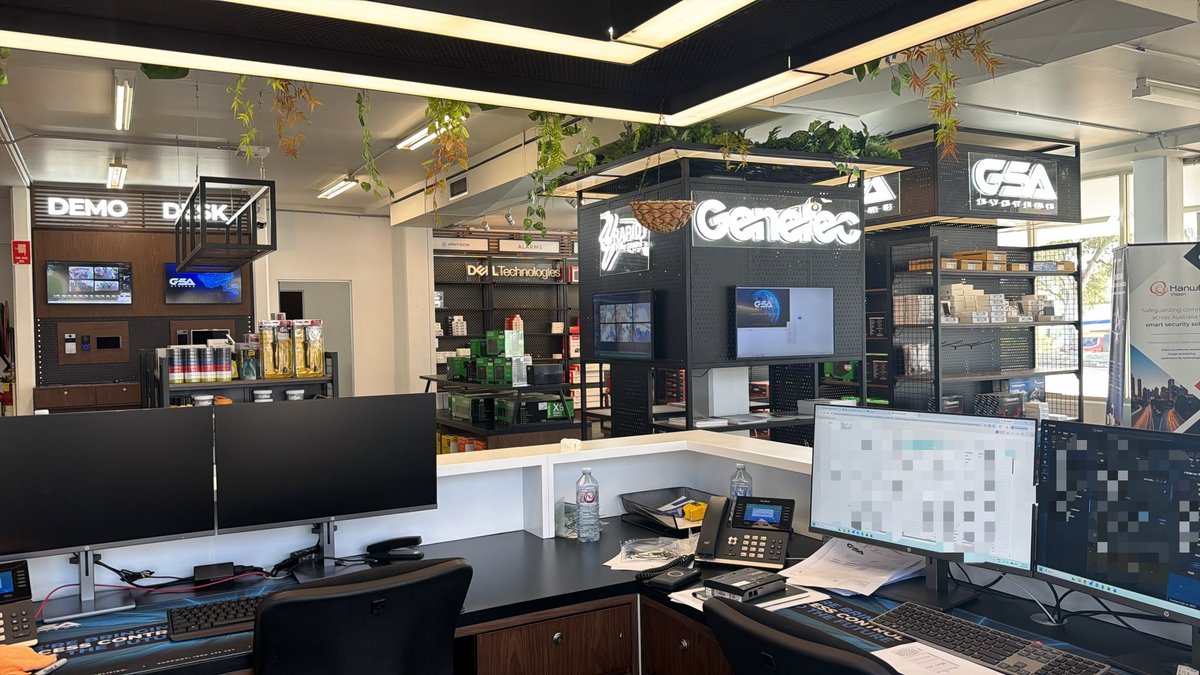
The second photograph moves from the bench to the sales floor. A retail audio showroom runs a long counter with two workstations, a wall of powered loudspeakers on display, and a ceiling grid of screens playing demo content in loops. Every screen is a node that needs a player; every player needs a host that boots before the staff does. A room like this is judged by the first ninety seconds a visitor spends inside it — if a loop stutters or a screen shows a boot error, the gear on the wall stops sounding premium no matter what it costs. Retail integrators who spec rooms like this usually start from the display side and work backward to the compute, which is why the digital signage applications page reads like a checklist for this exact photograph. The buyer who sent it closed the thread with a sales forecast, not a complaint — the strongest signal a demo room can send.
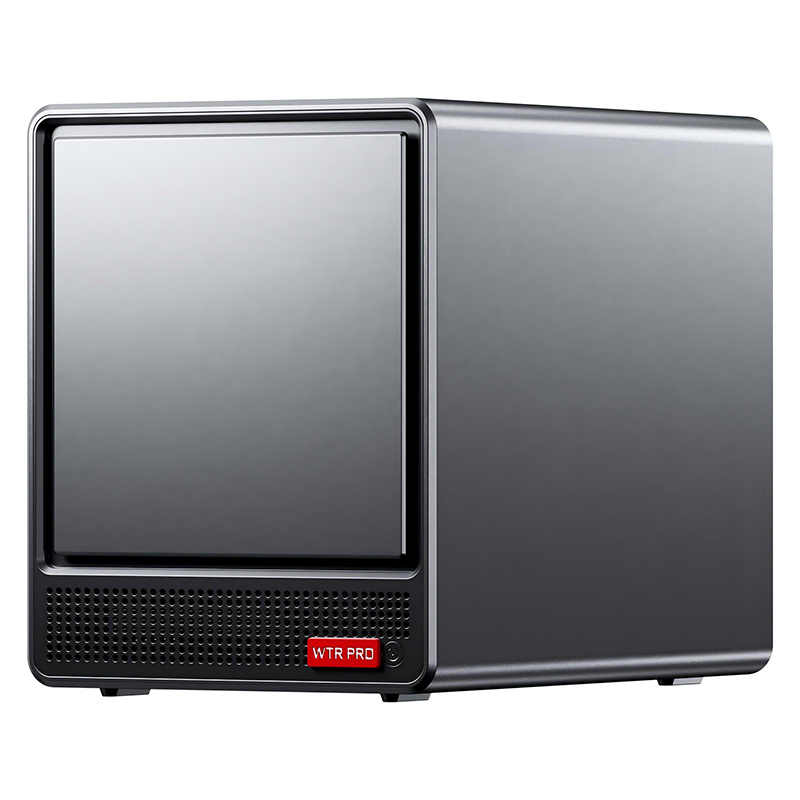
Four countries' worth of reviews raise a fair question: how does one catalog stretch from an 11-bay storage chassis in South Africa to a creator workstation in Portugal? The honest answer is that the same sourcing line produces both, and buyers who need their own branding on either can work through the OEM and ODM program rather than settling for a generic label. For teams still comparing what belongs in the rack versus what belongs under the counter, the mini PC line page lays out the full range in one view, including the WTR PRO AMD Mini PC for buyers who want the storage-server format at a smaller bay count.
Reviews are written in the language of relief: nothing failed, nothing surprised, the machine did what the listing promised. The trade press covers launches; buyers cover everything that happens in the following six months, which is the part no launch announcement survives. A five-star rating typed in Seoul or Cape Town carries a weight that a product tour never can, because the person typing it paid for the hardware and lives with the consequences. When the next storage refresh or workstation rollout comes up, the practical move is to shortlist by documented feedback, then verify the details on the published product comparisons page before committing to volume. The four buyers in this story did not wait for a survey to say what worked. They typed one line each — and that is the review any hardware brand should be willing to be judged by.