- Select Language
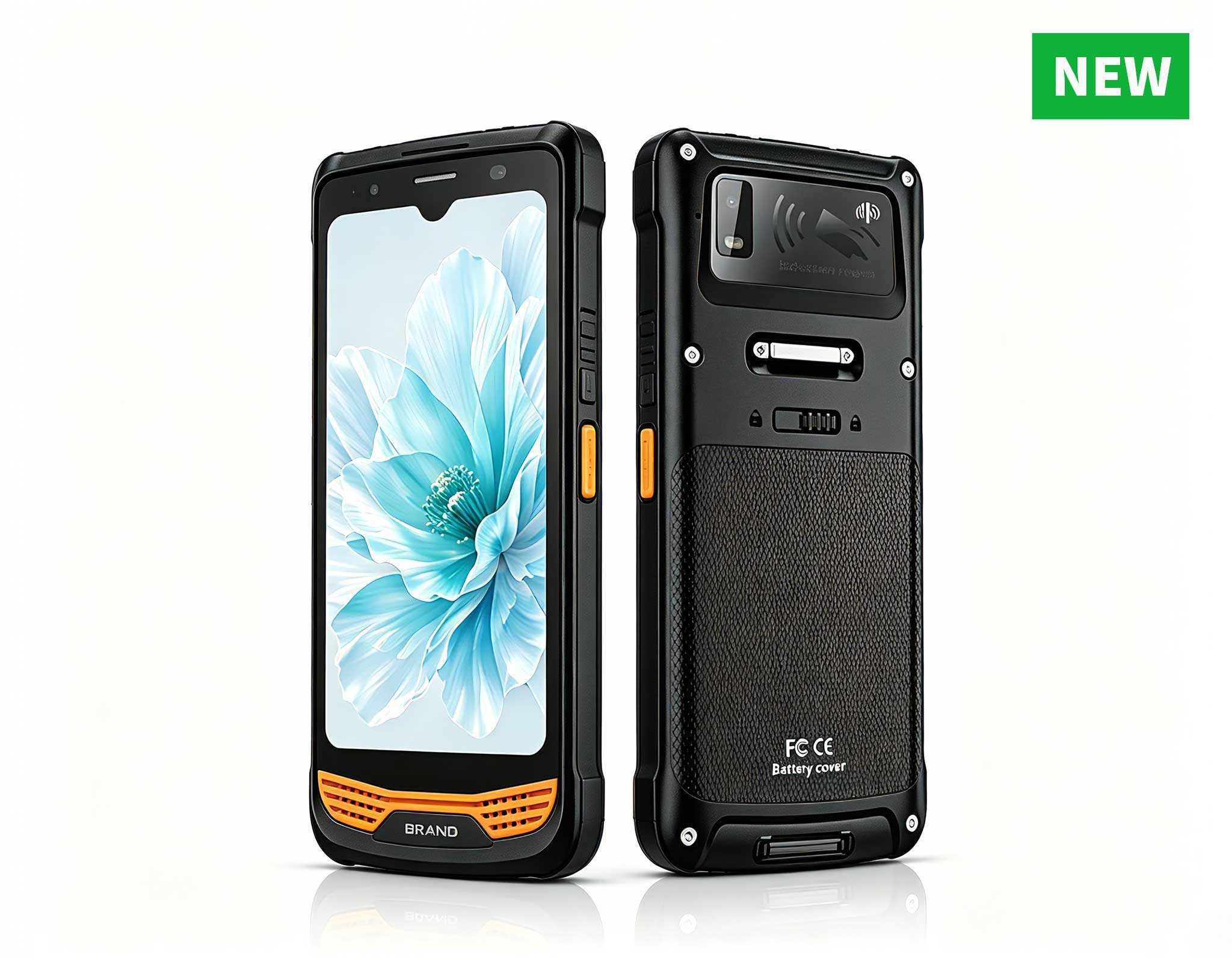
RS50 5G Rugged Handheld Terminal | 6.3" FHD+ ...
The X501 Handheld PDA combines advanced barcode sc...
Technical SpecificationsModel: Palm-sized miniPCTy...
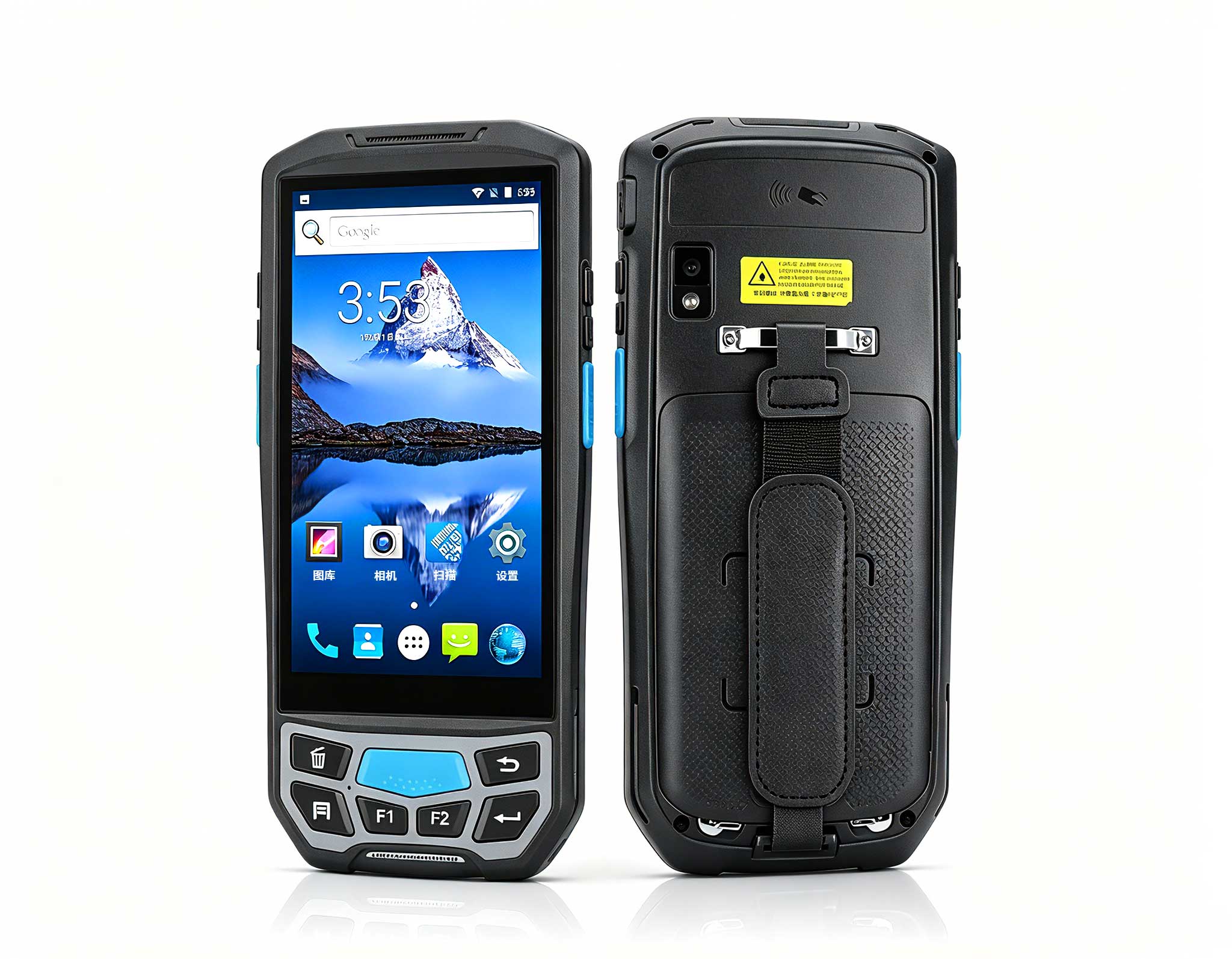
The U9000 handheld PDA combines advanced barcode s...
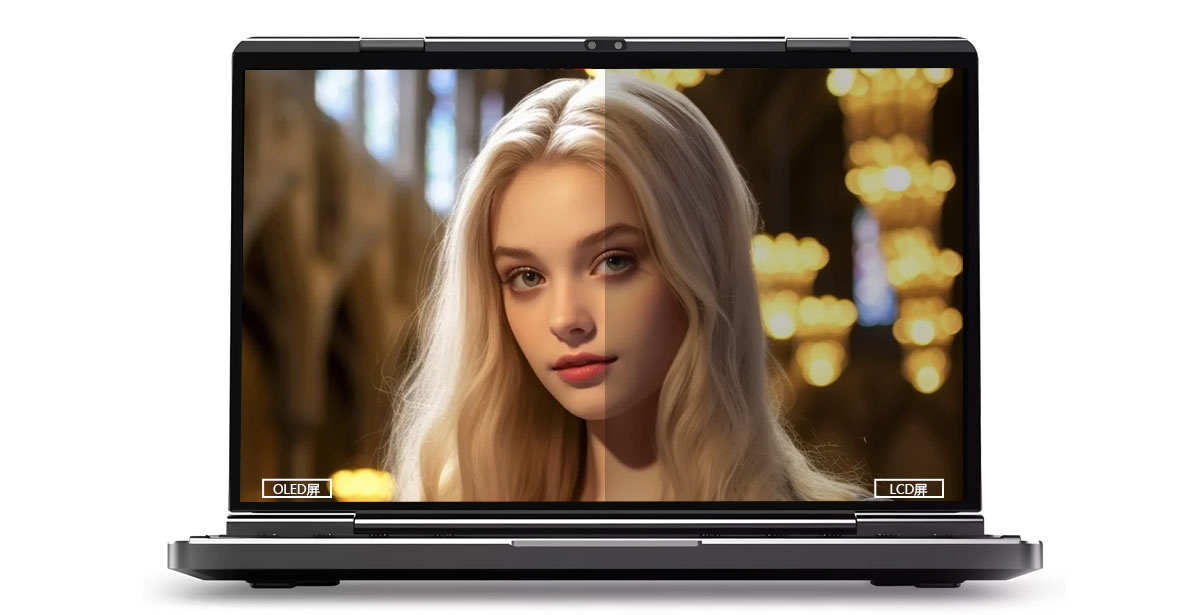
This dual touchscreen gaming laptop combines cutti...
From the unknown so simpleUsed for mobile phones, ...
R366-S Thin 5.5-inch Industrial PDA | Qualcomm Oct...
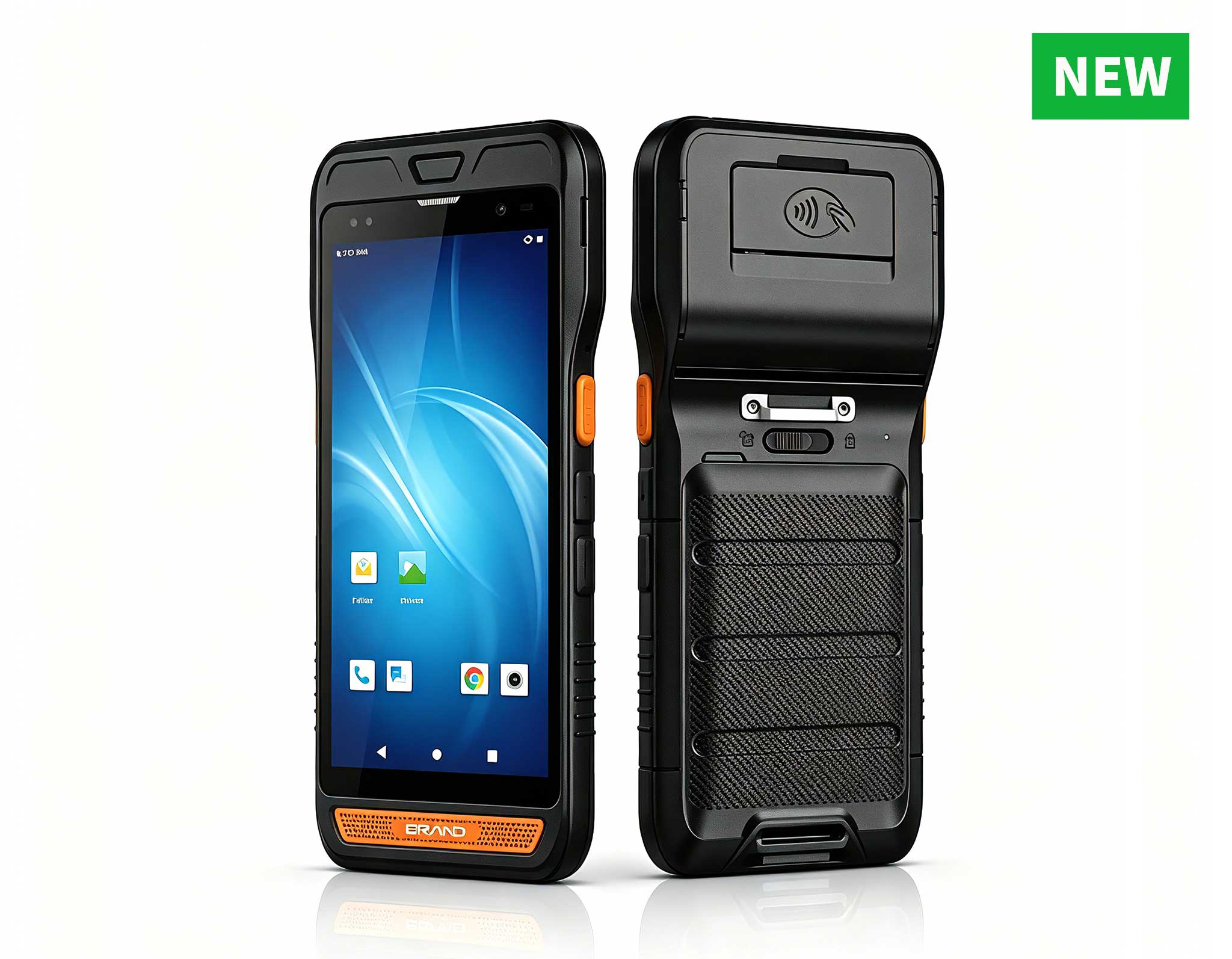
R860-S 5.5-inch Industrial PDA with Thermal Printe...
The retail floor is a battlefield of competing priorities. Cashiers juggle inventory queries, stockroom staff race to verify shelf counts, and managers struggle to reconcile real-time sales data. Yet the most overlooked bottleneck isn't the point-of-sale terminal itself—it's the communication gap between the people operating those systems. Retail employees lose 25% of their work time to communication breakdowns on the sales floor, according to recent operational studies. Retailers invest heavily in POS infrastructure but routinely neglect the handheld tools that connect staff to that infrastructure. This disconnect explains why Handheld PDA F505, X501 Handheld PDA, and K401 Handheld PDA are gaining rapid traction in Retail Pos applications. The numbers speak for themselves: stores deploying these devices report 18-22% faster checkout cycles and 30% fewer stock discrepancies.
Modern retail demands more than a barcode scanner strapped to a counter. The shift toward mobile point-of-sale and real-time inventory visibility has made rugged handheld computers essential rather than optional. When a customer asks whether a shoe is available in size nine, the associate needs an immediate answer—not a walkie-talkie call to the back room. The industrial solution for Retail Pos combines scanning, communication, and data processing in a single device that fits in a pocket. This convergence eliminates the need for separate barcode scanners, two-way radios, and paper checklists. The result is a streamlined workflow where every employee becomes a node in a connected retail network.
Retail technology has traveled a remarkable arc over the past two decades. Early POS systems relied on wired barcode scanners tethered to bulky registers, limiting mobility and creating trip hazards on busy sales floors. The first wireless handhelds solved the mobility problem but introduced new challenges: short battery life, fragile connections, and screens that were nearly unreadable under fluorescent lighting. Each generation of Handheld PDA F505 technology has addressed specific limitations of its predecessor, resulting in equipment that is simultaneously more capable, more reliable, and easier to use than anything that came before.
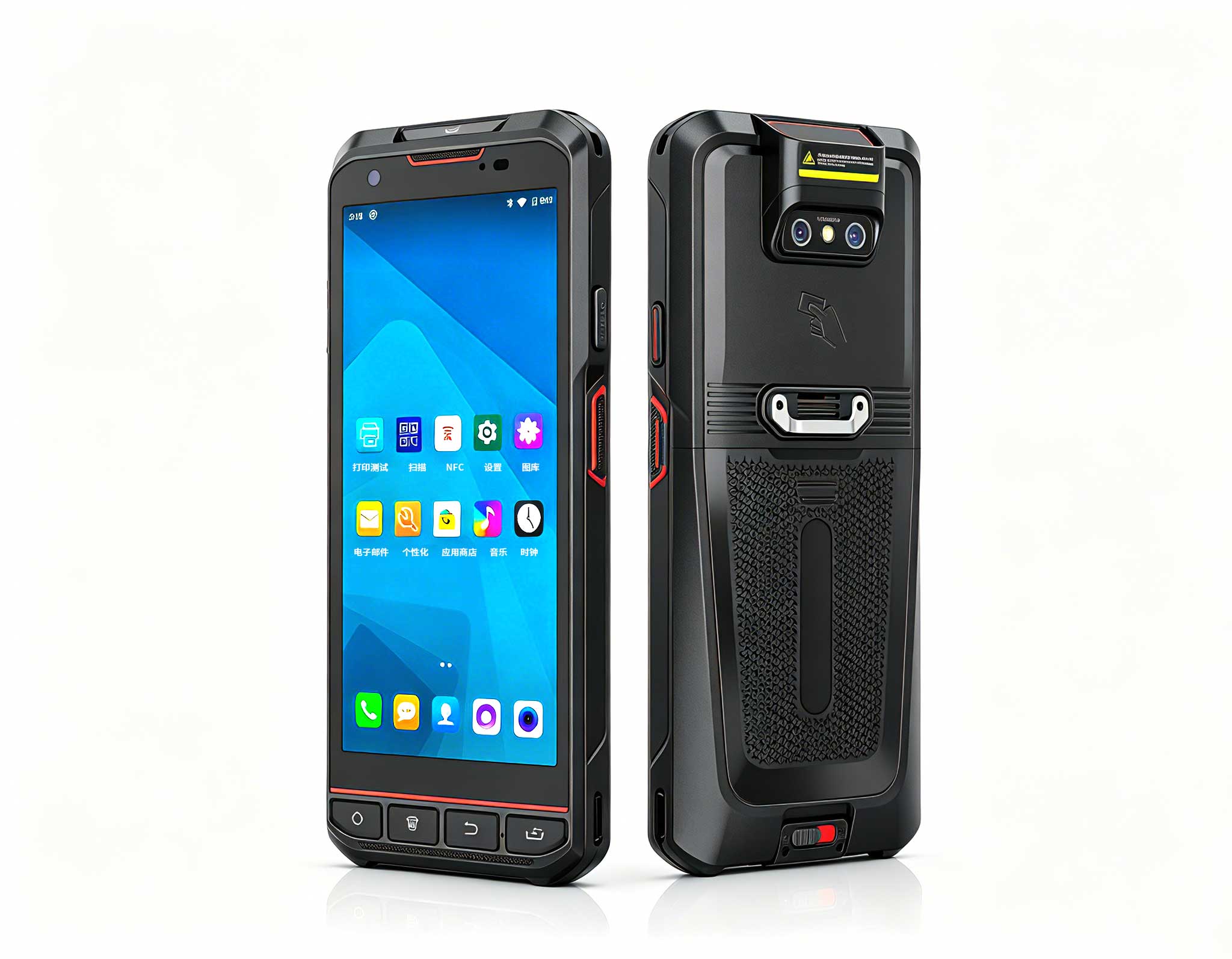
The current generation represents a quantum leap. Handheld PDA F505 devices now feature octa-core processors that handle inventory management software, payment processing, and staff messaging simultaneously without lag. The evolution from monochrome displays to high-resolution touchscreens has transformed how retail staff interact with data. Modern units incorporate RFID reading, thermal printing, and 4G LTE connectivity—capabilities that would have required three separate devices just five years ago. The X501 Handheld PDA line pushed the envelope further by integrating advanced barcode imaging that reads damaged or poorly printed labels, a common pain point in high-volume retail environments.
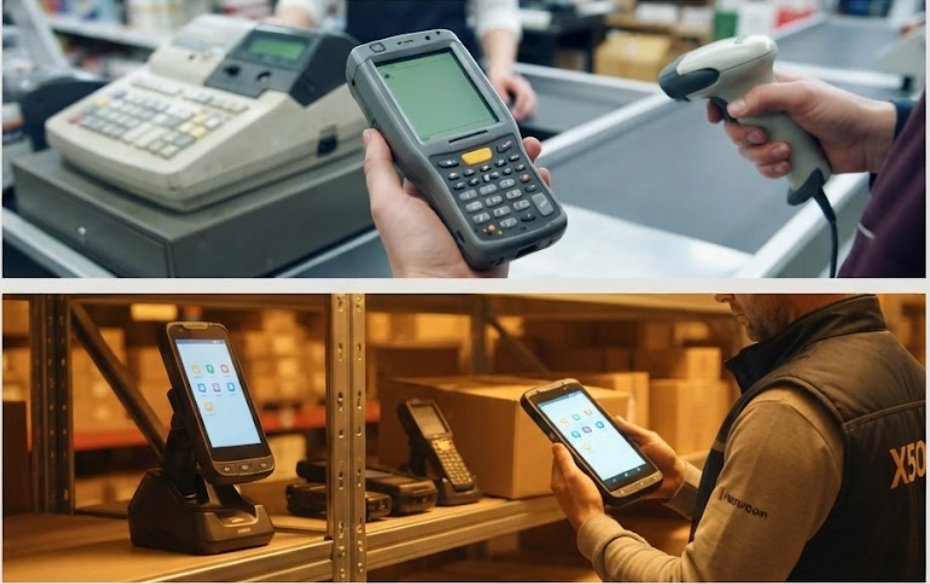
Battery technology has evolved just as dramatically. Older handhelds required mid-shift battery swaps, creating downtime and frustration. Today's devices run for 12-15 hours on a single charge, covering even the longest retail shifts. The K401 Handheld PDA model introduced hot-swappable battery designs that let staff replace power sources without powering down the device—a small innovation with outsized operational impact. These evolutionary steps mirror the broader digitization of the Retail Pos industry, where every component must work harder, last longer, and integrate more seamlessly.
Before adopting modern solutions for Retail Pos, organizations commonly struggle with three persistent challenges: unreliable audio quality, limited range, and high maintenance costs of outdated equipment. Legacy two-way radios crackle at the worst moments—often during peak checkout rushes. Their limited range forces staff to cluster near base stations, defeating the purpose of mobile communication. Meanwhile, aging barcode scanners require frequent recalibration and replacement, driving up total cost of ownership while frustrating employees who depend on them.
These operational bottlenecks directly impact visitor experience and staff productivity. When a floor associate cannot reach a stockroom colleague quickly, the customer waits. That waiting translates into abandoned purchases and negative reviews. Retailers often underestimate how much revenue leaks through these small operational failures. A store processing 500 transactions daily loses roughly 15 minutes per cashier per shift to communication delays—time that could be spent serving customers or restocking shelves. The K401 Handheld PDA directly addresses these issues with its extended-range Bluetooth and Wi-Fi capabilities, which maintain stable connections across sprawling store layouts.
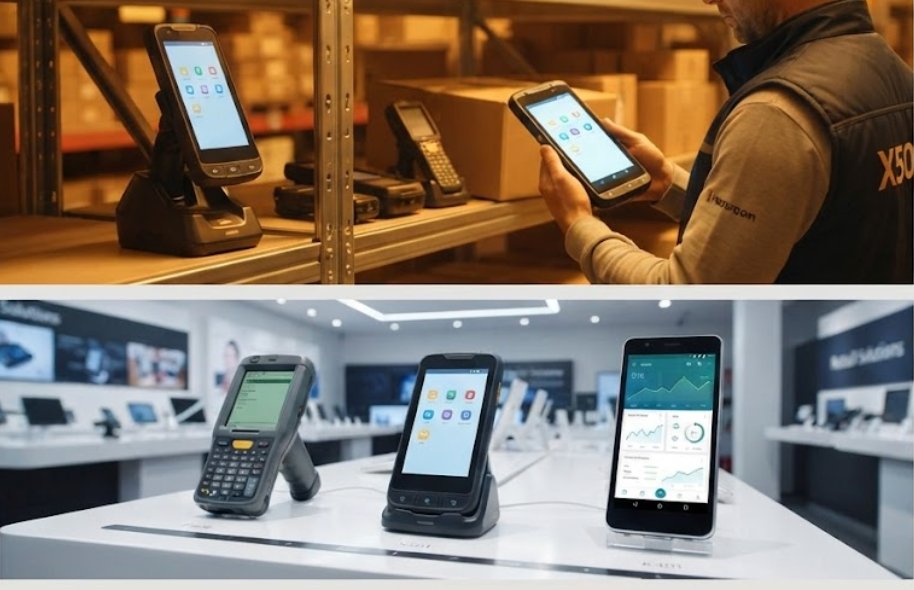
Maintenance costs represent another hidden drain. Legacy devices often require proprietary cables, specialized batteries, and frequent factory servicing. Modern handhelds like the X501 Handheld PDA are built with commercial-grade components rated for drops and temperature extremes, reducing repair frequency by up to 60%. The shift toward USB-C charging and standardized accessories also simplifies replacement and reduces inventory costs. Retailers who upgrade from decade-old equipment typically recoup their investment within eight months through reduced maintenance and recovered labor hours.
The key benefits of Handheld PDA F505, X501 Handheld PDA, and K401 Handheld PDA for Retail Pos extend beyond audio quality. Organizations consistently report improved customer satisfaction scores—often rising 15-20 points on a 100-point scale—when staff can respond to inquiries instantly. Reduced staff overtime from equipment troubleshooting is another measurable win, with stores saving an average of 45 minutes per employee per shift. Lower total cost of ownership compared to older systems becomes apparent within the first year, as fewer repairs and replacement parts are needed. The flexibility to scale operations as demand grows means retailers can deploy additional devices during holiday peaks without overhauling their entire infrastructure.
Inventory accuracy improves dramatically with real-time data capture. When staff scan items at the shelf edge rather than relying on periodic cycle counts, stock discrepancies drop by an average of 35%. The X501 Handheld PDA excels in this area with its advanced scanning engine that reads barcodes from any angle, even in low-light conditions. This capability proves invaluable during evening restocking shifts when overhead lighting is dimmed. The device also supports voice picking in warehouse sections, allowing staff to receive audio instructions through connected headsets while keeping their hands free for handling merchandise.
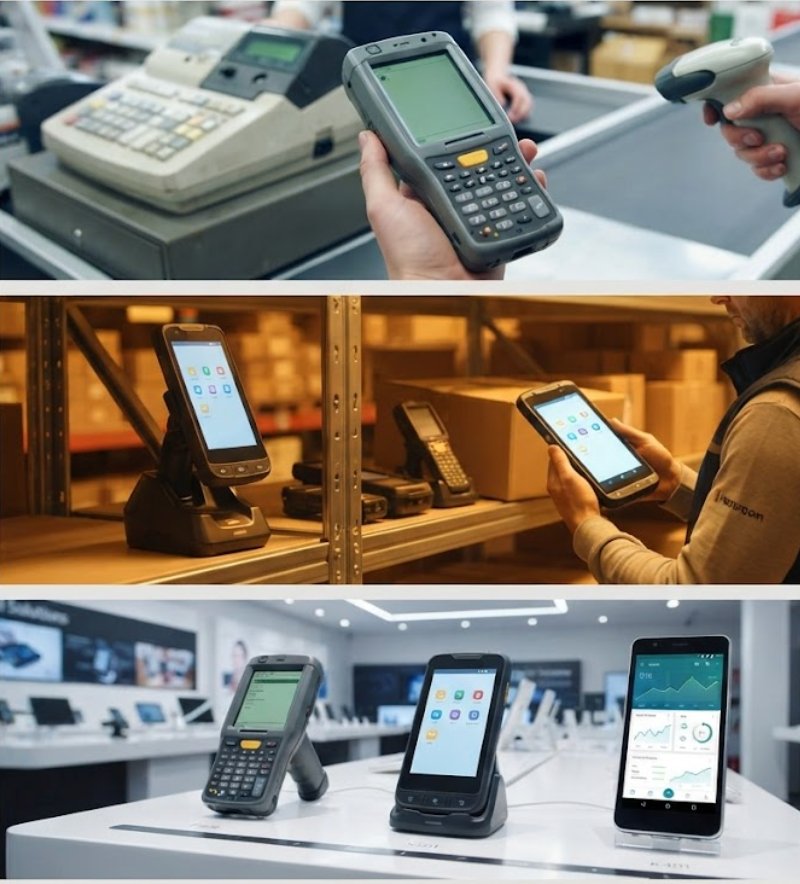
Staff training time also shrinks dramatically. Modern handhelds feature intuitive touch interfaces that mirror smartphone navigation patterns, so new employees become productive within hours rather than days. The learning curve for the Handheld PDA F505 is particularly gentle, thanks to its customizable home screen and role-based permission settings. Managers can tailor each device to specific functions—checkout support, inventory verification, or price checking—reducing the cognitive load on staff who previously had to navigate complex menu structures. This usability focus directly contributes to the 25% reduction in communication-related time loss that retailers report after deployment.
Selecting the appropriate handheld for a retail operation depends on the specific demands of the environment. The table below outlines key specifications across the three models to help retailers match device capabilities to their operational requirements.
| Model | Position | Weight | Best For |
|---|---|---|---|
| Handheld PDA F505 | Flagship all-rounder | 280g | Multi-department stores needing scanning, communication, and payment in one device |
| X501 Handheld PDA | Advanced scanning specialist | 265g | High-volume checkout and inventory operations requiring rapid, accurate barcode reading |
| K401 Handheld PDA | Value-optimized workhorse | 310g | Budget-conscious retailers needing reliable core functionality without premium extras |
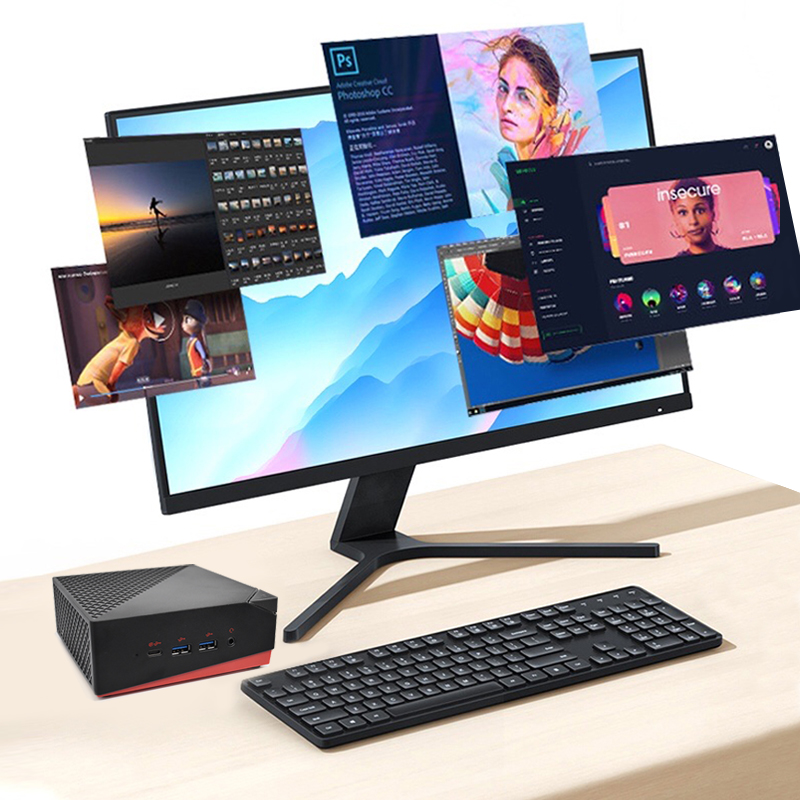
Each model connects seamlessly to existing POS infrastructure through standard protocols, and all three support integration with major retail management platforms. The choice ultimately comes down to the balance between scanning speed, battery endurance, and price point. Retailers running multiple store formats often standardize on the Handheld PDA F505 for flagship locations while deploying the K401 Handheld PDA in smaller outlets where budget constraints are tighter. The X501 Handheld PDA serves as the specialist tool for departments with exceptionally high transaction volumes. For operations that also need fixed computing power, the rugged mini PC solutions from the same ecosystem provide back-office support that complements these mobile devices.
The technology evolution in handheld POS devices has transformed retail operations from reactive to proactive. Staff no longer chase information; they carry it in their hands. Inventory counts happen in real time, pricing errors are caught immediately, and customer questions receive instant, accurate answers. The measurable improvements in satisfaction scores, labor efficiency, and inventory accuracy make the business case compelling. Retailers who have delayed upgrading their communication and scanning infrastructure are leaving tangible revenue on the table—and the gap between them and their more agile competitors will only widen as consumer expectations continue to rise.