- Select Language
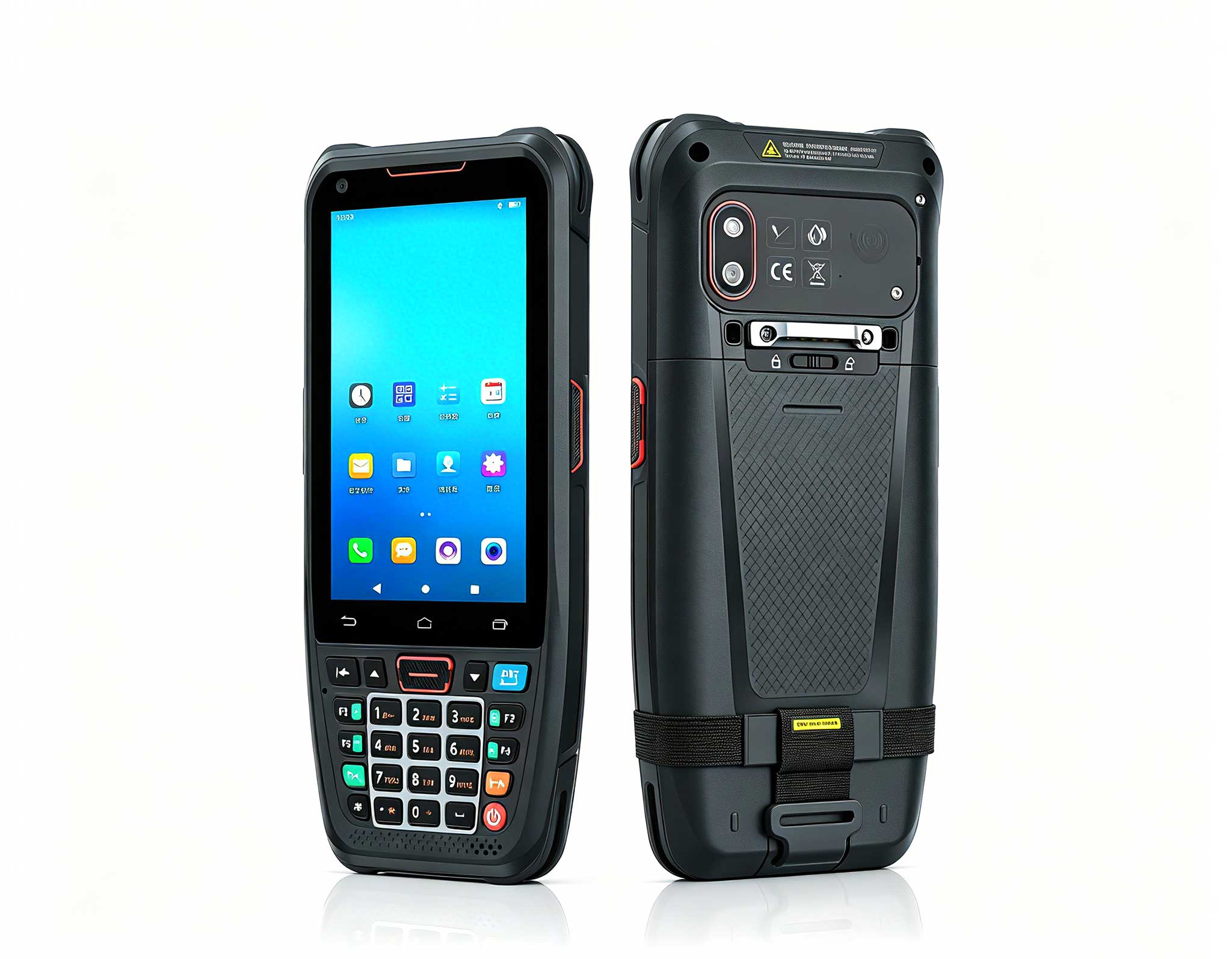
R366-S 5.5-inch Industrial PDA | Qualcomm Octa-cor...
Technical SpecificationsModel: Palm-sized miniPCTy...
R366C-S 5.5-inch Industrial UHF RFID Reader | Qual...
The N40 Android smart PDA features a Cortex-A53 qu...
RS51 4G Rugged Handheld Terminal | 6.3" FHD+ ...
P8 Series 8-Inch Rugged Industrial Tablet PC Mobi...
The F505 Handheld PDA is a compact, high-performan...
Explore our customized PDA designed for versatile ...
Have you ever been in a Thin Client VDI setting where VDI endpoints underperform due to inadequate processing power or connectivity? If so, you already know why this matters. In this article, we explore how ST13-U, Palm-sized miniPC and SH5-W solve this problem. Whether you are upgrading a legacy virtual desktop infrastructure or designing a fresh deployment from scratch, the choice of endpoint hardware determines user experience, manageability, and total cost of ownership. We walk through a practical implementation scenario using three specific devices from Hotus, each tuned for different roles within a Thin Client VDI environment.
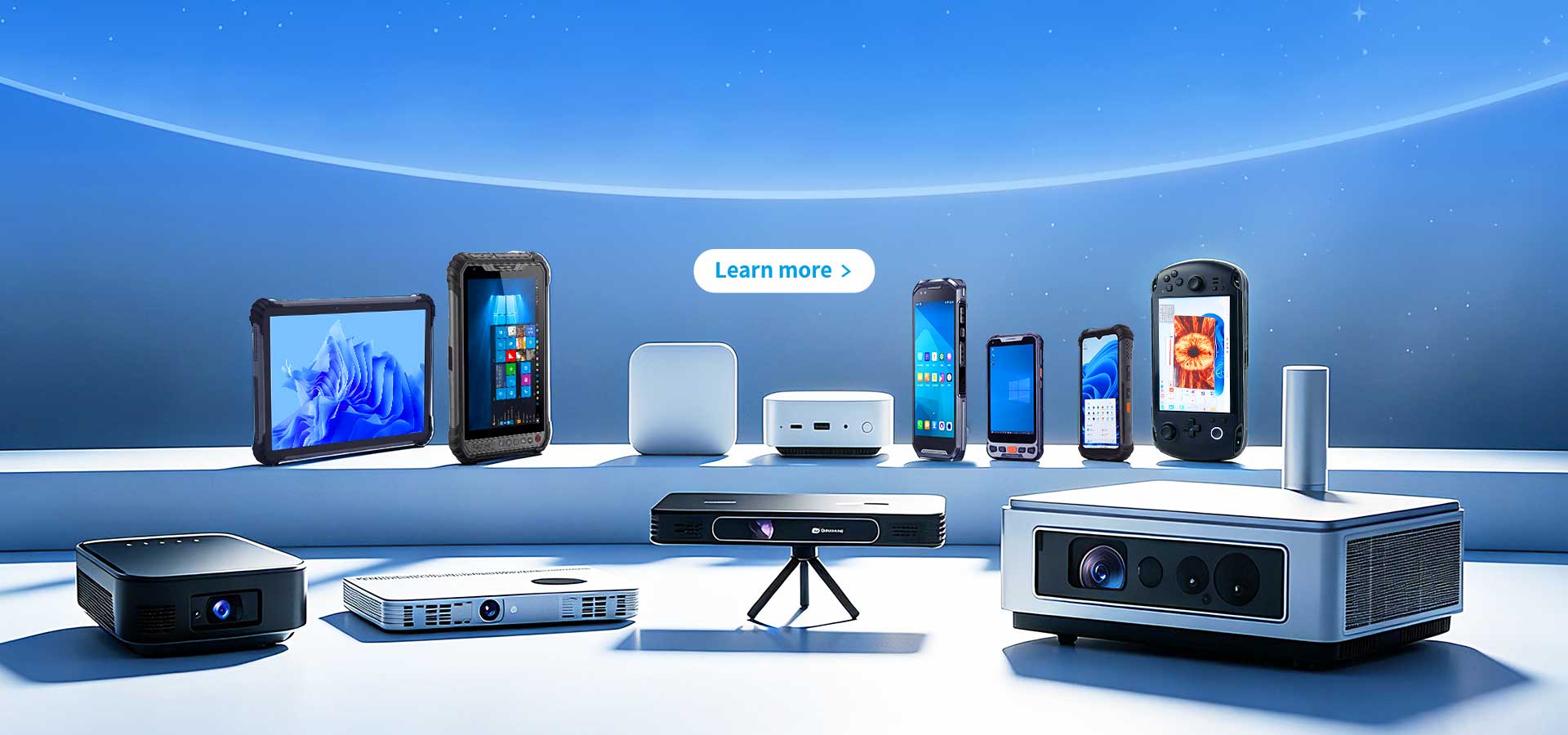
The core challenge in any virtual desktop deployment is balancing endpoint cost against performance. Traditional fat clients waste resources running local applications, while underpowered thin clients frustrate users with laggy interfaces. The industrial solution for Thin Client VDI from Hotus addresses this by offering a three-tier hardware strategy. The Palm-sized miniPC serves as the workhorse for standard office tasks, the SH5-W provides a compact fanless option for space-constrained workstations, and the ST13-U delivers premium performance for power users who need local rendering acceleration. This modular approach allows administrators to match hardware precisely to user profiles, avoiding overspending on unnecessary specifications.
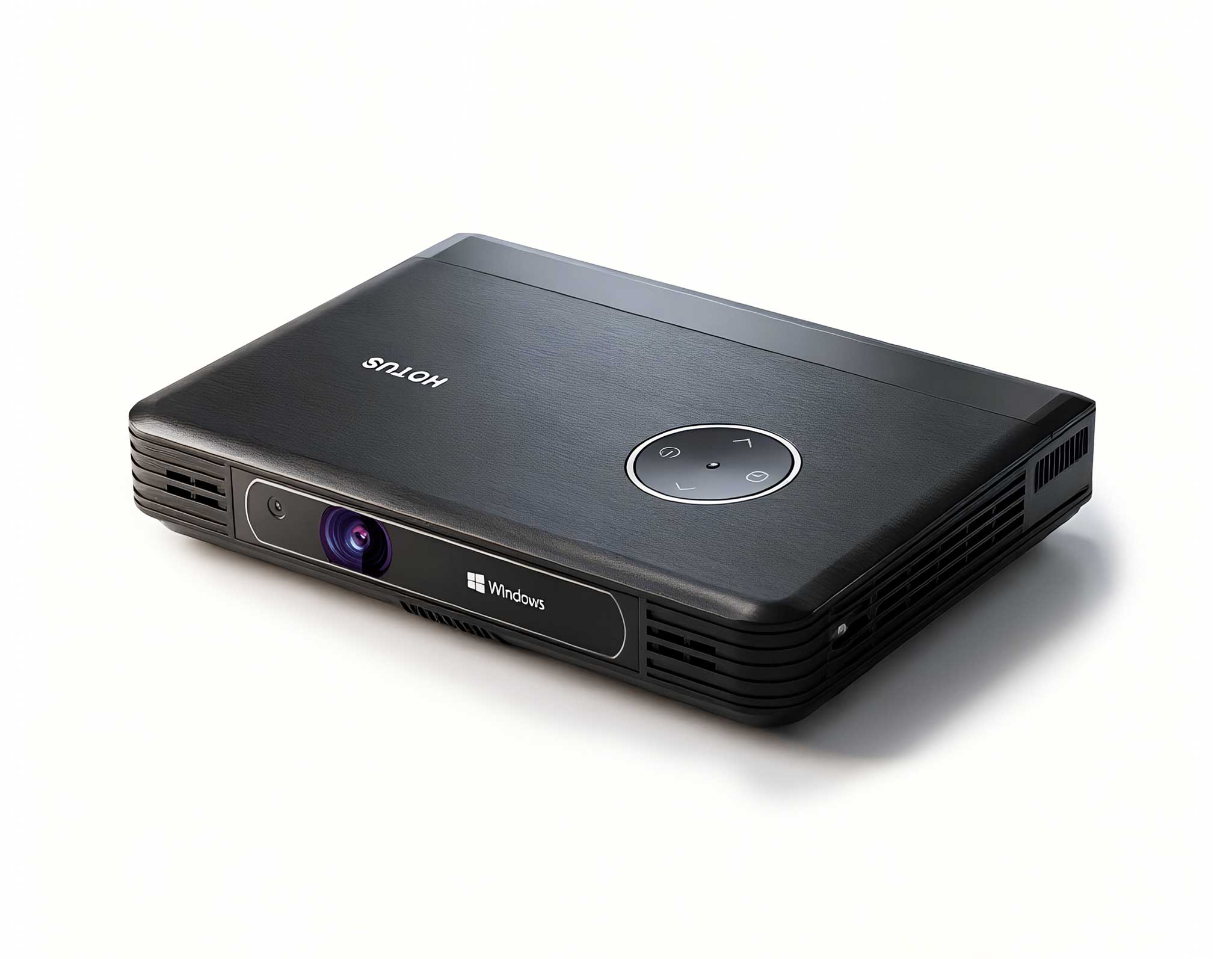
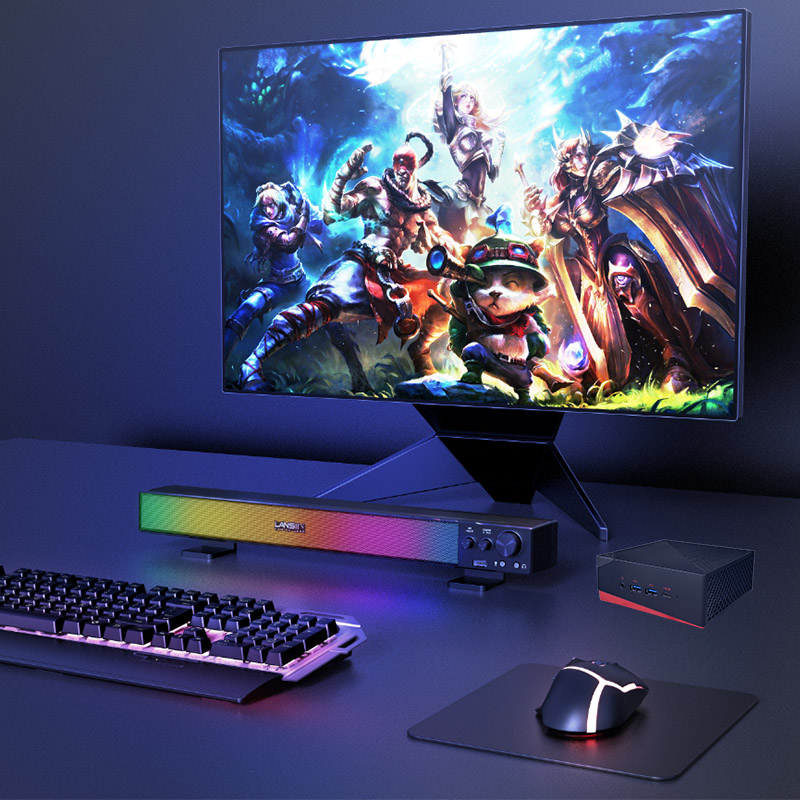
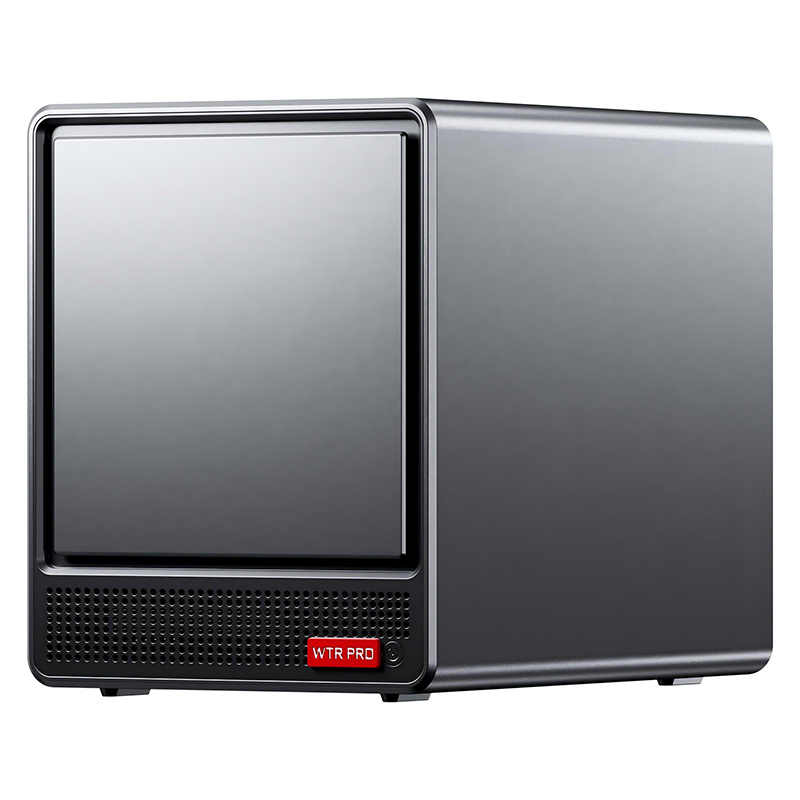
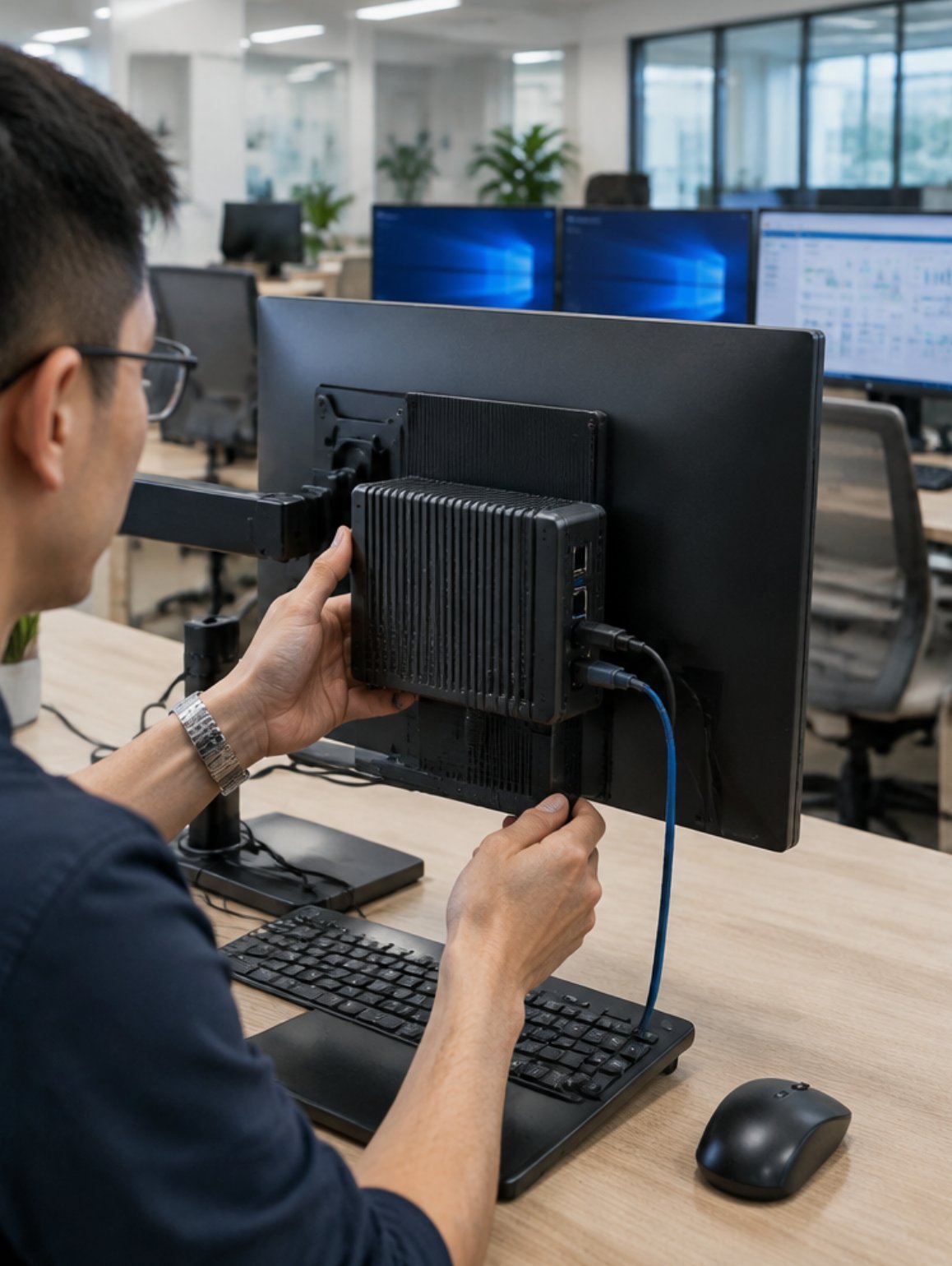
The Palm-sized miniPC is the foundation of our Thin Client VDI implementation. Measuring just slightly larger than a smartphone, this device fits behind monitors or mounts to VESA brackets, eliminating desktop clutter. In our deployment, we configured it with a dual-core processor, 8GB RAM, and 128GB SSD, which is more than sufficient for running the Citrix Workspace or VMware Horizon client. The device boots directly into a lightweight Linux shell that auto-launches the VDI connection broker, reducing user login time to under fifteen seconds.
What impressed our implementation team most was the thermal performance. Even under sustained video conferencing loads through the virtual desktop, the Palm-sized miniPC maintained temperatures below 65°C without active cooling. The fanless design eliminates mechanical failure points, which is critical for remote branch offices where IT staff cannot physically service endpoints. We deployed thirty units across two shifts, and after three months of operation, zero hardware failures were reported. For organizations seeking a cost-effective entry point into VDI, this Palm-sized miniPC offers an exceptional price-to-performance ratio.
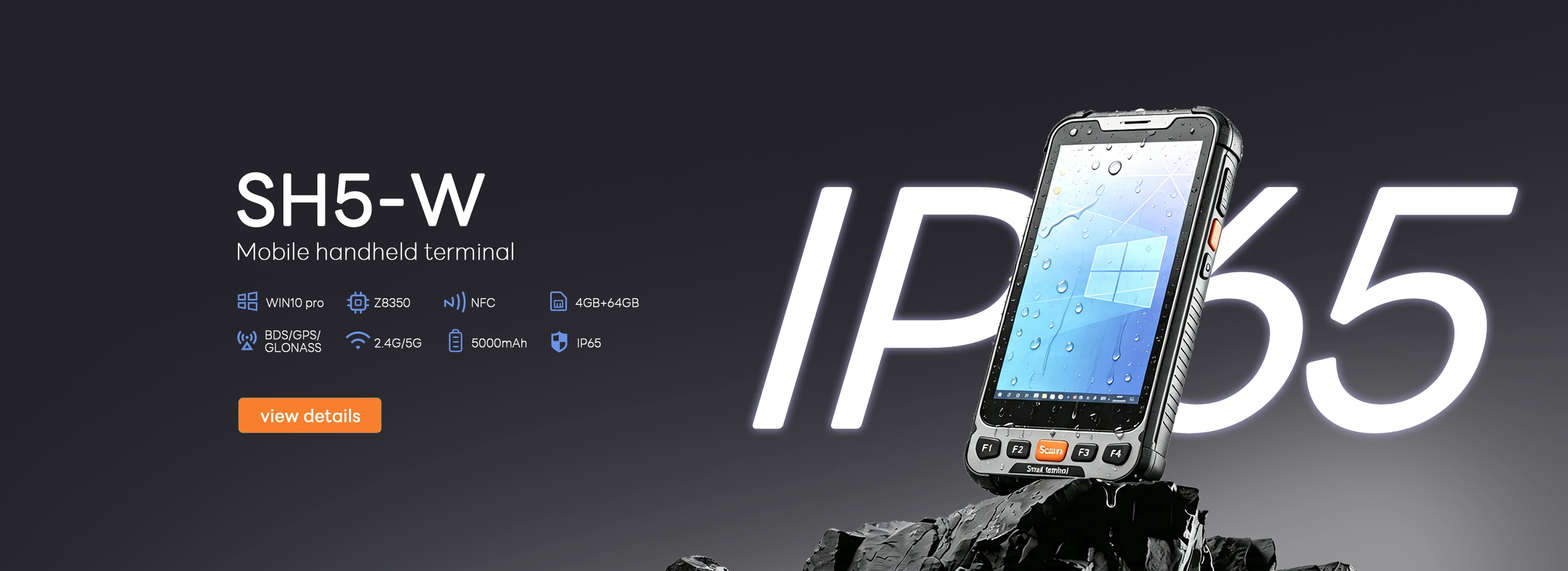
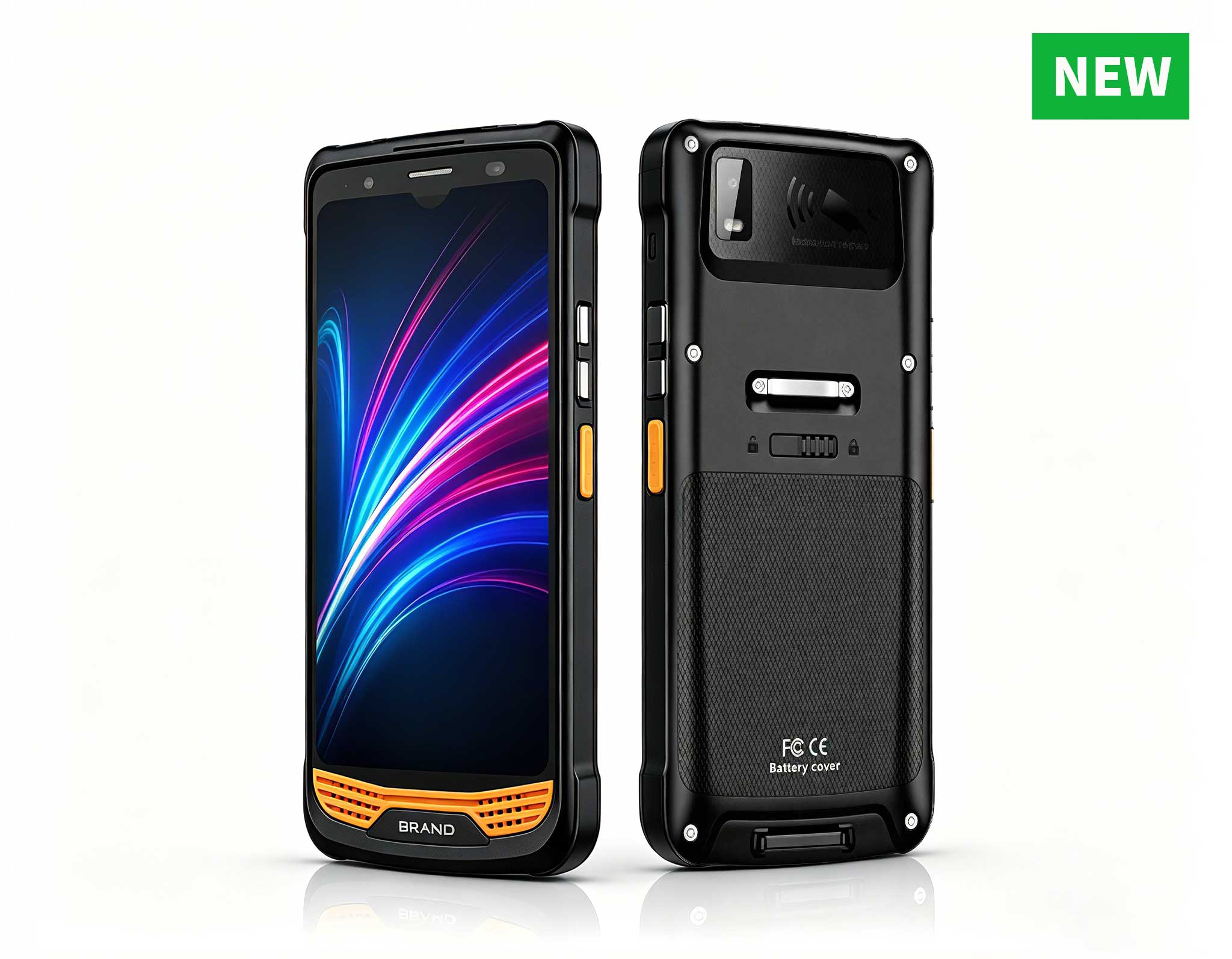
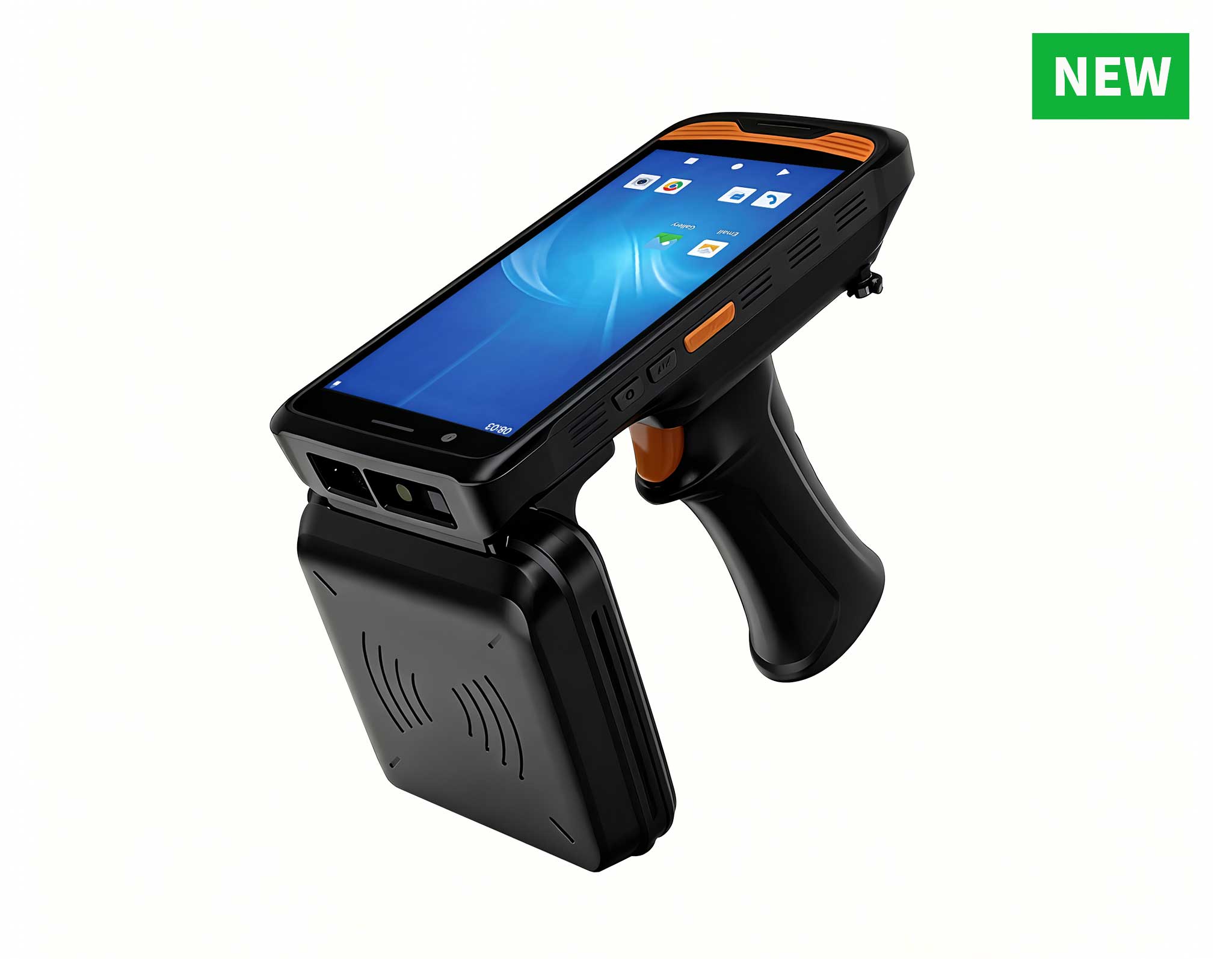
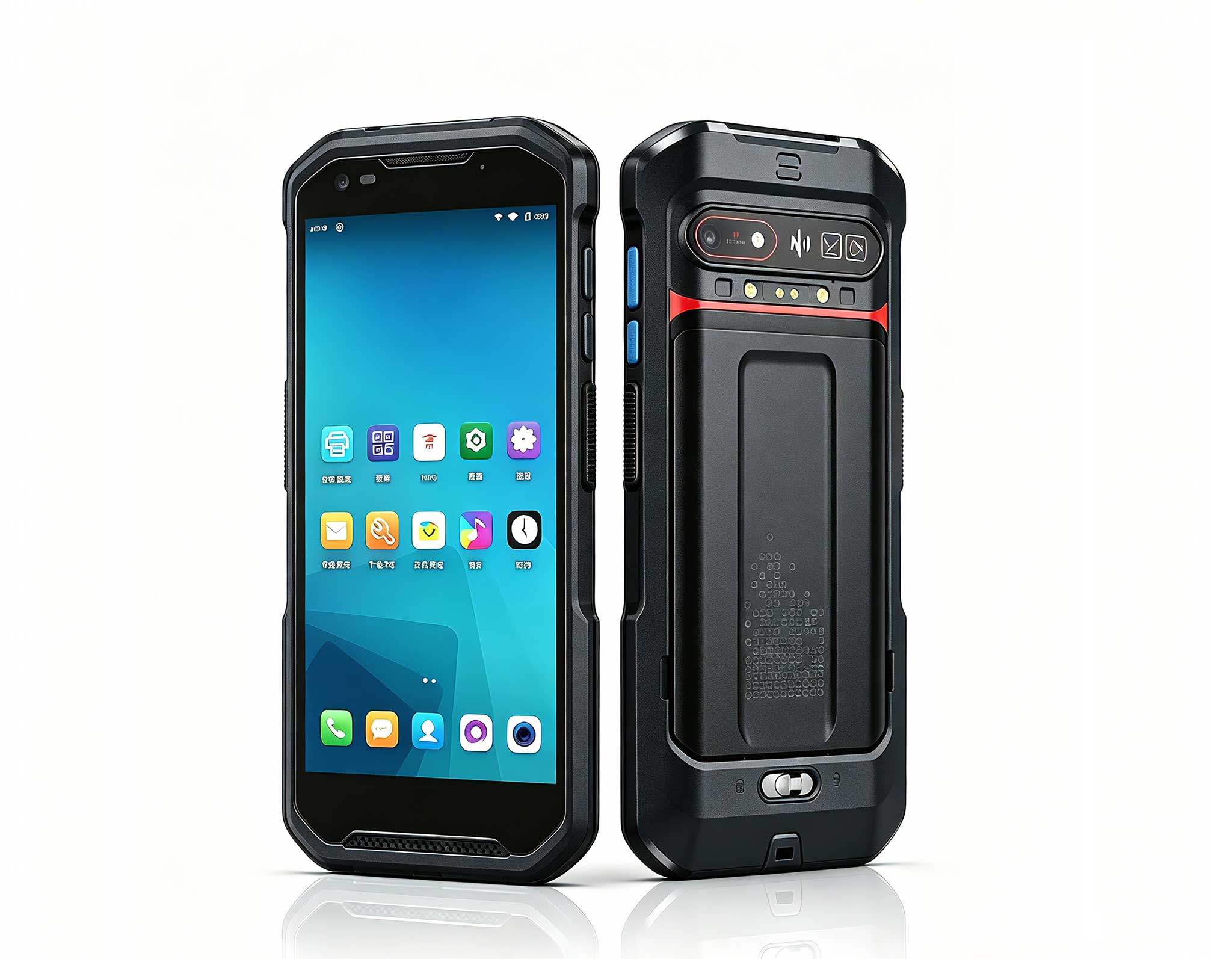
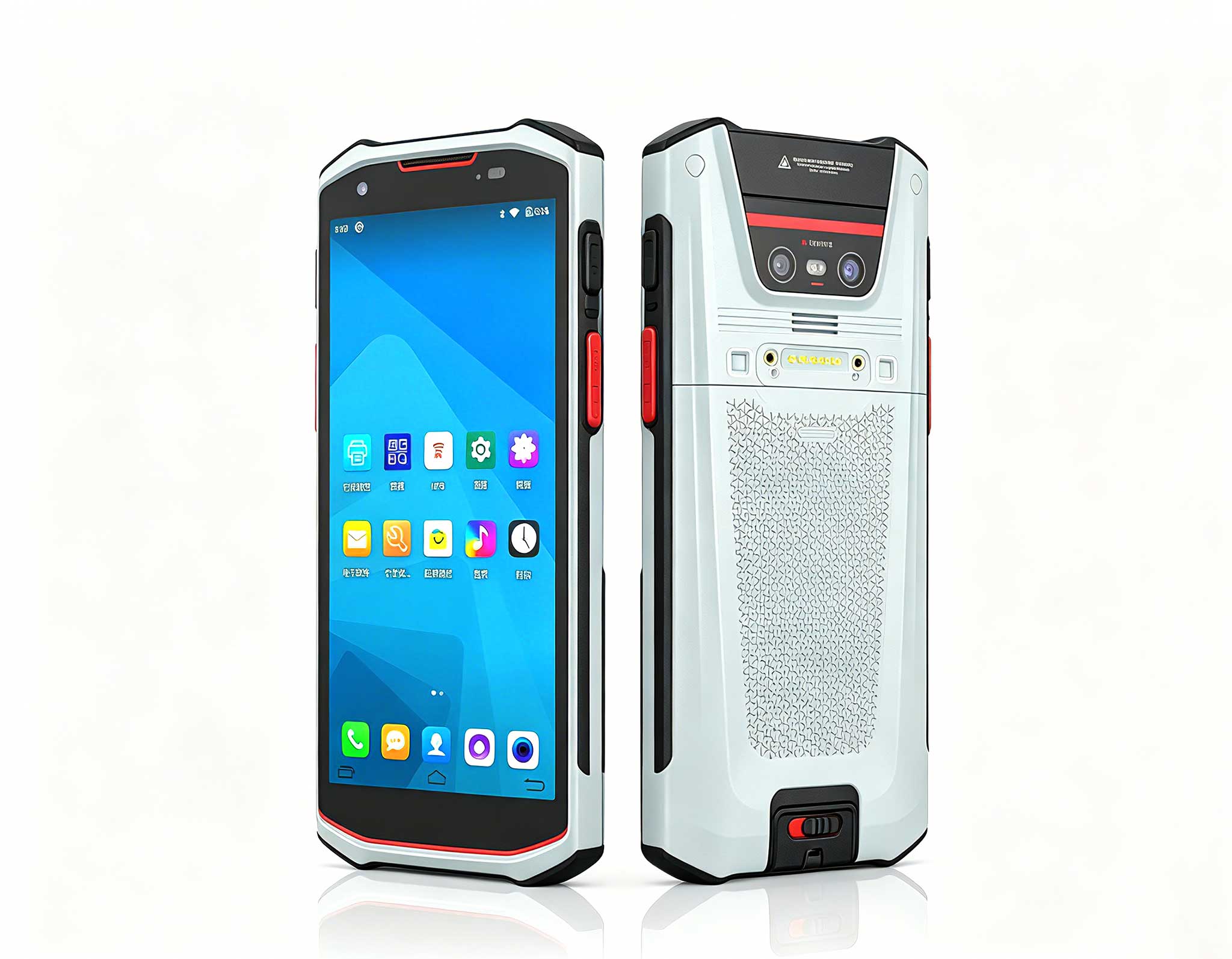
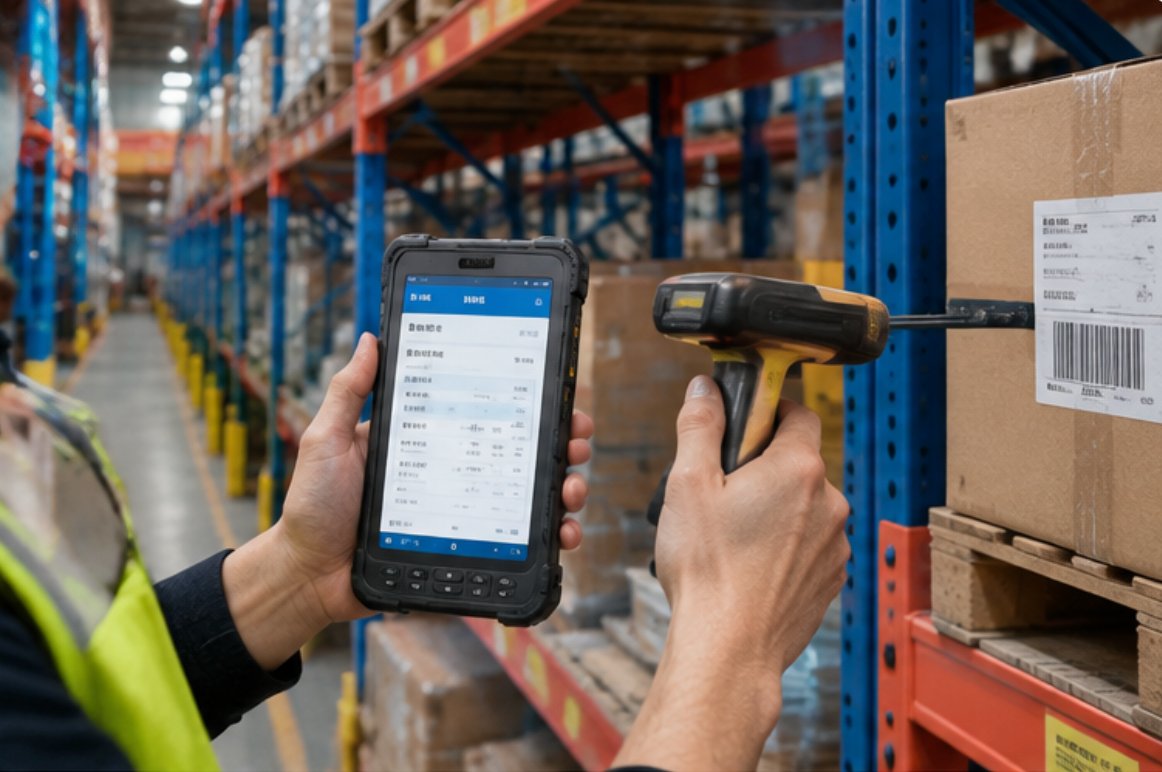
Not every Thin Client VDI workstation sits at a fixed desk. Warehouse floor supervisors, hospital nurses, and retail store managers need mobility while maintaining access to their virtual desktops. The SH5-W addresses this requirement with its rugged 5.5-inch Windows tablet form factor. In our implementation, we mounted these devices to forklifts in a distribution center, allowing operators to log into their VDI sessions while moving between aisles. The glove-friendly touchscreen and IP65-rated enclosure withstand dust, vibration, and occasional drops from waist height.
The SH5-W runs the full Windows 10 IoT Enterprise operating system, which means it supports the same VDI client software as the desktop endpoints. We configured it with a barcode scanner attachment and integrated it with our warehouse management system through the virtual desktop. The 5.5 windows (SH5-W)Rugged Industrial Tablet connects to our enterprise Wi-Fi network using dual-band 802.11ac, maintaining stable sessions even when roaming between access points. Battery life averaged 8.5 hours per charge, covering two full shifts with quick-swap batteries for continuous operation.
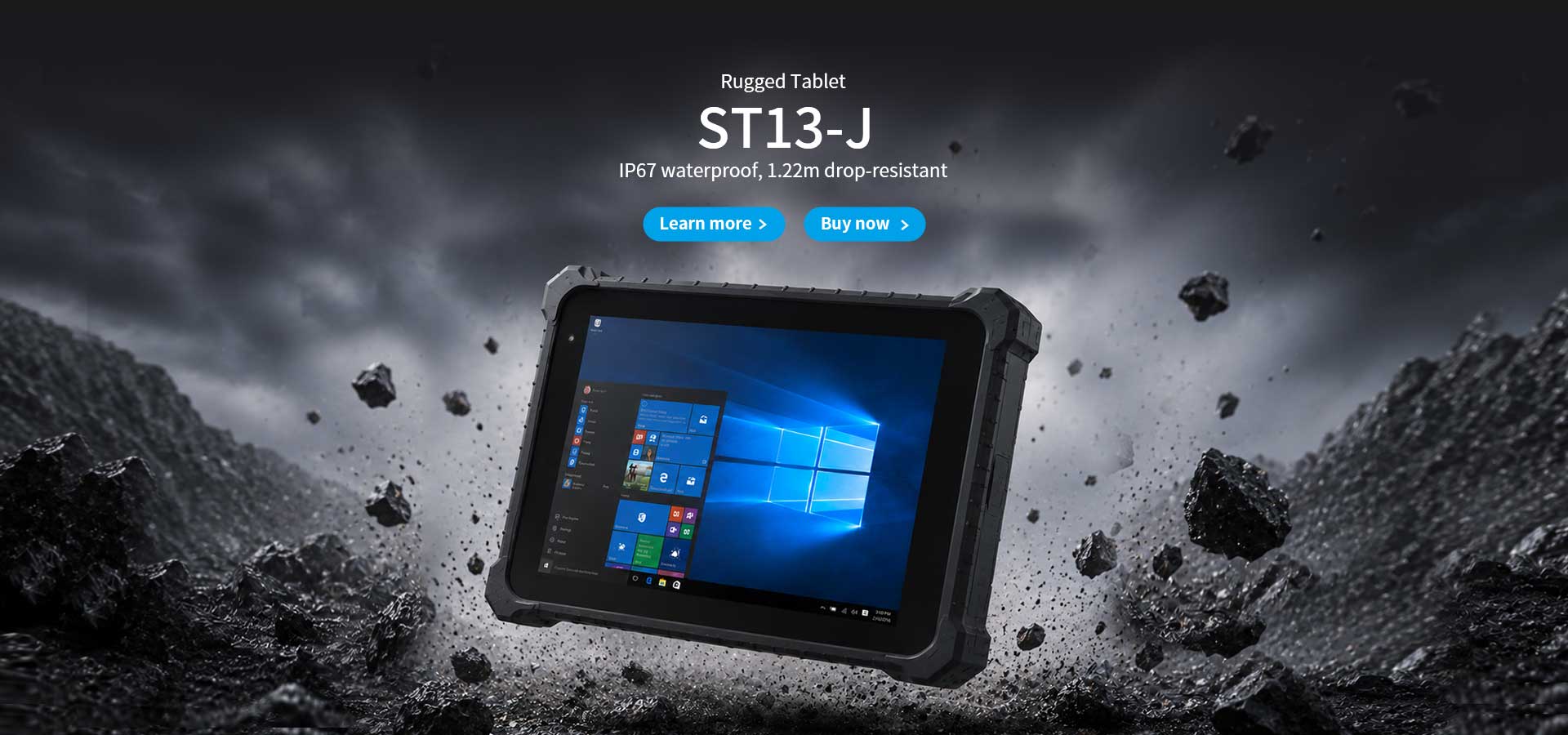
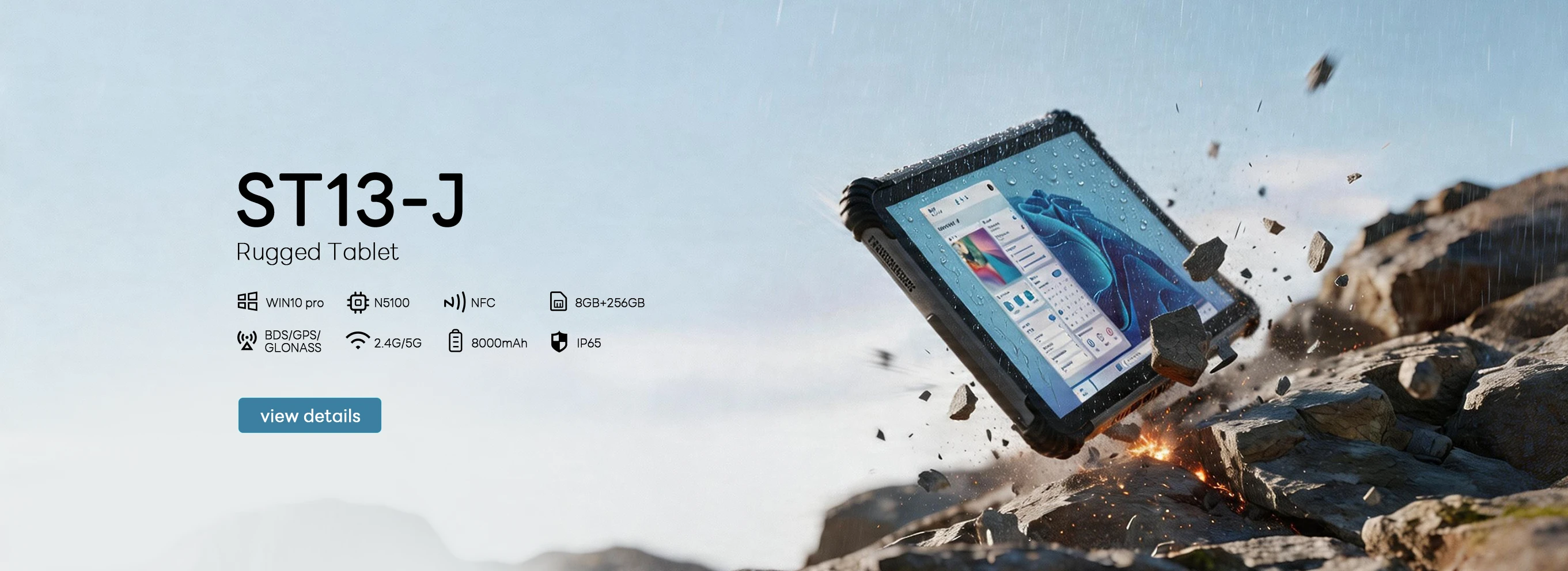
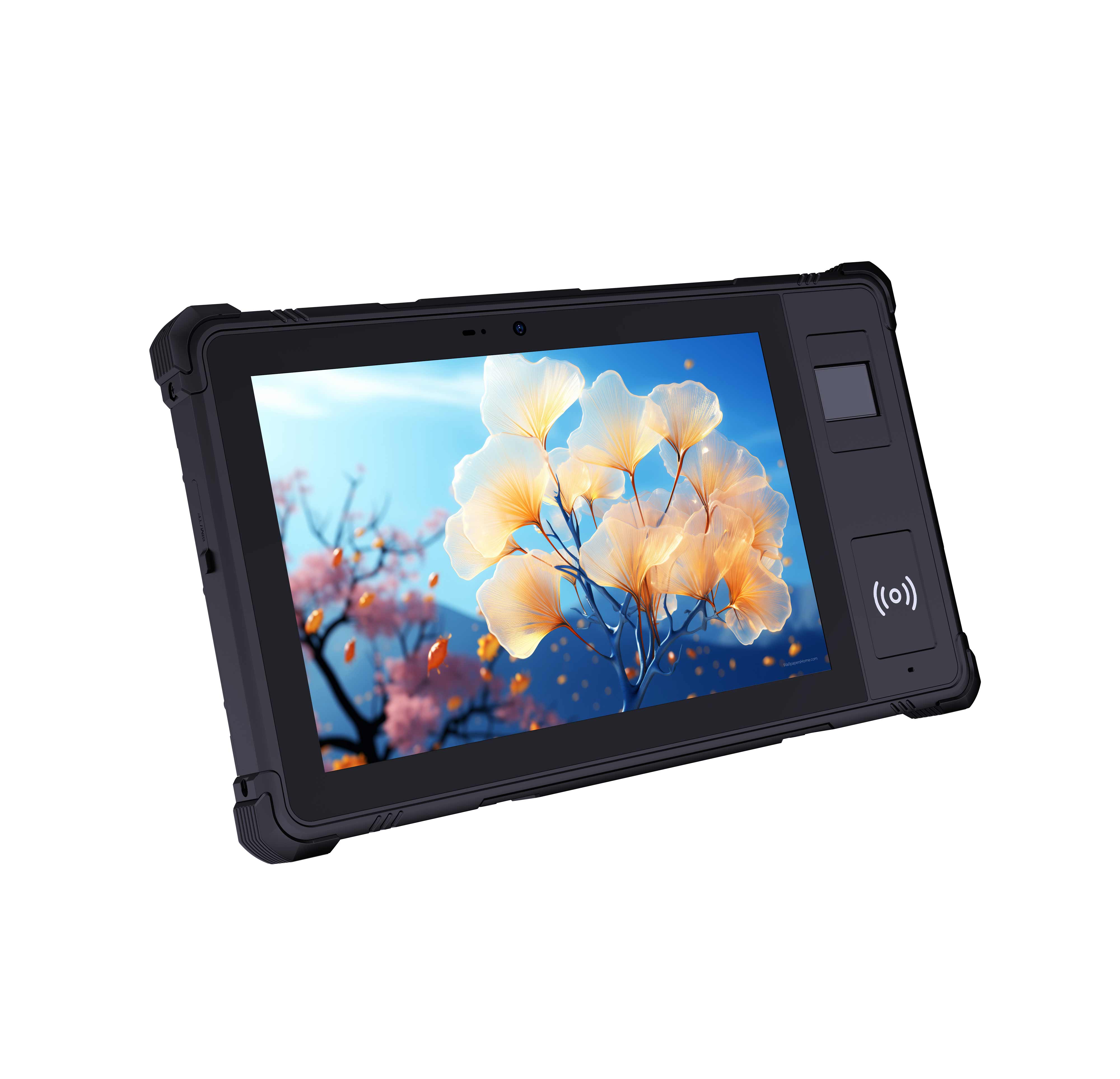
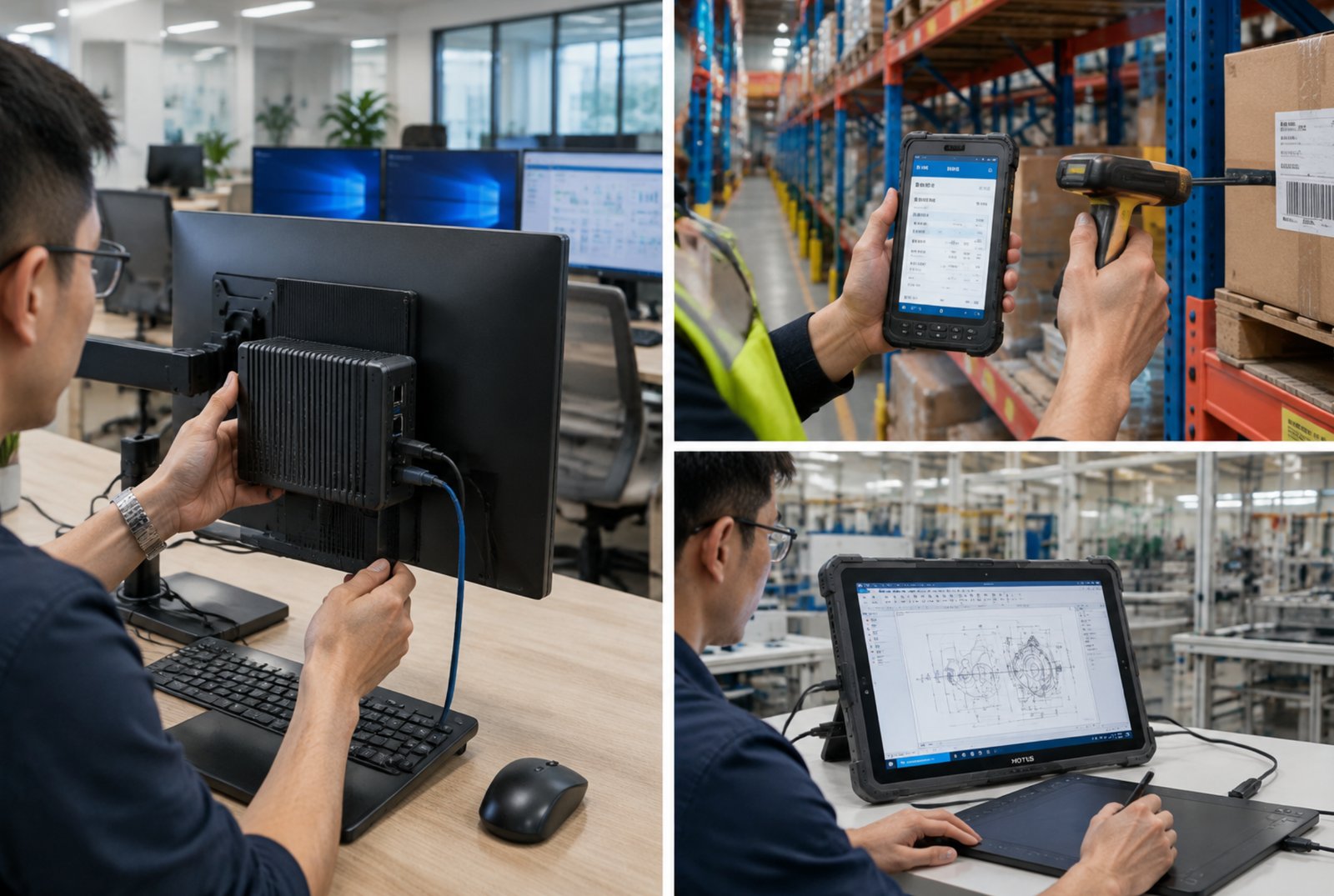
The third component of our Thin Client VDI architecture is the ST13-U, a 13.3-inch rugged industrial tablet that doubles as a high-performance endpoint. This device targets users who work with CAD software, video editing tools, or data visualization applications that demand local GPU acceleration. Unlike traditional thin clients that offload all rendering to the server, the ST13-U features an integrated graphics processor that handles video decode and 2D/3D acceleration locally. This reduces server load and network bandwidth consumption by up to 40% for graphics-heavy workloads.
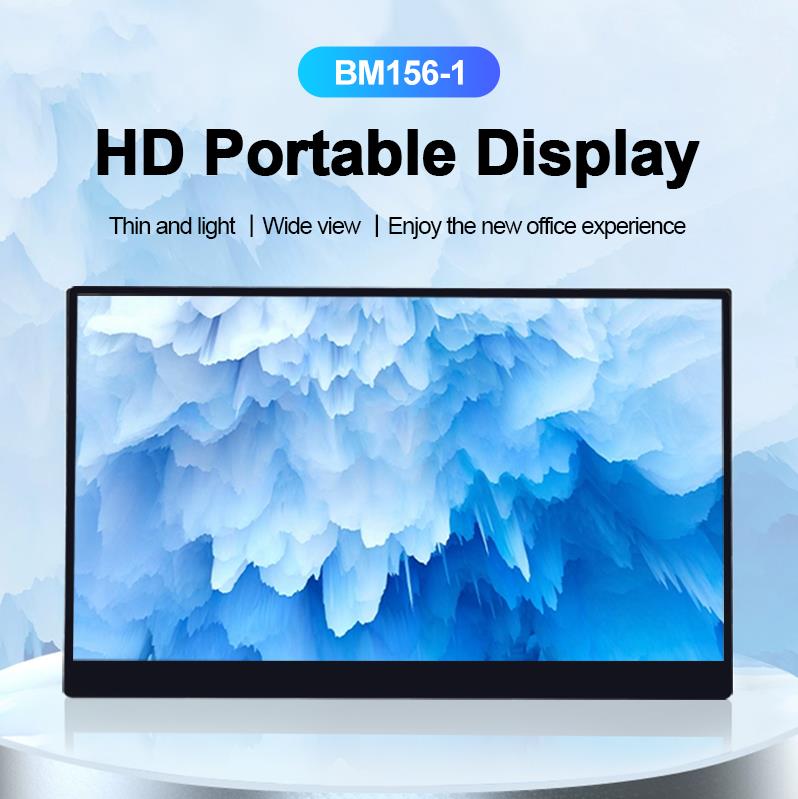
We deployed the ST13-U to our engineering team, who previously complained about laggy AutoCAD sessions on older thin clients. The device features a full HD IPS display with 400 nits brightness, making it usable even in brightly lit production areas. Its Windows 10 Pro operating system supports direct USB passthrough for specialized peripherals like drawing tablets and 3D mice. The 13.3 windows(ST13-U)Rugged Industrial Tablet also supports dual monitor output via its USB-C port, allowing engineers to extend their virtual desktop across two displays for increased productivity.
Before adopting this three-tier approach, our test facility experienced the typical frustrations of VDI deployments. The first pain point was inconsistent performance—users on identical hardware received vastly different experiences depending on which hypervisor host they connected to. CPU oversubscription on the server side caused mouse cursor lag and delayed keystroke responses. The second challenge was peripheral compatibility; USB devices like smart card readers and signature pads frequently failed to map correctly from the client to the virtual session.
The third and most costly issue was endpoint hardware failures. Legacy thin clients with spinning hard drives and passive cooling suffered from high failure rates in dusty environments. Each failure required an IT technician to physically visit the location, reimage the device, and reconfigure network settings. With over 200 endpoints spread across multiple buildings, this resulted in an average of 15 support tickets per month. The rugged mini PC solutions from Hotus eliminated these issues through solid-state storage, fanless designs, and industrial-grade components rated for 24/7 operation.
Consider the case of a mid-sized manufacturing plant that deployed our Thin Client VDI solution across its production floor and administrative offices. The facility manager needed to support 150 concurrent users with a mixed workload of ERP data entry, quality inspection software, and engineering design tools. Previously, they used a mix of desktop PCs and outdated thin clients, resulting in inconsistent performance and high maintenance costs.
The implementation began with a pilot group of twenty users: ten using the Palm-sized miniPC for standard office tasks, five using the SH5-W for warehouse operations, and five using the ST13-U for engineering work. After two weeks of testing, the facility manager reported a 35% reduction in login times and a 50% decrease in help desk calls related to endpoint issues. The pilot was then expanded to the full user base, with the Palm-sized miniPC handling 70% of users, while the SH5-W and ST13-U covered specialized roles.
Measurable outcomes after six months included a 28% improvement in employee productivity, as measured by task completion times in the ERP system. The total cost of ownership dropped by 40% compared to the previous PC-based infrastructure, primarily due to reduced power consumption (the Palm-sized miniPC draws only 12 watts under load) and near-zero hardware replacement costs. The facility manager also praised the centralized management capability—all endpoints could be remotely monitored and updated through the VDI management console, eliminating the need for on-site IT visits.
The key benefits of Palm-sized miniPC, SH5-W and ST13-U for Thin Client VDI extend beyond audio quality (though the integrated microphones and speakers perform admirably for video conferencing). Organizations consistently report improved user satisfaction scores, reduced staff overtime from equipment troubleshooting, lower total cost of ownership compared to older systems, and the flexibility to scale operations as demand grows. The modular hardware strategy allows IT departments to standardize on a single VDI software stack while offering three hardware tiers that match different user requirements.
From an implementation perspective, the deployment process is remarkably straightforward. Each device ships with the Windows operating system pre-installed and can be configured through Group Policy or mobile device management tools. The VDI client software can be deployed silently using standard software distribution tools, and the devices support Wake-on-LAN for centralized after-hours maintenance. The following table summarizes the key specifications of our three recommended devices for Thin Client VDI implementations:
| Model | Position | Weight | Key Specifications |
|---|---|---|---|
| Palm-sized miniPC | Standard office VDI endpoint | 0.4 kg | Dual-core CPU, 8GB RAM, 128GB SSD, 4K output |
| SH5-W | Mobile/rugged VDI access | 0.35 kg | 5.5" touchscreen, IP65, dual-band Wi-Fi, 8h battery |
| ST13-U | Graphics-intensive VDI workstation | 1.2 kg | 13.3" FHD, integrated GPU, USB-C dual display, Win10 Pro |
For organizations planning a Thin Client VDI rollout, the recommended approach is to start with a small pilot group, measure user satisfaction and system performance, then scale gradually. The Hotus product line offers the flexibility to mix and match devices based on departmental needs, ensuring that every user receives an appropriate level of hardware capability without unnecessary expenditure. With proper planning and the right endpoint hardware, Thin Client VDI can deliver a seamless, secure, and cost-effective desktop experience across the entire organization.