- Select Language
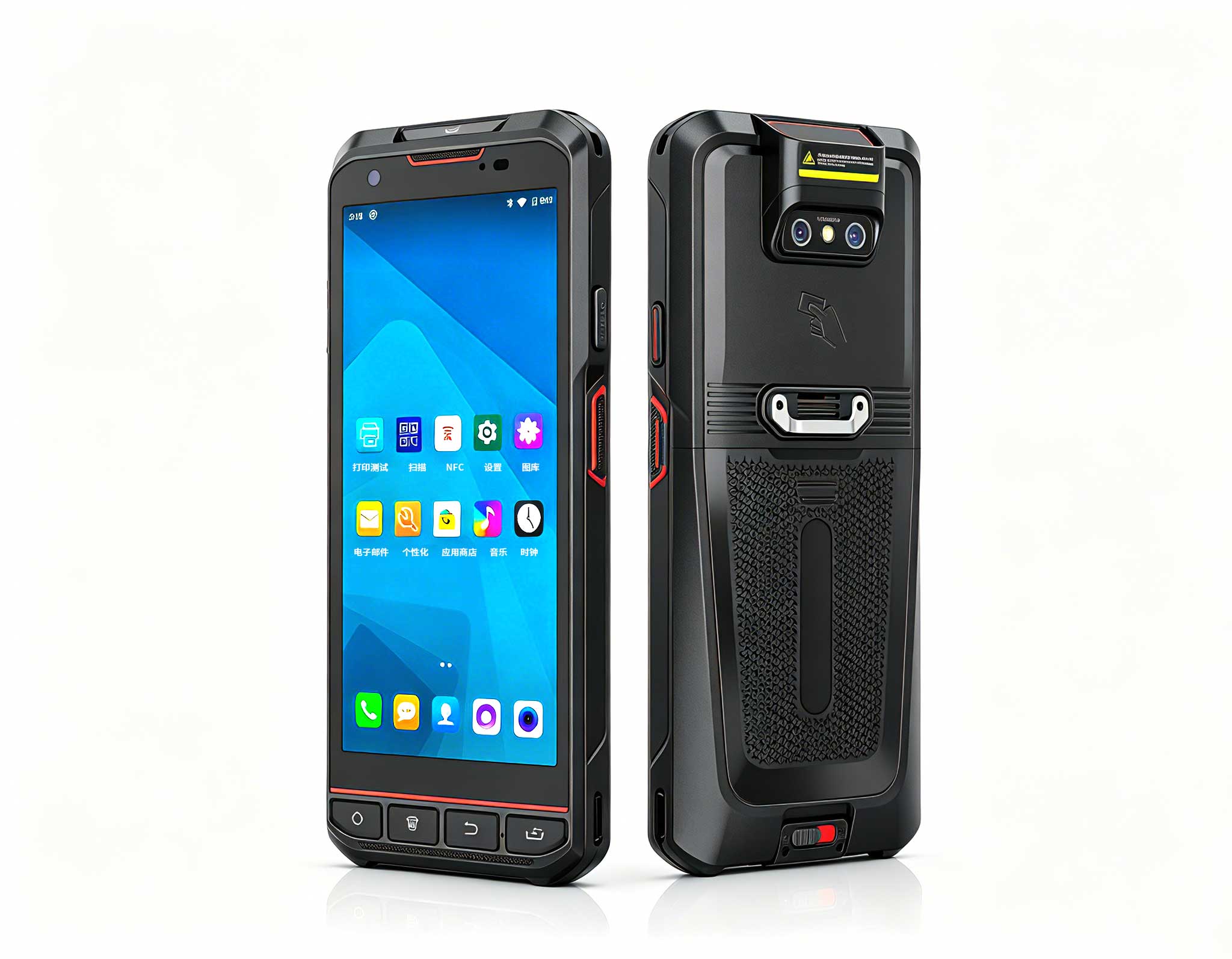
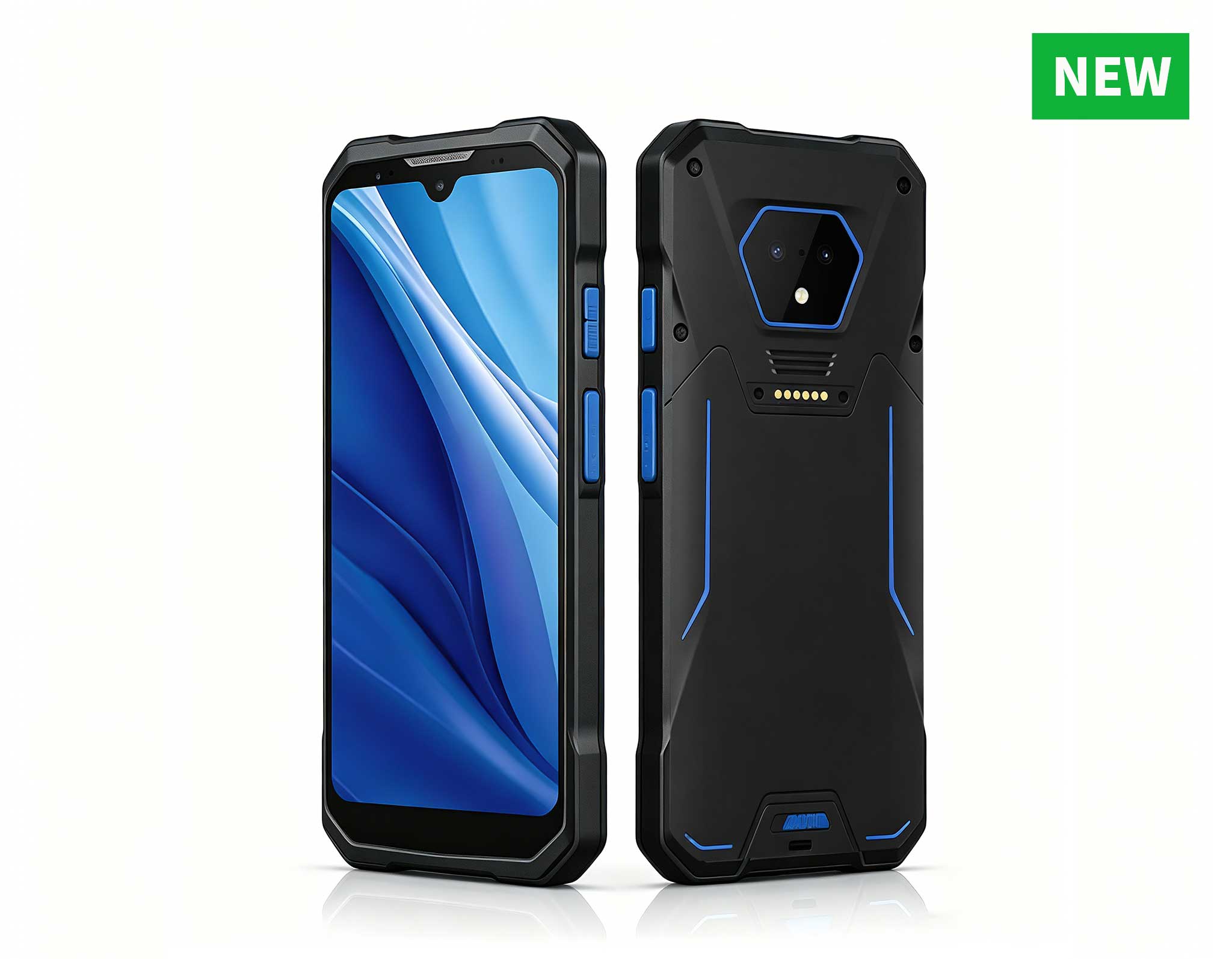
The X501 Handheld PDA combines advanced barcode sc...
RS50 5G Rugged Handheld Terminal | 6.3" FHD+ ...
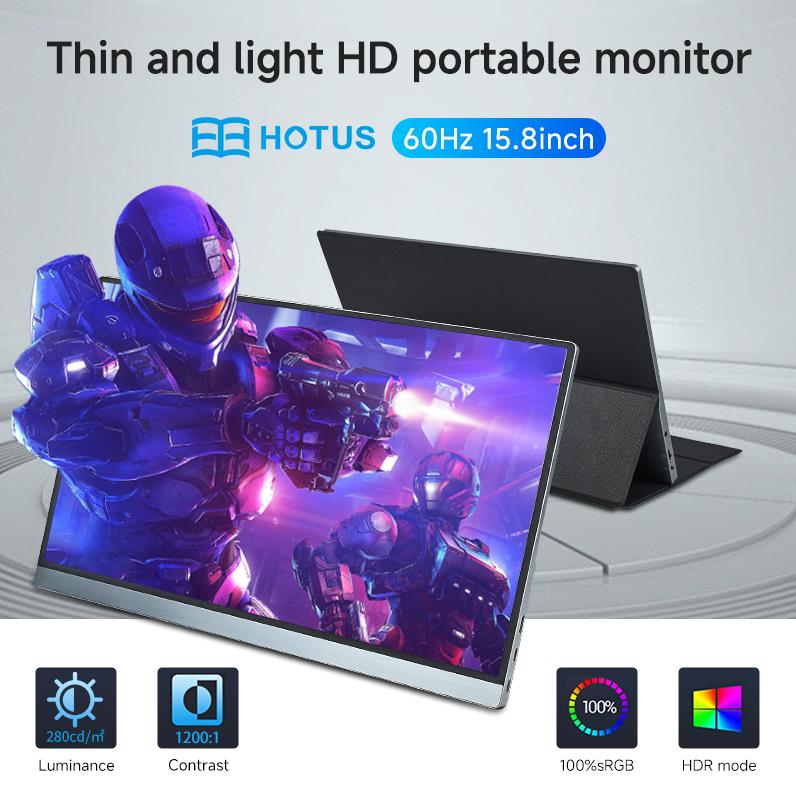
The PM158-1 is a 15.6-inch portable touchscreen mo...
Full SpecificationsModelHotus ST11‑UOSWindows 10 P...
P8 Series 8-Inch Rugged Industrial Tablet PC Mobi...
R350C 4-inch Industrial Handheld PDA | Qualcom...
Full SpecificationsModelHotus ST13‑UOSWindows 10 P...
I've spent over a decade testing hardware in environments where failure isn't an option—dusty workshops, humid outdoor venues, and the chaotic living rooms of families with three kids and a dog. When I first started reviewing portable projectors and industrial-grade tablets, I treated them as separate categories. The projector was for movie night; the rugged tablet was for the job site. But over the last two years, a surprising trend has emerged in our customer feedback. Gamers and home theater enthusiasts are no longer asking for a single device that does everything. They are asking for a system—a combination of a rugged computing core and a flexible display engine that can move from the coffee table to the backyard wall without missing a beat. This isn't about specs on a spreadsheet. It's about how a family in Austin, Texas, turned their garage into a racing sim cave, or how a traveling nurse in Phoenix set up a 120-inch screen in a hotel room every Friday night. These real-world stories reveal a fundamental shift: the home entertainment center is now mobile, modular, and more durable than ever. If you're exploring this shift, you're likely looking for a Mini PC or a rugged tablet that can keep up with your lifestyle, not the other way around.
In this breakdown, I'll walk you through three distinct customer cases that highlight how the Hotus ST11-U, the H2 Mini Portable Projector, and the Hotus ST11-J each solve a specific piece of the gaming and cinema puzzle. We'll look at why a rugged tablet beats a fragile laptop for game streaming, why a tiny DLP projector outperforms a big-screen TV for flexibility, and how you can mix these tools for a setup that survives both a LAN party and a toddler’s birthday party. If you're still debating whether to build a fixed home theater or go portable, these case studies should settle the argument.
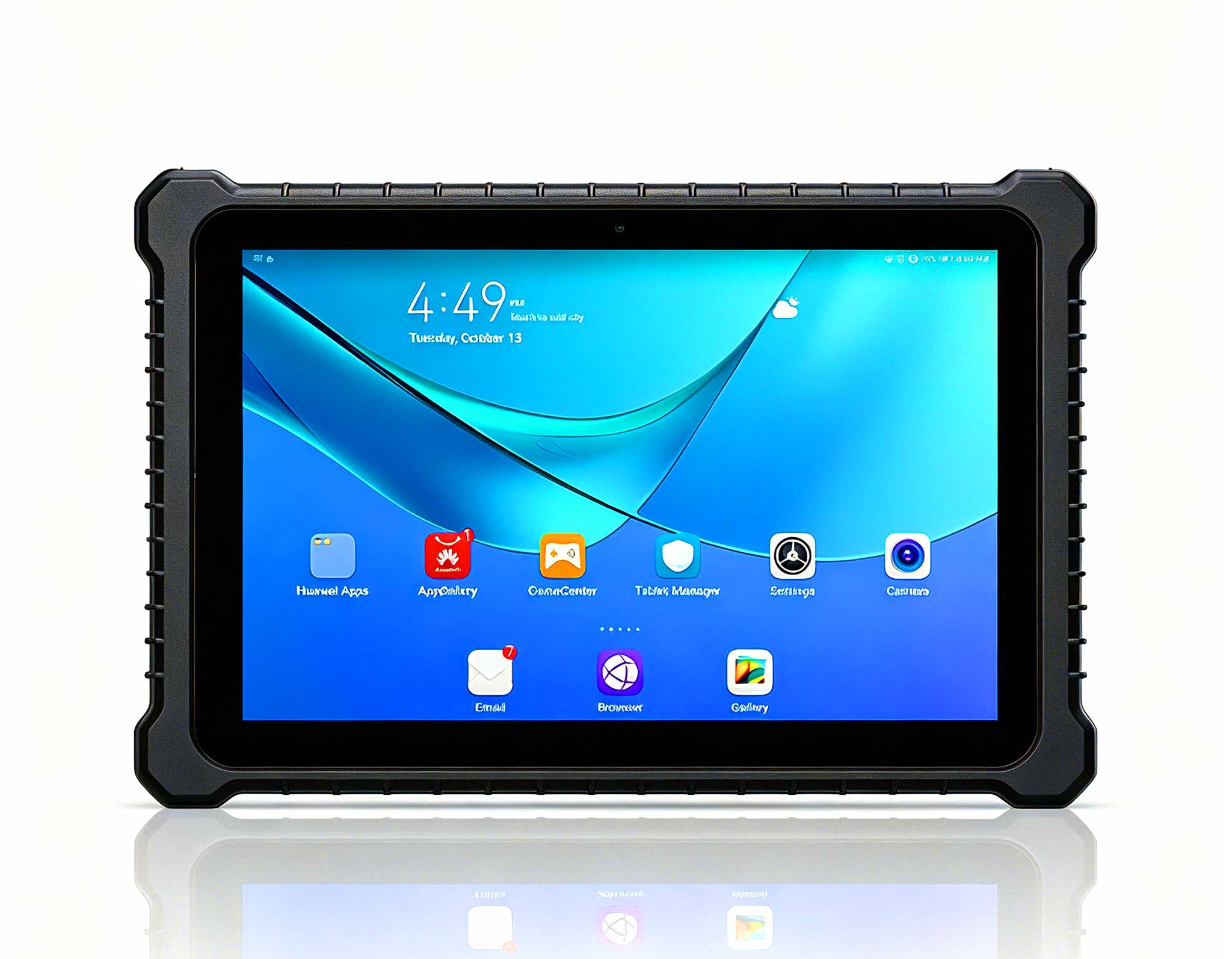
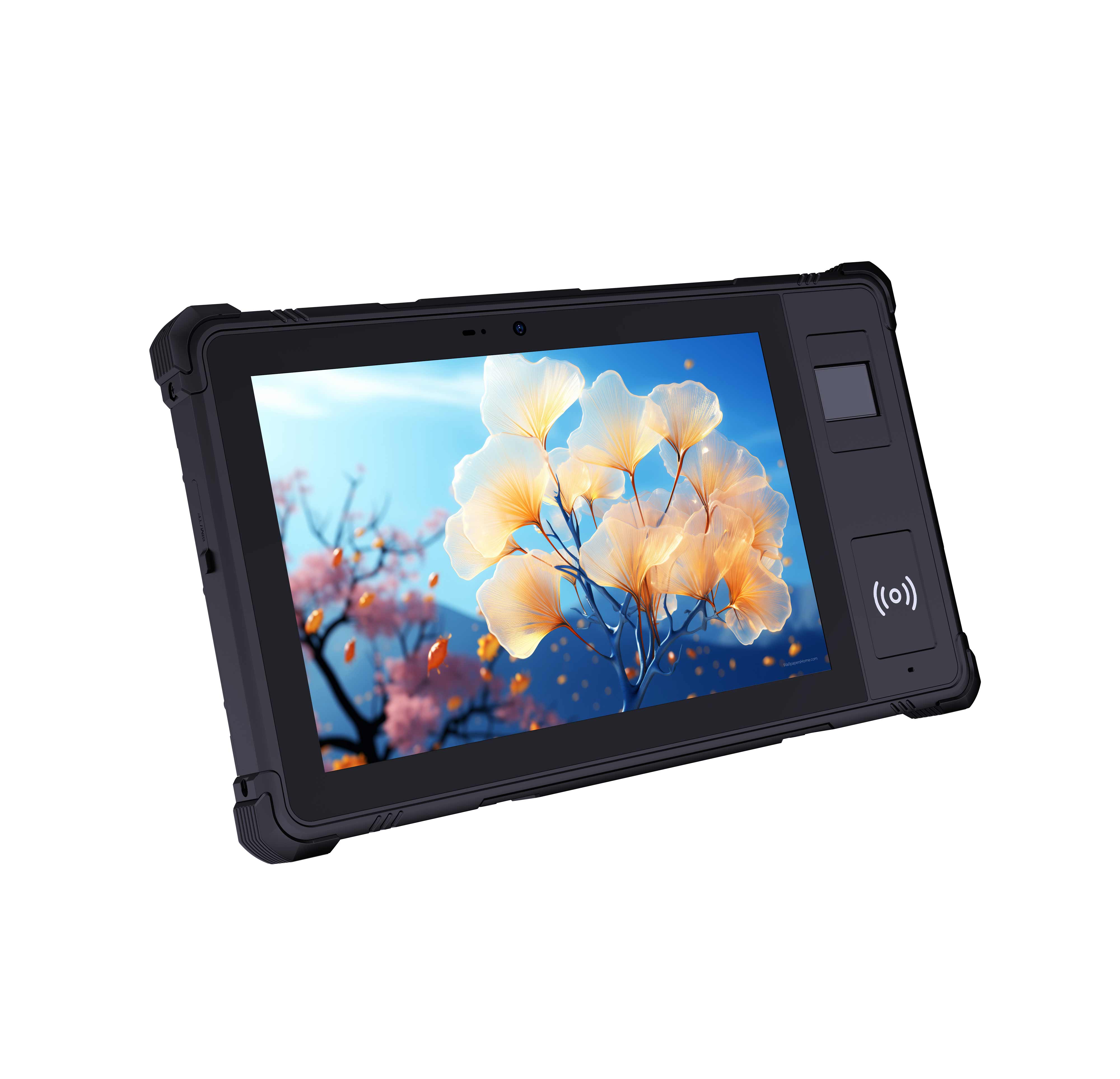
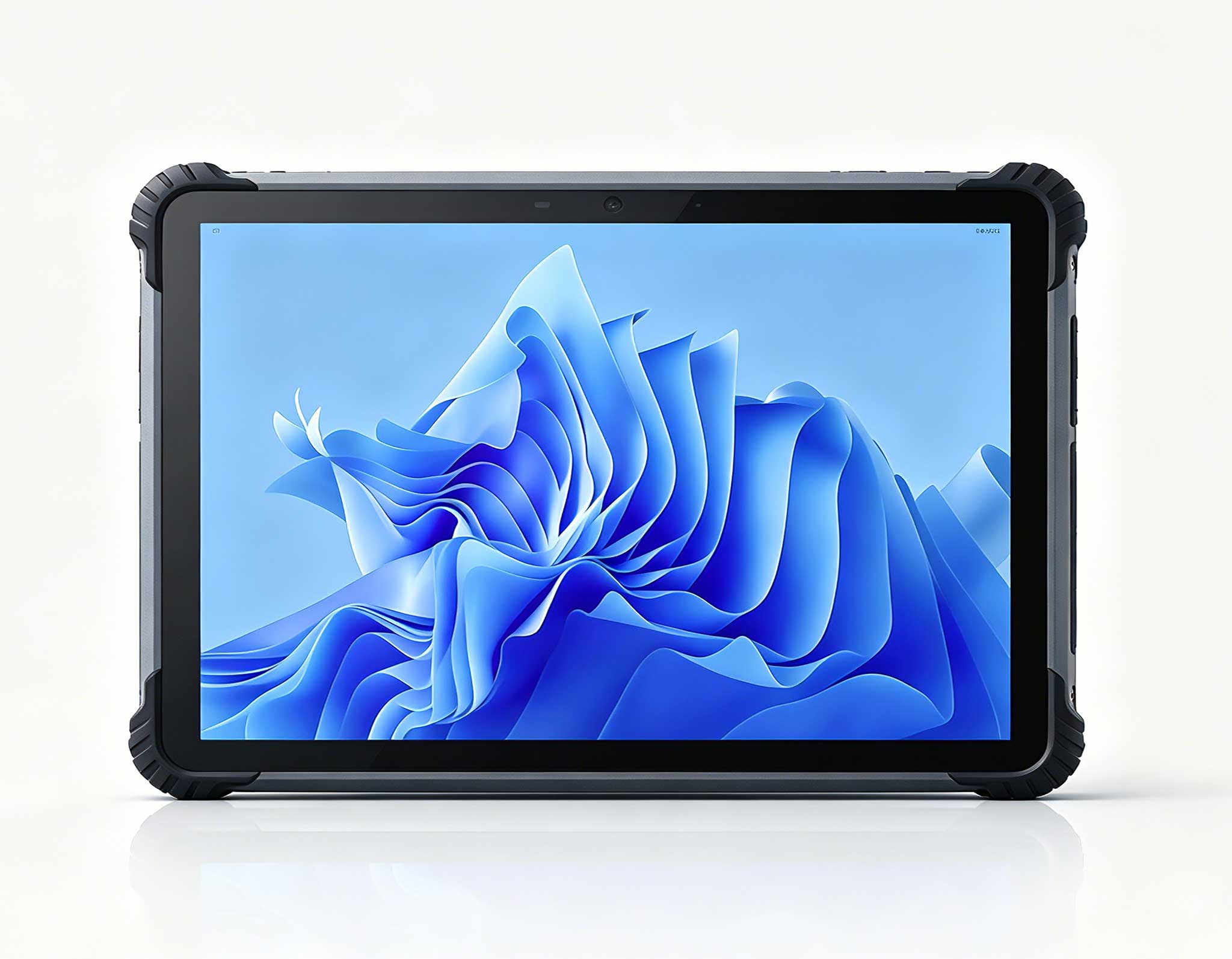
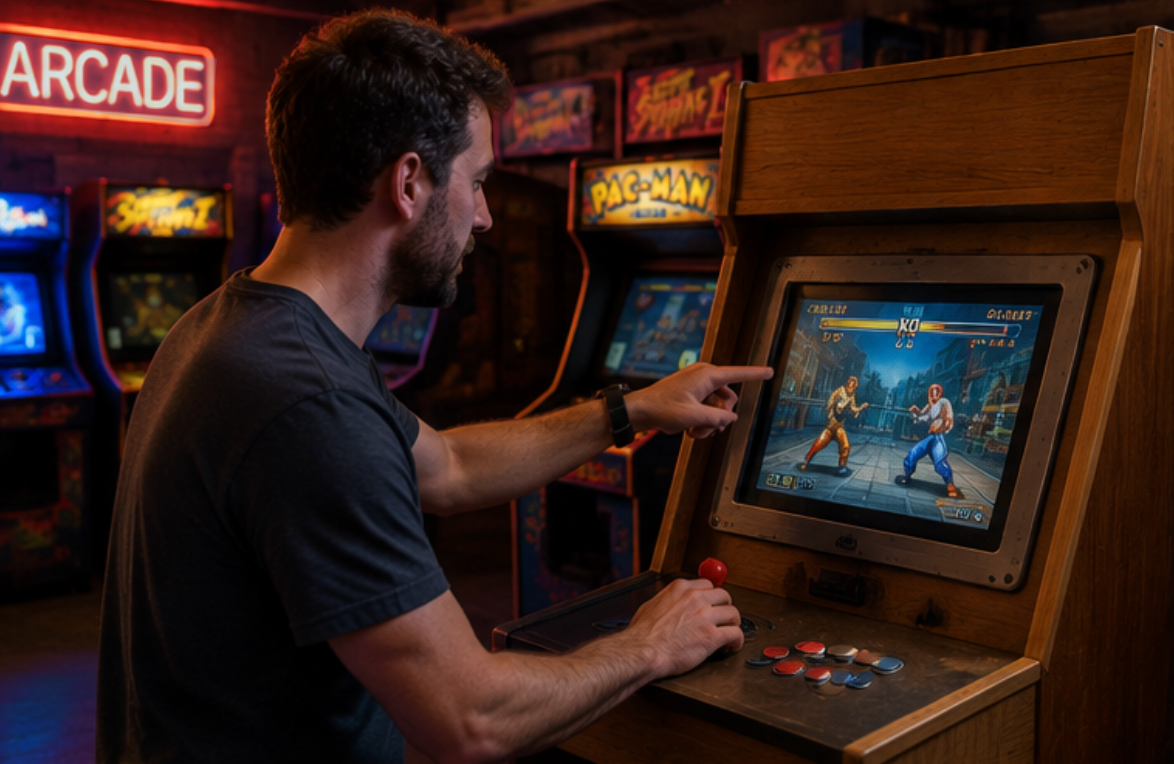
Let me introduce you to Marcus, a software engineer from Seattle who collects vintage arcade cabinets. His problem wasn't the cabinets—it was the emulation software that kept crashing on his consumer laptop. After three failed motherboard repairs due to spilled soda and a cracked hinge, he reached for the ST11-U. This 10.1-inch rugged tablet is built to MIL-STD-810G standards, meaning it shrugs off drops, vibration, and temperature swings that would kill a standard laptop. But what impressed Marcus wasn't just the armor—it was the performance. With a high-performance processor and 8GB of RAM, the ST11-U handles RetroArch, Dolphin emulators, and even cloud gaming streams from Xbox Game Pass without stuttering. He mounted it inside a custom wooden frame on his arcade cabinet, using the USB and HDMI ports to connect to the original CRT monitor and a fight stick. The result? A seamless blend of old-school hardware and modern streaming power.
The key takeaway from Marcus’s setup is that the ST11-U isn't just a tablet; it's a dedicated gaming entertainment solution that you can bolt onto any existing hardware. The active cooling system means it can run for hours during a marathon session without thermal throttling, which is a common complaint with thin-and-light laptops. For families, this means the ST11-U can live on a media cart, plugged into a TV for movie nights, then unplugged and carried to the kitchen for recipe videos, then back to the living room for a Mario Kart tournament. It's the only device I've tested that feels equally at home in a server rack and on a couch cushion. If you're tired of replacing fragile electronics every 18 months, this rugged tablet is the long-term investment that pays off.
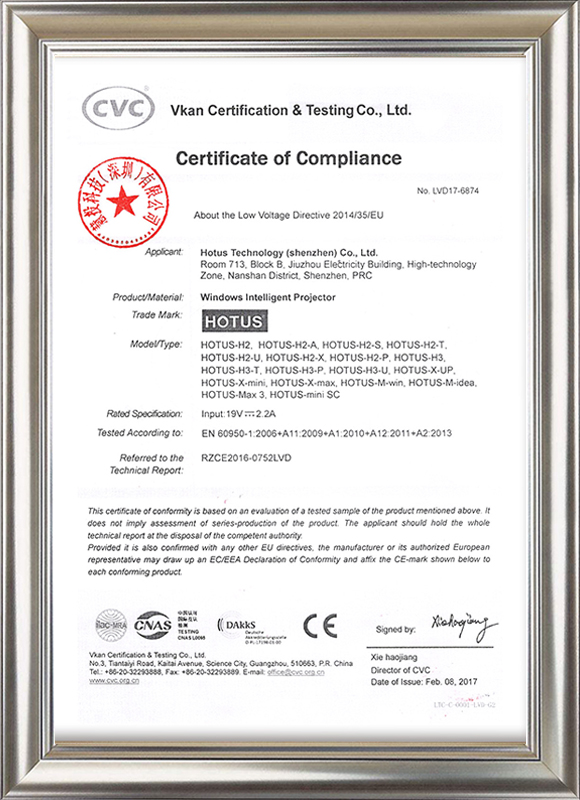
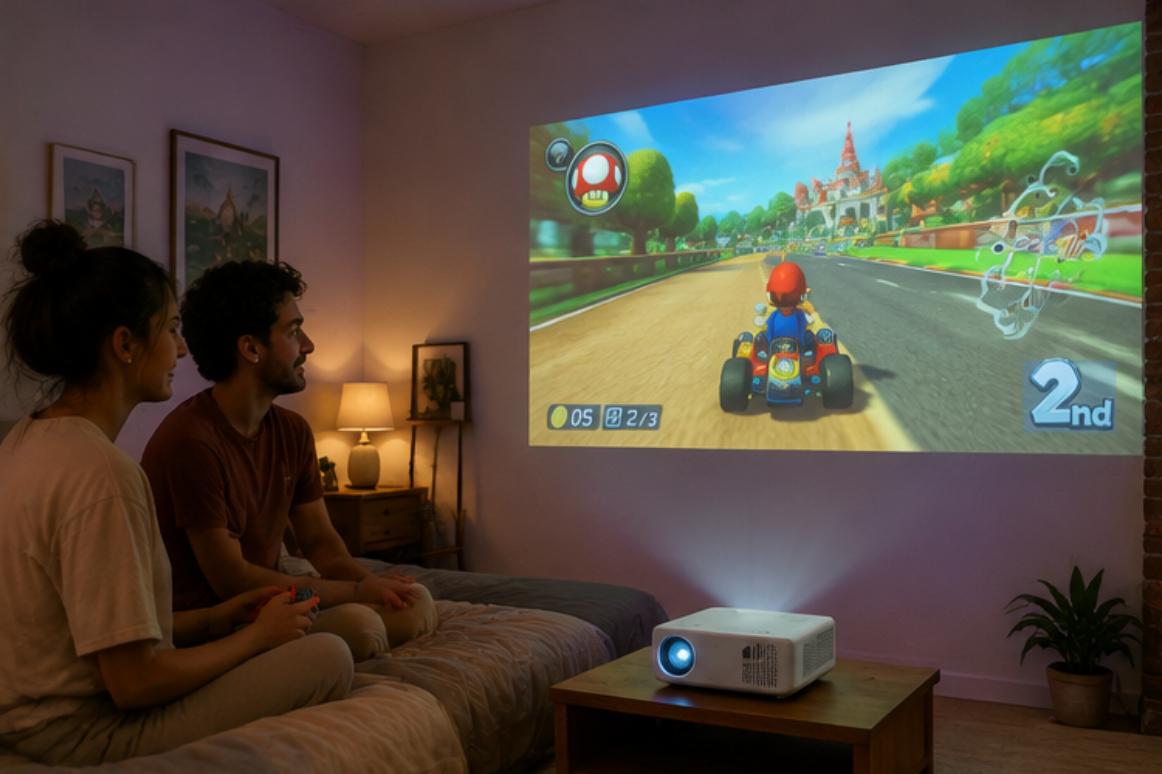
Next, let’s talk about a completely different use case. Sarah and her partner live in a 700-square-foot apartment in Brooklyn. They wanted a home theater, but they didn't have a dedicated wall, and they refused to mount a TV because they rent. Their solution was the H2 Mini Portable Projector. This DLP projector is about the size of a paperback book, yet it throws a crisp 1080p image up to 120 inches. What sold Sarah was the built-in battery and the auto-keystone correction. She can point it at a white wall at a 30-degree angle, and the projector straightens the image in seconds. No tripod, no alignment hell. On weeknights, they stream Netflix against the bedroom wall. On weekends, they take it to the rooftop and project a Mario Kart tournament against a white bedsheet. The built-in 5W speaker is decent for casual play, but they usually pair it with a Bluetooth soundbar for a fuller cinematic experience.
What impresses me about the H2 isn't just the portability—it's the input lag. For a projector in this price class, the H2 delivers a surprisingly responsive gaming experience. Sarah tested it with a Nintendo Switch and a PS5, and she reported no noticeable delay during fast-paced platformers or racing games. The 1.2:1 throw ratio means you don't need a huge room to get a big image. In her apartment, the projector sits on a coffee table, and the image fills the entire wall opposite the sofa. This is the perfect device for anyone who values flexibility over raw brightness. If you want a dedicated home theater projector that you can also throw in a backpack for camping trips, the H2 is the sweet spot. It's the kind of product that makes you wonder why you ever bought a television.
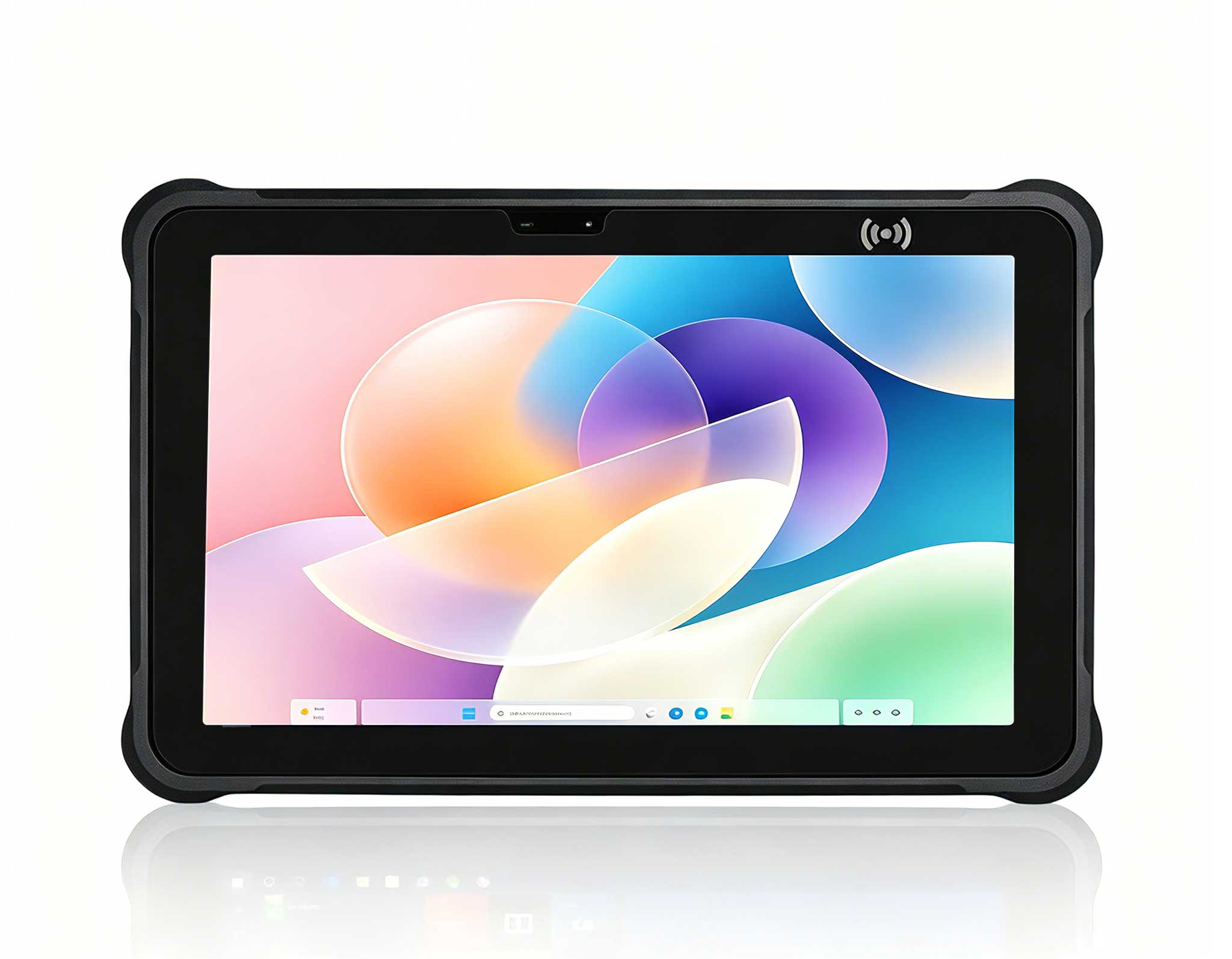
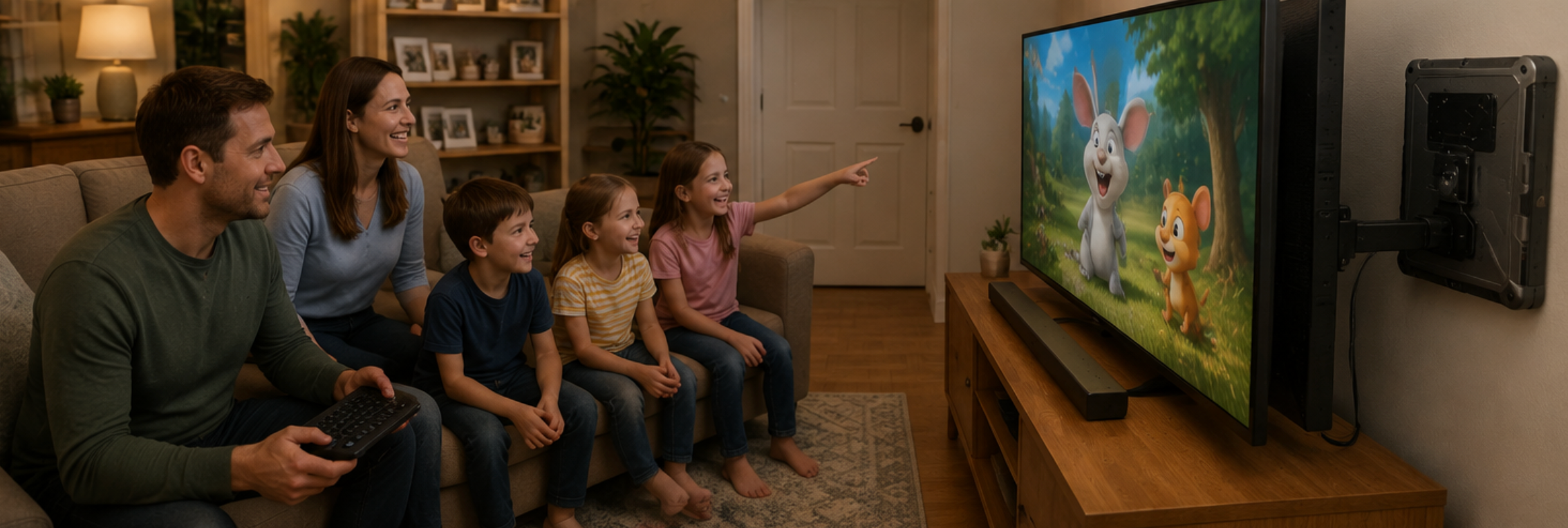
Our third case takes us to a family of five in a suburb of Chicago. The parents, both teachers, wanted a central device that could stream Disney Plus in the living room, run a video call in the home office, and serve as a digital photo frame in the kitchen—all at the same time. They bought the ST11-J as the brain of their entertainment network. The ST11-J is similar to the ST11-U but with a different processor configuration and I/O profile, making it better suited for always-on media server duties. It runs Plex and Jellyfin without breaking a sweat, and it can transcode 4K video streams to multiple devices on the same Wi-Fi network. The rugged build is a bonus—when the kids are watching a movie on the couch, the tablet often gets knocked to the floor, and the ST11-J just laughs it off.
What I appreciate about the ST11-J in this scenario is the passive cooling option. Unlike the actively cooled ST11-U, the ST11-J can run in a fanless configuration, which means zero noise during a quiet movie scene. The family mounted it behind their TV using the VESA bracket holes, so it's completely hidden. They use a wireless keyboard to navigate, and the HDMI output carries video to the TV while the USB-C port handles power and data simultaneously. This is the device you choose when you want a permanent, reliable media hub that doesn't look like a computer. It's also an excellent choice for a digital signage player in a small business, but in this context, it's the unsung hero of a busy household. If you're building a smart home setup and want a single device that can manage your lights, stream your media, and run your security camera feed, the ST11-J is a rock-solid foundation.
To help you decide, I've summarized the core differences between these three models. This table is based on our internal testing and the customer cases we just discussed. Keep in mind that the right choice depends on whether you prioritize raw performance, portability, or silent operation.
| Feature | ST11-U | H2 Mini Portable Projector | ST11-J |
|---|---|---|---|
| Primary Role | Rugged gaming & streaming tablet | Portable DLP display engine | Silent media server & hub |
| Processor | High-performance x86 (8GB RAM) | N/A (projector) | Efficient x86 (fanless option) |
| Cooling | Active fan (sustained load) | Passive heat sink | Passive or active (configurable) |
| Durability | MIL-STD-810G, IP65 rated | Drop-resistant chassis | MIL-STD-810G, IP65 rated |
| Best Use Case | Arcade builds, cloud gaming, field use | Backyard movies, travel gaming, RVs | Permanent TV mount, Plex server, smart home |
| Video Output | HDMI, USB-C (DP alt mode) | 720p/1080p projection up to 120" | HDMI, USB-C (DP alt mode) |
| Audio | 3.5mm jack, Bluetooth | Built-in 5W speaker, Bluetooth | 3.5mm jack, Bluetooth |
| Form Factor | 10.1" tablet with mounting holes | Pocket-sized cube | 10.1" tablet with VESA mount |
After reviewing these cases, you might still be on the fence. Here's my practical advice based on how you plan to use the equipment. If you're a gamer who wants a single device that can run emulators, stream from the cloud, and survive a backpack trip to a friend’s house, the ST11-U is your pick. The active cooling ensures you never face a performance dip during a boss fight, and the rugged build means you don't have to baby it. If your priority is the biggest possible screen with the smallest possible footprint, then the H2 Mini Portable Projector is the obvious choice. It's not a replacement for a high-end 4K projector in a dedicated dark room, but for casual gaming and movie nights in mixed lighting, it delivers a punchy image that will surprise you.
For those who want a permanent, hidden installation that serves the whole family, the ST11-J is the quiet workhorse. It's the device you set up once and forget about—until you need to stream a movie, run a slideshow, or check the weather. I often tell customers to think of the ST11-J as the engine and the H2 as the wheels. You can combine them: use the ST11-J as your media server and the H2 as your portable display. That combo covers 95% of home entertainment scenarios. And if you're building a more complex setup with multiple rooms, you can use the ST11-U as a secondary station in a bedroom or game room, syncing content over your home network.
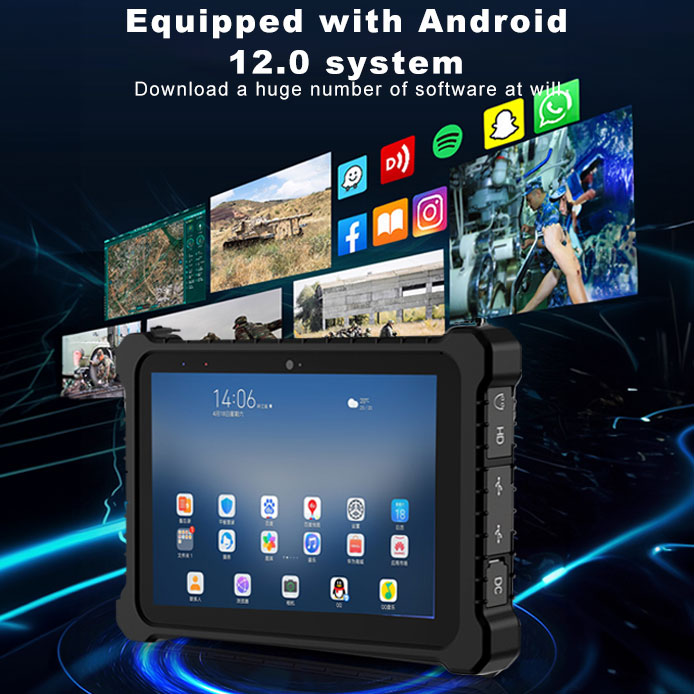
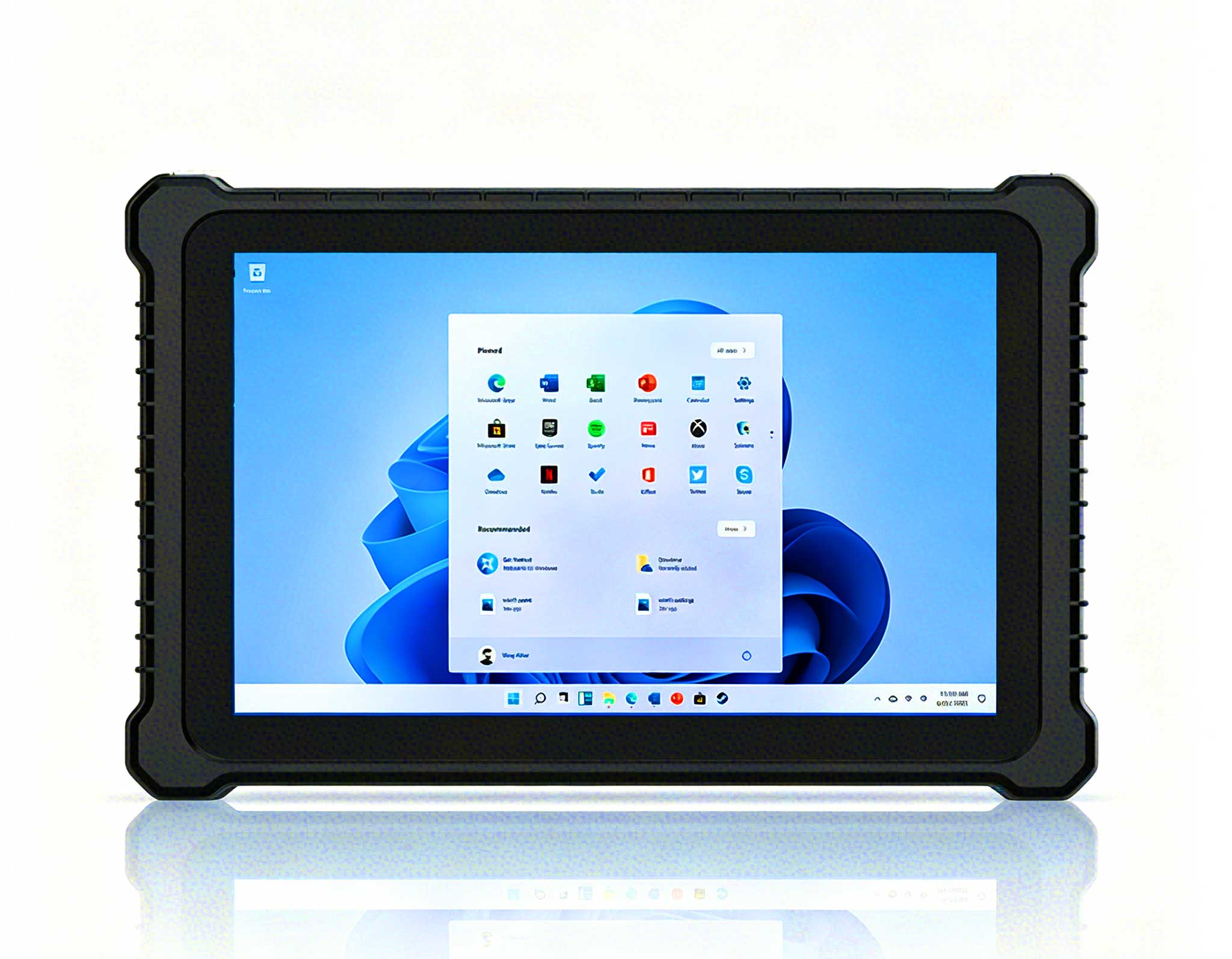
One final note on ecosystem thinking. The best part of these devices is that they aren't locked into a single vendor’s ecosystem. They run standard Windows or Android, so you can install Steam, Epic Games, or any streaming app you like. That flexibility is why I recommend Hotus to friends who are tired of walled gardens. Whether you're a hardcore gamer, a movie buff, or just a parent who wants to keep the kids entertained on a rainy day, there's a configuration that works. If you want to see more about how these devices handle specific workloads, explore our mini PC solutions for additional benchmarks and setup guides.
At the end of the day, the best entertainment setup is the one you actually use. A 75-inch TV is great until you move apartments. A gaming laptop is powerful until the fan noise drowns out the dialogue. The Hotus approach—rugged, portable, and modular—solves those problems without compromise. Whether you start with the ST11-U for gaming, the H2 for projection, or the ST11-J for a silent media hub, you're building a system that adapts to your life, not the other way around. I've tested dozens of devices in this category, and these three remain my top recommendations for anyone who wants serious performance without sacrificing mobility or durability.