- Select Language
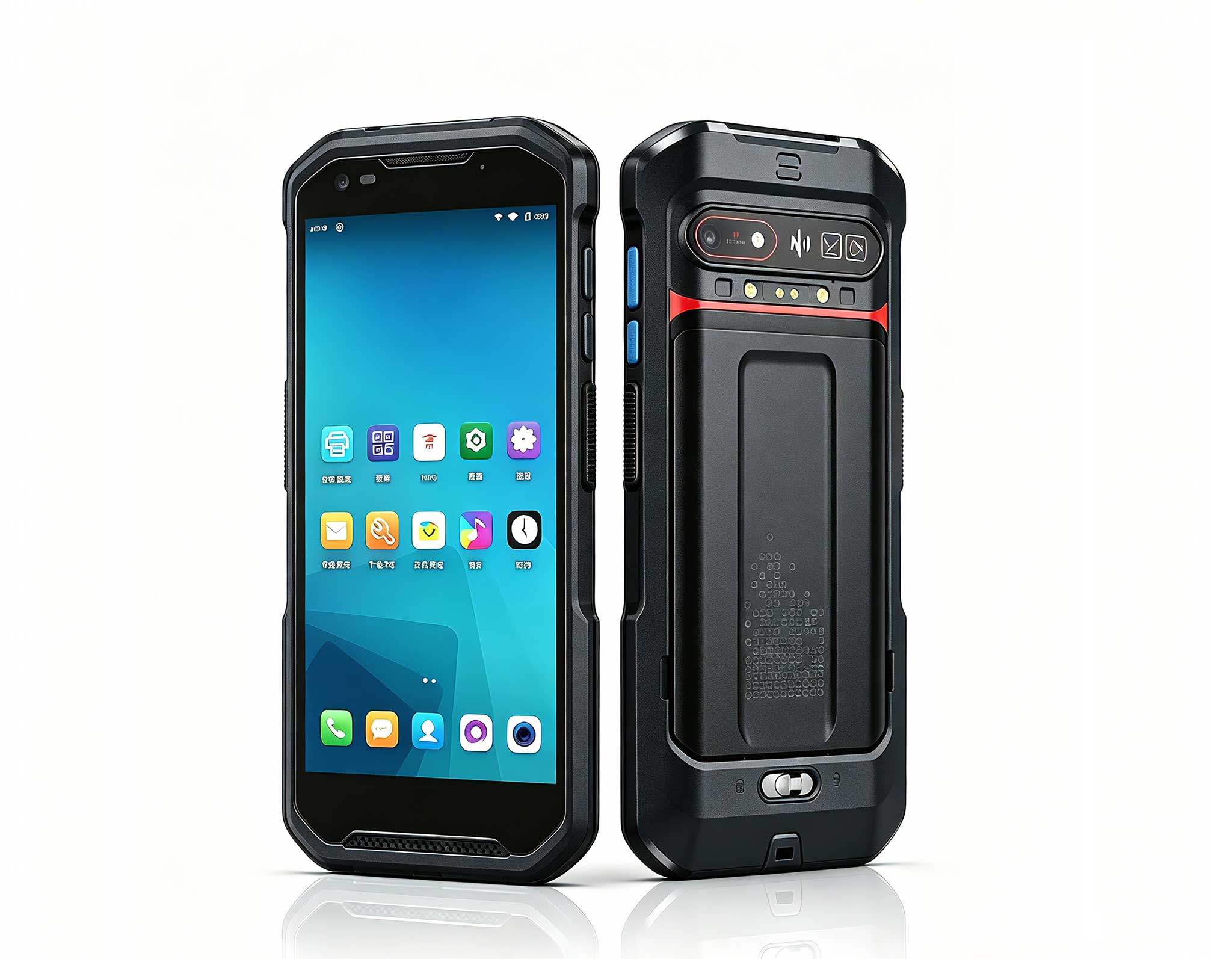
RS50 5G Rugged Handheld Terminal | 6.3" FHD+ ...
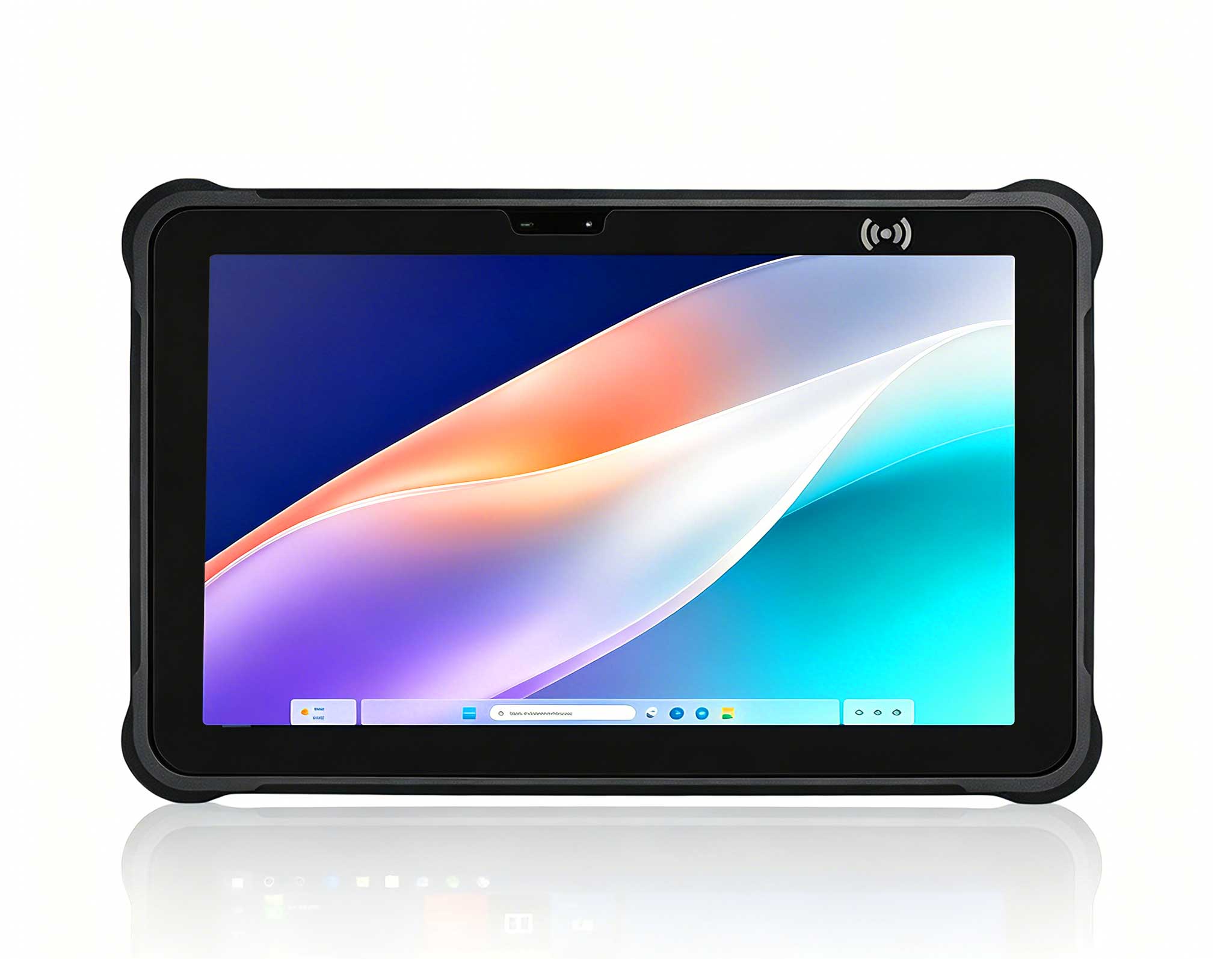
RT81 4G Rugged Tablet | 10.1" FHD 400nit | Qu...
Explore an innovative Personal Digital Assistant f...
R860-S 5.5-inch Industrial PDA with Thermal Printe...
The PM133-2 is a 13.3-inch portable monitor featur...
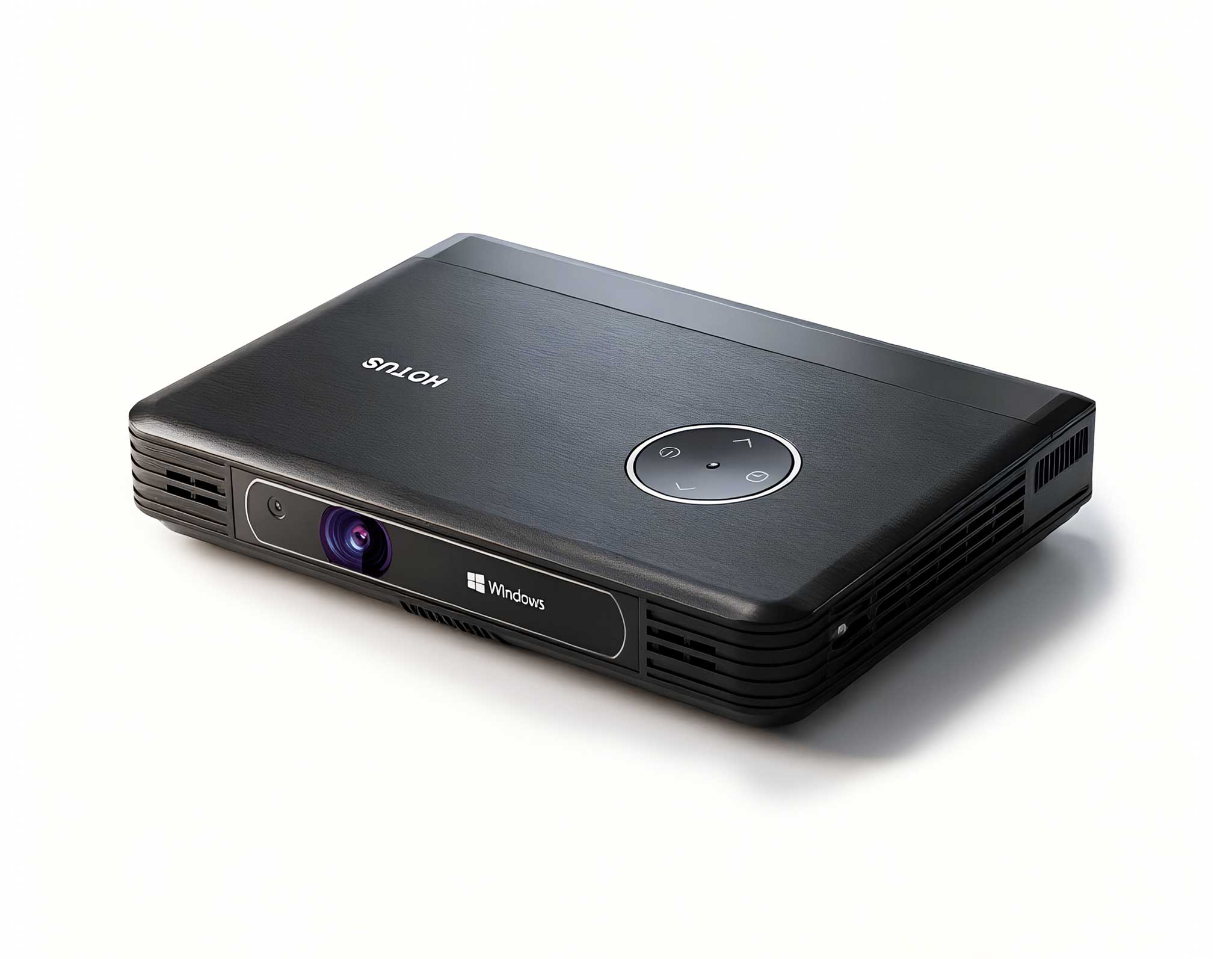
Full SpecificationsModelHotus ST11‑MOSWindows 10/1...
The F505 Handheld PDA is a compact, high-performan...
Technical SpecificationsModel: Palm-sized miniPCTy...
The EGPU Graphics Card Expansion Dock is a high-pe...
I have spent enough time on factory floors to know that the gap between a cloud dashboard and a worker at the machine is wider than most software teams imagine. Sensors generate data by the second, but if the person who has to act on it is holding a consumer phone that dies in the first splash of coolant, the edge is not smart at all. Industrial edge computing only delivers value when the endpoint hardware can survive the environment and stay online. That is where a dedicated industrial edge computing solutions mindset meets rugged tablets and wearable displays.
An edge deployment moves processing and viewing closer to the asset, which means the terminal sits where the work happens: a welding cell, a cold-storage dock, a maintenance catwalk. The hardware there faces vibration, dust, temperature swings, and the occasional drop. A standard tablet is not engineered for that life, and a broken screen mid-shift is a broken process. Ruggedized Android tablets and hands-free smart glasses close that gap by putting reliable computing exactly where decisions are made, without a trip back to the office PC.
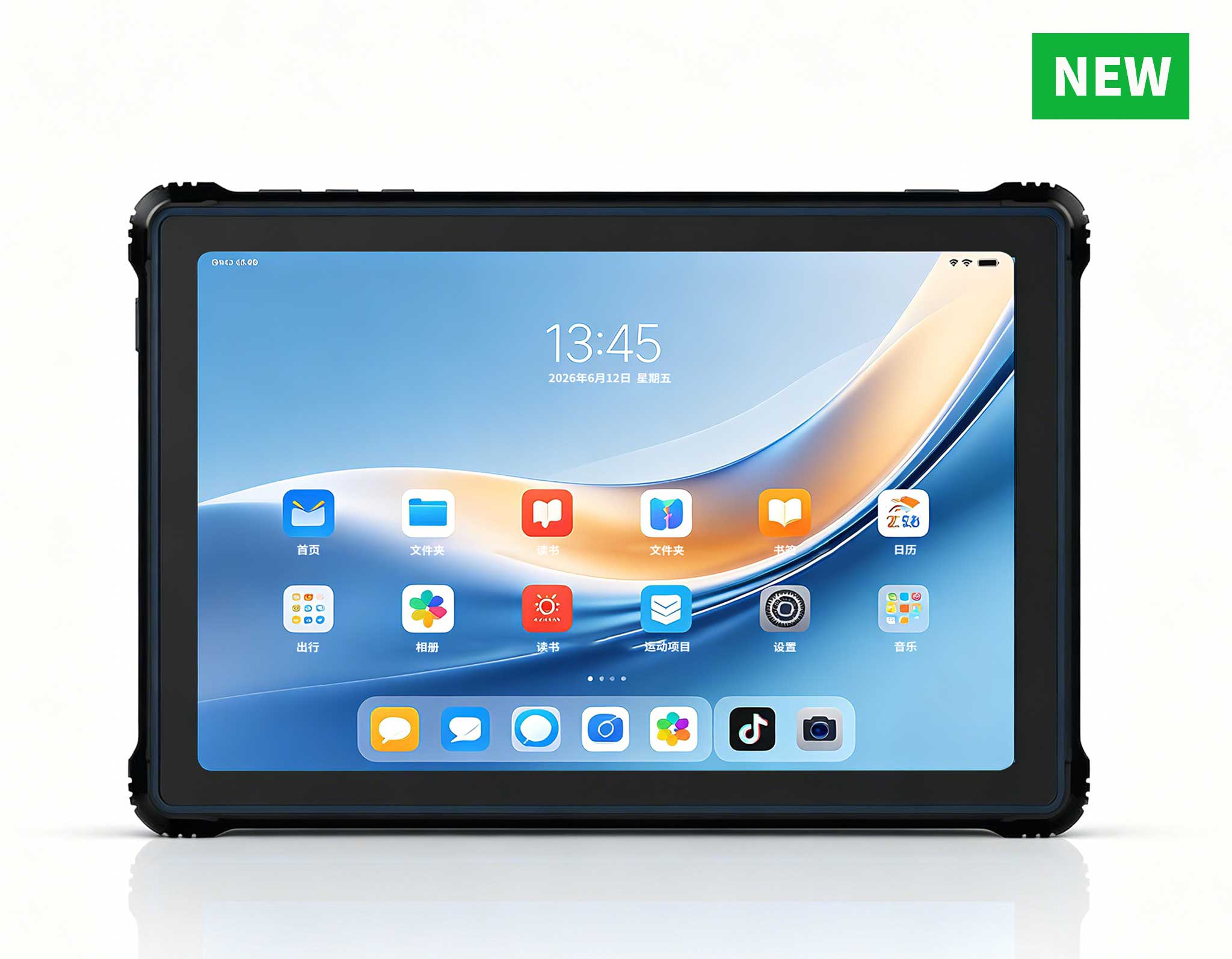
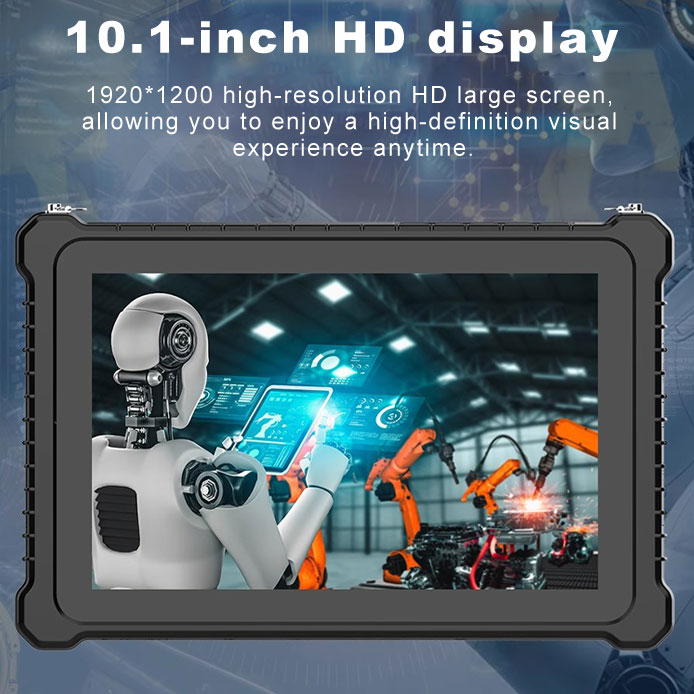
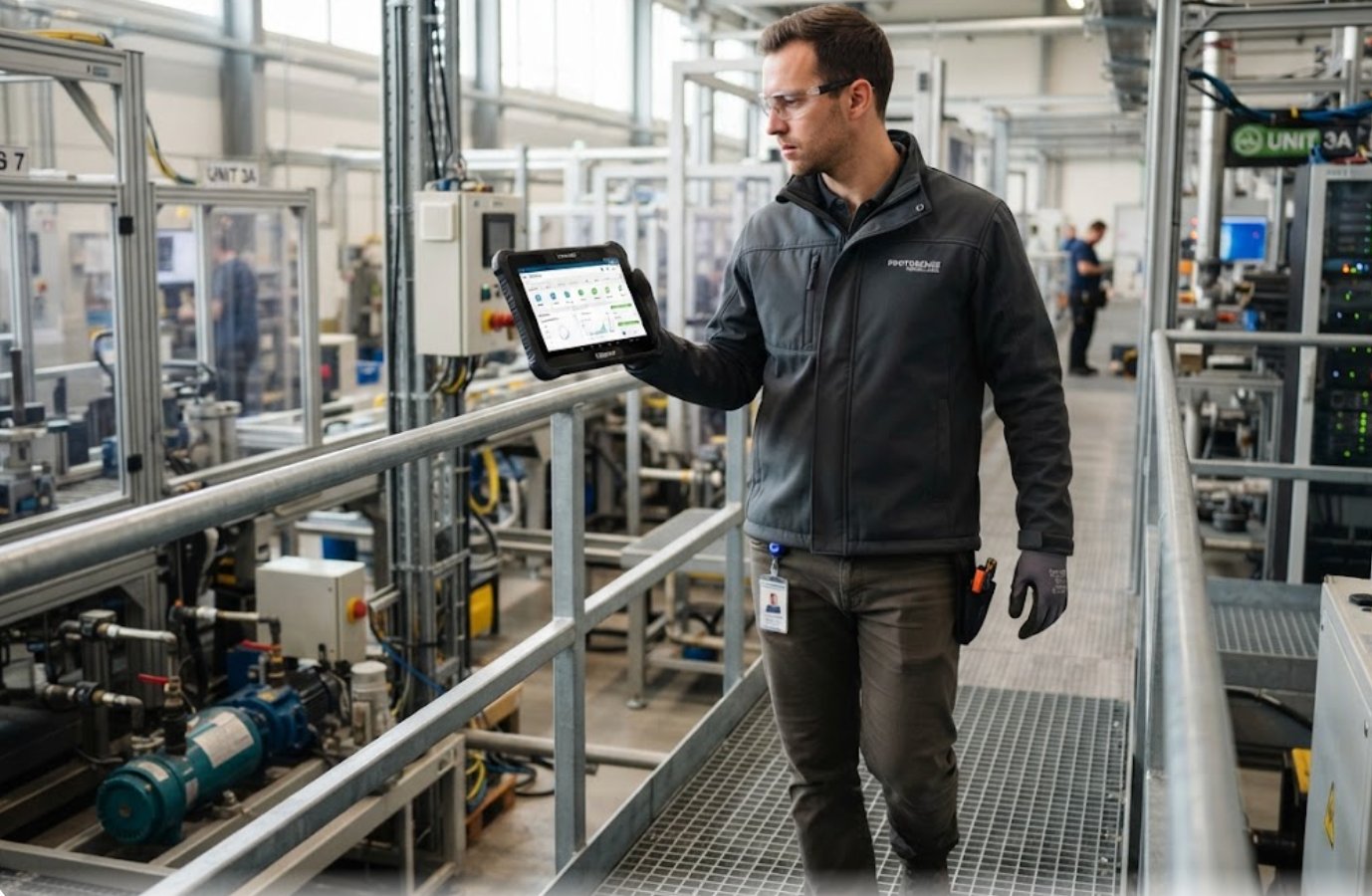
The RT81 Rugged Tablet is the unit I point to when a team needs a connected terminal that leaves the Wi-Fi bubble. It runs a Qualcomm SM6115 octa-core processor at 2.0 GHz on Android 13, with 4 GB plus 64 GB or 8 GB plus 128 GB of storage expandable to 256 GB. The 10.1 inch IPS display renders at 1200 by 1920 with 400 nits, bright enough for outdoor yard work, and a 10000 mAh battery carries a full shift. With 4G LTE, dual-band Wi-Fi, Bluetooth 5.0, GNSS including Beidou, and an IP67 rating rated for a 1.2 meter drop, it is built to stay live on a moving production line rather than in a clean conference room.
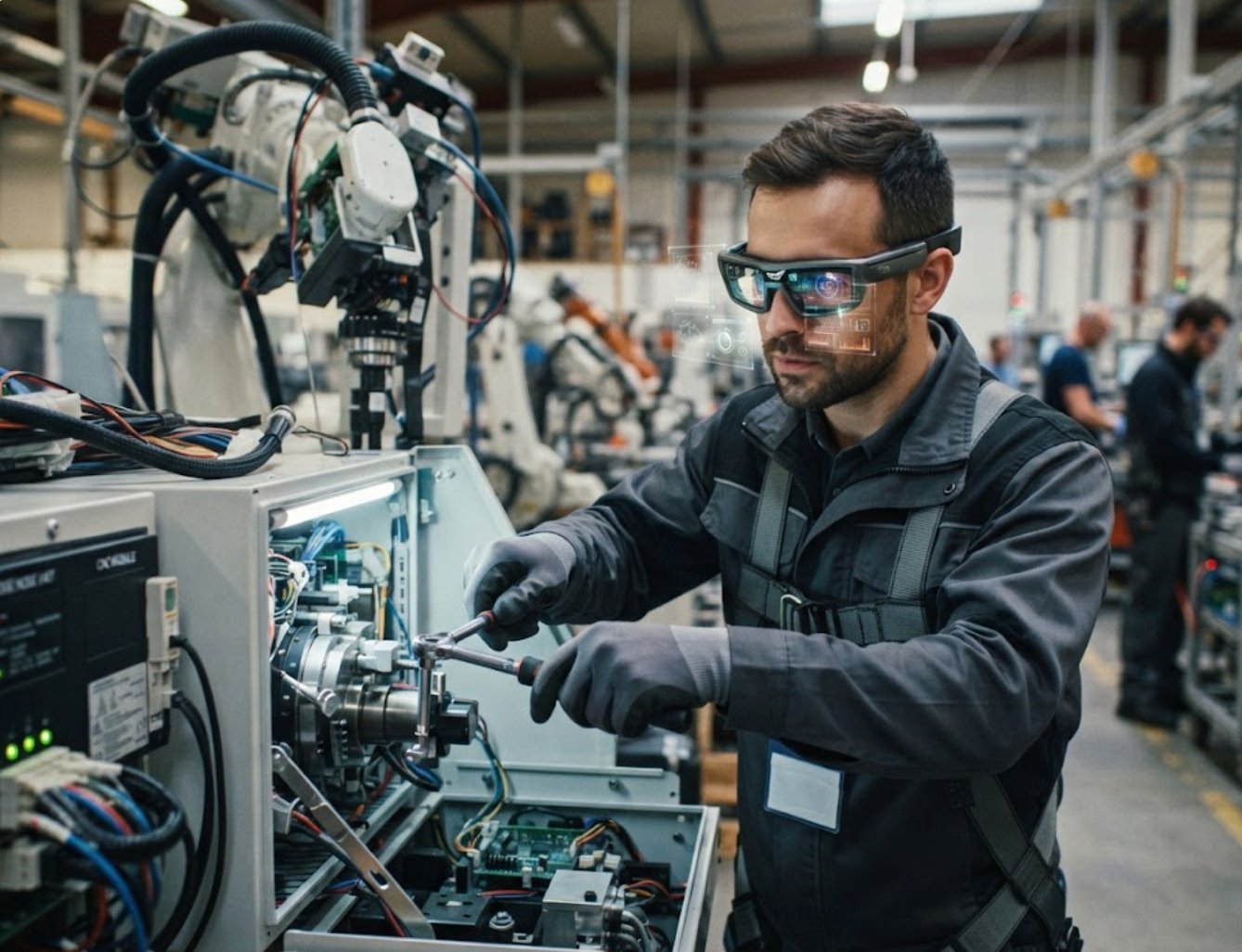
When the job is hands-busy, a tablet is the wrong shape. The AR Smart Glasses overlay instructions, schematics, and remote-expert video directly into the technician's field of view, leaving both hands free for the wrench. In practice this means a junior engineer can follow a guided teardown while a senior specialist watches the same feed from another city, or a line worker can confirm a torque value without lowering the part. They are lightweight by design for all-day wear and built for industrial training, remote assistance, and quality inspection rather than for replacing a screen. For edge computing, they are the input and output layer that keeps a person in the loop without breaking concentration.
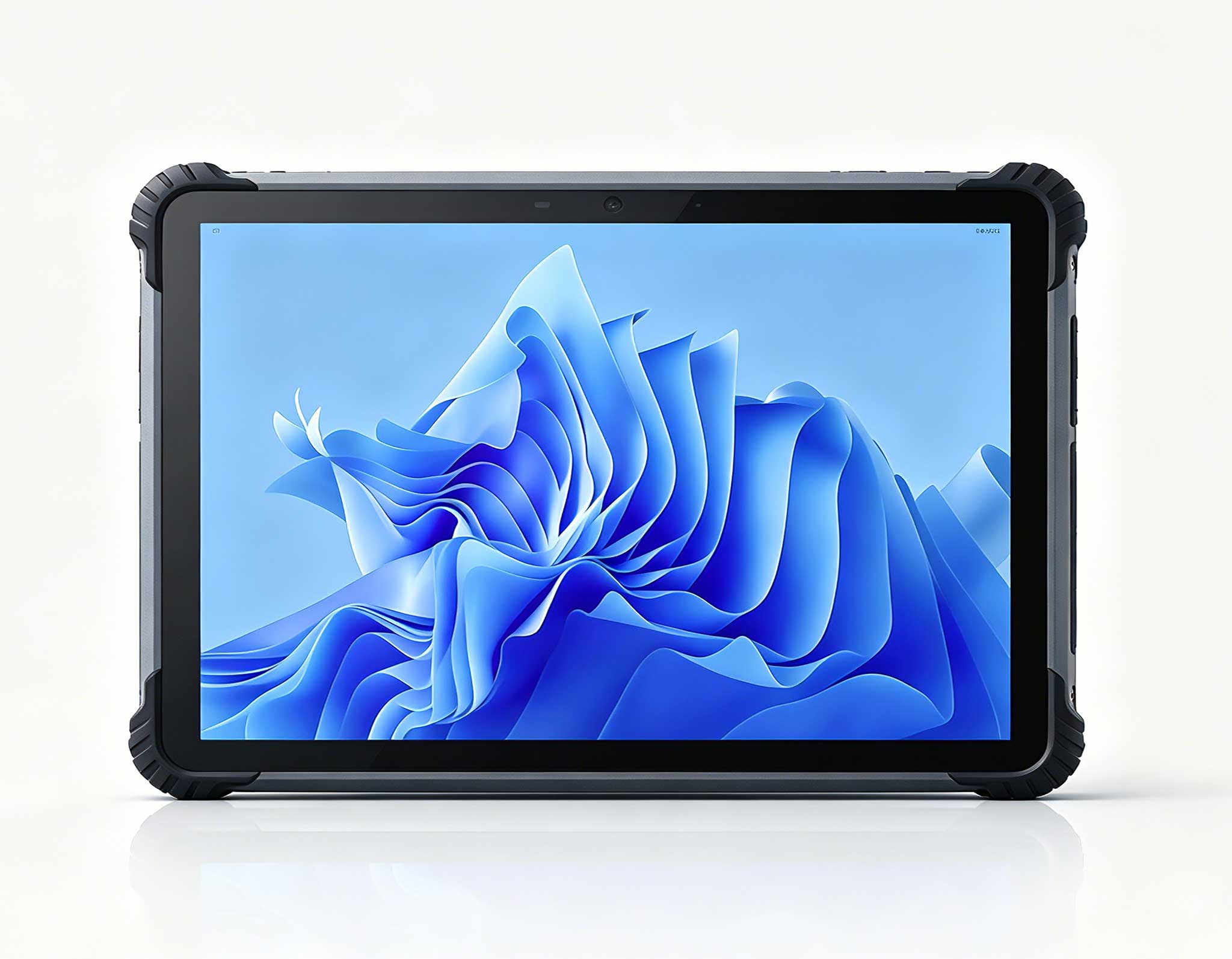
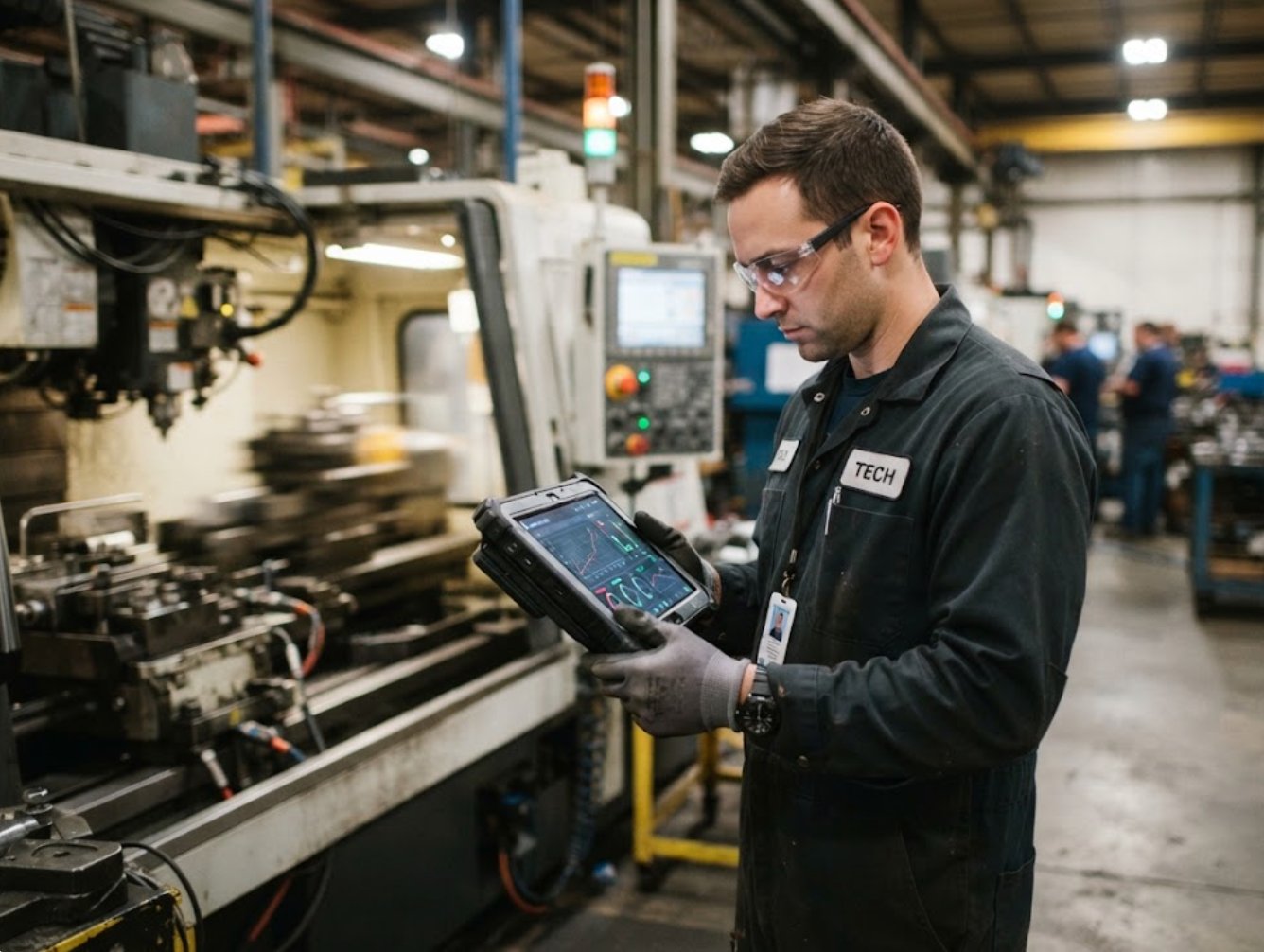
The HTQ10A Android Rugged Tablet is the choice when a site wants rugged protection without the heft of a larger unit. Its MTK 8788 octa-core processor at 2.0 GHz drives a 10 inch LCD at 1920 by 1200 with 560 nits, a brighter panel than the RT81 for direct sunlight. A 7000 mAh battery supports a full day, and the body carries an IP67 rating with 1.22 meter drop resistance across an operating range of minus 20 to 60 degrees Celsius. Where the RT81 wins on 4G mobility, the HTQ10A wins on a slim, bright, and easy-to-carry profile for walking inspections and shelf-side scanning.
| Model | Processor | Display | Battery | Weight | Protection | Best for |
|---|---|---|---|---|---|---|
| RT81 Rugged Tablet | Qualcomm SM6115 octa-core 2.0 GHz | 10.1 inch IPS 1200x1920, 400 nit | 10000 mAh | Under 650 g | IP67, 1.2 m drop | 4G line-side mobility and data capture |
| HTQ10A Android Rugged Tablet | MTK 8788 octa-core 2.0 GHz | 10 inch LCD 1920x1200, 560 nit | 7000 mAh | Not published | IP67, 1.22 m drop | Lightweight walking inspections |
| AR Smart Glasses | Wearable HMD (no tablet CPU) | See-through AR optic | All-day wearable | Lightweight | Designed for industrial wear | Hands-free remote assist and training |
The decision is straightforward once you match the device to the task. Choose the RT81 when the worker moves across a large site and needs cellular independence plus a big battery. Choose the HTQ10A when the work is inspection and reading at a bench or shelf, and a brighter, lighter panel matters more than cellular. Choose the AR Smart Glasses when the hands must stay on the equipment and the value is in overlaying guidance or pulling in remote expertise. Most mature plants end up running a mix, and the full rugged tablet range gives them room to scale as edge workloads grow. If you want a deeper look at how these endpoints fit a connected line, you can explore our mini PC solutions for the compute side of the same architecture.
If your operation is moving compute to the edge, start with one pilot terminal on a real task. Tell us your environment, shift length, and connectivity, and we will recommend whether the RT81, the HTQ10A, or a paired set of smart glasses keeps your data flowing from sensor to decision without a fragile link in the middle.