- Select Language
RS51 4G Rugged Handheld Terminal | 6.3" FHD+ ...
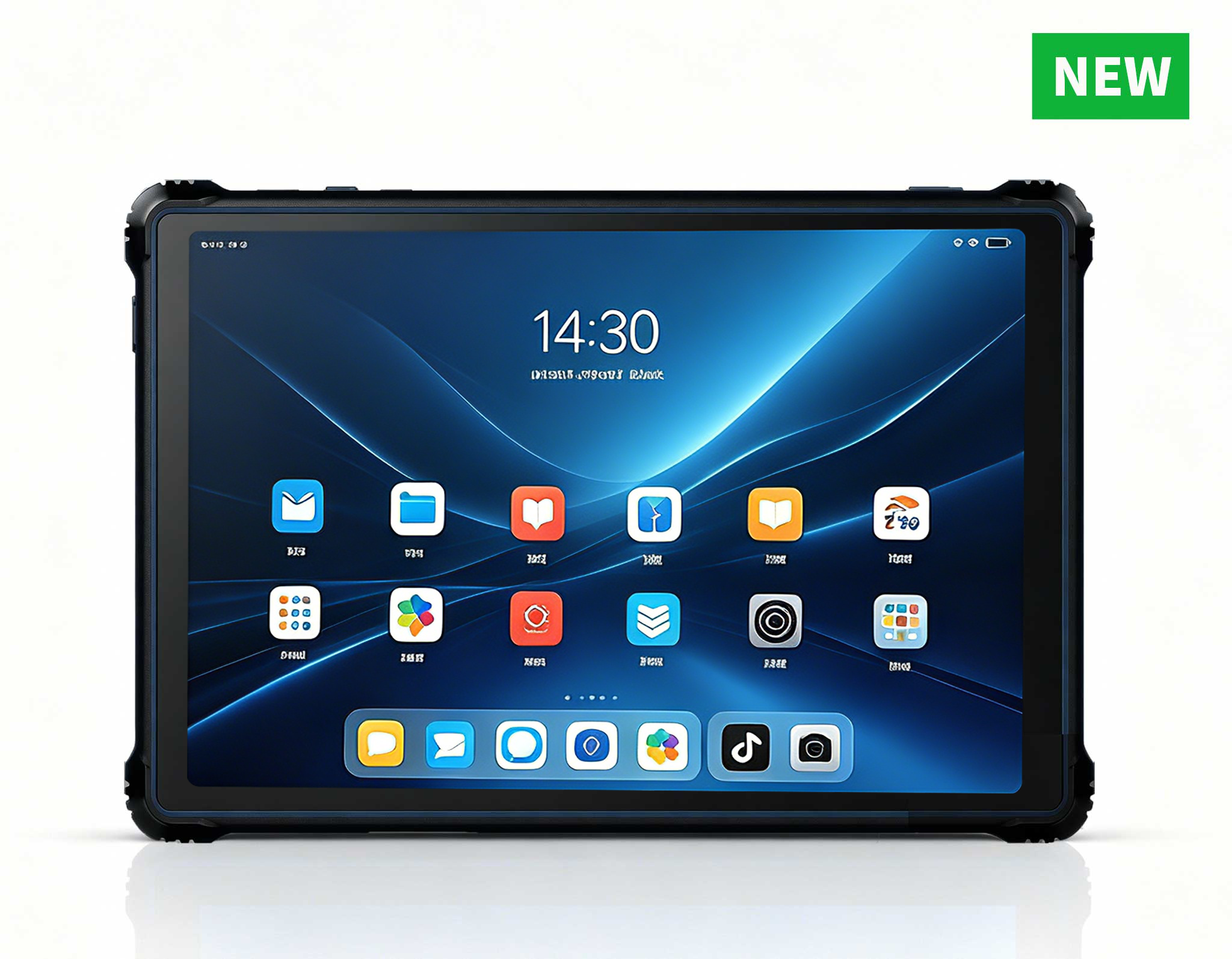
RT81 4G Rugged Tablet | 10.1" FHD 400nit | Qu...
RT82 5G Rugged Tablet | 10.1" FHD 400nit | Qu...
Full SpecificationsModelHotus ST13‑JOSWindows 10 P...
Enterprise Flagship SeriesEngineered for mission-c...
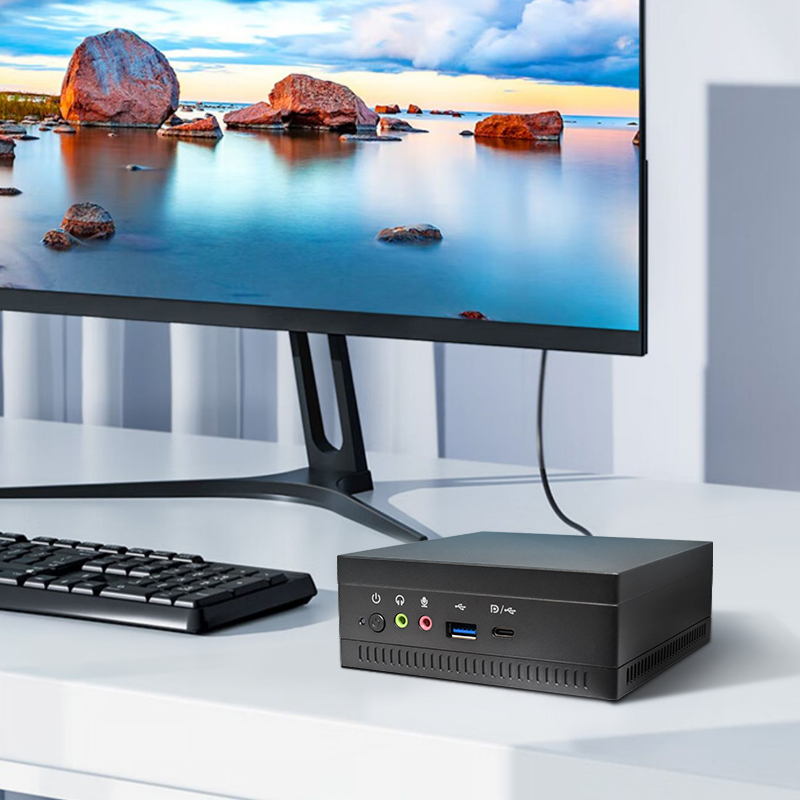
This ultra-compact mini PC offers powerful perform...
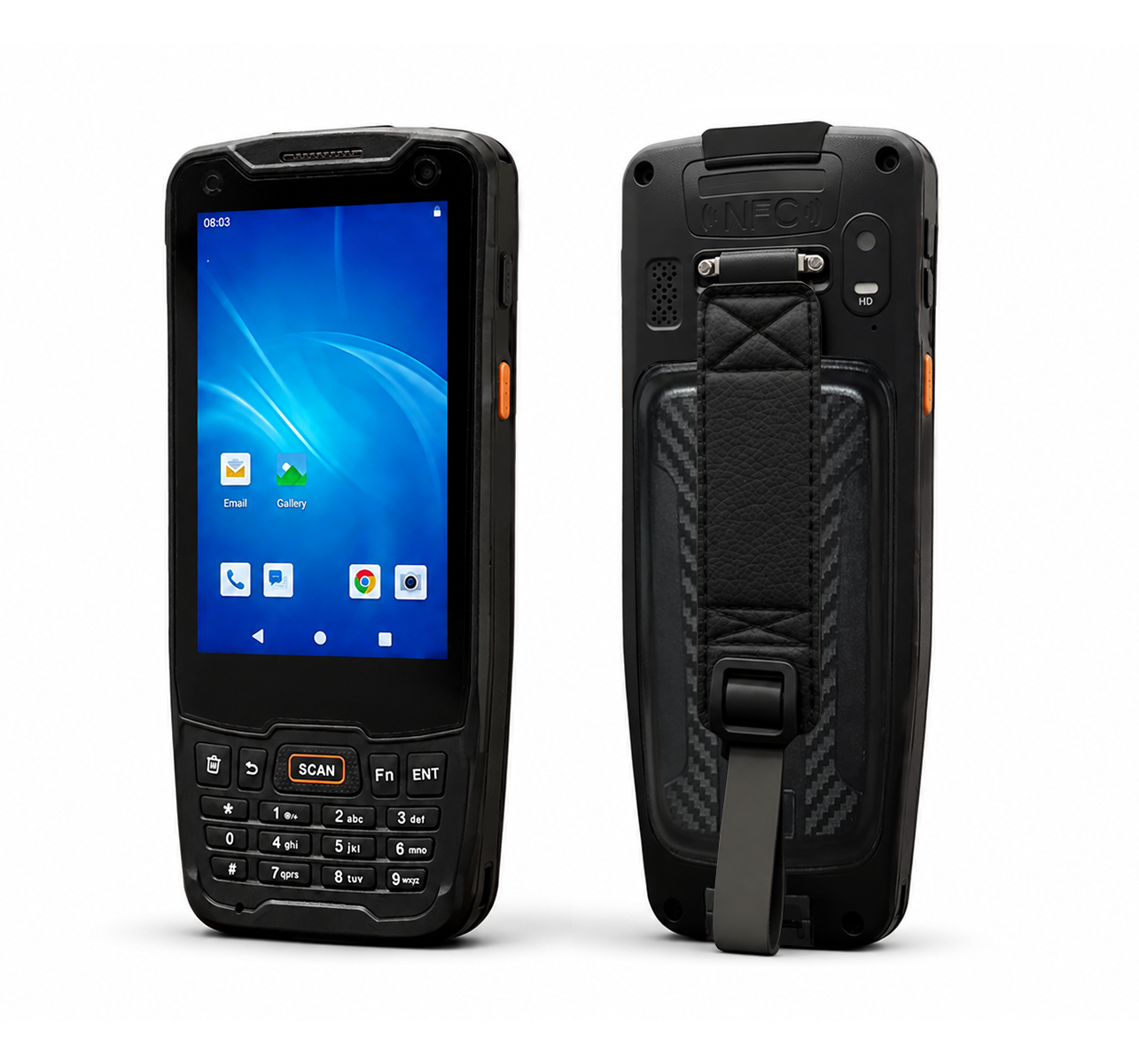
R350C 4-inch Industrial Handheld PDA | Qualcom...
Every year the same thing happens to enforcement agencies and municipal patrol teams. The calendar turns, the town fills up, festivals stack on top of one another, and a walk-through that used to take forty minutes now takes two hours because the same square holds four times the people. The instinct then is to buy more of what the team already carries. That is usually wrong, and not because of budget. A peak season does not simply multiply the workload — it changes the shape of it, and one device shape cannot follow.
Think about what a busy stretch actually contains. You get long walking lines through crowds, where an officer is on foot for six hours and needs a screen small enough to hold and big enough to read a map. You get fixed posts at gates and stages, where the same person stands still for a shift and suddenly needs a large panel in direct sun. You get roadside checkpoints, where the shift runs long, the weather does not cooperate, and half the job is reading a document or an asset tag and sending that record back before the next vehicle. Those are not the same task. Teams that map their seasonal workload onto the wider public safety solutions picture before they buy anything tend to spend less and complain less.
The failure mode is easy to describe and hard to see coming. A team standardises on one handheld model, because standardisation is good for training, spares and support. Then the season arrives, the roster rebalances, and the same unit is asked to do three jobs it was sized for one of. The walking line finds it heavy by hour four; the fixed post finds the screen unreadable at midday; the checkpoint crews run out of battery before the shift ends.
None of that is a hardware fault; it is a planning gap. The useful question before a season is not how many units we have but how many of our people will be walking, how many standing, and how many at a check.
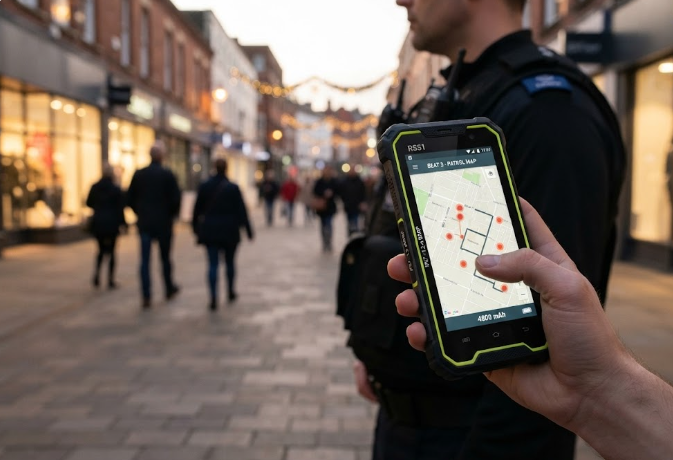
The walking assignment punishes weight and rewards battery access. An officer on foot for a full shift holds the unit more than half the time, often one-handed, often while talking to somebody. That pushes the design toward a phone-like footprint, a screen legible outdoors without being a tablet, and a battery that swaps in a doorway rather than charges in a locker.
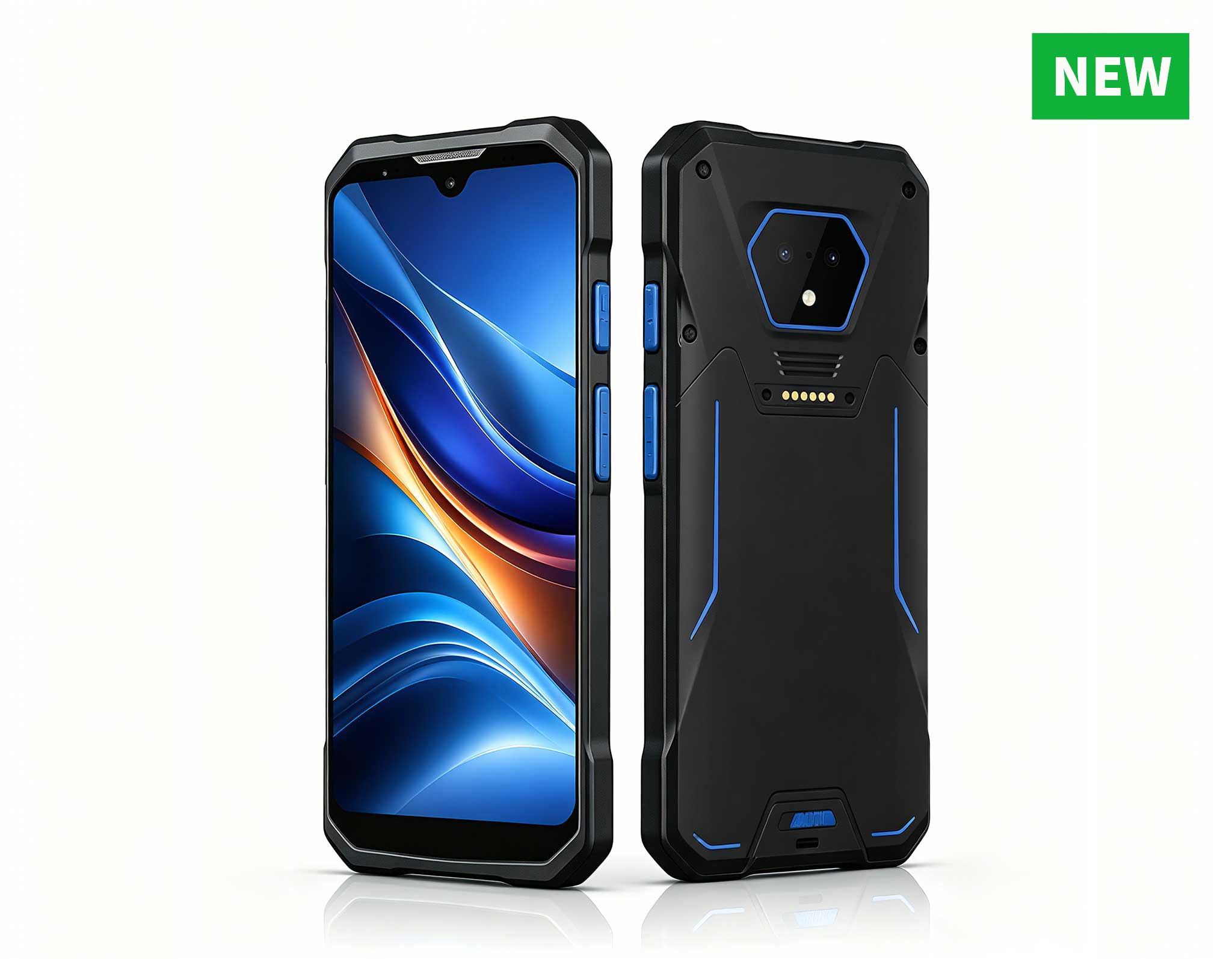
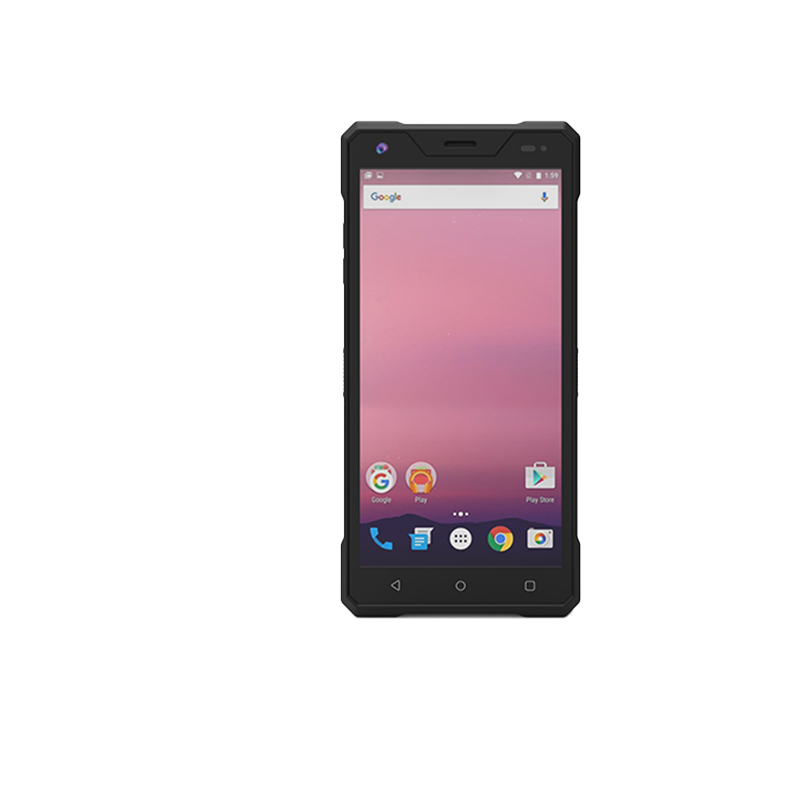
The <a href="https://www.hotusprojector.com/products/barcode--amp--rfid-industrial-pda/1168.html" title="RS51 4G Rugged Handheld Terminal | 6.3" FHD+ | Qualcomm SM6225 Octa-core 2.4GHz | Android 13">RS51 Handheld Terminal sits squarely in that slot. It carries a Qualcomm SM6225 octa-core at 2.4 GHz with Android 13, 4 GB of RAM and 64 GB of storage expandable to 256 GB through a TF card. The 6.3-inch IPS FHD+ panel at 1080×2340 is enough for a map with a call-out pinned on it. The body measures 172 × 76.6 × 16.5 mm and stays under 500 g, and the 4800 mAh cell is detachable, so a mid-shift change takes seconds. Sealing is IP67 with a 1.2 m drop rating and an operating window from -10 °C to 50 °C. Two options matter more than they look on paper: a 2D scanner rated to 3 mil, and independent Beidou RTK for centimetre-level positioning when a record must say where a check happened.
Standing still is a different problem. A fixed post at a gate, a stage edge or a transit entrance runs for hours in whatever light the day delivers, and the person there is cross-referencing a site plan, a camera feed and a running list. A phone-sized screen is the wrong tool. What is wanted is panel area, brightness, and the ability to survive a cold morning and a hot afternoon.
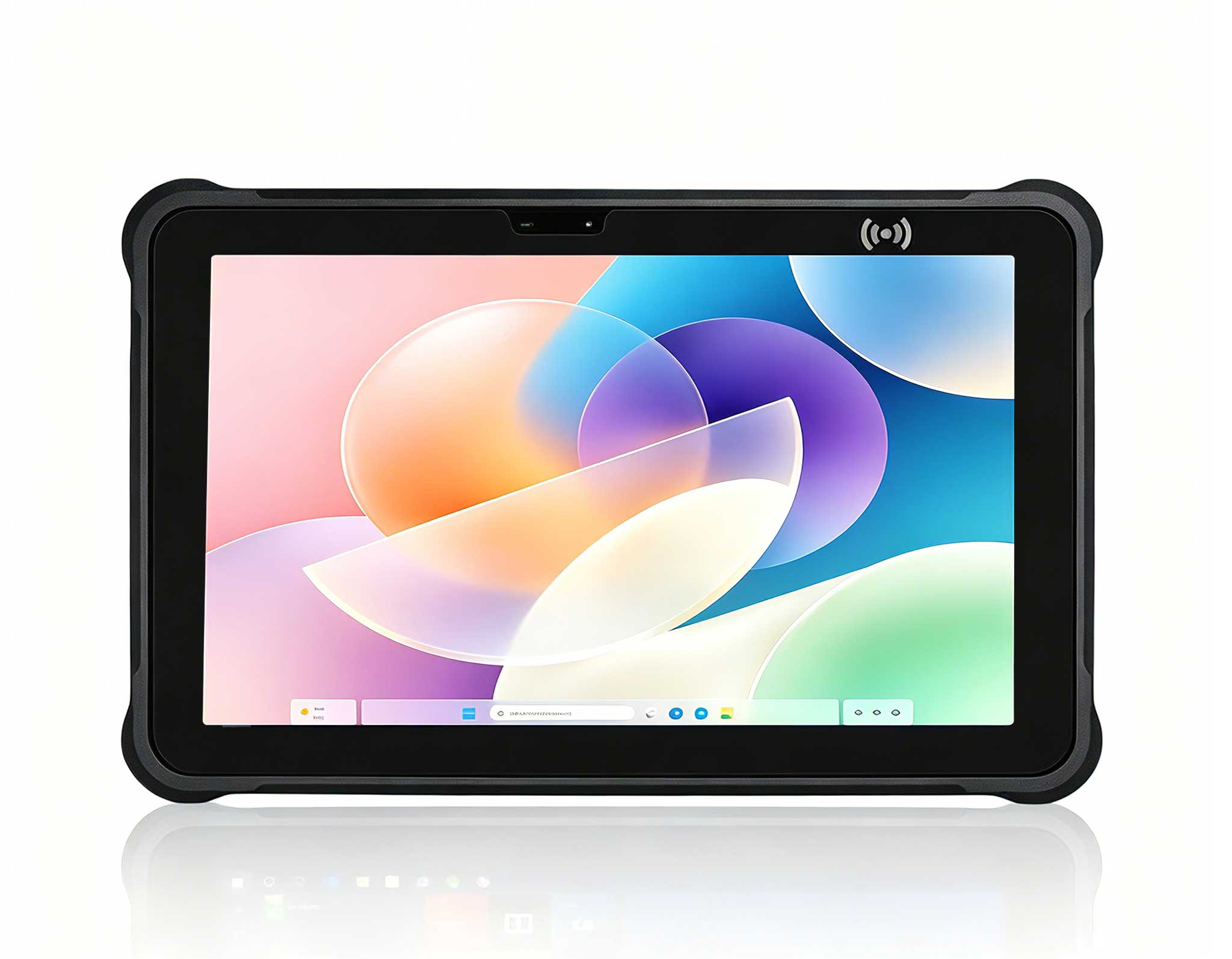
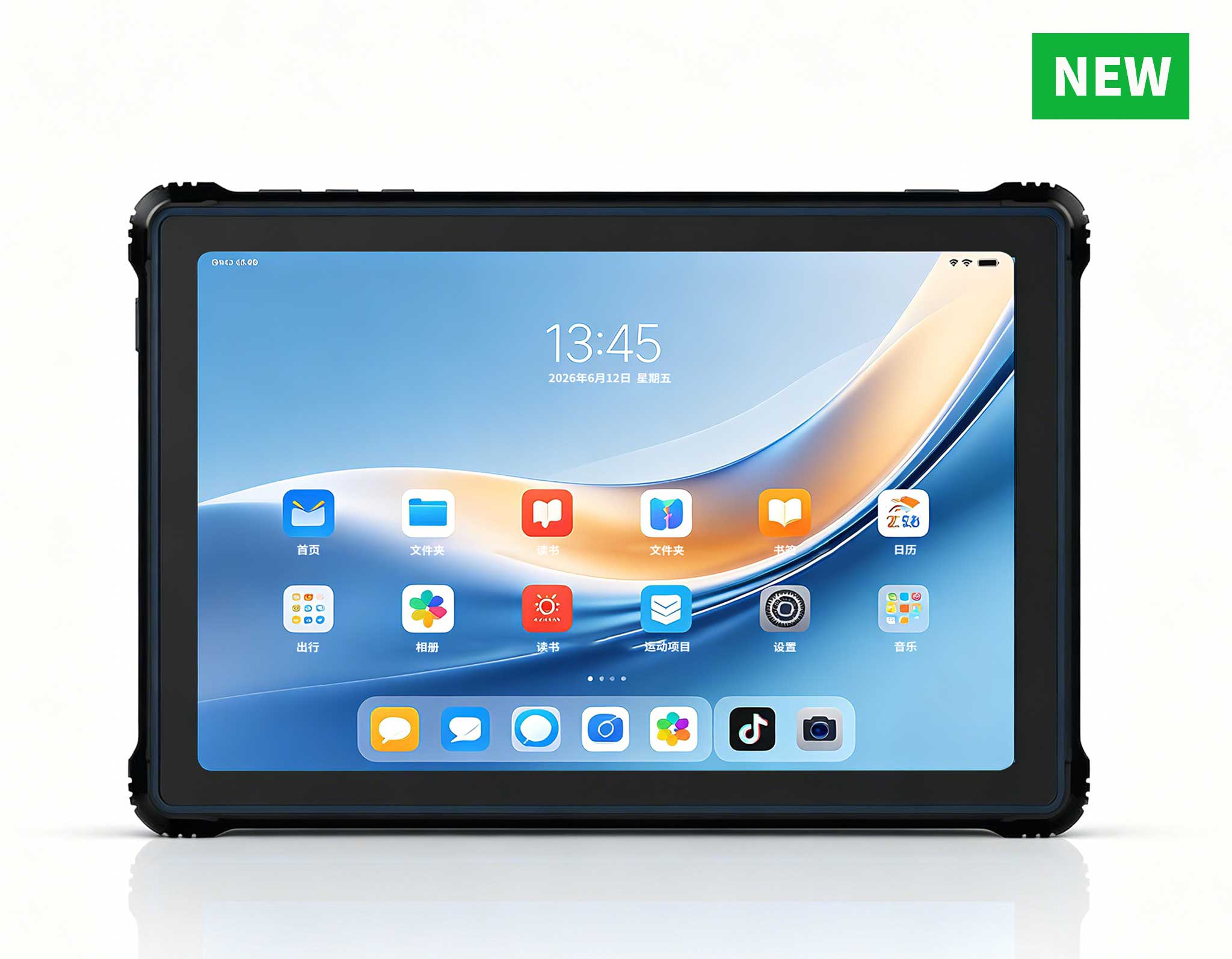
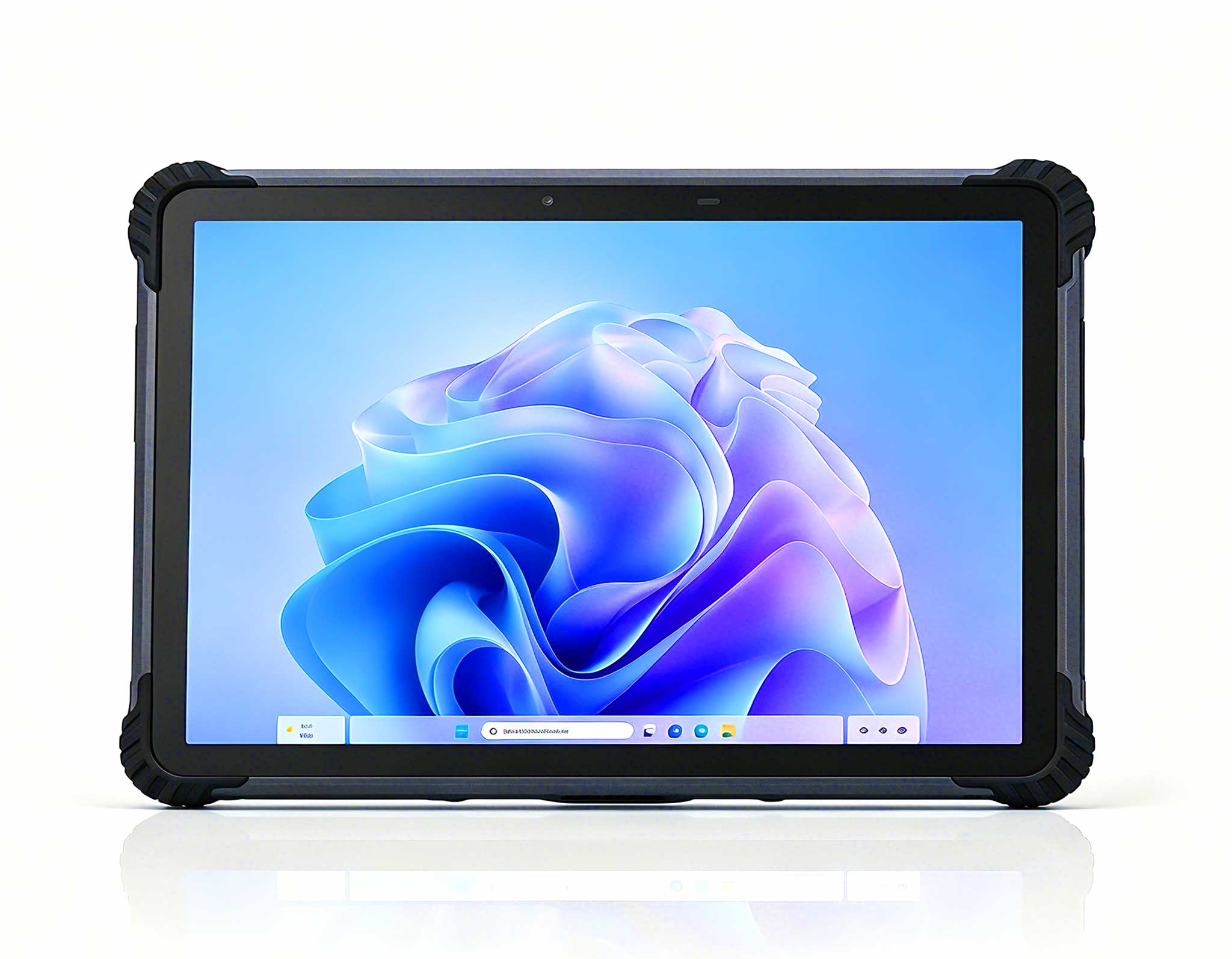
The HTQ10A Android Rugged Tablet is sized for this posting. Its 10-inch LCD runs at 1920×1200 and 560 nits, so it stays readable in direct summer sun. Inside is an MTK 8788 processor, eight cores at 2.0 GHz, on Android 12 with 8 GB of RAM and 128 GB of storage, configurable down to 4 GB and 64 GB for a cheaper fleet tier. A 5 MP front and 16 MP autofocus rear camera cover the occasional photo record without a second device. The 7000 mAh cell is sealed in, which suits a post reachable by a charging dock, and the unit is IP67 with 1.22 m drop resistance across -20 °C to 60 °C. Optional 4G, NFC, scanning and fingerprint modules let a department match the unit to its own workflow.

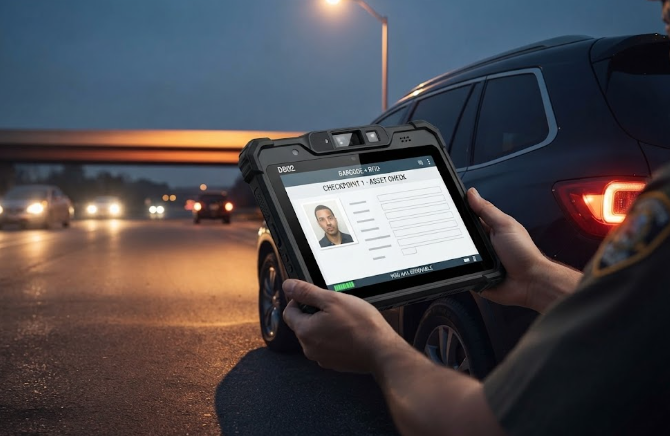
The third assignment is the longest and the least forgiving. A checkpoint or vehicle stop is outdoors, often in poor weather, and the shift runs long enough that battery capacity stops being a specification and becomes a scheduling constraint. The work is mostly two verbs: read something, and send it back. A licence, a plate, a permit, a tagged asset — the crew captures identity and moves the record upstream before the next vehicle rolls in.
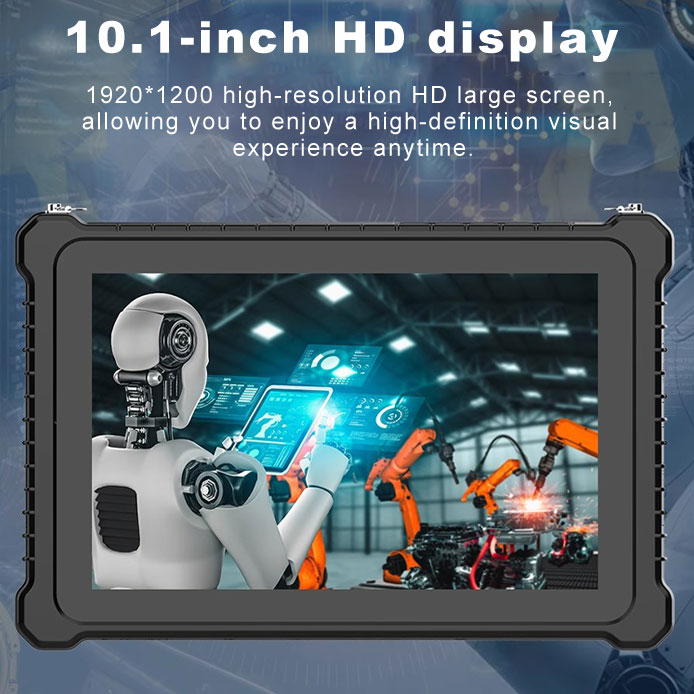
The RFID Industrial PDA D802 is built around that rhythm. It handles barcode and RFID capture in one housing, runs Android 13 on 4 GB of RAM and 64 GB of storage with a 6 GB / 128 GB option, and carries a 10.1-inch display that keeps a form readable at arm's length. The headline feature is the 9000 mAh rechargeable battery, and it is removable — so a long shift is covered by a spare cell rather than a wall socket. Cellular spans 3G, 4G and 5G alongside WiFi, so a record does not sit on the device waiting for a hotspot. The housing is rated waterproof, shockproof, dust-proof and drop-resistant — the honest way to describe gear that lives in a vehicle door pocket.
Put the three postings next to each other and the specifications stop looking like a catalogue and start looking like an assignment sheet.
| Model | Display | Platform | Memory | Battery | Capture |
|---|---|---|---|---|---|
| RS51 Handheld Terminal | 6.3" IPS FHD+ 1080×2340 | Qualcomm SM6225 octa-core 2.4 GHz, Android 13 | 4 GB + 64 GB, TF to 256 GB | 4800 mAh, detachable | 2D scanner and NFC optional, Beidou RTK optional |
| HTQ10A Android Rugged Tablet | 10" LCD 1920×1200, 560 nits | MTK 8788 eight-core 2.0 GHz, Android 12 | 8 GB + 128 GB (4 GB + 64 GB option) | 7000 mAh, sealed | 16 MP autofocus rear, 4G / NFC / scan optional |
| RFID Industrial PDA D802 | 10.1" panel | Android 13 | 4 GB + 64 GB (6 GB + 128 GB option) | 9000 mAh, removable | Barcode and RFID in one housing |
Weight is deliberately kept out of that table. our handheld terminal range pages publish the RS51 at under 500 g and the tablet's gross weight at 1.7 kg, while the D802 page states no figure at all. I would rather point at the gap than copy a number from a reseller listing, so treat the product pages as the authority when a procurement form asks.
Four decisions cover most of the risk, and none of them are about hardware.
First, the assignment map. Write down which posting each unit goes to, by name, before the roster is published. The most common seasonal failure is a walking officer handed a tablet because that is what was free that morning.
Second, the battery rotation. A detachable cell is only an advantage if spares exist and somebody owns the charging schedule. A sealed unit is only safe if the post has power. Mismatch those two and the shift fails.
Third, the return path for records. Decide in advance whether the device syncs live, on a dock, or at end of shift, and tell the crews which applies to them. An offline form nobody explains is a form re-entered by hand later.
Fourth, training for borrowed staff. Seasonal headcount arrives from elsewhere, and the cheapest training is a fleet with one interface.
The detail that separates a calm season from a chaotic one is rarely in a datasheet. It is whether the walking line can get a fresh cell two-thirds through a shift, whether the standing post has a dock behind the barrier, and whether the checkpoint vehicle carries two spares or one. Those are logistics decisions — but they are only possible if the equipment choice made them possible, which is the real argument for matching unit to posting rather than standardising on one shape.
The last piece is the handover. A five-line verbal check covers it: battery state, whether the device holds unsent records, physical condition, whether the assigned posting has changed, and who signs for it next. Teams that run that check on busy days find their field service applications and their paperwork agreeing at the end of the month, the only test that ultimately matters.
If the season is coming and the mix of walking, standing and checking has changed since last year, the sensible move is to re-run the assignment map against the three postings above rather than order another batch of whatever was on last year's invoice. The team that plans the shape of the work usually buys less, and complains less, than the team that planned only the headcount.