- Select Language
Technical SpecificationsModel: Palm-sized miniPCTy...
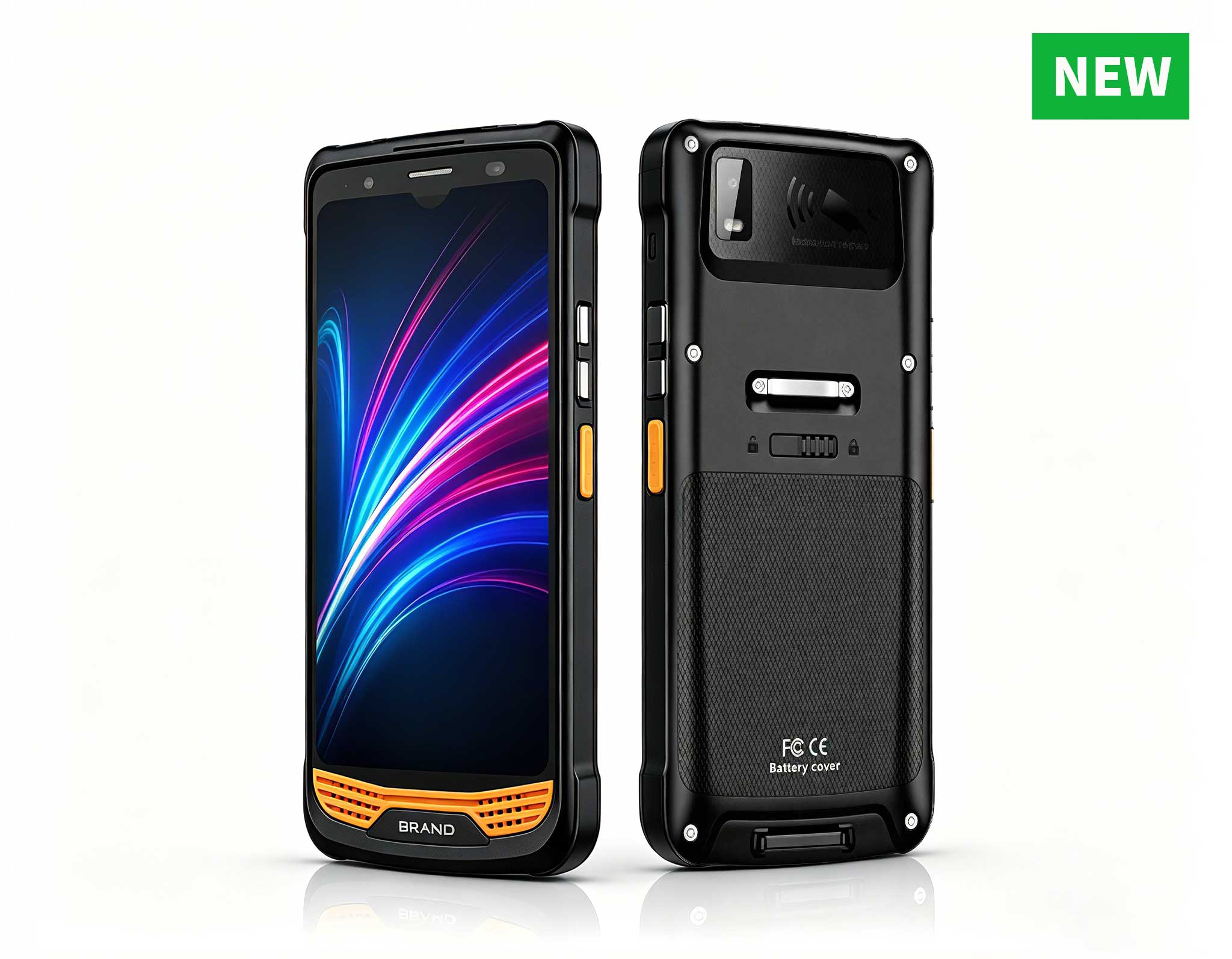
R366-S 5.5-inch Industrial PDA | Qualcomm Octa-cor...
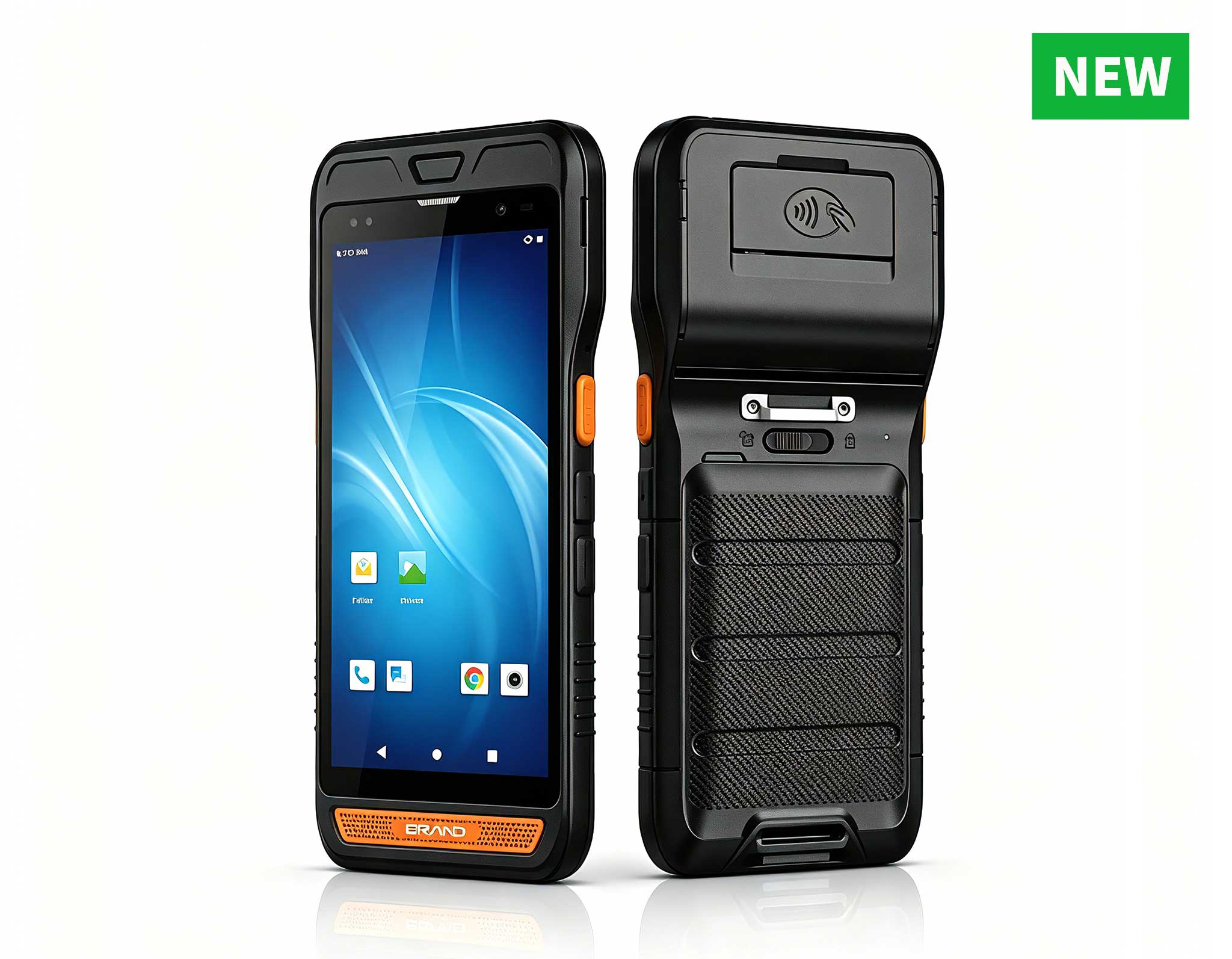
R860-S 5.5-inch Industrial PDA with Thermal Printe...
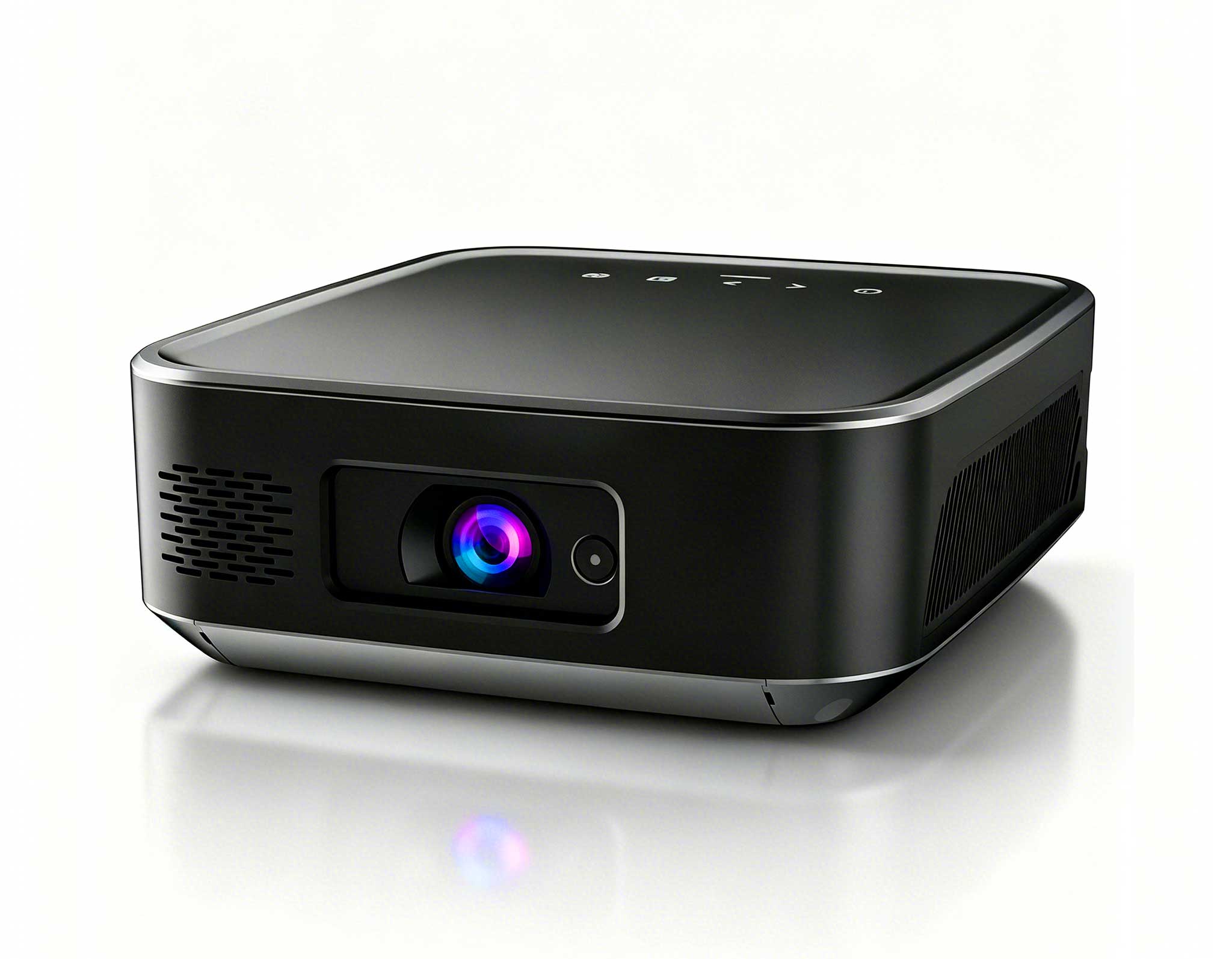
One Device, Dual Functions – A Projector and a Com...
Technical SpecificationsModel: Palm-sized miniPCTy...
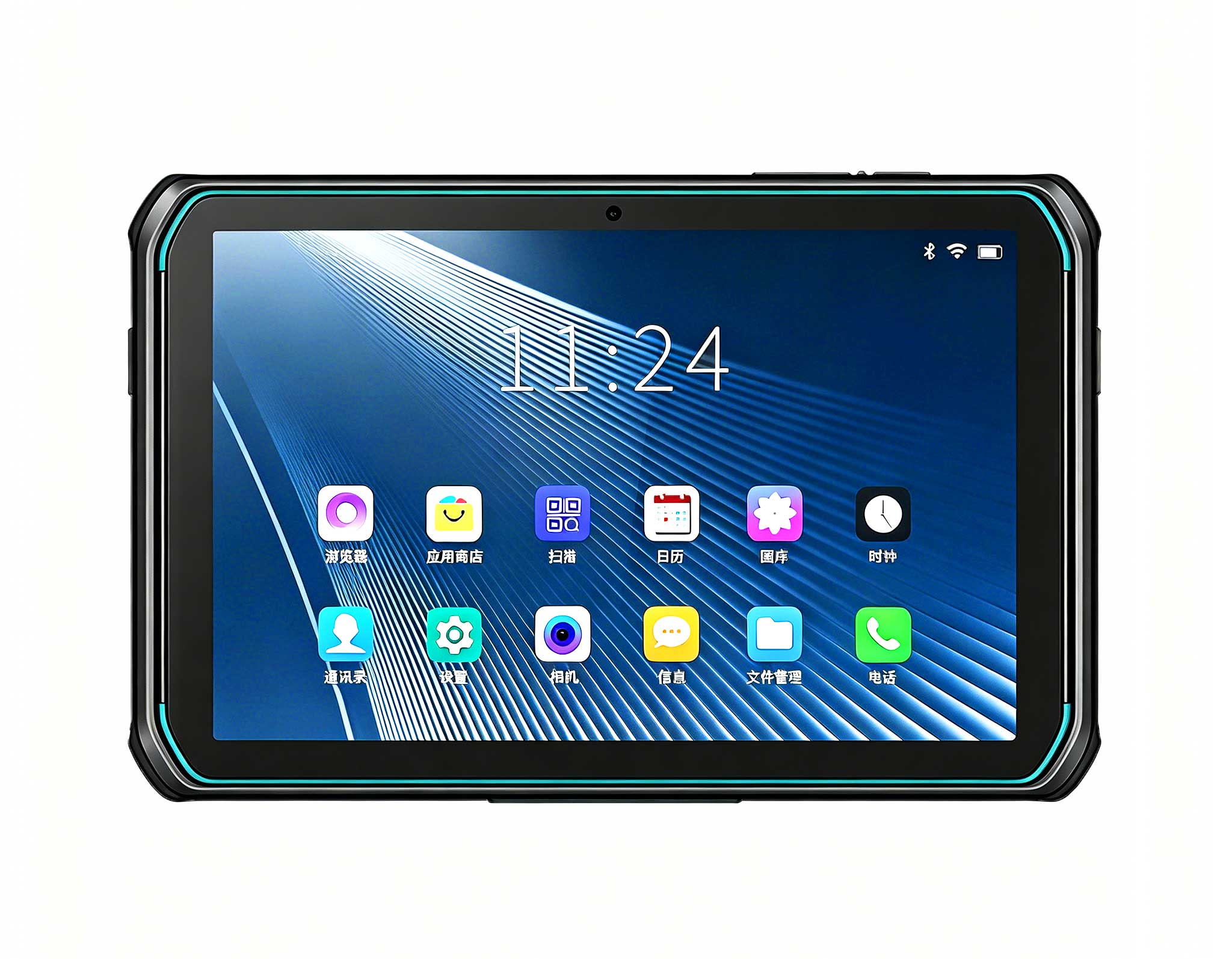
This 10-inch Android rugged tablet is designed for...
RT82 5G Rugged Tablet | 10.1" FHD 400nit | Qu...
R350C 4-inch Industrial Handheld PDA | Qualcom...
I have watched plant rounds change shape over the last few years, and the change is not in what gets checked. A bearing is still a bearing. What moved is the moment a reading becomes a record. That moment used to sit in an office, hours after the walk. Increasingly it sits at the asset, in the same minute the reading is taken. The equipment behind this is not exotic: a hardened tablet, a scanner handheld, a unit bolted to a station. This article looks at where that shift shows up on a shop floor, and which of three devices carries which part of it.
Three models sit behind most of the rounds I have seen reported this year. The HTQ10A Android Rugged Tablet is the one that stays in a technician's hands through a shift. The RFID Barcode Scanner F502 is the one that touches the tag. The HTNJ10B Rugged Tablet is the one that ends up in a fixed station or a vehicle cradle. None of these is a new category, and each has a settled place in an industrial inspection solutions plan. What is new is that a round no longer has to finish before its paperwork starts.
A paper round records what a person can still remember to write. Between two assets there is a taxiway of small facts, a guard missing from a coupling, a leak tray still damp from the night shift. Almost none of it survives the walk back to the desk. The technician sees it, weighs it against everything else seen that hour, and decides it is not worth a line. Later, when a failure is reconstructed, those are precisely the lines that are missing. The conversation has moved from capture everything to capture what costs nothing to capture.
The walk back is where accuracy leaks. Someone who has just covered forty assets is carrying forty numbers, a handful of observations and the order they arrived in. By the time all of that reaches a workstation, the numbers have been reordered, rounded, and occasionally misremembered. The usual response is to ask for more discipline. The durable response is to remove the journey, so the record closes while the asset is still in front of the person who read it.
This is also the first place where the three models part company. A tablet that can absorb a full shift of input survives the entire walk. A scanner that reads a tag settles the identity question in about a second. A station-bound unit is the one you come back to, which makes it excellent for depth and useless for the moment.
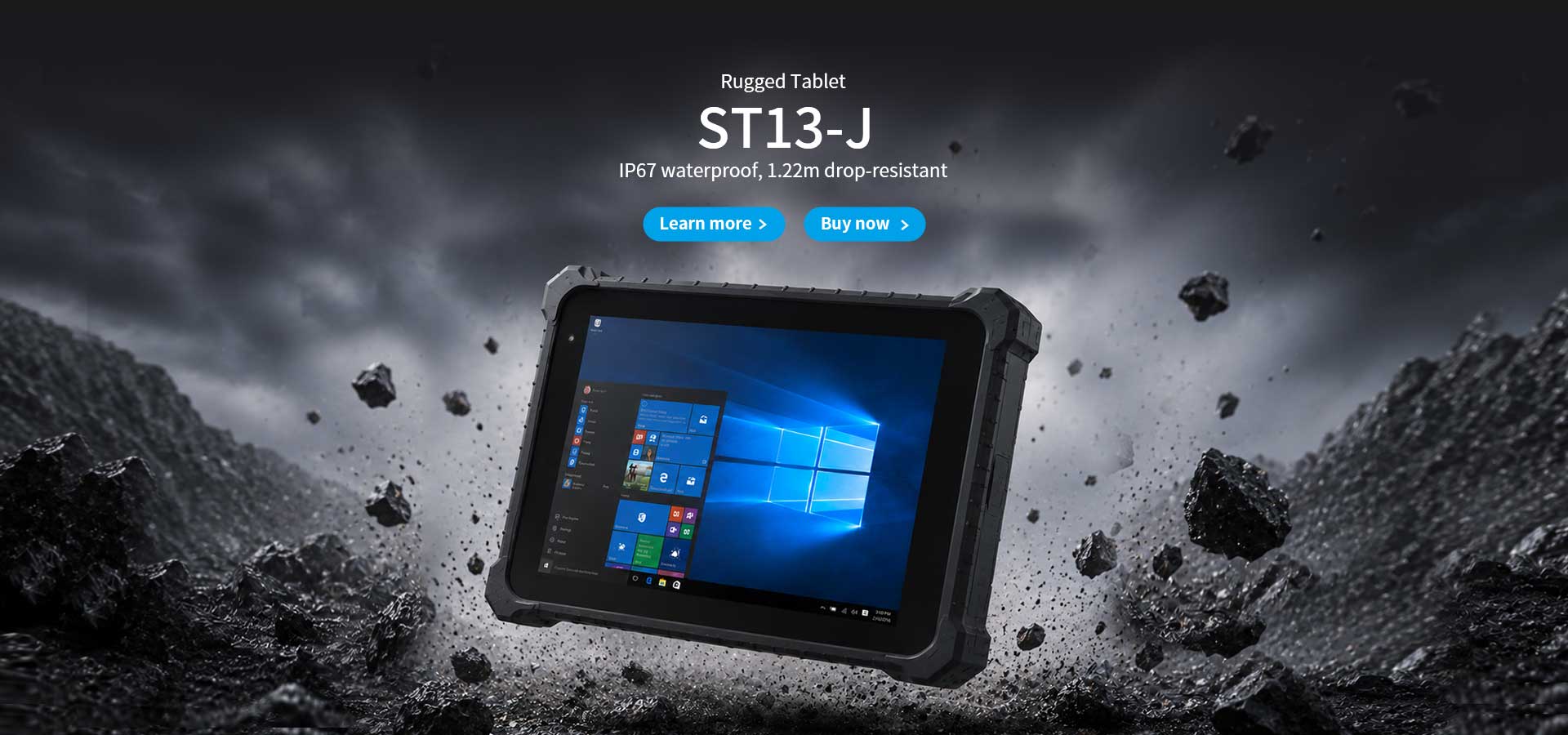
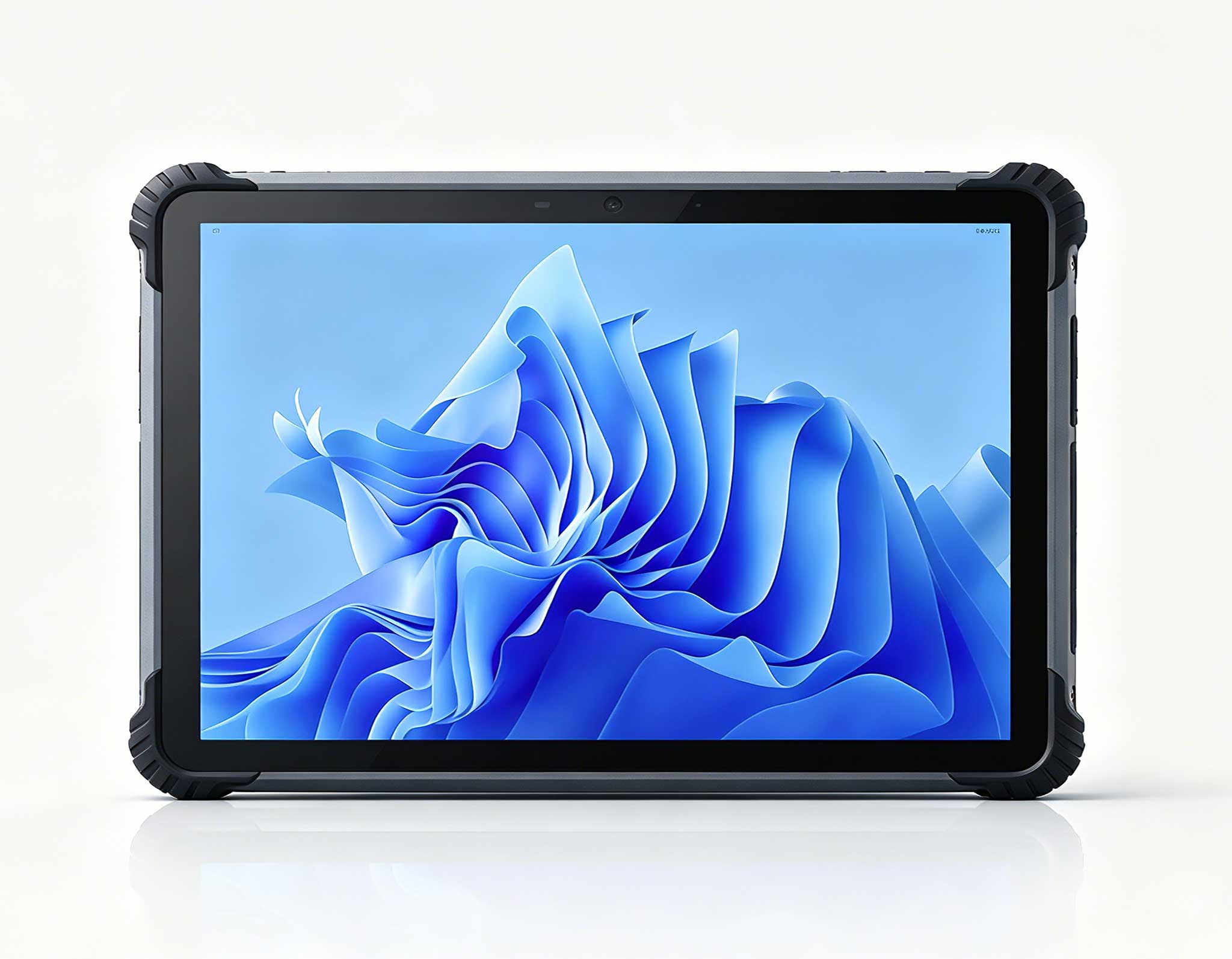
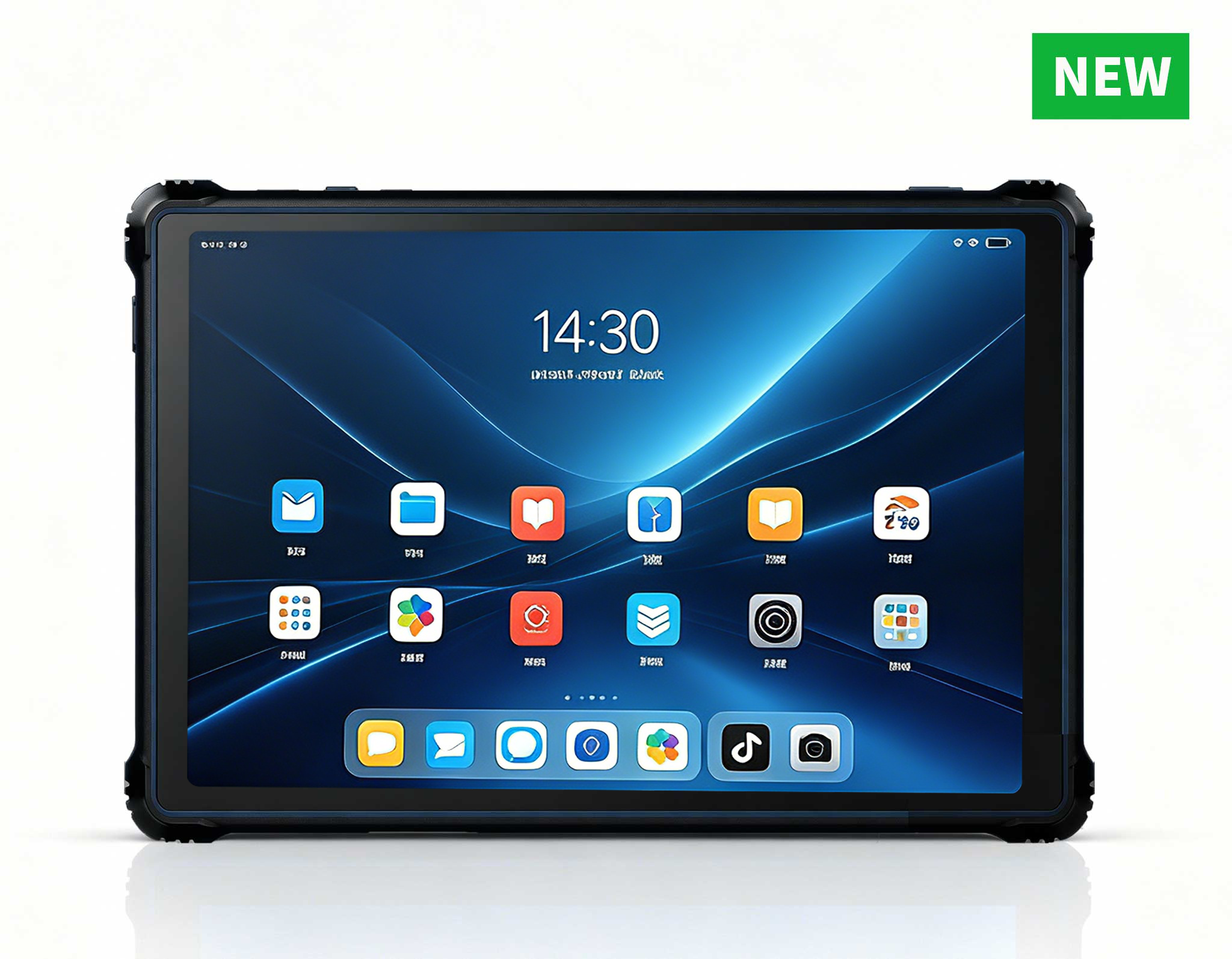
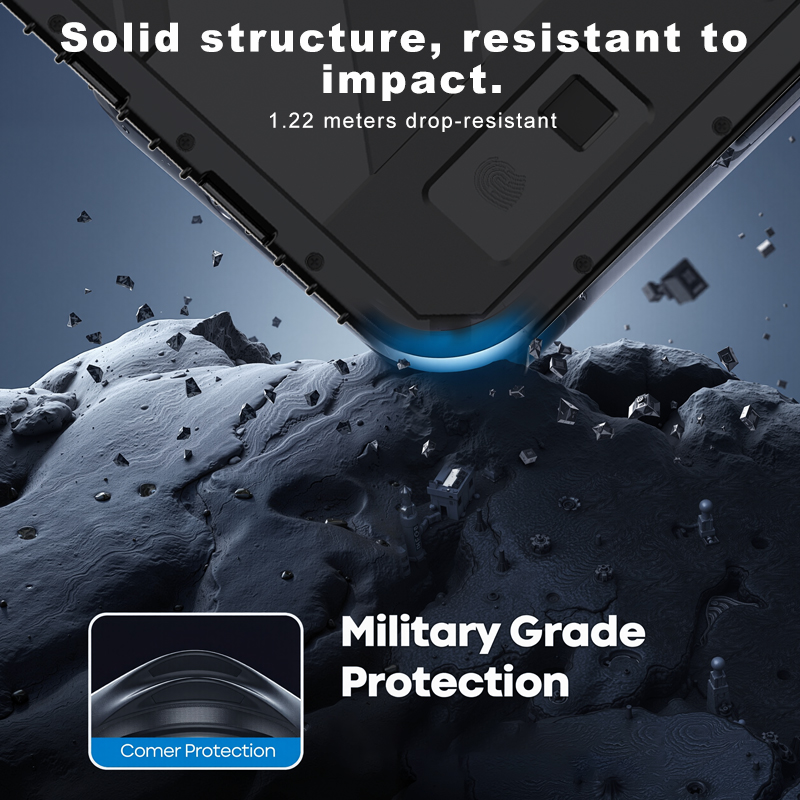
Reading a temperature, a pressure or a vibration figure is a two-handed job in most plants. One hand holds the instrument, the other braces against the housing, and the screen has to be legible from a working distance in whatever light the hall offers. A ten-inch panel at 1920 by 1200 with 560 nits covers that. The HTQ10A Android Rugged Tablet is rated IP67 against water and dust and carries a 1.22 metre drop resistance figure.
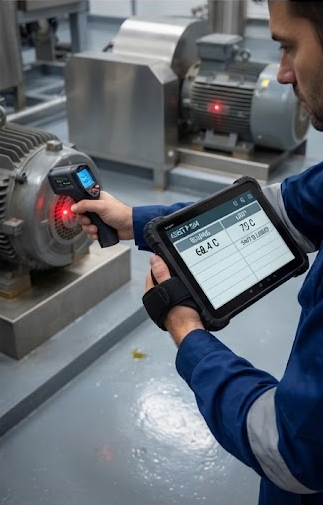
The entry itself is where the format decides the outcome. A two-column sheet, reading on the left and limit on the right, can be filled with a thumb while the instrument is still in the other hand. That is a far smaller ask than walking back to a terminal, and it is the difference between a round that produces data and a round that produces a recollection.
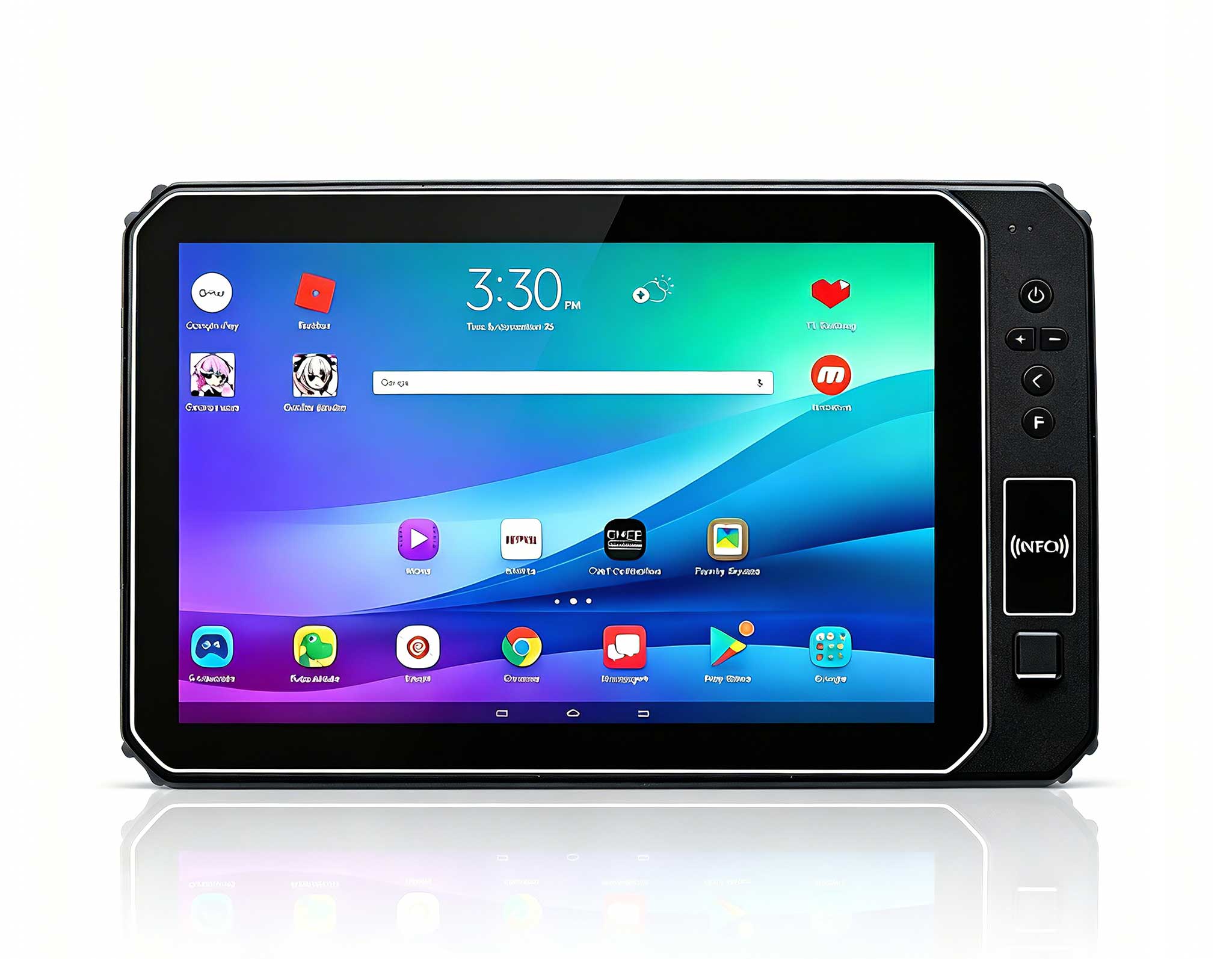
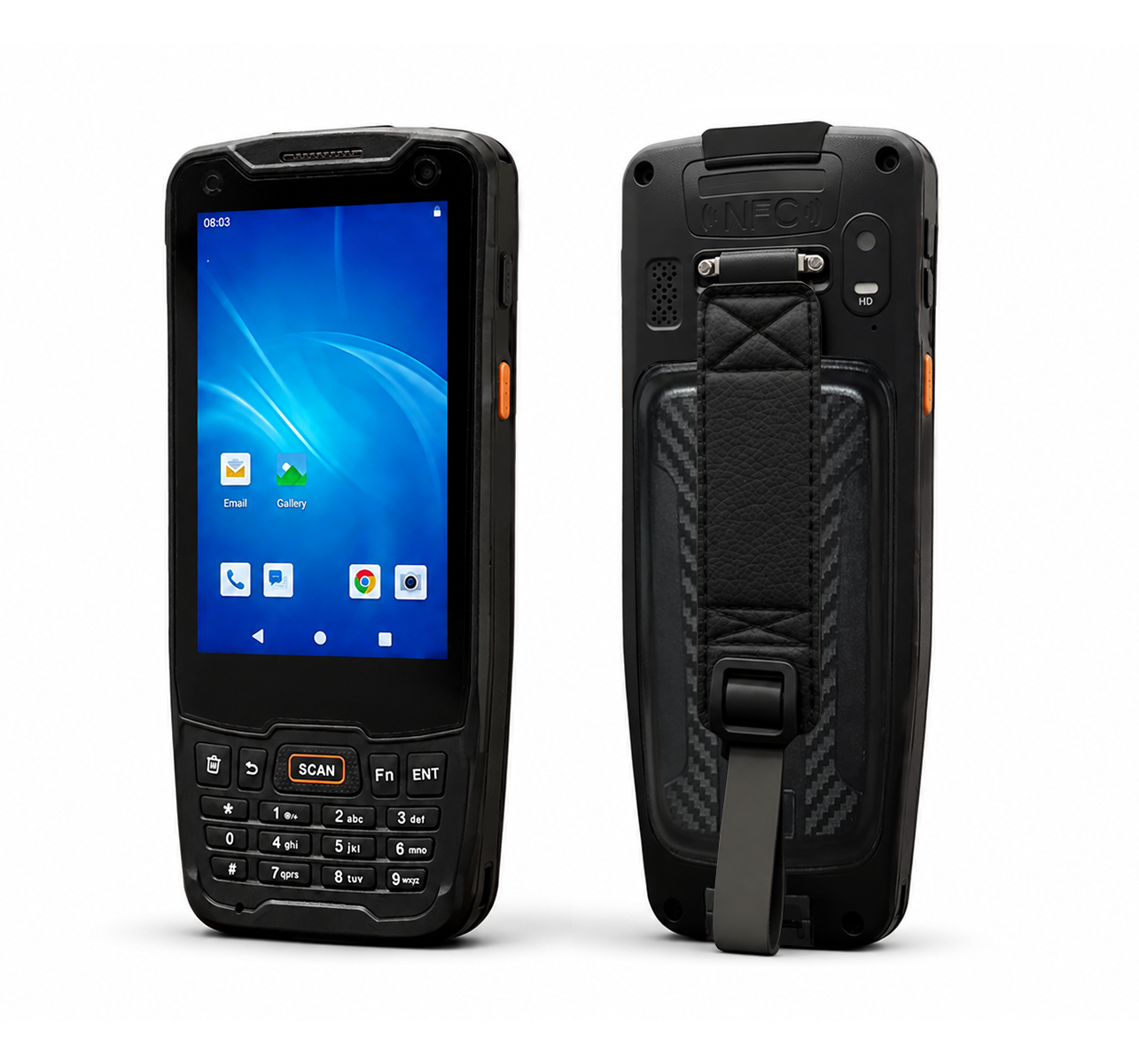
Identity is the other half of the record. A number written from memory is only as good as the walker's recall, so the practical fix is to read the tag rather than recall it. The RFID Barcode Scanner F502 is built around that single act: a 5.5 inch IPS display at 720 by 1440, an octa-core MT6762 processor, and support for GPS, Galileo, Glonass and Beidou. Expandable storage through a micro SD card up to 256GB means a route's worth of entries need not be uploaded mid-shift.
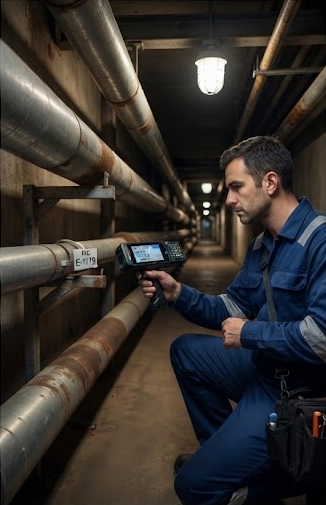
There is a practical argument for keeping the scanner separate from the tablet. Tags are often low, greasy or behind a guard, and the device that reaches them is not always the device you want to write a long note on. Splitting the two jobs means neither device is compromised by the other's ergonomics.
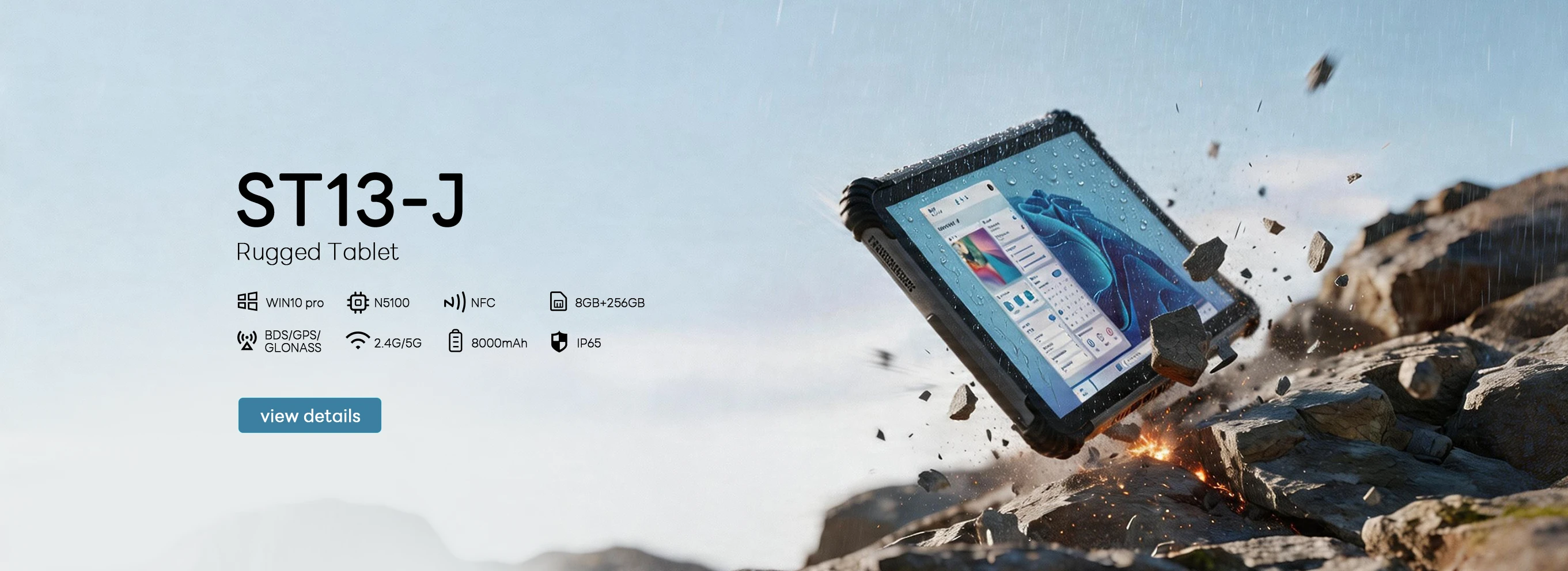
Gloves are where touch interfaces usually fail, and where a round quietly reverts to pen and paper. Both ten-inch models here use a ten-point capacitive layer at hardness level 7H, and the HTNJ10B Rugged Tablet pairs that with the same IP67 rating and 1.22 metre drop figure as its sibling. Its differences are in the plumbing: an Intel Pentium N600 processor, a 7.6 volt 3500 mAh battery, an RJ45 port on the body, and a camera that reads 800W where the other model reads 1600W.
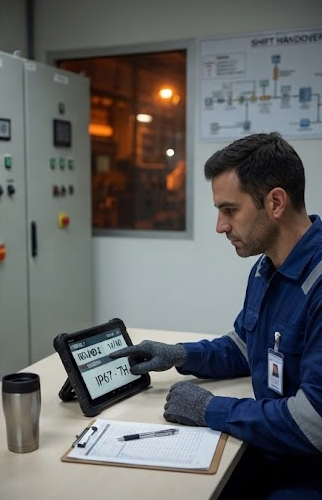
Those differences are not cosmetic. A wired network port and a permanently mounted power arrangement suit a station that a shift signs in and out of. A larger battery and a higher-resolution camera suit a device that leaves the building. Choosing between them is really a question about whether the record is written standing up or sitting down.
The trend that has moved fastest is not about hardware. It is about when an entry becomes final. On a paper round, the entry is reviewed the next morning and corrected in someone's handwriting. On a device present at the reading, the entry closes at the asset and the supervisor sees it before the shift ends, turning a report into a running picture. That picture lets a planner move a job from next quarter to next week without waiting for a monthly summary, and lets a supervisor walk to an anomaly while the conditions that produced it still exist.
| Model | Form factor | Display | Touch layer | Interface |
|---|---|---|---|---|
| HTQ10A Android Rugged Tablet | 10 inch rugged tablet | 10 inch LCD, 1920x1200, 560 nit | 10-point capacitive, 7H | Audio, Mini HD, USB, Type-C, DC IN, TF and SIM, 12-pin POGOPIN |
| RFID Barcode Scanner F502 | 5.5 inch handheld PDA | 5.5 inch IPS, 720x1440 | Multi-touch | Type-C USB, OTG |
| HTNJ10B Rugged Tablet | 10 inch rugged tablet | 10 inch LCD, 1200x1920, 560 nit | 10-point capacitive, 7H | Audio, Mini HDMI, Type A, Type-C, DC IN, RJ45, TF, SIM, 12-pin POGOPIN |
Weight is deliberately absent from that table. The two tablets publish a shipped weight of 1.7KG and 2.1KG respectively, while the handheld publishes an unboxed figure below 300g. Those are not the same measurement, and placing them side by side would mislead more than it informs. What matters for a round is whether a device can be carried for four hours without being set down, and that is a question to answer with a sample in hand.
A record that writes itself still needs a person attached to it. The useful shift is that the name is no longer a signature added later; it is the account that was open when the entry was made. That distinction matters in an audit, because it separates what someone remembers doing from what someone did. The three devices cover that ground differently: the scanner ties an entry to a tag, the tablet to a session and a time, and the station unit to a place.
| Stage of a round | What has to happen | Device that fits | Why the others do not |
|---|---|---|---|
| Identifying the asset | Read the tag without breaking stride | RFID Barcode Scanner F502 | A tablet means typing the asset number or opening a panel |
| Taking the reading | Hold a screen steady while both hands are busy | HTQ10A Android Rugged Tablet | The handheld display is cramped for a two-column entry |
| Ending the shift | Leave a station online for hand-over | HTNJ10B Rugged Tablet | Handhelds leave the plant with the technician |
Anyone reconsidering how a round is recorded can start with four questions, none of them about processing power. Does the entry close at the asset or at a desk? Is the asset identified by a tag or by recall? Can the screen be operated in the gloves the job requires? And does the record reach the supervisor before the shift ends? A round that answers all four does something a paper sheet cannot, while one that answers none will keep producing tidy reports about a floor nobody fully described.
For teams weighing which of the three fits a given route, the range of rugged tablets covers the two ten-inch options side by side, while the handheld is best judged against the tags actually in use. The honest position is that most plants end up with two of the three rather than one, because the job of reading a tag and the job of writing a note rarely belong to the same hand.
If your team is reworking a round this quarter, the pattern is already familiar from field service work, where the record moved to the point of the task some years ago and everything downstream got shorter as a result.