- Select Language
RT80 5G Rugged Tablet | 10.1" FHD 400nit | Un...
The AMD Mini PC Windows 10 Pro is a compact yet po...
One Device, Dual Functions – A Projector and a Com...
I have watched a count finish on time, get signed without an argument, and still turn out wrong two weeks later. Nobody lied and nobody rushed the aisles. The fault sat in a detail most warehouses never think to change: the person holding the scanner already knew what the number should be. Once the system says forty, the shelf has a way of agreeing with you. That is why a blind count beats a careful one. Let the counter see a location and no quantity, let the device store the reading the moment it is taken, and the count stops being an opinion. What follows is how three Hotus devices split that work.
A blind count hides the expected figure and shows only the location. The person walking the aisle reads a label, counts what is physically there, and the reading is stored before anyone can compare it to book stock. That removes the most common source of counting error, and it puts three demands on the hardware: a screen readable at arm's length, a touch layer that works through a glove, and a battery that lasts a full shift.
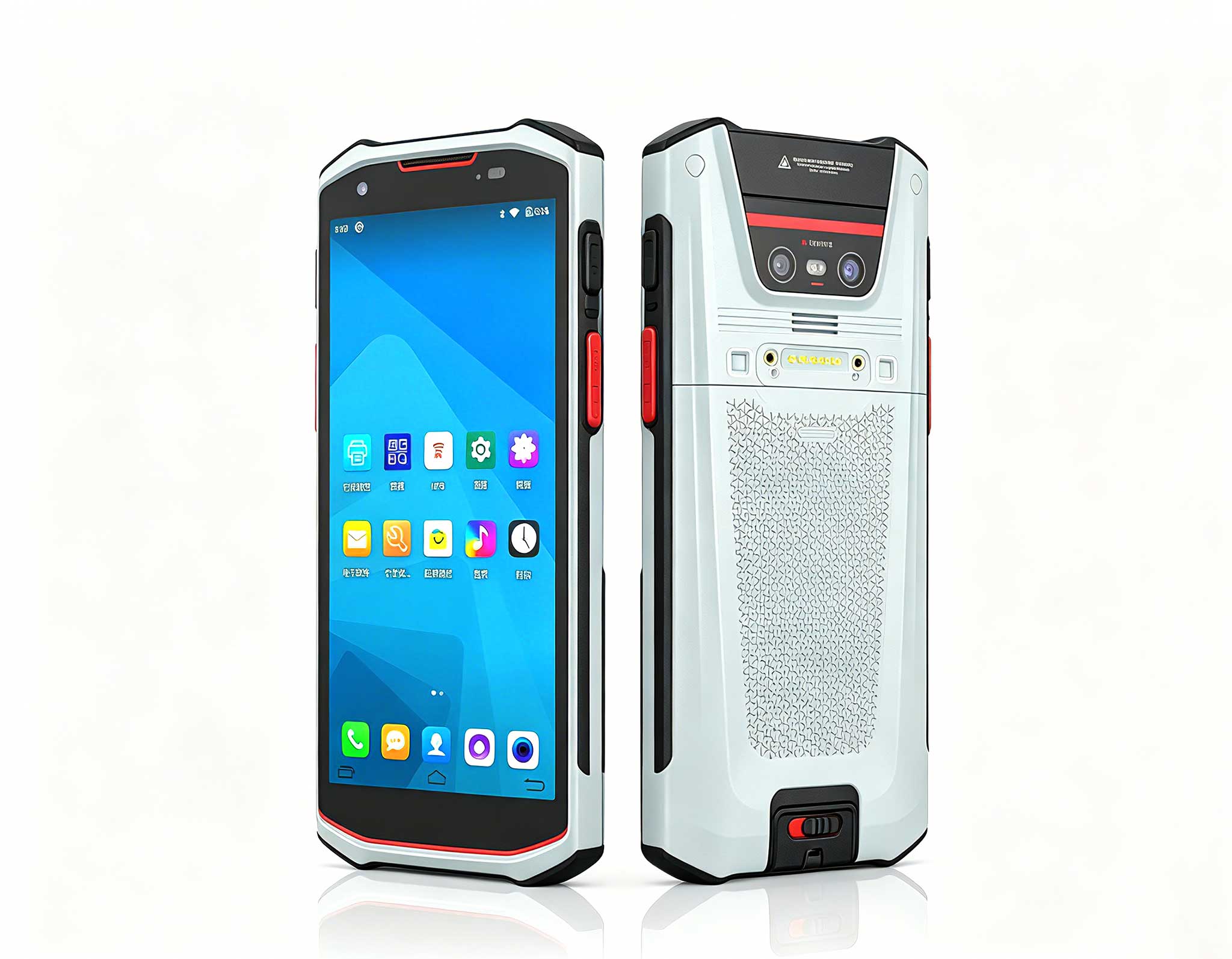
The N60 Inventory Management PDA was built for that posture. Its 5.99-inch IPS display runs at 1080×2160, so a location code and a quantity field both fit without zooming, and the multi-touch layer is specified for gloves and wet hands. Inside is a Cortex-A76/A53 octa-core at 2.0 GHz on Android 10.0, with 4 GB of RAM and 64 GB of storage, or 6 GB and 128 GB if the counting app caches a whole site. The removable 4,200 mAh pack is rated above twelve hours, and the body is only 164.5 by 79.4 by 12.3 millimetres, so it disappears into a vest pocket between passes. Teams mapping this onto their own flows usually start from warehouse operations solutions rather than a device list, and that order is the right one.
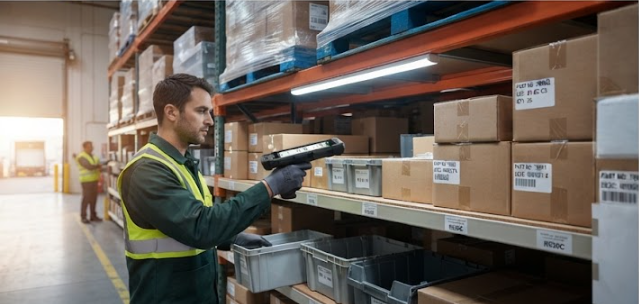
Every count produces a second number nobody enjoys: the difference. Book stock is what the system believes; floor stock is what you can touch. The gap is rarely theft. It is a damaged pallet pulled aside, a return shelved in the wrong location, a short delivery signed for anyway. Those events are cheap to settle at the shelf and expensive to settle in a meeting.
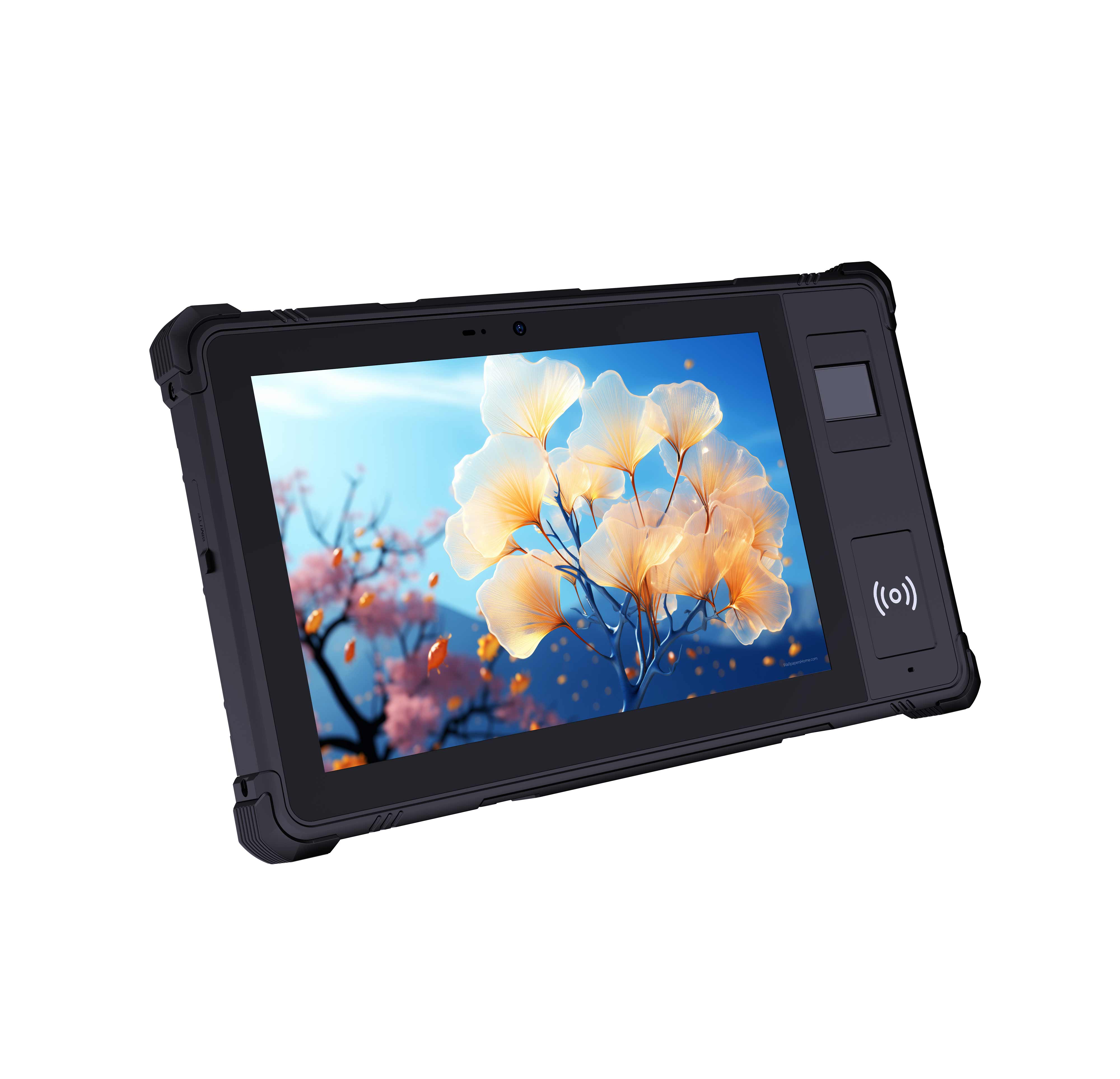
The R530C PDA is the one of the three that reads a whole shelf at once. Its optional UHF module uses a ceramic antenna with a controlled range of two metres or less. A long-range reader also reports the tags on the next steel; here the short range is the feature. Its 6.0-inch FHD+ panel at 1080×2160 gives a difference list enough vertical room to stay visible without scrolling, and the sealed 6,000 mAh battery is specified for twelve to fourteen hours of mixed use. A Qualcomm SDM450 octa-core at 1.8 GHz on Android 9.0 is a deliberately conservative pairing, chosen because most warehouse management systems are already validated on it. The optional PSAM slot then gives the supervisor a way to authenticate the write-off on the device itself, so the difference closes while the shelf is still in front of both people.

Some counts are not walked at all. They are run from the end of an aisle, a mezzanine rail or the cab of a lift truck, and the person doing the work needs the count sheet, the exception report and the location map open at the same time. That is a screen-size problem before it is a scanning problem, and it is where a six-inch device stops being enough.
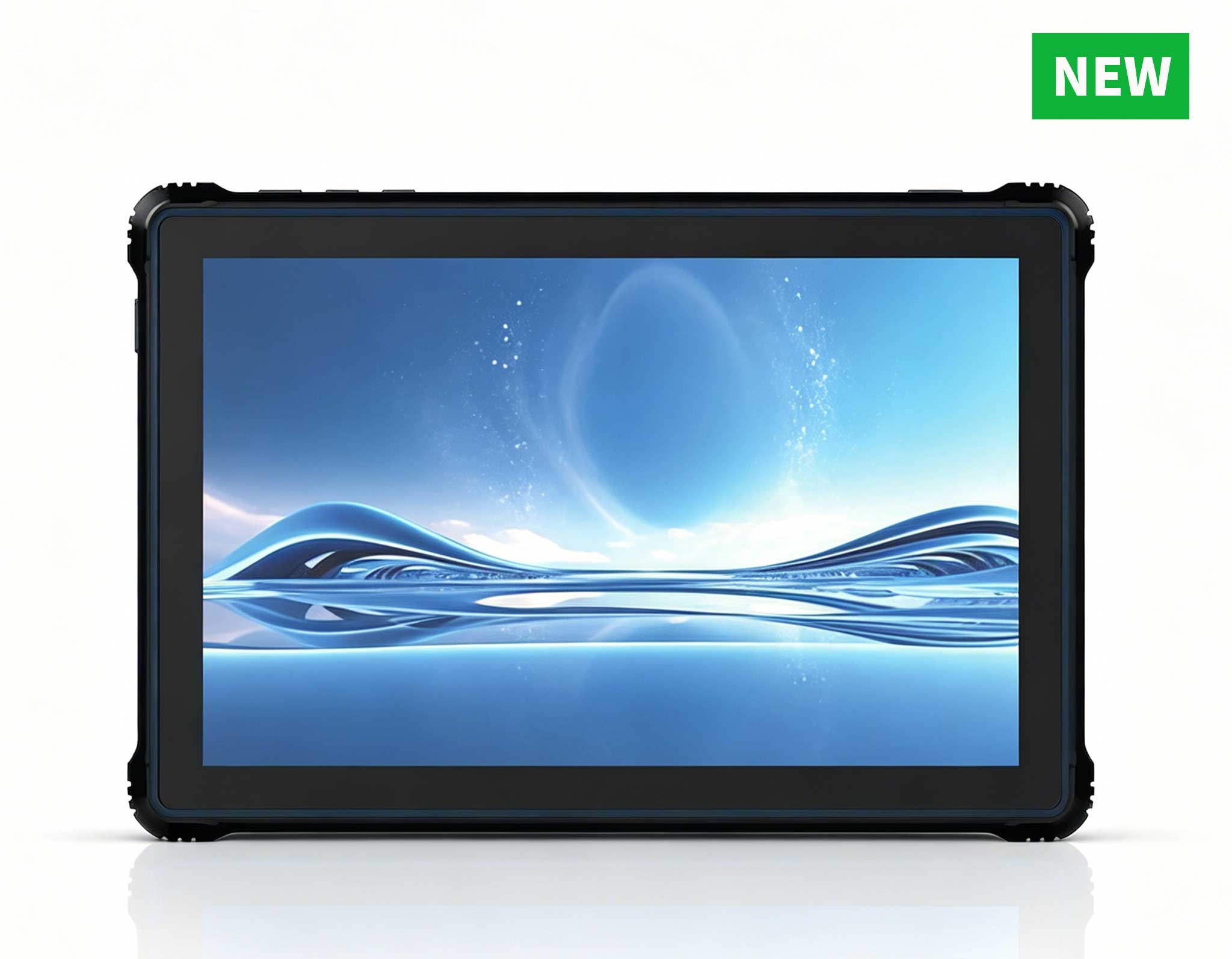
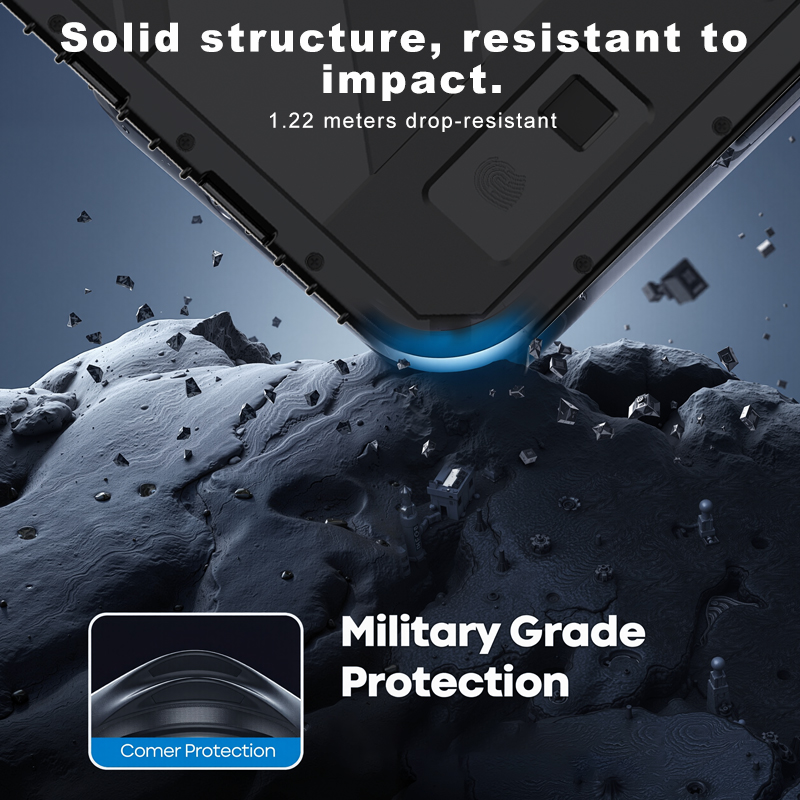
The <a href="https://www.hotusprojector.com/products/rugget-tablet/1170.html" title="RT81 4G Rugged Tablet | 10.1" FHD 400nit | Qualcomm SM6225 Octa-core | Android 13">RT81 Rugged Tablet answers with a 10.1-inch panel at 1200×1920 and 400 nits, which is what matters in a yard at midday: most tablets become mirrors in direct sun. The ten-point capacitive layer works with industrial gloves. The chassis is sealed to IP67 and survives a 1.2-metre drop onto concrete, with a 9,600 mAh battery rated for twelve to fourteen hours of mixed use. Storage runs from 4 GB with 64 GB to 8 GB with 128 GB, expandable by 256 GB on a card, over 4G LTE with dual-band Wi-Fi and Bluetooth 5.1. The 16-megapixel rear camera turns every difference into a photograph attached to the record. And the optional independent Beidou module with RTK correction puts a yard position on the record at centimetre level, which is worth having when a pallet has been parked where it should not be.

All three come out of the same handheld and tablet programme, and the rows below are the ones that decide a deployment. Values are taken from the published specifications, and optional modules are marked as such — none of the three ships a UHF reader, a 2D imager or NFC as standard, so the configuration conversation happens before the order.
| Specification | N60 Inventory Management PDA | RT81 Rugged Tablet | R530C PDA |
|---|---|---|---|
| Display | 5.99-inch IPS, 1080×2160, glove and wet-hand touch | 10.1-inch IPS FHD, 1200×1920, 400 nits, ten-point capacitive | 6.0-inch IPS FHD+, 1080×2160, 18:9 |
| Processor | Cortex-A76/A53 octa-core, 2.0 GHz | Qualcomm octa-core, 11 nm | Qualcomm SDM450 octa-core, 1.8 GHz |
| Operating system | Android 10.0 | Android 13 | Android 9.0 |
| Memory and storage | 4 GB + 64 GB, expandable to 6 GB + 128 GB | 4 GB + 64 GB or 8 GB + 128 GB, card to 256 GB | 2 GB + 16 GB, card to 128 GB |
| Battery | 4,200 mAh, removable, over 12 hours | 9,600 mAh, sealed, 12 to 14 hours | 6,000 mAh, sealed, 12 to 14 hours |
| Wireless | 5G, 4G, 3G, 2G, dual-band Wi-Fi | 4G LTE, dual-band Wi-Fi, Bluetooth 5.1 | 4G LTE, dual-band Wi-Fi, Bluetooth 4.2 |
| Data capture | Optional 2D imager, optional NFC at 13.56 MHz | Optional 2D imager, optional NFC, 16 MP and 8 MP cameras | Optional UHF at 2 metres, optional 2D imager, optional NFC, PSAM slot |
| Rugged credentials | Compact 12.3 mm body, glove and wet-hand operation | IP67, 1.2-metre drop, minus 10 to 50 degrees Celsius | Sealed 22 mm body, minus 10 to 50 degrees Celsius |
| Dimensions | 164.5 × 79.4 × 12.3 mm | 252 × 170 × 14.6 mm, under 650 g | 188 × 83 × 22 mm, under 500 g |
If you want to widen the shortlist first, the full range sits under our handheld terminal range, including the configurations that pair a UHF module with a 2D imager.
The second pass is the one that decides whether a count is trusted. On the first pass everybody is fresh; on the second, the same aisle is walked by somebody who has already seen the first result, and the only protection against repeating the original error is that the device never showed a target at all. That is a software rule, but it only works if the hardware does not slow the walker down: anyone who has to strip a glove to tap a screen will find a reason to skip the second pass.
This is where the three separate by degree rather than class. All three accept gloved input, and all three take an optional 2D imager rated to three mil, the specification that matters when labels are wrinkled, faded or torn — a condition common to any pallet that has been in the building more than a month. NFC is optional on all three and underrated here: tap the location label instead of scanning it and the record picks up the aisle without typing a code. Battery strategy is the one place they genuinely disagree. The N60 takes a removable pack, so a depleted unit becomes a fresh one in seconds. The RT81 and the R530C seal larger batteries into the chassis, a better answer to dust and humidity and a worse answer to a missed charging window.
These are not three versions of one product. They answer different questions, and the fastest way to choose is to work out which question your site asks. A spot check verifies a few locations in the middle of a live operation: the worker is walking, the operation runs behind them, and the device has to be out of sight between checks. A full recount is the opposite — a fixed position, a whole sheet, and a longer conversation about what went wrong.
| What you are doing | Device that fits | Why |
|---|---|---|
| Spot check while the operation runs | N60 Inventory Management PDA | Pocket-sized, 12.3 mm thin, removable battery, quick to hand over at a change of shift |
| Full recount against a whole count sheet | RT81 Rugged Tablet | 10.1-inch screen holds the sheet, the map and the photographs at the same time |
| Reading a shelf without touching every item | R530C PDA | Controlled UHF range of two metres or less, plus PSAM authentication on the device |
| Yard work and outdoor locations | RT81 Rugged Tablet | IP67, 1.2-metre drop protection, 400 nits, optional Beidou RTK positioning |
The hardware decision should follow the shift pattern, and the shift pattern is usually visible from the loading door. If your teams hand devices back and forth at every break, the removable pack on the N60 saves more time in a month than any other line on this page. If the count runs once a quarter from a fixed position, the RT81 screen is the whole argument.
A count closes when the difference is written down and the person who signed it can defend the number. Everything before that is data collection. So the useful question is not which device has the fastest processor, but which one lets the person at the shelf finish the sentence: this is what I found, this is what the record said, and this is what I did about it. A device that answers that in one pass turns a monthly argument into a five-minute note.
If you are still weighing the three against each other, or against other handhelds on the same programme, our product comparisons hub collects the side-by-side reviews we have published. Sample units are available for sites that want to run a blind count on their own shelves before committing, and that test settles the choice faster than any table.