- Select Language
The T80 handheld PDA combines advanced barcode sca...
RS51 4G Rugged Handheld Terminal | 6.3" FHD+ ...
️ X8 Series Handheld Label & Thermal Printing ...
Full SpecificationsModel Hotus SH5‑WOperating ...
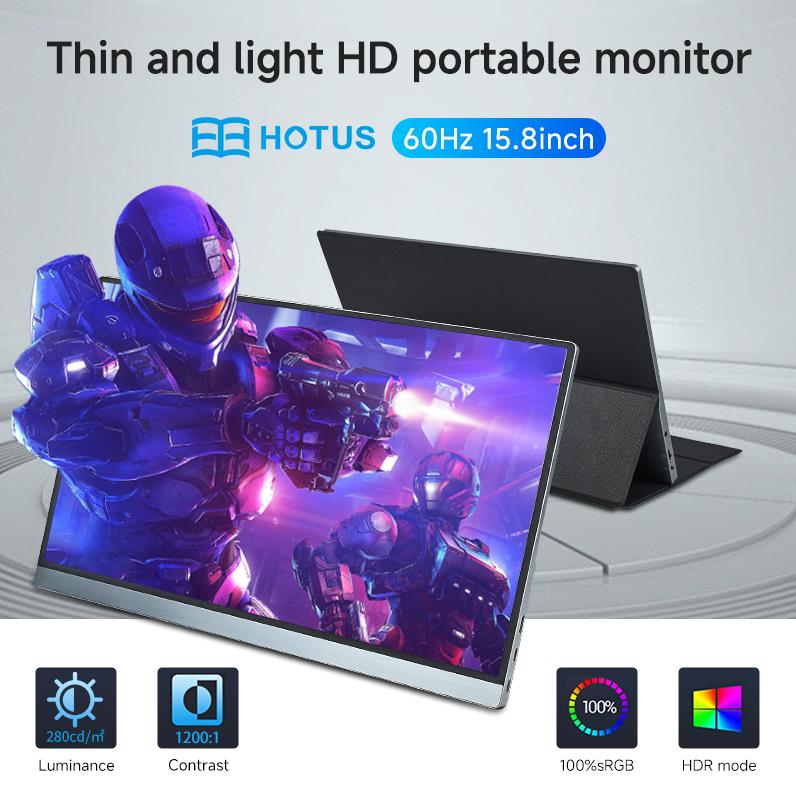
The PM158-1 is a 15.6-inch portable touchscreen mo...
Most remote assistance programs are tuned in spring and forgotten in autumn. Then the first freezing week arrives, batteries fade faster, fingers go into gloves, and every call takes longer to close. The fix is not new hardware. It is a short rehearsal, run once before the season turns, with the same three devices that will carry the winter.
This plan assigns each machine a role and walks through what a cold-season remote assistance rehearsal should prove. The fleet below pairs two Windows units with one Android unit: the <a href="https://www.hotusprojector.com/products/rugget-tablet/821.html" title="HTXUK10A-55 10" Rugged Tablet">HTXUK10A-55 for heavy diagnostics, the RT82 for outdoor legs on cellular, and the HTYJ10A as the compact unit in the spare pool.
Cold attacks a support session from three directions at once. Lithium cells deliver less current below zero, so a tablet that ran nine hours in September may shut down mid-call in January. Touch panels ignore gloved fingers unless the glass and controller are tuned for it. And a device carried from a cold van into a warm plant collects condensation on the lens the expert needs for a clear view.
None of these failures shows up on a spec sheet comparison done indoors. They surface during the first cold week, on the worst day of the month, with a customer waiting. A rehearsal held in mild weather finds them while there is still time to adjust.
The rotation splits by where each device works best. One stays at the bench, plugged in, running the heavy tools. One rides with the field engineer and holds the uplink. One waits charged and configured in the spare pool, ready to substitute for whichever unit fails its check. Nothing exotic: three machines, three jobs, decided before the first frost instead of during it.
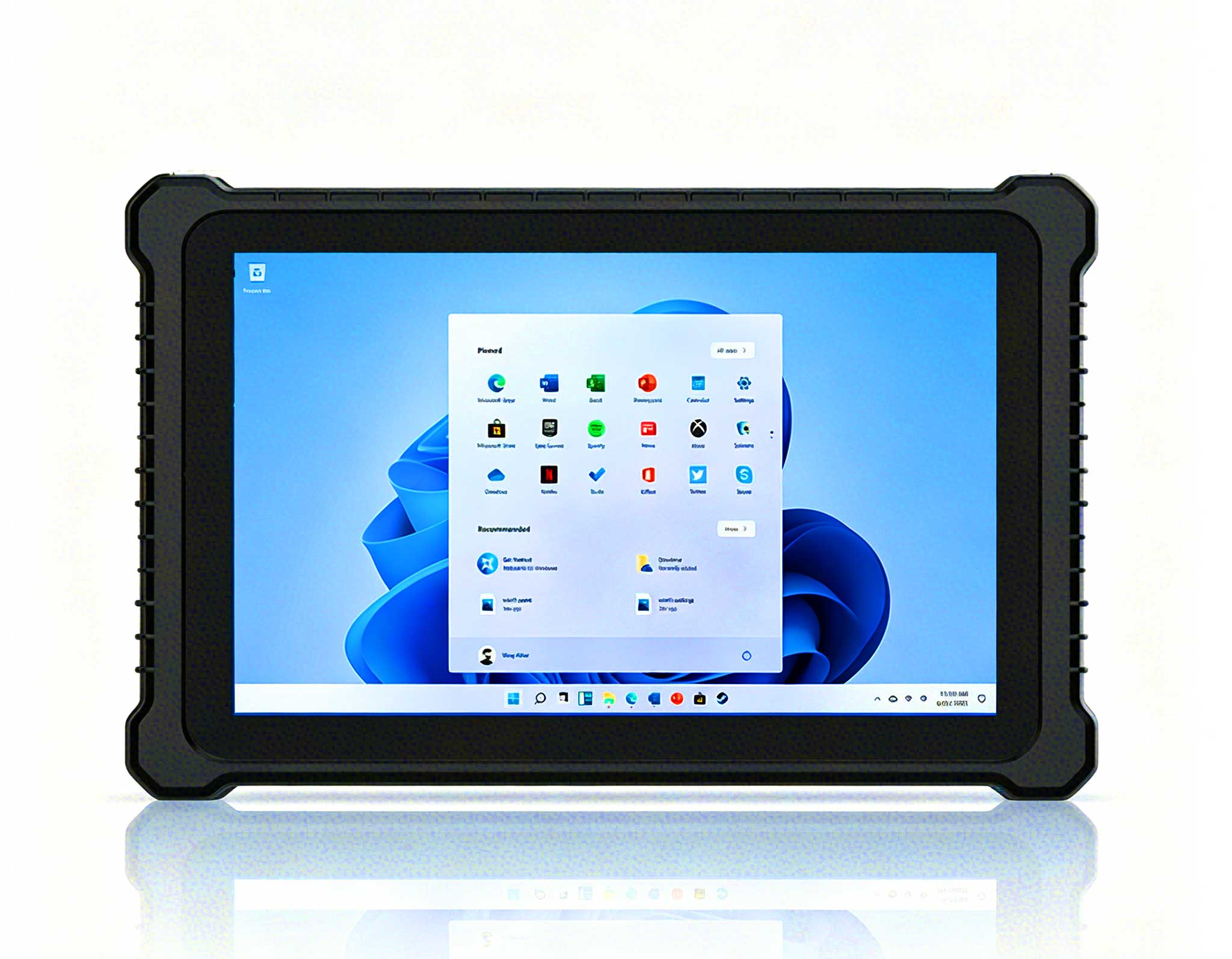
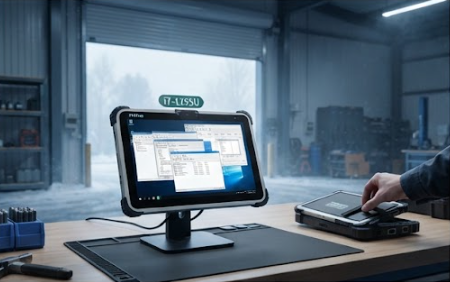
The bench job belongs to the HTXUK10A-55. Its Intel i7-1255U with ten cores runs full diagnostic suites and multiple remote sessions side by side, on Windows 11, with 16GB of RAM and storage expandable up to 1TB. The 10in panel reaches 550 nits, or 700 when needed, which matters when the bench sits near a loading dock door left open all winter.
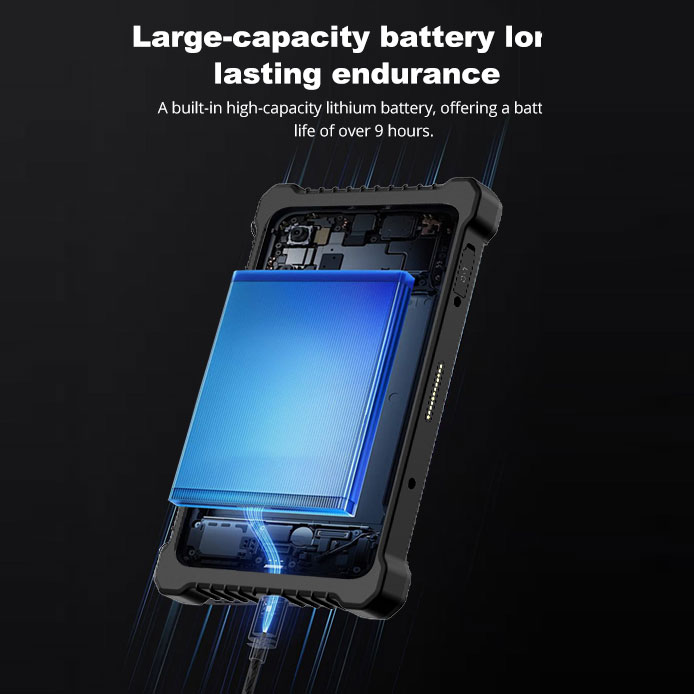
Two details make it the right cold-season bench unit. Its polymer battery is detachable, rated 11200mAh at 7.6V, so a swollen or tired pack swaps out in seconds instead of sending the tablet to service. And its IP65 body shrugs off the dust that heating systems stir up in machine rooms.
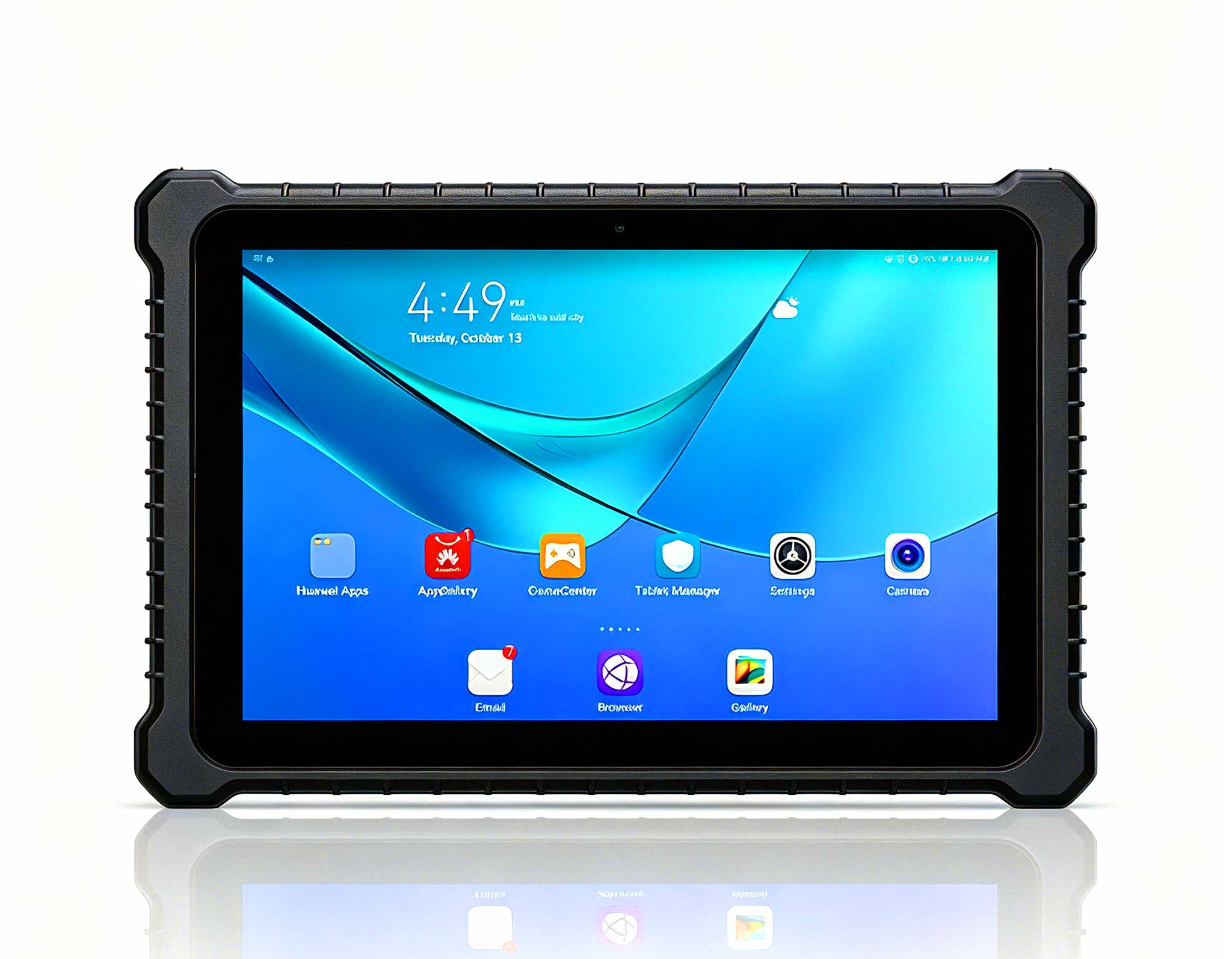
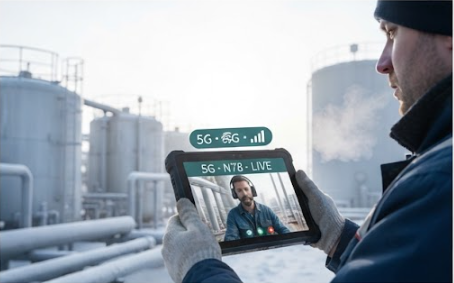
Outdoor work goes to the RT82. Wherever site Wi-Fi ends, its 5G modem on the Qualcomm QCM6690 platform keeps the session alive, backed by tri-band Wi-Fi 6E for buildings that do have coverage. Android 13 with 8GB of memory runs the field client and camera tools comfortably on the 10.1in, 400-nit screen.
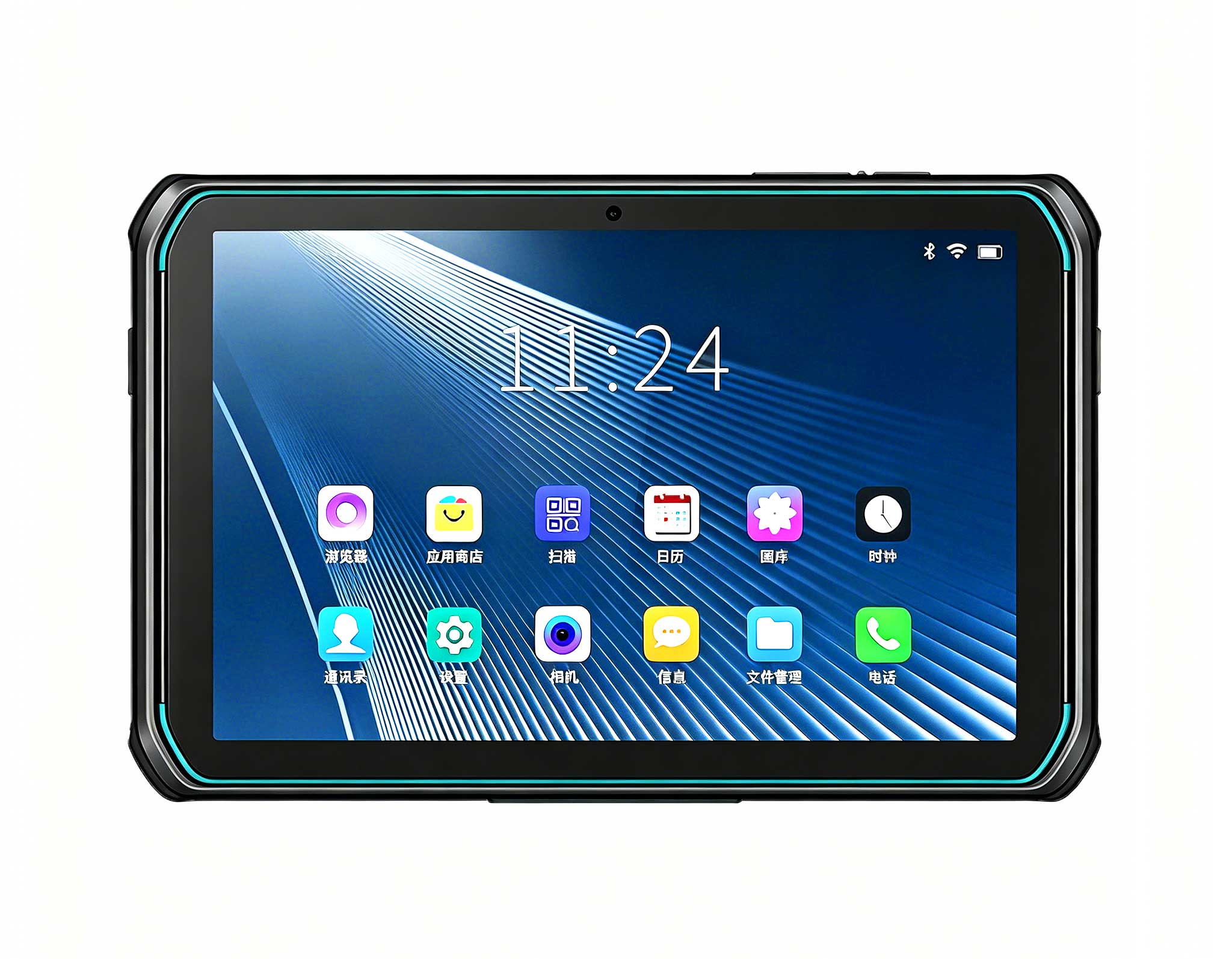
Its environmental ratings are the strongest in the fleet: IP67 sealed, 1.2m drop, and an operating band of minus ten to fifty degrees Celsius. A dual microphone array with noise reduction is worth more than usual in winter, when wind noise across a call is the difference between a usable consultation and a callback.
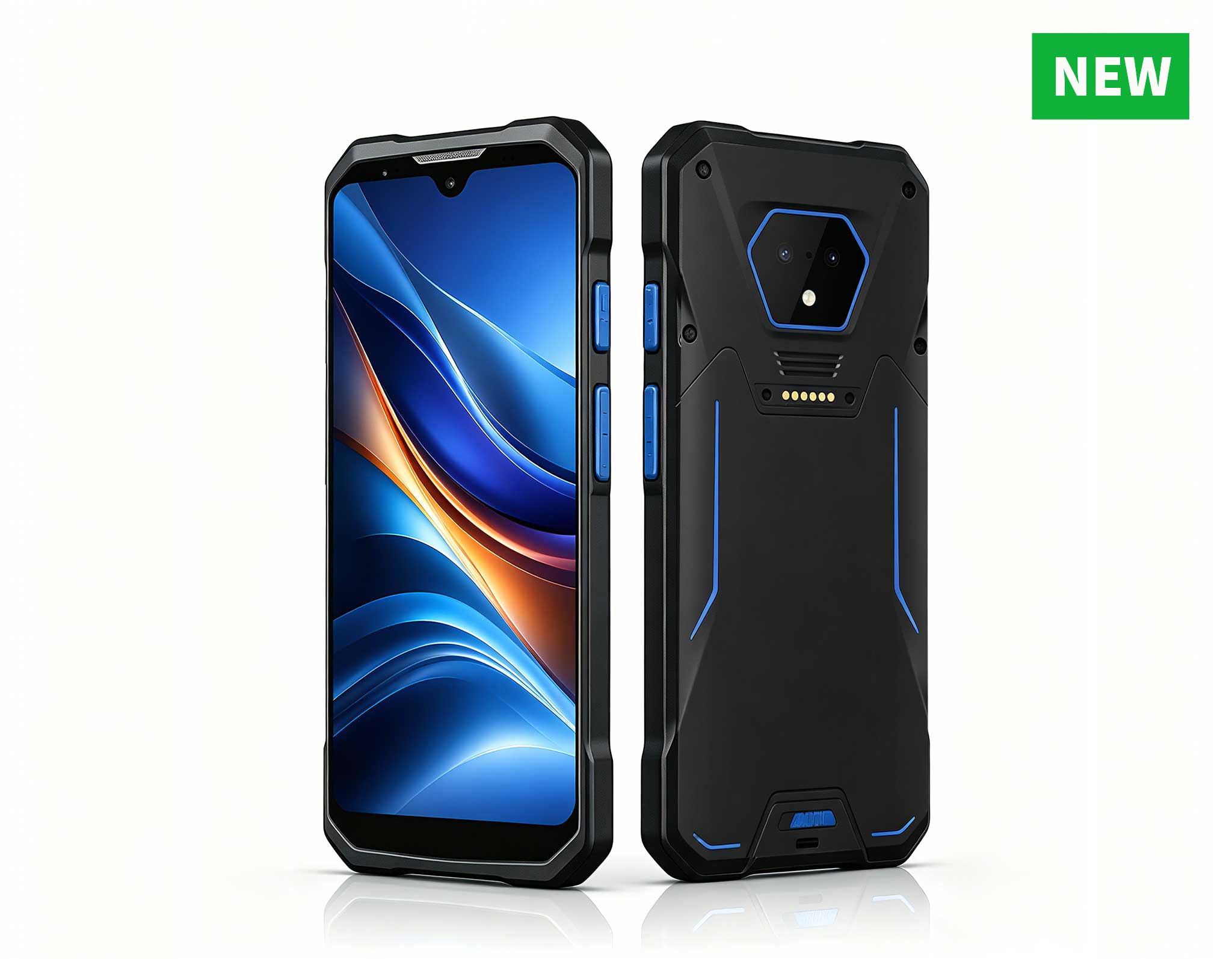
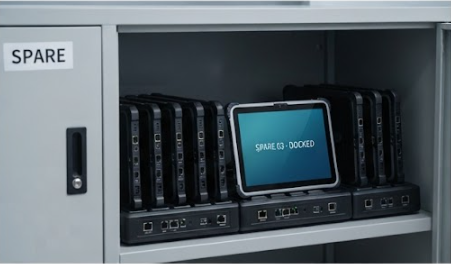
The spare slot holds the HTYJ10A, and it earns the spot by being easy to hand over. The same 10in, 560-nit panel family as the others, a 3500mAh pack at 7.6V, IP67 sealing with a 1.22m drop rating, and an uncommonly rich port set for its class: RJ45, Mini HDMI, Type A and Type C, plus a 12-pin Pogo Pin that mates with a charging dock. Optional 4G, NFC and fingerprint modules let the spare be configured to mirror whichever unit it replaces.
| Item | HTYJ10A | RT82 | HTXUK10A-55 |
|---|---|---|---|
| Display | 10in, 1200×1920, 560nit | 10.1in, 1200×1920, 400nit | 10in, 1920×1200, 550nit (up to 700nit) |
| Platform | Intel 10th Gen i5/i7 Y-series | Qualcomm QCM6690 octa-core | Intel i7-1255U, 10 cores |
| Battery | 7.6V, 3500mAh | 10000mAh, 3.8V, sealed | 11200mAh, 7.6V, detachable, 7H |
| Sealing | IP67, 1.22m drop | IP67, 1.2m drop | IP65 |
| Uplink | Wi-Fi 6, BT5, 4G optional | 5G, Wi-Fi 6E, BT5.2 | Wi-Fi 6, BT5.0 |
One number worth flagging is the temperature band, and it does not belong in the table because the three pages are not comparable. The RT82 publishes an operating range of minus ten to fifty degrees. The HTXUK10A-55 goes lower, minus twenty to sixty. The HTYJ10A page lists no operating range at all, so treat it as the indoor and spare unit until the manufacturer states otherwise. Weight tells the same story of mismatched yardsticks: the two older models publish boxed gross weights near 2kg, while the RT82 lists under 650g unpackaged.
The rehearsal itself takes one afternoon. First, a cold-soak start: leave each unit in an unheated vehicle overnight, then boot it and join a live call, watching how long the battery holds. Second, a glove test on every screen, since the capacitive layers differ and the team should know which unit demands a stylus in January. Third, a condensation drill: bring each device from cold to warm and time how long before the camera is clear, then write that wait into the call procedure.
Log the results per unit. A pack that loses half its charge on the cold-soak becomes the indoor device. A screen that fights gloves gets retired from outdoor duty. The point is that the fleet's winter shape comes from evidence, not habit.
Done well, this rehearsal costs one afternoon and a few page prints. The full rugged tablet line covers more combinations than any single program needs, and the three units above divide the winter cleanly: bench, outdoor, spare. For teams still weighing which mix fits their own season, the published comparisons break the same trade-offs down model by model.