- Select Language
RT80 5G Rugged Tablet | 10.1" FHD 400nit | Un...
Full SpecificationsModel Hotus SH5‑WOperating ...
The N40 Android smart PDA features a Cortex-A53 qu...
RS51 4G Rugged Handheld Terminal | 6.3" FHD+ ...
Explore our customized PDA designed for versatile ...
The U9000 handheld PDA combines advanced barcode s...
RT80 5G Rugged Tablet | 10.1" FHD 400nit | Un...
From the unknown so simpleUsed for mobile phones, ...
R366-S Thin 5.5-inch Industrial PDA | Qualcomm Oct...
A public safety unit does not staff for an average hour. It staffs for the hour when something happens, and the jump between those two states is where most rosters fail: either the crew is too thin to read a gate, or three expensive tablets are riding in a vehicle while officers on foot make do with memory and paper. Equipment and headcount have to scale together, level by level.
This guide reads that climb as three escalation tiers, and matches a device to each one: the X501 handheld for the baseline walk, the R366C-S for planned details that move tags in bulk, and the RT81 for the incident that turns a doorway check into a case file.
Tier one is presence: officers on foot, identity and permit checks, the routine round that keeps a site honest. Tier two is the planned detail: a market day, a stadium exit, a property room audit, where hundreds of badges or tags must be read inside a narrow window. Tier three is the incident: an actual case, with witnesses, evidence notes and a report that has to survive review. Each tier carries its own minimum crew, and each crew member carries a different device. Writing the tiers down before the season starts is what turns a staffing plan from a wish into a schedule a supervisor can actually fill.
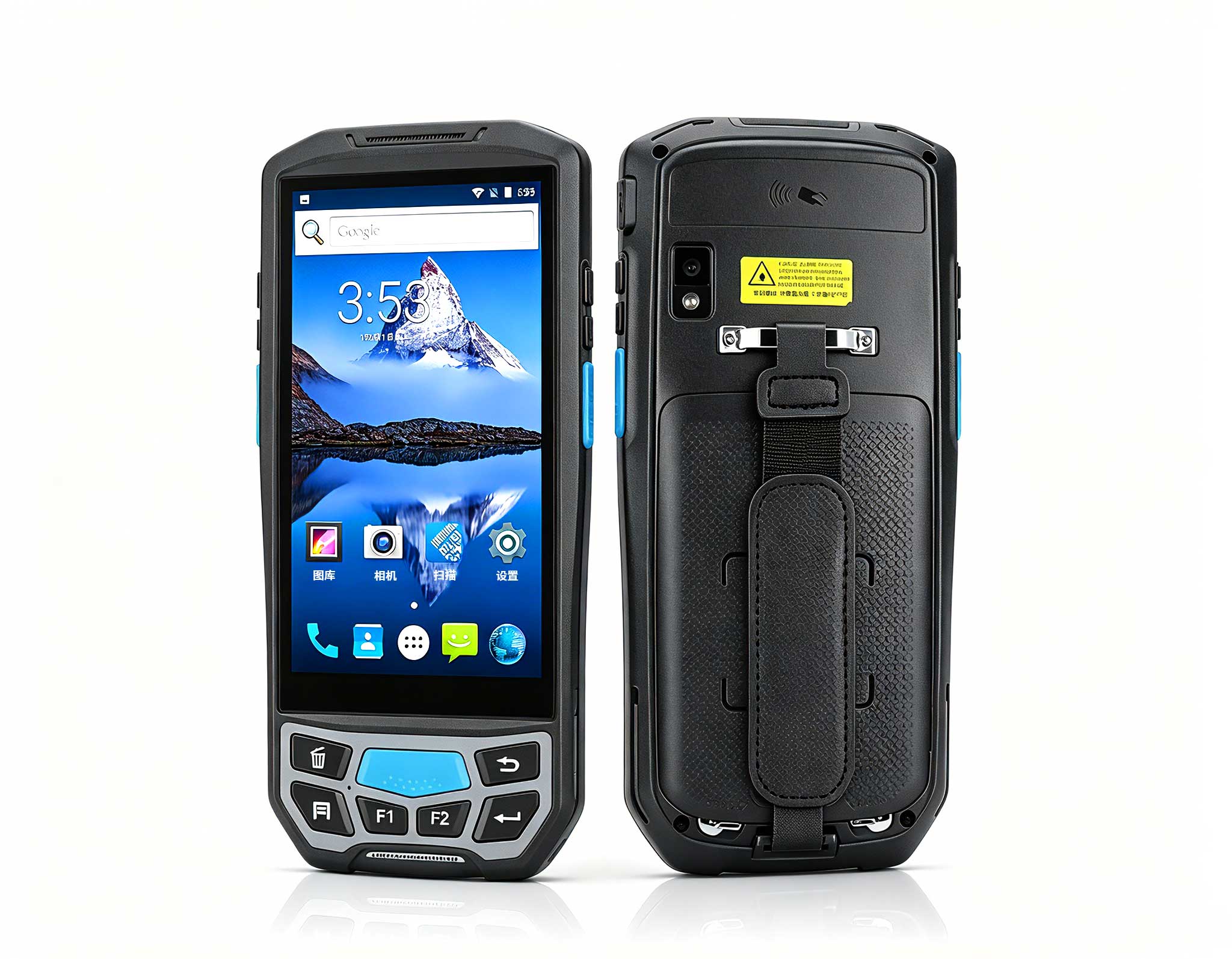
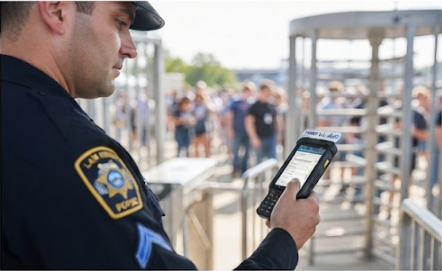
Tier one is where the X501 earns its slot, one unit per officer on the round. At under 500g it disappears into a uniform pocket, and an IP66 sealing shrugs off dust and rain without a case. The 5.5in IPS panel at 720×1440 stays legible on a bright gate line, and the integrated HF RFID plus barcode scanning handles permit stickers, staff badges and visitor passes in one motion. Storage runs 2GB+16GB or 4GB+64GB with a Micro SD option up to 256GB, enough for a full round of check records. GNSS support covers GPS, Galileo, Glonass and Beidou, so a night round can be traced afterwards. The product page does not publish a battery figure, so plan charging cadence from your own first week rather than a datasheet promise.
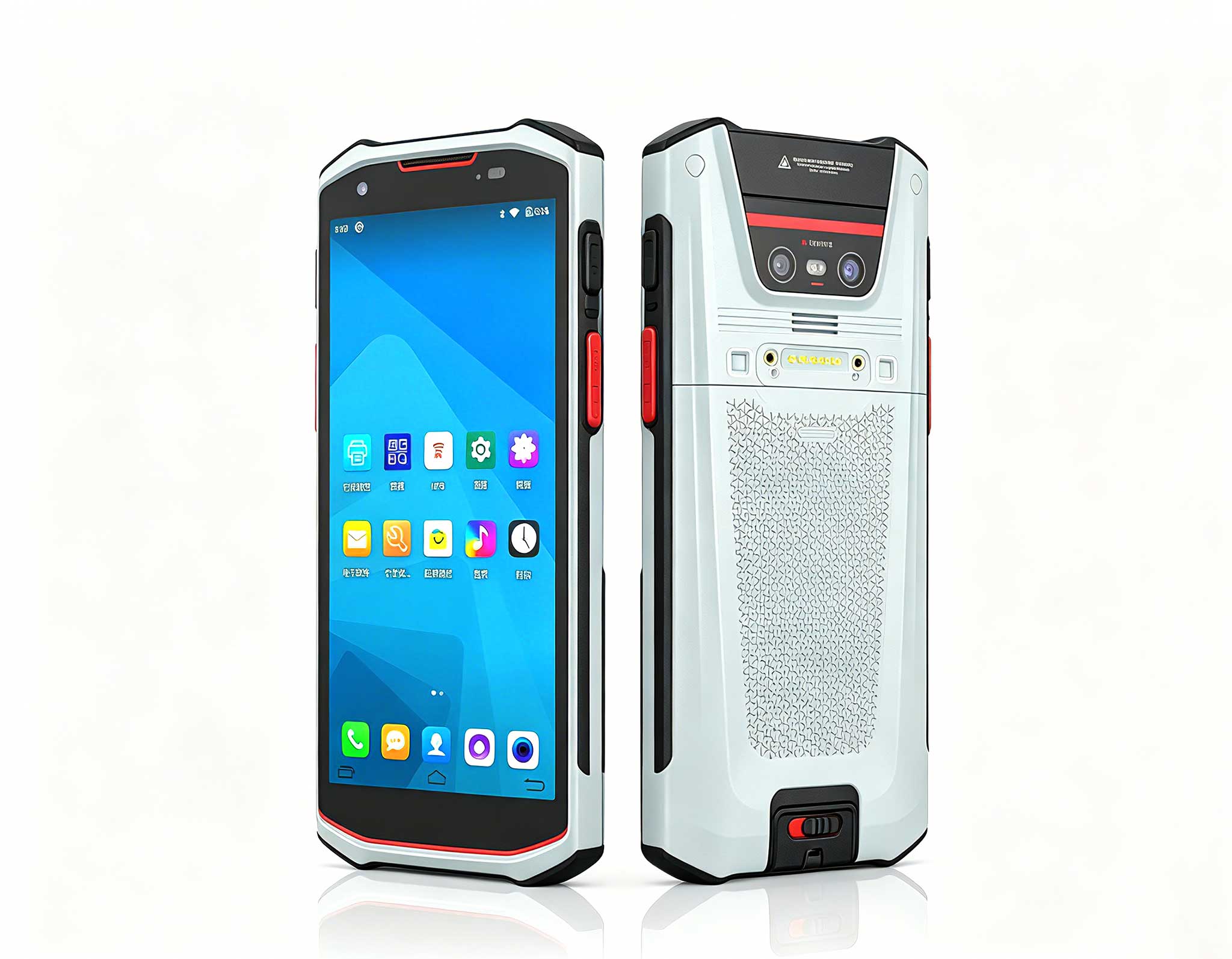
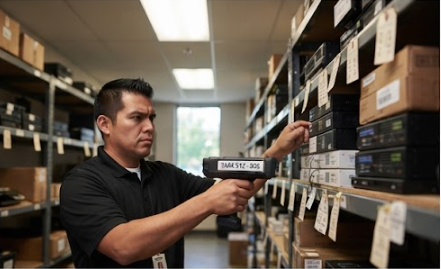
Tier two changes the maths. A market detail or an asset audit does not need every officer scanning; it needs one post reading hundreds of tags while the crowd keeps moving. That is the R366C-S job. Its Impinj E710 UHF module reads more than 900 tags per second at 10-20m with the 4dBi antenna, so a pallet of tagged property or a queue of tagged credentials clears in minutes instead of shifts. The 10000mAh battery is detachable and hot-swappable, which matters when a detail runs past one crew's hours into the next. It carries the same 5.5in IPS panel and 4GB+64GB storage class as the smaller handheld, runs Android 13, and holds under 700g even with the UHF hardware aboard. The page publishes no IP rating, so treat it as the post device, not the all-weather one.
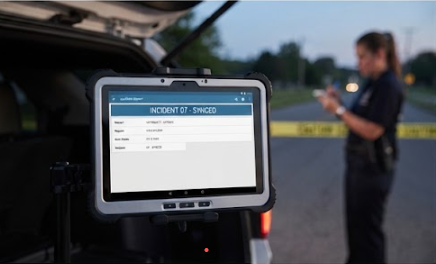
Tier three is the moment the paperwork starts, and paperwork is where a 10in screen beats a pocket scanner. The RT81 rides in the vehicle for exactly this call: a 10.1in FHD panel at 400nit stays readable in direct sun at a roadside, the IP67 body takes a 1.2m drop onto pavement, and the rating stretches from -10°C to 50°C, which covers most of what a year can do to a car park. A 10000mAh non-removable battery carries a full reporting session, and GNSS with an independent Beidou option, RTK on request, pins a scene location to map accuracy. Rear camera resolution reaches 20MP with flash, enough for evidence-grade photographs, and the Pogo Pin dock charges it between calls without fumbling cables.
The table keeps the fields all three pages state plainly. Operating systems split by tier age — Android 10.0 on the smallest, Android 13 on the larger pair — and battery capacity appears in the sections above, since the smallest unit publishes none.
| Specification | X501 | R366C-S | RT81 |
|---|---|---|---|
| Display | 5.5in IPS, 720×1440 | 5.5in IPS, 720×1440 | 10.1in IPS FHD, 400nit |
| Memory and storage | 2GB+16GB or 4GB+64GB | 4GB+64GB | 4GB+64GB or 8GB+128GB |
| Weight | under 500g | under 700g | under 650g |
| GNSS | GPS, Galileo, Glonass, Beidou | GPS, GLONASS, BeiDou | GPS, Glonass, Galileo, Beidou, RTK optional |
Staffing the tiers is also a battery question. A twelve-hour detail cannot ride one non-swappable cell, so the crew plan should follow the hardware: the UHF post swaps batteries between crews without a reboot, the vehicle tablet docks at every return to base, and the pocket units take an overnight rack. Expandable storage smooths the same math on paper — every unit accepts a card up to 256GB, so a week of scan logs and photographs never forces a mid-season purge. Count readers per tier, not per officer: one bulk reader can carry a detail that would otherwise need four people with pocket scanners, which is the cheapest headcount decision on the roster.
Every tier has a failure that shows up in the first month. Tier one loses units to pockets and counter tops, so the spare ratio belongs at the sign-out desk. Tier two loses time to a dead cell mid-detail, which the hot-swap design answers only if a charged spare actually exists. Tier three loses evidence quality when the one vehicle tablet is elsewhere, so the spare for that tier is a second dock, not a second bag of adapters. Budget the spares against the tier that fails, not evenly across the fleet, and the escalation climb stays climbable all season.
Settle the unpublished figures in writing: charge cadence for the pocket unit, ingress protection for the UHF reader, and dock compatibility for the tablet. The Public Safety & Security Solutions page lays out how these roles fit a deployment, the full rugged mobile computing solutions range holds the wider hardware ladder, and product comparisons and competitor analysis keeps the model-by-model notes worth reading before the purchase order goes out.