- Select Language
Technical SpecificationsModel: Palm-sized miniPCTy...
The U9000 handheld PDA combines advanced barcode s...
R366-S Thin 5.5-inch Industrial PDA | Qualcomm Oct...
RS50 5G Rugged Handheld Terminal | 6.3" FHD+ ...
From the unknown so simpleUsed for mobile phones, ...
The T80 handheld PDA combines advanced barcode sca...
Enterprise Flagship SeriesEngineered for mission-c...
A warehouse does not really service a device. It services whichever part has just announced itself, and the part is rarely the same one twice. The scan that needed a second press, the pack that no longer lasts a shift, the window that has stopped reading from arm's length: each of those belongs to a different component, and each has a different remedy. Teams that track maintenance at the level of an asset tag end up replacing whole units for problems that never involved the whole unit. This is ordinary in warehouse operations, where a fleet of handhelds and readers runs three shifts and every failure has to be explained to somebody the following morning.
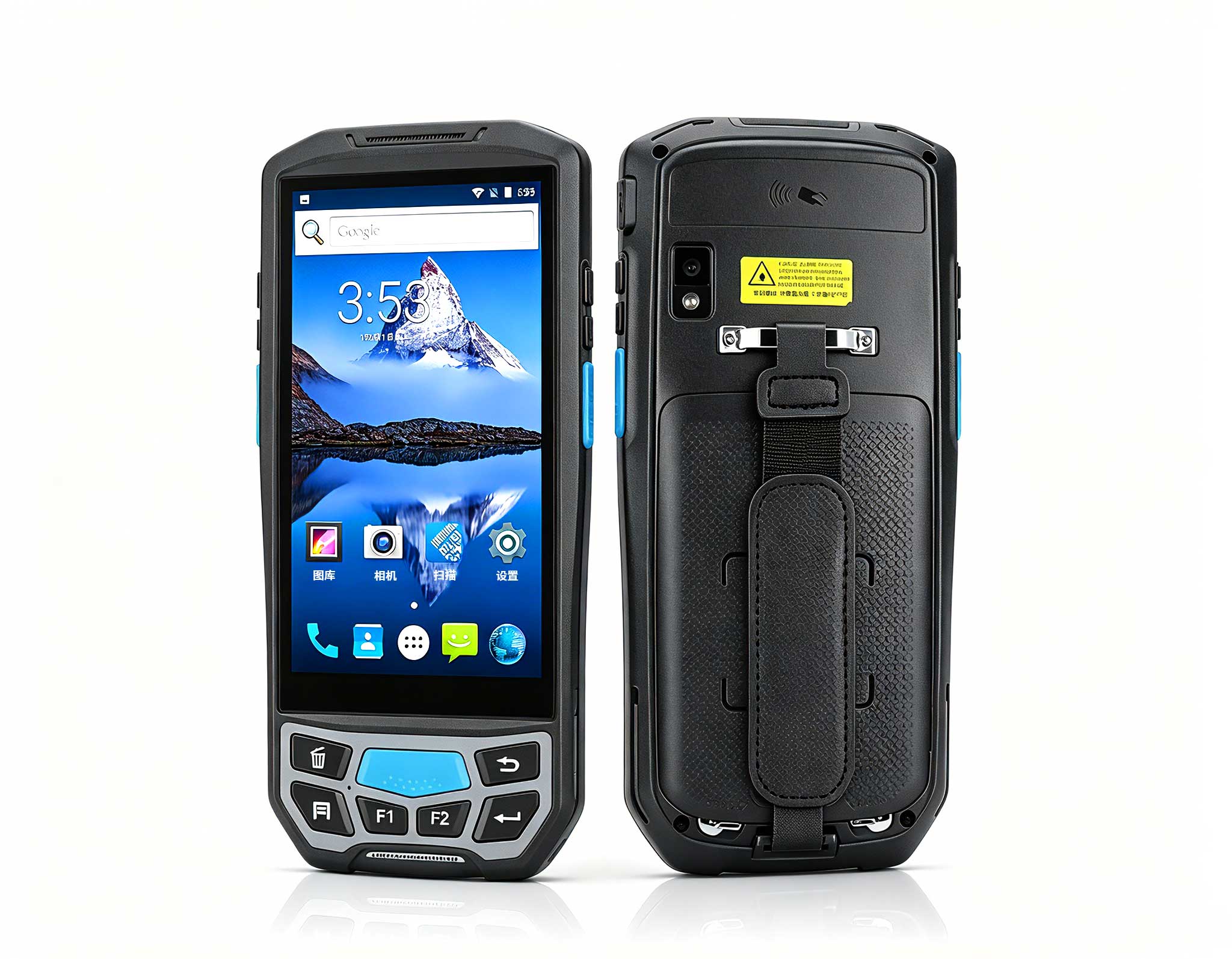
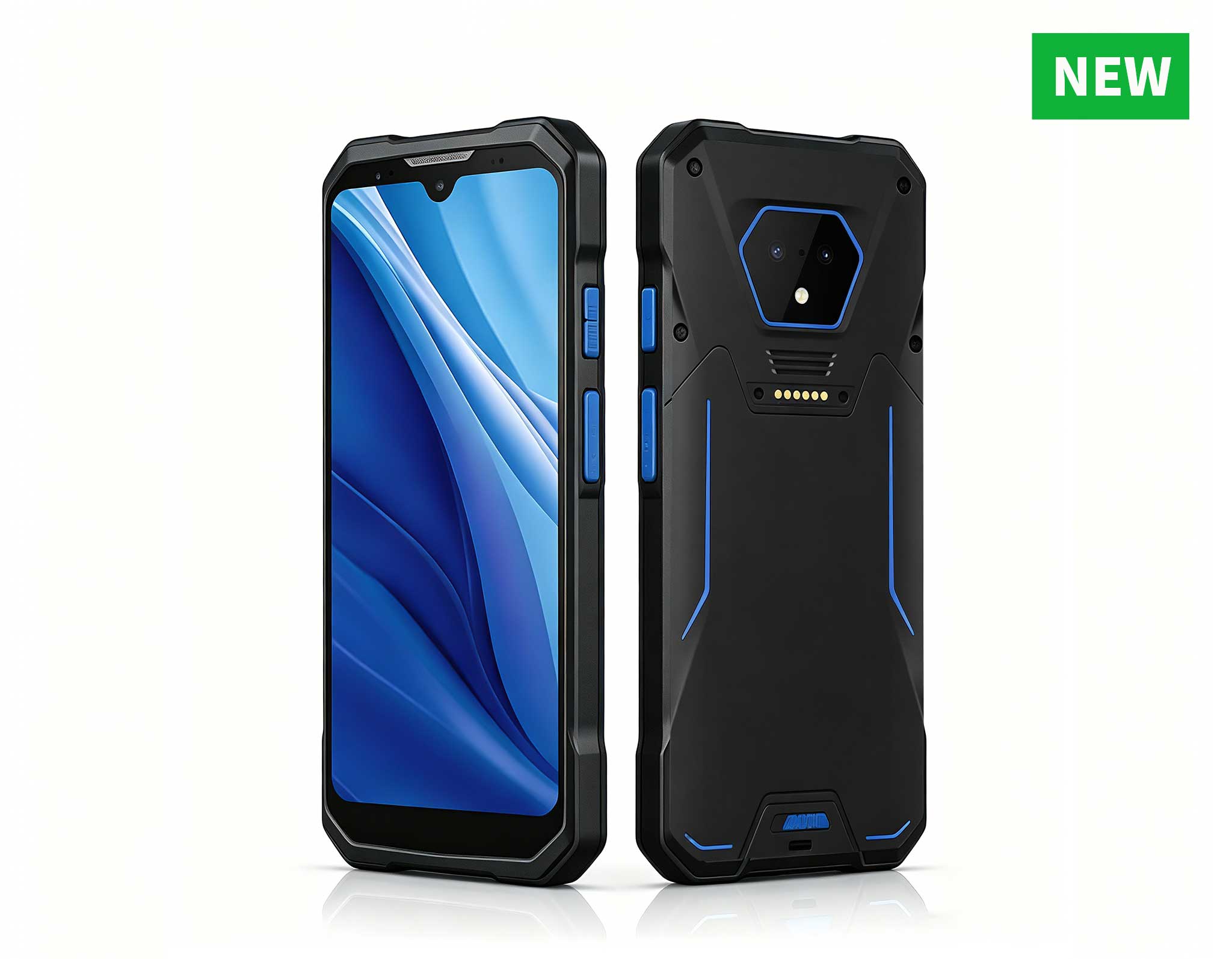
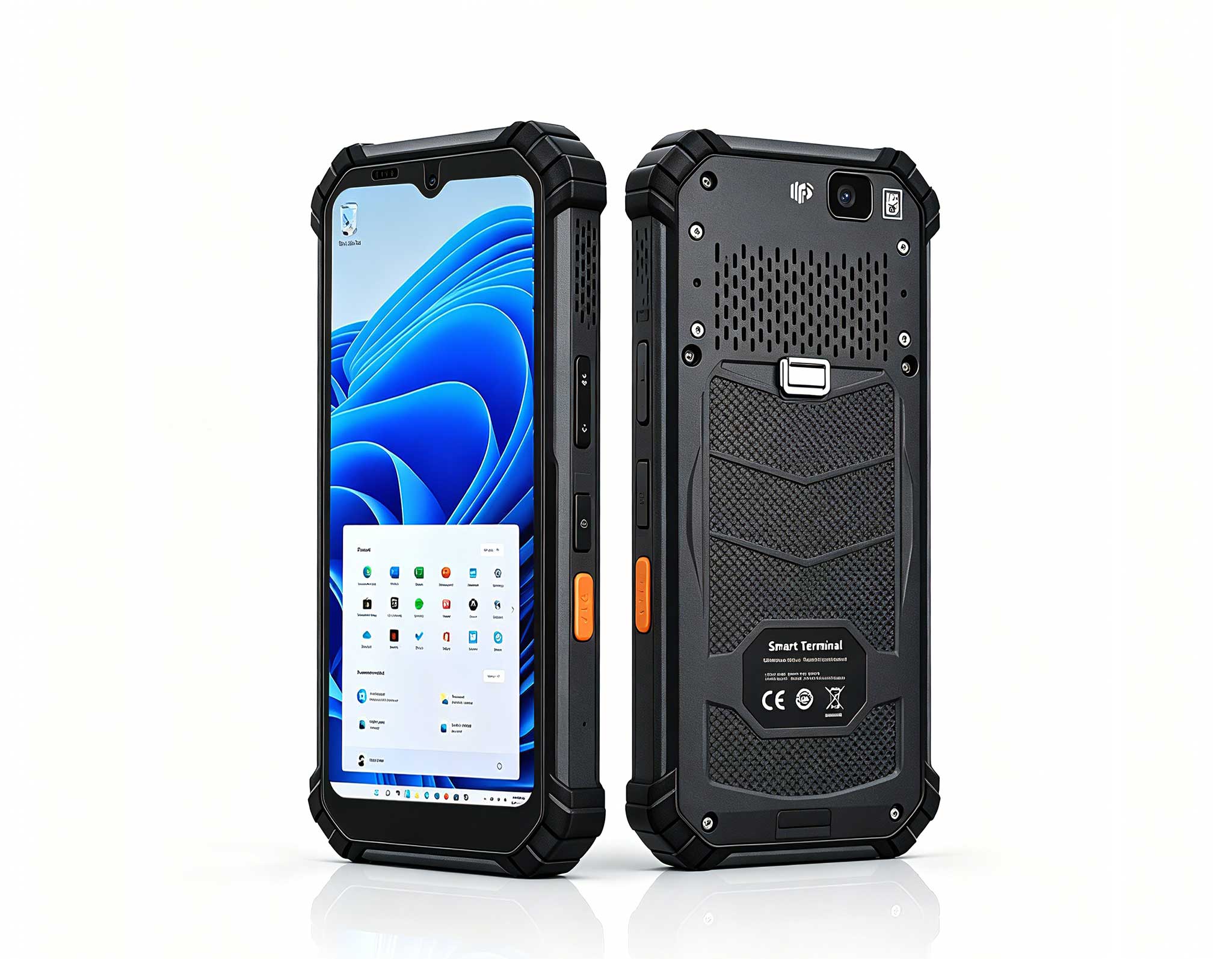
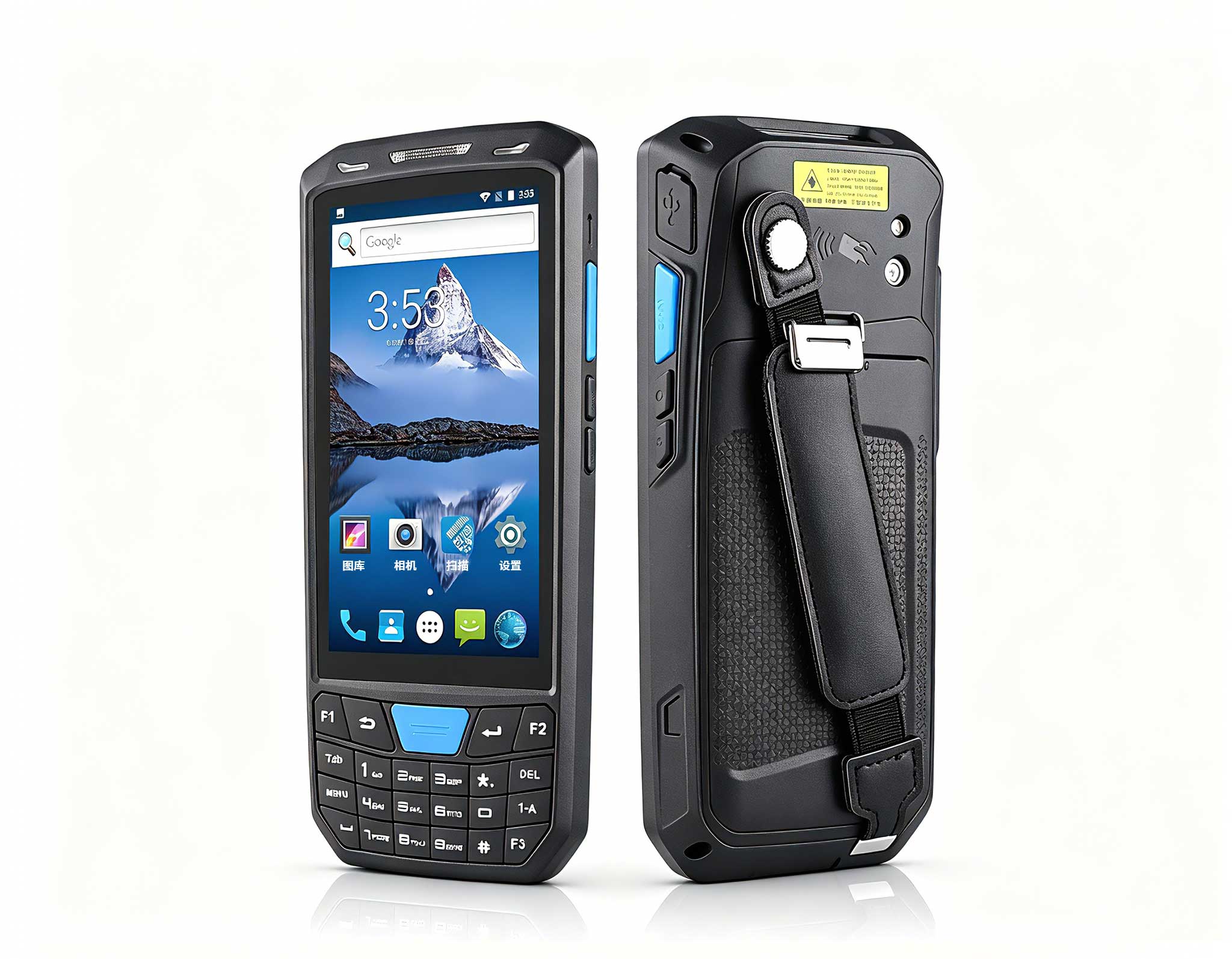
Three units cover the range discussed here. The RFID Industrial PDA D802 is the large-format member: an eight-inch panel at 1920x1200, a 9000 mAh pack that lifts out, and a chassis rated for water, shock, drops and dust. The T80 Handheld PDA is the compact member: a 4.5-inch screen, a 4200 mAh pack, and the scanning plus optional near-field reading that most picking work actually uses. The R501 Tag RFID is the handle-format member, built for reaching tags with a trigger instead of a button. They age at different speeds in different places, and that is the whole difficulty.
The conventional maintenance sheet is organised by asset number with one row per quarter. That structure assumes the device is a single ageing object, and every experience of a working fleet contradicts it. A handheld is a shell, a cell, a set of moving contacts and a read path, and those four do not share a timescale. The cell is measured in charge cycles, the contacts in presses, the read path in contamination, and the shell in how often it has been dropped. A sheet with one row per quarter cannot express a difference of that size, so it collapses into either over-servicing the slow parts or under-serving the fast ones. The first sign that a fleet is maintained this way is a shelf of units that were retired while still mechanically sound.
Both the large unit and the compact one carry packs that come out: 3.8 V at 9000 mAh on the tablet-format device, 4200 mAh on the handheld, the latter rated by the manufacturer for twelve hours or more of operation. A removable pack changes what maintenance means, because the correct action at the end of a cell's life is a swap rather than a repair. The signal is also not the one people expect. A pack rarely fails outright; it shortens. The number that moves first is how often the same operator walks back to a charging position during a shift, and that number is available from the shift itself rather than from a battery report. The eight-inch device makes this easy to test, because a fresh pack and the old one can be compared within the same hour on the same work.
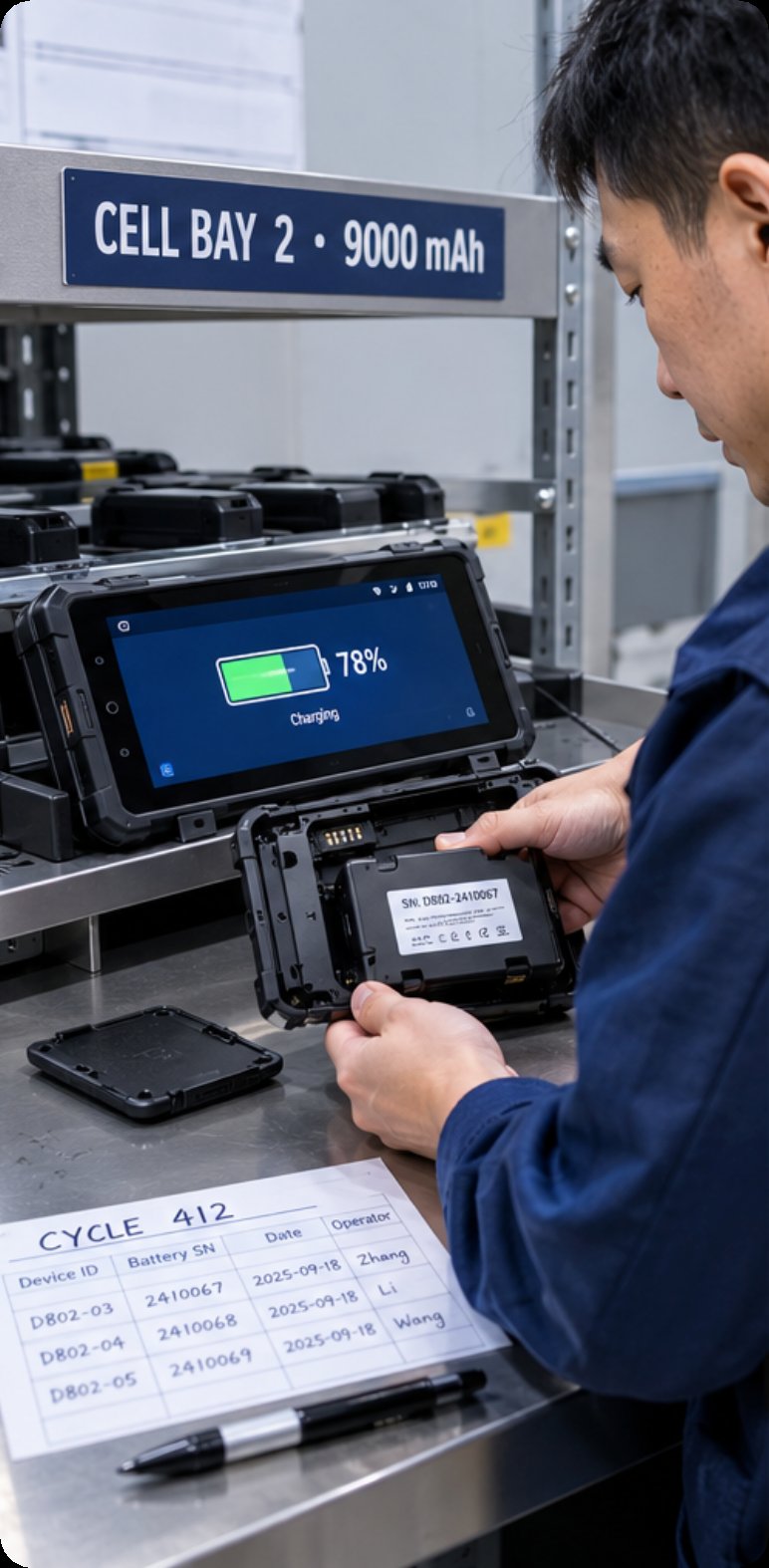
If a new pack removes the symptom, the cell was the problem and nothing else on the unit has been touched. If it does not, the pack has been ruled out cheaply and the fault sits somewhere else. Keeping the packs that come out, rather than discarding them the same afternoon, is what makes that comparison possible at all.
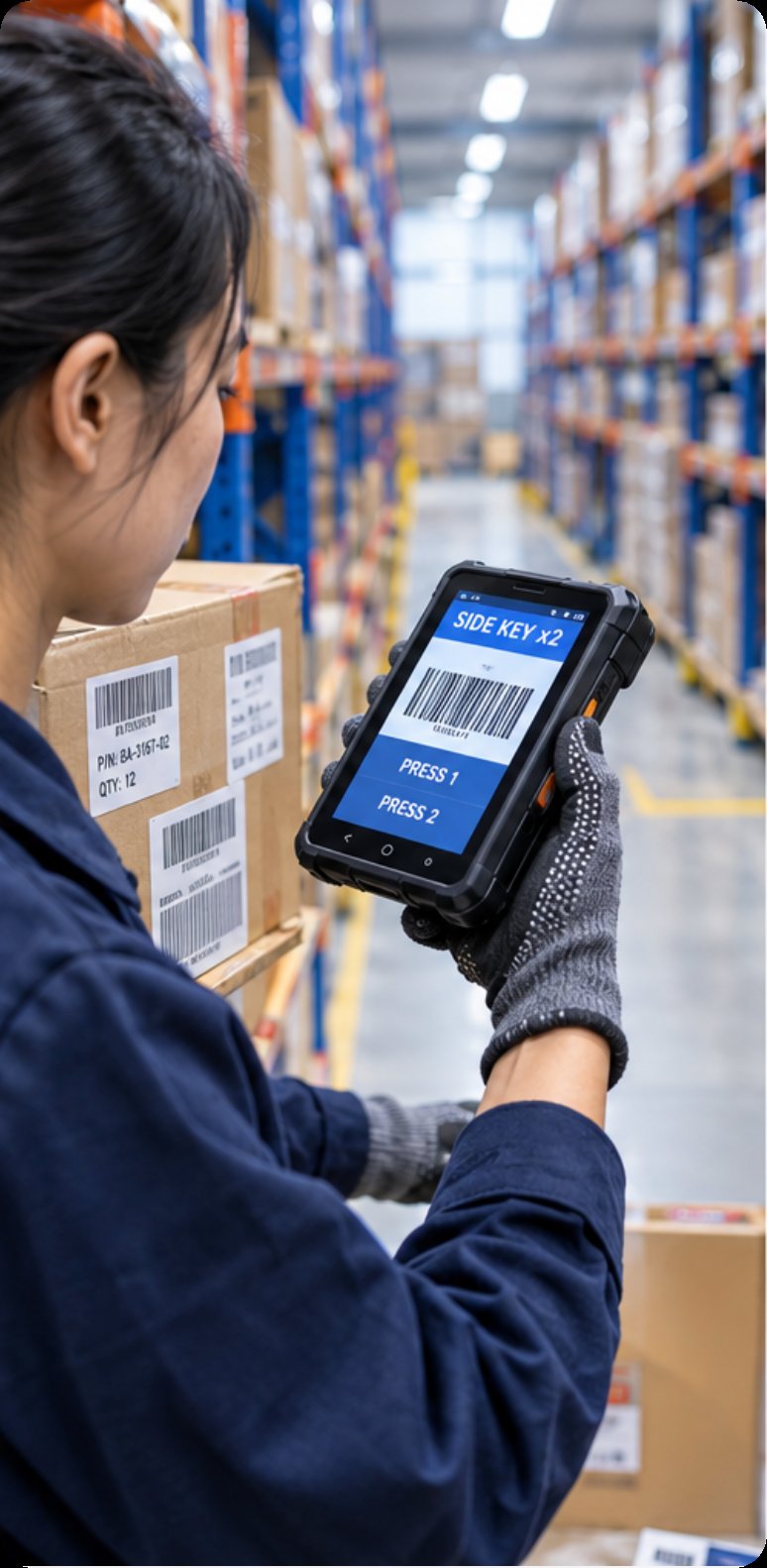
Mechanical wear does not announce itself on a screen. The handle-format reader carries silicone side keys, including power, volume up and down, a handle trigger and two further scan keys, and every one of those is a contact with a finite number of presses behind it. The compact handheld has moving points of its own, and its 4.5-inch panel is Corning Gorilla glass specified for use with gloves and wet hands. That specification is about the glass and the touch layer; it says nothing about the seal around the edge, which is a separate part with its own life and its own replacement interval. The handheld is the unit where this matters most, because it spends the whole shift in a hand. The signal is a rising proportion of scans that take a second or third press, and the useful measurement is that proportion rather than a count of outright failures.
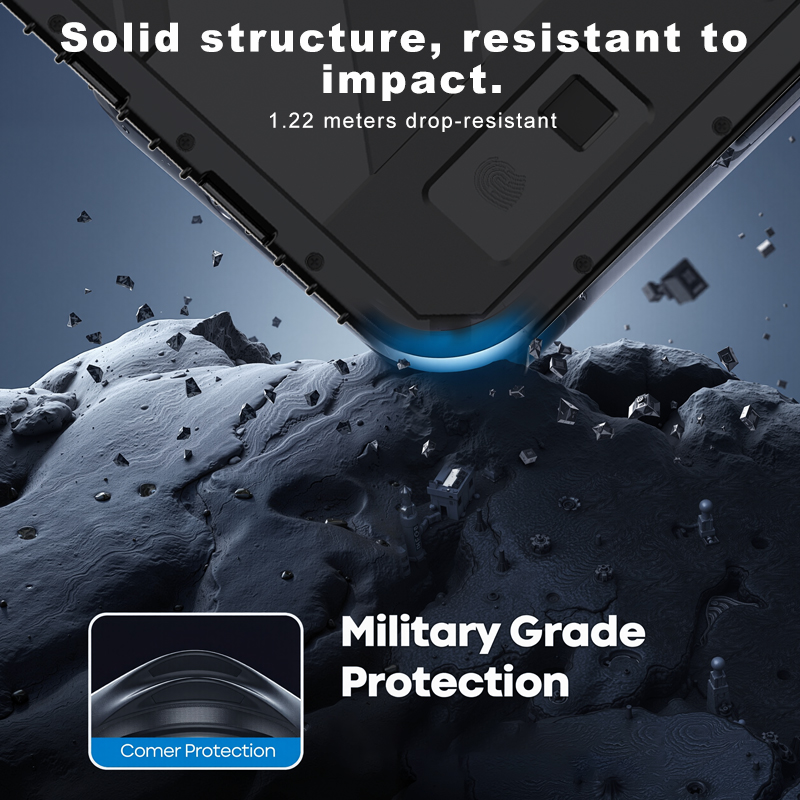
There is a second mechanical face that is easy to miss. The eight-inch unit is rated waterproof, shockproof and drop resistant, and those ratings describe the chassis rather than the edges and gaskets that make the ratings true. A device that has landed on a corner can pass every functional test and still be one wash-down away from a problem, because the seal that was compressed is no longer the seal that was designed.
The read path is the only component that gets worse exactly when it gets dirty, and it is the one that gets cleaned last. On the compact handheld the scanning hardware is a linear engine or an imaging engine depending on configuration, and the optional near-field reader works at a range of two to five centimetres. A different window geometry sits in front of each option, and each collects a different kind of contamination: dust off packaging, adhesive off labels, and the film that builds on anything handled all day. The trigger-operated reader is the most exposed of the three, because a device aimed at a tag rather than laid against a label depends on distance, and distance is what suffers first.
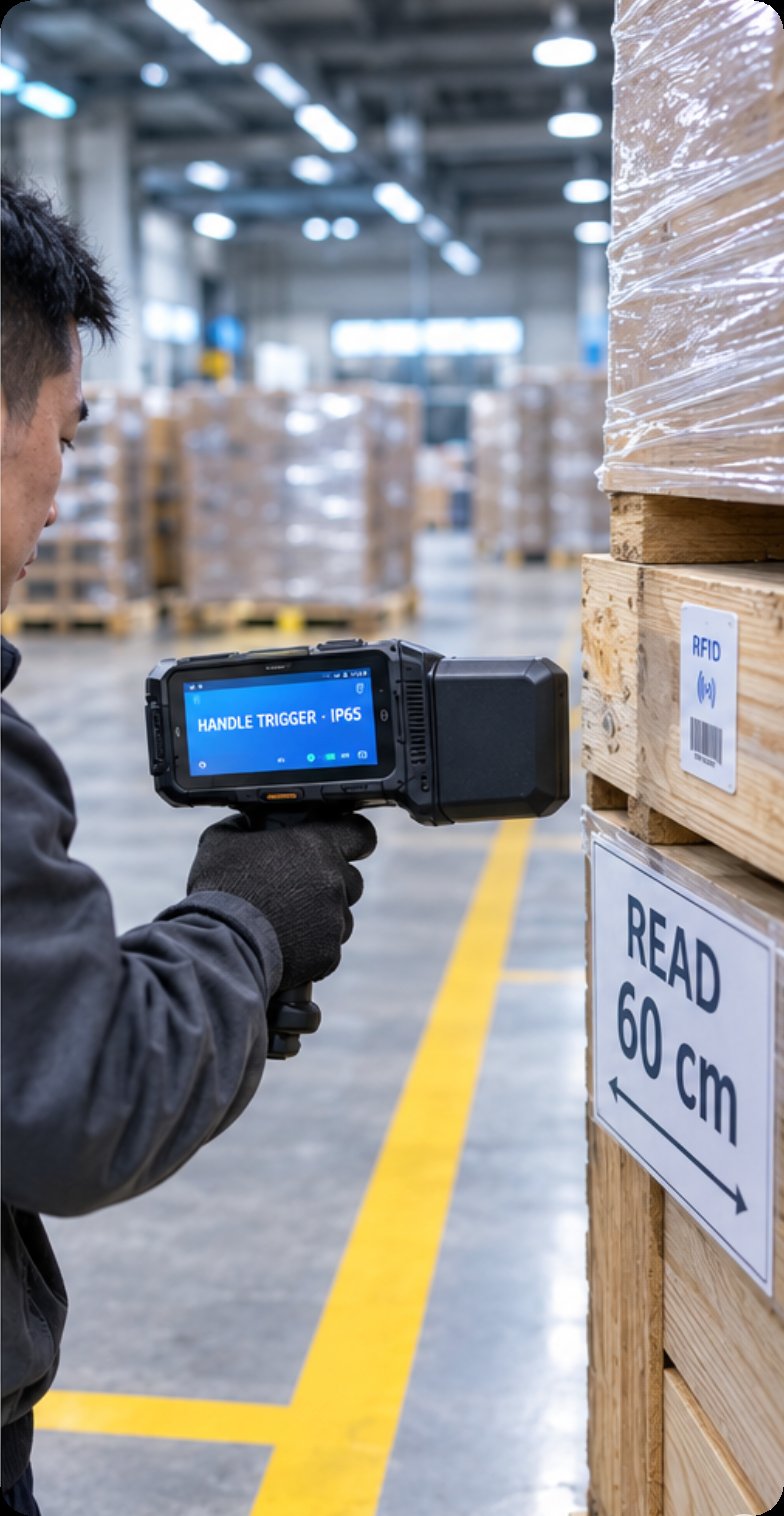
The signal here is a shortened working distance, not a failed read. A unit that once answered from sixty centimetres and now needs forty is not yet broken and is already degraded. Cleaning the window is the first action, and the recovery is the test: if the distance returns, the problem was on the surface. If it does not, further wiping will not help and the engine or the antenna path is the place to look. This is the one component where the cheapest action is also the diagnostic.
The three lives do not run independently, and the interesting decisions happen where they overlap. A device can be on its fourth pack while the contacts are barely worn, which makes whole-unit replacement look wasteful because the chassis is still good. A trigger-operated reader can wear its moving parts out while the cell still has most of its cycles left, which makes the same decision look obvious in the other direction. The question worth asking is not how old the unit is but how many of its lives have ended. One life ending is a component decision. Two ending close together is a unit decision, because the third is not far behind and the labour spent replacing parts one at a time starts to exceed the cost of the parts themselves.
| Unit | Which life ends first | What the specification states | What the log has to record |
|---|---|---|---|
| RFID Industrial PDA D802 | The pack, then the sealed edges | 8-inch 1920x1200 panel, 3.8 V 9000 mAh removable pack, rated waterproof, shockproof, drop resistant and anti-dust | Pack serials, corner impacts, seal replacement dates |
| T80 Handheld PDA | The side keys, then the window | 4.5-inch panel, 4200 mAh removable pack, linear or imaging engine, optional near-field reading at 2 to 5 cm, Gorilla glass for gloves and wet hands | Second-press rate, window cleaning dates |
| R501 Tag RFID | The trigger, then the window | Handle format under 750 g, IP65 sealing, silicone power, volume, handle and two scan keys | Trigger presses, working read distance |
The table is deliberately about which life ends first rather than about which unit is better. A fleet that knows the order can plan the parts it keeps on the shelf, and a fleet that does not will keep the wrong ones.
Whole-unit replacement earns its place, but only under a condition that ought to be written down. It is the right action when two of the three lives are close to their end on the same unit, or when a unit has already absorbed one component replacement and then presents a second, unrelated symptom within a short interval. Outside those conditions the repair is cheaper and the diagnosis is more informative, because it tells the fleet which part is actually failing in service. A maintenance process that defaults to replacement loses that information permanently. It also tends to retire units whose cells and contacts were both still in good order, simply because nobody was tracking either one separately.
A maintenance record at device level says that a unit was seen. A record at component level says which pack went in, when the window was last cleaned, and whether the trigger has ever been changed. Only the second version can answer the question that actually gets asked after a bad shift: why did this unit stop reading from the distance it used to manage. The handheld range is designed so that the parts most likely to reach their limit first are the ones that can be reached and exchanged, which is only an advantage if the paperwork follows the parts rather than the serial number. That is the difference between a fleet that gets cheaper to run each year and one that simply gets older.
Comparing how these three behave against the rest of the range is the shortest way to set the thresholds, and the product comparisons section collects the measurements side by side. What matters either way is that the next maintenance decision is made about a part rather than about a device.