- Select Language
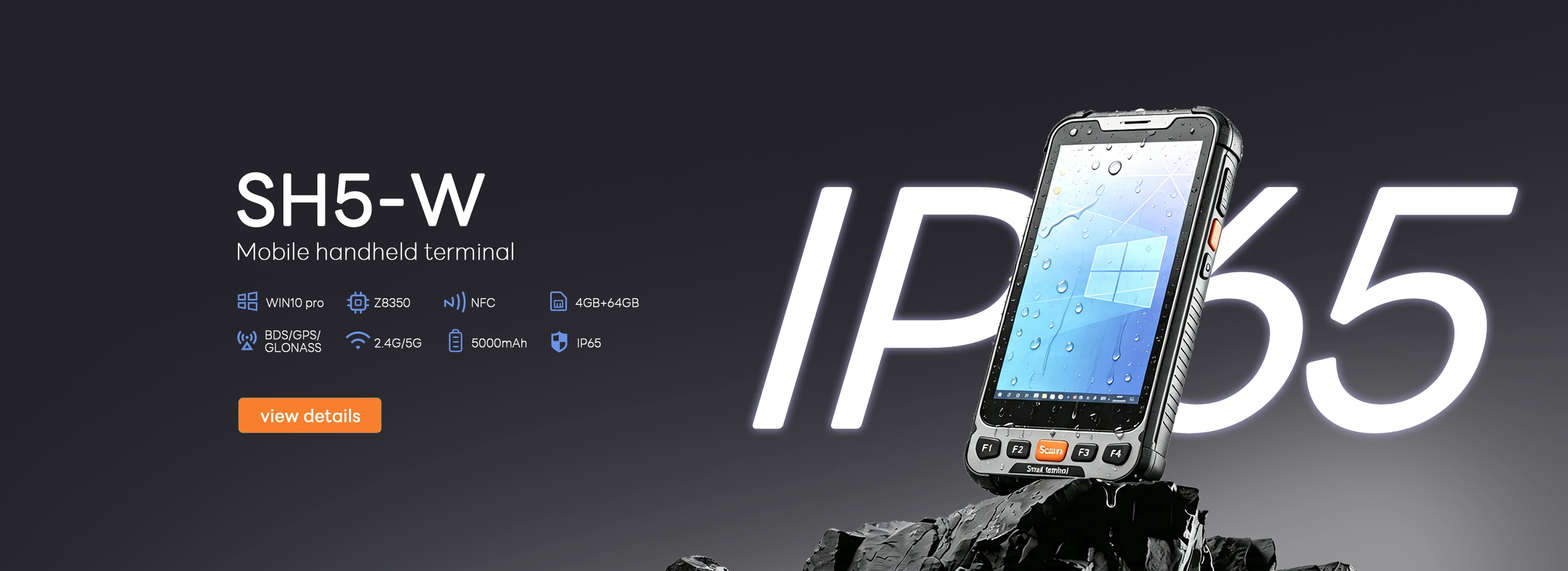
Full SpecificationsModel Hotus SH5‑WOperating ...
Explore an innovative Personal Digital Assistant f...
The N40 Android smart PDA features a Cortex-A53 qu...
R860-S 5.5-inch Industrial PDA with Thermal Printe...
Full SpecificationsModelHotus ST9‑JOSWindows 10 Pr...
From the unknown so simpleUsed for mobile phones, ...
The EGPU Graphics Card Expansion Dock is a high-pe...
A roadside check, a gate entry, a crowd line held for two hours - each of these ends with a record, and that record will later be read by somebody who was not standing there. The reader is not being difficult. They simply need to know that the entry was captured while the situation was still live, not reconstructed afterwards from memory. This is the point where hardware stops being a convenience and starts carrying weight, because the questions asked of a patrol log are narrow, and the answers have to come from something other than a person's recollection.
Three devices sit at different points in that chain. A handheld terminal stays with the officer and reads what is handed over, a 10.1in tablet covers the wider scene, and a Windows tablet works from the vehicle where the paperwork actually gets finished. None of them write policy, and none of them make a decision. What they decide is whether the evidence survives the first challenge, and it is worth being specific about where each one is strong and where it quietly hands the job to another unit.
Strip the language away and a defensible entry needs three things bound together at the moment of contact: who was there, where it happened, and when the reading was taken. Individually each one is easy. It is the binding that fails in practice, because a name typed an hour later and a location entered from a street sign are both guesses wearing the same font. Field operations that hold up tend to capture all three in one action, on one device, before the officer moves on. A record assembled from three separate actions carries three separate timestamps, and reconciling them afterwards is work that nobody budgets for. The sections below take each leg of that chain and look at which of the three units carries it.
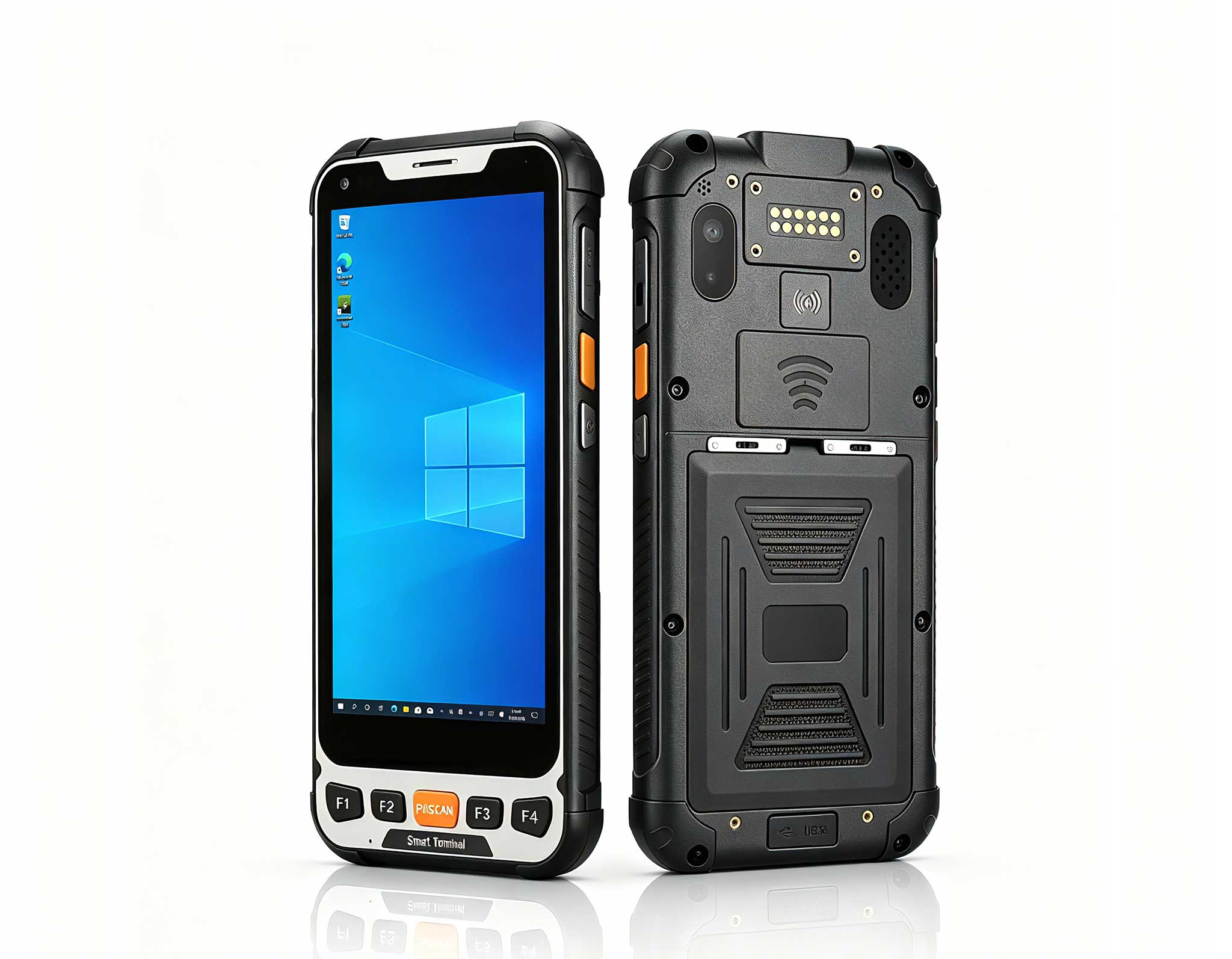
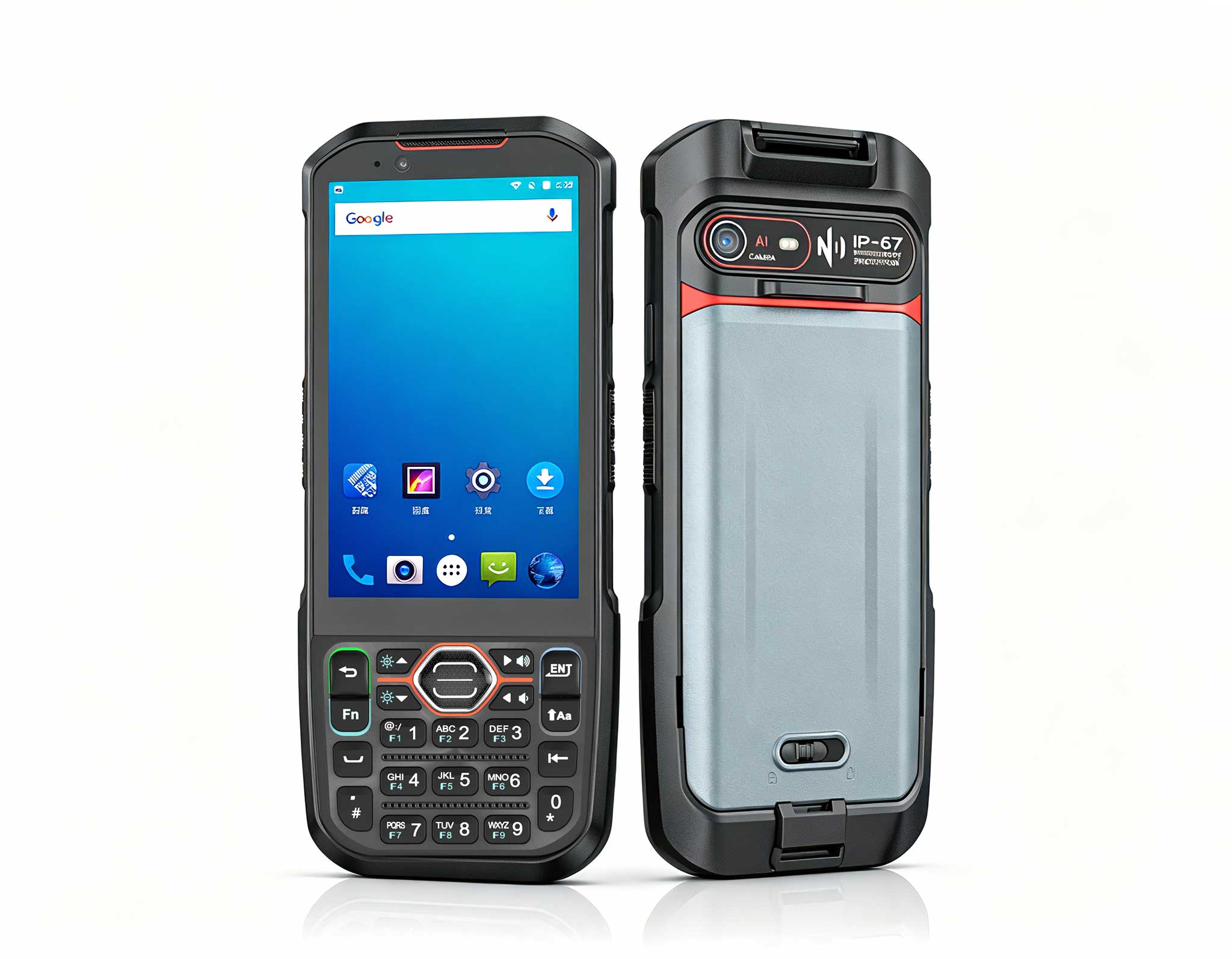
The nearest work happens at arm's length, with something being presented and something being read. The RS51 handheld terminal covers that moment with two optional readers: an NFC module at 13.56MHz handling ISO14443A/B, ISO15693, M1 (S50 and S70) and CPU tags at a read distance of 2-3cm, and a 2D barcode scanner rated to an accuracy of 3mil. The short read distance is the useful part rather than a limitation, since a chip has to be brought to the device instead of being swept from across a car. Its 5000mAh 3.8V pack is detachable, so a depleted unit is swapped at the kerb instead of ending the shift, and the chassis is sealed to IP67 with a 1.2m drop tolerance across -10°C to 50°C.
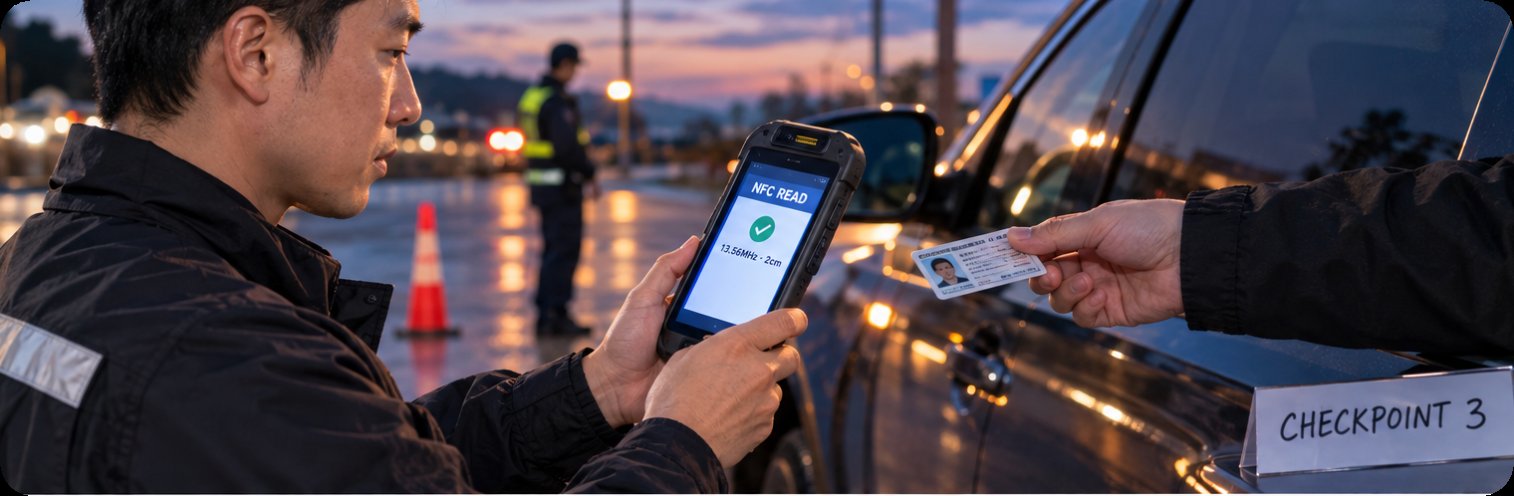
Position is the leg that quietly breaks. A location typed into a form is a claim about where the officer believed they were, and it is the first thing a challenge goes after. Both the handheld and the larger tablet carry GPS, Glonass and Galileo, and both offer an optional independent Beidou module with RTK support that reports horizontal accuracy in the 2-5cm band without an external receiver. That number matters less for its precision than for its origin: the coordinate is produced by the unit that also produced the reading, so the two carry the same timestamp. For a checkpoint marker, a seized-item location or a roadside position recorded in poor signal, that is the difference between a fact and an estimate. It also closes the argument about which instrument fixed the position, because the coordinate and the reading travel together instead of being matched up later from two separate logs.
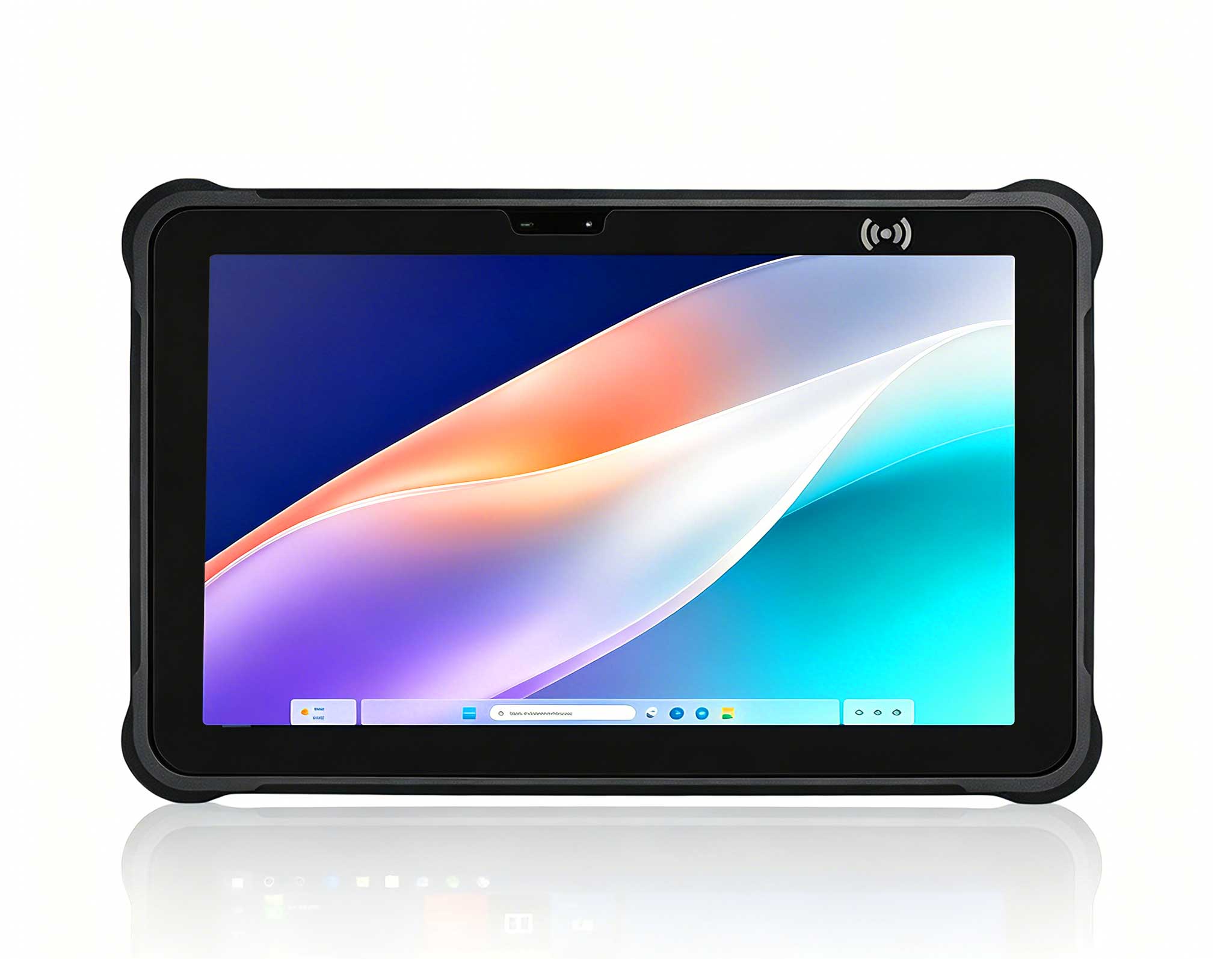
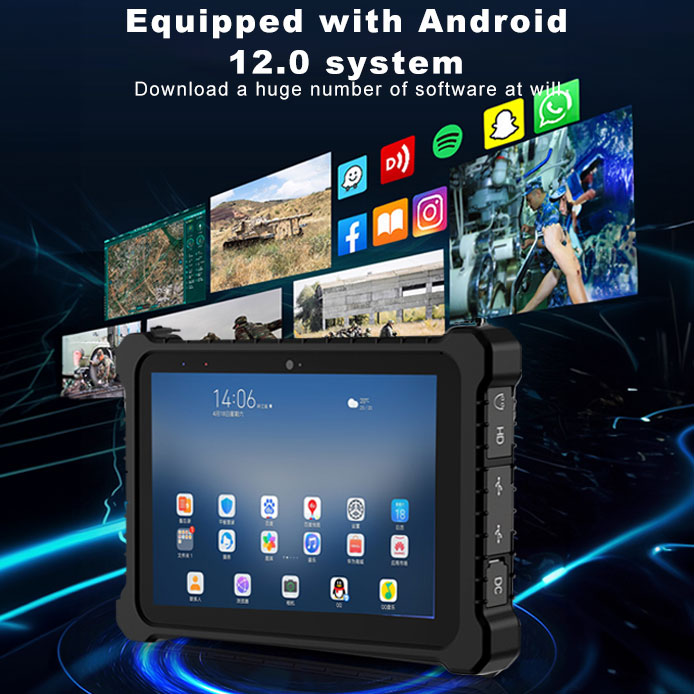
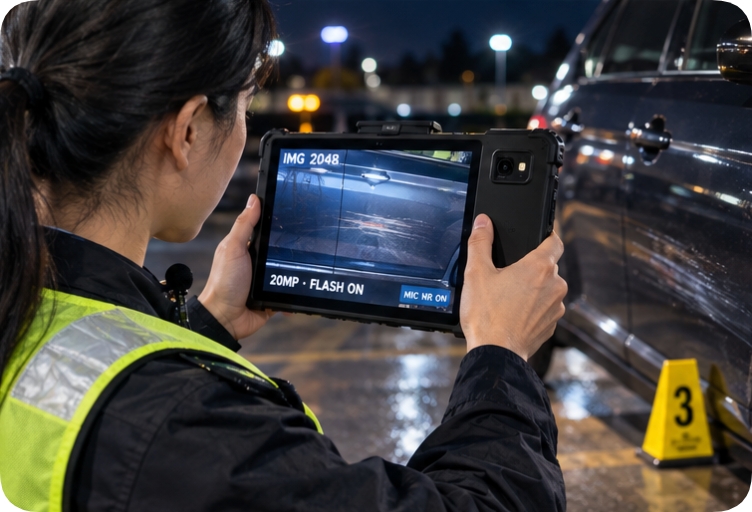
Sight and sound are the two record types nobody can re-run. The RT81 rugged tablet carries a 20MP autofocus rear camera with flash alongside an 8MP front unit, so condition, damage and placement are captured in a resolution that survives cropping later. Its audio side is built the same way, with 2W stereo speakers and dual microphones using noise reduction, which is what makes a spoken note usable when it is recorded beside a running engine or a busy road. The 10000mAh 3.8V pack is non-removable, and the 10.1in IPS panel at 1200x1920 and 400 nits is bright enough for a shaded doorway without being the tool you hand out at noon.
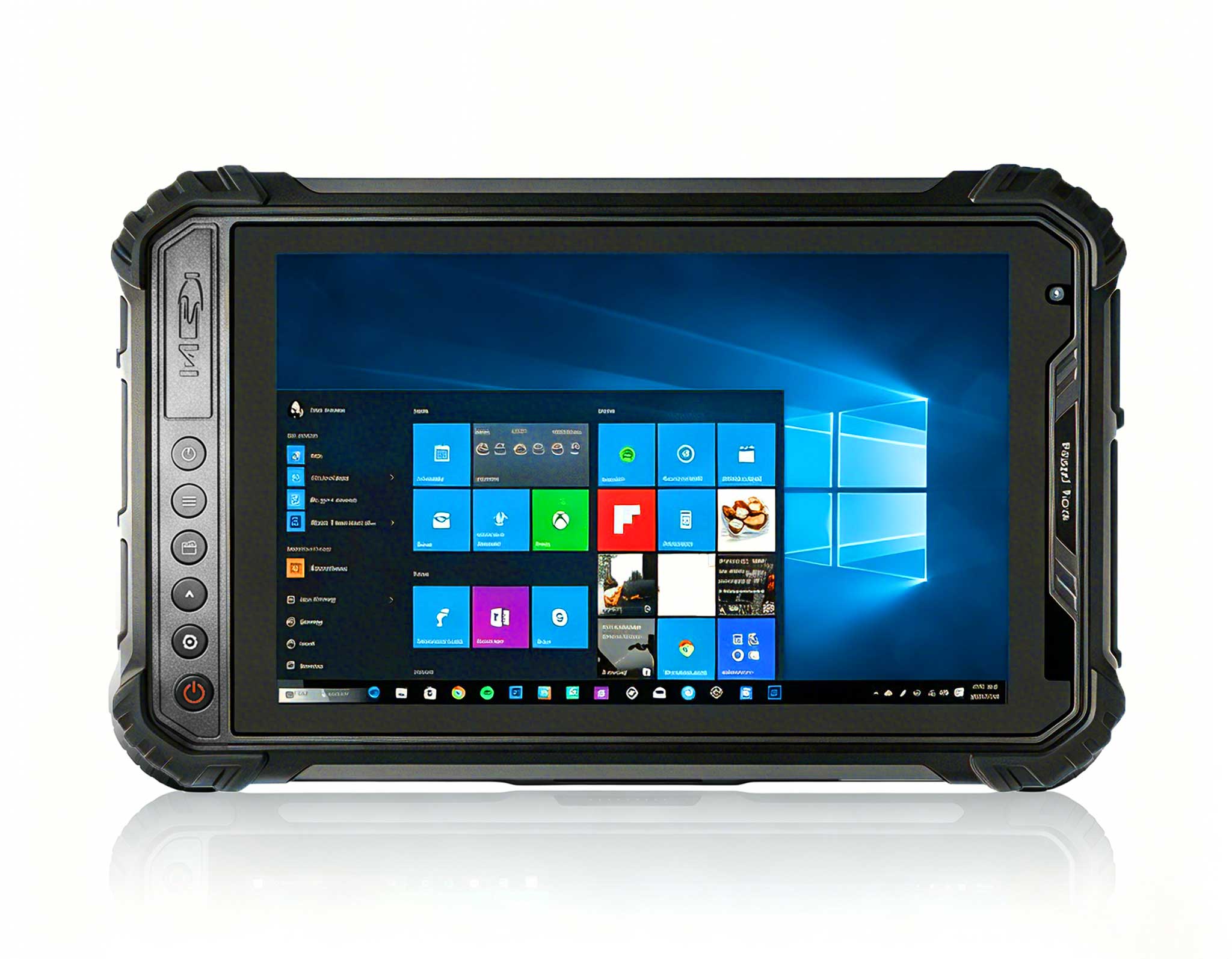
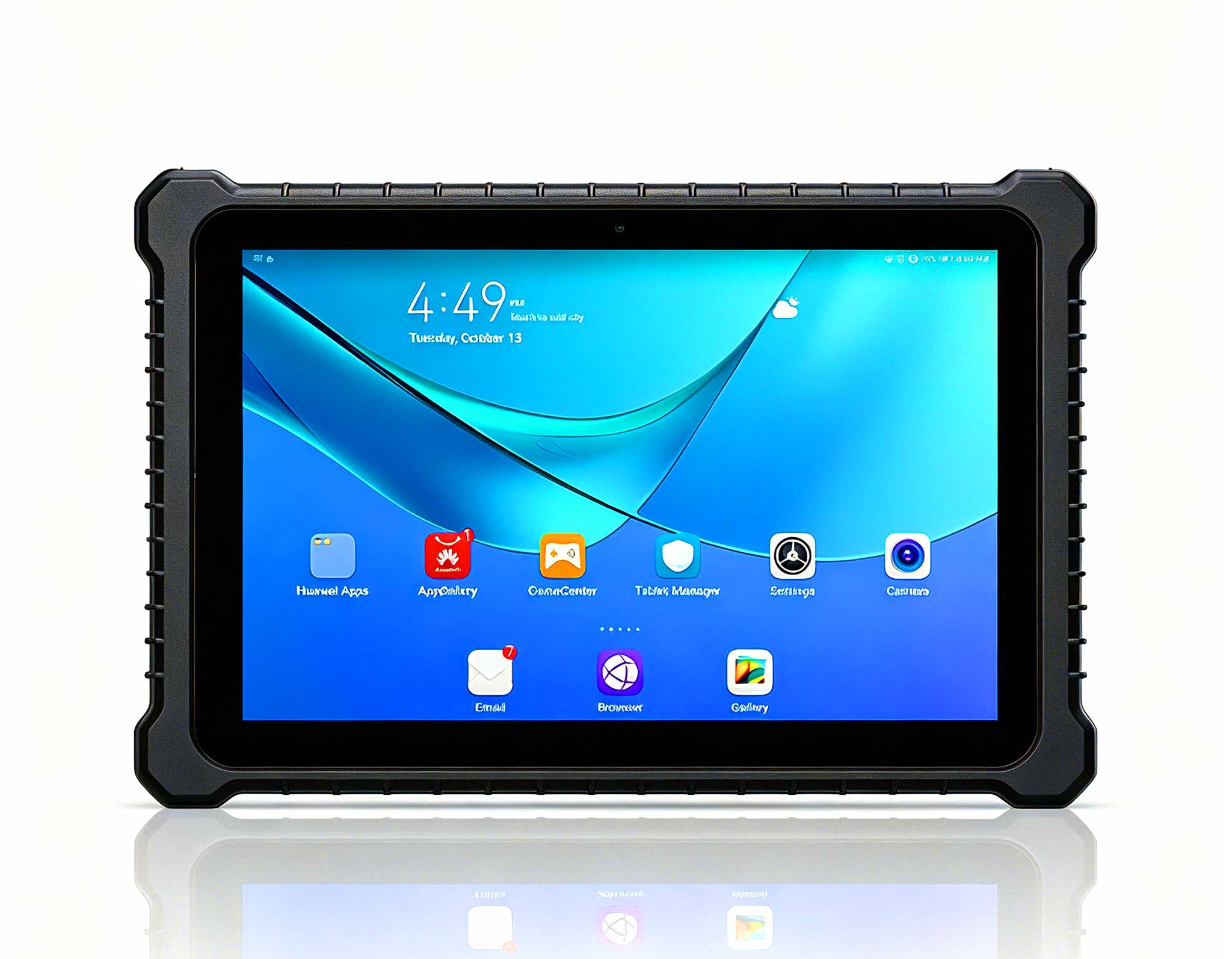
Most of the writing happens after the stop, and it happens in worse light than anyone plans for. The HTXUK10A-55 rugged tablet answers that with a 10in LCD at 1920x1200 and 550 nits, upgradeable to 700 nits, under a 10-point capacitive layer rated at 7H hardness. It runs Windows 11 on an Intel Core 12th Generation i7-1255U with 10 cores and 12 threads, so the same desktop software used at the station runs in the vehicle without a porting project. Memory starts at 16GB with 128GB of storage expandable to 1TB, the 11200mAh 7.6V pack is detachable and rated for 7 hours of working time, and the whole unit is sealed to IP65 for -20°C to 60°C. That temperature floor is the widest of the three, and it is the figure to check against a winter patrol in the north, where the other two units are rated only down to -10°C.
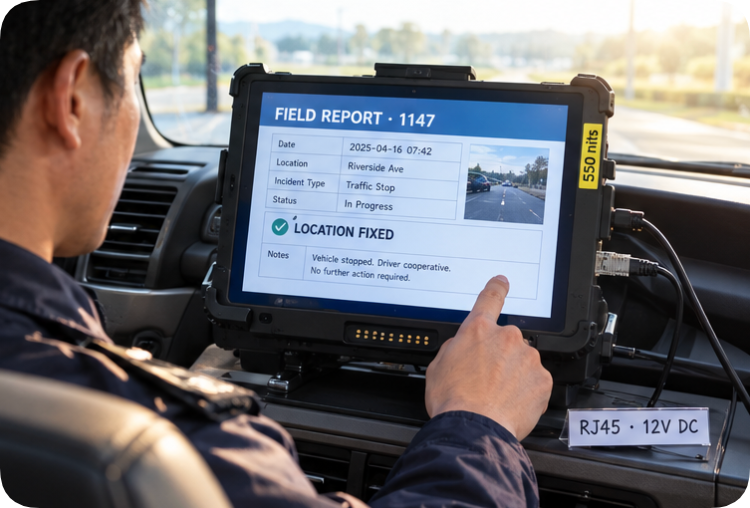
A tablet that cannot reach the equipment already fitted in the car becomes a second system, and second systems get abandoned. The HTXUK10A-55 carries audio, Mini HD, USB, Type C, DC IN, RJ45, COM (VGA), a combined TF and SIM slot and a 12-pin POGO connector, powered through an AC100-240V adaptor at DC19V and 3.42A. Ethernet and serial matter here more than they do on a desk, because a fixed reader, a printer or an older in-car terminal attaches to them directly. Optional modules extend the same body to 4G, NFC, scanning, fingerprint capture, a charging dock, GNSS, RFID and RS232 or RS485, which is how one chassis covers a fleet that was bought across several years. The practical test is whether the oldest unit still mounted in a patrol car can talk to the new tablet, because where it can, the rollout is a device swap rather than a rebuild.
Read side by side, the three units are not competitors so much as three answers to different parts of the same shift. The table below keeps only the fields published for all three, so that no cell has to be inferred or left as a placeholder.
| RS51 | RT81 | HTXUK10A-55 | |
|---|---|---|---|
| Platform | Qualcomm SM6225 octa-core 2.4GHz, Android 13 | Qualcomm SM6115 octa-core 2.0GHz, Android 13 | Intel Core i7-1255U, 10 cores, Windows 11 |
| Display | 6.3in IPS FHD+ 1080x2340, 5-point capacitive | 10.1in IPS FHD 1200x1920, 400 nits, 10-point | 10in LCD 1920x1200, 550 nits, 7H surface |
| Memory | 4GB RAM + 64GB storage, TF to 256GB | 4GB+64GB or 8GB+128GB, TF to 256GB | 16GB RAM + 128GB, expandable to 1TB |
| Battery | 5000mAh 3.8V, detachable | 10000mAh 3.8V, fixed | 11200mAh 7.6V, detachable, 7 hours working |
| Ingress rating | IP67 sealed, 1.2m drop, -10°C to 50°C | IP67, 1.2m drop tolerance, -10°C to 50°C | IP65, -20°C to 60°C |
| Read options | NFC 13.56MHz, 2D scanner at 3mil, Beidou RTK | NFC 13.56MHz, 2D scanner at 3mil, Beidou RTK | NFC, scanner, fingerprint, RFID, GNSS (all optional) |
Weight is deliberately absent, and the reason is a difference in how the figures are published rather than a missing measurement. The handheld is quoted under 500g and the Android tablet under 650g for the bare unit, while the Windows tablet publishes a single figure of 2.0KG labelled as a gross weight with the carton included. Placing those three numbers in one row would put three different quantities under one heading, which is exactly the kind of shortcut that makes a comparison sheet untrustworthy.
Four questions settle most of the uncertainty before a purchase order exists. Is the reader you need actually fitted rather than optional, since NFC, scanning, fingerprint and the Beidou module all sit on the options list for these units? Does the RTK figure come from the device itself or from a paired receiver? Can the pack be swapped without ending the shift, which separates the two handheld-grade units from the fixed-battery tablet? And do the ports reach the hardware already bolted into the vehicle, or does the fleet need a second installation? The same questions apply across the wider handheld and tablet range, and the answers are worth comparing alongside the field notes in our equipment comparisons before a specification is signed.