- Select Language
P11 Series Next-Gen Enterprise Rugged Industrial ...
Enterprise Flagship SeriesEngineered for mission-c...
Maintenance instructions: Store at room temperatur...
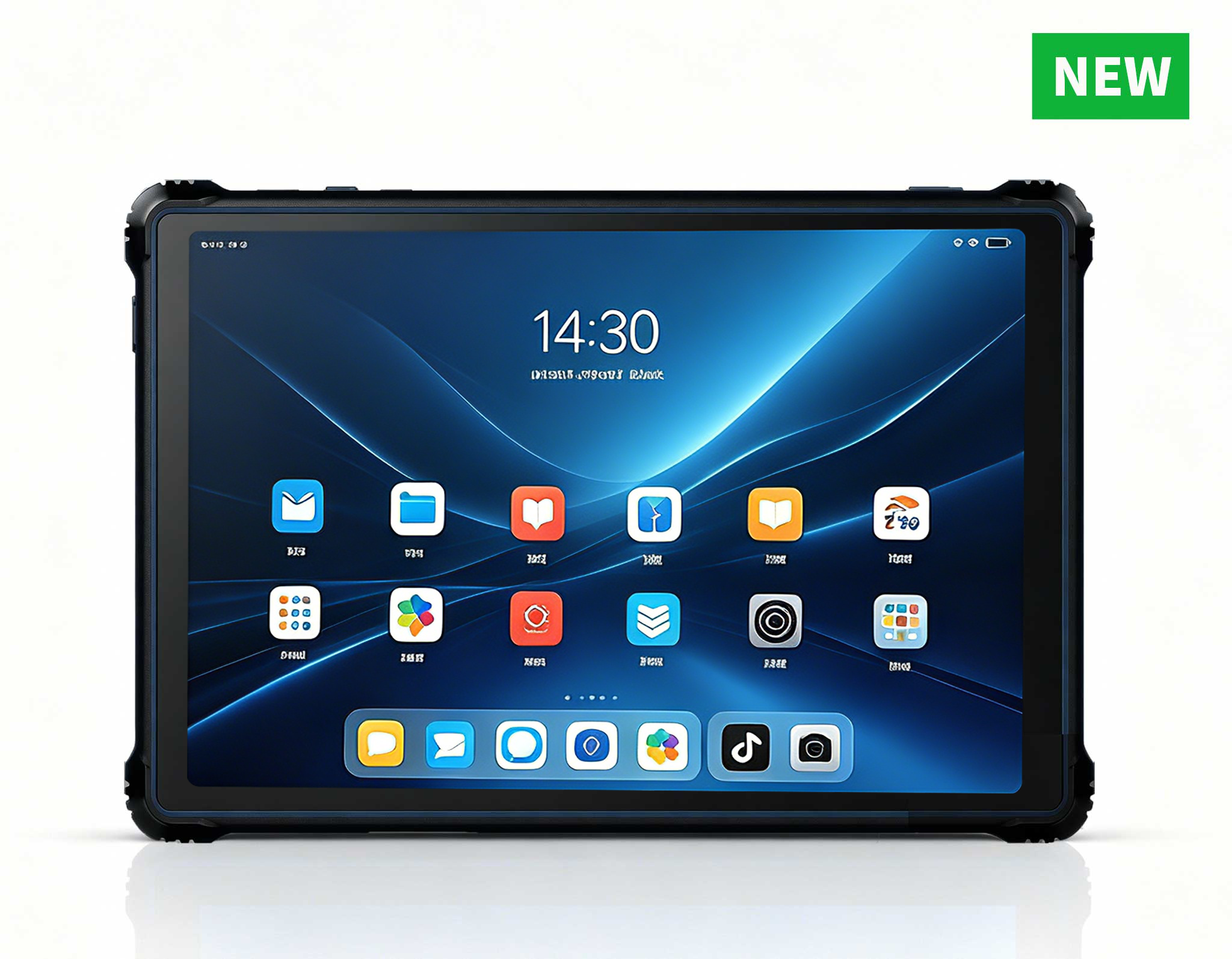
RT82 5G Rugged Tablet | 10.1" FHD 400nit | Qu...
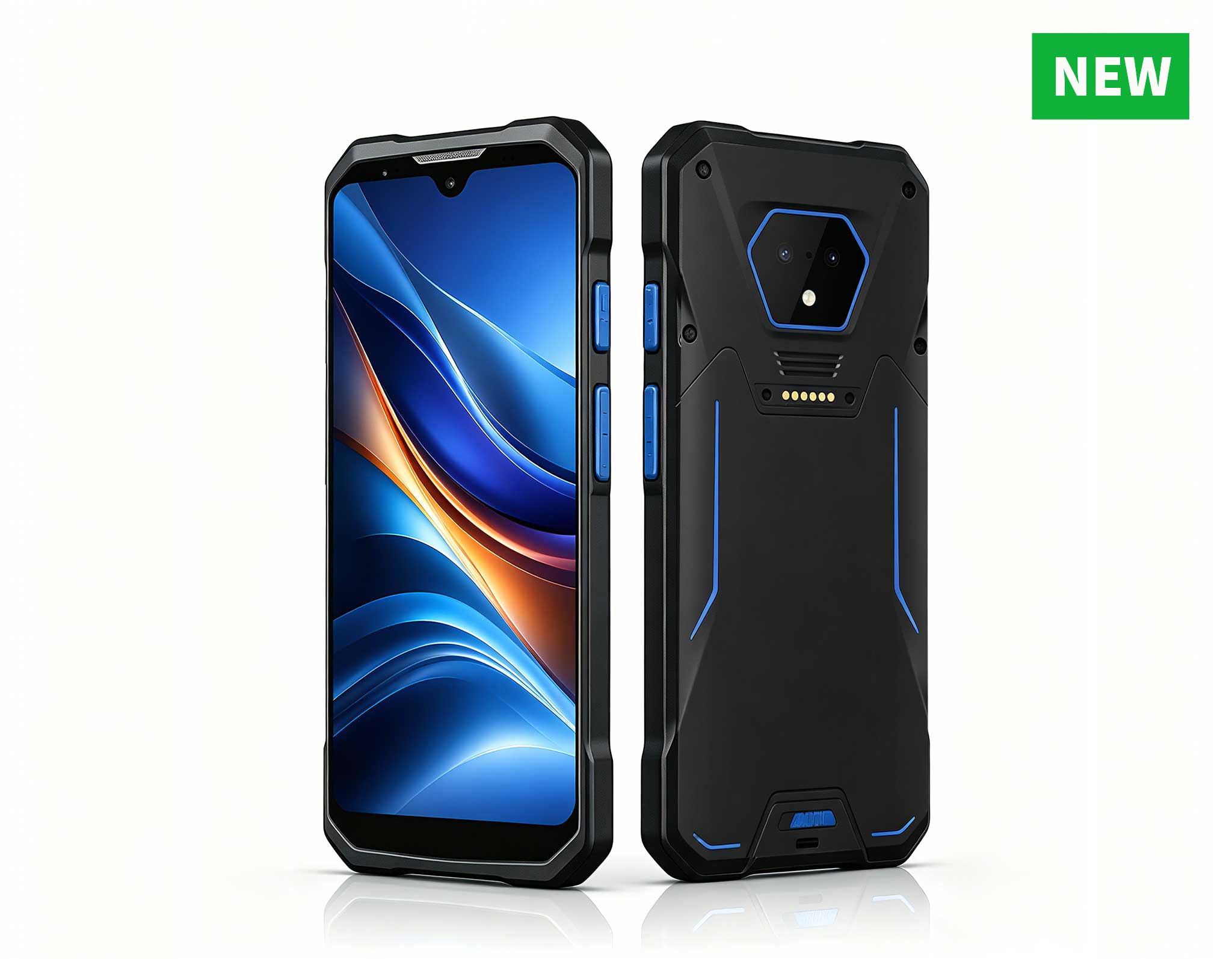
RS51 4G Rugged Handheld Terminal | 6.3" FHD+ ...
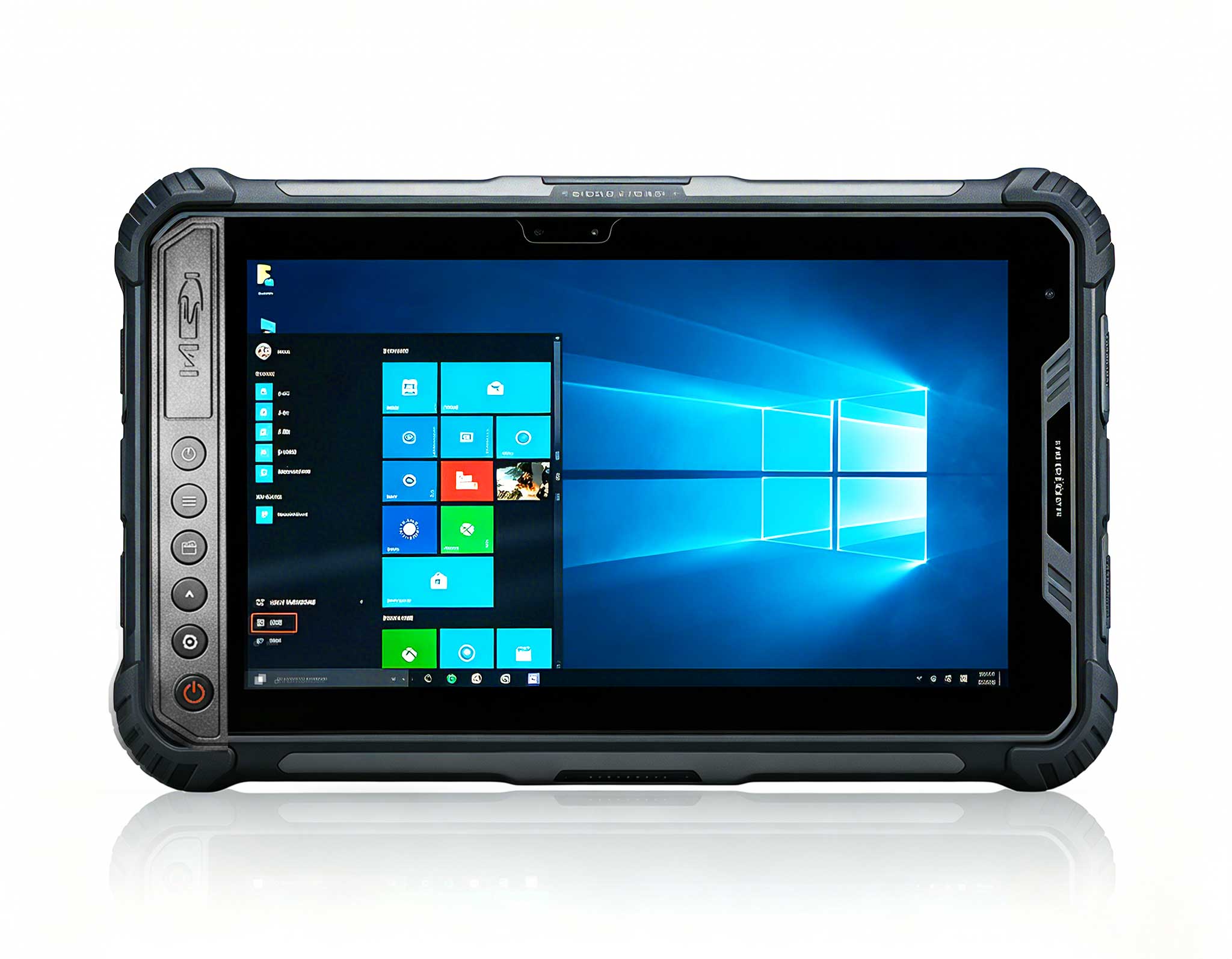
Full SpecificationsModelHotus ST11‑JOSWindows 10 P...
Draw up a comparison sheet for the machines that will live on a clinic trolley and the first draft always looks calm. Model, weight, battery, screen, protection, and a column of figures that look like one scale. Then the three shortlisted units arrive, and the rows stop lining up. A figure that looked like a specification turns out to be a shipping figure. A size line reported in one unit has no counterpart in the other. Nothing on the device is wrong. The row simply stopped meaning what the header promised.
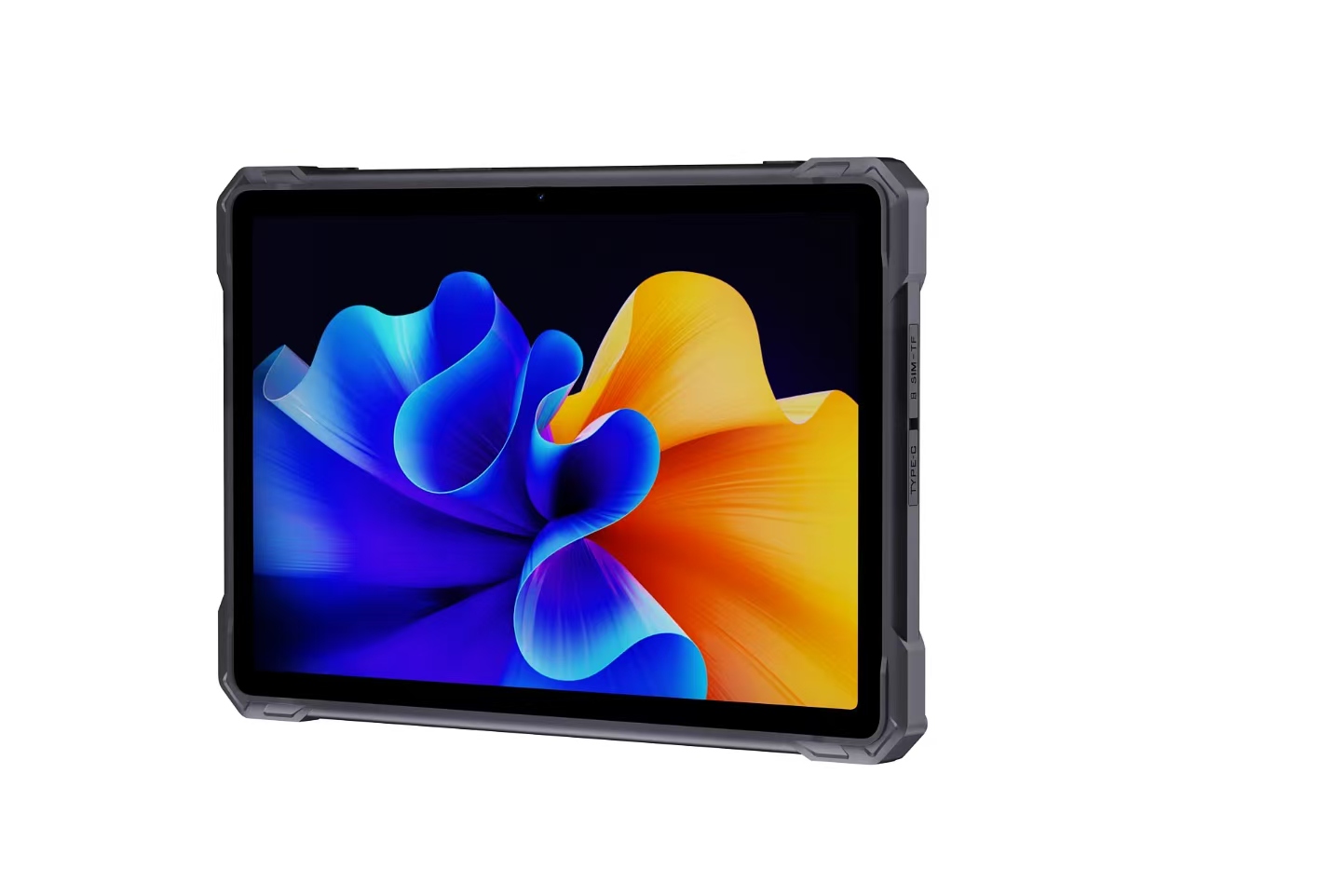
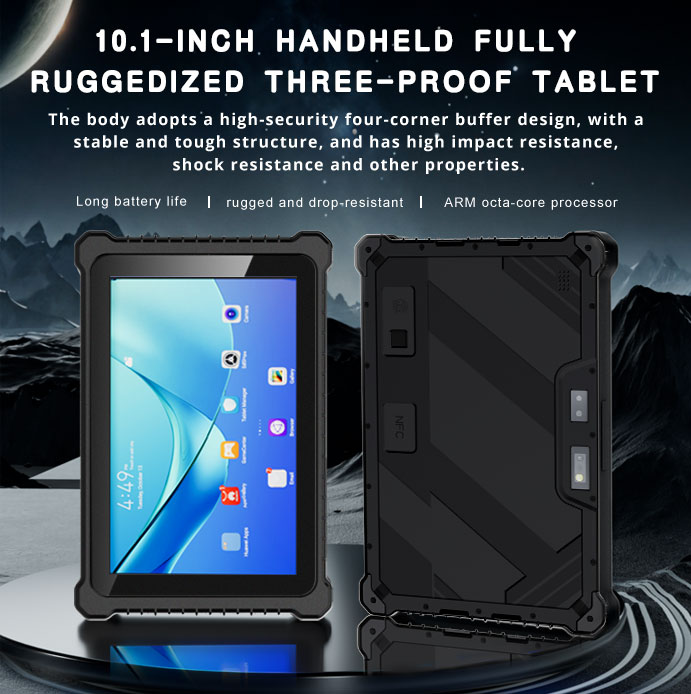
That is the everyday trap when a hospital standardises on rugged mobile computing for medical workstations and carts. The purchase sheet is written once, but it is read against three different kinds of hardware, and each was documented by a different team with its own habit. Here are the rows that break first, using a 10-inch Windows tablet, a second 10-inch tablet and a palm-sized mini PC as the worked example.
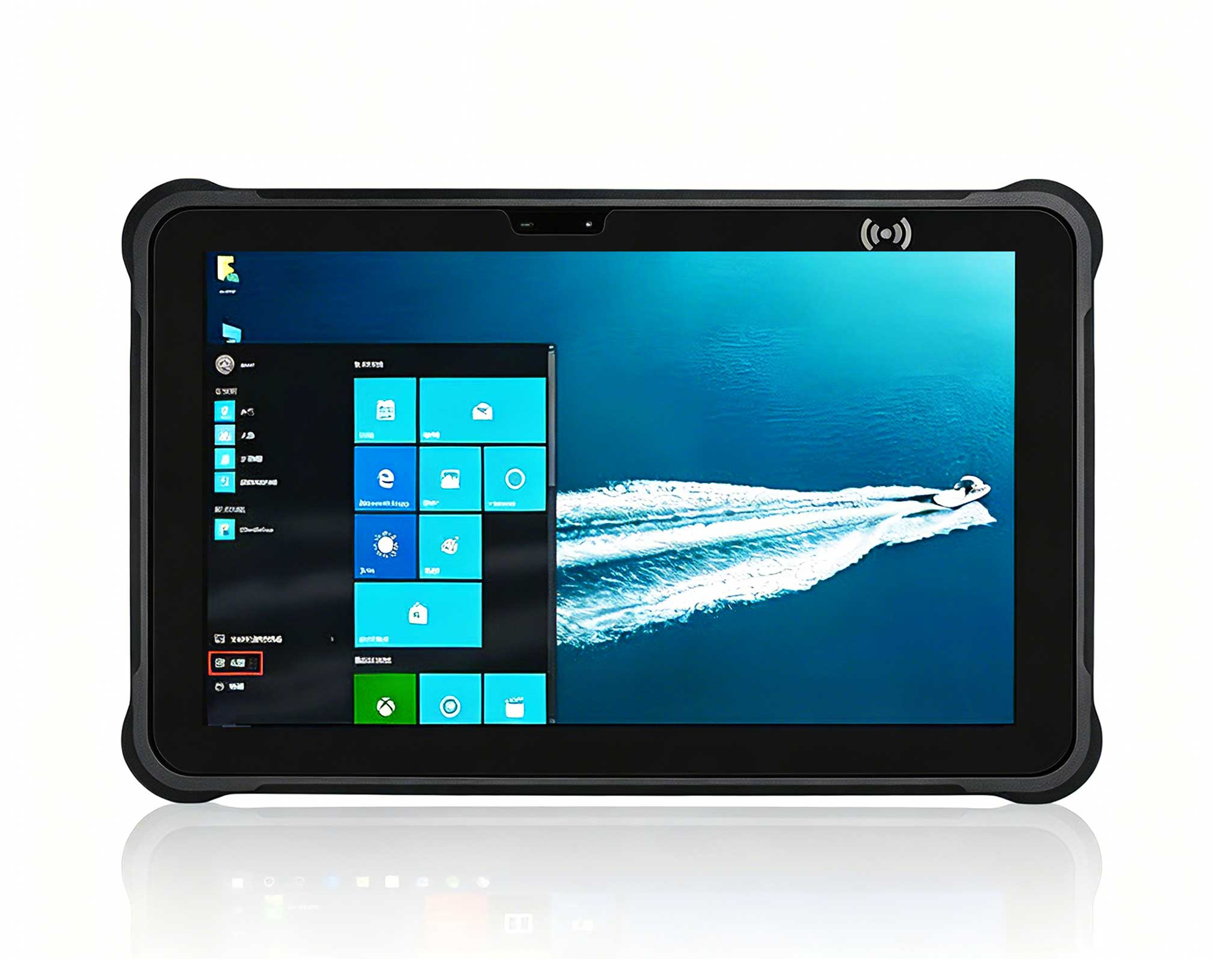
Weight is the row everyone trusts and the one that misleads soonest, because the figure in the cell never says what it is counting. On the first unit the number is the bare device, weighed on its own and reported with an admitted spread. It reads 1190 plus or minus 50 g. That tolerance is not decoration. A hundred grams of give settles whether a nurse can hold the unit in one hand while steering a trolley with the other.
Open the page for the ST11-U and the row is unusually candid, because the tolerance is printed beside the figure instead of hidden in a footnote. Nobody has to guess whether the figure is a promise or a measurement.

| Row on the sheet | ST11-U | HTNJ10C | Palm-sized miniPC |
|---|---|---|---|
| Weight | 1190 plus or minus 50 g, device only | One G.W. 2.1 kg, carton included | 800 g, device only |
| Size line | 268.9 x 176.8 x 18 mm | 28.4 x 19 x 2.5 cm | not published |
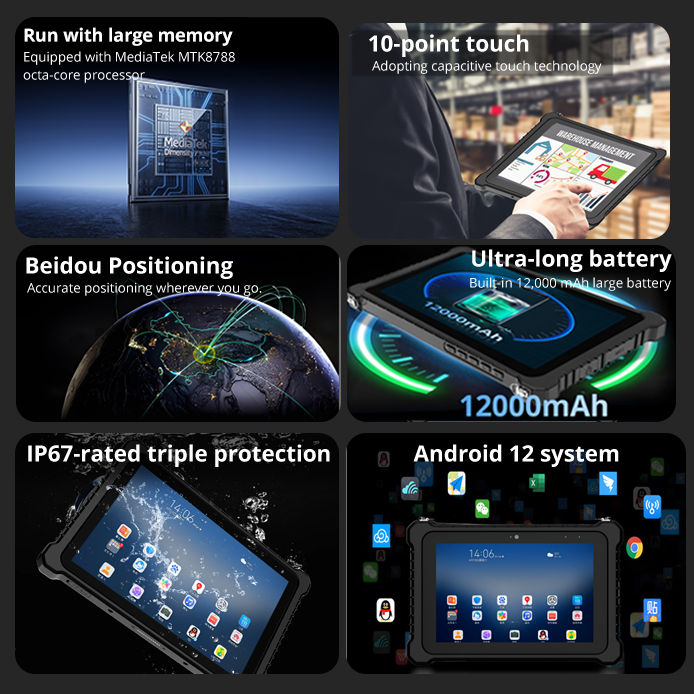
| Battery | 6000 mAh / 7.6 V | 3500 mAh / 7.6 V | none, mains powered |
| Display | 10.1-inch IPS, 1200x1920, 450 nits | 10-inch LCD, 1200x1920, 560 nits | no panel, up to 8K output |
| Protection | IP54, 1.2 m drop | IP67, 1.22 m drop | not listed |
| Processor label | i5-1235U / i7-1255U | N100, printed as 10th Generation | 12th Gen, i3-1215U and up |
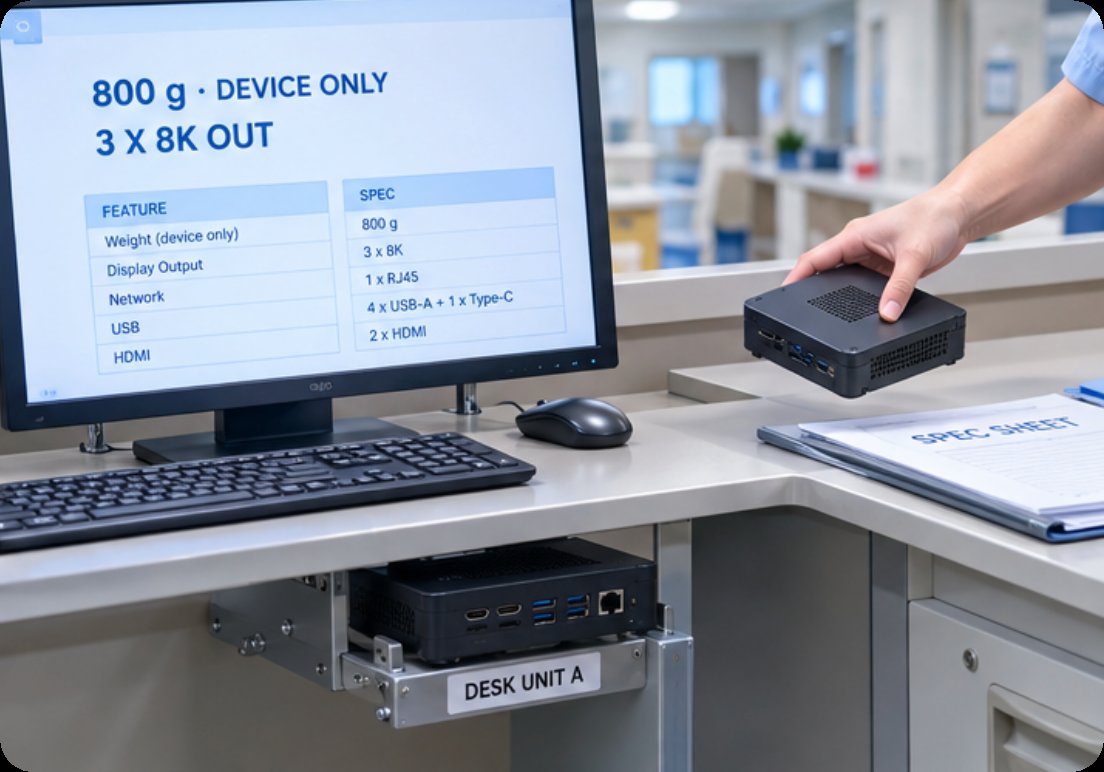
Move to the second tablet and the same row changes species. The published figure is One G.W. 2.1 KG, and the letters are the tell. G.W. is gross weight, and the sheet that reports it also lists a carton two centimetres wider than the unit on every side. So the 2.1 kg counts the box, the foam, the adaptor and the paperwork along with the hardware. Set that beside 800 g from the mini PC and the two numbers are not on one scale at all, even though both sit under the header Weight.
For a workstation that gets carried between rooms the choice matters. A gross figure tells the person at the goods door what they will lift, and nothing about what the device weighs in service. A tolerance figure tells the clinical team what the unit weighs in the hand, and nothing about the crate. A buyer who misses the letter ends up comparing a machine against a parcel.
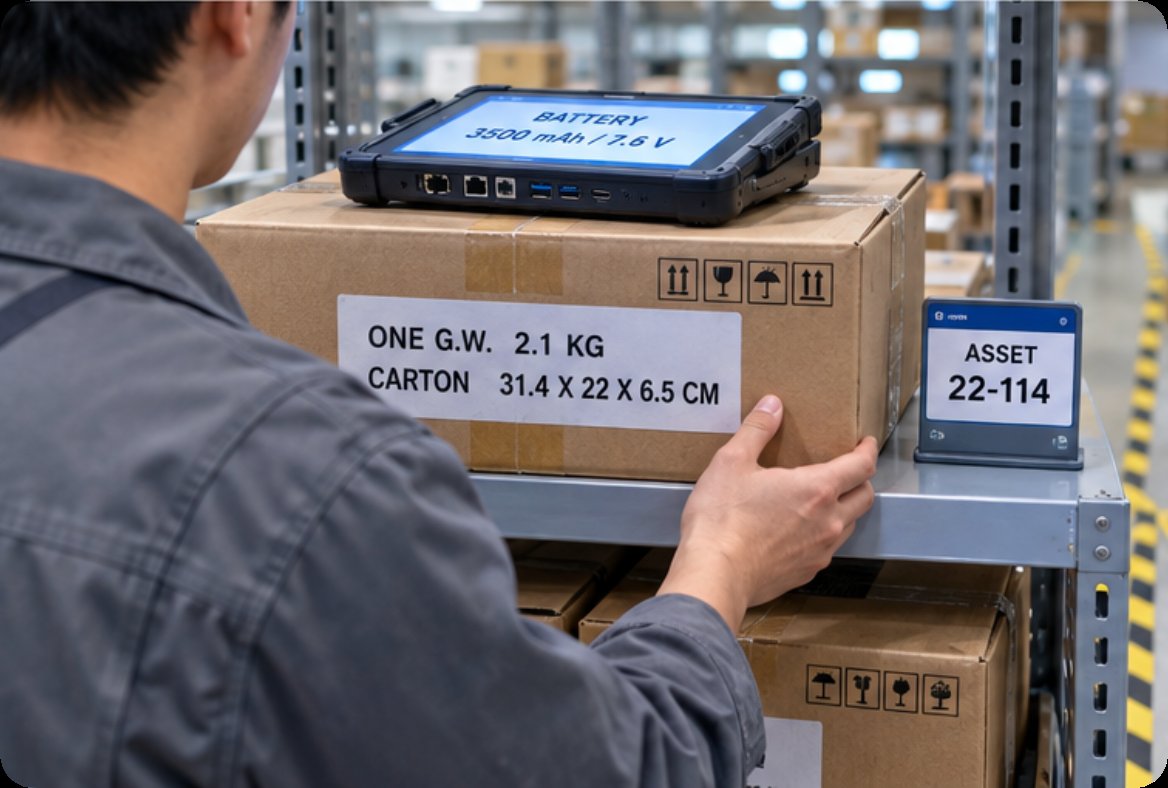
The size line fails for a quieter reason. One sheet gives 268.9 x 176.8 x 18 mm, the next gives 28.4 x 19 x 2.5 cm, and the third leaves the row empty because a palm-sized box has no panel to measure against. Put the first two in one table and the columns look wildly different until someone notices the unit. The gap between 268 and 28 is a factor of ten, not a design decision, and a clerk sorting the column will place the wrong unit on the trolley.
The HTNJ10C reports in centimetres and publishes its carton size beside the body size, so its figures travel well once the unit is read correctly. The lesson is unglamorous: a size row is only comparable when it carries its unit in the cell, because the header cannot carry it for you.
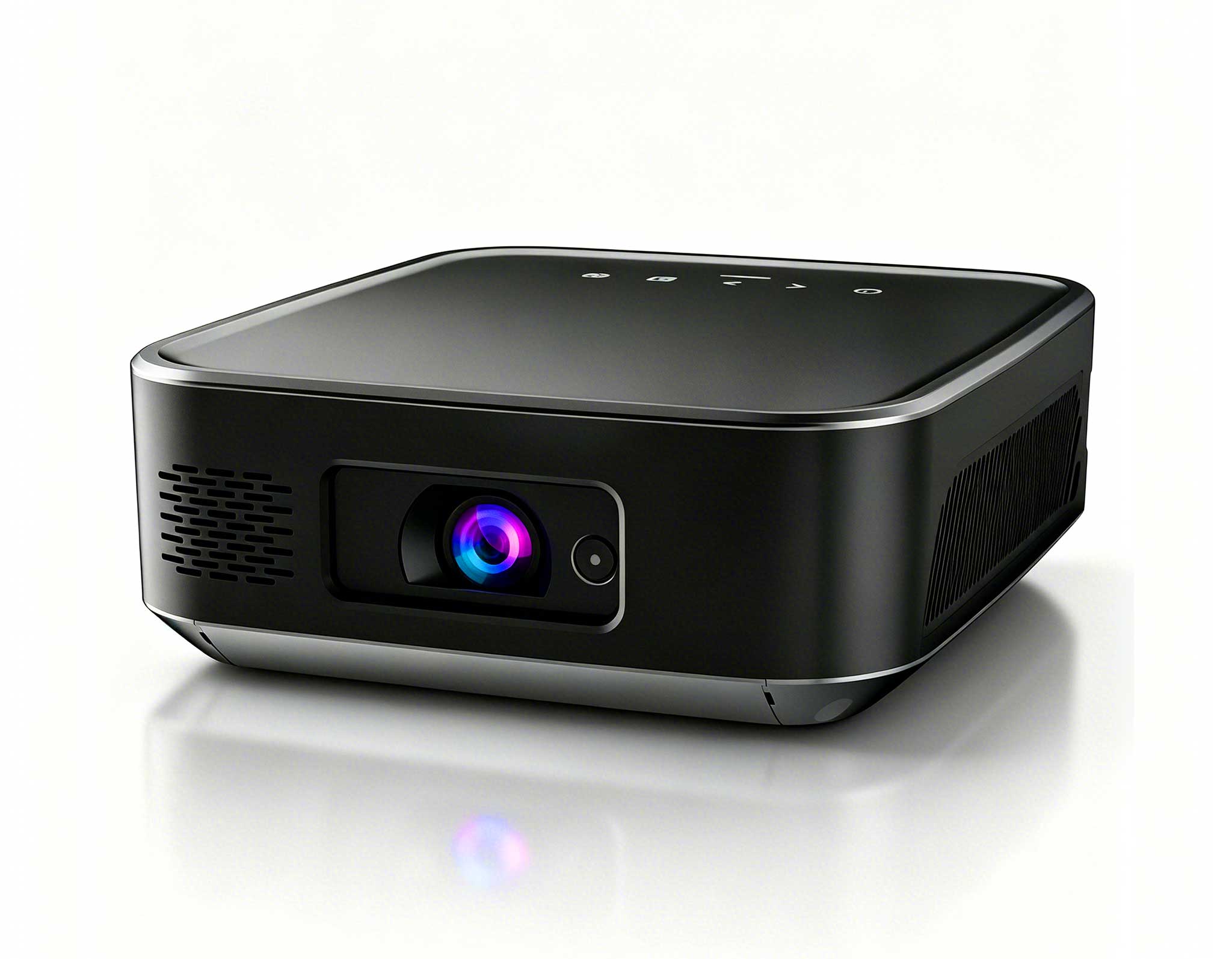
Battery is the row that disappears. Two of the three units publish a pack and both land on the same chemistry and voltage, 7.6 V, but the capacities split far apart: 6000 mAh on the larger tablet against 3500 mAh on the compact one. The third device has no battery line at all, because a mini PC draws from the mains and is not meant to leave the desk. A blank cell is not a weakness here; it is a statement about where the machine belongs.
Read as intended, the row tells a clear story. The 6000 mAh unit goes on the round and comes back at the end of a shift. The 3500 mAh unit is docked between visits. The empty cell never moves. Sorting the row as though all three were portable would rank the mini PC last for a job it was never asked to do.
Display is where the two columns stop being the same kind of thing. On the two tablets the row describes a panel that is physically on the device, and the figures are tightly comparable: 1200x1920 on both, with brightness the only real separation at 450 nits against 560 nits. Shadow a ward at night and that hundred and ten nits is what decides whether the nurse squints or not. Then the mini PC answers the same header with something else entirely, because it has no panel and drives up to three external screens instead.
Both readings are correct and neither is comparable. One asks what you can see in bright light on a trolley; the other asks how many monitors a desk station can drive. The Palm-sized miniPC answers the second question, and forcing it into a panel comparison flatters or punishes it for no reason.
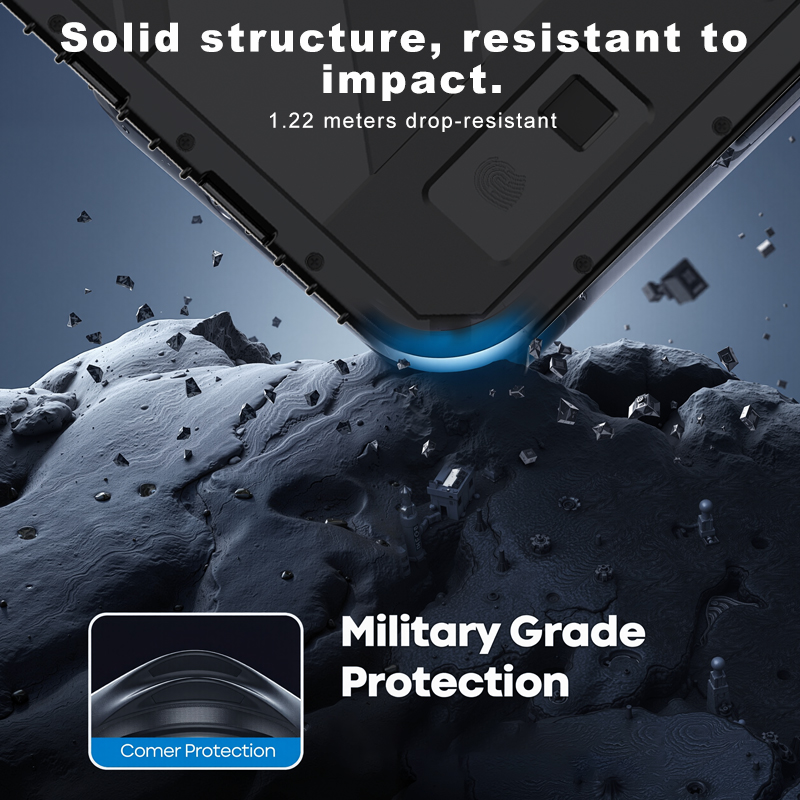
Protection looks like the one row that should sort cleanly, and it does not. One unit carries IP54 with a 1.2 m drop figure, the next carries IP67 with 1.22 m, and the mini PC publishes no rating at all. The two numbers invite a ranking, but they measure different doors. IP54 keeps out dust and splashes; IP67 survives short immersion. Neither says anything about a wipe-down, which is the test a trolley device actually faces between patients.
The blank on the third column is honest rather than lazy. A sealed fanless box has no seams, no vents and no keyboard to clean around, so the rating it would earn is beside the point. The trap is treating a missing number as a zero. A device with no published rating has not failed the row; it has told you the row was written for different hardware.
Processor rows drift for the same reason. The two tablets name their parts plainly, i5-1235U and i7-1255U on one side, and on the other a low-power quad-core part that the sheet prints as 10th Generation. Anyone who knows the silicon will raise an eyebrow, because that label is a document habit rather than a fact about the chip. The mini PC avoids the problem entirely and simply lists its options, from i3-1215U upward, without a generation banner over the top.
None of this changes what the machines do, and all of it changes how a comparison reads. A generation label is a sorting key, and a wrong key reorders the shortlist. Before trusting the row, check whether the label names the part or only the era.
The fix is not a better device. It is a stricter row. State the unit inside the cell rather than in the header. Say whether a weight counts the device or the carton. Name the part instead of the era. Mark a row as not applicable rather than leaving it blank when the hardware has no panel, no pack or no rating. A row written that way survives a change of chassis.
That discipline turns a comparison into a decision. The same six rows read honestly across a tablet, a compact tablet and a desk box, and the sheet stops rewarding whichever vendor worded its page most generously. Browse the wider rugged computing range with the row rules in hand, and check our side-by-side product comparisons, which keep the device and the carton figures apart so the row you copy into the file still means the same thing after the swap.