- Select Language
Enterprise Flagship SeriesEngineered for mission-c...
The X501 Handheld PDA combines advanced barcode sc...
RT80 5G Rugged Tablet | 10.1" FHD 400nit | Un...
Full SpecificationsModelHotus ST9‑JOSWindows 10 Pr...
RS51 4G Rugged Handheld Terminal | 6.3" FHD+ ...
The X501 Handheld PDA combines advanced barcode sc...
R860-S 5.5-inch Industrial PDA with Thermal Printe...
One Device, Dual Functions – A Projector and a Com...
Every warehouse learns the same lesson eventually: the cheapest place to catch a wrong shipment is the packing bench, and the most expensive place is the customer's door. For years the bench ran on printed pick lists and a highlighter, and the error rate was simply the price of doing business. The hardware on that bench has changed twice since then, and each change moved the point of detection closer to the moment the mistake happens.
Three Hotus devices mark those stages well. The HTNJ08B Rugged Tablet represents the scan-and-confirm generation, built around a bright screen that reads a carton label in one glance. The SH5-W carries the checking work into a Windows environment where the signing and the paperwork actually live. The R860-S pushes one step further by printing the shipping label right at the point of verification. This article traces that evolution and compares the three the way a warehouse manager would: by which error each device eliminates.
A paper checklist trusts memory twice: once when the picker reads it and once when the checker re-reads it. Between those two readings, a substituted SKU, a missed quantity, or a transposed order number survives silently until it is unpacked somewhere far away. The costs arrive later as returns freight, credit notes, and a customer who now double-checks every future order. Worse, the paper trail never explains itself: a dispute about what was packed becomes a conversation between two people recalling a Tuesday morning, weeks after the carton is gone. Early electronic fixes helped but only partly, because a scanner bolted onto a laptop still meant walking back to a desk to see the result. The packing stage only changed when the verification device became portable enough to live at the bench itself, which is what the current generation of verification hardware is designed around.
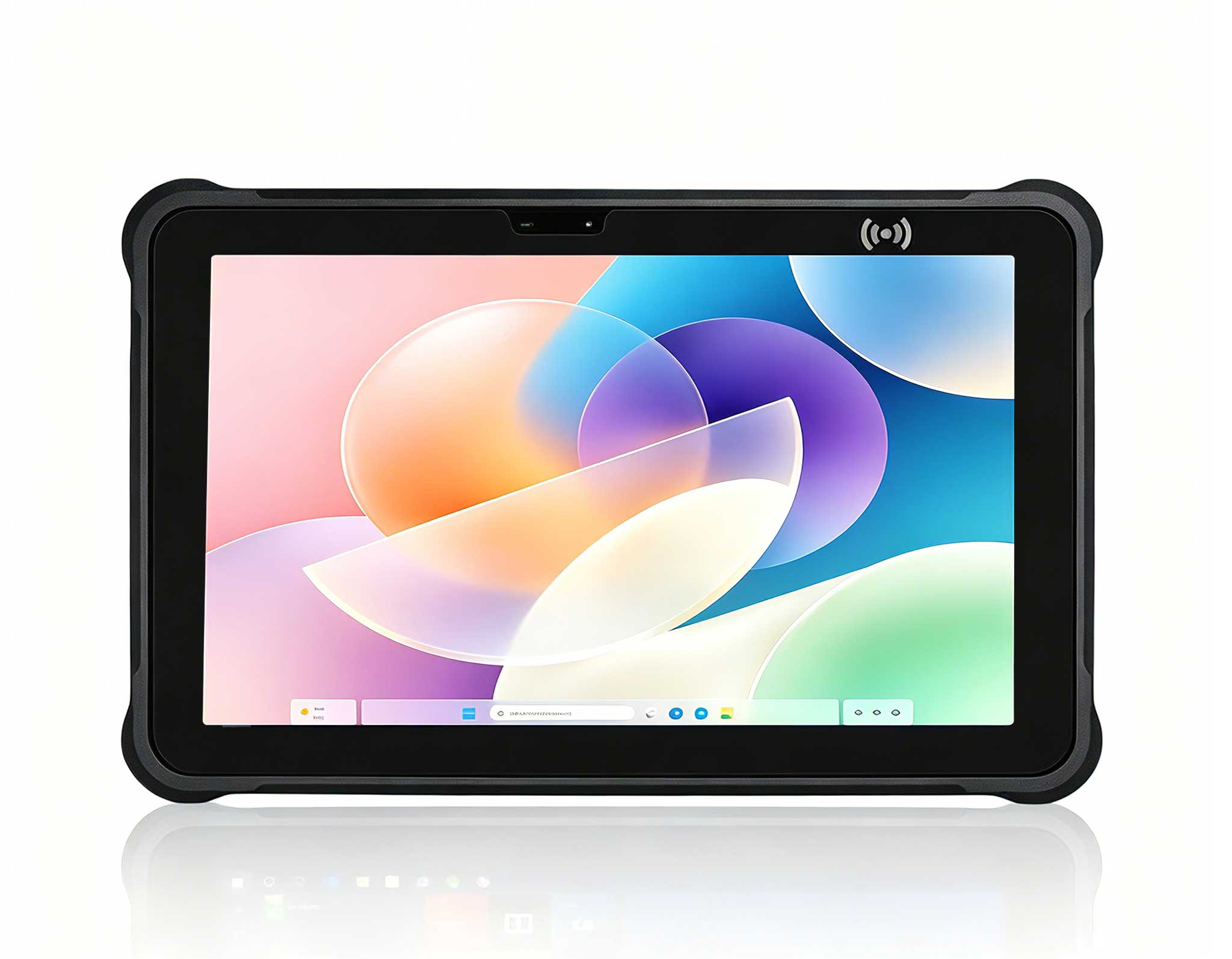
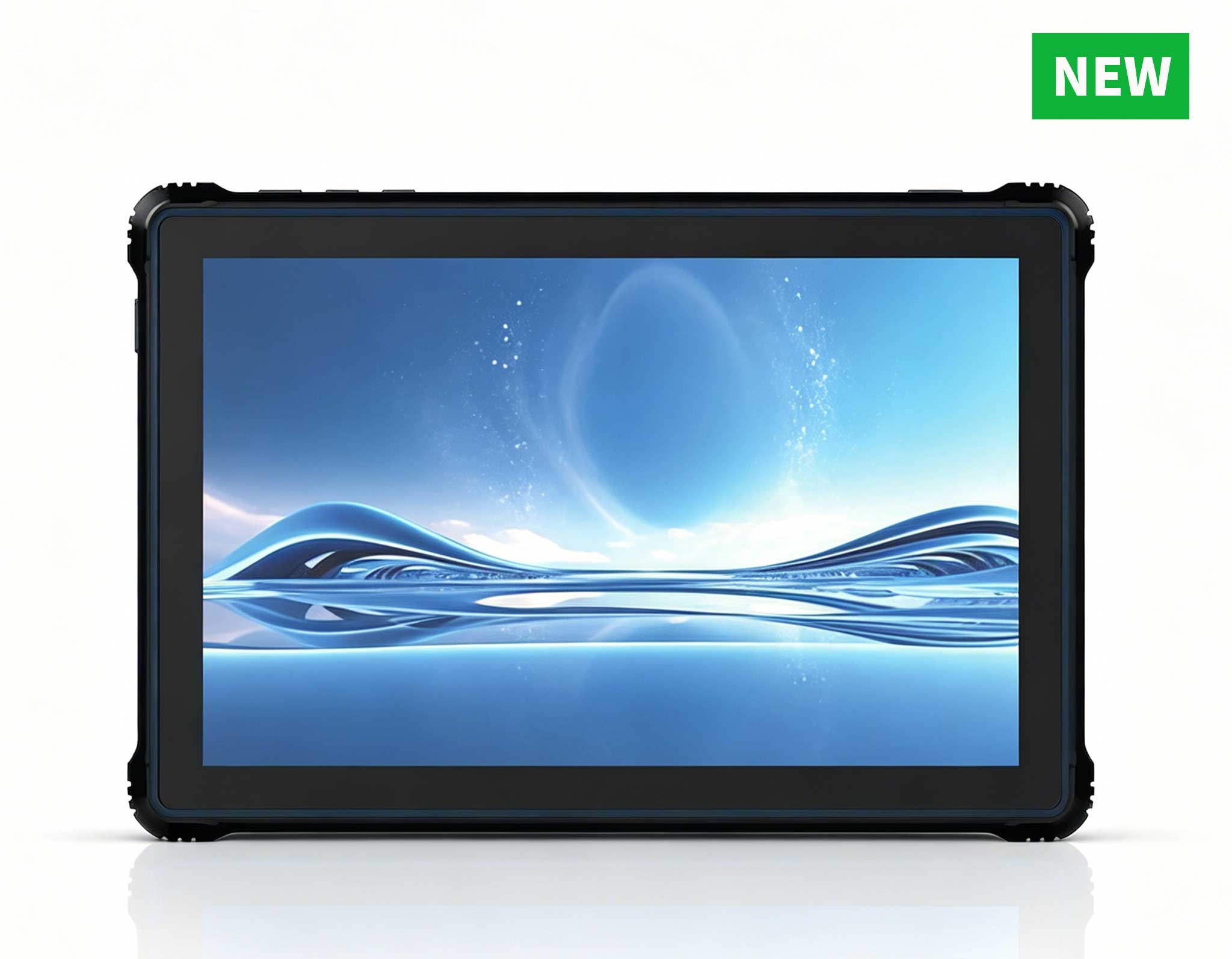
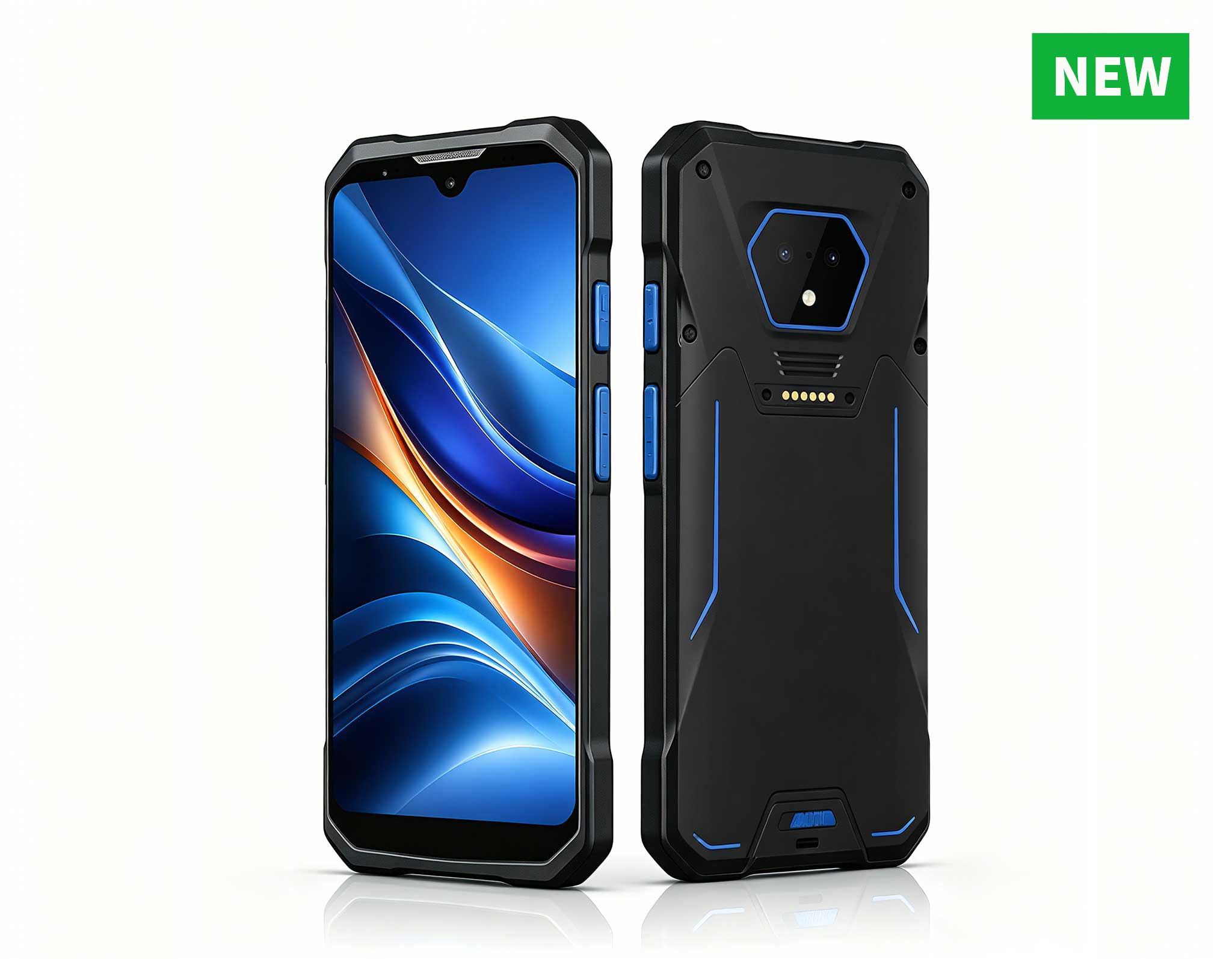
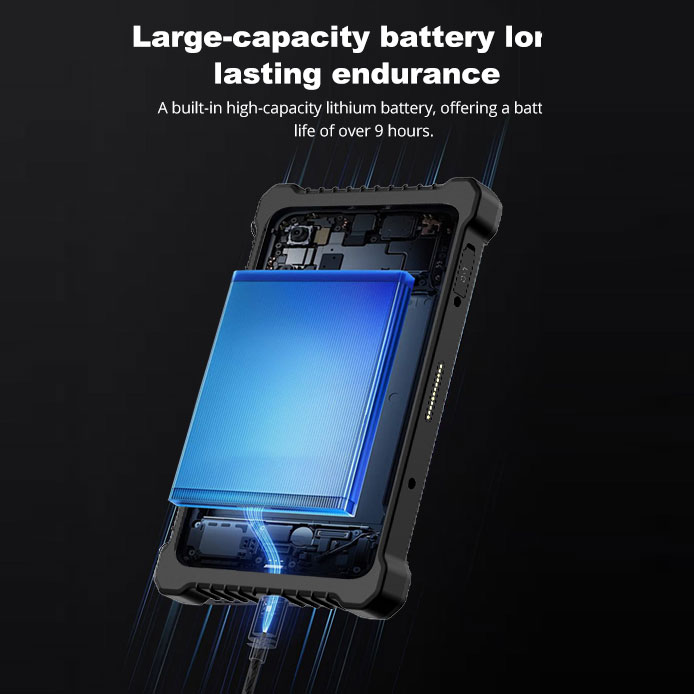
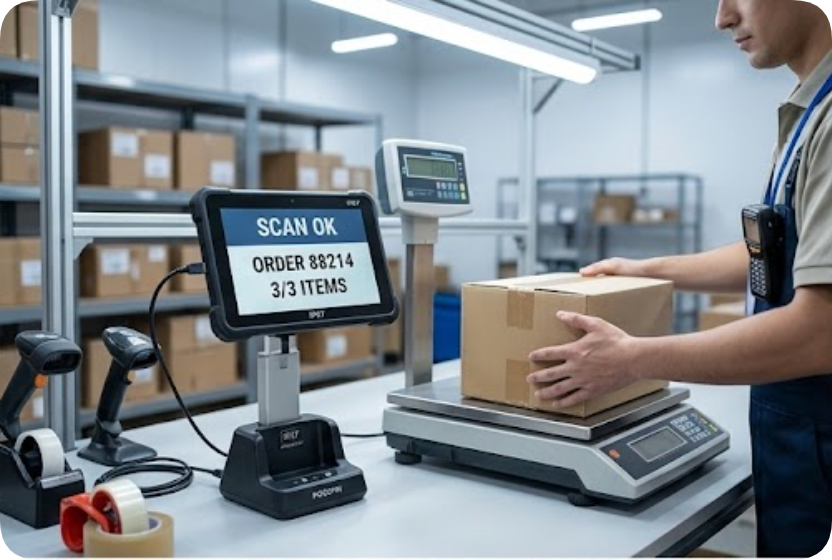
The HTNJ08B is the device that sits at the center of the bench and never leaves it. Its 8-inch LCD runs at 1200×1920 with 560nit brightness, so a carton label stays readable under warehouse lighting rather than washing out, and the 10-point capacitive panel with 7H surface hardness survives the daily contact that soft screens cannot. Inside, an Intel Pentium N6000 with four cores at 3.3GHz keeps the scanning application responsive, while the 7.6V 3500mAh battery carries a full shift without a swap. Connectivity is where it leans into its role: WiFi5, Bluetooth 4.2, optional 4G, plus an RJ45 port and a 12-pin POGOPIN connector for docked operation. Warehouses that deploy the HTNJ08B Rugged Tablet typically mount it beside the scale, where its IP67 housing and 1.22m drop rating absorb the knocks that come with the territory. The dual-layer body design exists precisely for that life: a rigid shell around the display, and a port selection wide enough that the scale, the local printer, and the network switch can all stay wired to the same bench.
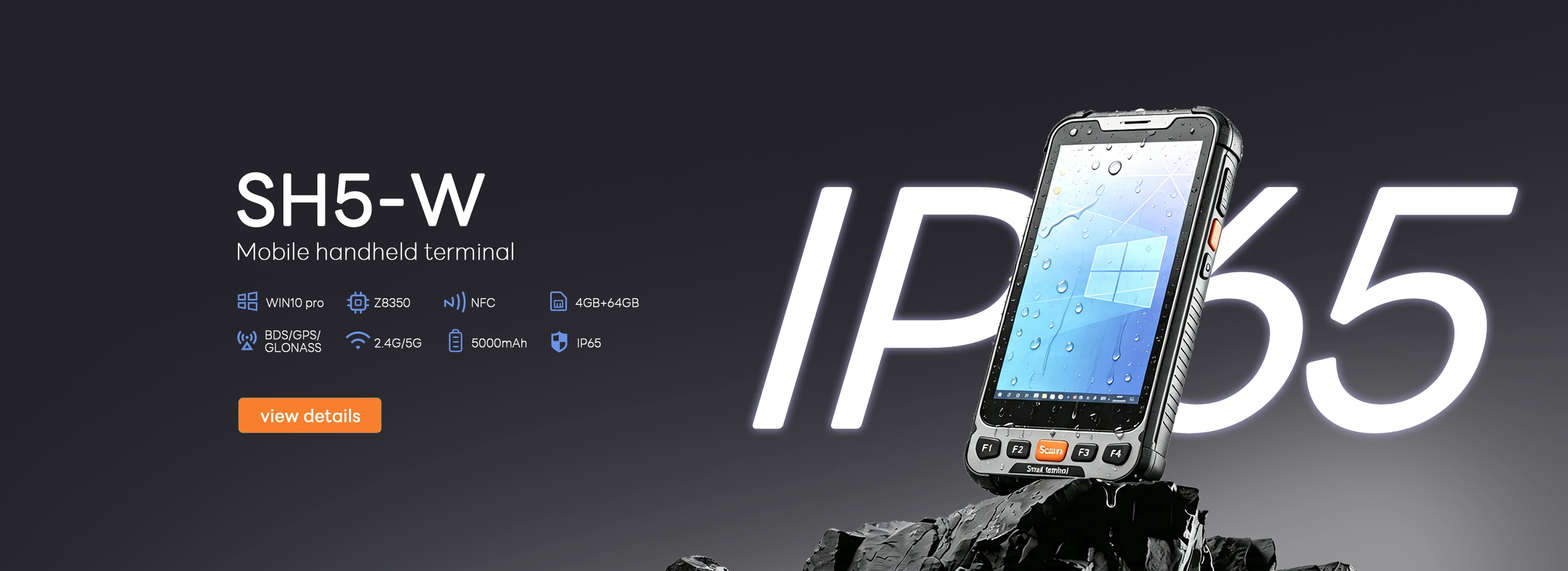
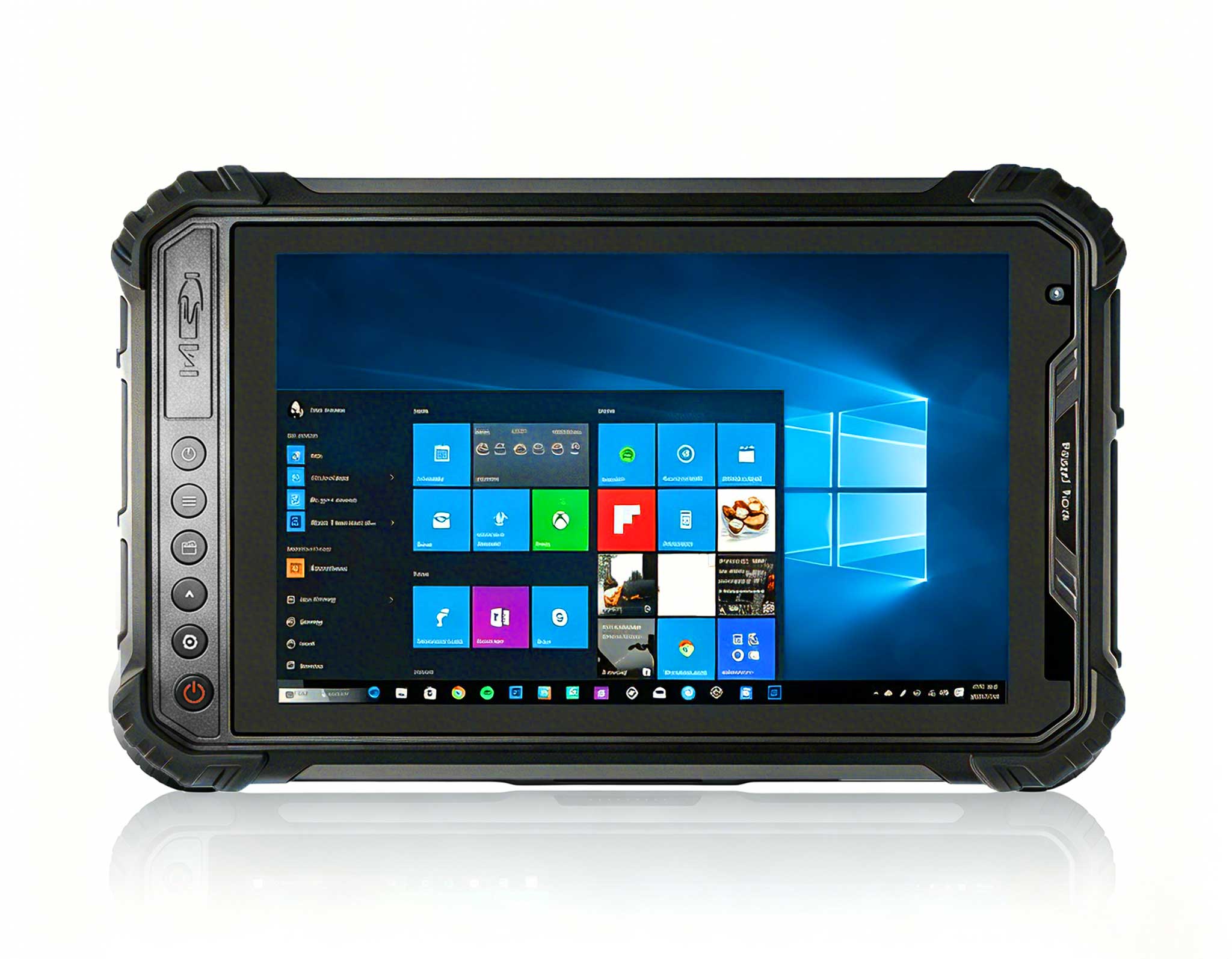
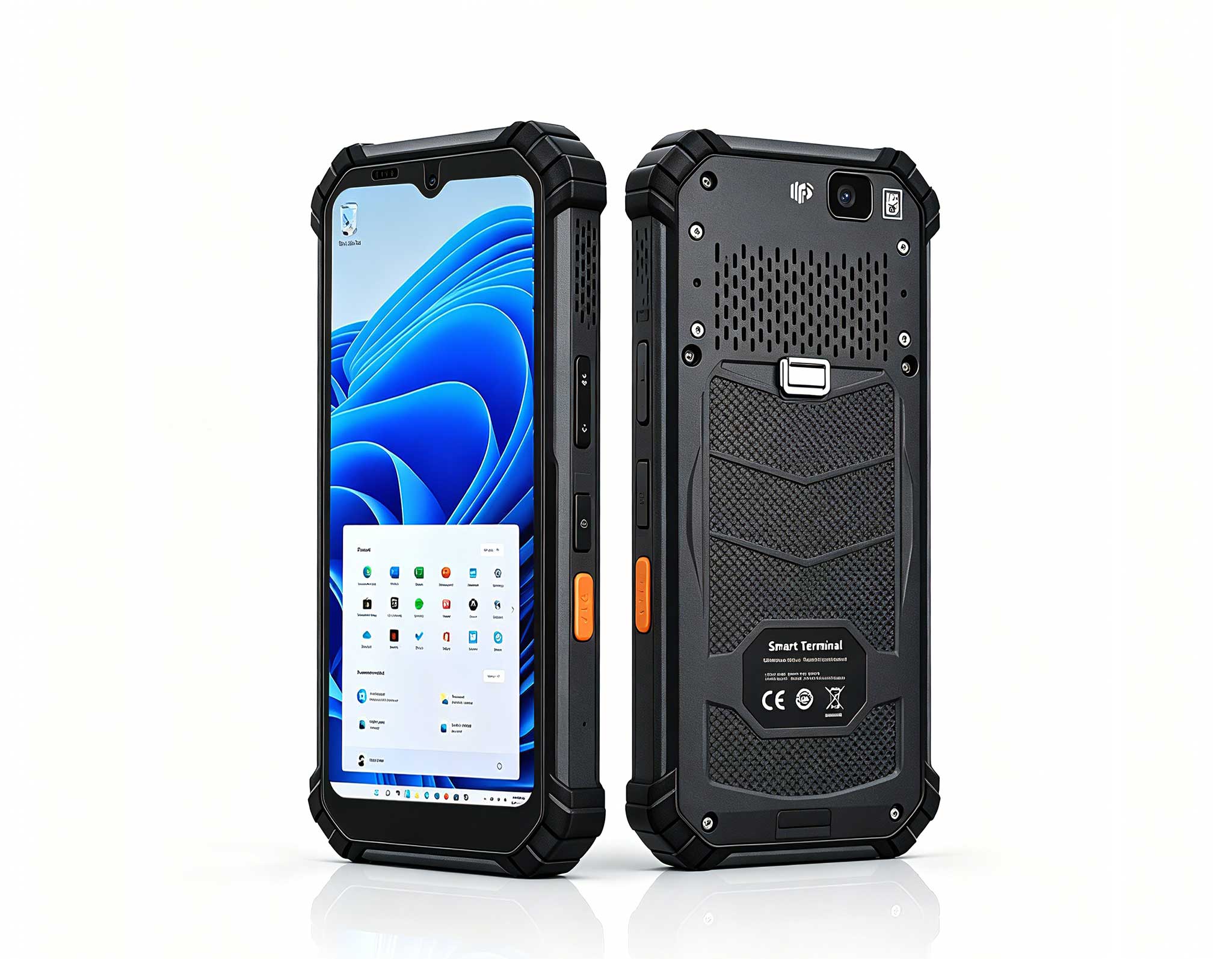
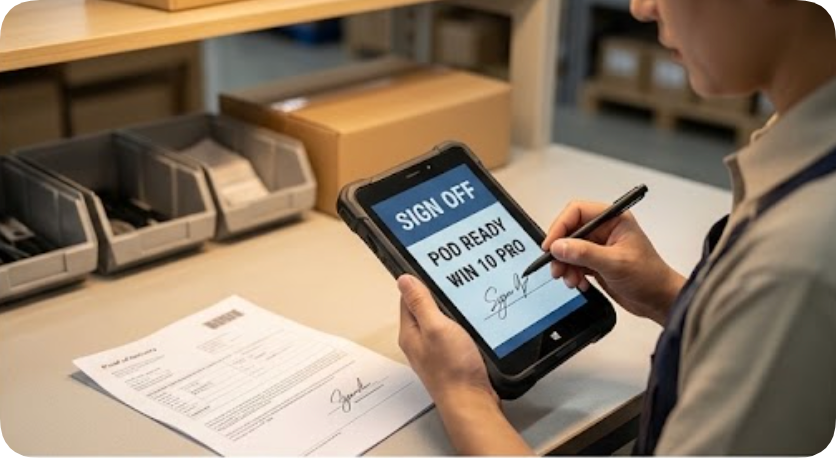
Some verifications are not complete until a person signs, and that is where the SH5-W earns its place. It runs Windows 10 Pro on an Intel Cherry Trail Z8350 quad-core with 4GB of RAM and 64GB of storage, which means the same desktop checking software, the same drivers, and the same document formats used in the office run unchanged at the bench. The 5.5-inch IPS panel at 1080×1920 with 400 nits renders fine print on a delivery note clearly, and the 5000mAh 3.8V battery delivers up to 5.5 hours of untethered use before returning to its dock. WiFi5, Bluetooth 4.2, and 4G LTE keep it connected to the order system anywhere in the building. Operations that issue proof-of-delivery documents from the bench find the SH5-W Rugged Industrial Tablet closes the gap between the physical box and its paperwork, and the optional docking cradle keeps it charged between waves.
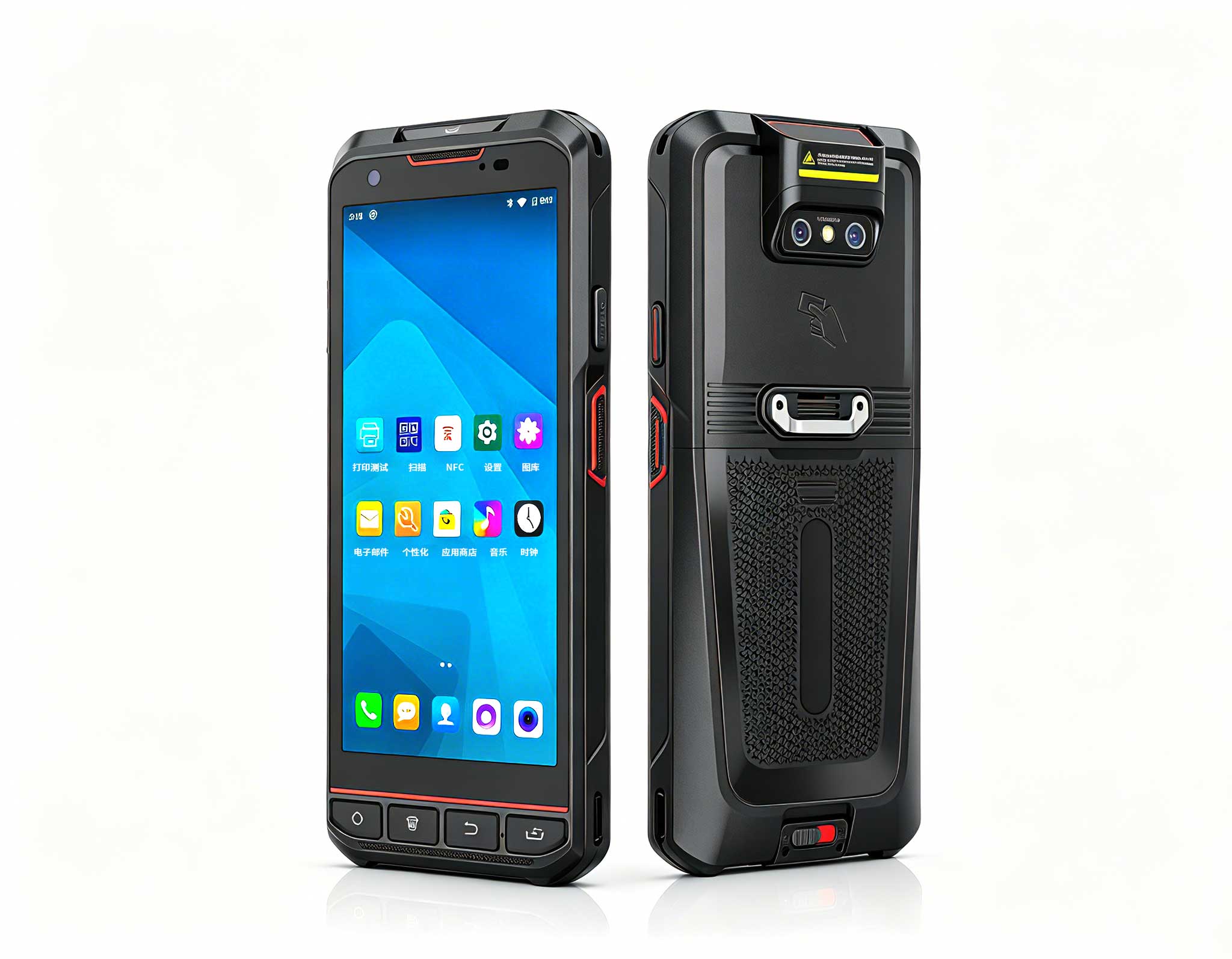
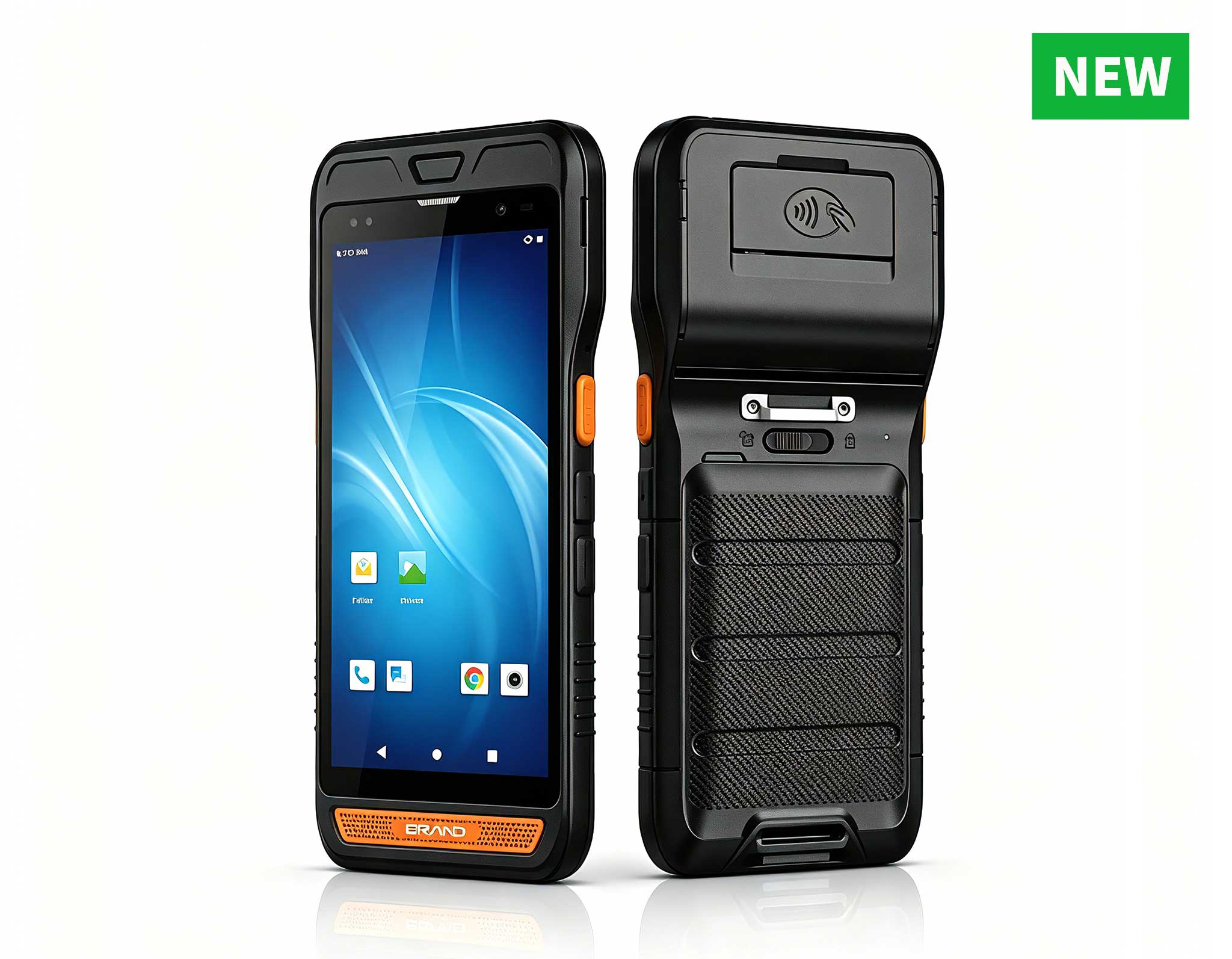
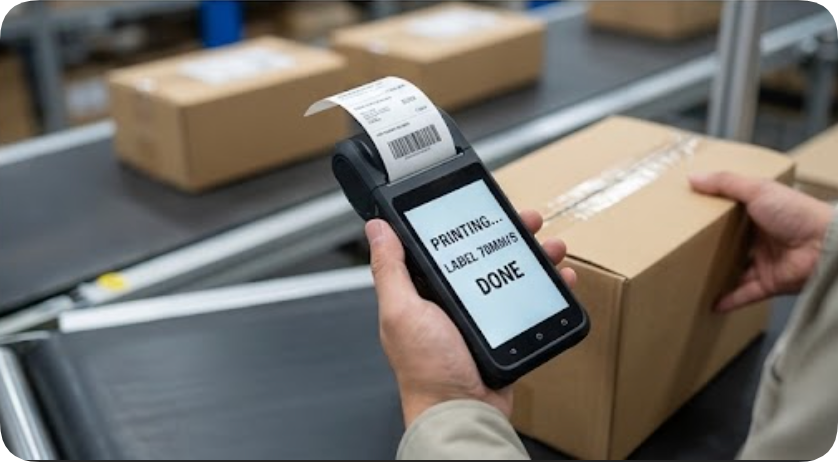
The R860-S removes the last walk of all: the trip to a shared printer. It is a 5.5-inch industrial PDA with a built-in thermal printer that outputs at 70mm/s on 57mm-wide rolls, taking either receipt paper or label stock with black-mark sensing, so the correct shipping label prints in the checker's hand at the exact moment the carton passes verification. A Qualcomm SM6115 octa-core at 2.0GHz runs Android 16, the 5600mAh 3.8V detachable battery holds standby above 350 hours, and the whole unit stays under 500 grams despite the printer mechanism. Dual-band WiFi, Bluetooth 5.0, 4G LTE, and a Type-C port with OTG and PD charging round out the platform. Teams that standardize on the R860-S PDA eliminate the label swap errors that happen when one printer serves a whole row of benches.
| Comparison | HTNJ08B | SH5-W | R860-S |
|---|---|---|---|
| Display | 8in LCD 1200×1920, 560nit | 5.5in IPS 1080×1920, 400nit | 5.5in IPS 720×1440 |
| Platform | Intel Pentium N6000, 4-core 3.3GHz | Intel Cherry Trail Z8350, 4-core | Qualcomm SM6115, 8-core 2.0GHz |
| Battery | 7.6V 3500mAh | 5000mAh 3.8V, up to 5.5 h | 5600mAh 3.8V detachable |
| Wireless | WiFi5 + BT4.2, 4G optional | WiFi5 + BT4.2 + 4G LTE | Dual-band WiFi + BT5.0 + 4G LTE |
| Verification role | docked bench terminal with RJ45 and POGOPIN | Windows signing environment | built-in 70mm/s thermal printer |
The table makes the division of labor obvious rather than implying one device outranks the others. Each row shows a different bet about where verification time is lost, and a fleet that mixes two of them often covers a real workflow better than three copies of the same unit.
Published protection figures differ in kind, not just in number, and the differences track each device's home turf. The HTNJ08B states IP67 waterproofing with 1.22m drop resistance, the boldest published claim of the three, consistent with a fixed bench device that gets knocked rather than carried. The SH5-W publishes IP65 with 1.2m drop resistance, matching its role as a carried clipboard replacement. The R860-S product page publishes no IP rating or drop figure at all, which is worth reading as an honest gap rather than an oversight: it is a printer first, and printing mechanisms with paper paths have different tolerances than sealed slabs. For a buyer, that gap belongs in the procurement conversation as a question rather than an assumption, the same way an unpublished field on any datasheet does. Weight claims follow the same caution, since the HTNJ08B lists a gross figure with the carton included while the other two quote bare units, so the three numbers are not directly comparable and no buying decision should rest on that row.
The printing step deserves its own arithmetic. A bench that shares one label printer queues its checks, and every queue is a chance for two cartons to trade labels. Printing at the point of verification removes the queue and the swap risk together, which is why printer-integrated handhelds have moved from novelty to default in parcel-heavy operations. Hotus now builds that capability across a range, and the X8 Series printing PDA extends it for teams that need the same print-and-verify pattern on different screen and battery budgets. The overheat and out-of-paper protections on these mechanisms matter too, because a jammed label at shift peak is exactly the kind of small failure that pushes staff back to handwriting.
The honest way to buy here is to name the failure that hurts most. If wrong-item shipments trace back to labels read in bad light, the brighter and bigger HTNJ08B display earns its place. If the pain is paperwork, signatures, and documents that do not match the box, the SH5-W brings the office to the bench. If mislabeled cartons and printer queues are the recurring complaint, the R860-S attacks that error at its source. Fleet cost is the last filter, and the multi-function PDA fleet cost guide walks through how mixed fleets amortize across those error profiles. Operators running mixed fleets should also settle the small logistics early: one charging shelf that accepts all three dock types, a shared spare-battery pool, and a single channel for firmware updates will do more for day-to-day reliability than any individual specification. Hardware cannot make a careless process careful, but each of these three removes one specific way for a correct order to leave the building wrong.