- Select Language
R530C 6.0-inch Industrial PDA | Qualcomm Octa-core...
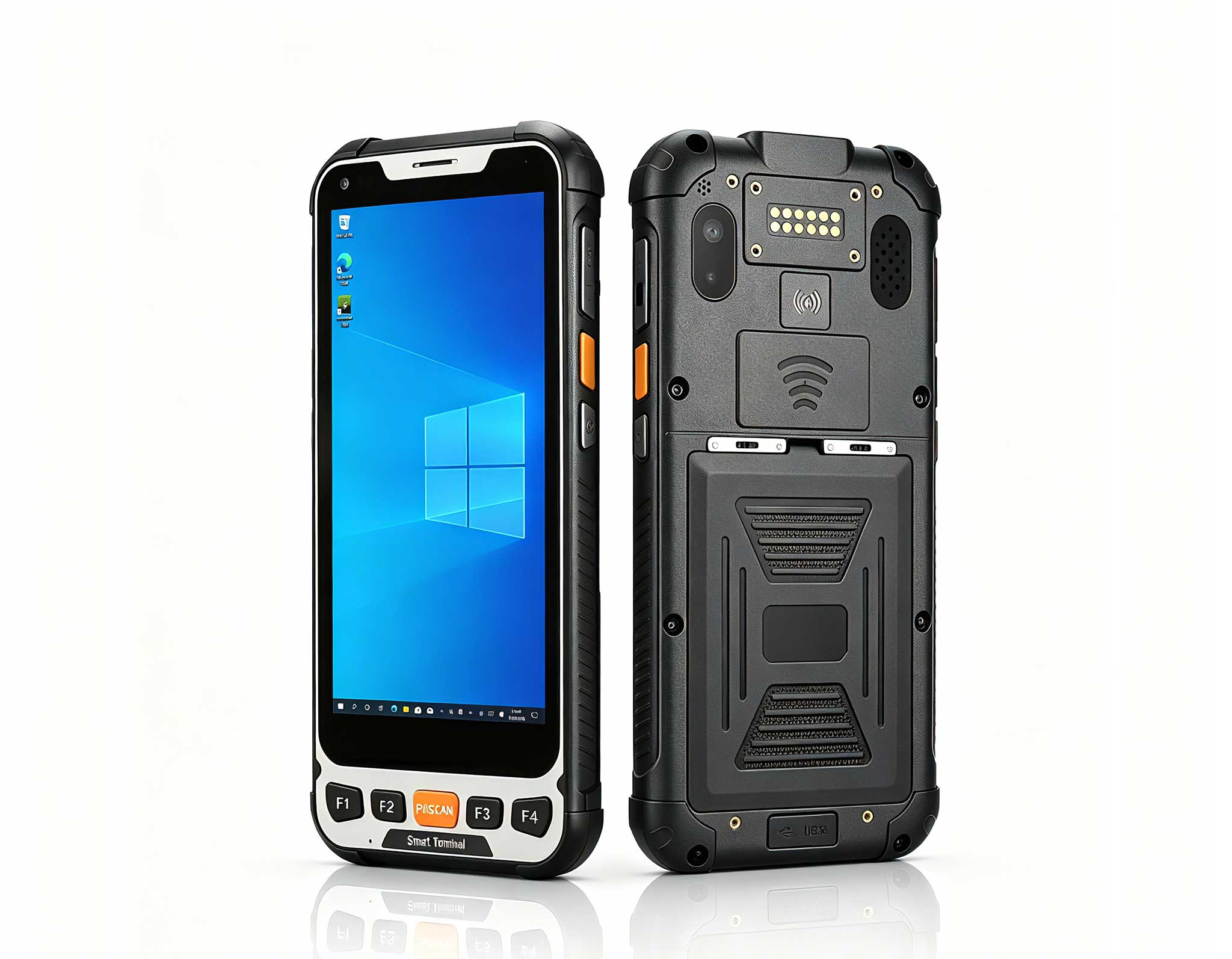
The F505 Handheld PDA is a compact, high-performan...
R860-S 5.5-inch Industrial PDA with Thermal Printe...
Full SpecificationsModel Hotus SH5‑WOperating ...
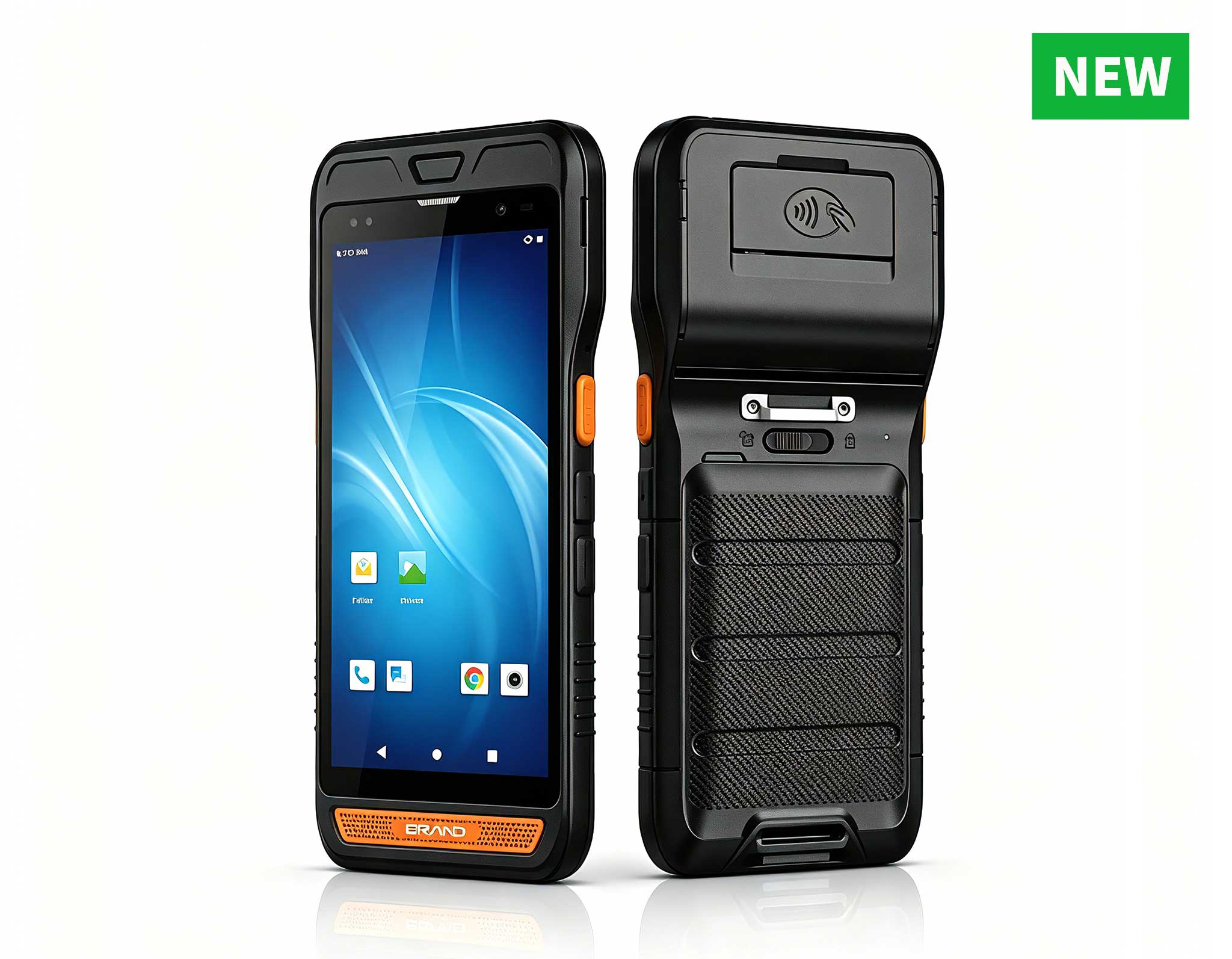
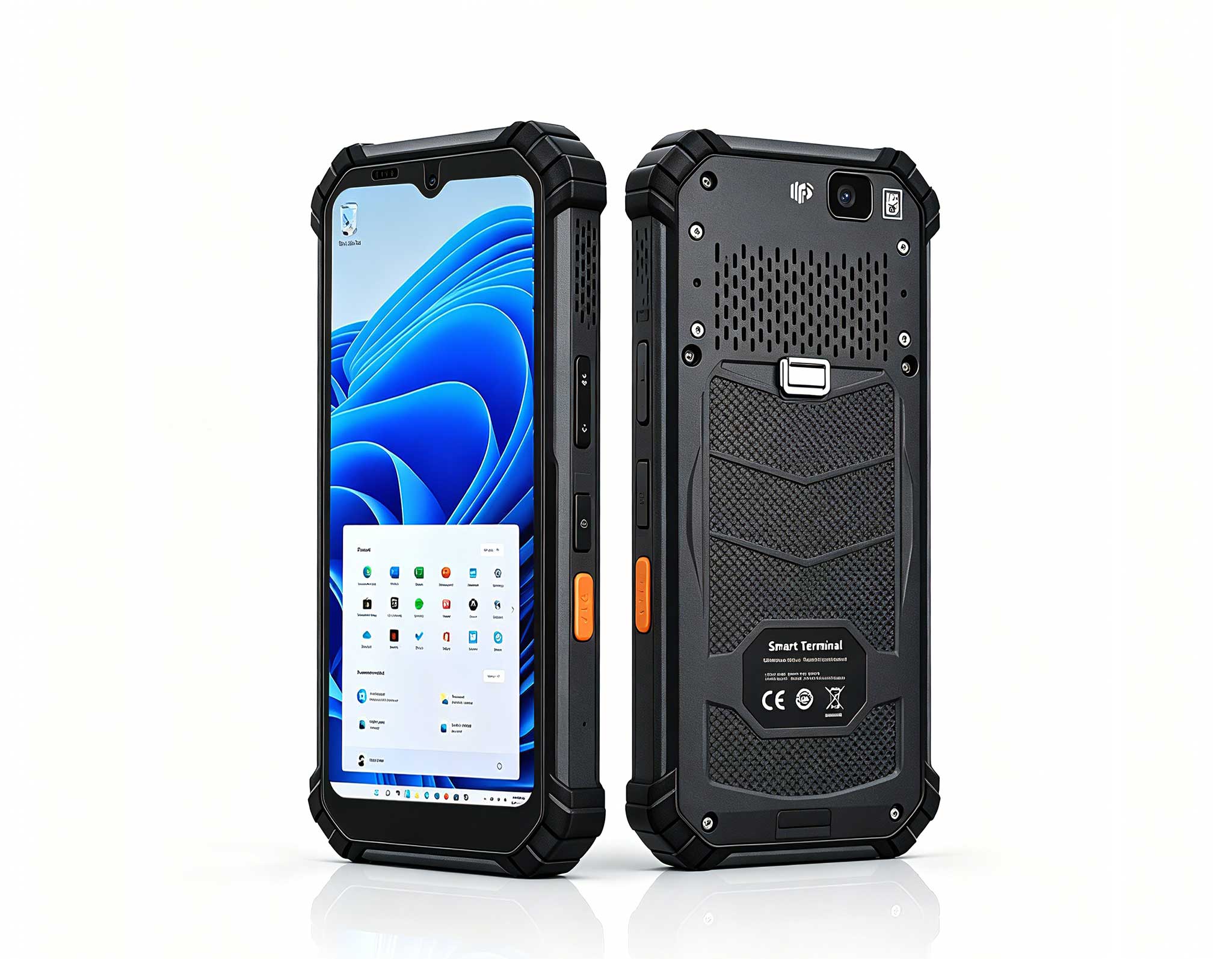
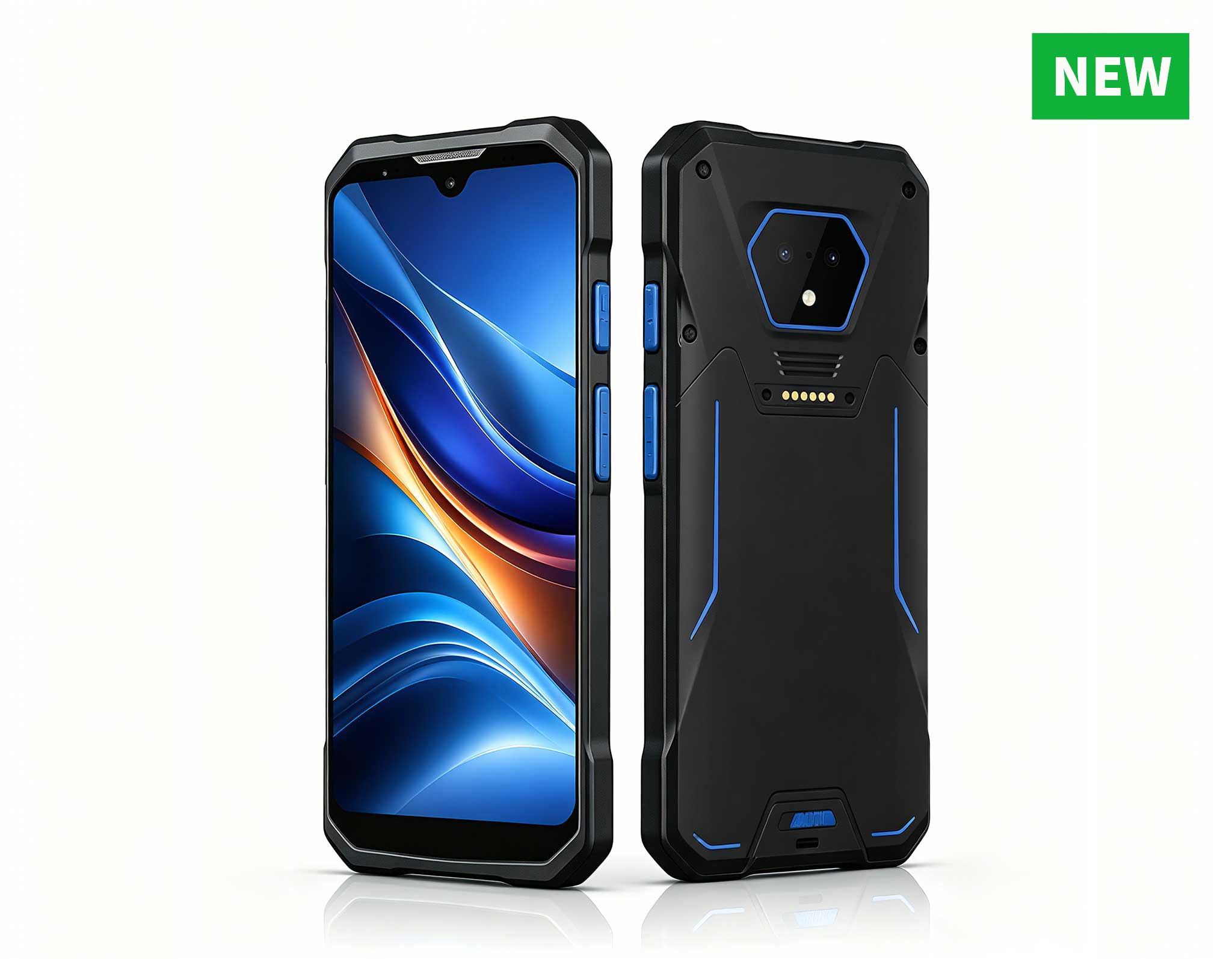
RS51 4G Rugged Handheld Terminal | 6.3" FHD+ ...
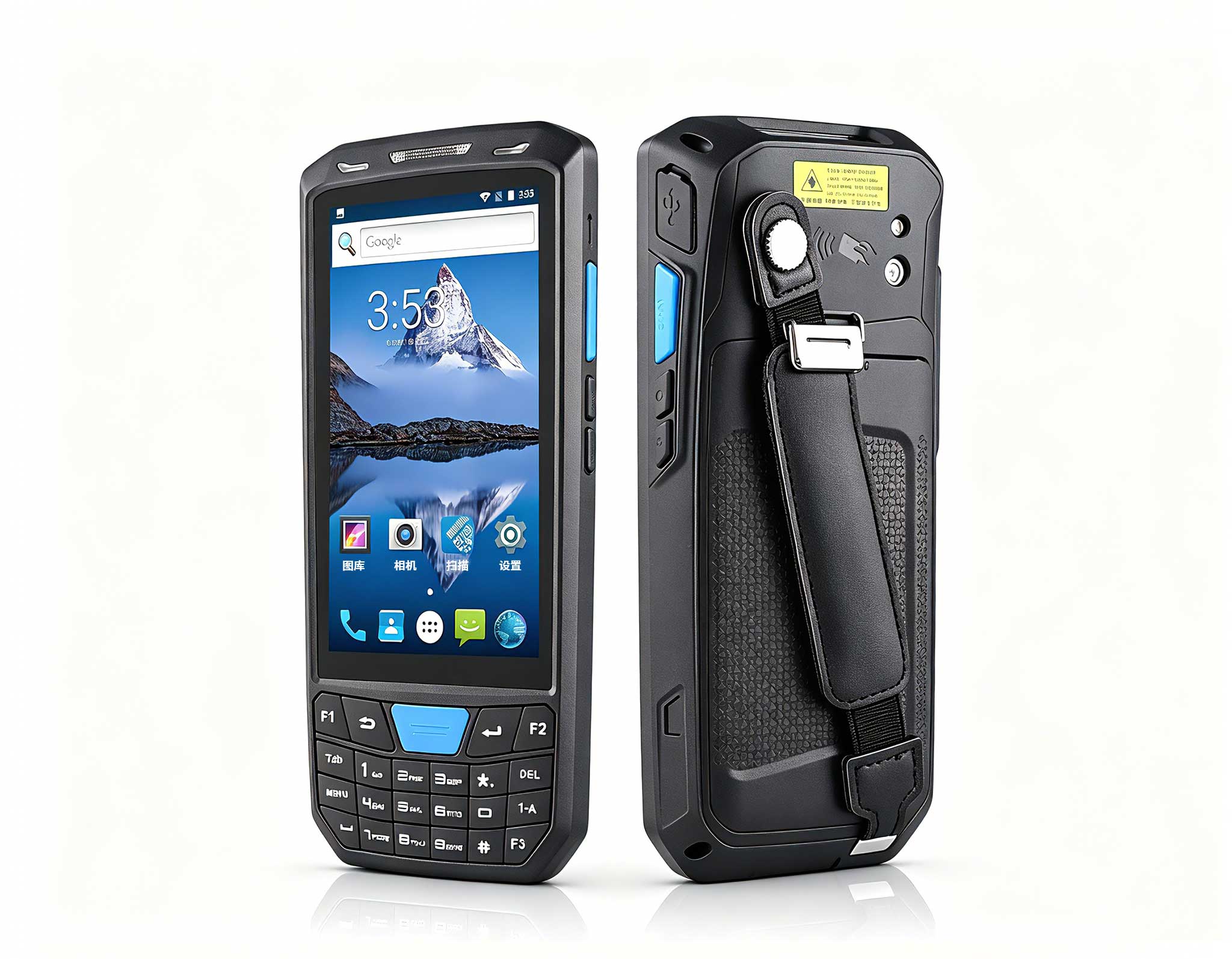
The T80 handheld PDA combines advanced barcode sca...
From the unknown so simpleUsed for mobile phones, ...
The R501 PDA combines a powerful MT6762 Octa-Core ...
Rolling tablets out across a plant is not one purchasing decision; it is three. The inspector walking the lines wants a terminal that disappears into one hand between checkpoints. The technician at the bench running the maintenance database wants the same pocketable frame — until the job turns into a drawing set and a heavy application, and then wants more engine behind the same glass. And the shift meeting at the whiteboard wants a panel everyone can actually see. Hand every role the same device and two of the three roles quietly lose. That split is the whole argument behind the enterprise collaboration solutions this comparison tests: the Hotus ST9-J, ST9-M and ST11-J against two rivals that bet everything on the 10.1-inch middle, the ONERugged M10A and the SINSMART SIN-I1012E.
The Hotus trio reads as a ladder rather than three competitors. The ST9-J is the 8-inch entry point on an Intel Celeron N5100. The ST9-M keeps the identical 8-inch chassis and swaps in a Core i5-8200Y for teams whose software, not their route, is the bottleneck. The ST11-J moves up to a 10.1-inch panel while staying on the N5100. ONERugged and SINSMART both build capable 10.1-inch units — one leaning on a current-generation Core i5 and a two-battery rig, the other on open-source Linux and a wider temperature rating. The question for a fleet manager is not which tablet is best, but which of these shapes matches each seat on the crew.
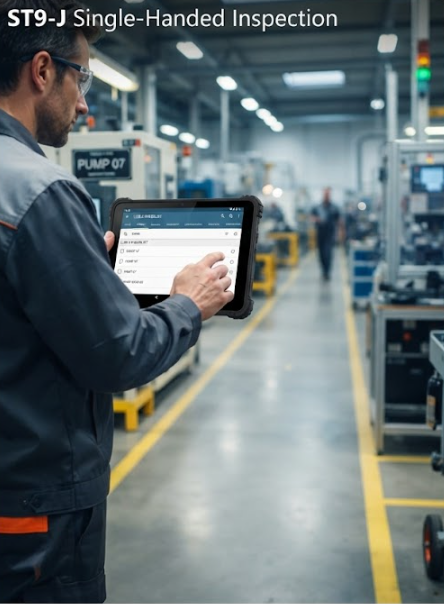
The ST9-J is built for the seat that never sits down. Its 8-inch IPS panel runs 1200×1920 at up to 400 nits standard with a 1000-nit option, and at 700±50 g it is the lightest unit in this comparison by a wide margin — light enough to operate thumb-first while holding a clipboard or a railing. The N5100 quad-core at up to 2.8 GHz covers scan-and-sign work, CMMS checkoffs and video calls without complaint, and the 5000 mAh cell is rated for roughly seven hours, enough for a shift with a lunch dock. Protection is the full industrial set: IP65, a 1.2-metre drop rating, MIL-STD-810G, and an operating range of -20℃ to 55℃. Expansion stays open — NFC, TPM 2.0, and optional scanner, UHF RFID, fingerprint reader and high-precision GPS. The ST9-J page lists the full option matrix for tender documents.
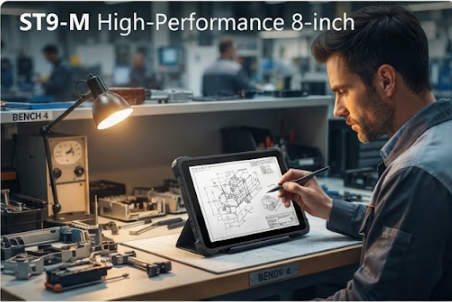
The ST9-M answers a specific complaint: the 8-inch frame is right, but the workload outgrew the Celeron. It uses a Core i5-8200Y with Intel UHD Graphics 615, turboing to 3.9 GHz, plus 16 GB RAM and up to 1 TB storage as options — a configuration aimed at heavy maintenance databases, offline drawing sets and multi-window field work that stutters on entry silicon. The trade is endurance and headroom honesty: the same 5000 mAh battery is rated at about six and a half hours (at 50% volume and 60% brightness), and the product page does not publish weight or operating-temperature figures for this variant, though the chassis and IP65 structure are shared with the ST9-M's sibling. What it adds is software reach — Windows 10 IoT, Windows 11 Pro and Ubuntukylin 20.04 are all offered, unusual flexibility for a locked-down plant fleet. Details sit on the ST9-M page.
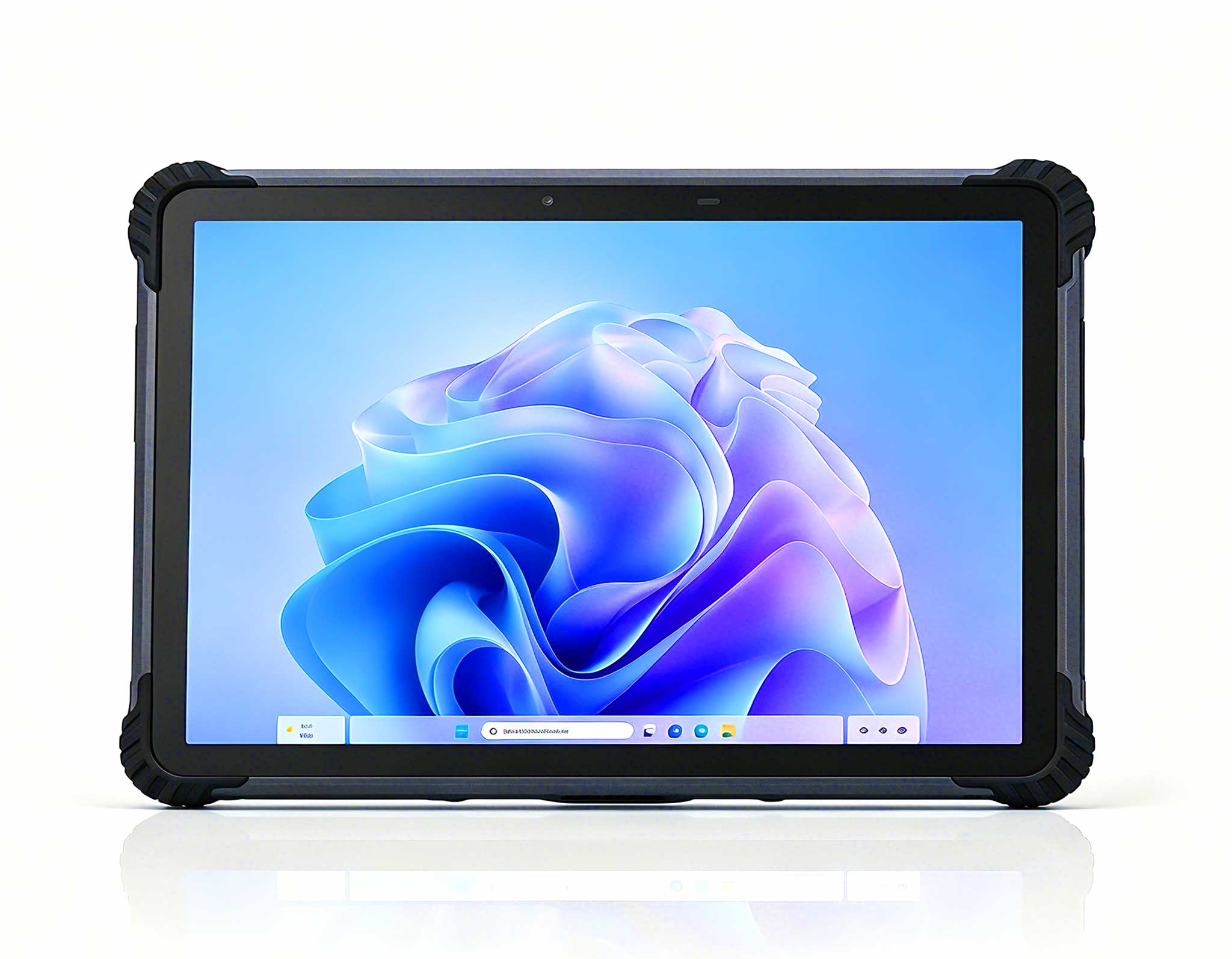
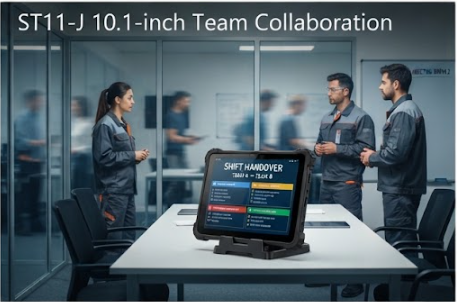
The ST11-J is the crew's shared screen. At 10.1 inches and 1200×1920, with 420 nits typical (450 max, 1000 optional), it is the panel a foreman props on a cart for shift handovers, drawing markups and training clips — and at 1150±50 g it stays honest about being a two-hand device. The N5100 platform matches the ST9-J, so image and driver management stay identical across the small and mid tiers, while the 6000 mAh battery stretches to roughly eight and a half hours. IP65 and MIL-STD-810G carry over; the page lists no explicit drop height, which buyers should confirm before writing a spec. Optional high-precision GPS and the same TPM, scanner, UHF and fingerprint expansions round it out. Full figures are on the ST11-J page.
Neither rival disputes the ladder — they simply only sell the middle step. The ONERugged M10A is the performance pick: a 10.1-inch 1920×1200 screen at 700 nits standard, a 12th-generation Core i5-1235U (i7-1255U optional), 16 GB of RAM and up to 512 GB of storage, wrapped in IP65 with MIL-STD-810H. Its signature trick is the two-battery rig — an internal 5000 mAh pack plus an 860 mAh hot-swap unit with 65 W fast charging — so a shift can change power without shutting down. The SINSMART SIN-I1012E takes the opposite door: it offers the same N5100 as the Hotus mid tier but also newer 12th-generation Core U-series or a Rockchip RK3568, ships with Ubuntu 22.04 LTS or Debian 11 preinstalled for teams standardising on open source, and stretches its rating to -20℃~60℃ with a 1.22-metre drop figure. Both are honest 10.1-inch machines; neither will hand a round-walking inspector anything smaller.
| Comparison Dimension | ST9-J | ST9-M | ST11-J | ONERugged M10A | SINSMART SIN-I1012E |
|---|---|---|---|---|---|
| Display | 8" 1200×1920, 400 nits (1000 opt.) | 8" 1200×1920, 400 nits (1000 opt.) | 10.1" 1200×1920, 420/450 nits (1000 opt.) | 10.1" 1920×1200, 700 nits | 10.1", brightness n.p. |
| CPU | Intel N5100 quad | Core i5-8200Y dual | Intel N5100 quad | Core i5-1235U (i7 opt.) | N5100 / 12th-gen U / RK3568 |
| RAM / storage | 8/256 GB (4-512 opt.) | 8/256 GB (16 GB, 1 TB opt.) | 8/256 GB (4-512 opt.) | 16 GB, 128-512 GB | n.p. |
| OS | Windows 10 Pro (11 opt.) | Win 10 Pro/IoT, 11, Ubuntu | Windows 10/11 Pro | Windows | Ubuntu 22.04 / Debian 11 |
| Battery | 5000 mAh, ~7 h | 5000 mAh, ~6.5 h | 6000 mAh, ~8.5 h | 5000+860 mAh hot-swap, 65 W | n.p. |
| Protection | IP65, 1.2 m, MIL-810G | IP65, MIL-810G | IP65, MIL-810G | IP65, MIL-810H | IP65, 1.22 m, MIL-810H |
| Weight | 700±50 g | n.p. | 1150±50 g | n.p. | n.p. |
| Operating temp. | -20℃~55℃ | n.p. | n.p. | n.p. | -20℃~60℃ |
Read as a fleet sheet, the table shows one line sharing three shapes at 400-to-450-nit base brightness, and two rivals that concentrate everything — performance, brightness and battery swapping — into a single 10.1-inch chassis each.
Three concessions deserve daylight. On raw compute, ONERugged's 12th-generation Core i5 is a newer, faster part than anything in the Hotus ladder, including the ST9-M's older i5-8200Y dual-core. On brightness, 700 nits is the M10A's standard screen, while every Hotus base panel sits at 400-450 nits and treats 1000 nits as an option to order. And on power, the M10A's hot-swap second battery means a battery change never closes an application, where all three Hotus units recharge as single cells. SINSMART's Linux preinstall and -20℃~60℃ rating are also features no Hotus configuration currently claims. Against that, none of the rivals offers anything smaller than 10.1 inches — the crew's single-hand seat is Hotus's alone in this comparison.
Buy by seat, not by spreadsheet. Rounds, checkpoints and scan-heavy shifts belong on the ST9-J, whose 700-gram frame is the difference between carrying a terminal and tolerating one. Bench technicians running heavy databases on an 8-inch habit should test the ST9-M before upsizing — same chassis, much more engine, about half an hour off the battery. Handover rooms, drawing reviews and shared carts get the ST11-J. If the whole crew genuinely lives at 10.1 inches with 12th-generation compute and hot-swap power, the M10A is the stronger single-box buy; if the programme is Linux-first or the site runs hot, the SIN-I1012E earns its slot. Browse the full rugged tablet lineup to see where each size tier sits, or read the other entries in the comparison library before the next fleet review. The test is simple to run on your own floor: hand each seat the screen its task implies, and watch which terminal comes back charged and which comes back at two percent.