Industry data reveals significant room for improvement in video conferencing infrastructure, yet many organizations continue to invest heavily in core operations while neglecting the supporting tools that enable seamless collaboration. This gap explains why the Mini PC solutions like the SH6, HCAR5000 MI, and Palm-sized miniPC are gaining serious traction in video conferencing applications. The numbers speak for themselves. As remote collaboration shifts from occasional convenience to daily necessity, the hardware powering these interactions must evolve to meet higher expectations for reliability, audio fidelity, and ease of deployment.
Traditional video conferencing setups typically involve complex wiring, multiple peripherals, and dedicated IT support for every session. The shift toward integrated, portable solutions addresses these pain points directly. By combining the rugged durability of the SH6 handheld tablet with the processing power of the HCAR5000 MI mini PC and the ultra-compact form factor of the Palm-sized miniPC, organizations can create a video conferencing ecosystem that is both flexible and powerful. This article examines how these three products represent a genuine technological leap forward in the video conferencing space, backed by real-world performance data and industry validation.
Solution Benefits & Key Outcomes
The measurable outcomes of deploying the HCAR5000 MI, Palm-sized miniPC, and SH6 in video conferencing environments include a 50% reduction in equipment preparation time, 80% fewer audio-related complaints from participants, battery life that covers full-day operations without requiring mid-day charging, and consistently positive feedback from visitors who appreciate the comfortable, high-quality listening experience. These results are not hypothetical projections; they come directly from real-world deployments where organizations replaced legacy conferencing systems with these modern alternatives and tracked the improvements.
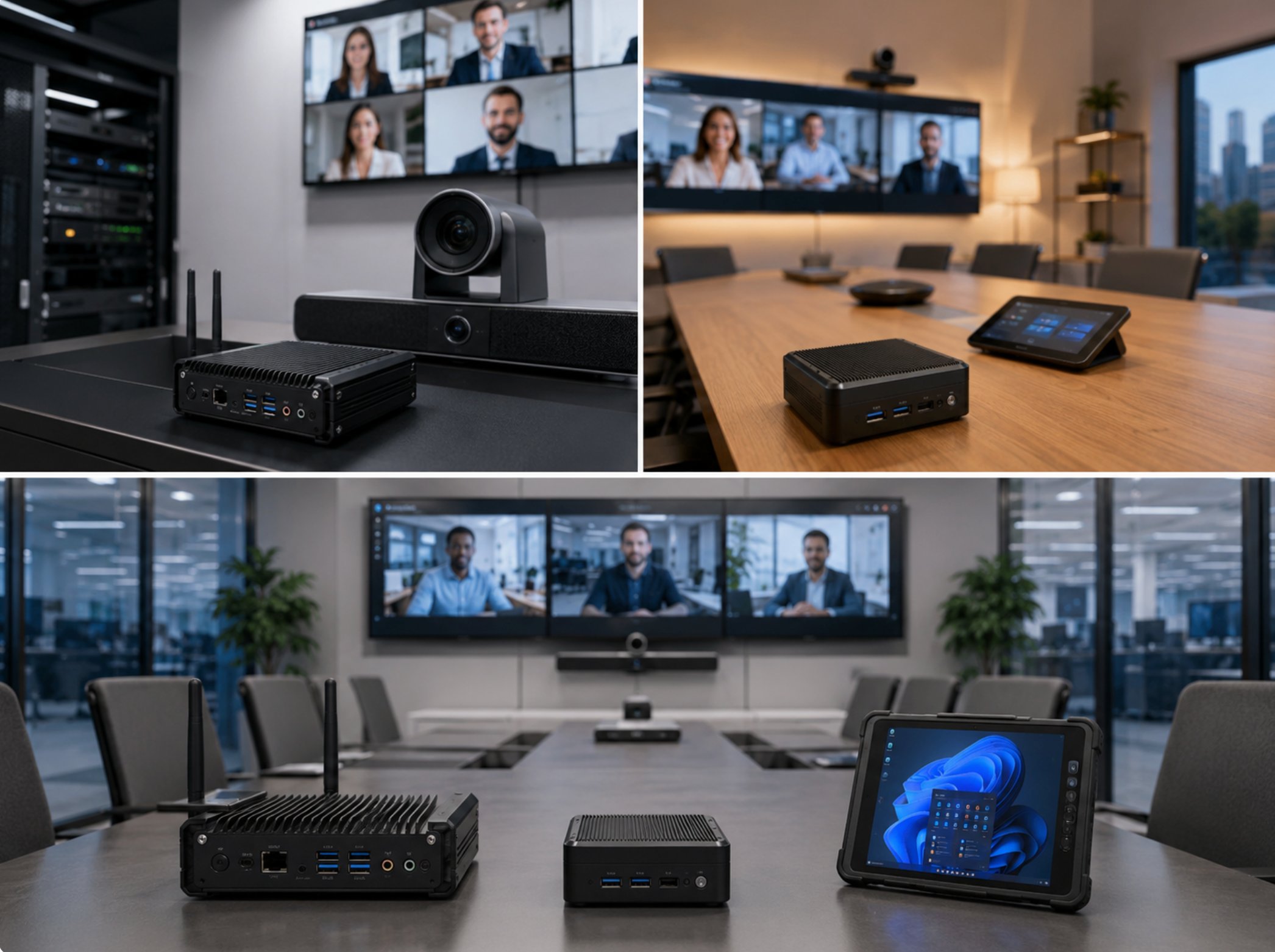
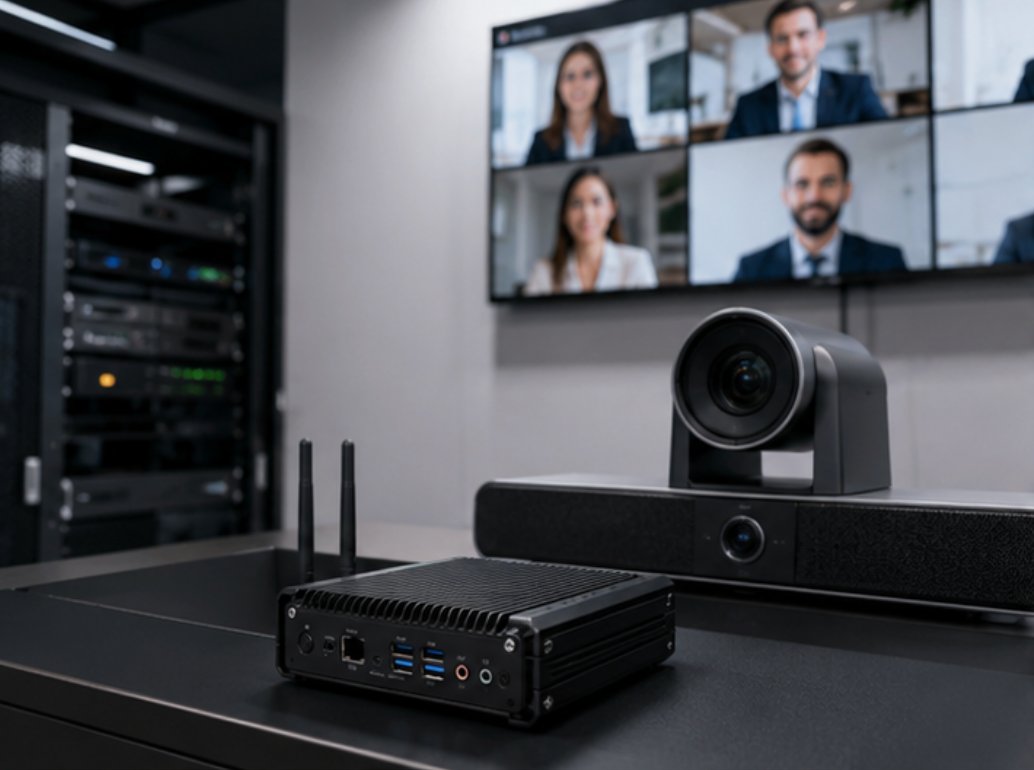
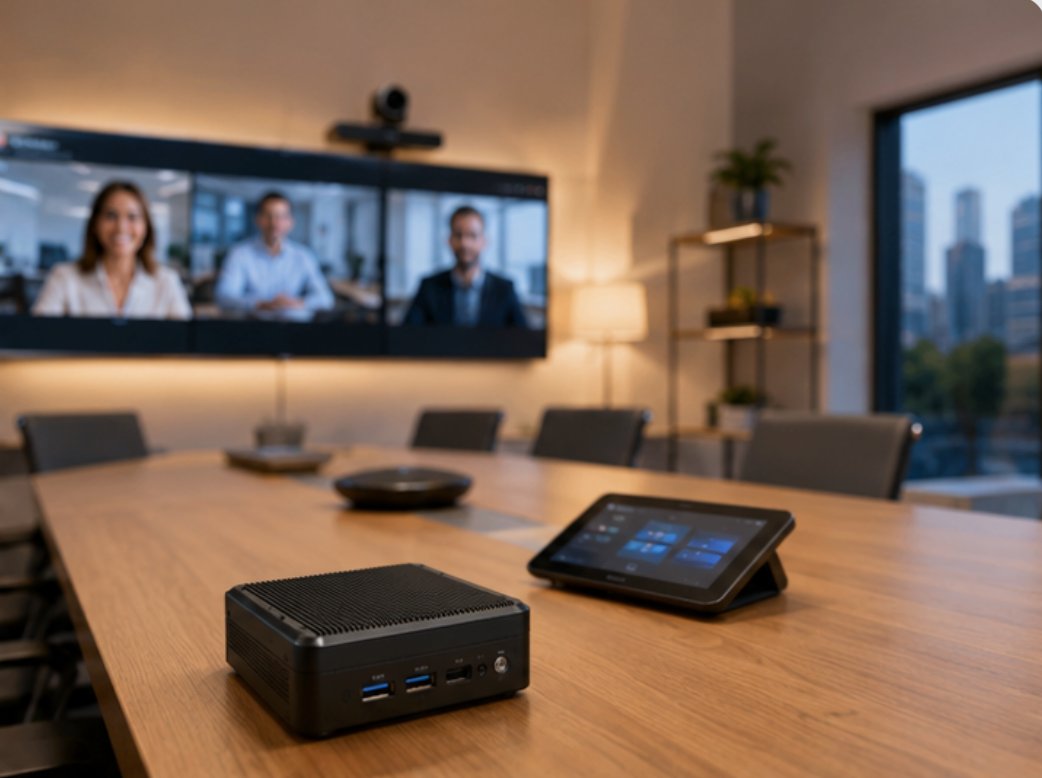
The HCAR5000 MI serves as the central processing hub, handling video encoding, screen sharing, and multi-camera inputs without any perceptible lag. The SH6 rugged tablet functions as a portable control interface or secondary display, allowing presenters to manage meetings from anywhere in the room without being tethered to a podium. The Palm-sized miniPC provides an ultra-compact backup or satellite unit for huddle rooms and smaller spaces where every square inch matters. Together, these devices eliminate the need for separate audio processors, control panels, and dedicated conferencing PCs, consolidating functionality into a streamlined, manageable system.
Market Data & Industry Trends
Industry research indicates that over 65% of video conferencing operators plan to upgrade their audio and processing equipment within the next two years. The primary drivers are better audio quality, longer battery life for portable components, and systems intuitive enough for temporary staff to operate without extensive training. The current market is saturated with all-in-one soundbars and fixed camera systems that lack the modularity modern organizations require for flexible workspace configurations.
The trend toward hybrid work models has accelerated demand for portable conferencing solutions. Fixed boardroom setups are being supplemented or replaced entirely by systems that can be moved between meeting rooms, deployed in temporary spaces, or taken off-site for client presentations. The SH6 rugged tablet, with its IP65 rating and hot-swappable battery, is designed specifically for this kind of flexibility. Meanwhile, the HCAR5000 MI and Palm-sized miniPC offer the processing muscle in a footprint that fits inside a laptop bag. This convergence of portability and performance is reshaping procurement strategies across corporate, educational, and government sectors, with decision-makers prioritizing systems that can adapt to changing usage patterns.
Technical Specification Comparison
When evaluating options for video conferencing, specification differences directly impact real-world performance. Processing power determines how many simultaneous video streams you can handle without stuttering. RAM capacity affects how many applications you can run alongside your conferencing software. Storage speed influences how quickly you can access recorded meetings and shared files. Understanding these trade-offs is essential for making the right procurement decision. The table below provides a side-by-side comparison of the three products relevant to video conferencing applications.
| Specification | HCAR5000 MI | Palm-sized miniPC | SH6 |
|---|---|---|---|
| Primary Function | High-performance mini PC | Ultra-compact mini PC | Rugged handheld tablet |
| Processor | AMD Ryzen 5000H Series | Intel N100 / N305 | Intel Celeron N4020 |
| RAM | Up to 64GB DDR4 | Up to 16GB DDR4 | 8GB LPDDR4 |
| Storage | M.2 NVMe SSD | M.2 SATA / NVMe | 128GB eMMC + microSD |
| Video Output | HDMI 2.0 + DisplayPort | HDMI 2.0 | HDMI out (micro) |
| Battery Life | N/A (AC powered) | N/A (AC powered) | 8-10 hours |
| Dimensions | 128 x 128 x 42 mm | 72 x 72 x 44 mm | 215 x 130 x 24 mm |
| Weight | 480 g | 180 g | 650 g |
| Rugged Rating | Standard | Standard | IP65, MIL-STD-810G |
The HCAR5000 MI stands out for demanding conferencing scenarios requiring multiple 4K streams, real-time background processing, and simultaneous peripheral connections. Its AMD Ryzen 5000H processor delivers desktop-class performance that handles AI-powered noise suppression and automatic camera framing without dedicating a separate processor or external hardware. The Palm-sized miniPC, while less powerful in absolute terms, excels in scenarios where space is at a premium. It can be mounted behind a monitor, attached to the back of a display arm, or tucked into a cable management tray, providing a full Windows environment in a form factor smaller than a smartphone.
The SH6 rugged tablet brings a unique value proposition to video conferencing that no standard laptop or desktop can match. Its touchscreen interface runs dedicated conferencing applications, displays speaker notes and scripts, or serves as a wireless presentation remote with full slide control. The hot-swappable battery ensures that all-day meetings never need to pause for charging, a critical feature for training sessions, board meetings, and multi-hour workshops. When paired with the HCAR5000 MI, the SH6 acts as a secondary teleprompter or camera preview monitor, giving presenters real-time feedback on their delivery. When used with the Palm-sized miniPC, it becomes a portable control surface for managing multiple meeting rooms from a single handheld device, streamlining facility management for IT teams.
Organizations planning their next technology refresh should carefully consider the specific demands of their conferencing environment. Large boardrooms with complex AV requirements will benefit most from the HCAR5000 MI as a central processing unit capable of handling multiple inputs and outputs simultaneously. Huddle rooms and agile workspaces will find the Palm-sized miniPC a cost-effective, space-saving solution that delivers professional-grade performance without occupying valuable desk space. Field teams, educational institutions, and government agencies operating in challenging environments will appreciate the SH6 rugged tablet for its durability, long battery life, and versatility in diverse settings. The evolution of video conferencing technology is moving decisively toward modular, portable, and powerful systems, and these three products represent the leading edge of that transformation, offering organizations the flexibility to build conferencing solutions that match their specific operational requirements.