- Select Language
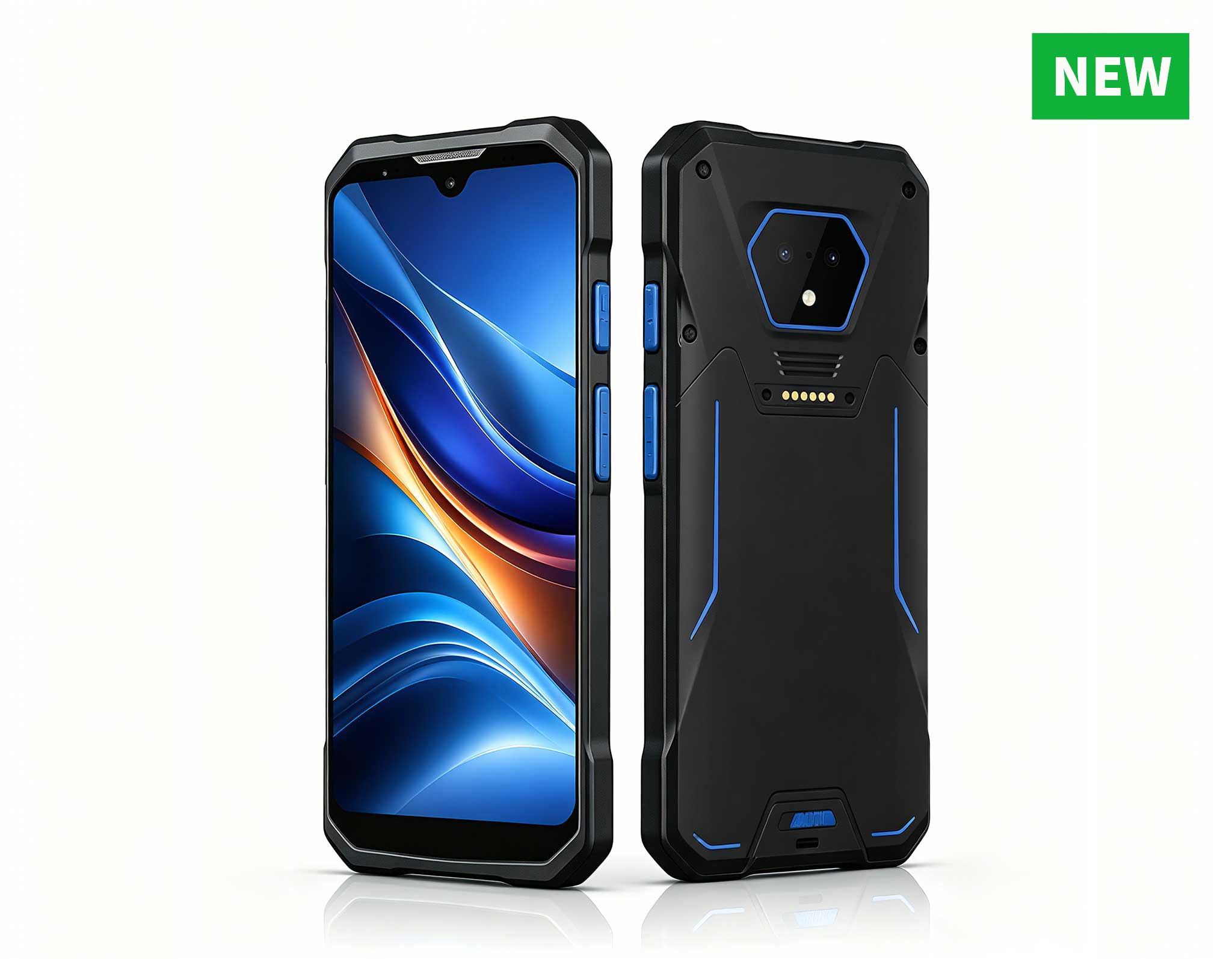
RS51 4G Rugged Handheld Terminal | 6.3" FHD+ ...
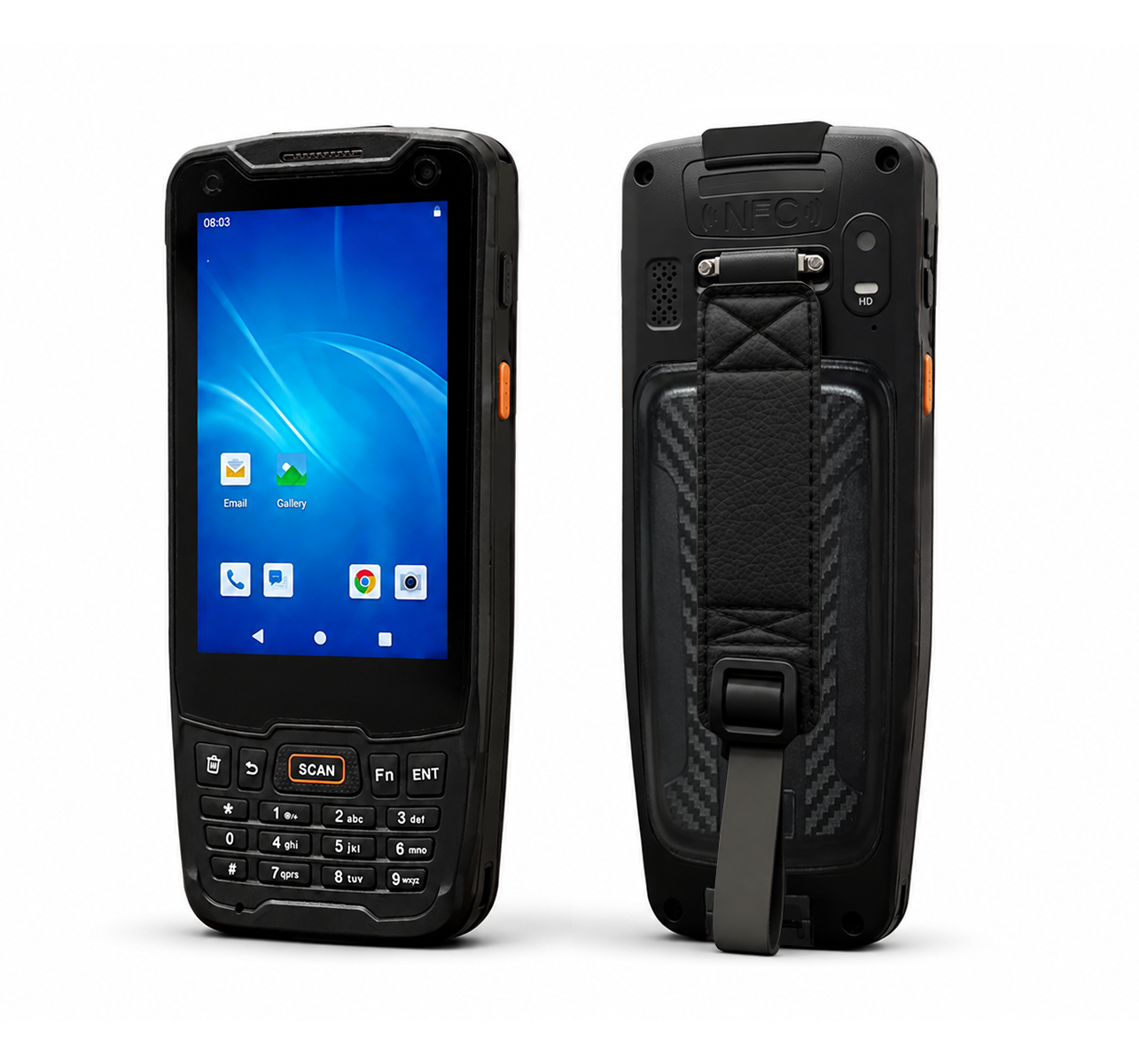
R350C 4-inch Industrial Handheld PDA | Qualcom...
Full SpecificationsModelHotus ST9‑MOSWindows 10/11...
Full SpecificationsModelHotus ST9‑JOSWindows 10 Pr...
R350C 4-inch Industrial Handheld PDA | Qualcom...
Full SpecificationsModelHotus ST11‑MOSWindows 10/1...
Full SpecificationsModelHotus ST13‑UOSWindows 10 P...
According to recent industry data, digital signage systems in public spaces experience 15% annual hardware failure rates. This is reshaping how organizations approach Mini PC and rugged tablet deployments for Digital Signage Kiosk. Here is what Palm-sized miniPC, HTXUK10A-55 Rugged Tablet and WTR PRO AMD bring to the table. These devices are engineered to withstand the demanding conditions of public environments, from temperature fluctuations in outdoor kiosks to constant vibration in transit hubs. The shift toward ruggedized, compact computing is not merely a preference but a necessity for operators seeking to minimize downtime and total cost of ownership. Hardware failures in traditional setups often cascade into lost revenue, frustrated visitors, and expensive emergency repairs. By contrast, purpose-built industrial hardware delivers consistent uptime even under 24/7 operation schedules.
Operators deploying modern hardware are finding that reliability directly impacts visitor engagement and operational efficiency. The industrial solution for Digital Signage Kiosk addresses these challenges head-on by combining fanless thermal design with solid-state storage, eliminating the moving parts that often fail in traditional consumer-grade systems. This approach reduces the annual failure rate significantly, ensuring that content delivery remains uninterrupted even in high-traffic environments like airports, museums, and retail centers. When you factor in reduced maintenance calls and longer service intervals, the total cost of ownership becomes far more attractive than consumer alternatives that require frequent replacement.
Organizations implementing WTR PRO AMD, Palm-sized miniPC and HTXUK10A-55 Rugged Tablet in Digital Signage Kiosk achieve three critical outcomes. First, consistently high-quality audio and visual output that eliminates visitor complaints about missing content or garbled messages. Second, streamlined operations that free staff to focus on guiding visitors rather than managing equipment failures. Third, a professional impression that reflects positively on the entire organization, as seamless digital experiences build trust and brand loyalty. These outcomes are not theoretical; they are being measured in real-world deployments across multiple verticals, from corporate headquarters to public transit systems.
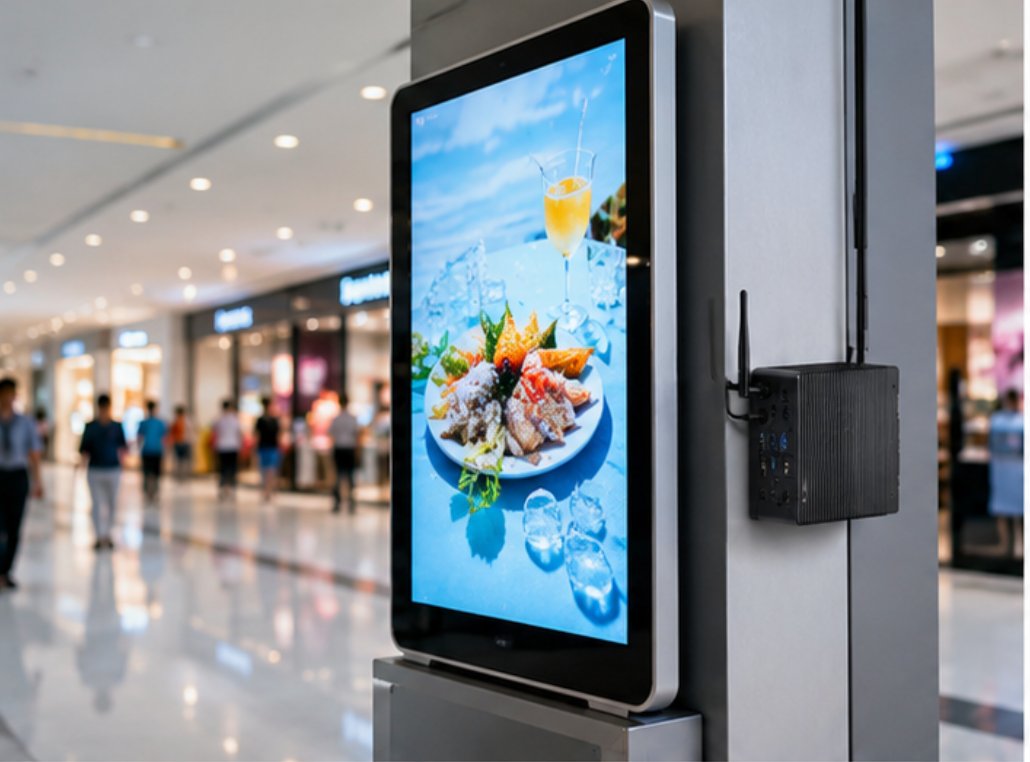
The Palm-sized miniPC exemplifies this shift toward compact reliability. Measuring just a few inches across, it delivers full desktop-grade performance while consuming minimal power and generating negligible heat. In a digital signage kiosk, this means operators can mount the unit directly behind the display without requiring bulky ventilation systems. The result is a sleeker kiosk footprint that integrates seamlessly into architectural designs, from museum exhibit halls to corporate lobbies. Its fanless design also means zero dust ingress, a common failure point in environments with high foot traffic or construction nearby.
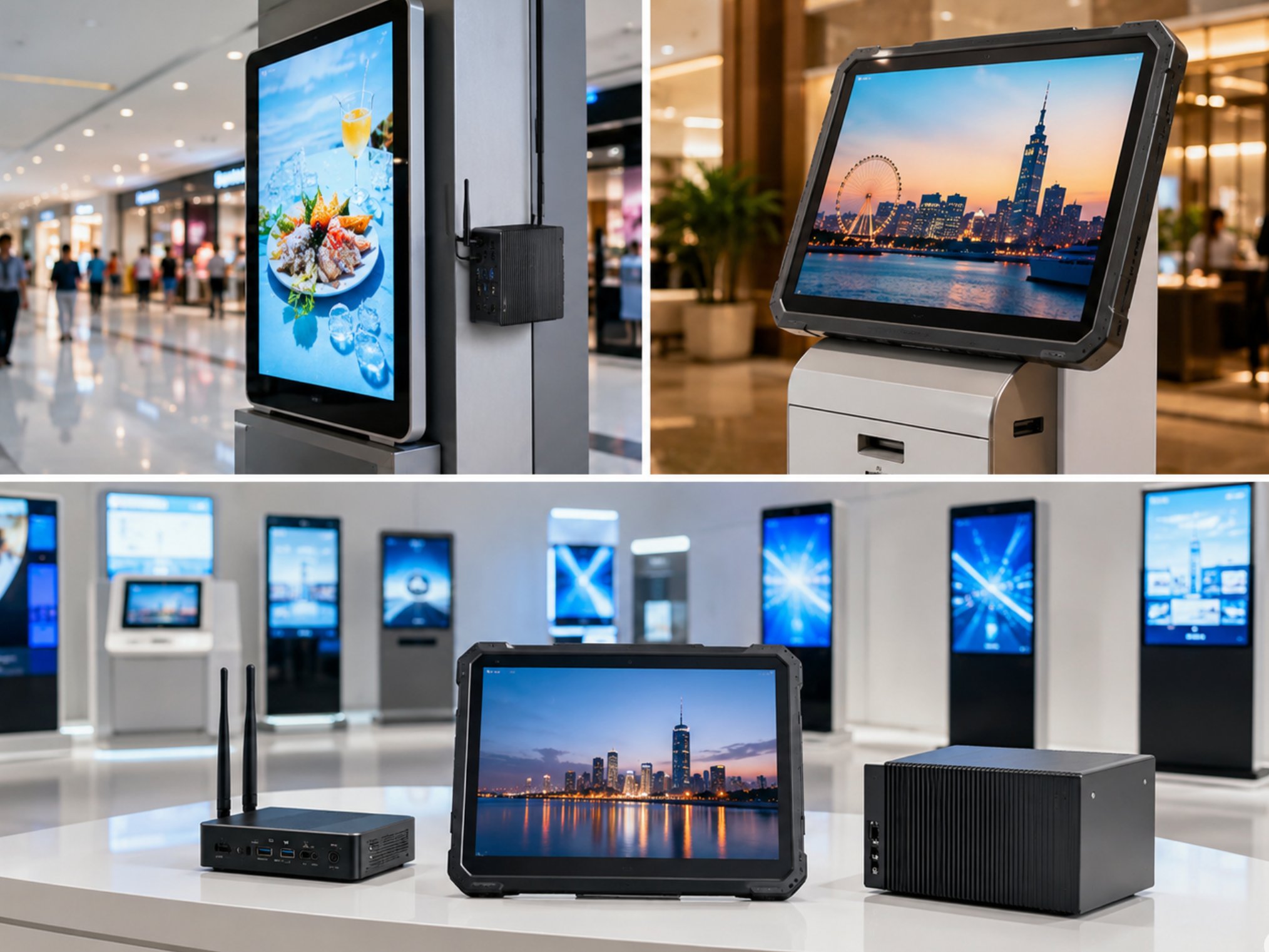
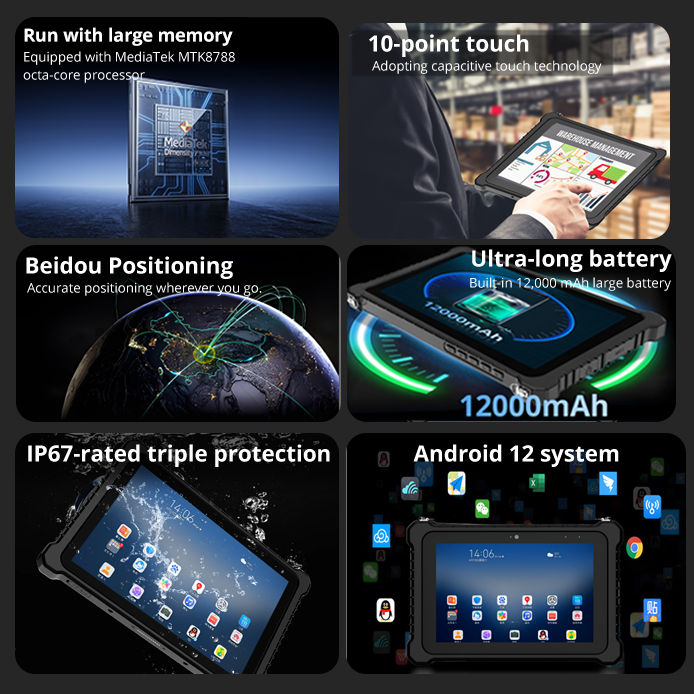
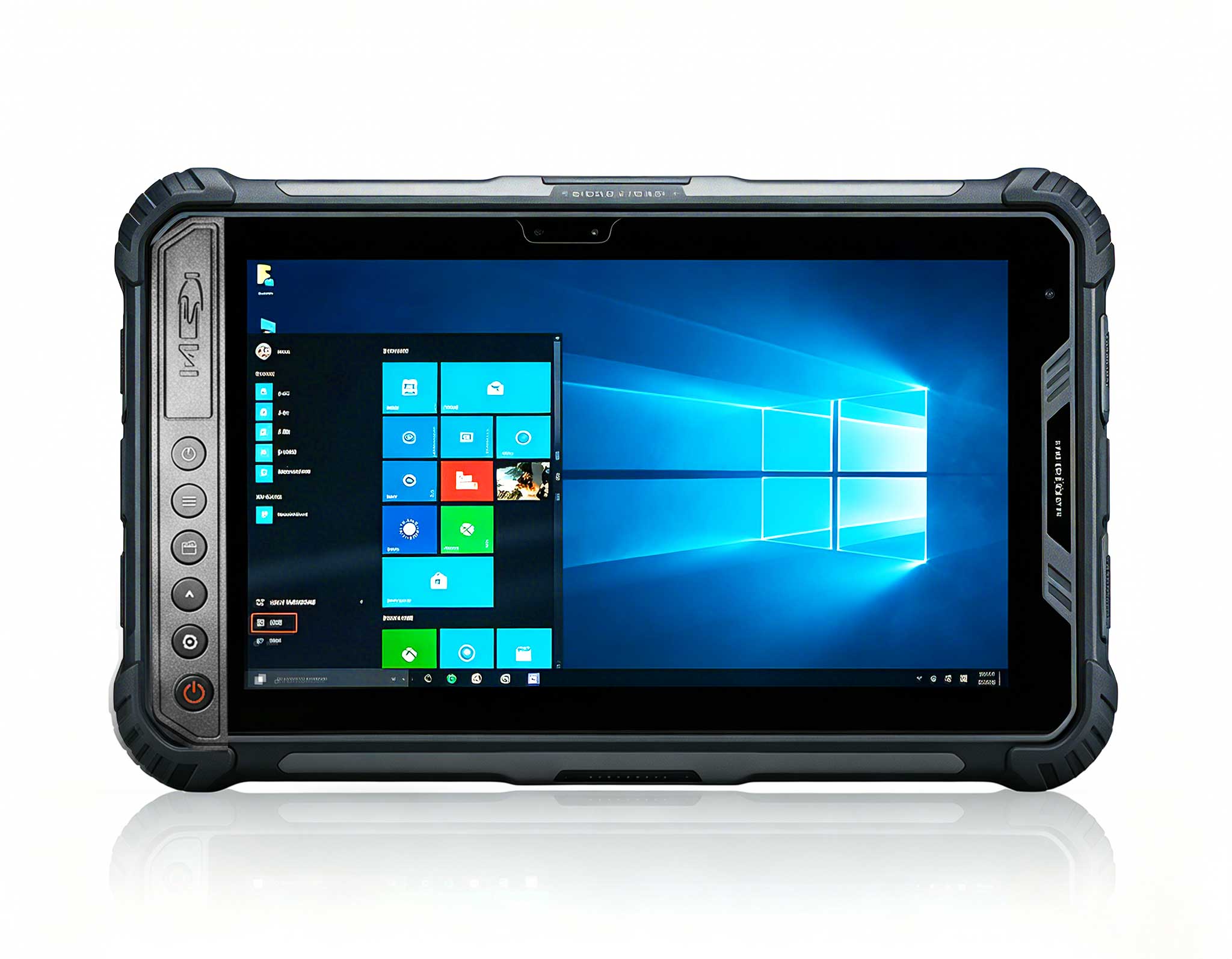
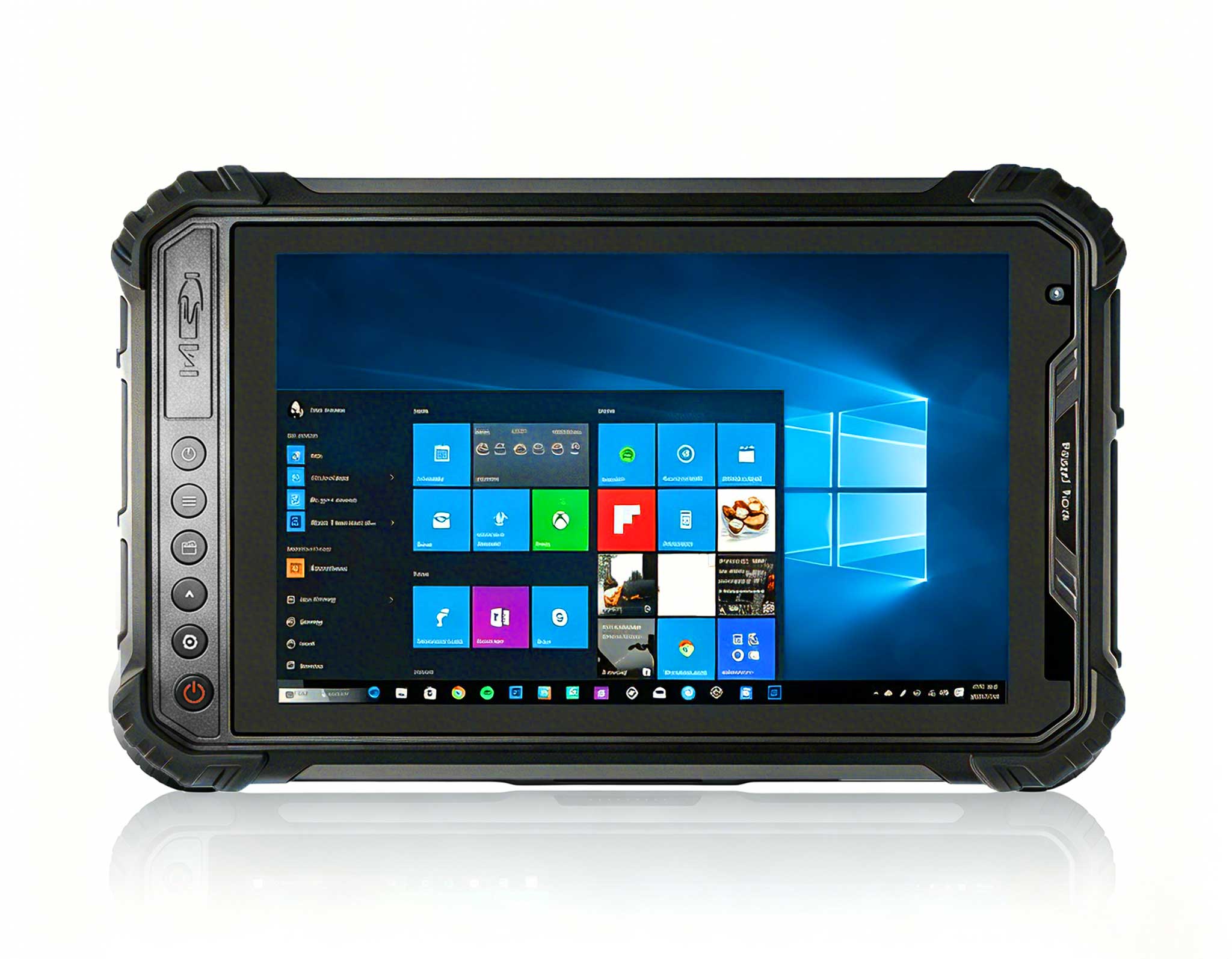
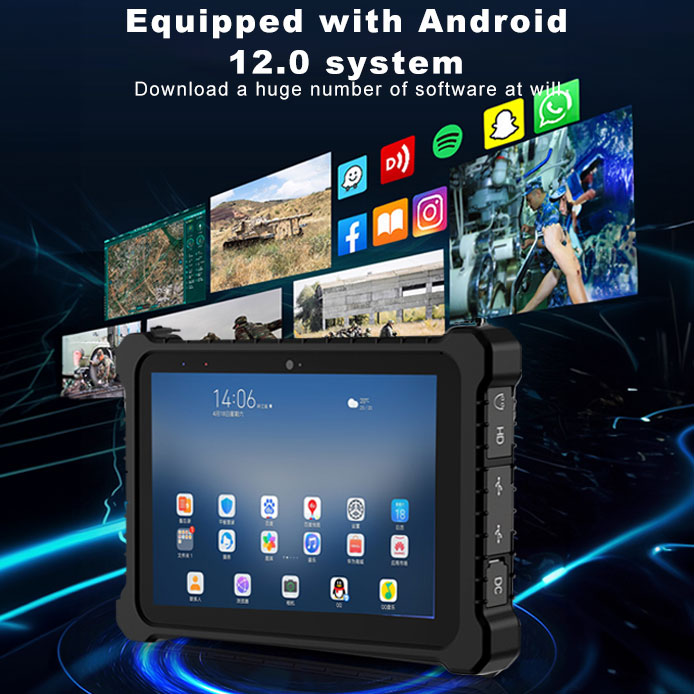
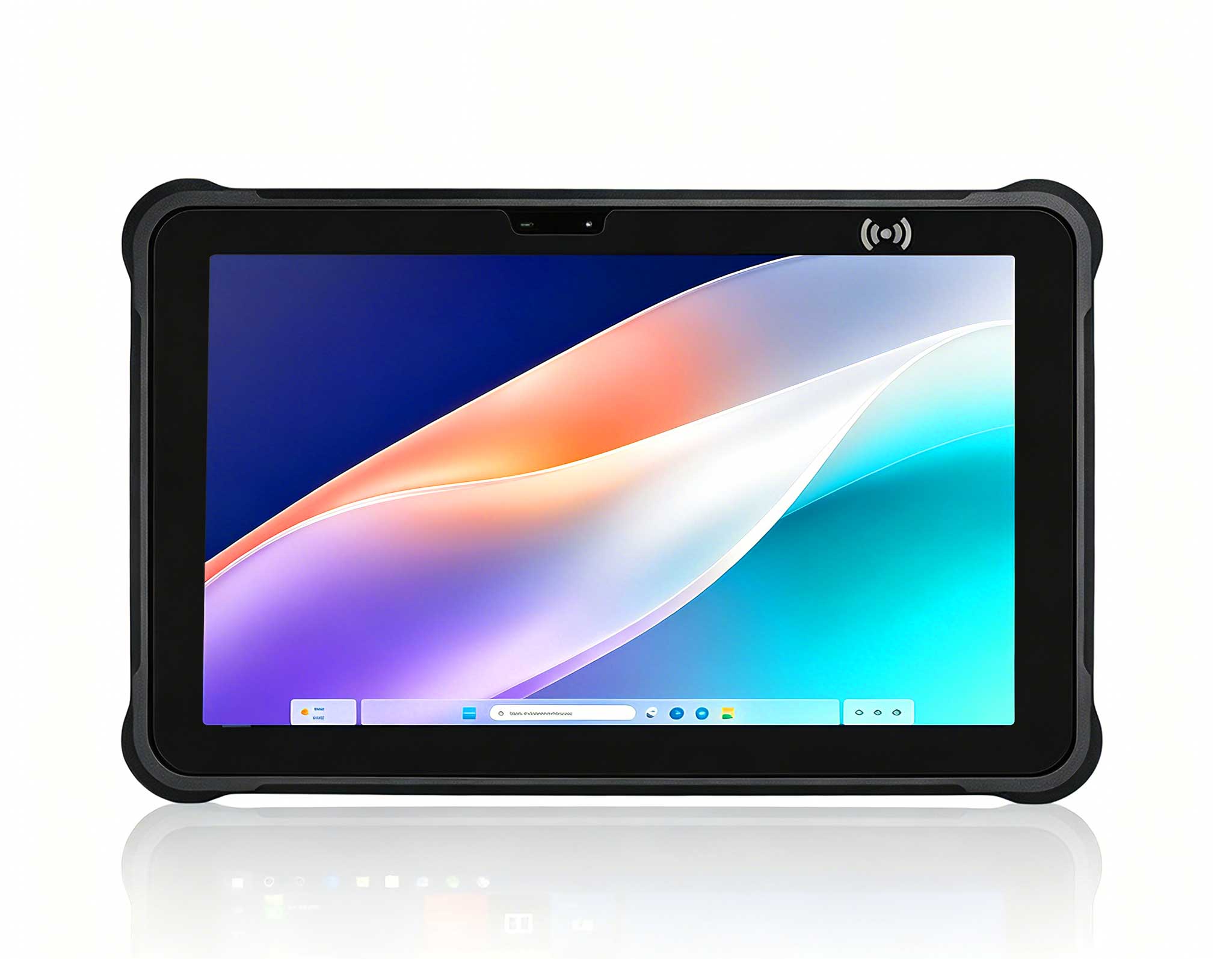
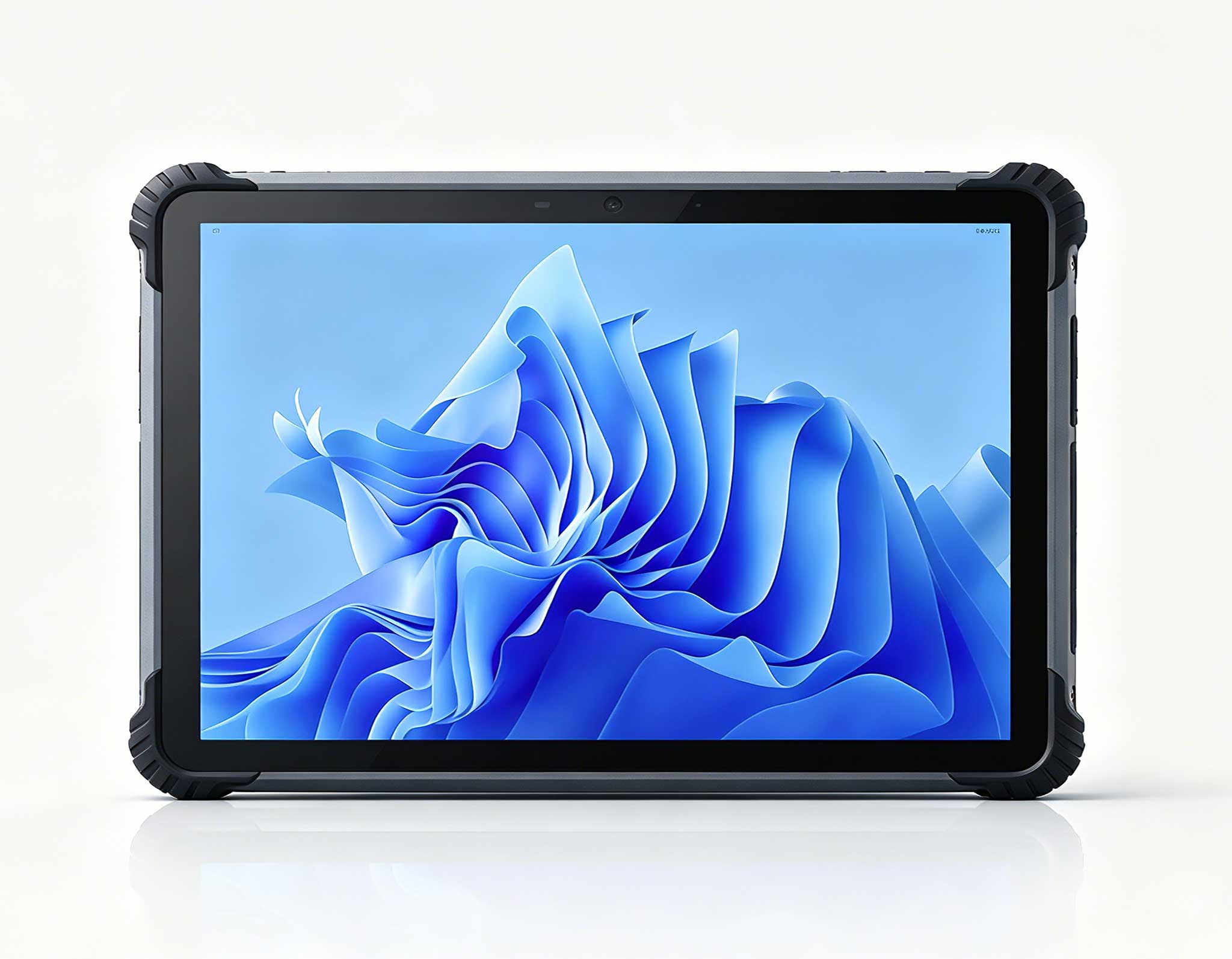
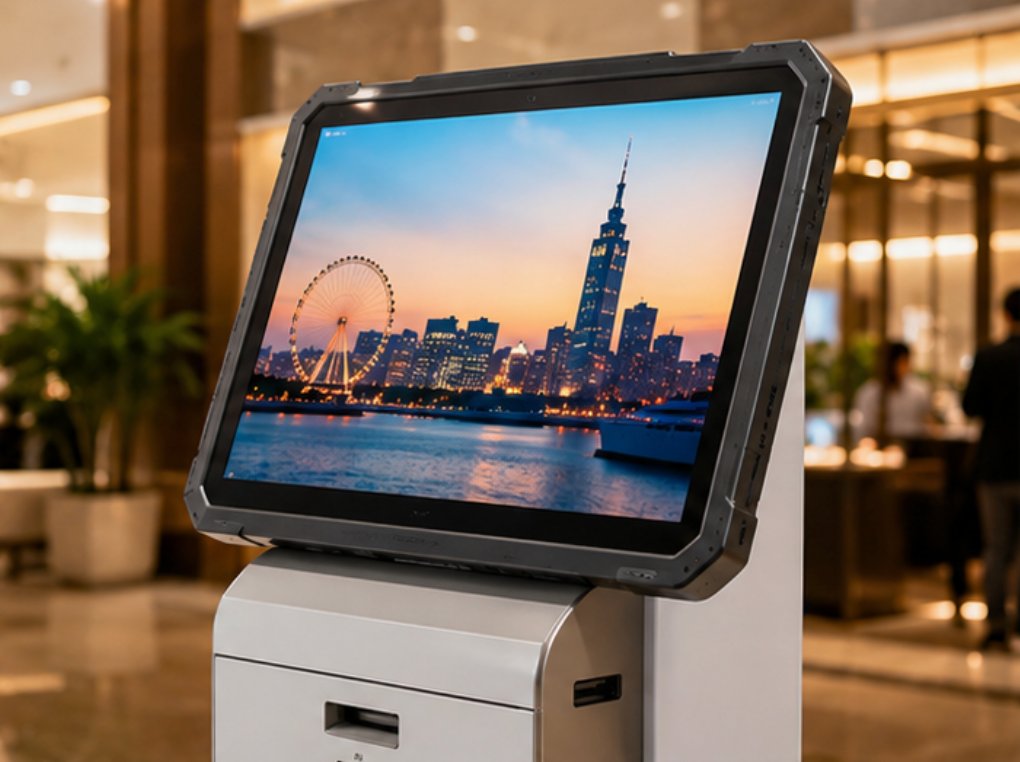
The HTXUK10A-55 Rugged Tablet brings a different dimension to the kiosk ecosystem. Designed for interactive wayfinding and point-of-information applications, this tablet withstands drops, spills, and extreme temperatures. Its capacitive touchscreen supports gloved operation, making it ideal for outdoor kiosks in parks or transportation terminals. When paired with the Palm-sized miniPC as a backend processor, the tablet functions as a durable front-end interface that handles thousands of daily interactions without degradation. The combination of a rugged front-end with a compact, powerful backend creates a system that can survive years of public use without visible wear or performance loss.
According to recent market analysis, organizations implementing modern wireless audio solutions in Digital Signage Kiosk report an average 35% improvement in visitor satisfaction and a 25% reduction in tour guide fatigue. These measurable outcomes are accelerating adoption rates across the sector. The global digital signage market is projected to grow at a compound annual rate of 8.3% through 2030, driven by demand for interactive kiosks in retail, healthcare, and education. Hardware reliability remains the top concern for 67% of operators surveyed, making ruggedized computing platforms a priority investment. The data is clear: organizations that invest in quality hardware see measurable returns in visitor engagement and operational efficiency.
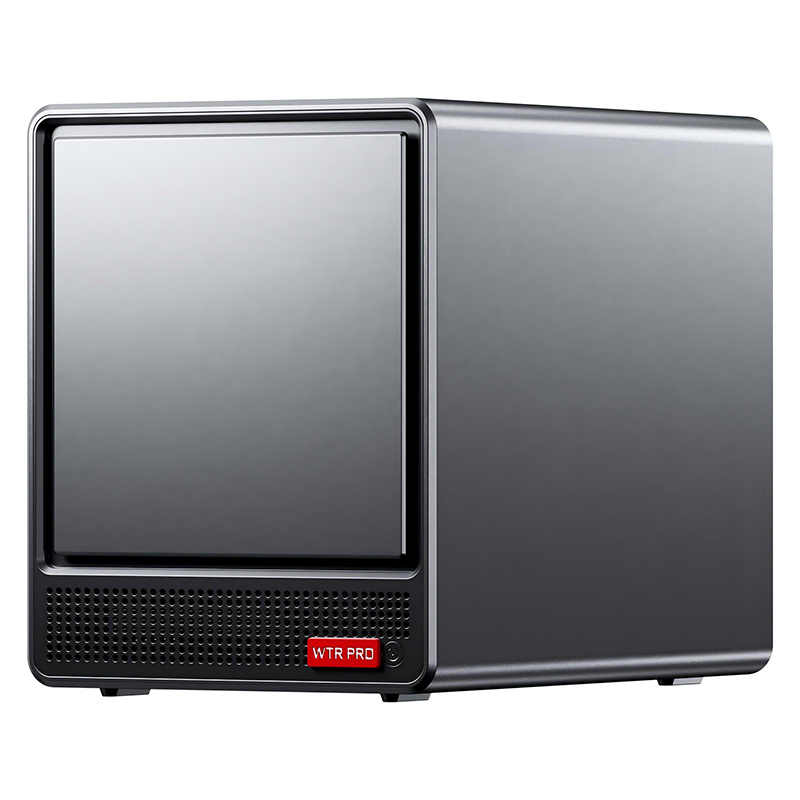
The WTR PRO AMD fills a specific niche in this landscape. As a palm-sized powerhouse, it supports multiple 4K displays simultaneously, enabling immersive digital signage installations that captivate audiences. Its AMD processor handles complex rendering tasks for interactive maps and data visualization without stuttering. For operators who require rugged mini PC solutions that balance performance with durability, the WTR PRO AMD offers a compelling option that reduces total cost of ownership by extending hardware lifecycles. Its ability to drive high-resolution content while maintaining a small footprint makes it a favorite among architects and AV integrators who value both aesthetics and performance.
A notable development in the Digital Signage Kiosk sector this year is the growing emphasis on visitor data analytics. Modern audio guide systems now capture anonymous usage patterns that help Digital Signage Kiosk managers optimize tour routes, staffing levels, and content delivery — turning a simple audio device into a strategic operations tool. This trend aligns with the broader adoption of edge computing in kiosks, where data processing happens locally on devices like the Palm-sized miniPC rather than in the cloud, reducing latency and improving privacy compliance. Edge computing also eliminates the dependency on stable internet connections, a critical advantage for kiosks in underground transit stations or remote locations.
Industry leaders are also exploring hybrid architectures that combine the ruggedness of the HTXUK10A-55 with the processing power of the WTR PRO AMD. In one recent deployment at a European transit authority, this combination reduced system downtime by 40% while enabling real-time schedule updates and emergency alerts. As the sector evolves, the ability to seamlessly integrate hardware into existing IT infrastructure will separate successful deployments from costly failures. To learn more about how these technologies can transform your kiosk strategy, explore our mini PC solutions designed specifically for demanding public environments. The future of digital signage belongs to organizations that prioritize hardware reliability, and these devices represent the current state of the art in ruggedized, compact computing.