- Select Language
Technical SpecificationsModel: Palm-sized miniPCTy...
The U9000 handheld PDA combines advanced barcode s...
R366-S Thin 5.5-inch Industrial PDA | Qualcomm Oct...
P8 Series 8-Inch Rugged Industrial Tablet PC Mobi...
Enterprise Flagship SeriesEngineered for mission-c...
One Device, Dual Functions – A Projector and a Com...
This 10-inch Android rugged tablet is designed for...
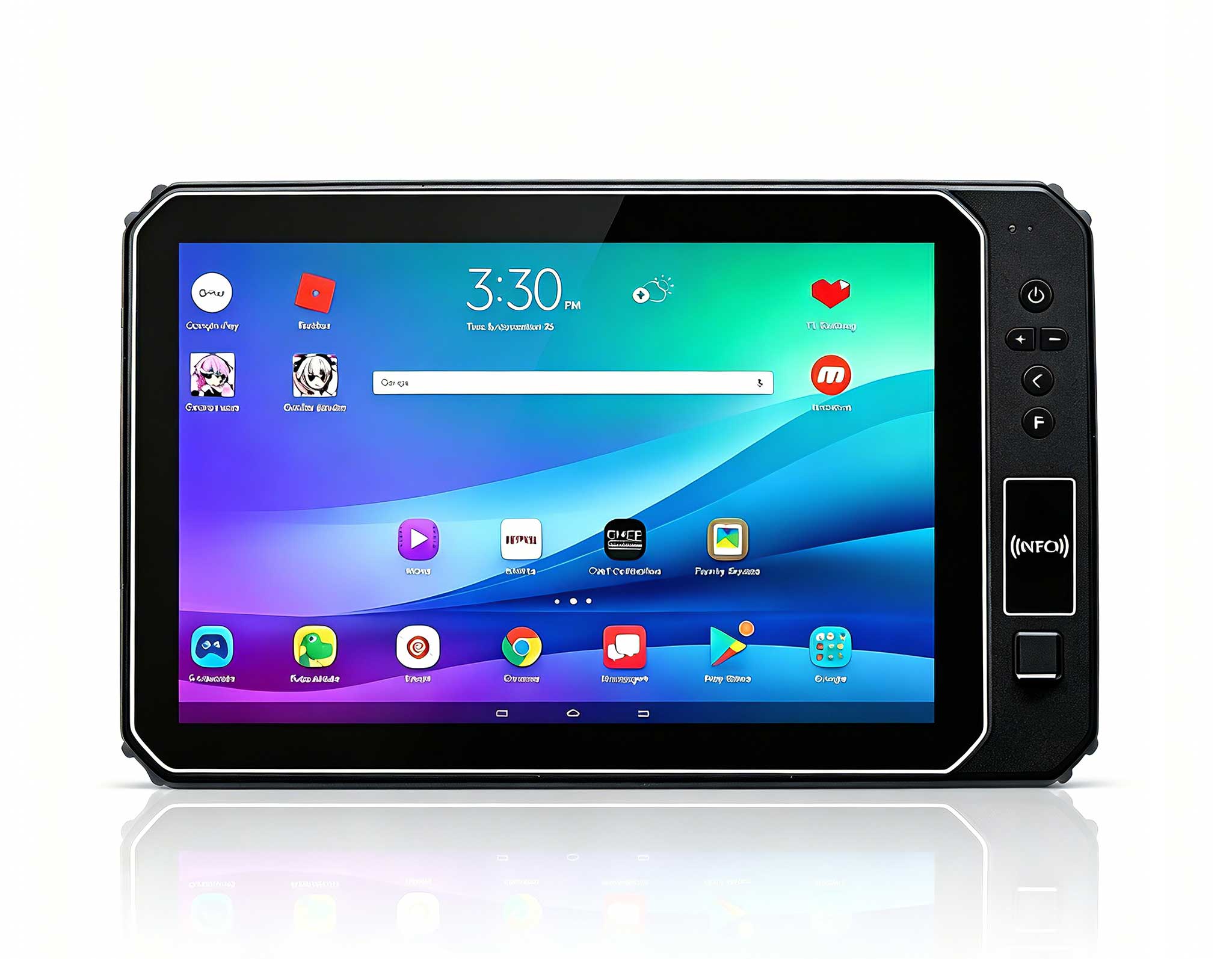
RT81 4G Rugged Tablet | 10.1" FHD 400nit | Qu...
A custom order almost never stalls because a part is missing. It stalls because one person is the only one who can move it forward, and that person is already committed to something else. I have watched this pattern repeat across three years of OEM and ODM work, and the reflex is always the same: add a body. It rarely helps, because the constraint is not how many people are on the programme. It is how many separate actions can happen at the same time. What follows is how we plan the people side of a custom build now, stage by stage, and which hardware lets us hold the line on numbers.
A drawing can be finished in three days and still sit untouched for six weeks, because every hand-off in a bespoke build depends on a specific person being free at a specific moment. Suppliers quote in sequences, samples travel on schedules, and approvals wait for whoever holds the technical picture in their head. When a project looks late, the honest question is not how many names are on the plan. It is how many of those names can work without standing in each other's way. Teams that plan around actions rather than head count tend to finish sooner without hiring anyone, and that planning starts well before the first enquiry becomes a real oem odm solutions conversation about tooling, volumes and certification paths.
Before anything is committed, a short list of decisions has to be closed: what the enclosure will be cut from, which regulatory route applies, how the sample will be evaluated, and who signs the freeze. None of this appears on a project plan, and none of it has an obvious owner, so it lands on whichever engineer is least able to refuse it. The fix is unglamorous. Write the list down, put a name and a date beside each line, and treat the freeze as a deliverable rather than a conversation. Programmes that skip this step lose the time later, usually in the week the tooling is supposed to be ready.
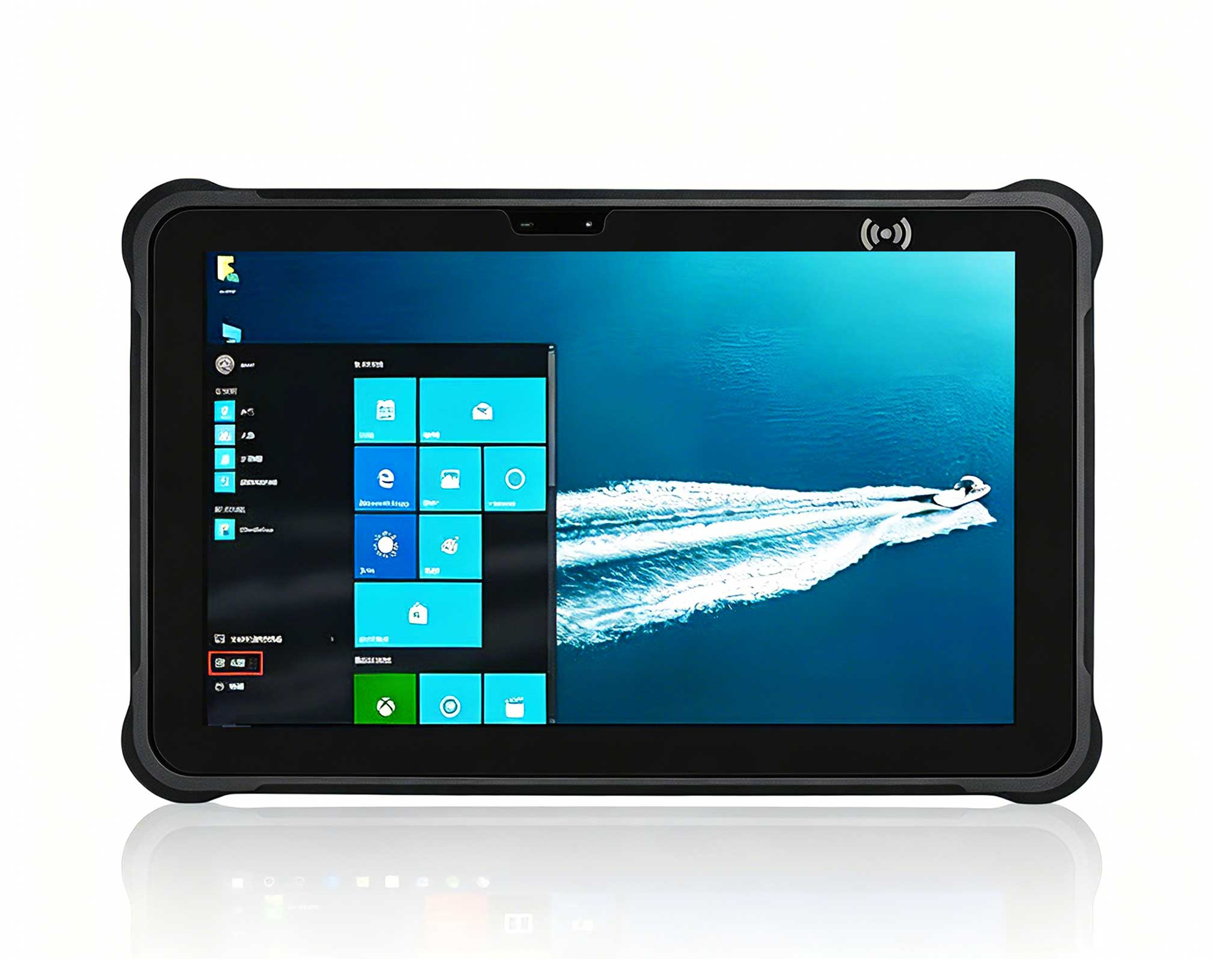
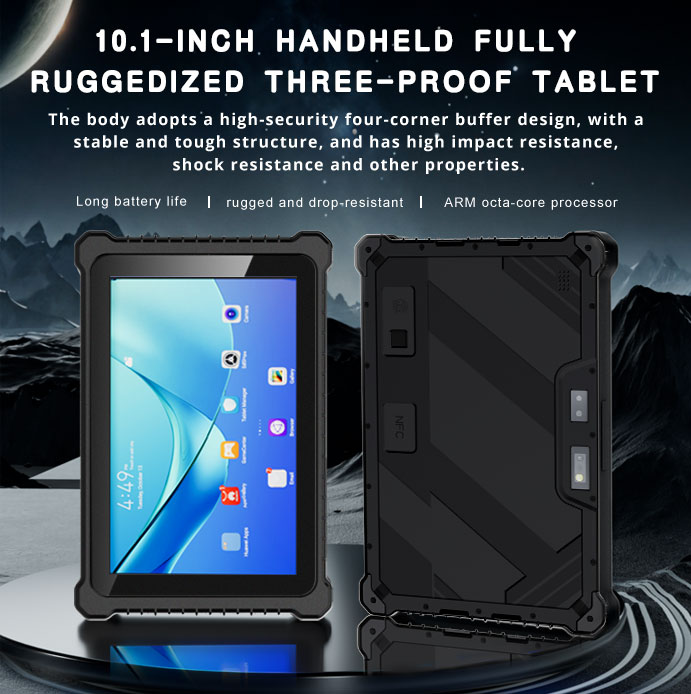
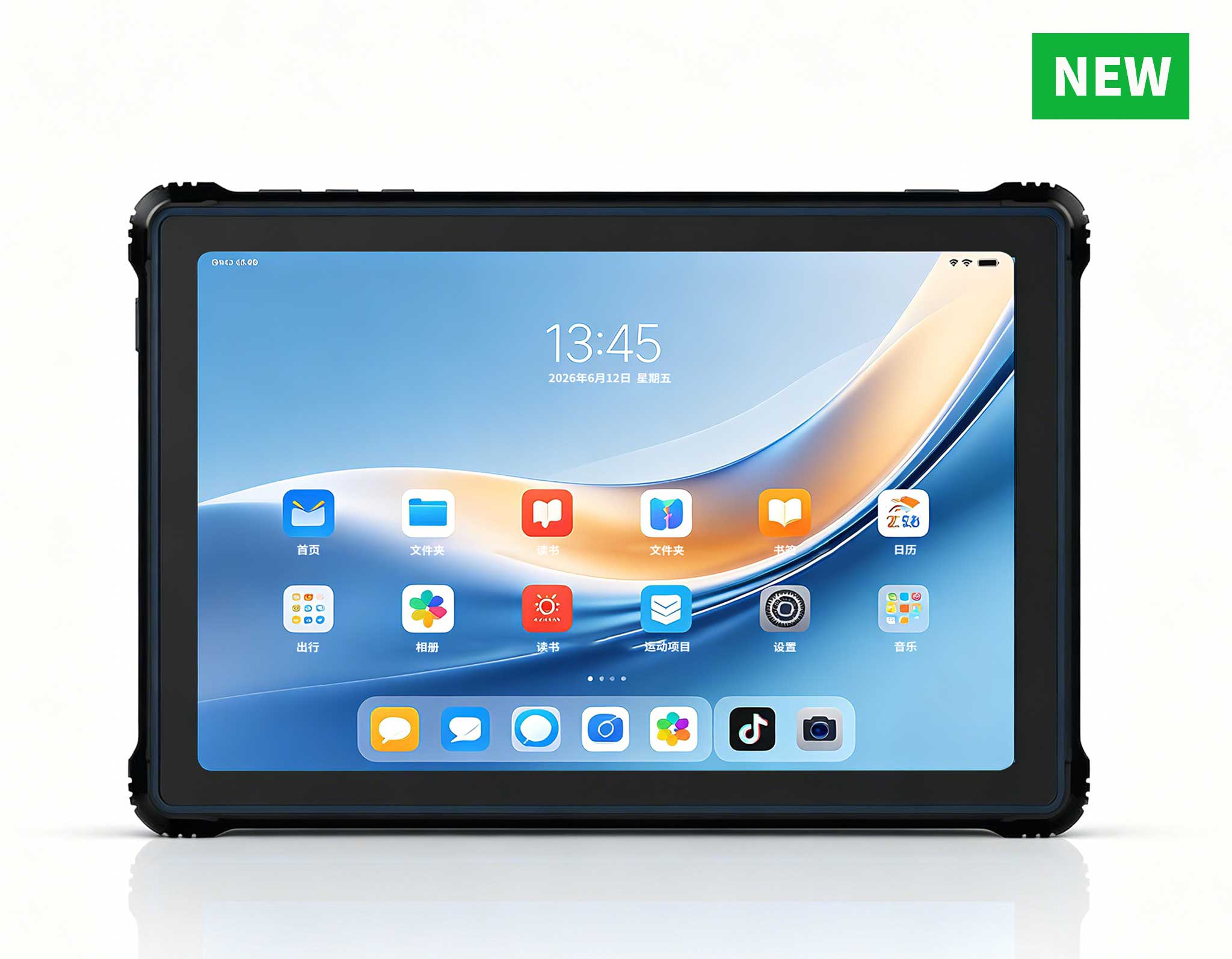
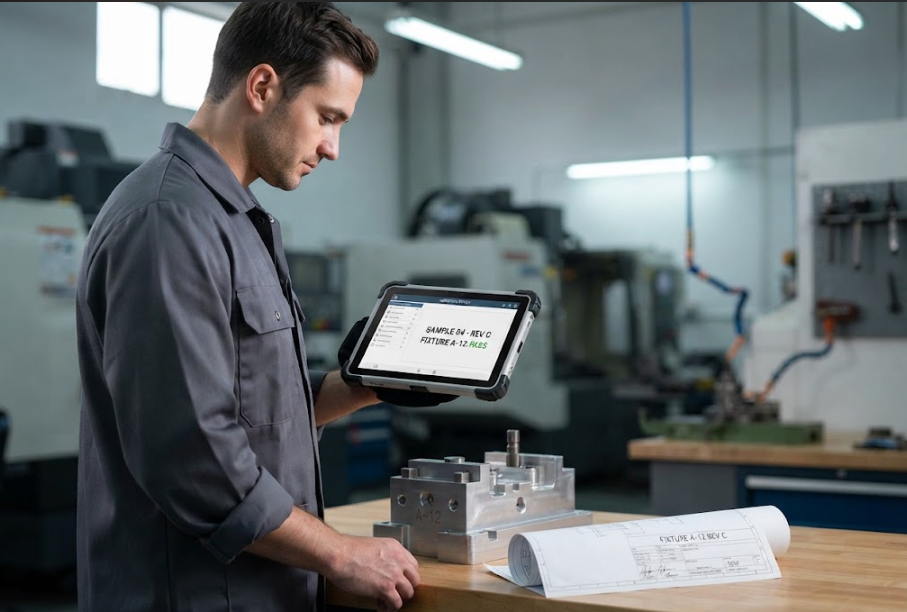
Early sampling is where a custom programme usually runs thinnest, and it is the stage that benefits most from the right device rather than an extra pair of hands. A single engineer carrying one RT81 can photograph a fixture, log its position, check the drawing against the part on the bench and send the file before leaving the floor. The 10.1-inch FHD 400nit panel is readable under plant lighting, the 10000mAh battery covers a full day away from a socket, and the IP67 shell means the device does not need babysitting in a machine shop. With 4G LTE and independent Beidou RTK on board, a site reading taken outdoors carries both a time and a position, which is exactly what a customer asks for when a sample fails. The RT81 is the unit we hand to the person who has to do the sampling alone.
Most small teams default to running tooling first and firmware afterwards, which quietly doubles the calendar. Those two streams do not actually touch each other for weeks. The enclosure team needs wall thickness, draft angles and gating; the firmware team needs band plans, sensor drivers and a boot logo. Two names can carry both streams at once provided they share one configuration file rather than emailing screenshots back and forth. The moment the streams converge, the question changes from who is free to what still conflicts, and that is a much cheaper conversation.
| Stage of the order | Minimum people | What pulls it to the minimum | Where it usually gets stuck |
|---|---|---|---|
| Kickoff and freeze | One, plus a named approver | A written decision list rather than a meeting | Nobody owns the freeze date |
| Sample round | One | A rugged tablet that records evidence on the spot | Sample issues reported without photos or positions |
| Tooling and firmware | Two, one per stream | One shared configuration file | The two streams are run in sequence by habit |
| First article and pilot | Two, plus one inspector | A camera good enough to replace a second pair of eyes | First article has no owner's name on it |
| Ramp | The pilot crew, extended hours | Measurement data that shows where the time went | Hiring against a peak that is already ending |
The first article inspection is the classic orphan. Everyone assumes the other team did it, and the paperwork arrives signed by nobody in particular. Put one name on it. That single change removes an entire class of arguments later, because a named inspection produces photographs with timestamps instead of reassurances. It also gives the pilot crew something concrete to build on, which matters when the same crew is carrying several form factors that share a family design through our rugged tablet range and beyond.
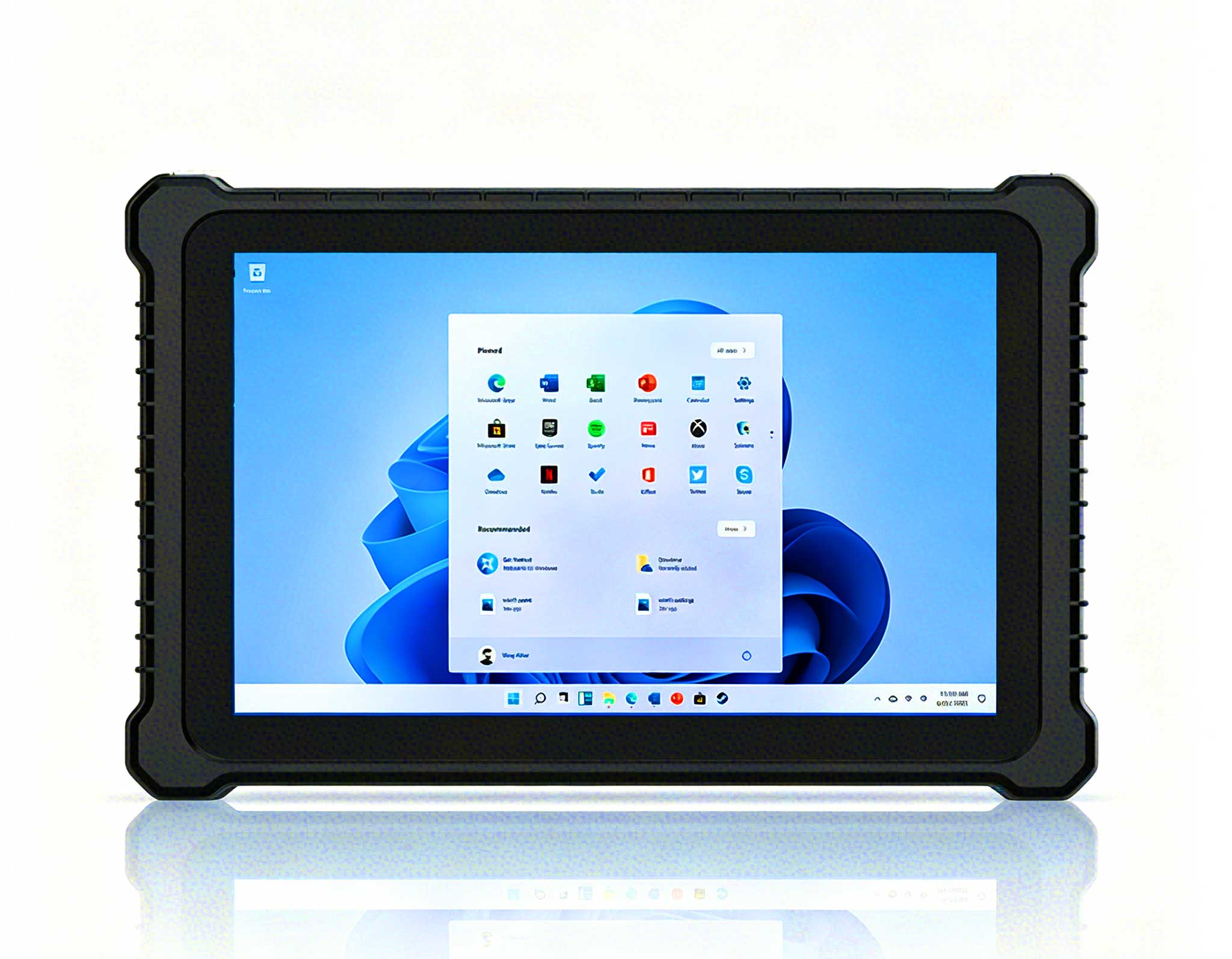
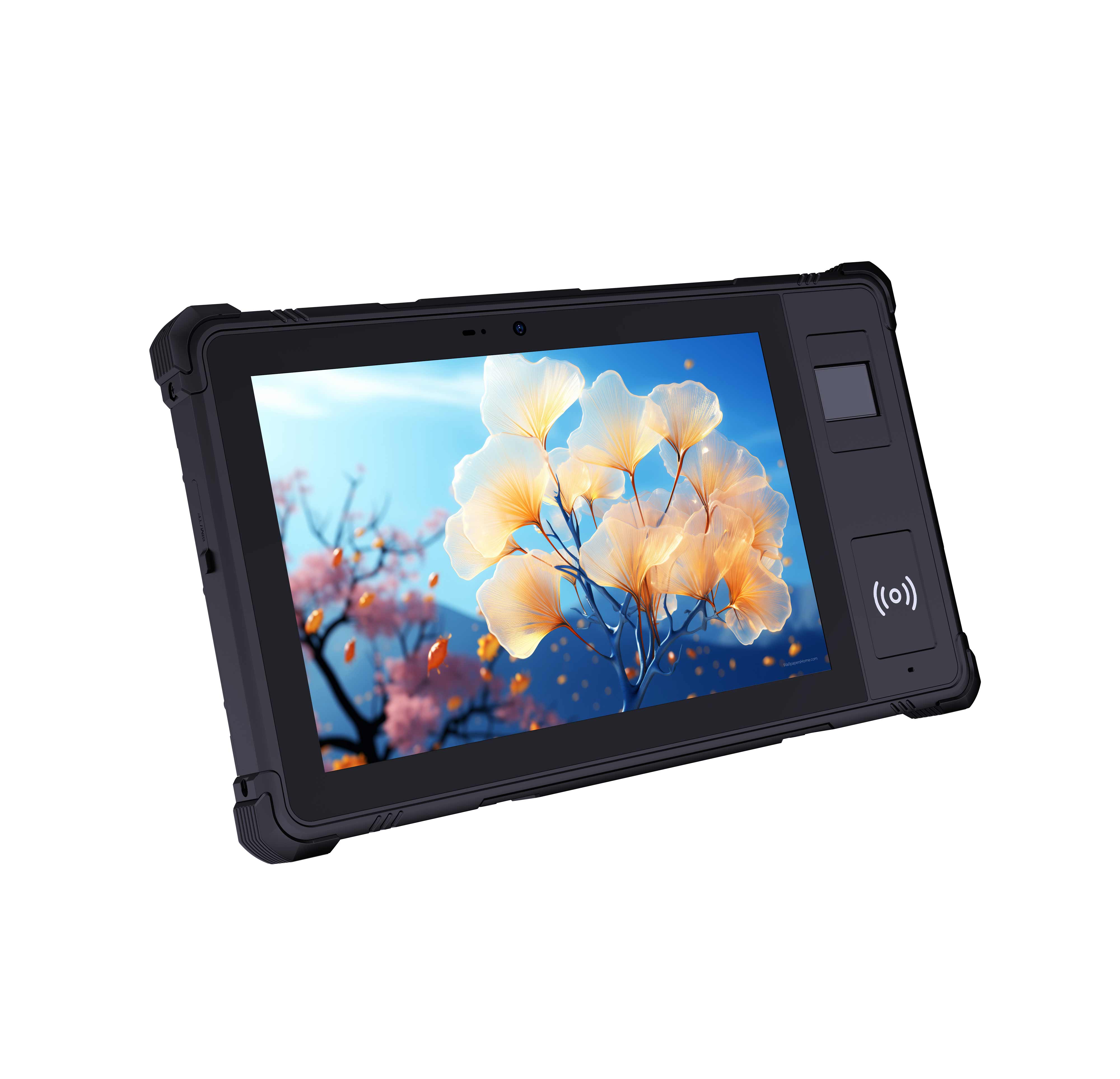
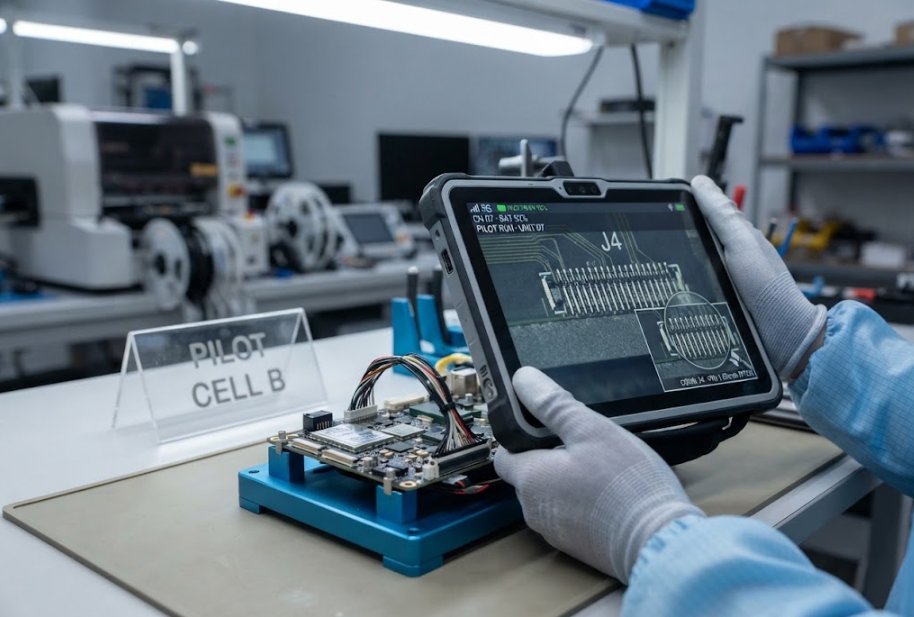
The pilot run is the one stage where an extra person genuinely earns their place, and it is also where the wrong device creates the need. When the only way to check a connector is to walk a macro photo back to a desk, you have quietly hired a courier. An RT80 in the pilot cell changes that: the 48MP camera resolves component markings close up, 5G low latency carries the image to the process engineer while the cell is still open, and the 10.1-inch FHD 400nit screen shows the comparison in place. The unit pairs a Unisoc octa-core at 2.7GHz with 10000mAh of runtime and an IP67 shell, and runs Harmony OS or Android 13 depending on what the customer's fleet already standardises on. Independent Beidou RTK is present here too, so a build recorded on a shop floor carries a defensible location alongside the time. The RT80 is the third person we do not have to hire.
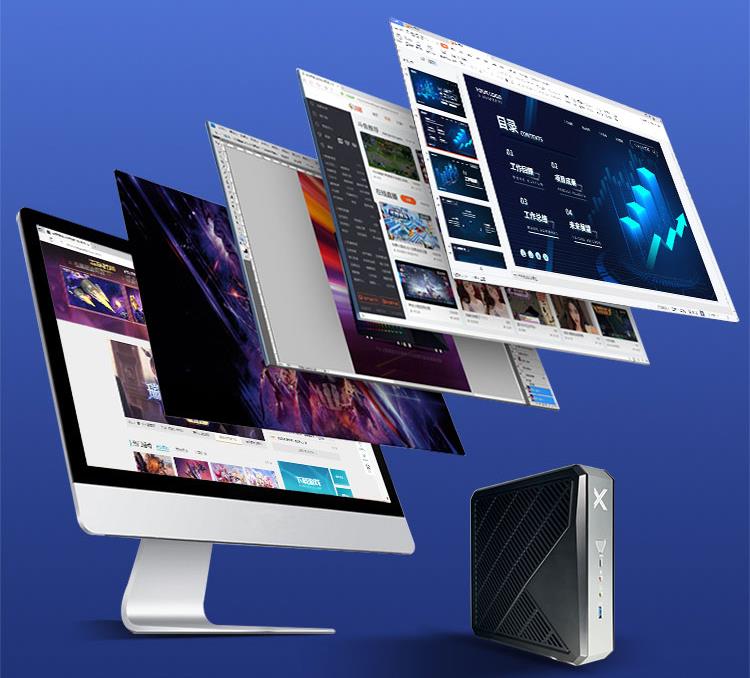
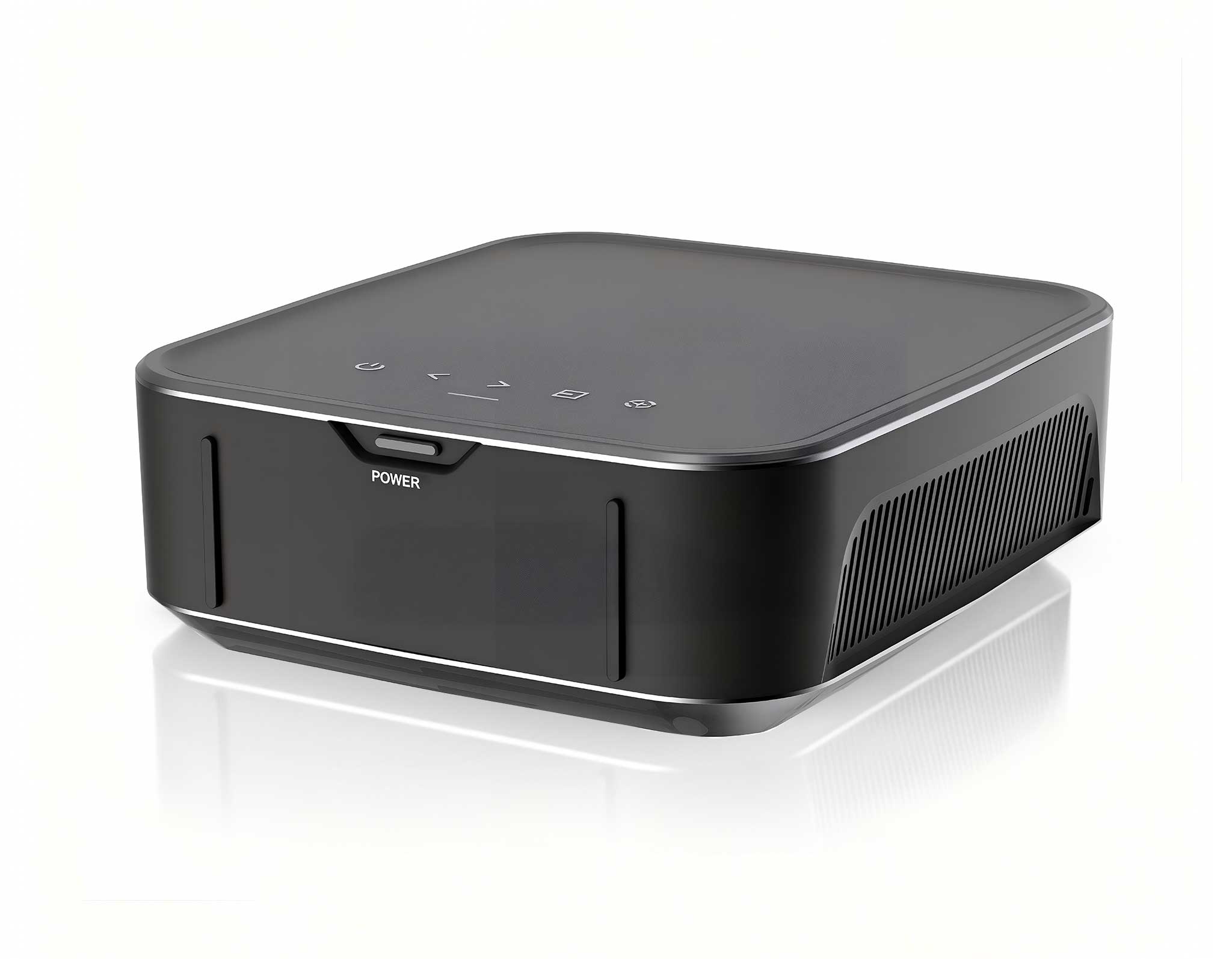
Every custom programme accumulates a second job that nobody planned for: keeping drawings, firmware builds, inspection images and measurement logs in one place, with versions that can be trusted a month later. That job is usually done by an engineer in the gaps between real work, which is why it is the first thing to slip. A single four-bay machine removes it from the human list. The WTR PRO AMD takes up to four SATA drives and two M.2 NVMe 2280 slots, runs an AMD R7 5825U or an Intel N100 depending on budget, and reaches the network over dual 2.5G ports with WiFi 6. Its metal chassis carries the heat without a fan whine in a shared office, the 120W adapter is a single plug, and HDMI, DisplayPort and USB Type-C drive three 4K screens at once, which is enough to keep a live build dashboard and a documentation page visible while somebody works. At 22.8 by 15 by 18.5 centimetres and 5 kilograms it sits on a shelf rather than a desk, and it runs Windows 11 out of the box. Nothing about it is exotic, which is the point: it turns a recurring chore into infrastructure.
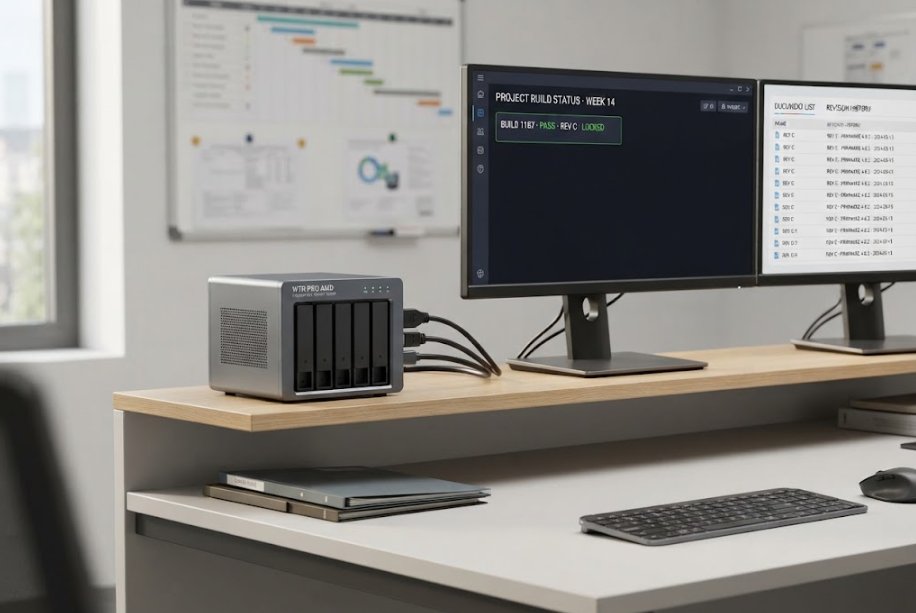
| Model | Form | What the product page states |
|---|---|---|
| RT81 | 4G rugged tablet | 10.1-inch FHD 400nit display; Qualcomm SM6225 octa-core; Android 13; 10000mAh battery; IP67; 4G LTE with independent Beidou RTK |
| RT80 | 5G rugged tablet | 10.1-inch FHD 400nit display; Unisoc octa-core 2.7GHz; Harmony OS or Android 13; 10000mAh battery; IP67; 5G with independent Beidou RTK; 48MP camera |
| WTR PRO AMD | Mini PC / four-bay host | AMD R7 5825U or Intel N100; up to 4 SATA drives and 2 M.2 NVMe 2280 slots; dual 2.5G ports with WiFi 6; HDMI, DisplayPort and USB Type-C for three 4K screens; 22.8 x 15 x 18.5 cm; 5 kg; DC 19V 120W; Windows 11 |
Read the three together and the pattern is not a specification race. Two of them are field instruments that let one person gather evidence without a second pair of hands, and the third is infrastructure that stops documentation from becoming somebody's unpaid side project. That split is what makes a small team viable on a custom order.
Ramp is the stage where hiring feels justified and usually is not. A peak lasts weeks; a hire lasts years, and the training cost lands in the middle of the busiest month. Extending the pilot crew's hours, with measurement data showing where the time actually went, is almost always the cheaper move. If overtime is still needed after two full cycles of the same reporting, then the constraint is real and a permanent name is warranted. Deciding this on data rather than on nerves is the difference between a programme that scales and one that carries a salary through a quiet quarter.
The wider point is that custom work rewards planning the shape of the team, not the size of it. If you are working through the same question on an industrial build, the teams behind our industrial three-proof applications handle exactly this ground, from enclosure decisions through to the first article. Bring us the requirements and we will tell you which stages genuinely need more than one name.