- Select Language
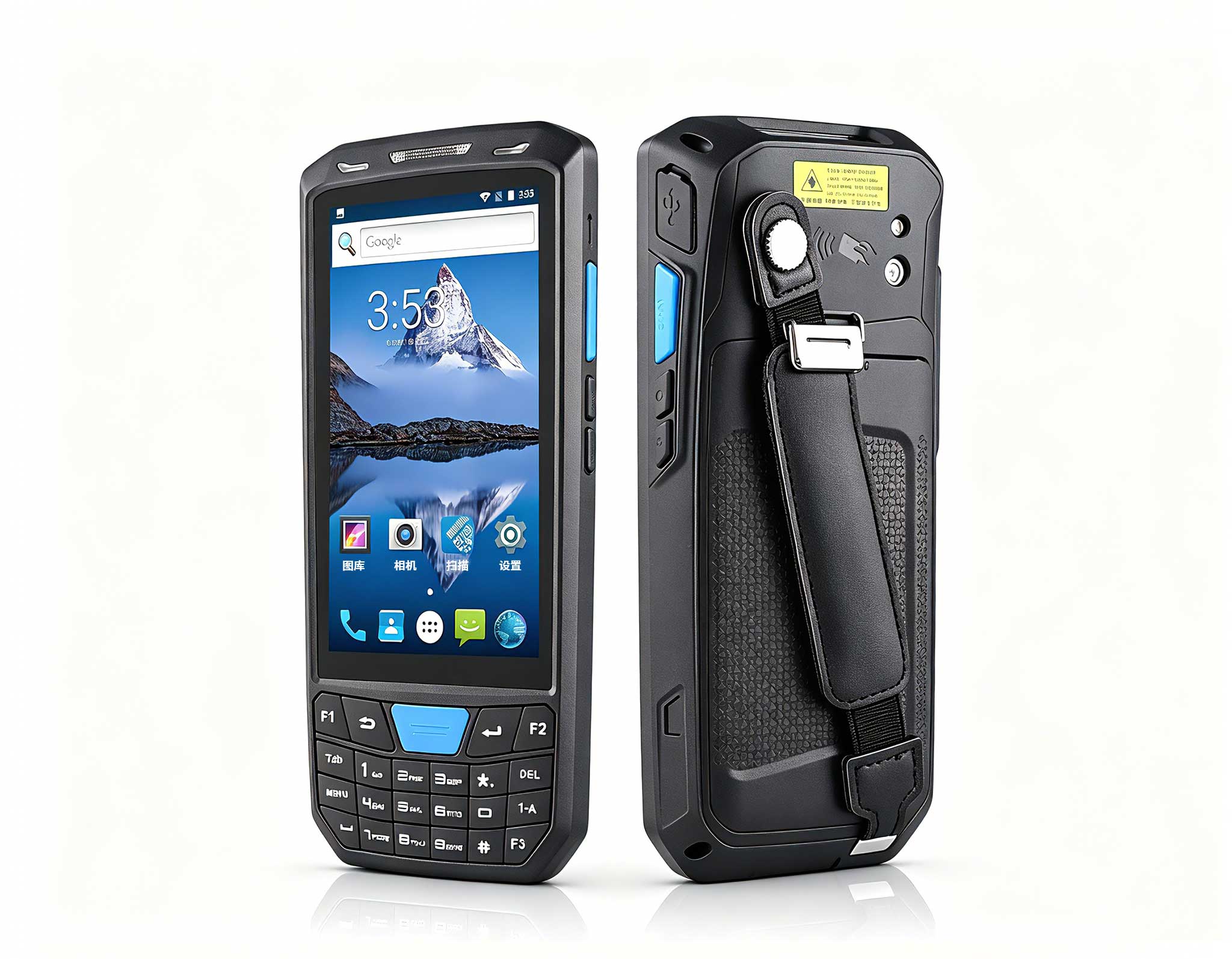
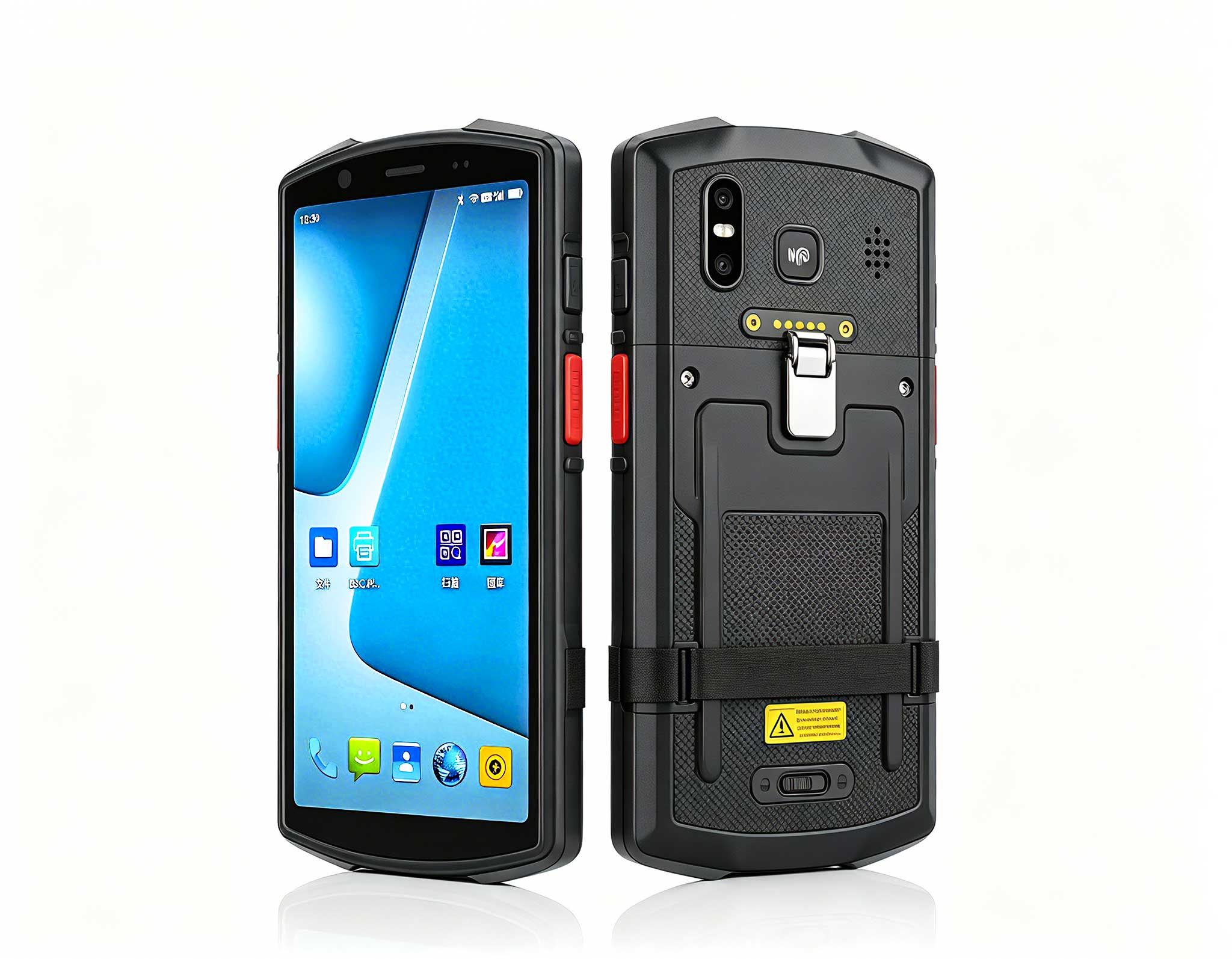
The T80 handheld PDA combines advanced barcode sca...
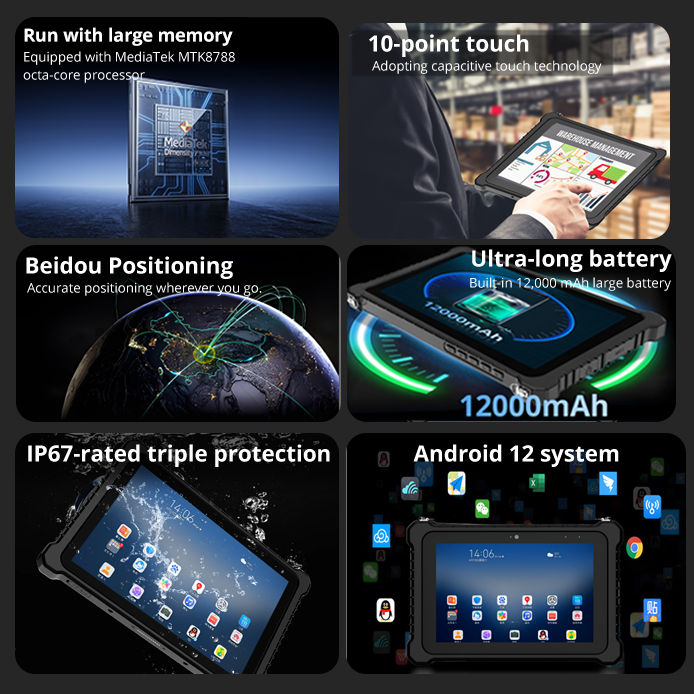
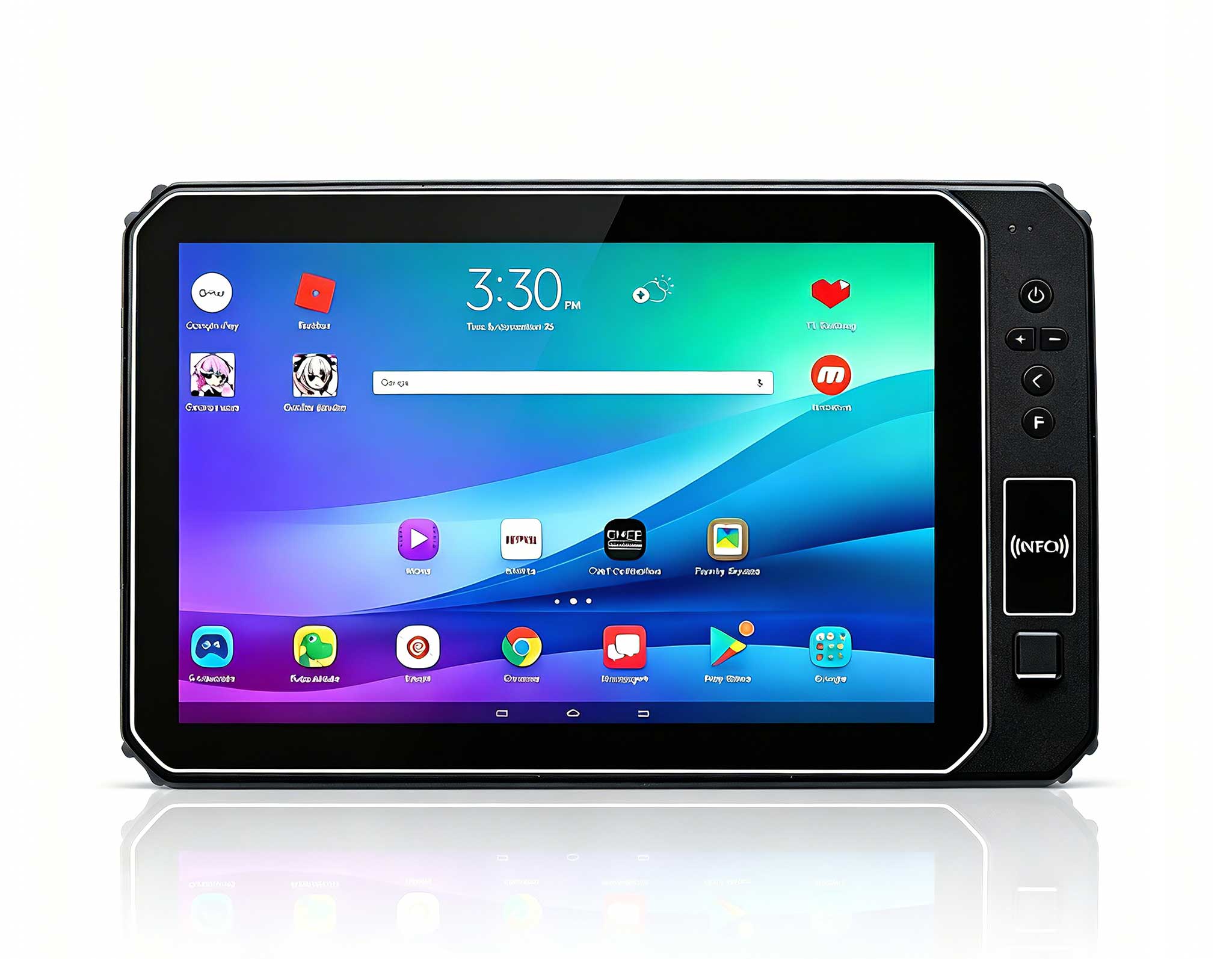
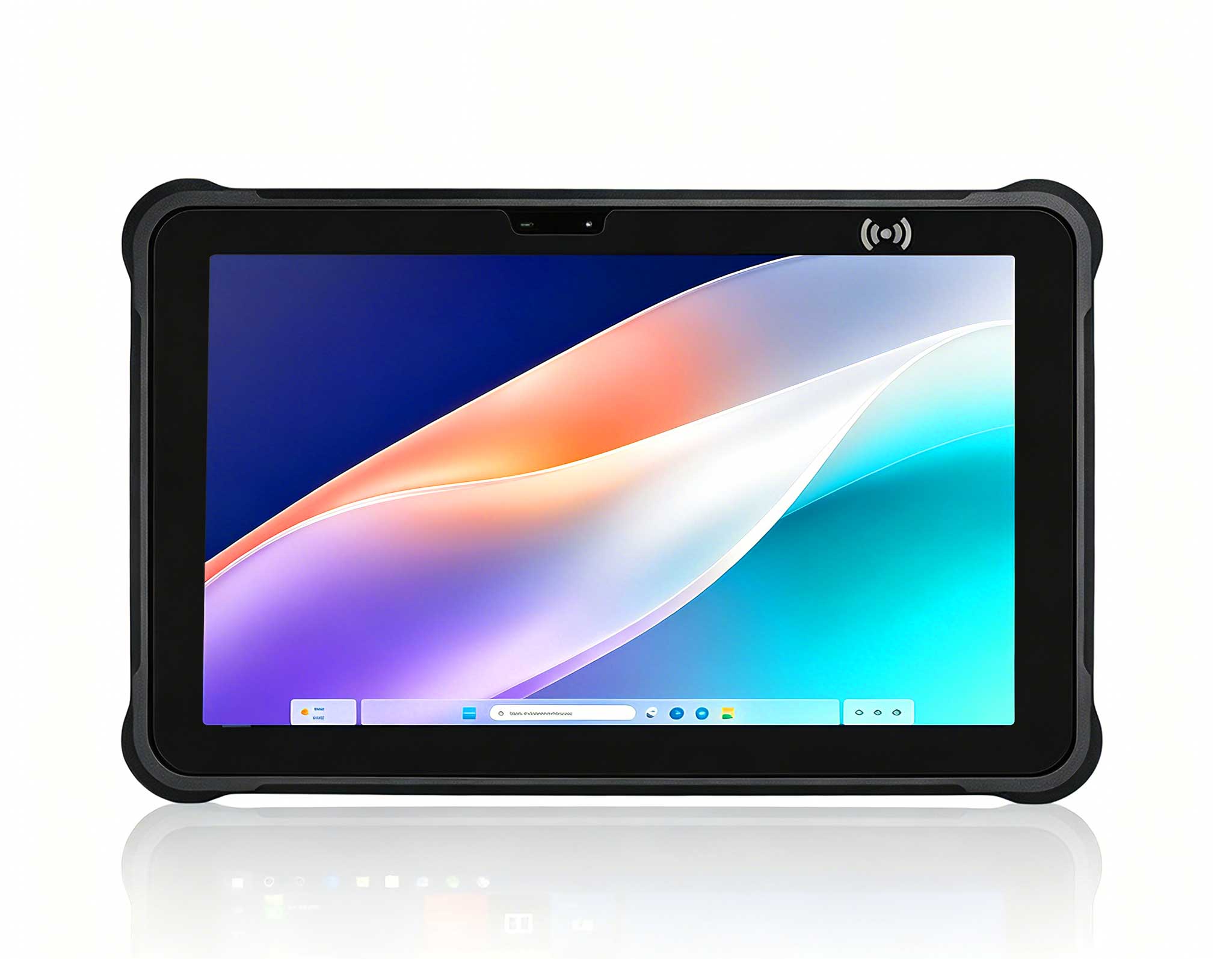
This 10-inch Android rugged tablet is designed for...
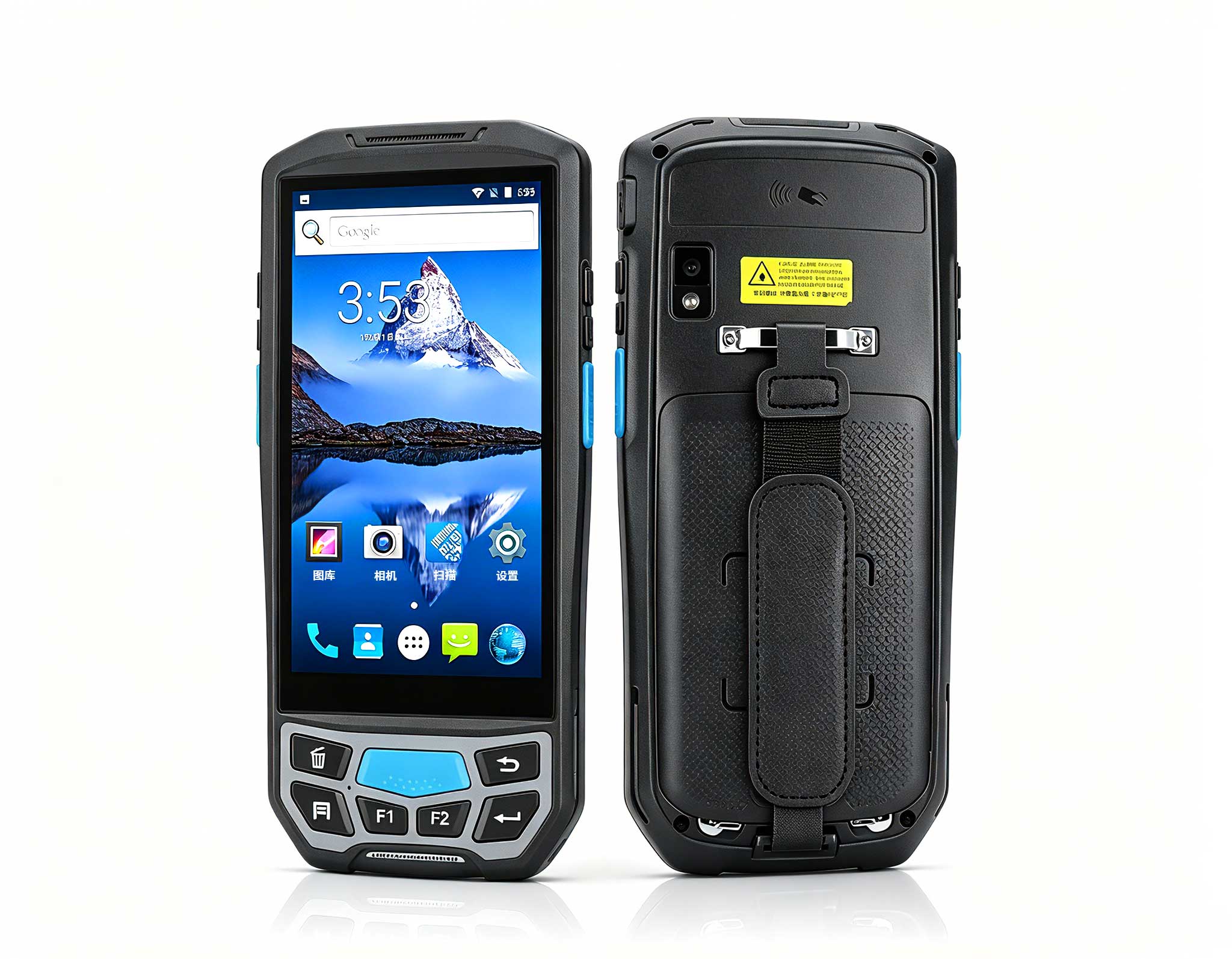
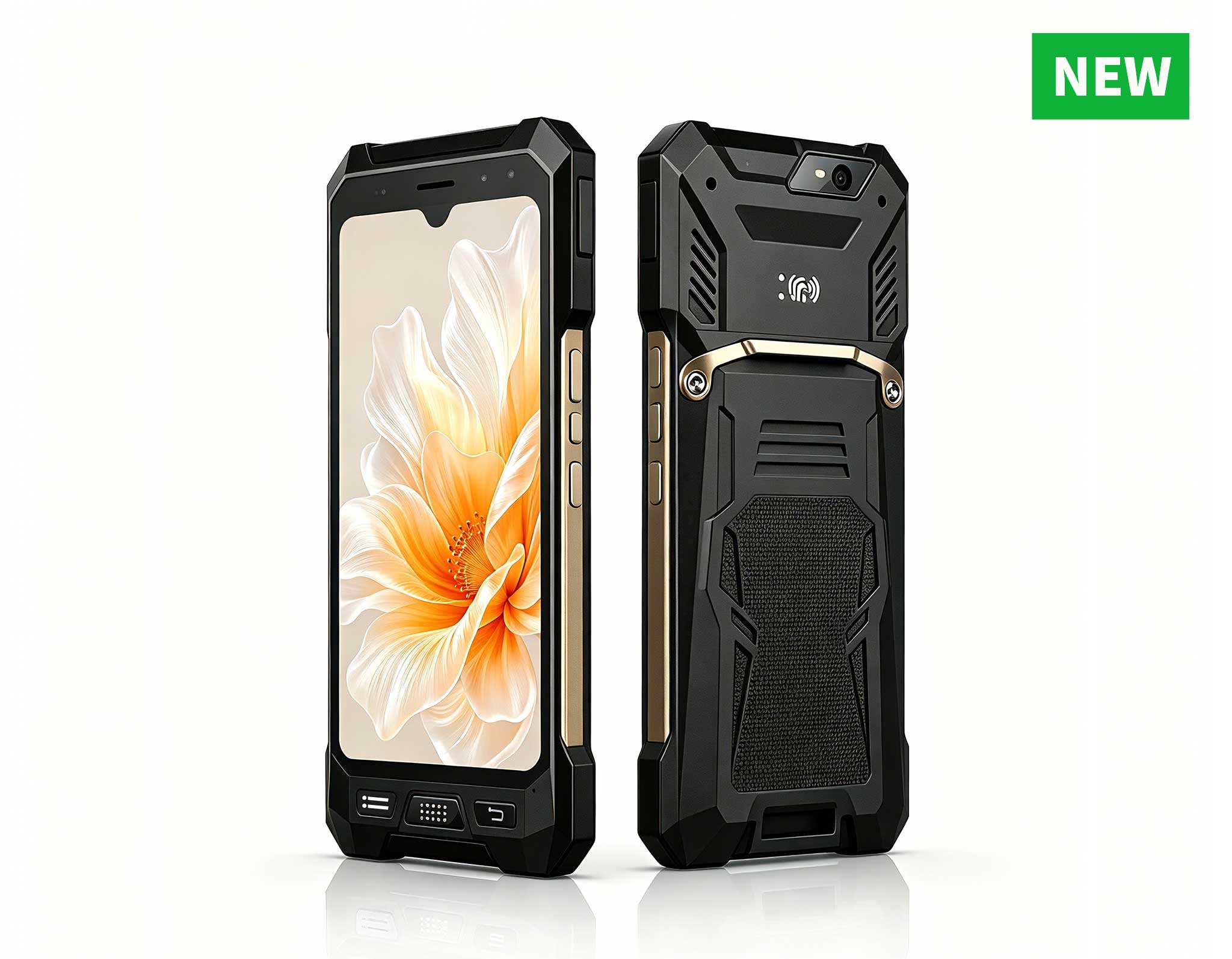
The U9000 handheld PDA combines advanced barcode s...
Technical SpecificationsModel: Palm-sized miniPCTy...
The U9000 handheld PDA combines advanced barcode s...
Full SpecificationsModelHotus ST11‑MOSWindows 10/1...
R530C 6.0-inch Industrial PDA | Qualcomm Octa-core...
The N60 PDA is a cutting-edge device for inventory...
Ask how many people a meeting floor needs and the answer usually arrives as a count of doors: twelve rooms, therefore two on the duty sheet. That arithmetic hides the work. What consumes a person's evening is not the number of doors but the number of cells that must leave the building full, the units carried between a store and a table, and the logins that have to succeed before the first guest sits down. Three units that look comparable on a shelf consume different amounts of that labour, and the difference is printed on the label. This article sizes a meeting-floor rota from energy and handling rather than room count, using three pieces of hardware a business conference room typically holds at once.
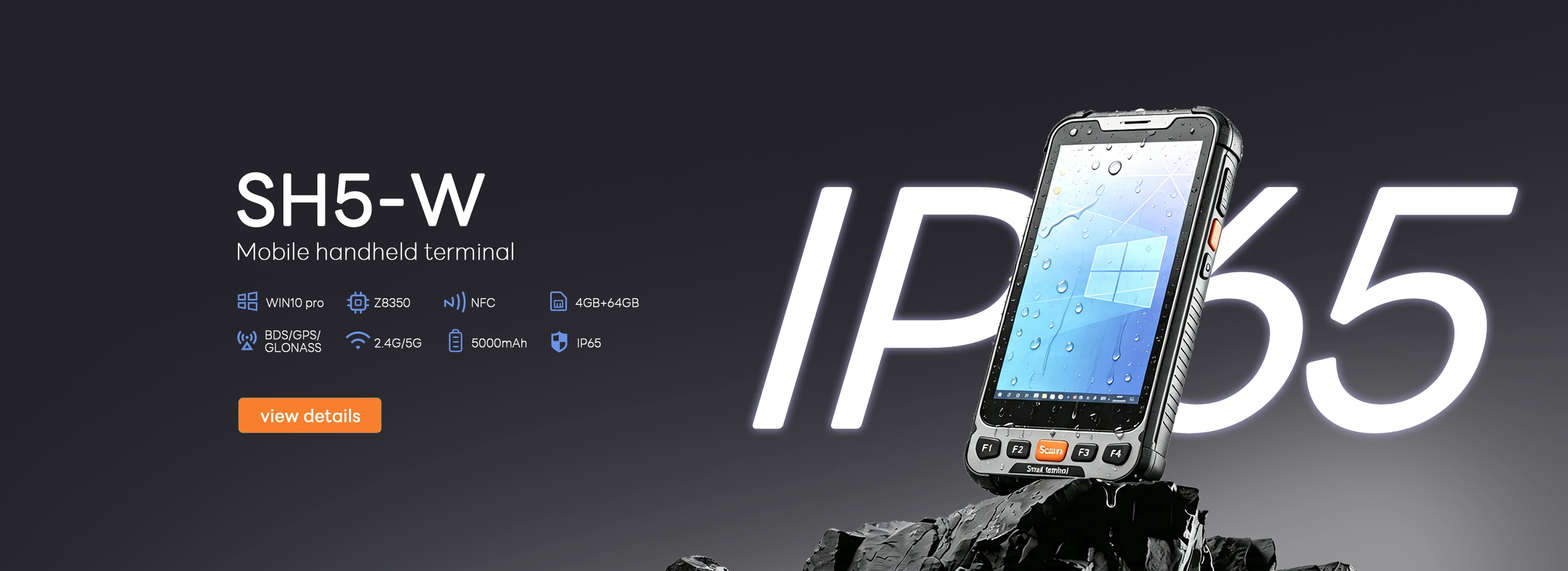
Begin with the three units as they sit in the cupboard. One is a 6.5-inch Windows handheld with an Intel N100 processor, 8GB of memory and a 256GB drive. One is a 5.5-inch Windows handheld with a Z8350 processor, 4GB and 64GB. The third is a desktop mini PC with no battery at all, an i3-to-i9 processor range, up to 64GB of memory and two NVMe slots. Two of them are battery work. One is socket work. A rota that treats all three as "a device" will be wrong about two, in opposite directions.
Both handhelds publish a 5,000mAh cell, which is where most comparison stops. The pack behind that figure is not the same pack. The 6.5-inch unit runs its cell at 7.6 volts, roughly 38 watt-hours. The 5.5-inch unit runs its cell at 3.8 volts, roughly 19 watt-hours — half the stored energy, to the same milliamp figure. Read the runtime lines beside them and the inversion is plain: the smaller pack is credited with up to 5.5 hours of work, the larger with up to 4.5. A low-power Z8350 board draws a fraction of what an N100 draws, so the same hour of screen time costs it less. Milliamp-hours cannot be totalled across different voltages, so the two battery lines are worth reading side by side once — they are published in full for the SH6 and the SH5-W.
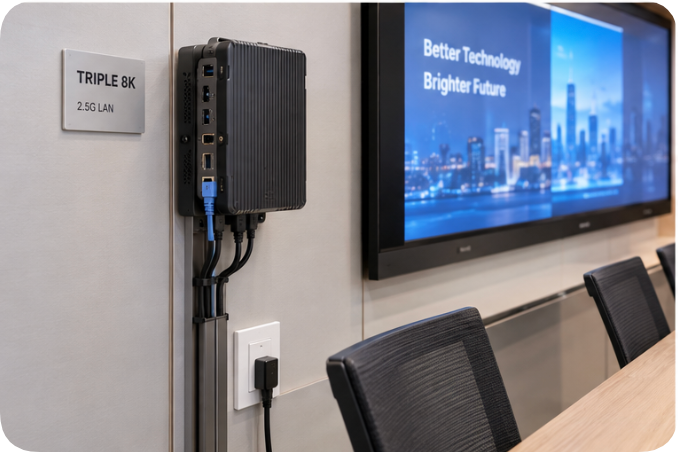
The palm-sized mini PC changes the shape of the workload rather than adding to it. No cell means no charging labour, no depleted unit to swap and no flat pack mid-session. It carries five USB-A ports, two HDMI 2.1 outputs and 2.5-gigabit Ethernet on a standard DC jack, so it lives on a bracket and is switched on once a season. Its cost is a socket and a login: where the machine is the presentation source, the first five minutes of the day belong to whoever holds the credentials.
Once energy is the unit of work, the rota becomes a throughput question. One person can only supervise as many charge cycles as the chargers on the bench will complete. A 38 watt-hour pack and a 19 watt-hour pack refilling from the same model of charger do not finish together, so the larger cell holds a bay for longer and returns to service later. In a floor that runs three sessions back to back, that decides whether the second batch is ready when the doors open, and whether one person is enough on the bench or two are needed.
| Specification | SH6 (6.5-inch) | SH5-W (5.5-inch) | Palm-sized mini PC |
|---|---|---|---|
| Platform | Windows 11 Pro | Windows 10 Pro | Windows 11 / Linux |
| Processor | Intel N100, quad core | Intel Cherry Trail Z8350, quad core | Intel 12th Gen, i3-1215U to i9-12900HK |
| Memory and storage | 8GB / 256GB | 4GB + 64GB | Up to 64GB, 2x M.2 NVMe + 2x SATA bay |
| Display | 6.5-inch HD+, 380 nits | 5.5-inch IPS, 400 nits | Triple 8K output, no panel |
| Touch layer | 10-point capacitive | 5-point capacitive | Not applicable |
| Battery published | 5,000mAh at 7.6V | 5,000mAh at 3.8V | None, DC jack input |
| Stored energy | Approx. 38Wh | Approx. 19Wh | None |
| Working time | Up to 4.5 hours | Up to 5.5 hours | Mains, continuous |
| Sealing and drop | IP65, 1.2m drop | IP65, 1.2m drop | Enclosed case, 800g |
| Carried weight | 460g | 350g | 800g, fixed position |
| Power feed | Dock or cable | Dock or cable | DC jack, 2.5G Ethernet, 5x USB-A |
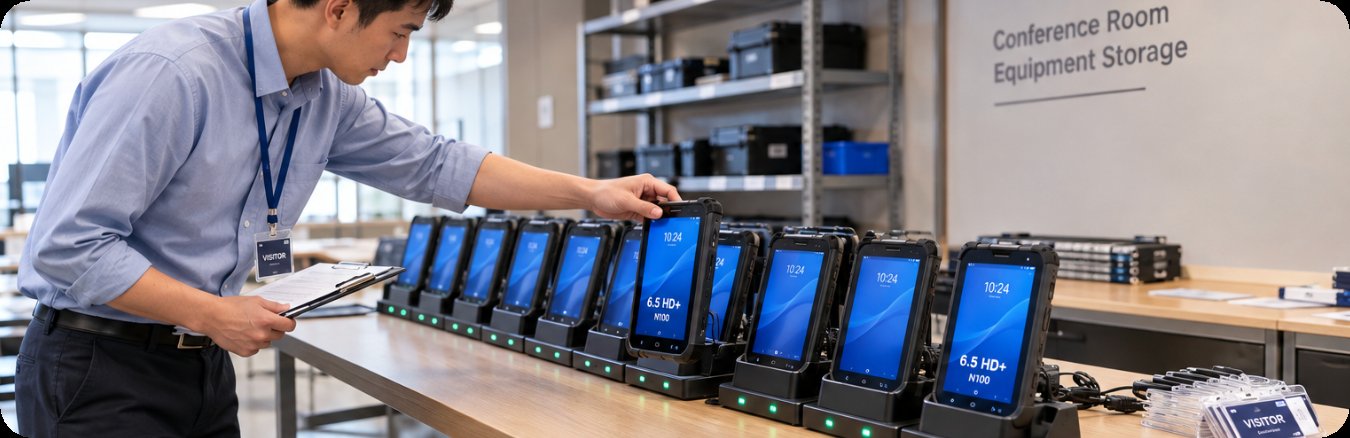
Handling cost is physical and measurable. The 6.5-inch unit weighs 460 grams including its cell; the 5.5-inch unit is 350 grams. Carrying twenty from a store to a registration desk is a different job at each figure, and it happens twice a day. The touch layers differ the same way: ten points against five. With one guest at a desk, neither figure matters. With a queue in the last ten minutes before the hour, the device that reads five fingers clears it sooner, and that decides how many desks a floor opens.
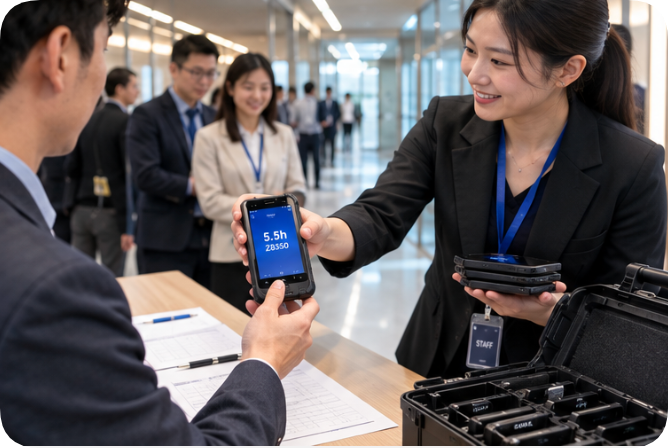
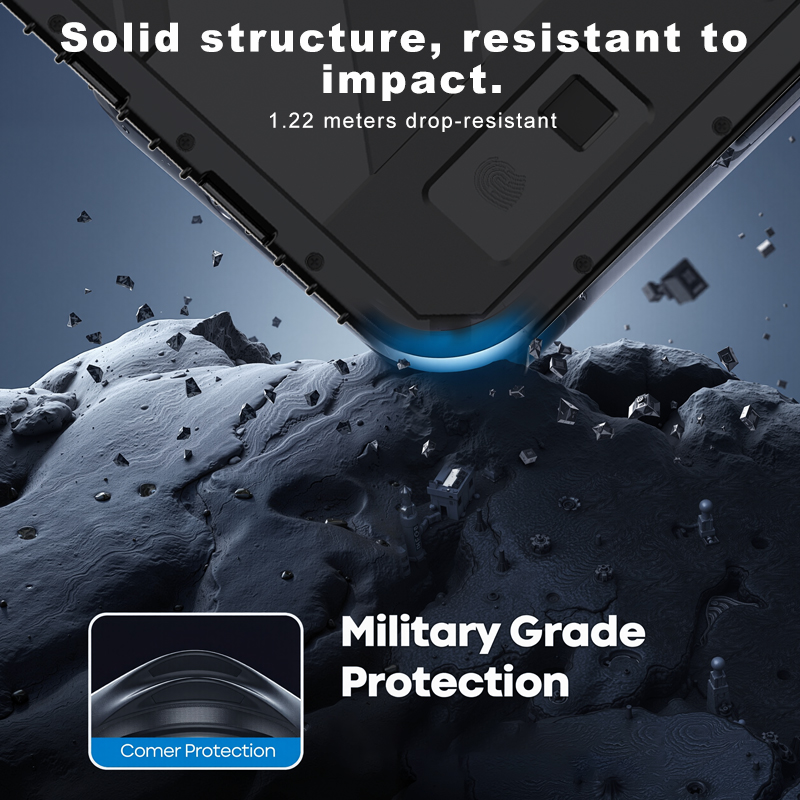
Neither handheld separates itself on durability, and it is worth saying plainly. Both are rated IP65 with a 1.2-metre drop tolerance, both work from minus 20 to 55 degrees, and both carry the same certifications. A rota written on ruggedness would pool them. The platform splits them. One runs Windows 11 on an N100 with 8GB and Wi-Fi 6; the other runs Windows 10 on a Z8350 with 4GB and Wi-Fi 5. Where a check-in client expects a recent browser and a current network stack, the older unit may do the job and may not. Counting them as one unit when dividing evening work is how a rota looks balanced on paper and feels short in the corridor. Both sit inside the same rugged tablet range, which is why the distinction has to be drawn by hand.
Every rota needs a spare figure, and on a meeting floor the sensible unit is not a whole device. Both handhelds accept a docking station, which turns charging from a cable chore into a drop-in action and removes the person who walked the corridor hunting a free outlet. What changes the head count is whether the bench can return a depleted unit to service inside the gap between two sessions. If it cannot, the roster needs a spare pack per pool of units, or one more person.
Put the pieces together and a workable duty sheet starts from three lines rather than one. First, how much energy has to pass through the bench between sessions, counted in watt-hours, because that sets how many chargers and therefore how many people stand at the bench. Second, how many units move between the store and the desks, weighted in grams, because that sets the number of trips and the people needed at the door. Third, how much of the estate draws from a socket and never needs charging, because that part consumes hands only for logins. A handheld that stores twice the energy of its neighbour is not twice the benefit; it is twice the recharge time on the same charger, and a rota that misses that will be short exactly where it matters.
If you are drawing up that sheet and want the three units set beside each other before you commit head count, the full figures are listed in our product comparisons and competitor analysis, and a specification can be matched to a room layout on request.