- Select Language
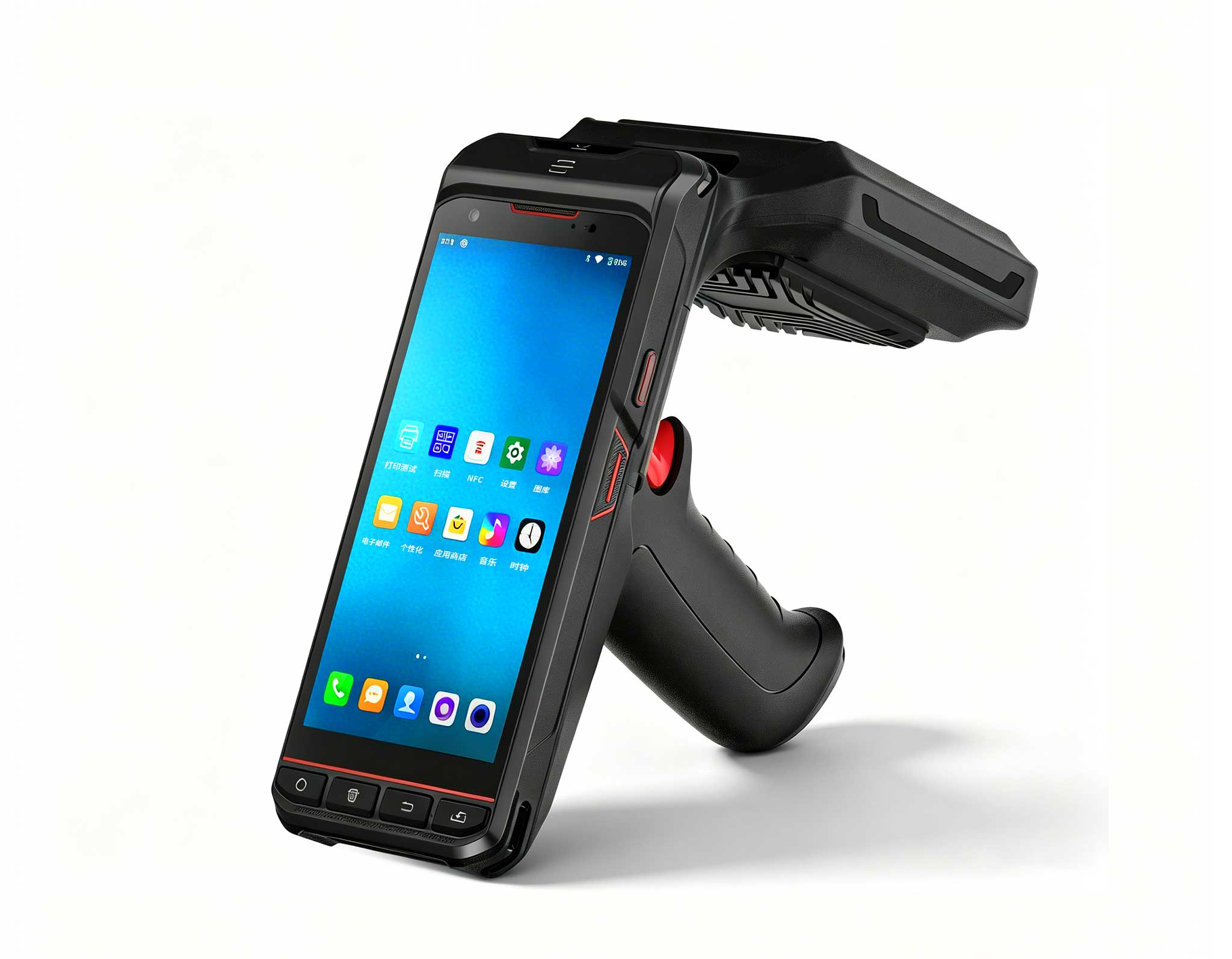
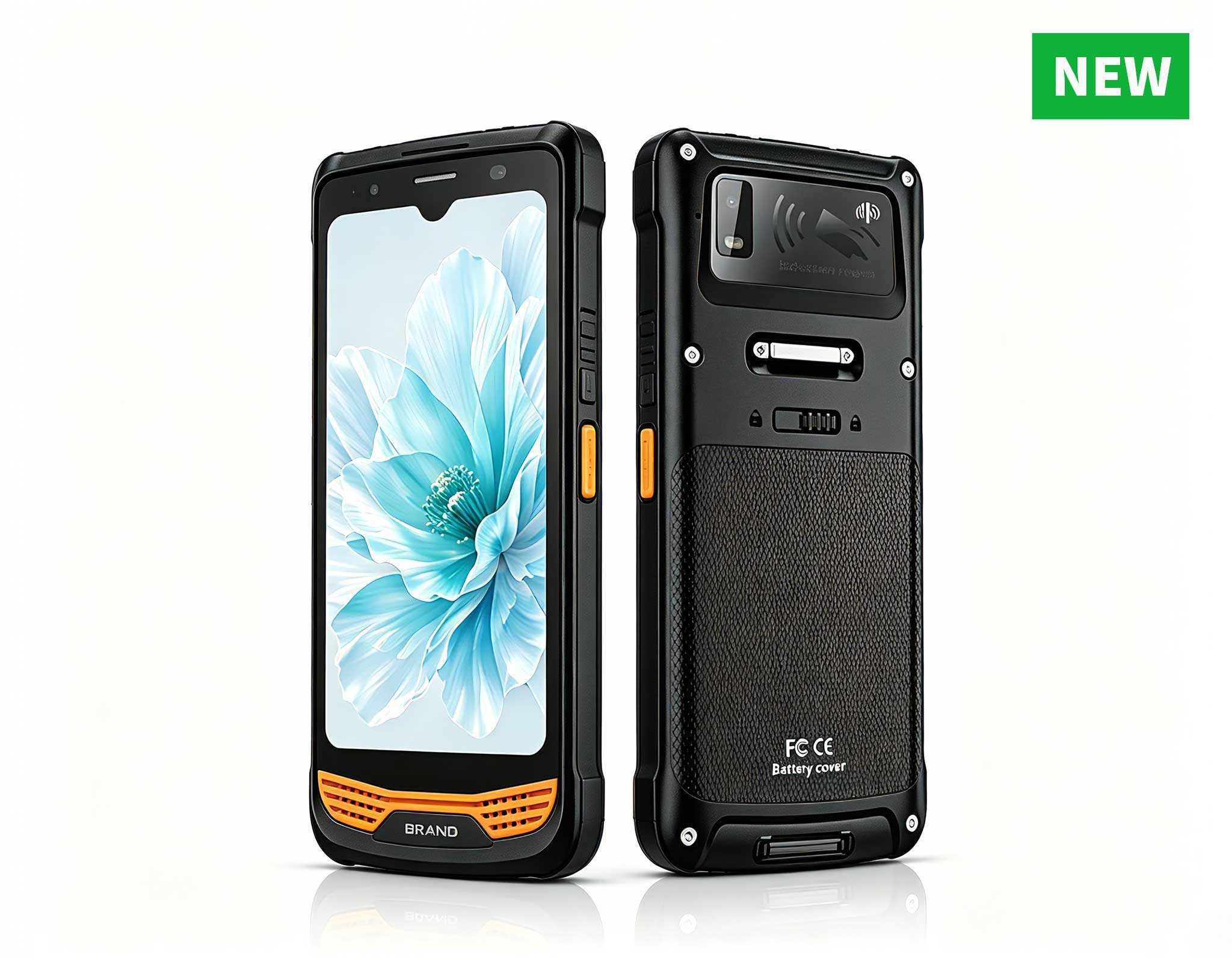
The R501 PDA combines a powerful MT6762 Octa-Core ...
R350C 4-inch Industrial Handheld PDA | Qualcom...
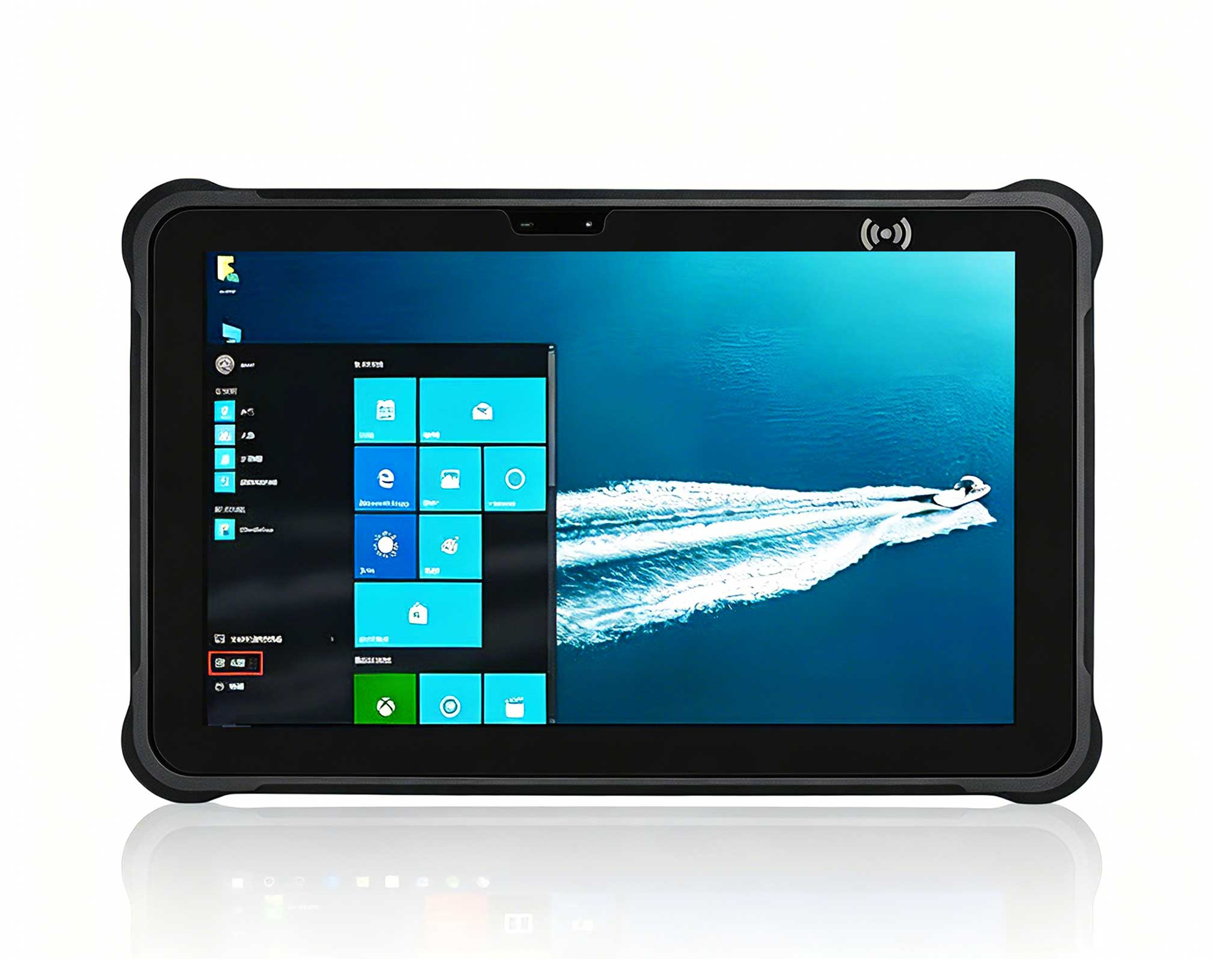
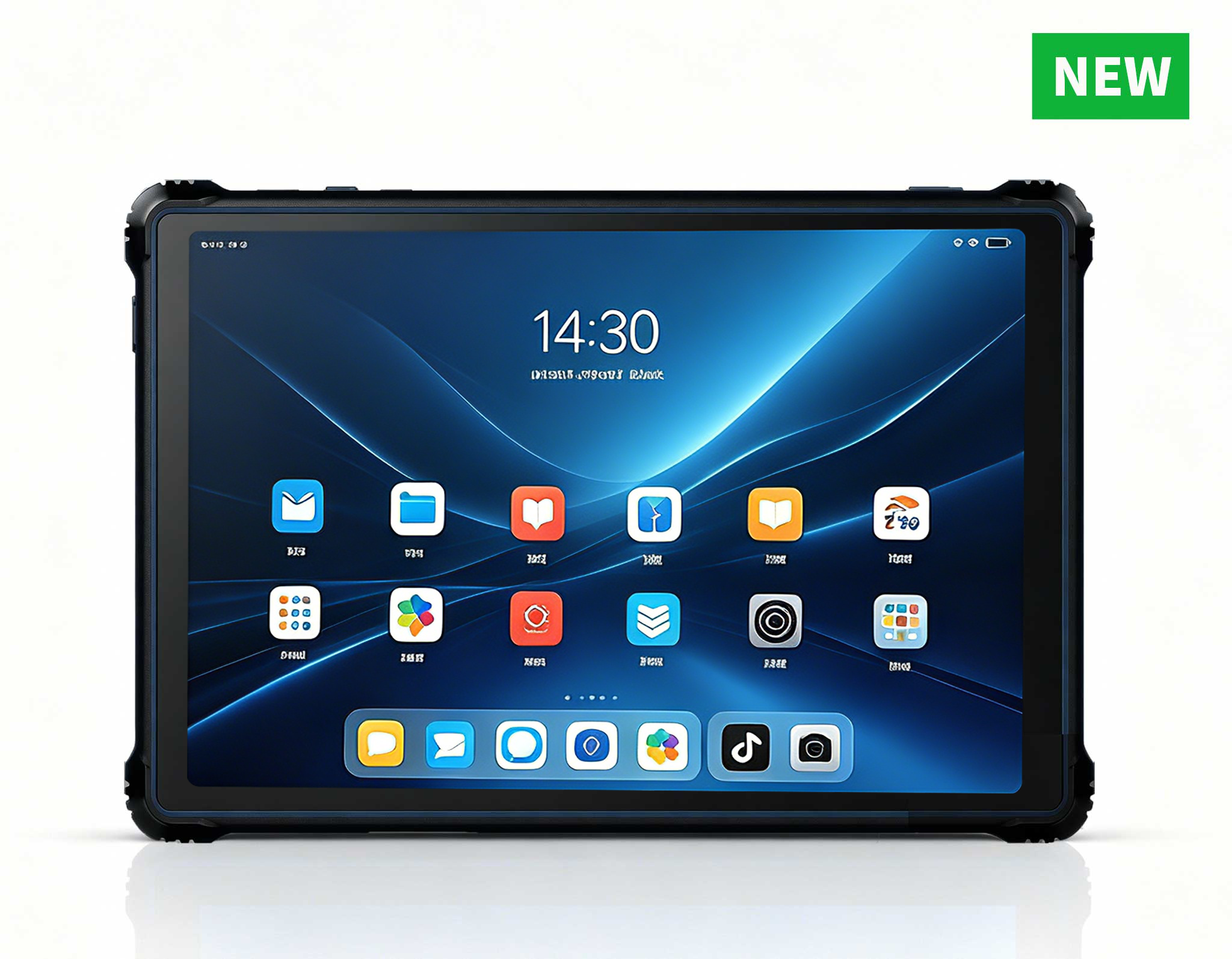
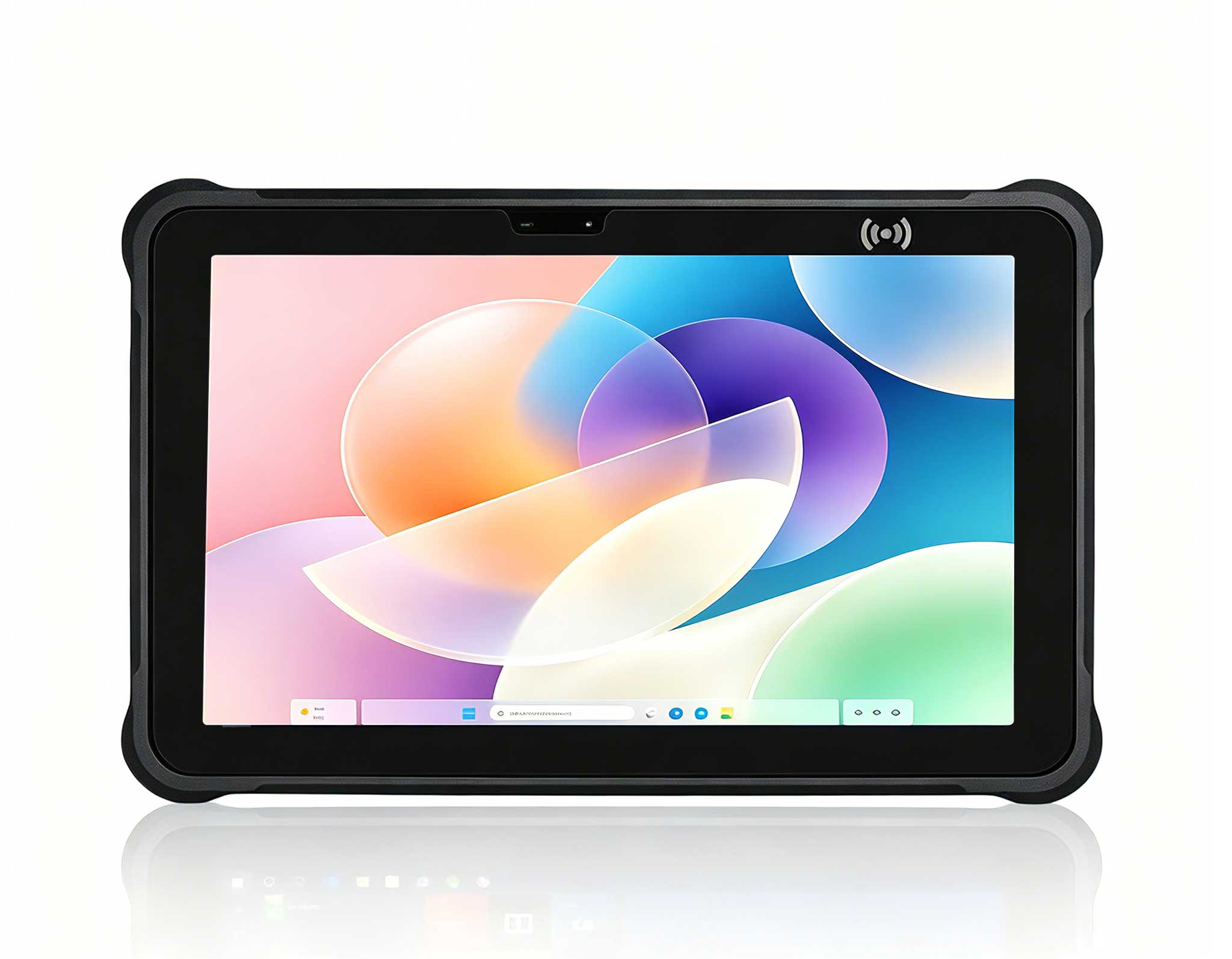
RT82 5G Rugged Tablet | 10.1" FHD 400nit | Qu...
R366-S Thin 5.5-inch Industrial PDA | Qualcomm Oct...
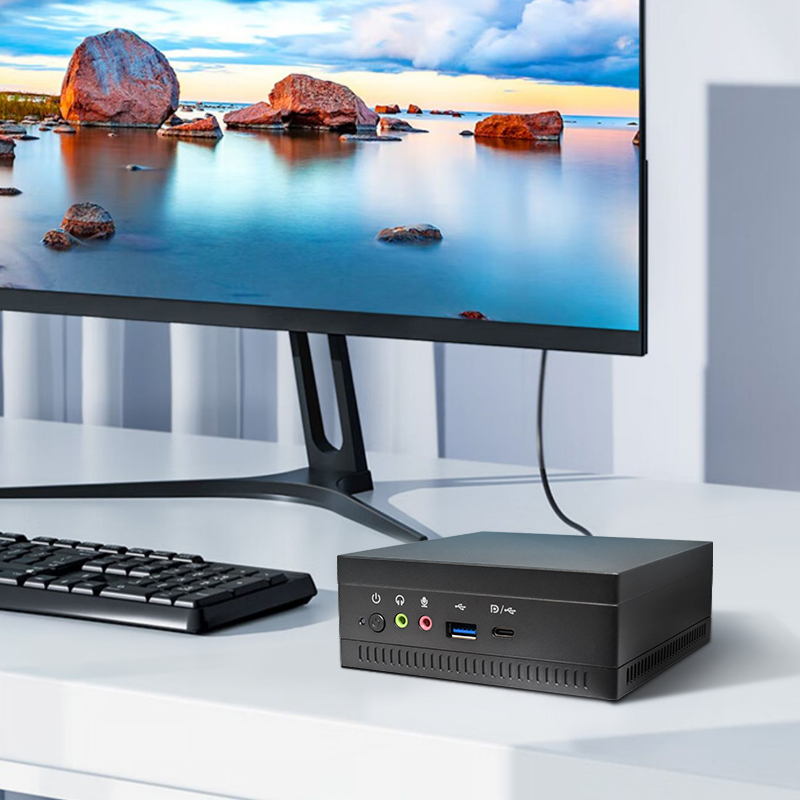
This ultra-compact mini PC offers powerful perform...
Technical SpecificationsModel: Palm-sized miniPCTy...
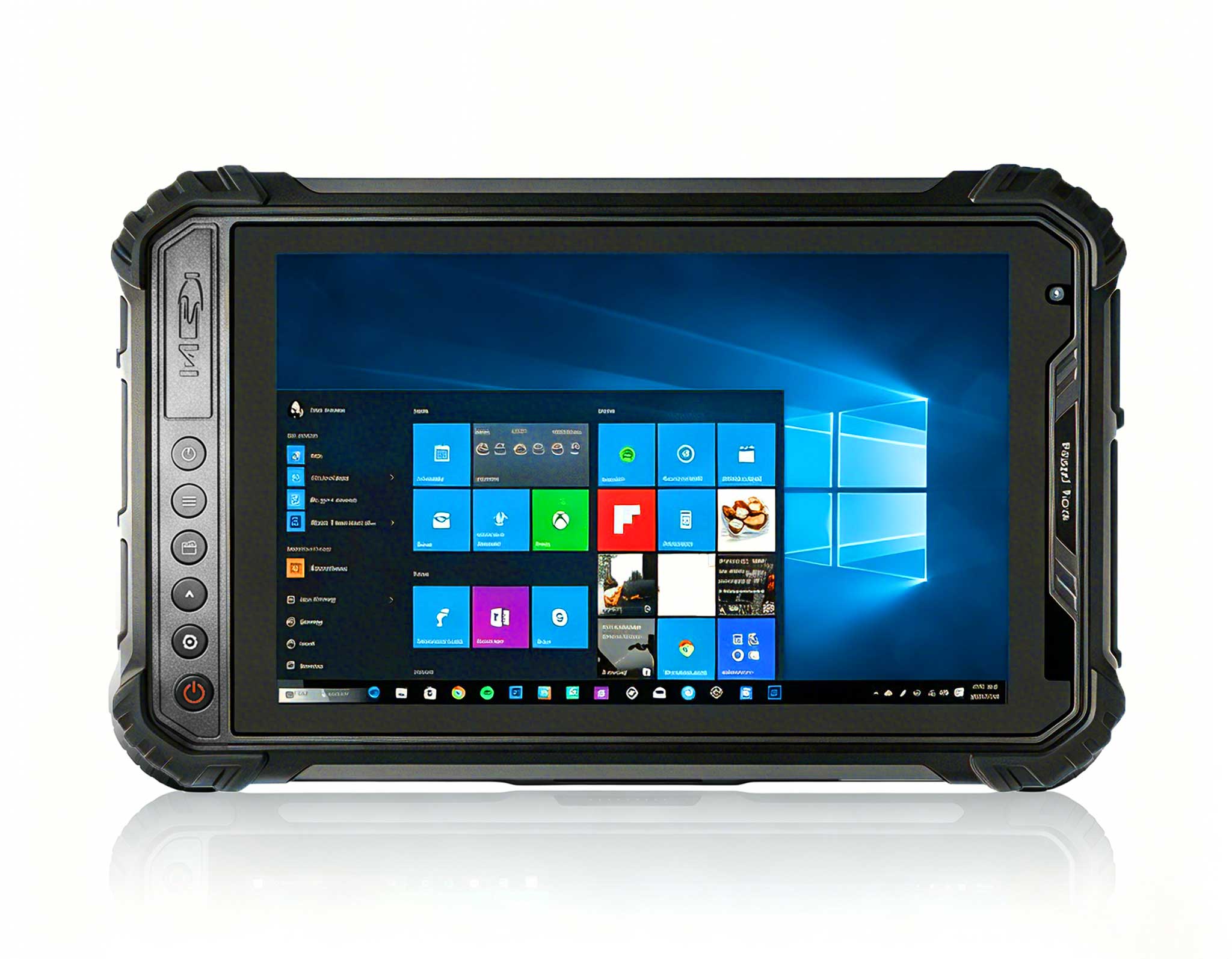
Full SpecificationsModelHotus ST11‑UOSWindows 10 P...
Full SpecificationsModelHotus ST9‑JOSWindows 10 Pr...
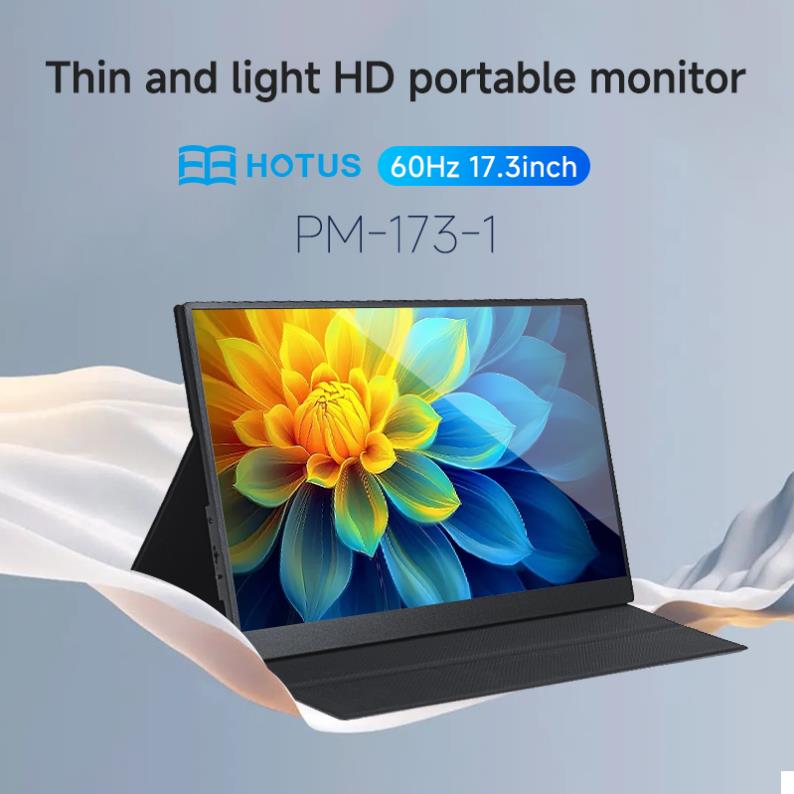
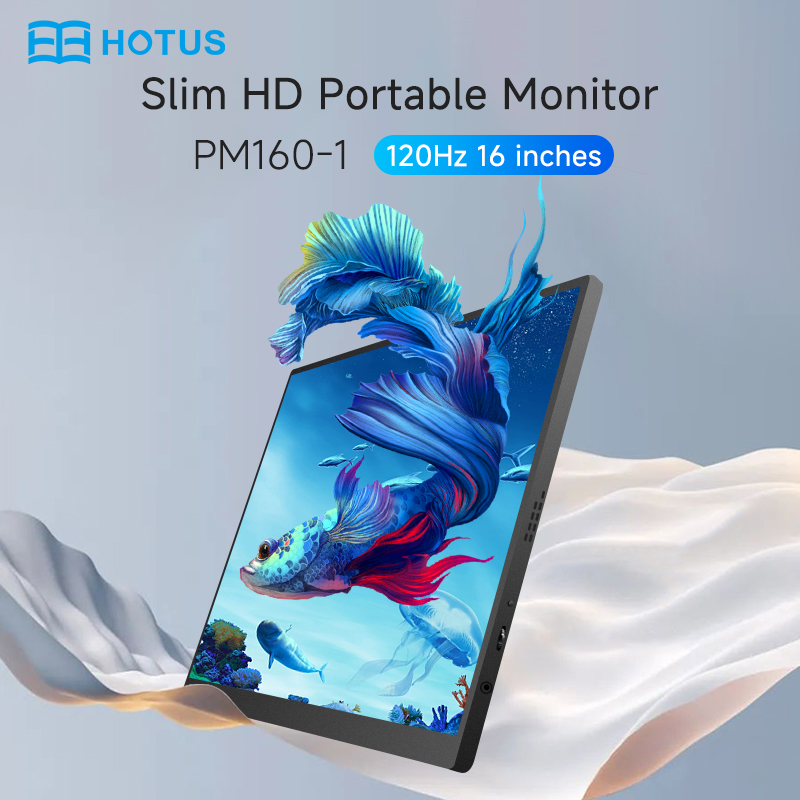
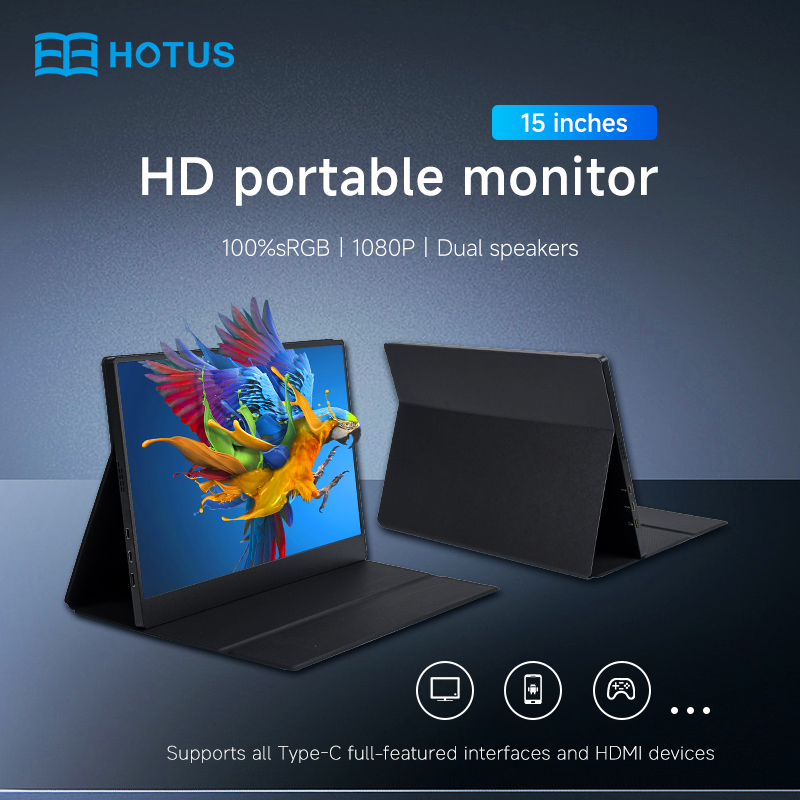
The PM158-1 is a 15.6-inch portable touchscreen mo...
Explore our customized PDA designed for versatile ...
The N40 Android smart PDA features a Cortex-A53 qu...
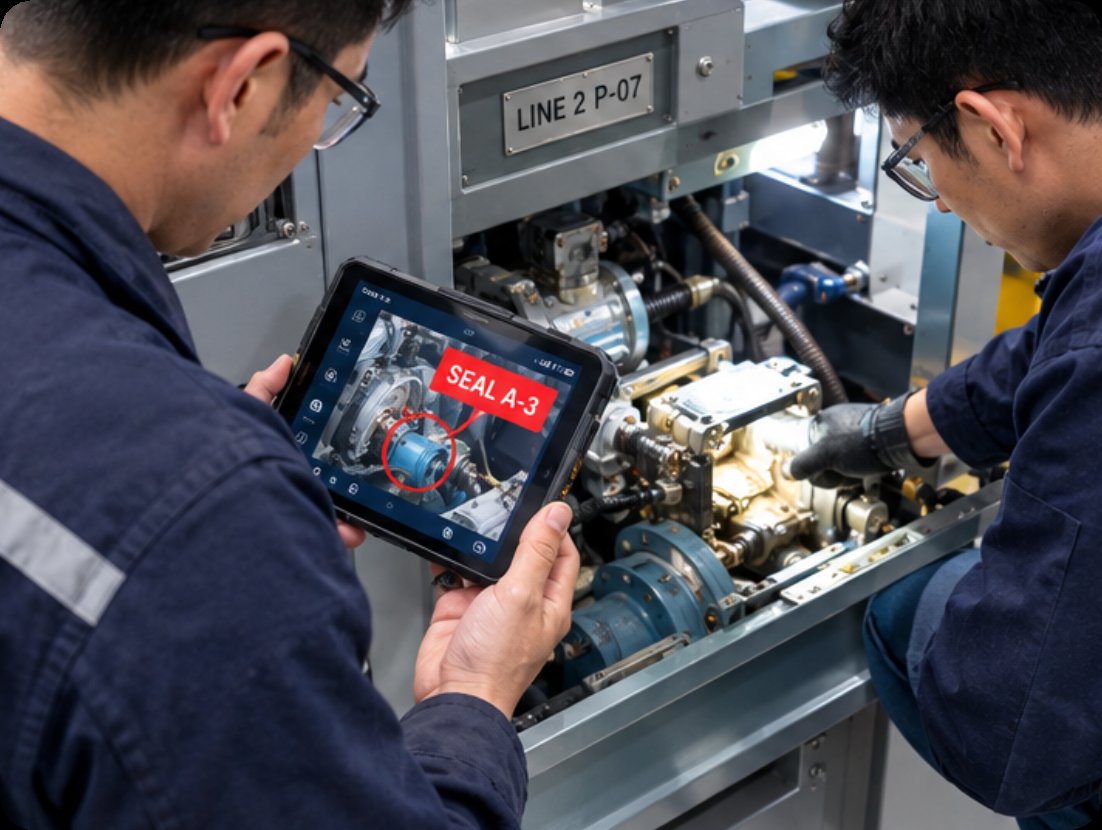
A senior engineer can only be in one plant a day. The machines break in all of them. Remote assistance exists for that gap: a worker on the floor holds up a camera, a specialist hundreds of kilometres away points at the same broken seal, and a two-week wait for a site visit becomes a twenty-minute call. The quality of that call depends less on the software than on the terminal in the worker's hand.
Three Hotus handhelds and two benchmark competitors - the remote assistance applications this page describes all run on hardware of this class - look similar in a catalogue. Each is an Android terminal with a scan engine, a camera and a cellular radio. The differences that matter show up mid-call, when the video stutters, the battery fades at hour nine, or the expert asks for a tag read the device cannot perform.
So the comparison below follows the three breaks in the line between the floor and the expert. Break one: the expert cannot see, which makes camera, screen and display size the deciding specs. Break two: the connection does not survive the shift, which makes radios and batteries decisive. Break three: the expert sees the problem but the worker cannot act on it, which is where scan engines and swappable modules enter. The Unitech EA530 and the Newland MT95 5G are measured against the same three breaks.
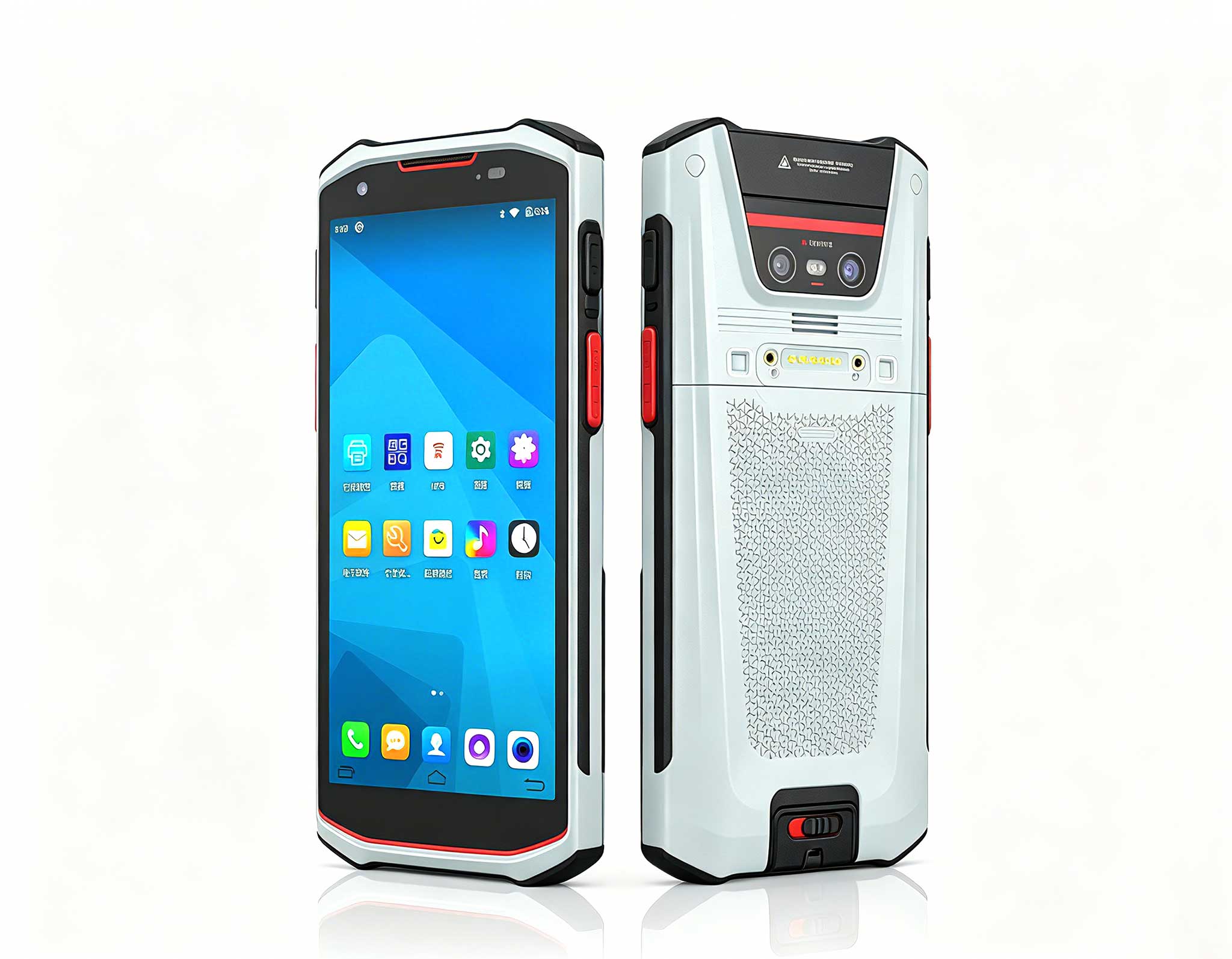
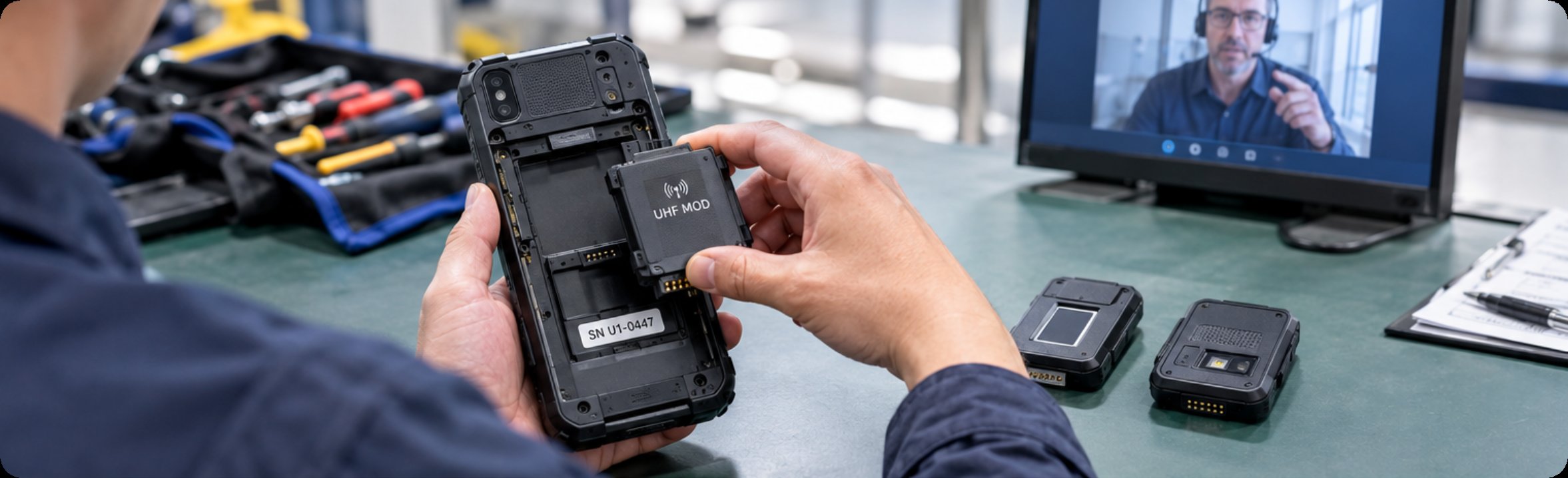
The U1 Series Handheld PDA is built around an idea the two competitors do not offer: one body, many faces. A plant that starts with barcode scanning can add a UHF RFID head when asset tags arrive, a fingerprint module when maintenance sign-off goes digital, or the dual-camera variant when the expert needs a second angle on a bearing housing. Across the series the base unit runs a 5.5-inch 1440 by 720 panel, carries a 4700mAh or 5000mAh removable battery, and is sealed to IP67 on most models, with the Android 14 variant built on an MTK6769 platform behind Corning Gorilla Glass 3.
For remote assistance specifically, the U1's front 5MP and rear 13MP cameras are the ordinary pair for the class, and the 4G and dual-band Wi-Fi radios cover the two networks a plant usually has. The argument for the U1 is not any single spec. It is that the device a specialist configures in March does not have to be replaced in October when the scope changes.
The X501 Handheld PDA takes the opposite trade. It is a 5-inch IPS terminal sealed to IP66 and quoted at under 500g on its product page, with a 2GB plus 16GB base configuration scaling to 4GB and 64GB, Wi-Fi, Bluetooth and 4G on board, and a 2MP front camera paired with a 13MP rear sensor. For a technician who spends the day walking a water plant or a solar field and only joins calls when something stops, that lightness is the feature.
The constraint is equally clear. Two gigabytes of RAM is a 2019 baseline, and the X501 ships with Android 10, so long video sessions and modern collaboration apps run at the edge of comfort. It is the terminal to hand a seasonal contractor, not the one to standardise a video-heavy assistance program on.
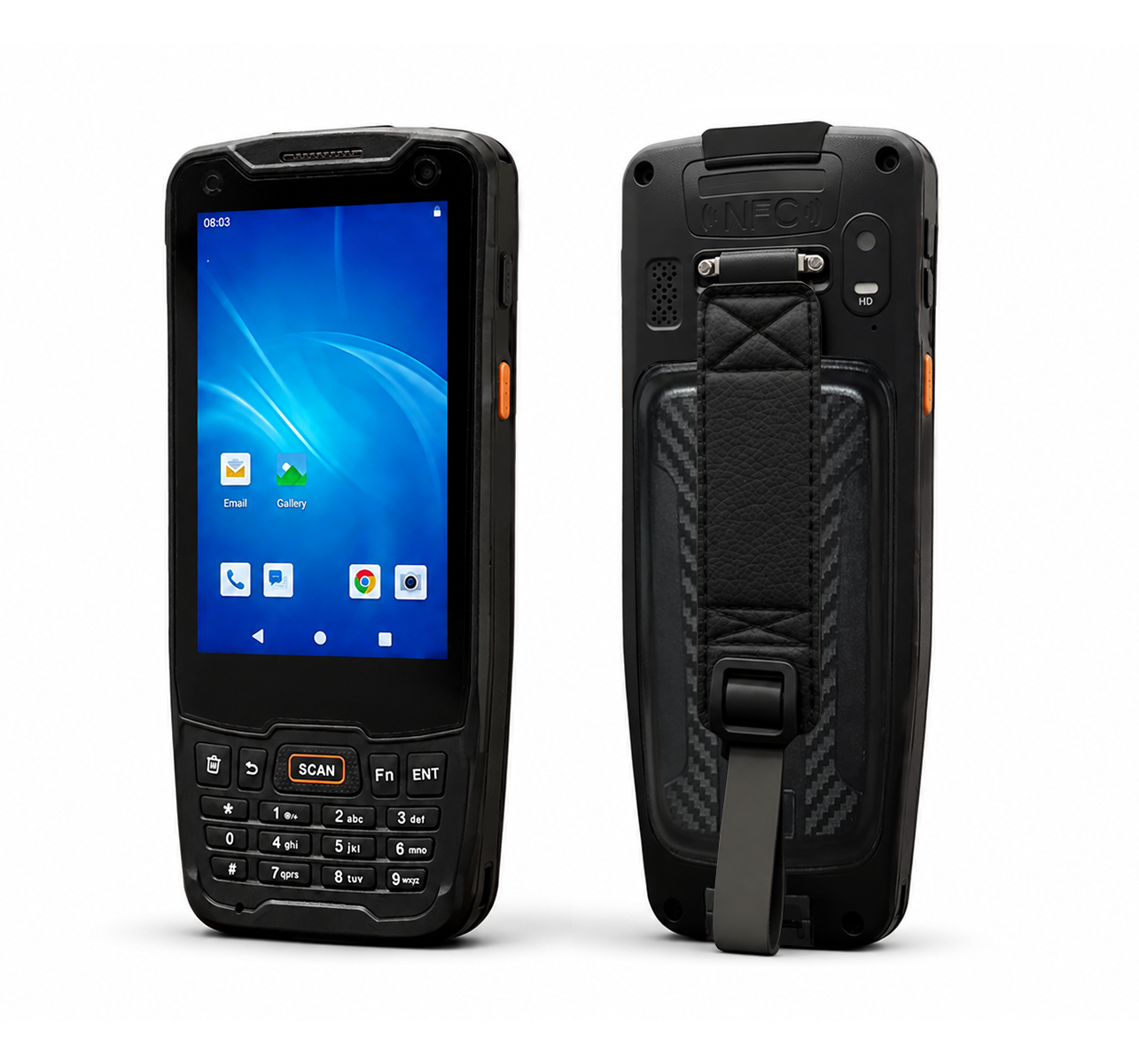
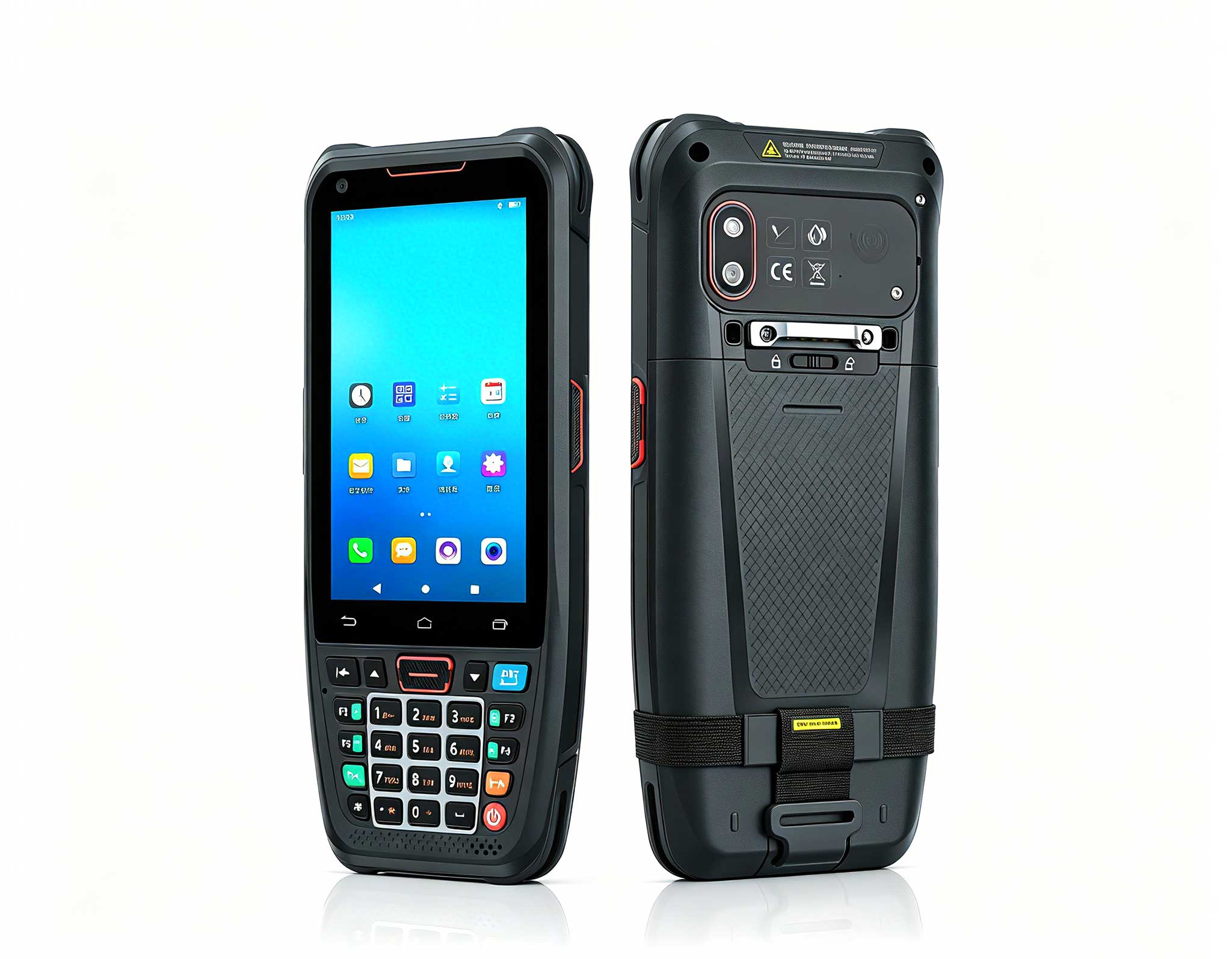
The Smart PDA N40 is the smallest of the three, a 4-inch Android terminal under 300g with a 4500mAh removable polymer battery rated for more than 12 hours of working time. It adds quad-constellation positioning - GPS, Galileo, GLONASS and BeiDou - plus dual-band Wi-Fi and 2G through 4G cellular, with RFID, barcode scanning and data logging built in.
That endurance figure is the one to read twice. Assistance calls rarely fail because the processor is slow; they fail at hour ten because nobody brought a charger. A removable pack that survives a full shift, on a device light enough to forget, fits the yard, the substation and the warehouse mezzanine better than its modest 2GB plus 16GB memory and unpublished IP rating suggest. The N40 is honest about what it is: a scanner with a phone in it, not a video platform.
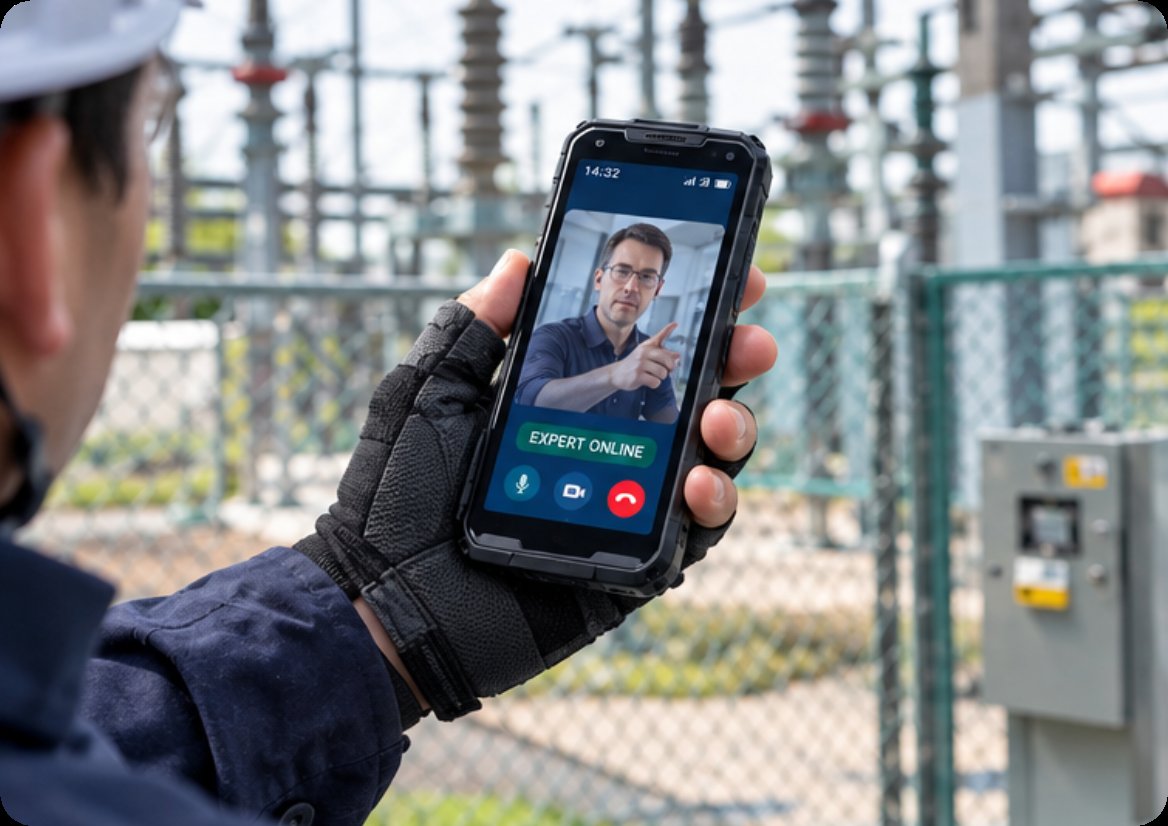
The Unitech EA530, built in Taiwan, attacks break two with a 4000mAh removable battery and 260g of total weight, and break three with a 2D engine that explicitly handles damaged barcodes - the exact tags that are bent, grimed and half-peeled in the places experts get called to. Its Snapdragon 660, 3GB of RAM, glove-and-wet-hand touch tuning, MDM support and NFC round out a device aimed squarely at fleet deployments. The sealing is IP65 with a published 1.5-metre drop rating.
The Newland MT95 5G from the mainland takes the biggest screen and the biggest battery of the five: 6.1 inches of Gorilla Glass, 6000mAh with 18W charging, IP67 sealing, Android 13 and 4GB plus 64GB of memory. For break one it is the strongest device here, and it is the only one of the two competitors that names ViLTE support, which is a direct answer to the video question. The trade is size: at 287g with a six-inch-class body, it is the least pocketable terminal in this comparison.
| Spec | Hotus U1 Series | Hotus X501 | Hotus N40 | Unitech EA530 | Newland MT95 5G |
|---|---|---|---|---|---|
| Screen | 5.5" 1440×720 | 5" IPS | 4" | 5" HD 1280×720 IPS | 6.1" HD, Gorilla Glass |
| OS | Android 14 / 12 by model | Android 10 | Android (version not published) | Android 10 | Android 13 |
| RAM + storage | 3GB+32GB up to 8GB+128GB by model | 2GB+16GB / 4GB+64GB | 2GB+16GB + TF to 128GB | 3GB+32GB + MicroSD | 4GB+64GB |
| Camera front / rear | 5MP / 13MP, dual-camera variant | 2MP / 13MP | Not published | 5MP / 13MP | Not published |
| Sealing | IP67 (IP66 on some models) | IP66 | Not published | IP65 | IP67 |
| Drop rating | Not published | Not published | Not published | 1.5m | 1.5m |
| Battery | 4700 / 5000mAh removable | Not published | 4500mAh removable, 12h+ rated | 4000mAh removable | 6000mAh, 18W charging |
| Scan / extras | Barcode, UHF RFID, NFC, fingerprint, RTK by module | Barcode + RFID | RFID, barcode, data logging | 2D engine, damaged-code support, MDM | 2D engine with OCR, ViLTE |
| Weight | Not published | Under 500g | Under 300g | 260g | 287g |
| Network | 4G, dual-band Wi-Fi, BT | Wi-Fi, BT, 4G | Dual-band Wi-Fi, 2G-4G | 4G, Wi-Fi 5, BT 5.0, NFC | 5G / 4G, Wi-Fi, BT |
Three gaps are visible on the datasheets and belong in any evaluation. First, video is not where the current Hotus line is strongest: the X501 and N40 start at 2GB of RAM, the X501 carries Android 10, and none of the three product pages claims video-telephony features, while the MT95 lists ViLTE outright and starts at 4GB. Second, sealing is uneven: the N40 publishes no IP rating at all, the X501's IP66 sits below the MT95's IP67, and no Hotus model in this trio publishes a drop height, while both competitors state 1.5 metres. Third, the biggest Hotus screen here is 5.5 inches; a control-room feed with a wiring diagram in the corner is simply easier to read on the MT95's 6.1-inch panel.
None of these gaps is hidden. They are the reason the three Hotus models are priced and positioned the way they are, and the reason the matching table below does not end with one winner.
| If the day is mostly... | The binding constraint is | Consider | Because |
|---|---|---|---|
| Long video sessions with the control room | Screen size and video path | Newland MT95 5G | 6.1-inch panel, ViLTE, 6000mAh, Android 13 with 4GB of RAM |
| Scanning ruined tags while gloved | Scan engine tolerance | Unitech EA530 | Damaged-barcode support, glove and wet-hand touch, MDM for fleets |
| One fleet, changing scope | Upgrade path | Hotus U1 Series | Barcode, UHF RFID, fingerprint and RTK swap as modules on one body, IP67 on most models |
| Ten-hour shifts away from chargers | Endurance per gram | Hotus N40 | 4500mAh removable pack rated 12h+ on a sub-300g body with quad-constellation GNSS |
| Occasional calls, all-day carry | Weight and sealing | Hotus X501 | Under 500g, IP66, barcode plus RFID, at the entry of the price range |
Remote assistance succeeds when the weakest link in the chain holds, and the weakest link is usually a specification nobody priced: the front camera nobody tested under a sodium lamp, the battery nobody checked at hour ten, the module nobody thought the site would need. Compare the three breaks against your own call logs before comparing logos.
Browse the full explore our handheld pda lineup to see how the U1, X501 and N40 differ in configuration, read more device comparisons for adjacent deployment scenarios, or send the Hotus team a typical assistance call - site, network, shift length - and get a hardware recommendation against the three breaks.