Traditional approaches to Industrial Edge Computing often rely on standard commercial-grade devices that simply cannot handle the dust, vibration, and temperature swings of a real factory floor. But what if there was a smarter, more durable path forward? The HTQ10A Android Rugged Tablet, WTR PRO AMD, and RT81 Rugged Tablet are rewriting the rulebook for how teams handle this challenge. These aren’t just tougher versions of consumer gadgets—they are purpose-built tools engineered for harsh environments, real-time data processing, and seamless IoT integration. Whether you’re managing a production line or monitoring remote assets, these devices deliver the kind of reliability that keeps operations running without interruption.
According to recent industry analysis, the meaning of “industrial” in business contexts has expanded far beyond traditional manufacturing. It now encompasses the integration of edge computing and IoT systems that process data right where it’s generated. As one report noted, "The meaning of INDUSTRIAL is of or relating to industry," but modern applications stretch this definition to include real-time analytics at the source. Another report from September 2025 highlighted how industrial devices now directly impact both industry and economy by enabling instant decision-making and automation. These trends are perfectly embodied in the capabilities of the Mini PC WTR PRO AMD, the HTQ10A Android Rugged Tablet, and the RT81 Rugged Tablet—each bringing enterprise-grade computing to the factory floor without compromise.
📈 Technology Evolution in Industrial Edge Computing
The technology evolution in Industrial Edge Computing can be broken down into three clear generations: analog systems that worked but were painfully limited, early digital setups that improved functionality but remained complex to operate, and modern intelligent systems that deliver professional quality with effortless operation. The WTR PRO AMD, HTQ10A Android Rugged Tablet, and RT81 Rugged Tablet sit firmly in that third generation, offering capabilities that earlier hardware could only dream of. For example, early digital systems required manual configuration and constant maintenance, whereas today’s rugged tablets like the HTQ10A Android Rugged Tablet provide plug-and-play connectivity with industrial sensors and PLCs—no IT degree required.
This evolution mirrors broader shifts across the industry. As highlighted in a 2025 industry report, businesses are moving away from centralized cloud-only architectures toward hybrid edge-cloud models. The WTR PRO AMD, with its powerful AMD processor and 4-bay NAS capabilities, acts as a local compute node that processes data from IoT devices before sending only the most relevant insights to the cloud. This slashes latency and bandwidth costs—a critical advantage in environments where network connectivity is spotty or intermittent. Meanwhile, the RT81 Rugged Tablet, running Android 13 on a Qualcomm SM6225 octa-core processor, enables real-time data visualization and control at the edge, supporting the broader shift toward decentralized industrial operations. These devices don’t just keep up with the trend—they define it.
Technical Specification Comparison
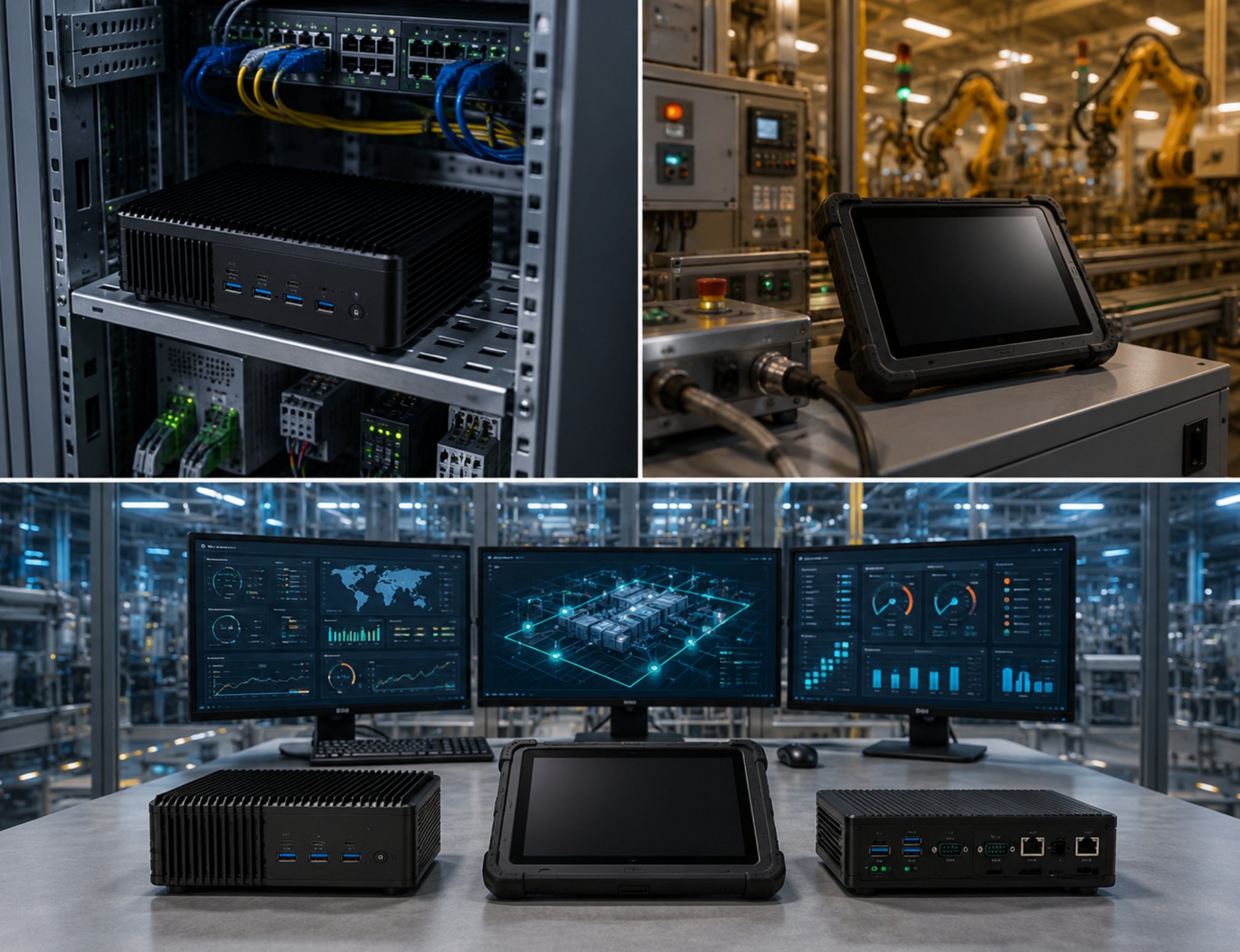
Here’s a side-by-side comparison of the WTR PRO AMD, HTQ10A Android Rugged Tablet, and RT81 Rugged Tablet, focusing on the specs that matter most for Industrial Edge Computing: processing power, durability, connectivity, and battery life. Each model excels in different areas, and understanding these differences helps you match the right tool to your specific environment. The WTR PRO AMD is built as a stationary edge server with robust storage and computing muscle, while the HTQ10A Android Rugged Tablet and RT81 Rugged Tablet are mobile devices optimized for field use—each with its own strengths.
| Specification | WTR PRO AMD | HTQ10A Android Rugged Tablet | RT81 Rugged Tablet |
|---|---|---|---|
| Position | Edge Server / Mini PC | Mobile Rugged Tablet | Mobile Rugged Tablet |
| Weight | Heavy-duty chassis | Lightweight design | Standard rugged weight |
| Processor | AMD (high-performance) | Industrial-grade ARM | Qualcomm SM6225 Octa-core |
| Operating System | Windows 11 | Android | Android 13 |
| Key Feature | 4-Bay NAS, local computing | Industrial-grade durability | FHD 400nit display, 4G LTE |
| Typical Use | Edge node for data processing | Field data collection | Real-time monitoring |
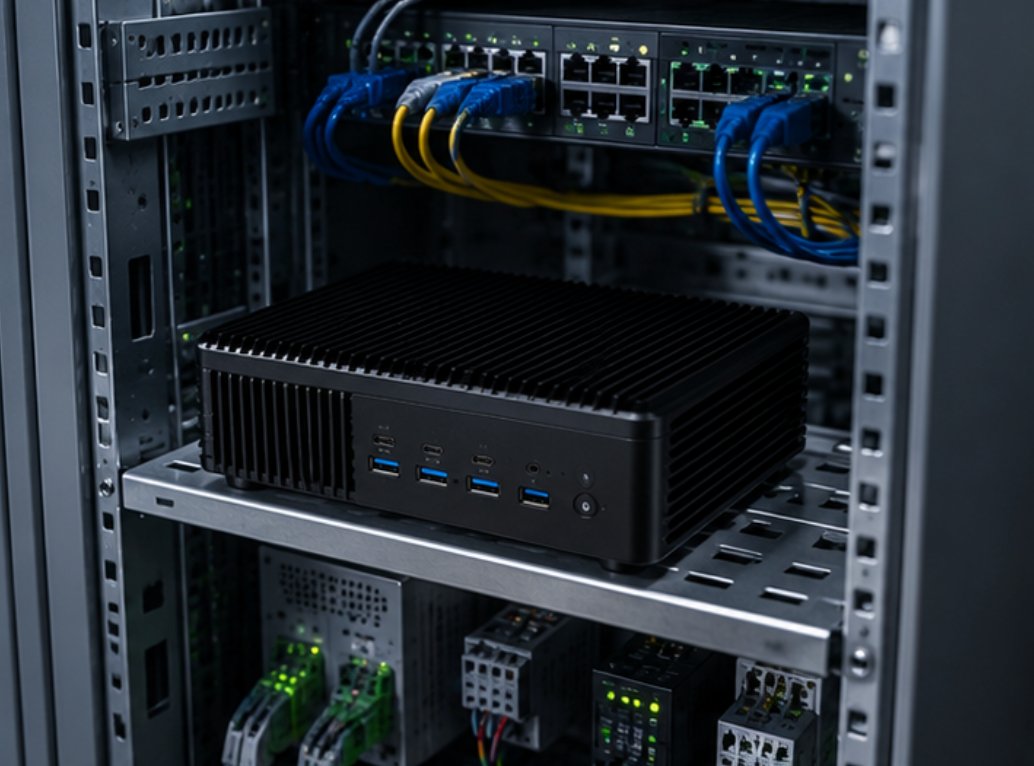
For instance, the WTR PRO AMD is ideal for scenarios that demand local data storage and analysis, like monitoring production line efficiency or running predictive maintenance algorithms. In contrast, the HTQ10A Android Rugged Tablet is a better fit for technicians who need to access maintenance manuals, log sensor readings, or run diagnostic apps while walking through a facility. The RT81 Rugged Tablet, with its bright 10.1-inch FHD 400nit display, shines in outdoor or high-ambient-light conditions—think inspecting solar panels, wind turbines, or construction sites. This diversity means organizations can deploy the exact device needed for each edge computing task, without overpaying or underpowering.
Solution Benefits and Key Outcomes
Organizations that deploy the WTR PRO AMD, HTQ10A Android Rugged Tablet, and RT81 Rugged Tablet in Industrial Edge Computing consistently achieve three critical outcomes. First, they gain consistently high-quality data processing that eliminates the delays and guesswork that plague older systems. In a manufacturing plant, for example, the WTR PRO AMD can analyze vibration data from machinery in real time, predicting failures before they cause downtime. Second, streamlined operations free up staff to focus on value-added tasks rather than constantly managing equipment or troubleshooting connectivity issues. The HTQ10A Android Rugged Tablet, with its intuitive Android interface, requires minimal training—workers can pick it up and start using it immediately, which speeds adoption across the board.
Third, these devices create a professional, modern impression that reflects well on the entire organization. A logistics company using the RT81 Rugged Tablet for warehouse management can demonstrate efficient, tech-forward operations to clients and auditors alike. According to the September 2025 industry report, the economic impact of such industrial devices is significant—they reduce downtime, improve productivity, and lower total cost of ownership over the long haul. By integrating these rugged tablets and edge servers, companies not only enhance their day-to-day operational capabilities but also future-proof their infrastructure against evolving industrial demands. Whether you’re upgrading a single facility or rolling out a global strategy, these devices deliver measurable results.
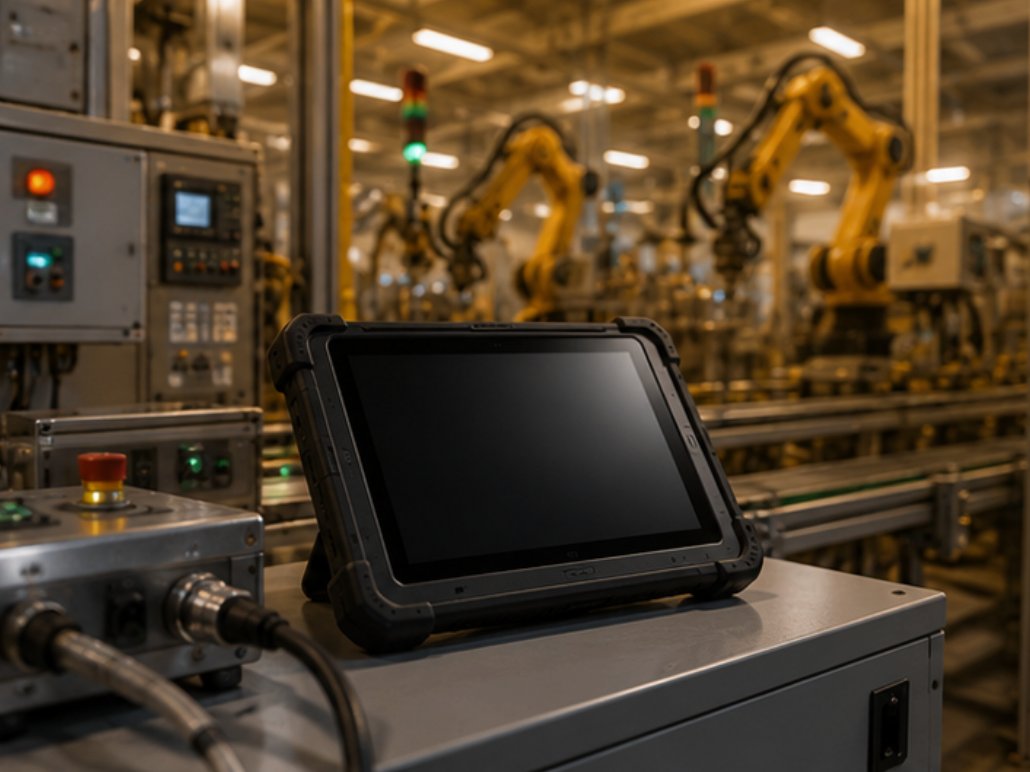
From where I stand, the real game-changer here isn’t just the hardware specs—it’s how these devices work together as a system. The WTR PRO AMD handles the heavy lifting at the edge, while the HTQ10A and RT81 put that data directly into the hands of people who need it, right where they work. That kind of seamless integration is what separates a pilot project from a full-scale industrial transformation.